
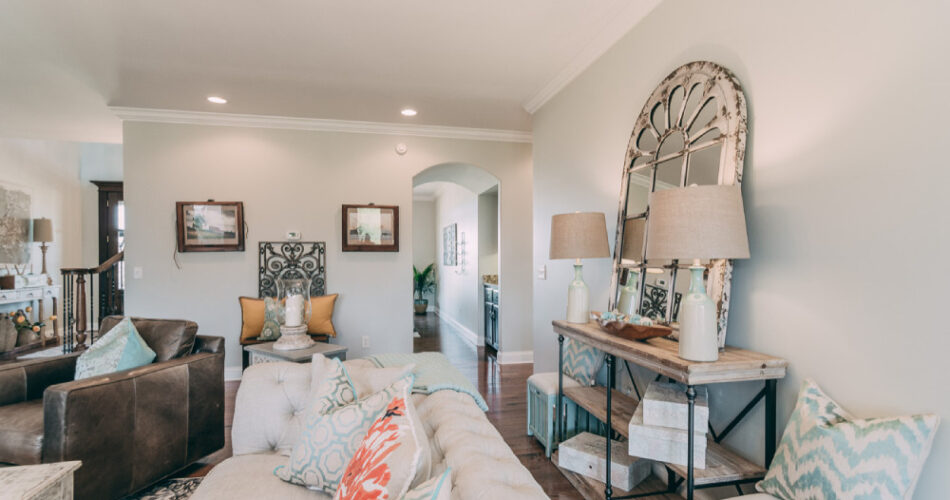
Immerse yourself in the timeless allure of a shabby chic living room, where the elegance of yesteryear meets the comfort of today’s living.
Picture this: distressed wooden accents that whisper tales of the past, cozy slipcovers that invite you to unwind, and floral patterns that dance in the soft, pastel light.
This isn’t just about style, it’s about crafting a living space that encapsulates a balance between rustic elegance and casual sophistication.
As you traverse through this article, you’ll gather the fabric of wisdom to drape your habitation in shabby chic finery—from fetching vintage furniture finds to handmade decorations that echo your unique narrative.
Discover how to blend antique decor with modern comfort, and learn to layer textures and colors in a way that feels both planned and serendipitous.
Whether a seasoned home decorator or a novice drawn to the vintage charm, you’ll conclude this read armed with the knowledge to breathe shabby chic life into your living room.
Shabby Chic Living Room Ideas
| Shabby Chic Living Room Idea | Key Feature | Ideal For | Maintenance Level | Approx. Cost |
|---|---|---|---|---|
| Vintage Furniture | Unique character, history | Collectors and nostalgia lovers | Varies by piece; may require upkeep | Moderate to High |
| Distressed Wood Accents | Time-worn appeal | Rustic aesthetic enthusiasts | Low; durable with intentional imperfection | Low to Moderate |
| Floral Patterns | Feminine touch, softness | Those seeking gentle, romantic vibes | Low; depends on fabric choice | Low to Moderate |
| Antique Decor | Historical significance | History buffs and antique aficionados | Moderate; delicate handling required | Moderate to High |
| Pastel Color Palette | Serene and calming atmosphere | Anyone desiring a tranquil space | Low; regular cleaning to maintain brightness | Low to Moderate |
| Cozy Textiles | Comfort and warmth | Comfort seekers and texture lovers | Moderate; frequent laundering needed | Moderate |
| Lace Curtains | Delicate detailing | Those appreciating intricate designs | Moderate; gentle care needed | Low to Moderate |
| Upcycled Pieces | Sustainability, uniqueness | Eco-conscious and creative individuals | Low to High; DIY upkeep | Low (DIY) |
| Romantic Lighting | Soft, ambient illumination | Romantic ambiance creators | Low; occasional bulb replacement | Low to Moderate |
| Handmade Decorations | Personal touch, craftsmanship | DIY enthusiasts and crafters | Varies; some items may be delicate | Low (DIY) |
Vintage Gallery Wall
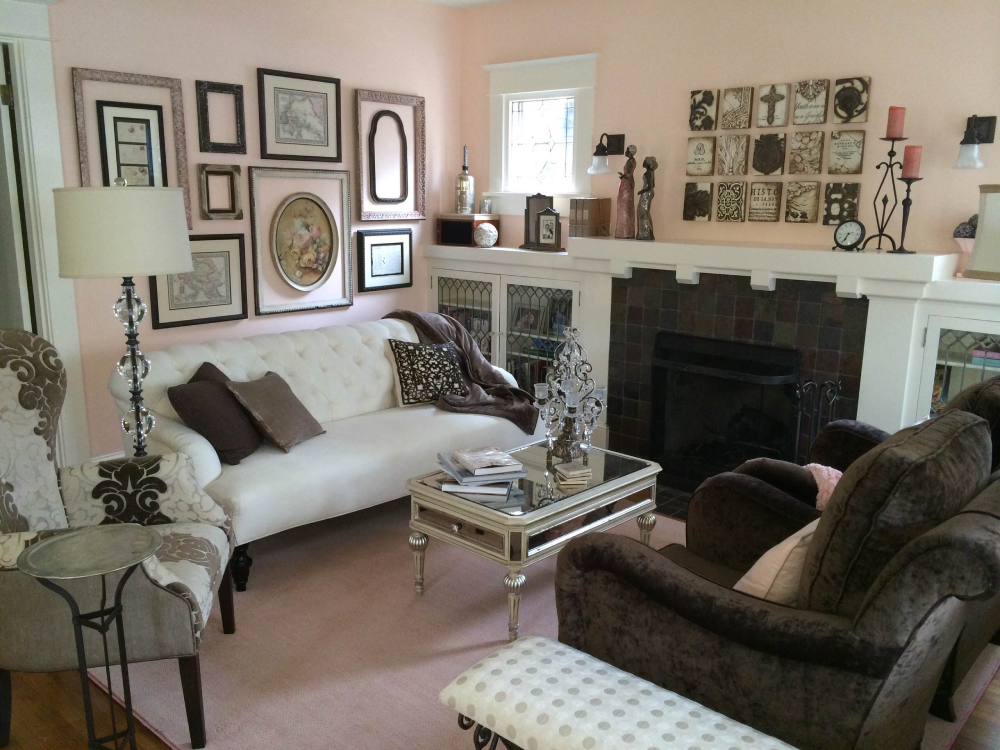 Image source: RL Design Studio
Hey, y’know what’s a good idea? A vintage gallery wall! Make it pop by curating a mix of antique frames, mirrors, and sentimental art pieces. Don’t stress about matching everything, that’s the beauty of shabby chic. Let it all come together organically, and you’ll have the most authentic look possible.
Whitewashed Brick Fireplace
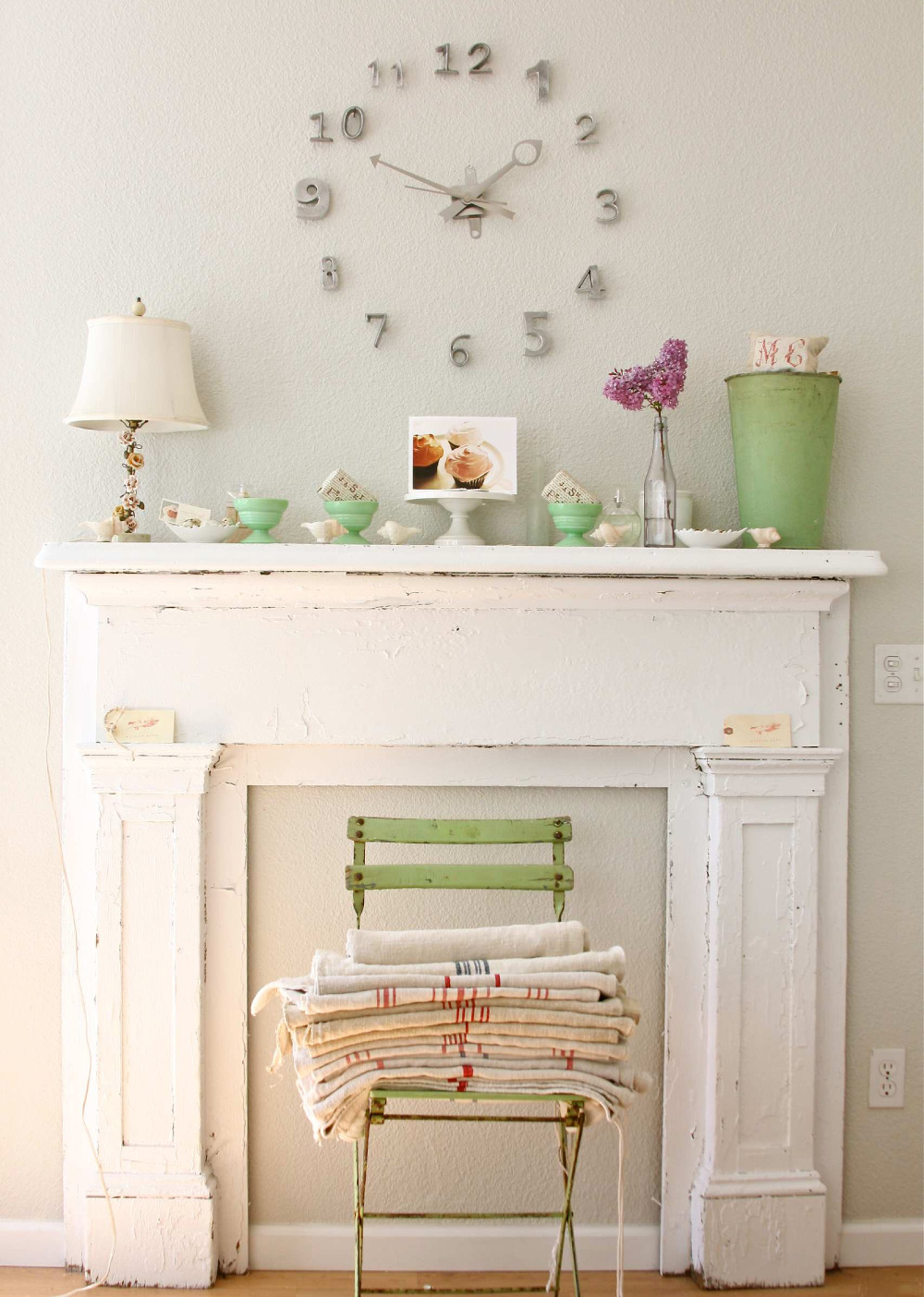 Image source: Dreamy Whites
Listen, a whitewashed brick fireplace can totally transform your living room. It’ll give it that rustic, shabby chic feel you’re after. Just grab some paint and a brush, and make it happen! Don’t worry if it doesn’t look perfect; that’s the whole point. Embrace the imperfections!
Slipcovered Furniture
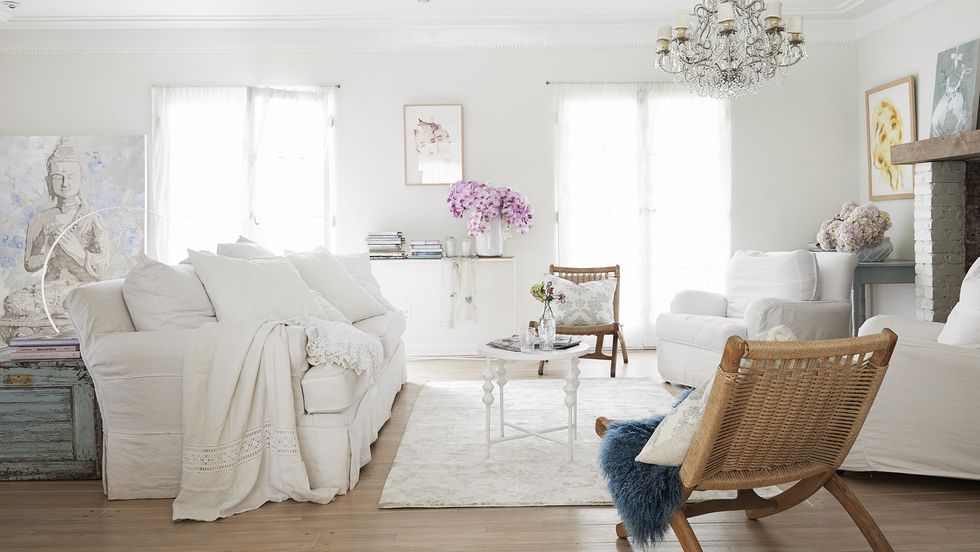 Image source: Rachel Ashwell
Have you thought about slipcovered furniture? It’s a genius way to breathe new life into old, worn-out pieces. Plus, you can mix and match patterns and colors to create an eclectic, shabby chic vibe. And the best part? You can just toss ’em in the wash if they get dirty!
Distressed Wood Coffee Table
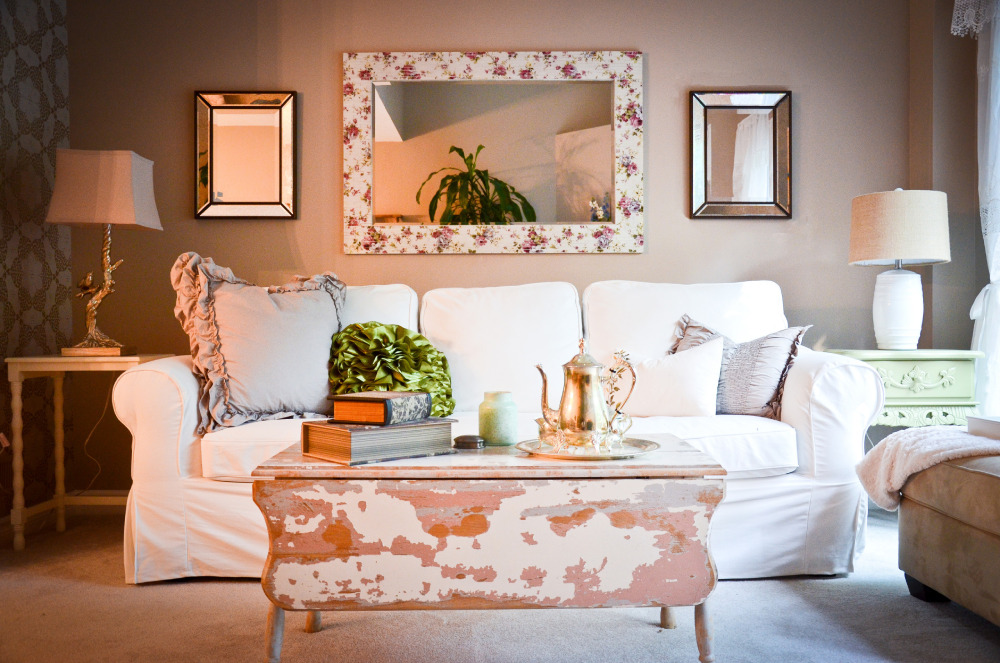 Image source: Accoutrements Decor
What about a distressed wood coffee table? It’s the ultimate centerpiece for a shabby chic living room. Scour flea markets or antique shops for something that has that worn, lived-in look. Then, you can decorate it with vintage books, candles, and a tray to add some functionality.
Vintage Trunks and Suitcases
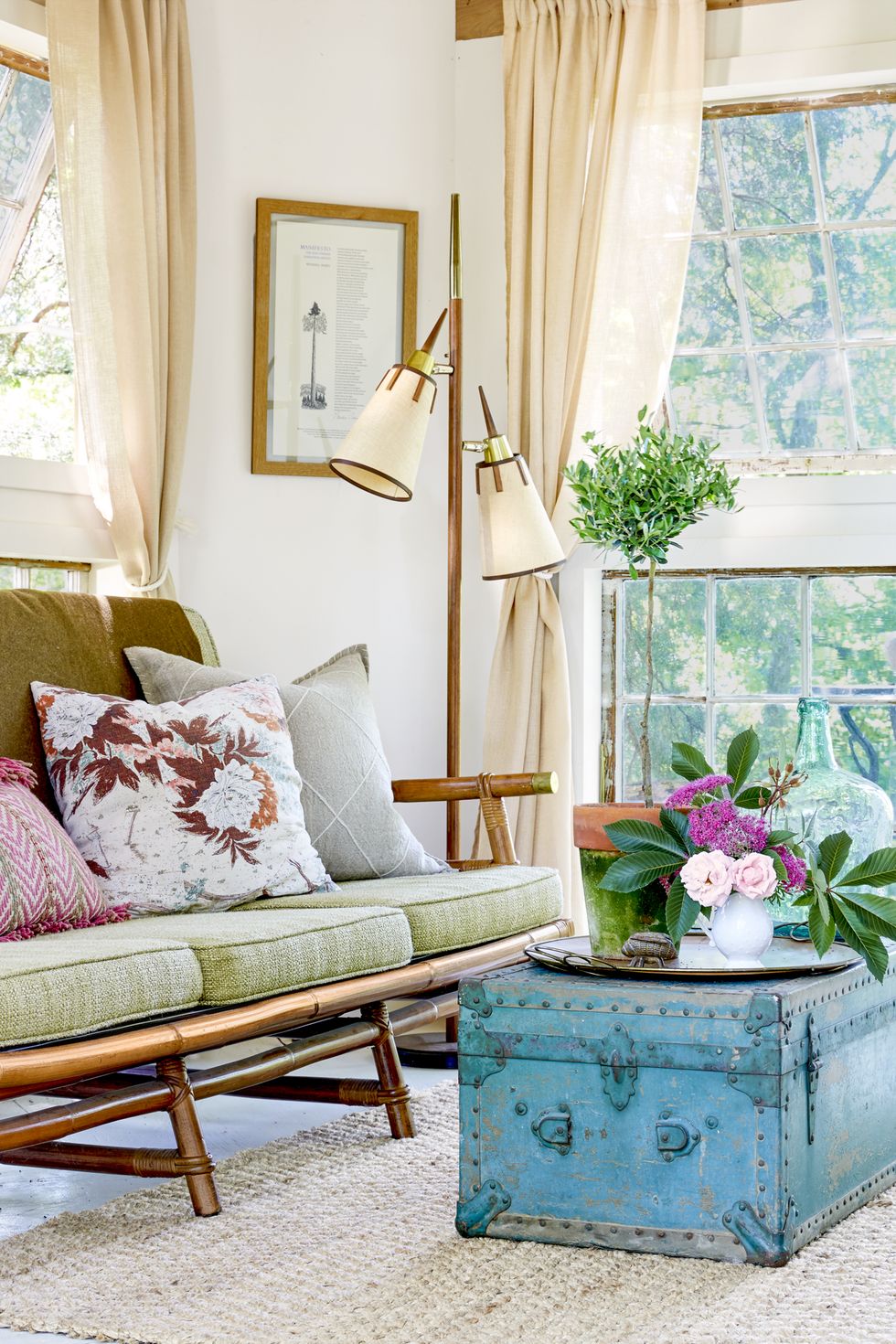 Image source: David Hillegas
Vintage trunks and suitcases are perfect for adding extra storage and character to your shabby chic living room. Stack ’em up as an end table, or use them to store blankets, games, or anything else you can think of. The options are endless, really.
Mismatched Throw Pillows
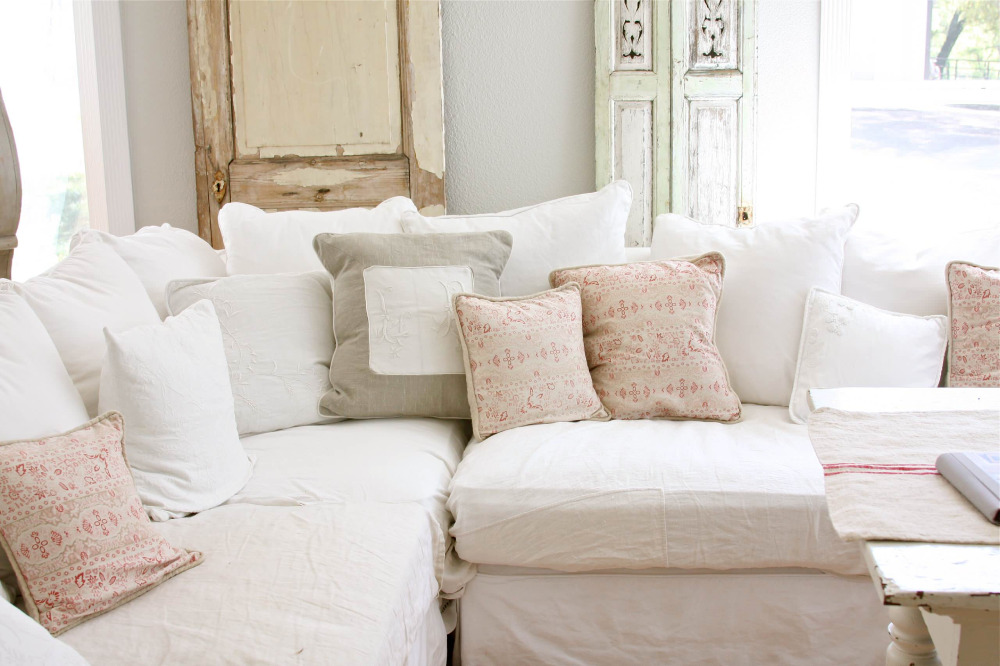 Image source: Dreamy Whites
Have you tried using mismatched throw pillows? It’s a super easy way to add texture and color to your living room. Go wild with different patterns, materials, and sizes – the more, the merrier! Just make sure you stick to a cohesive color palette to avoid visual chaos.
Lace and Crochet Accents
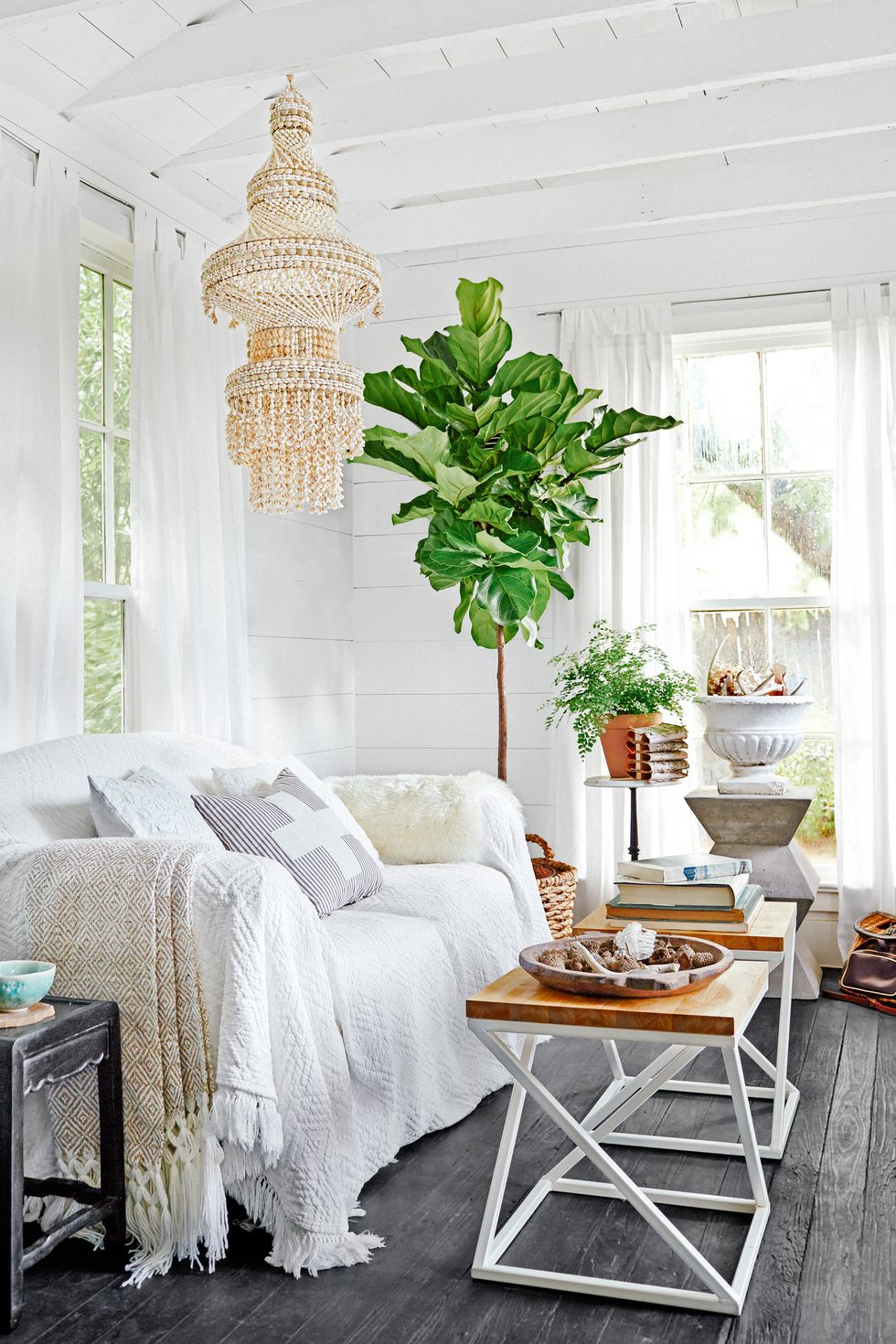 Image source: Cody Ulrich
Lace and crochet accents give that cozy, vintage feel to any shabby chic living room. Drape a crochet blanket over a chair or add lace curtains to your windows. It’s amazing how small details can make such a big difference!
Repurposed Wooden Crates
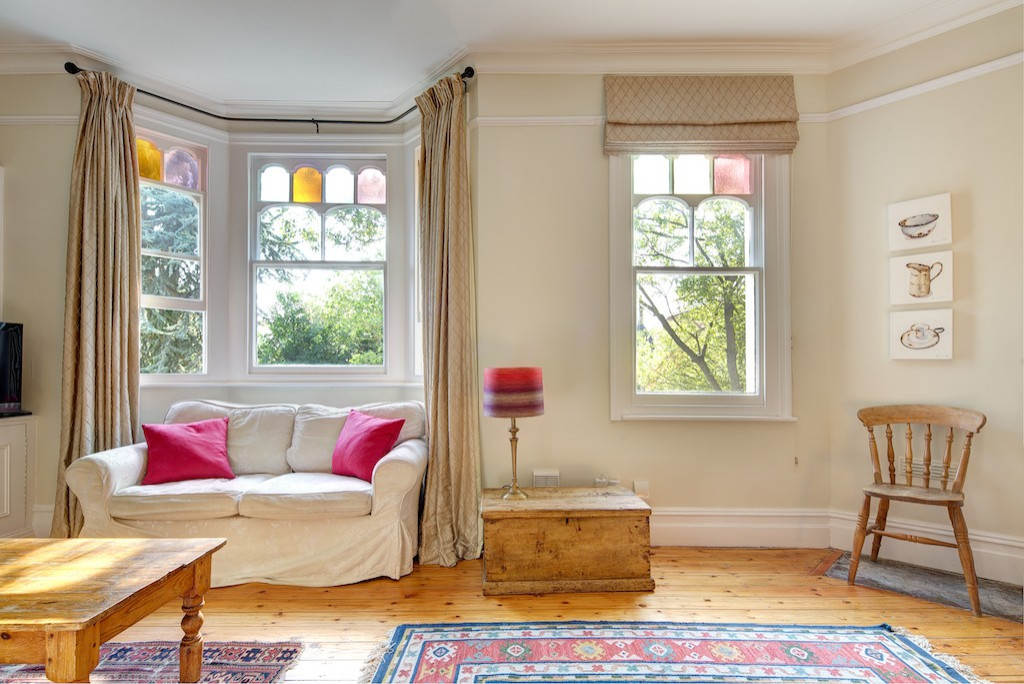 Image source: Styling Spaces Home Staging & Re-Design
Repurposed wooden crates can be used in so many ways to enhance your living room’s shabby chic aesthetic. Use them as shelves, plant stands, or even a TV stand – get creative! Just be sure to sand and seal them to keep splinters at bay.
Chippy Painted Doors
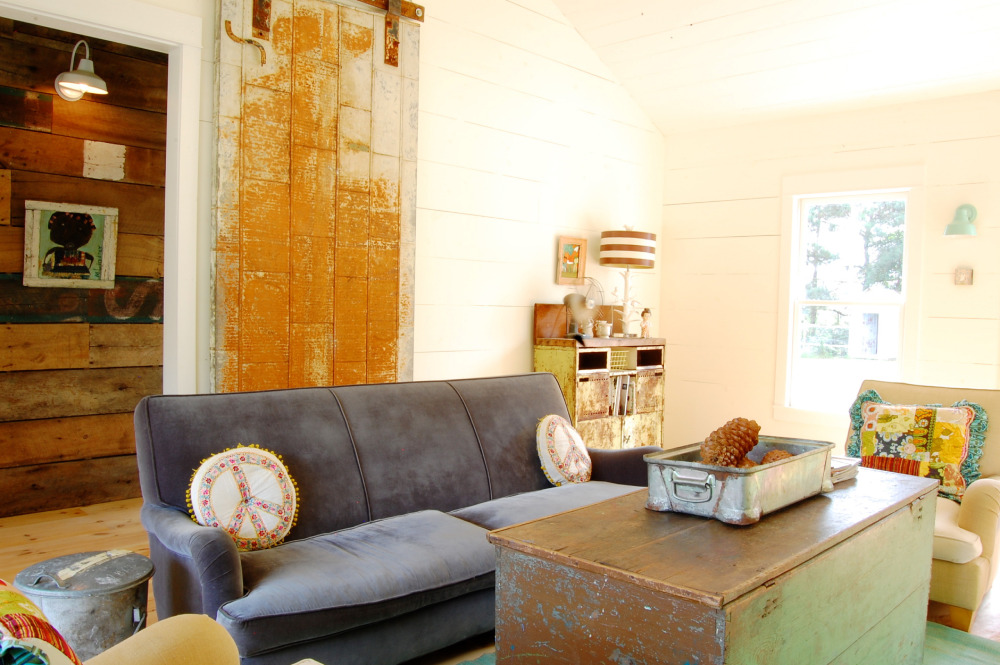 Image source: Corynne Pless
Chippy painted doors are an excellent choice for adding architectural interest to your living room. You can use them as a headboard for your sofa, or even as a room divider. The peeling paint and worn edges will give your space that shabby chic, lived-in vibe you’re after.
Floral Arrangements
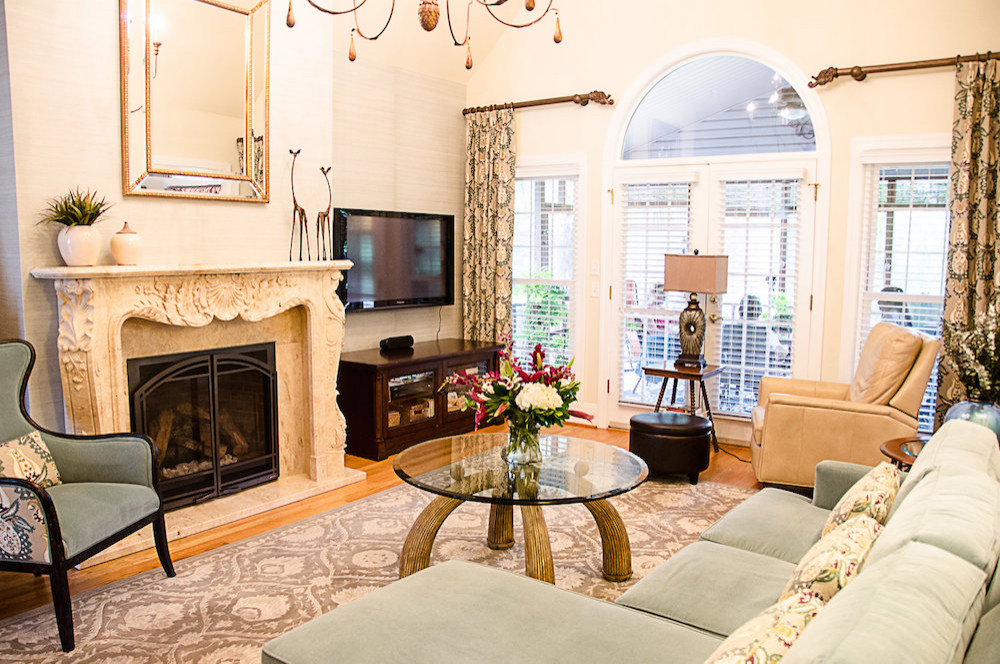 Image source: Mere Designs LLC
Floral arrangements are a must for any shabby chic living room. Whether it’s a simple bouquet of wildflowers or a stunning centerpiece, flowers can really bring your space to life. Don’t be afraid to mix and match vases and containers – the more eclectic, the better!
Vintage Rugs
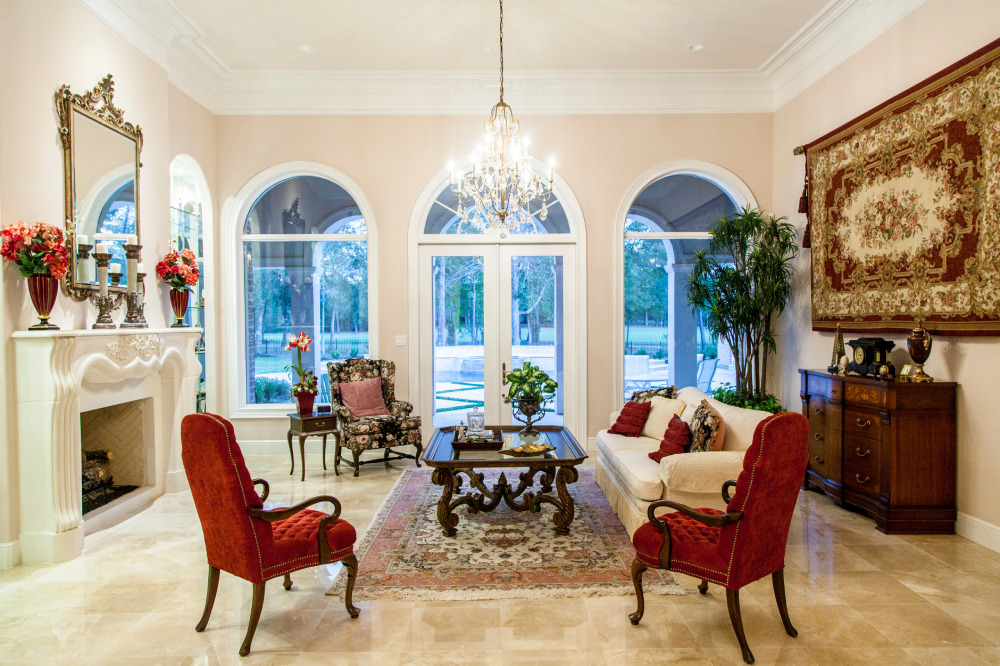 Image source: J.W. Neathery Custom Home Craftsman
Nothing says cozy like a vintage rug. Layer a few in your living room to add warmth and texture. The worn, faded look will fit right in with your shabby chic aesthetic. Plus, they’re great for hiding any imperfections in your flooring!
Wicker and Rattan Furniture
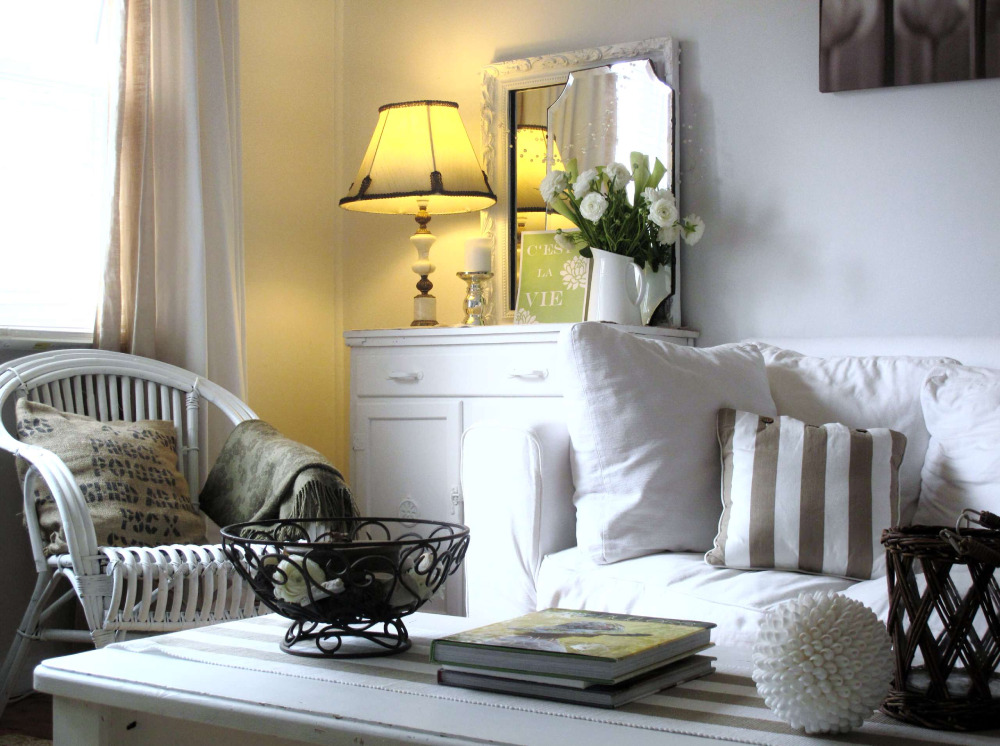 Image source: A Beach Cottage
Wicker and rattan furniture are both great options for adding a touch of shabby chic charm to your living room. Mix and match chairs, tables, and ottomans for a relaxed, inviting feel. The natural materials and intricate weaving patterns will give your space an authentic, vintage look.
Weathered Window Frames
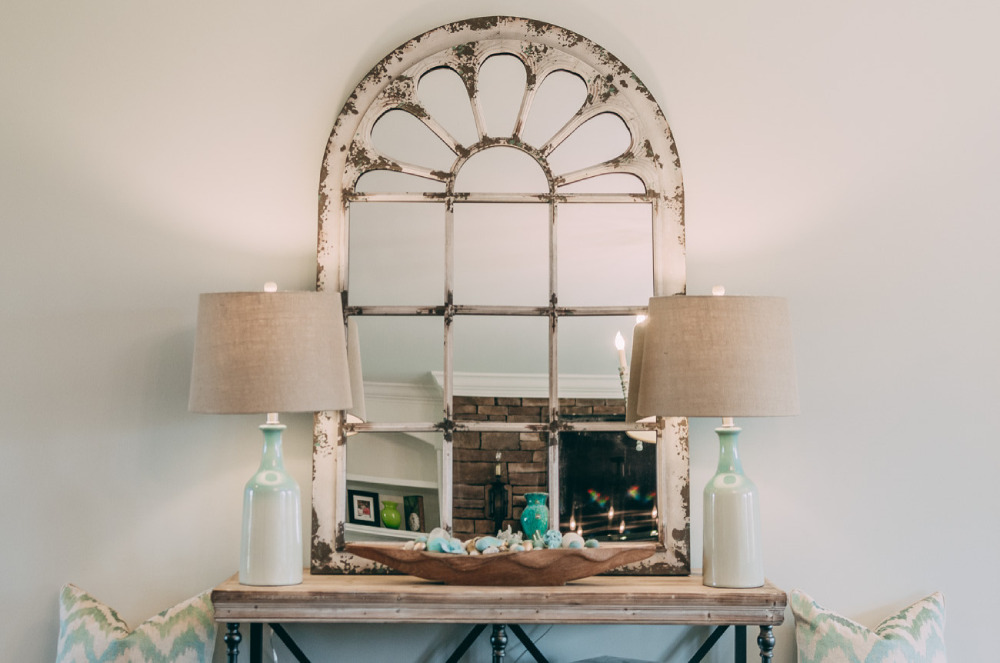 Image source: Styling Spaces Home Staging & Re-Design
Weathered window frames can add a unique touch to your living room. Hang them on the wall as art, or use them as a backdrop for your favorite photos. The chipped paint and worn wood will provide that shabby chic charm you’re after.
Reclaimed Wood Shelving
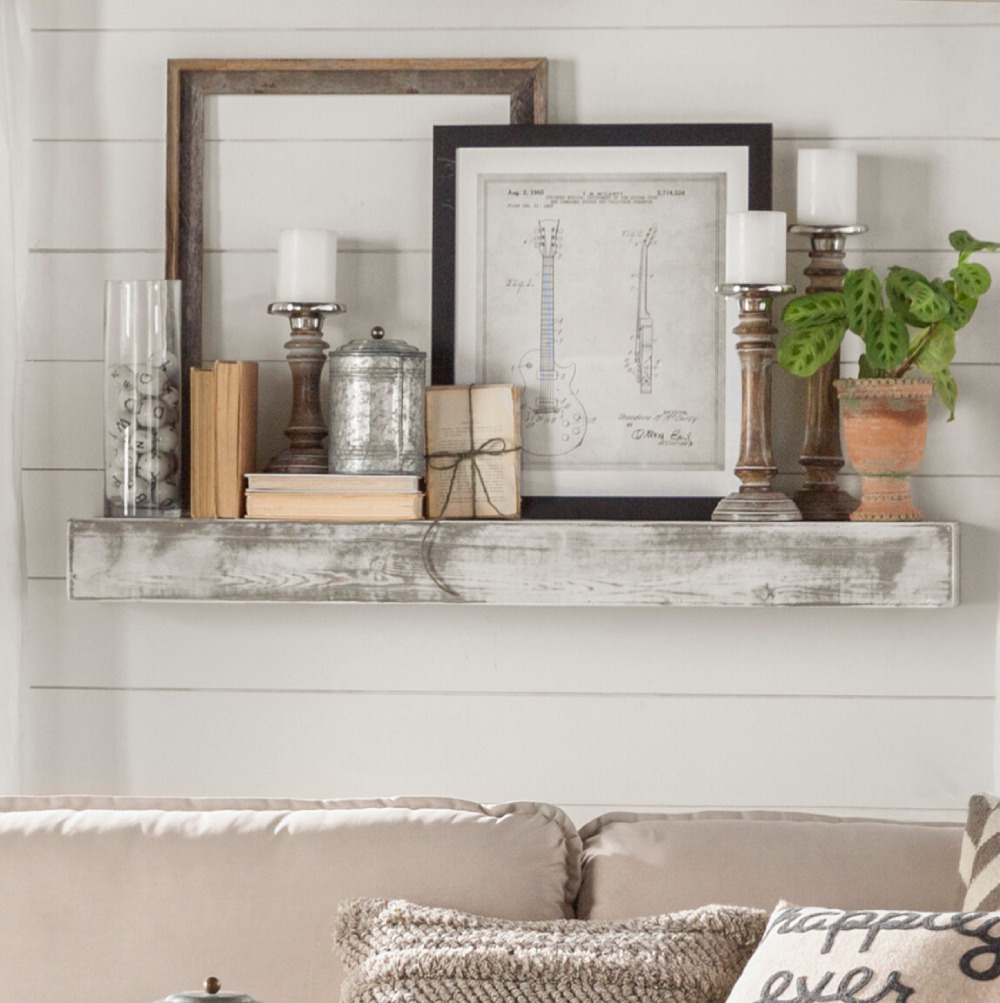 Image source: KHB Interiors
Reclaimed wood shelving is a fantastic way to add character and storage to your living room. The aged, weathered look of the wood will blend seamlessly with your shabby chic aesthetic. You can even add vintage brackets or corbels for an extra touch of style.
Soft Pastel Color Palette
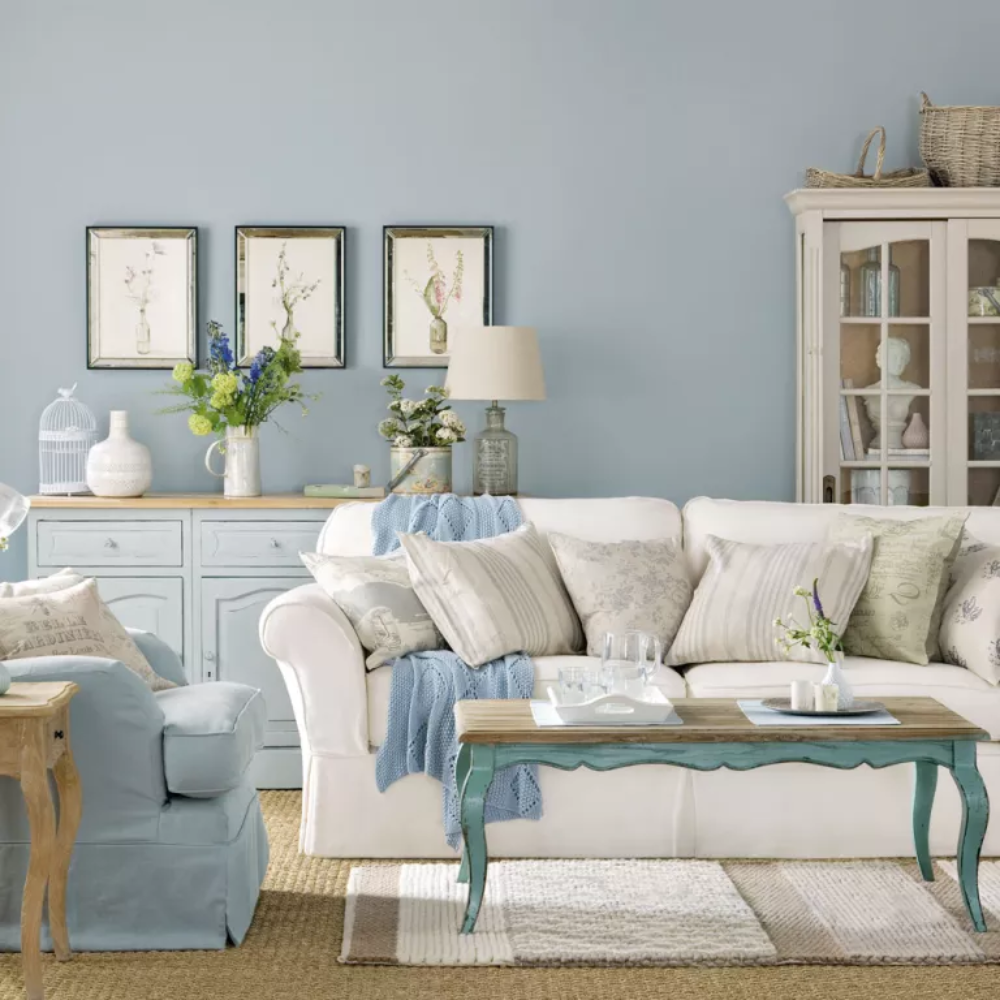 Image source: Simon Whitmore
A soft pastel color palette is perfect for creating that cozy, shabby chic atmosphere. Stick to shades like pale blues, pinks, and creams for a calming, inviting feel. Don’t be afraid to mix patterns and textures, just keep the colors consistent.
Vintage Lighting Fixtures
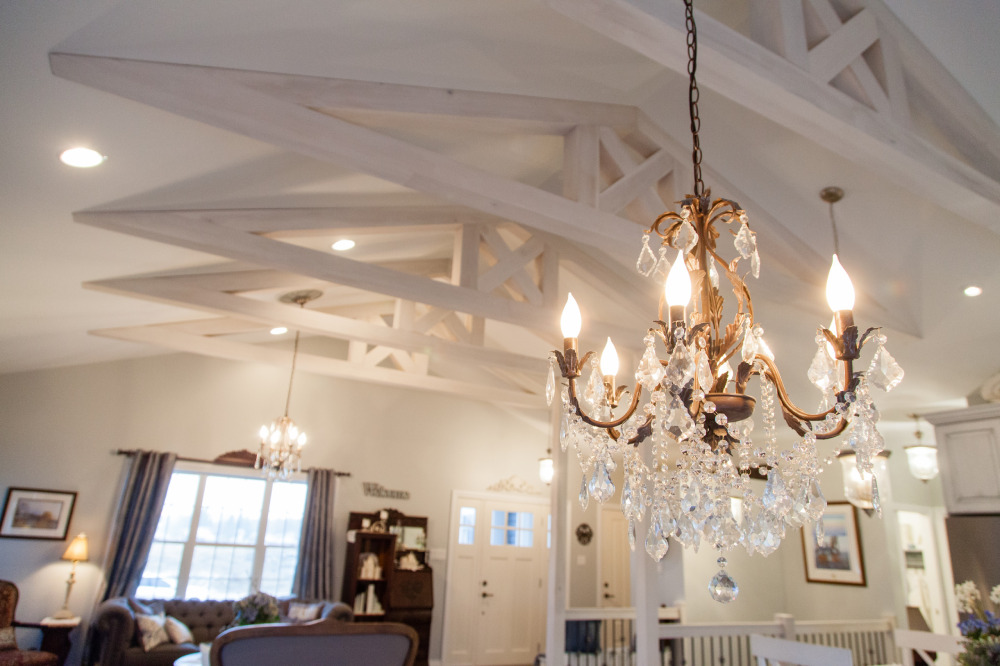 Image source: Katie Malik Design Studio
Vintage lighting fixtures can really set the mood in your shabby chic living room. Look for chandeliers, sconces, or table lamps with an aged, antique appearance. Mix and match styles for a truly eclectic look that will leave your guests in awe.
Handmade Pottery
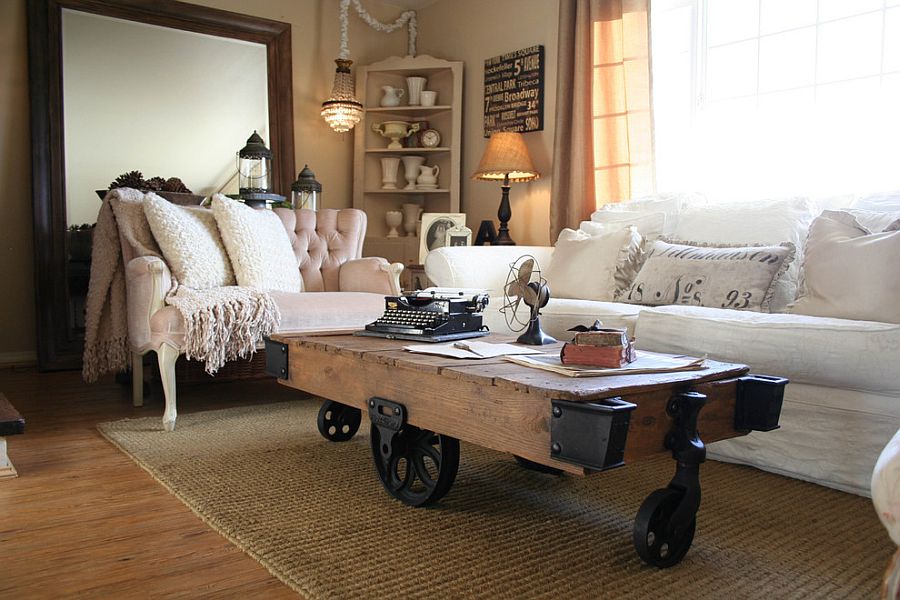 Image source: The Old Painted Cottage
Handmade pottery can add a personal touch to your living room. Display your favorite pieces on shelves or in a hutch for a curated, shabby chic look. The imperfections and unique glazes will bring warmth and character to your space.
Antique Mirrors
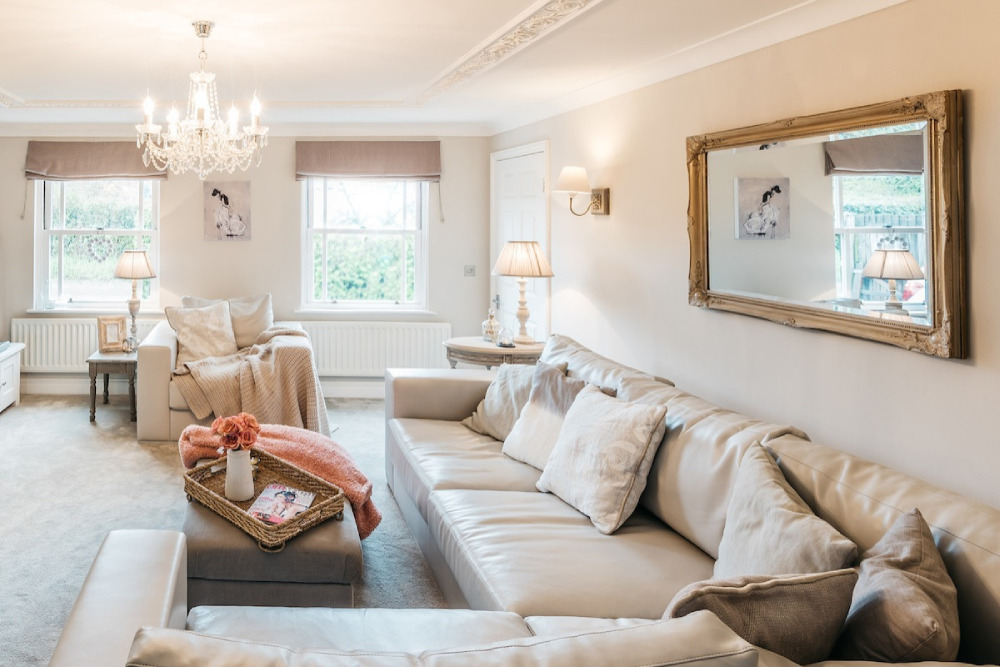 Image source: Katie Malik Design Studio
Antique mirrors are a fantastic way to add dimension and light to your shabby chic living room. Hang them on the wall, or lean them against a wall for a more relaxed look. The distressed frames and aged glass will give your space that timeless appeal.
DIY Upholstered Headboard
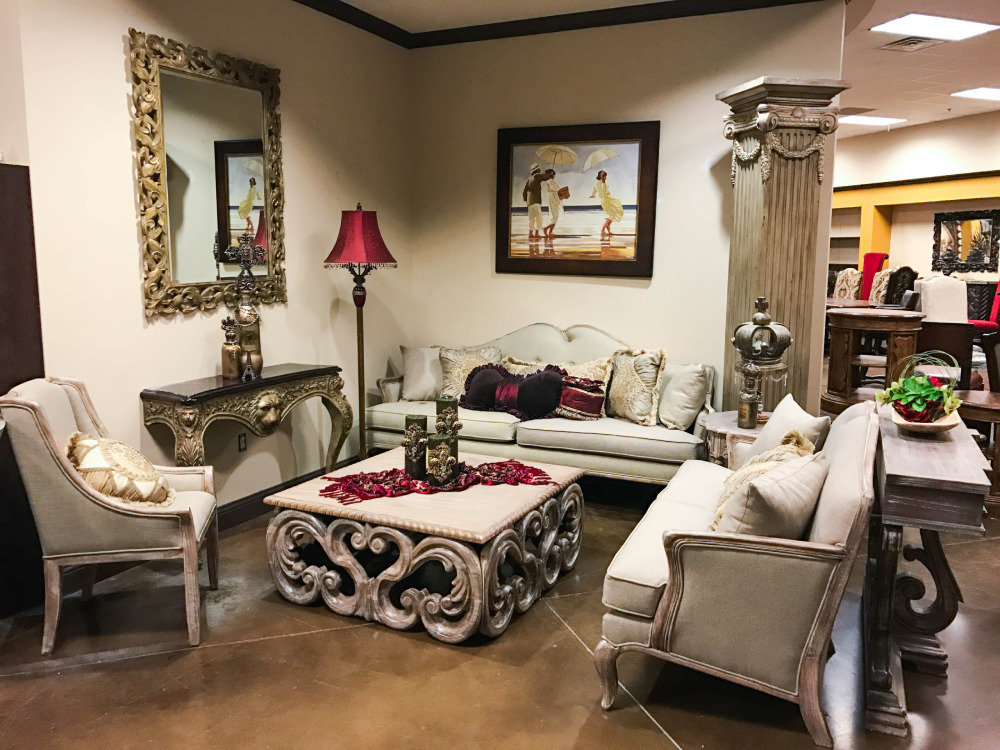 Image source: Luxe Leather Furniture
A DIY upholstered headboard can provide a cozy focal point for your shabby chic living room. Choose a fabric with a vintage pattern or texture, and don’t worry if it’s not perfect – that’s the beauty of shabby chic! Add some throw pillows and a soft blanket, and you’ve got a cozy spot to relax.
FAQ On Shabby Chic Living Room Ideas
What is Shabby Chic in Interior Design?
Imagine walking into a room that sings an aria of vintage elegance and whispered comfort. Shabby chic melds the antique charm and rustic finishes with a dash of feminine softness.
It’s an aesthetic that champions the beauty of imperfection—distressed furniture and a warm, pastel color scheme are its hallmarks.
How Can I Style a Living Room in the Shabby Chic Aesthetic?
Conjure a space where every piece tells a story. Start with a pastel or whitewashed base, add distressed wood furniture, cozy slipcovers, and layers of lace and floral textiles.
Incorporate upcycled adornments and juxtapose them with soft, billowy lighting to evoke an inviting, lived-in feel.
What Are the Key Elements of Shabby Chic Decor?
To truly encapsulate shabby chic, you need three pillars: vintage pieces that are gracefully weathered, a blend of lush fabrics like cotton and lace, and a sprinkle of feminine accents—think delicate floral patterns and soft, muted hues.
Together, they craft the perfect ballet of comfort and style.
What Colors Are Typical in a Shabby Chic Living Room?
In this palette, whispers of soft pinks, creams, and light blues dominate, reminiscent of a watercolor dawn.
Expect to see these hues dancing gracefully on walls and furniture, providing a serene backdrop that soothes the soul and heightens the romantic nostalgia of the shabby chic essence.
Can I Incorporate Modern Elements into Shabby Chic Design?
Absolutely. Shabby chic isn’t about recreating a period room—it’s a fusion, a conversation between times.
Bridge the gap with modern comforts like sleek technology housed in antique-style casings or contemporary art framed in rustic wood. It’s about finding that harmony between worn and new, creating your contemporary heirloom.
How Do I Distress Furniture for a Shabby Chic Look?
Distressing furniture requires the embrace of imperfection. Armed with sandpaper and a vision, focus on edges and corners where natural wear would occur.
A layer of chalk paint, slightly sanded, can produce an aura of time-worn elegance. Remember, each gentle scrape is a story you’re writing on wood.
What Type of Fabrics Suit a Shabby Chic Living Room?
Opt for the breezy charm of natural fabrics—cotton, linen, and lace are quintessential. Think of plush cushions, billowy drapes, and snuggly throws that offer an inviting tactile experience.
Their intrinsic simplicity and elegance will complement the time-worn textures and patinas resonating in your shabby chic retreat.
How Can I Make My Living Room Look Shabby But Not Sloppy?
The secret lies in balanced asymmetry and intentional layering. A careful orchestration of weathered yet quality pieces, alongside polished accents, prevents the look from tipping into disarray.
It’s not about clutter, but curated contrast—each object meticulously selected for its character and contribution to the collective charm.
What Kind of Lighting Works Best in a Shabby Chic Setting?
Lighting in a shabby chic living room should mimic the caress of dawn’s first light—gentle, diffused, and warm.
Vintage chandeliers with crystal droplets, ornate lamps with distressed bases, and candles set in antique holders compose a symphony of ambient illumination that dances around the room with whimsical fluidity.
How Can I Achieve a Shabby Chic Look on a Budget?
Scour flea markets, thrift stores, and garage sales for treasures with a bit of patina.
DIY your decor: whitewash a hand-me-down coffee table, throw mismatched vintage linens on your sofa, or fashion curtains from thrifted lace dresses. It’s about the joy of the hunt and the love poured into transformation.
Conclusion
Wrapping up, infusing a space with shabby chic living room ideas transcends mere decoration; it’s about embracing a narrative. The encounter of distressed wood with a whisper of lace curtains, the romance in the air fostered by pastel tones, and antique trinkets harmonizing with upcycled ingenuity—it’s a poetic ode to the comfortable elegance.
It’s been an exploration of textures, colors, and an invocation of nostalgia. From the plushness of a velvet wingback chair to the charm of a vintage rug, the elements of shabby chic have been woven together to create a tapestry of serene and homely allure. Remember, these ideas aren’t set in stone but are starting points for you to add personal flourishes—creating a living room that resonates with your story is where the true artistry lies.
As you move forward, let these insights spark your creativity. May your living room not just be a space you fill, but a haven you lovingly curate, piece by piece, story by story.