
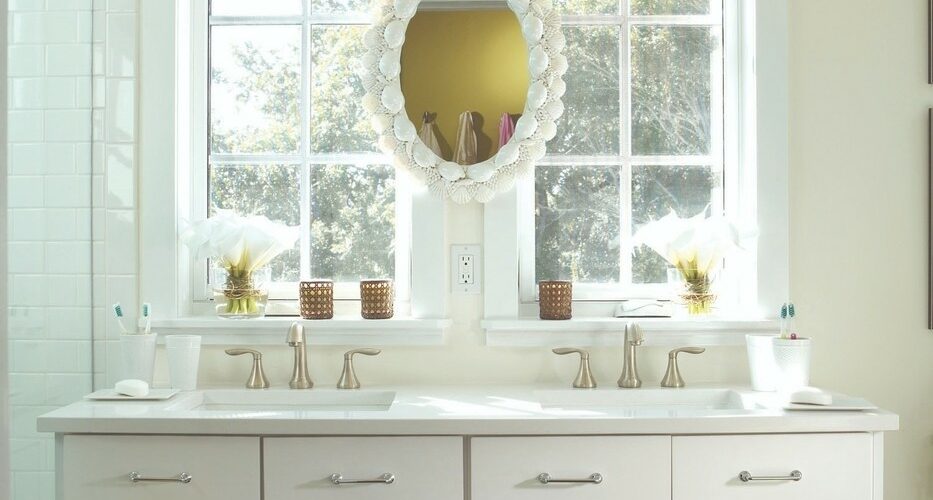
Imagine retreating to a space where time stands still—your very own bathroom, transformed into a haven that whispers tales of romantic pasts. Shabby chic bathroom ideas beckon, inviting you into a world where imperfections are celebrated, and elegance is effortless.
It’s an artist’s canvas, where every brushstroke tells a story of vintage charm and cottage-style comfort.
In this guide, I’ll unveil the secrets to curating a bathroom that exudes that cozy atmosphere, blending antique accessories with modern function.
You’ll discover how to harmonize distressed furniture with soft lighting fixtures, and how floral patterns can add a touch of whimsy to practical spaces.
As we explore, the shabby chic design principles will unfold, equipping you to create a personal sanctuary that marries rustic decor with feminine touches.
By the final flourish of this read, the alchemy of transforming the mundane into shabby chic marvels will be at your fingertips, ready to be woven into the fabric of your abode.
Shabby Chic Bathroom Ideas
| Shabby Chic Bathroom Idea | Key Features | Materials Used | Color Scheme | Accessories |
|---|---|---|---|---|
| Vintage Vanities | Upcycled dressers, Distressed paint effect | Wood, Metal | Whites, Creams, Pastels | Ornate knobs, Antique faucets |
| Clawfoot Tubs | Freestanding, Classic curves | Porcelain, Cast iron | Soft hues, Floral accents | Ruffled curtains, Bath mats |
| Ornate Mirrors | Elaborate frames, Unique shapes | Wood, Gilded metal | Neutral tones, Gold or silver leaf | Wall sconces, Candles |
| Distressed Furniture | Weathered look, Chipped paint | Wood, Glass | Muted colors, Mix and match | Small potted plants, Books |
| Soft Lighting Fixtures | Chandeliers, Wall-mounted lamps | Wrought iron, Crystal | Warm ambient light | Fabric shades, Dimmers |
Bring on the Vintage
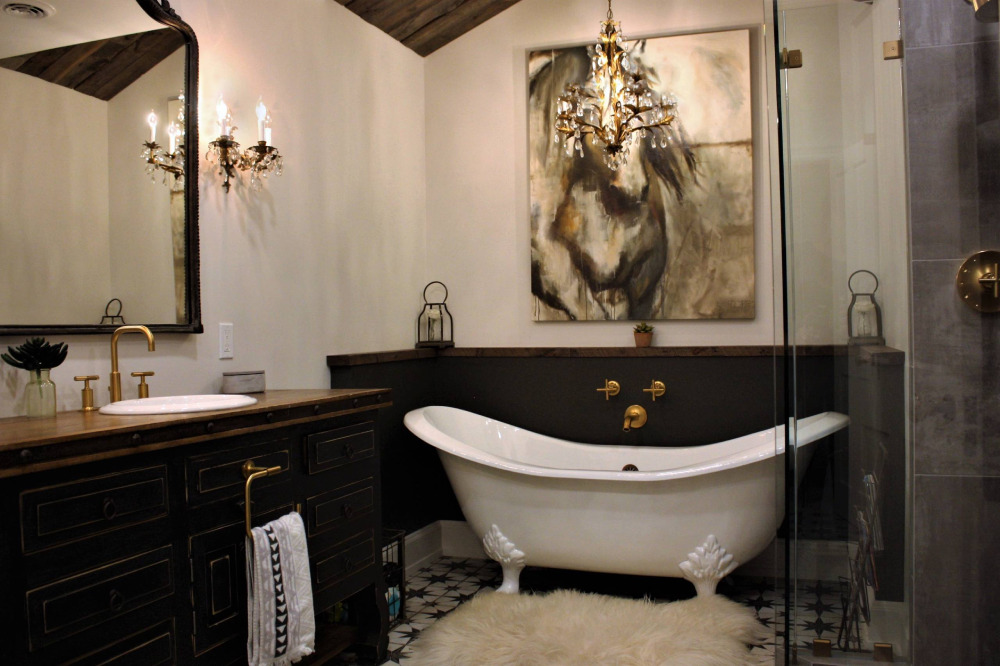 Image source: Design Group Three
So, I was thinkin’ like, why not go for the classic vintage style? Mix and match some antique finds, like a lovely clawfoot bathtub, ornate mirrors, and an old-fashioned sink. Add a distressed wooden vanity and some rustic linens to complete the look. Get creative with vintage-inspired wallpapers or paint colors that have an aged look. The more lived-in, the better, am I right?
Shabby Chic Storage Solutions
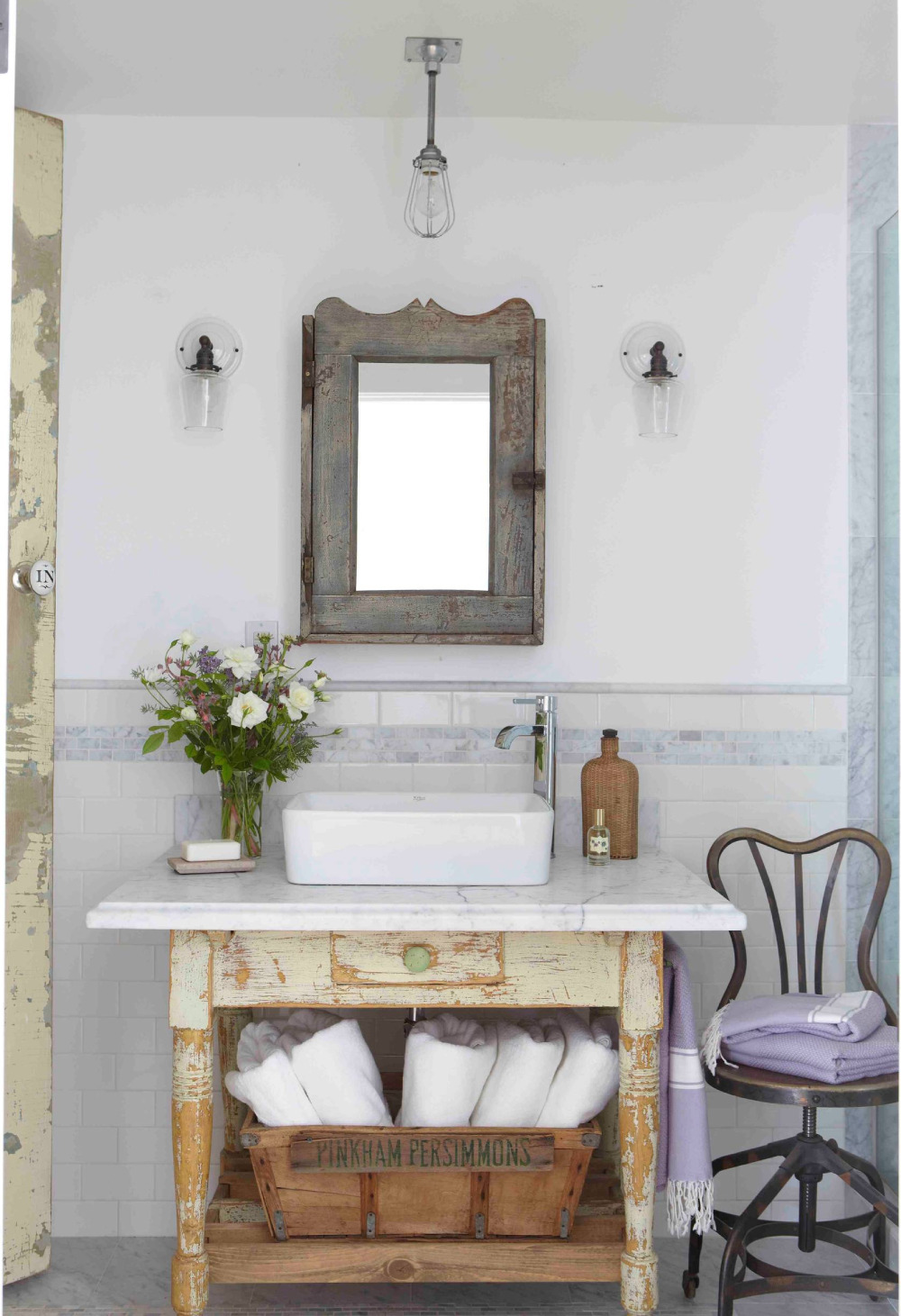 Image source: Kelley Motschenbacher
Look, bathrooms need storage, but why not make it stylish? Try repurposing old wooden crates, ladder shelves, or even antique cabinets for your towels and toiletries. And hey, don’t forget about those vintage glass jars for your cotton balls and q-tips! It’s all about finding those unique pieces that scream character and charm.
Flea Market Finds
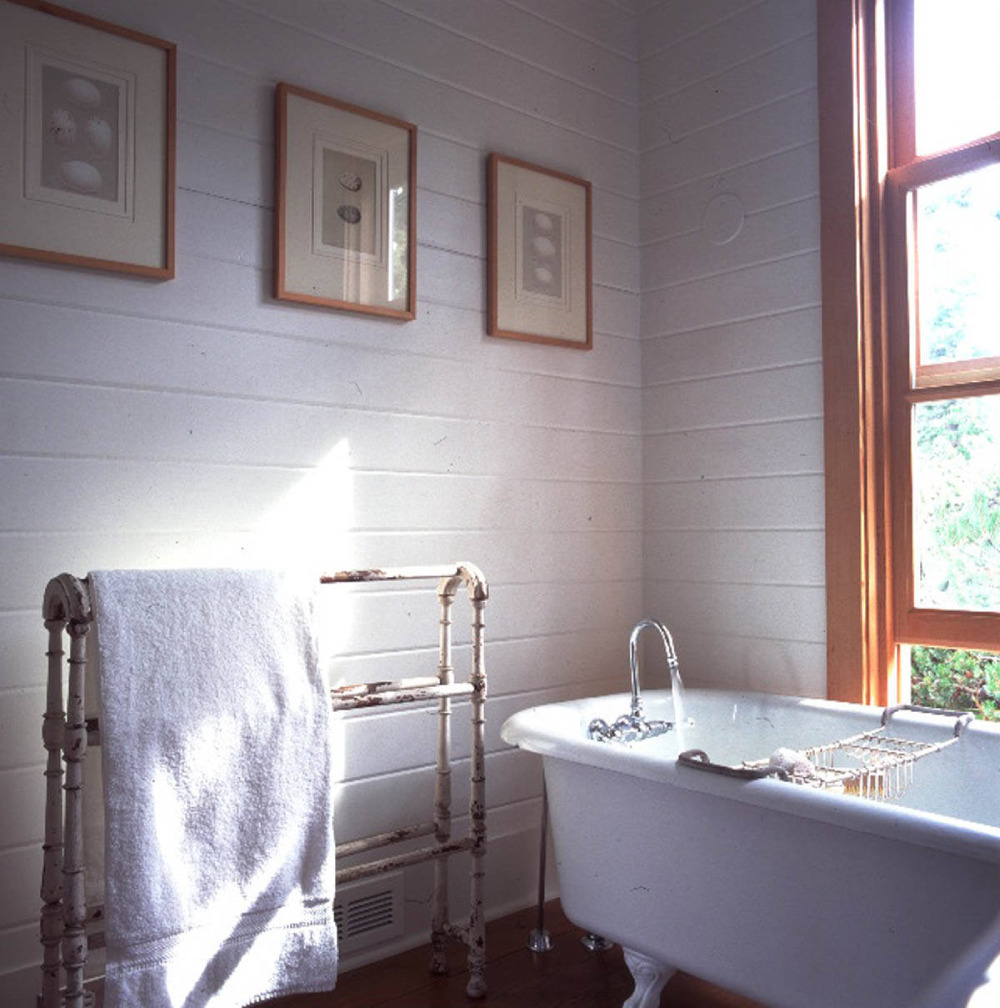 Image source: Hoedemaker Pfeiffer
Let’s face it, one person’s trash is another’s treasure. Hit up your local flea markets and thrift stores to find those unique, one-of-a-kind items for your bathroom. You know, like vintage soap dishes, antique towel racks, or even a quirky toilet paper holder. The possibilities are endless, and the hunt for the perfect find is half the fun!
Flower Power
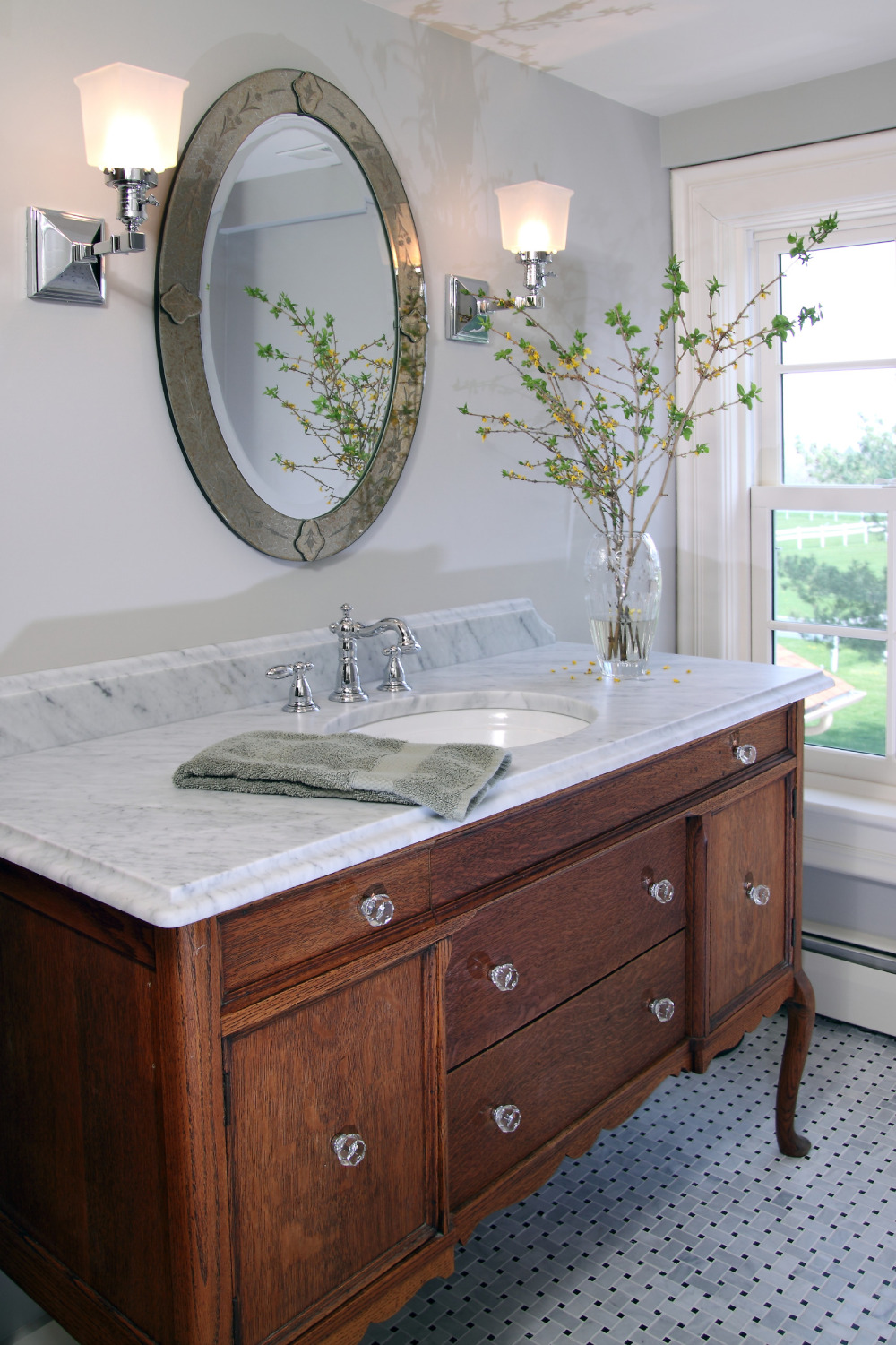 Image source: Refined Renovations
Nothing says shabby chic like some beautiful blooms. So why not add some fresh flowers or even silk ones to your bathroom? Place them in vintage vases or repurposed mason jars for that extra touch of charm. And don’t be afraid to get creative with your arrangements – mix and match colors and textures for a stunning display.
DIY Distressed Decor
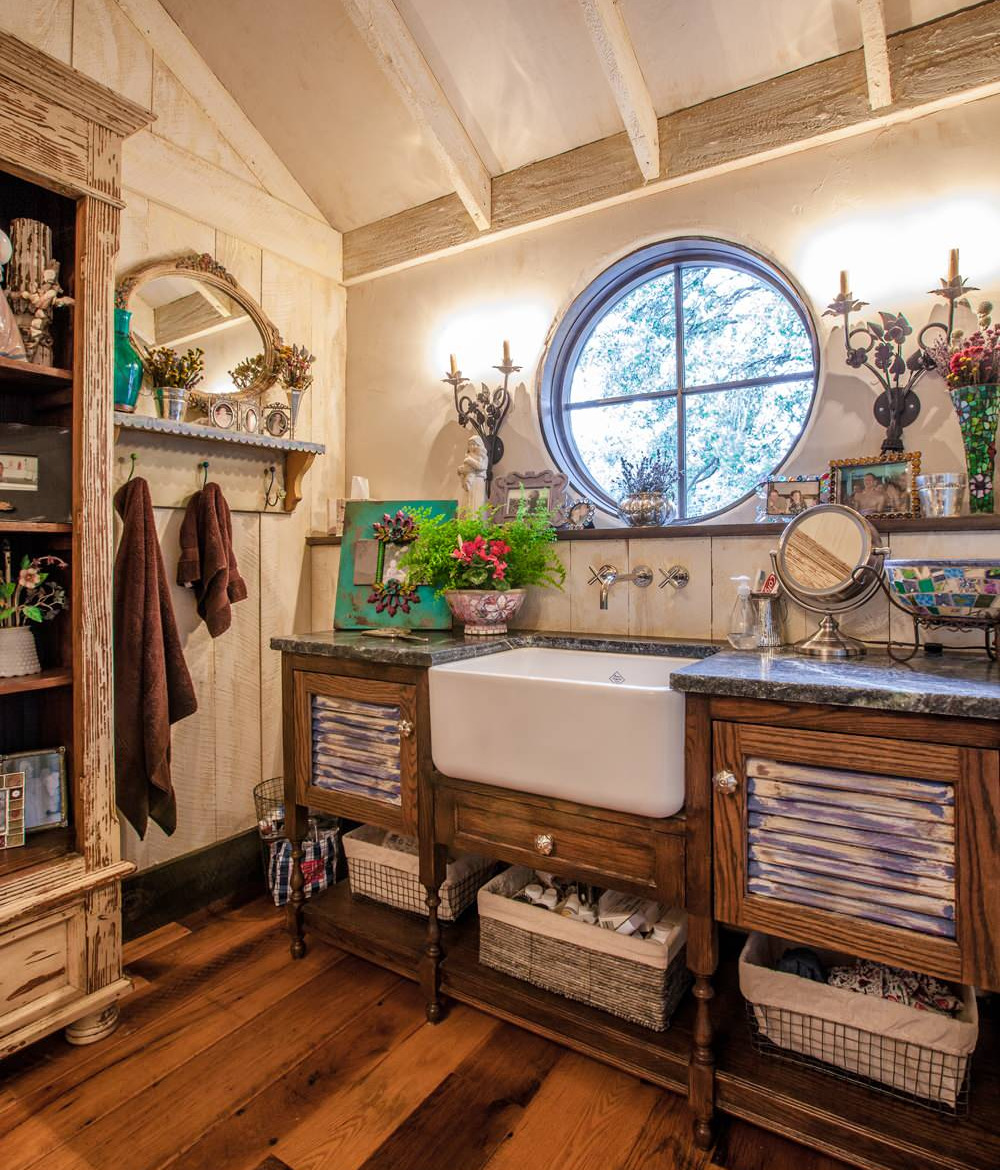 Image source: Key Residential
Feeling crafty? Give new life to old pieces of furniture by distressing them yourself. Grab some sandpaper, paint, and a little elbow grease to create that perfectly aged look. It’s not just limited to wooden pieces, either – you can even distress metal fixtures like faucets or towel bars for a truly authentic shabby chic vibe.
Upcycled Lighting
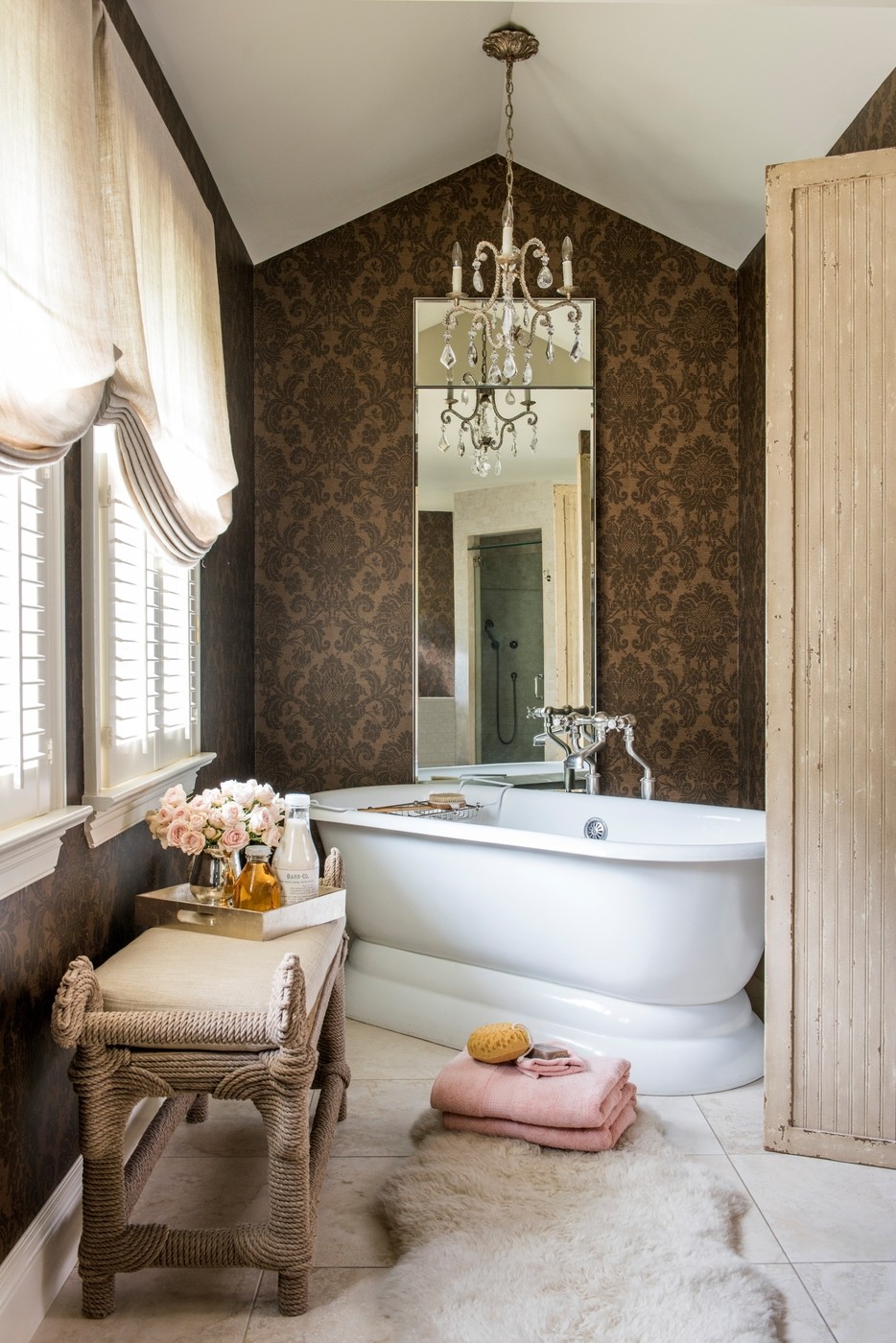 Image source: Dorye Brown Interiors
Let there be light – but make it shabby chic! Swap out your standard bathroom lighting for unique upcycled options. Try repurposing vintage chandeliers, pendant lights, or even old sconces to add that touch of elegance to your space. And hey, Edison bulbs are always a winner in my book!
Lace It Up
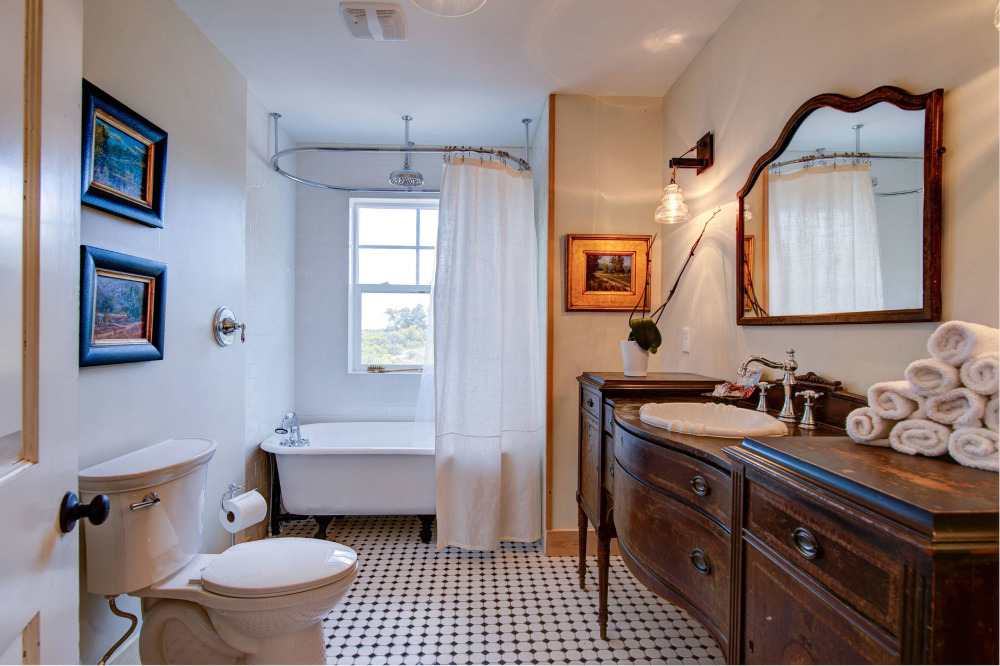 Image source: Roy Talmage Builders
Alright, y’all, it’s time to embrace the lace. Add some delicate lace accents to your bathroom in the form of curtains, towels, or even a shower curtain. It’s a simple yet elegant way to bring in that shabby chic vibe without overwhelming the space.
Dreamy Pastels
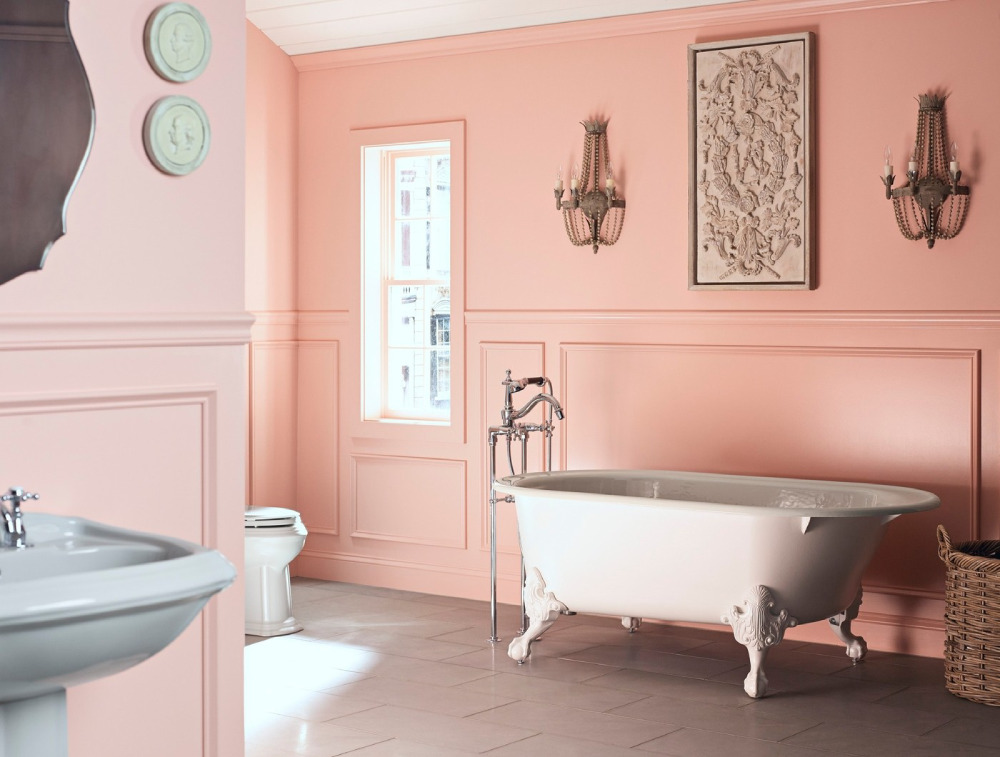 Image source: Loveland Dahl Decorative Kitchen & Bath Showroom
Color is key, my friends. Opt for soft, dreamy pastels like blush pink, pale blue, or creamy yellow to create a soothing atmosphere. Whether it’s on the walls, linens, or accessories, these colors will instantly transform your bathroom into a shabby chic haven.
Mirror, Mirror on the Wall
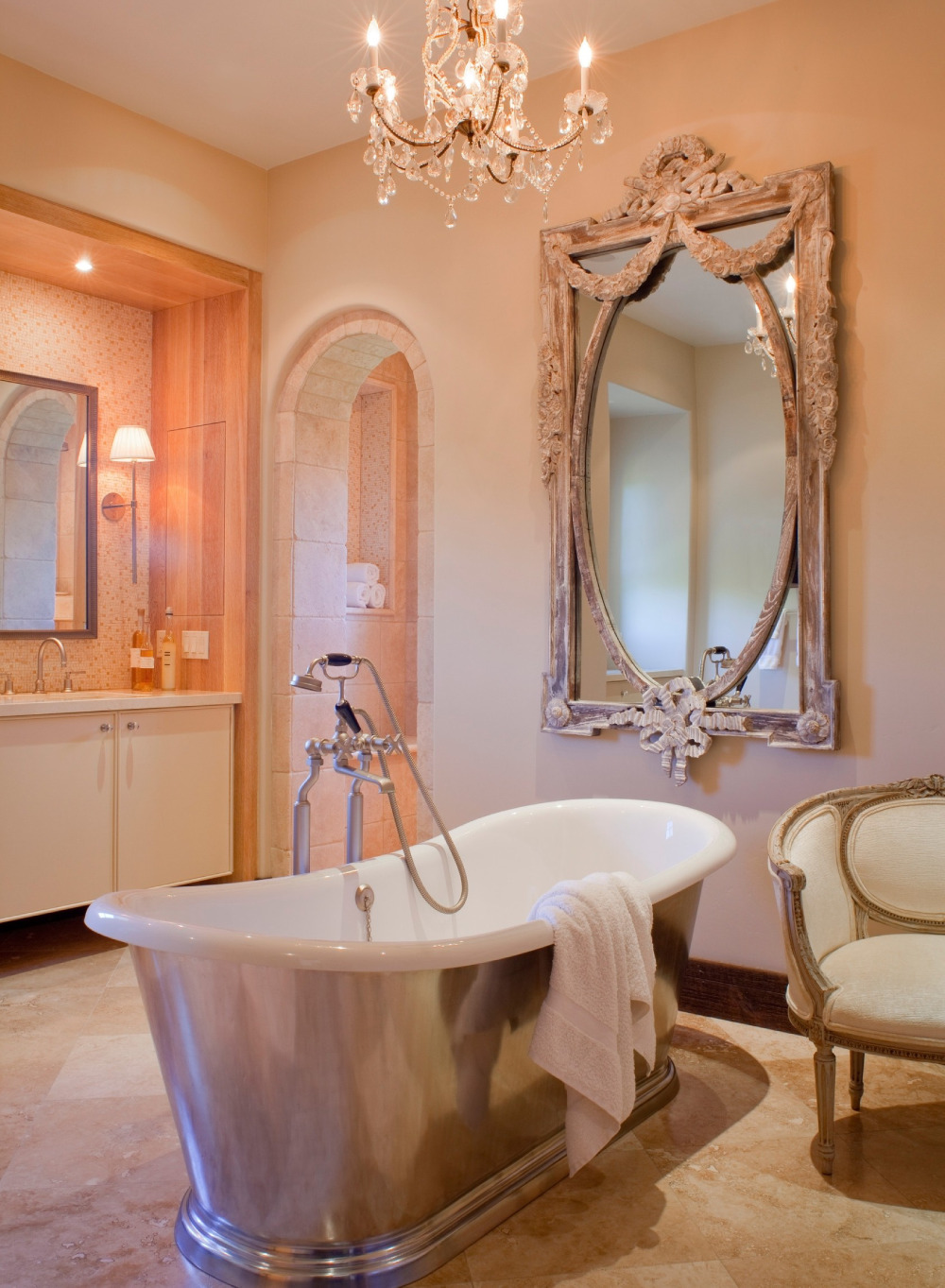 Image source: Soucie Horner, Ltd.
Make a statement with a gorgeous, ornate mirror as the focal point of your bathroom. Whether it’s gilded gold or distressed white, an eye-catching mirror will add a touch of elegance and make your space feel larger. Plus, it’s perfect for those bathroom selfies!
Mismatched Towels
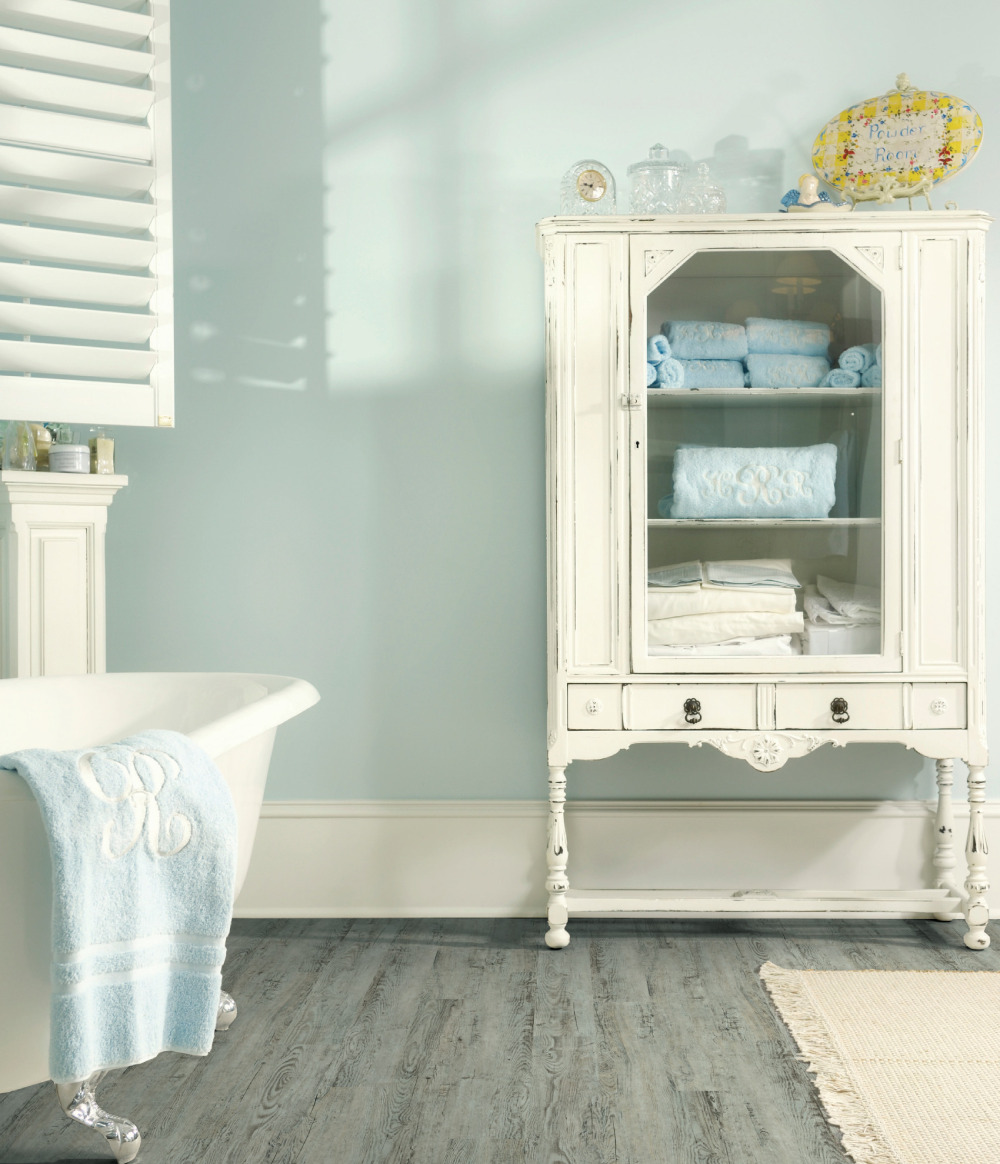 Image source: Floors Floors Floors NJ
Ditch the perfectly coordinated towel sets and opt for a more eclectic, mismatched look. Mix and match patterns, textures, and colors to create a truly unique and cozy vibe. And hey, it’s a great excuse to pick up some beautiful vintage linens!
Repurposed Vanities
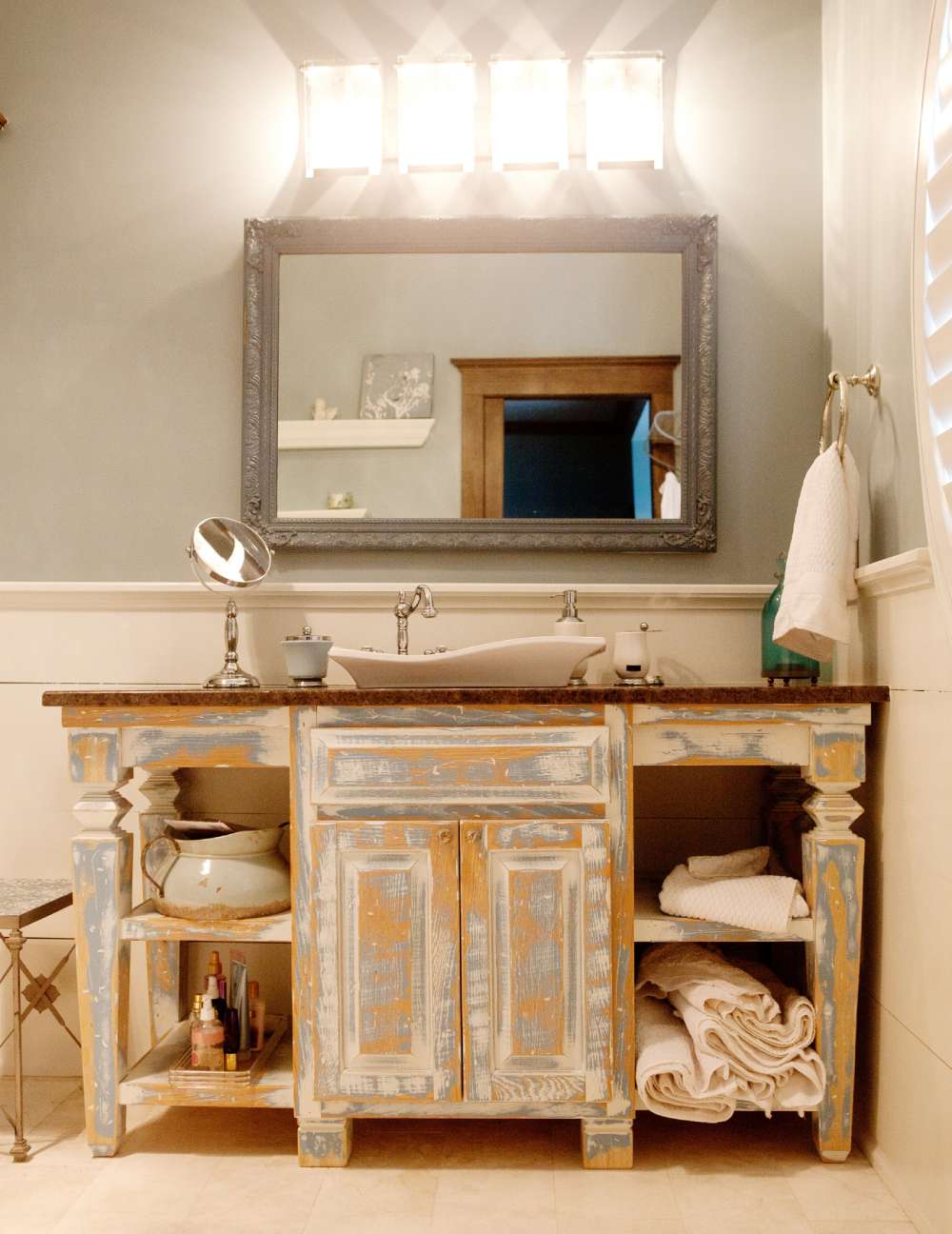 Image source: KMH Designs
Chippy Paint Galore
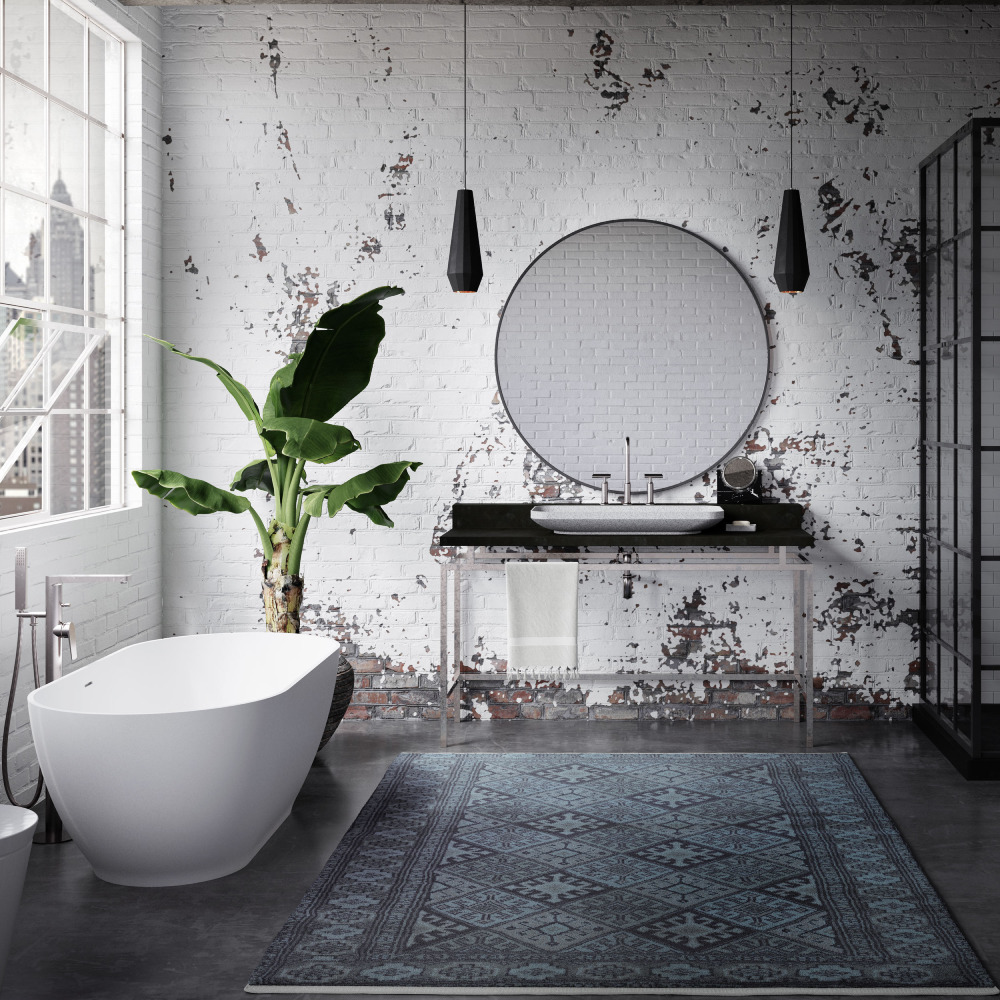 Image source: Maykke
Embrace the imperfections! Chippy, peeling paint can add so much character to a shabby chic bathroom. Find pieces with naturally worn paint or give them a little help with some sandpaper and paint. The result is a beautifully aged look that’s full of charm and personality.
A Touch of Elegance
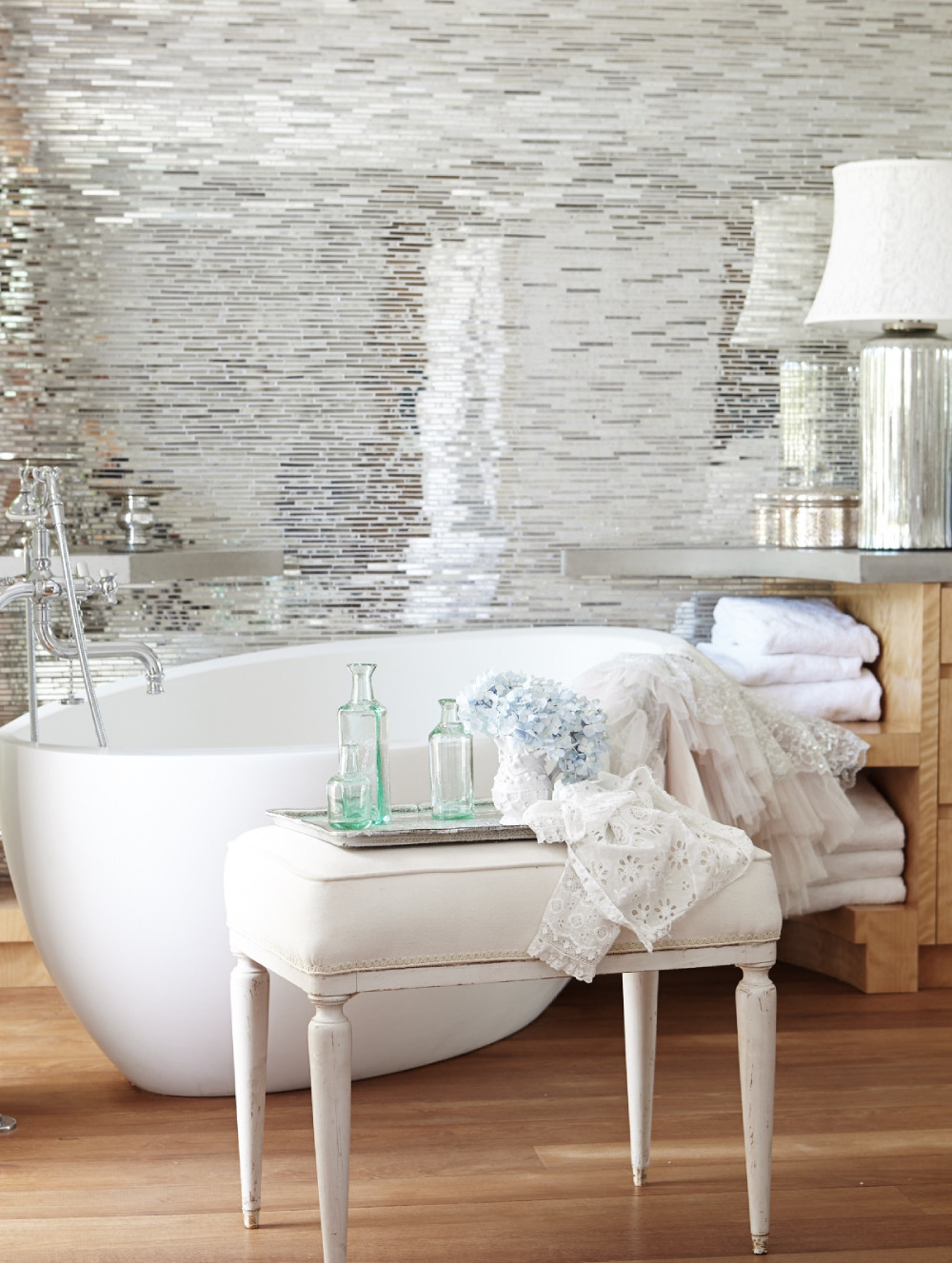 Image source: Rachel Ashwell Shabby Chic Couture
Add some elegance to your shabby chic bathroom with a touch of crystal. Think crystal drawer pulls, sparkling chandeliers, or even a crystal soap dish. It’s a subtle way to elevate your space and add a touch of glamour without going overboard.
Vintage Artwork
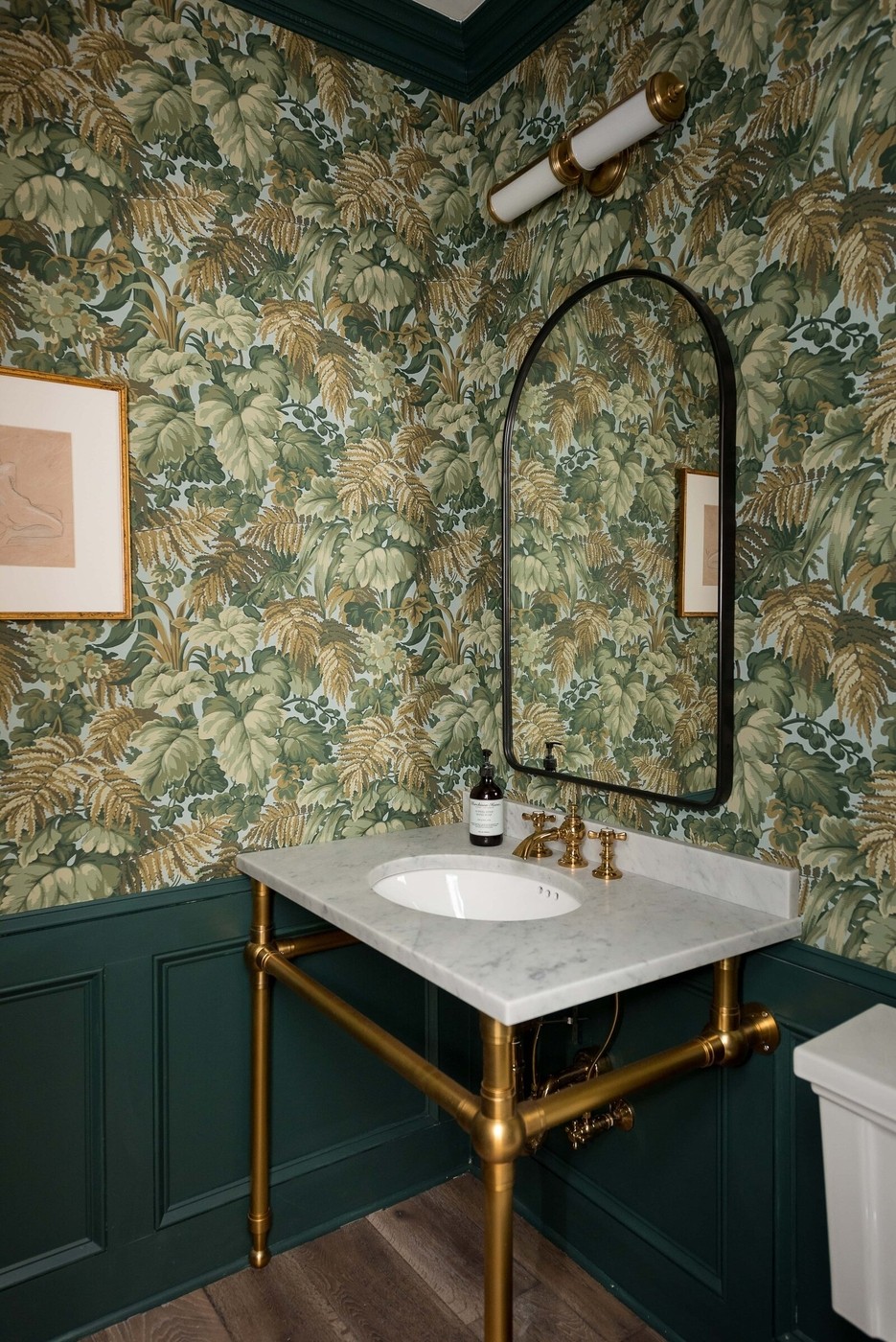 Image source: Whittney Parkinson
Don’t forget to dress up those walls! Find vintage artwork or prints that complement your shabby chic theme. It can be anything from old advertisements and botanical prints to antique mirrors and framed family photos. The possibilities are endless, and it’s a great way to add some personality to your bathroom.
Cozy Rugs
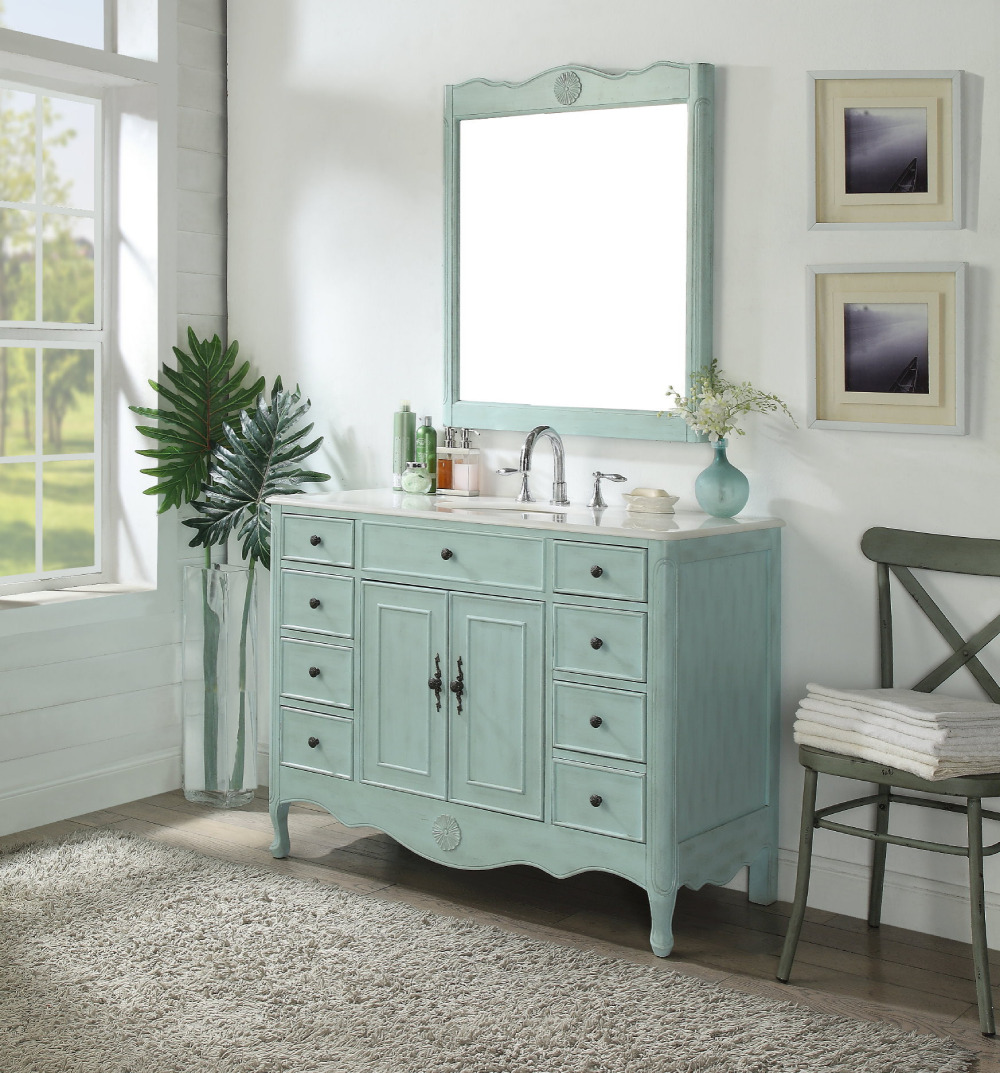 Image source: Chans Furniture Showroom
A cozy rug can really tie a room together, and your bathroom is no exception. Look for vintage or vintage-inspired rugs with soft colors and distressed patterns to create a warm, inviting atmosphere. Bonus points if you find a rug with a touch of lace or fringe!
Shower Curtain Glam
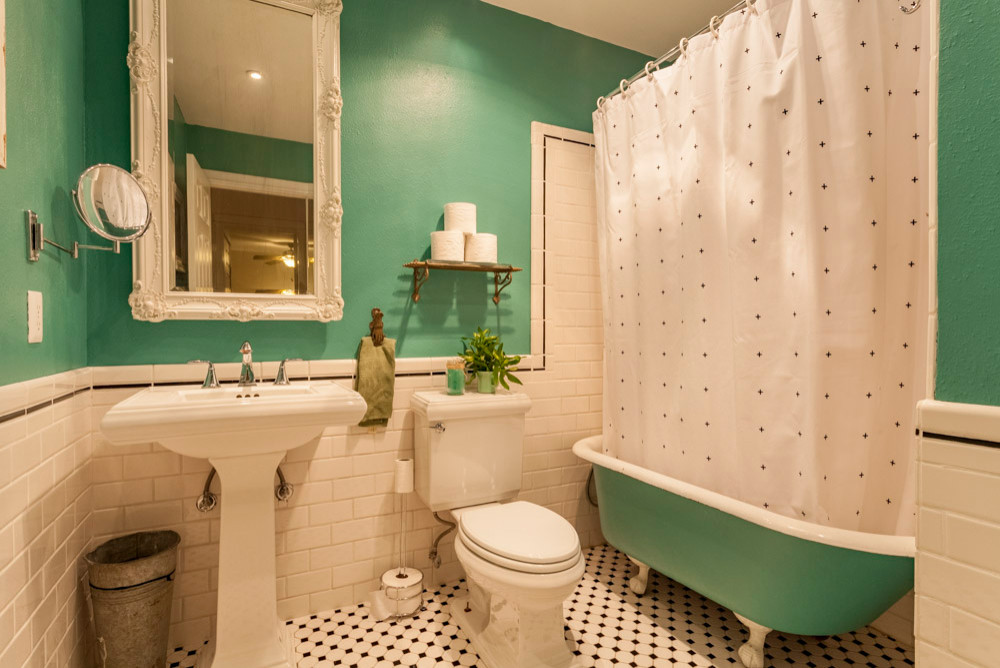 Image source: Prime Realty
Upgrade your shower curtain for a quick and easy shabby chic transformation. Look for curtains with lace accents, ruffles, or vintage-inspired patterns to instantly elevate your bathroom’s style. And if you’re feeling extra crafty, you can even DIY your own shower curtain with vintage linens or fabric.
Apothecary Accents
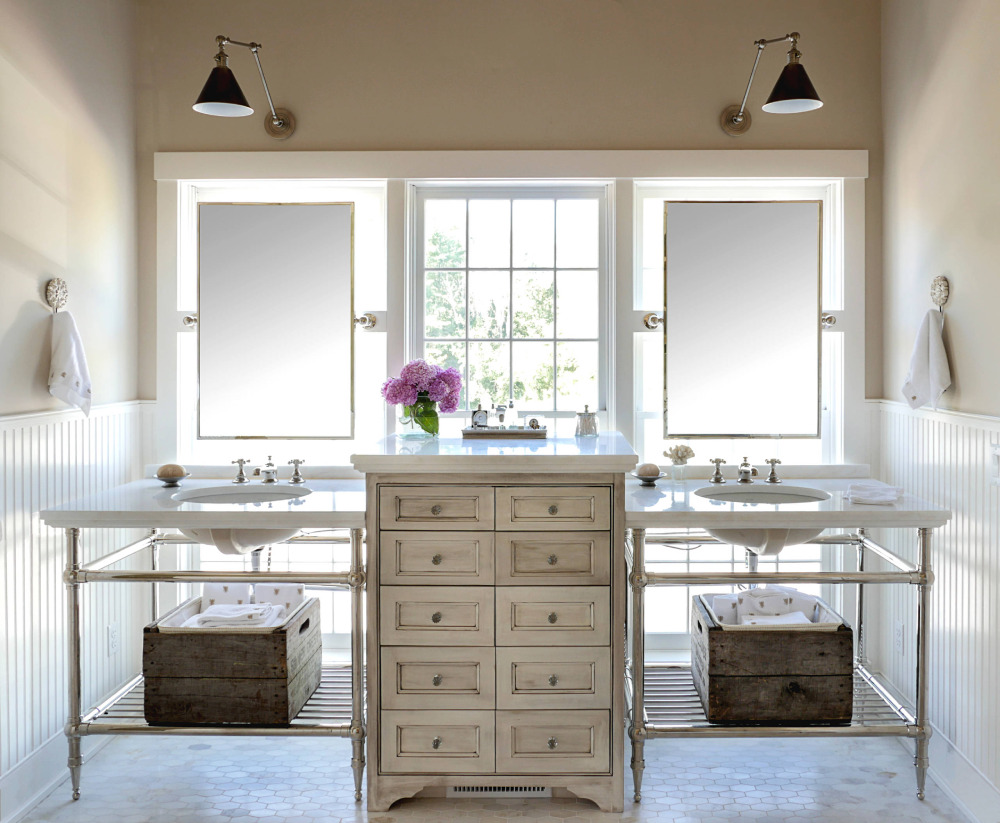 Image source: Classic Home Design + Construction
Bring some old-world charm to your bathroom with apothecary-inspired accents. Think vintage glass bottles for your bath salts, antique pharmacy jars for cotton balls, or even a repurposed apothecary cabinet for storage. These little details can make a big impact in your shabby chic bathroom.
Reclaimed Wood Accents
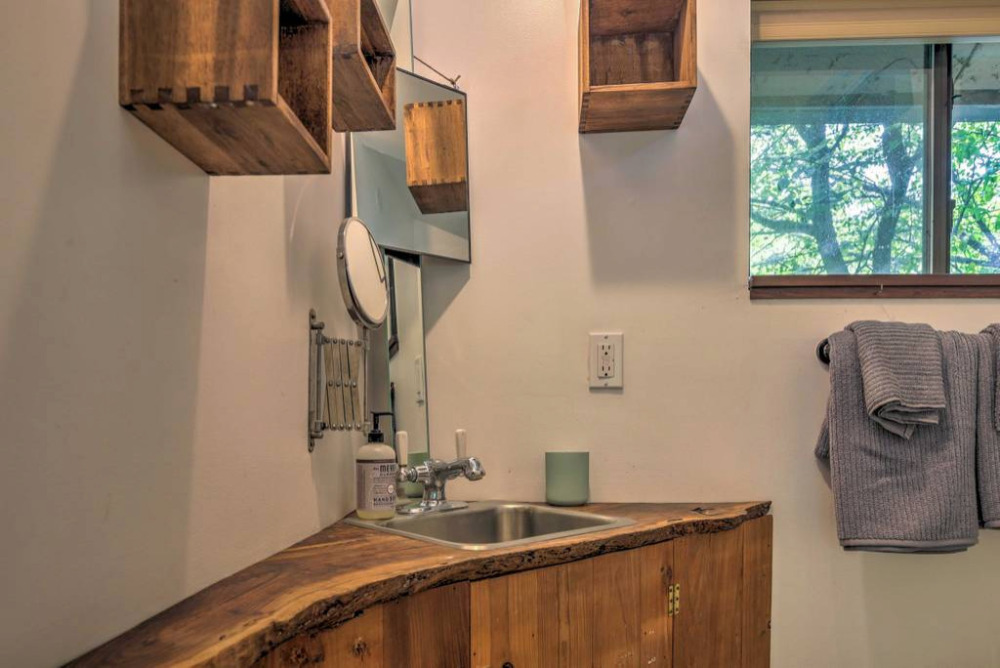 Image source: Studio-SkH
Incorporate reclaimed wood into your bathroom design for a rustic, shabby chic touch. Whether it’s a wooden mirror frame, a wall shelf, or even a bathtub tray, reclaimed wood adds warmth and character to your space.
Sweet Scents
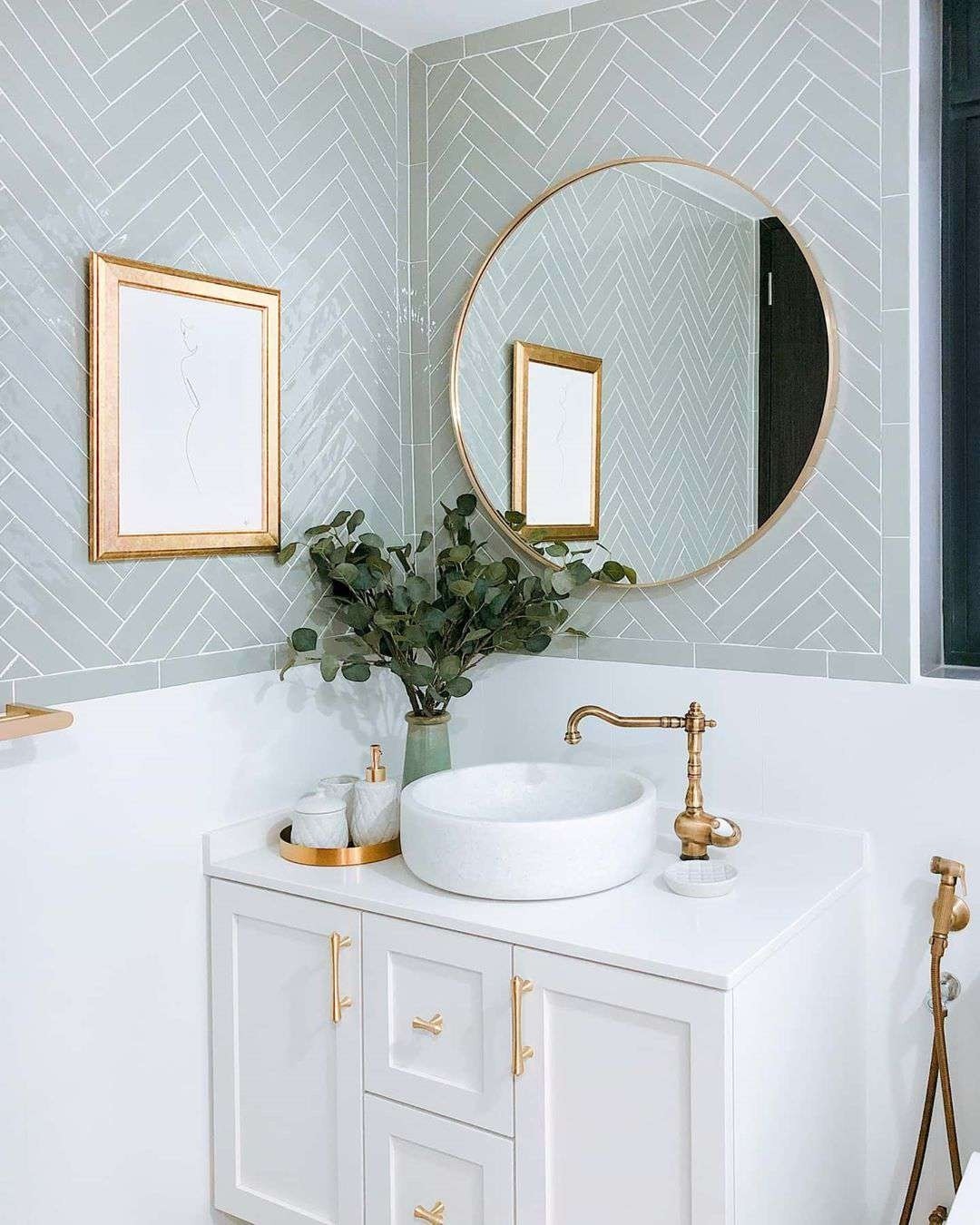 Image source: House of Chais
Last but not least, don’t forget to make your bathroom smell as lovely as it looks. Choose scented candles, diffusers, or potpourri with soft, romantic fragrances like lavender, rose, or vanilla. It’s the perfect finishing touch for your shabby chic retreat.
FAQ On Shabby Chic Bathroom Ideas
What defines a shabby chic bathroom?
A shabby chic bathroom marries the old-world charm with a feminine touch, embracing distressed furniture, pastel hues, and antique accessories.
It’s the artful clash of elegance and rustic decor—think clawfoot tubs and vintage mirrors alongside soft, lace textiles.
How can I add shabby chic elements to a modern bathroom?
Blend current trends with classic pieces. A sleek, modern sink gets a twist with a vintage-inspired faucet. Introduce weathered wood shelving or a classic chandelier to juxtapose against contemporary lines, softening the space with a shabby chic warmth.
What are the key color schemes for a shabby chic bathroom?
The palette tends towards soft and muted. Layers of whites, creams, and pastels create a backdrop that feels both fresh and vintage. Accent with floral or striped wallpaper for a gentle pop of color that echoes the shabby chic style.
What kind of lighting is best for a shabby chic bathroom?
Ambient lighting is the secret. Choose fixtures with a sense of history—wrought iron or antique finishes. A chic bathroom lighting fixture like a chandelier can serve as a stunning focal point, while soft lighting enhances the room’s vintage feel and romance.
Are there affordable ways to create a shabby chic bathroom?
Absolutely! DIY bathroom decor is at the heart of shabby chic. Upcycle an old dresser into a vanity, or refresh frames and mirrors with a whitewashed finish.
Thrift shops are treasure troves for antique accessories that perfect the vintage bathroom design without breaking the bank.
Can I mix modern amenities with shabby chic decor?
Indeed, the contrast is delightful. Employ modern amenities for convenience but encase them in shabby chic exteriors.
Think high-tech toilets with wooden seats, or sleek showers behind lace textiles. It’s the harmony between functionality and cozy bathroom atmosphere that encapsulates the charm.
How do I choose textiles for a shabby chic bathroom?
Textiles add layers and texture. Opt for floral patterns, delicate lace, and soft, fluffy towels in pastel colors. A vintage-inspired bath linen set, a ruffled shower curtain, or an ornate bath mat can all enhance the shabby chic ambiance.
What accessories are best for a shabby chic bathroom?
Look for unique, handcrafted bathroom decorations. A vintage mirror, ornamental bottles, and rustic wooden frames are perfect. Aged metal fixtures like soap dishes and wall hooks add subtlety. Each piece should feel like a find from another era—a story in itself.
How important are fixtures in a shabby chic bathroom design?
Fixtures are statement pieces. An ornate, heritage faucet or a clawfoot bathtub with a retro showerhead can become the room’s centerpiece.
Select fixtures that reflect the period aesthetic typical of the shabby chic style, completing the look with their functional beauty.
What role does artwork play in a shabby chic bathroom?
Artwork is the final flourish. It can express personal style while nodding to shabby chic themes.
Floral or pastoral scenes in distressed frames, or even framed vintage wallpaper samples add layers of depth. Place them to draw the eye, complementing the overall decorative tiles and textiles.
Conclusion
In the tapestry of design, shabby chic bathroom ideas are a statement of grace and unrefined beauty. They enchant with their whispering elegance, where every distressed piece and lace detail tells a story. Breathing life into this space, we’ve journeyed through the art of embracing imperfection, layering pastel palettes against vintage linens, all while ensuring modern functionalities aren’t overshadowed.
- We’ve reimagined vanities, not just as pieces of furniture, but as storied protagonists of the past.
- Antique mirrors now reflect more than just our image; they mirror our creative spirit.
- Beneath the soft glow of chic lighting, every rinse and refresh feels like a scene from a bygone era.
This sanctuary, this personal retreat born from a collage of shabby chic wonders, awaits to be lived in, to continue its story. The beauty of the shabby chic aesthetic is that it grows with you, evolving with each handcrafted accent, forever imprinting your spirit upon its canvas.