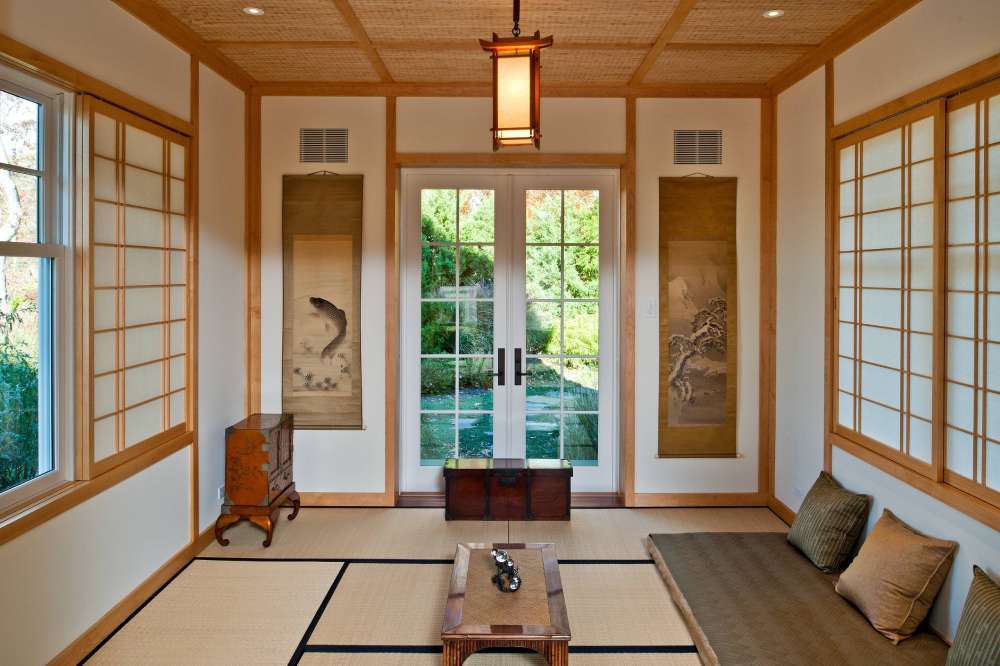
Your bedroom is the one room where every decision shows up twice a day. Once when you’re trying to fall asleep, and again when you’re dragging yourself out of bed. Get the decorating wrong and you feel it.
Good bedroom decorating ideas go beyond picking a paint color or tossing new throw pillows on the bed. They connect color, lighting, furniture layout, and textiles into a room that actually works for how you live and sleep.
This guide covers specific, practical approaches to bedroom color schemes, bedding choices, furniture arrangement, wall decor, lighting layers, and budget-friendly changes. Whether you’re refreshing a master bedroom or making a rental feel like home, every section gets straight to what works and why.
What Are Bedroom Decorating Ideas?
Bedroom decorating ideas are the specific changes you make to a bedroom’s look and feel without tearing anything down. Paint, textiles, furniture placement, wall art, lighting. That’s decorating. Not renovation.
The distinction matters more than people think. Renovation means ripping out drywall, replacing flooring, or reconfiguring a layout. Decorating works with what’s already there.
You’re adding layers on top of an existing structure. A new headboard, different curtains, a rug under the bed, swapping out nightstand lamps. These are the moves that shift a bedroom from “fine” to something that actually feels good to walk into.
According to the 2025 Houzz & Home Study, 54% of U.S. homeowners took on decorating projects in 2024. The median spend on primary bedroom updates came in at $2,750, down 21% from 2023. People are still decorating, just getting smarter about where the money goes.
Statista data shows the U.S. bedroom furniture segment alone generated $46.5 billion in revenue in 2024. That number covers beds, dressers, nightstands, and wardrobes, but the real story is in the accessories and textiles that sit on top of those bigger purchases.
Decorating is also the easiest entry point if you rent. You can’t knock out a wall in a lease. But you can change almost everything else.
The principles of interior design still apply here, even at a smaller scale. You’re working with color, texture, proportion, and light whether you’re designing a penthouse or refreshing a 10×12 guest room.
How to Choose a Bedroom Decorating Style

Image source: The Here Company
Start with the room. Not with Pinterest.
Look at what you can’t change first. The floor material, ceiling height, window size, and the direction those windows face. A north-facing bedroom with small windows plays completely differently than a south-facing room with a wall of glass. Your fixed elements set the boundaries, and working against them usually ends up looking forced.
Then ask yourself how you actually use the space. Sleep only? Reading corner? Work desk crammed in because there’s no office? A bedroom that doubles as a home office needs different furniture choices and lighting than one that’s purely for rest.
Pinterest reports that “cherry bedroom” searches jumped 100% in late 2024, and “eclectic maximalism” rose 215%. Trends move fast. Your room’s bones stay the same. Always match the style to your space before chasing whatever’s popular this month.
| Style | Best For | Key Elements |
|---|---|---|
| Modern minimalist | Small rooms, clean-line lovers | Neutral palette, low-profile furniture |
| Japandi | Calm sleepers, hybrid aesthetics | Wood tones, muted earth colors |
| Coastal | Light-filled rooms, relaxed vibes | Whites, blues, natural textures |
| Transitional | Traditional meets modern | Mixed materials, classic silhouettes |
| Maximalist | Large rooms, bold personalities | Layered patterns, rich colors, collected feel |
Understanding various interior design styles helps narrow down what actually fits your space instead of what just looks good in a photo.
Bedroom Decorating for Small Rooms vs. Large Rooms

Image source: Sergio Mercado Design
Room size changes everything about which ideas are practical. A king bed with two oversized nightstands looks great in a 14×16 room. In a 10×12? You can barely open the closet door.
Small bedrooms benefit from vertical storage, wall-mounted sconces instead of table lamps, and lighter color palettes that make walls feel further apart. Understanding scale and proportion in interior design keeps furniture from overwhelming a tight floor plan.
Larger bedrooms have the opposite problem. Push all the furniture against the walls in a big room and it feels like a waiting area. Float the bed away from the wall, add a seating area or bench at the foot, use a room-sized rug to anchor the space. For more ideas on handling a generous floor plan, take a look at how to make small rooms bigger, which actually works in reverse too.
Bedroom Color Schemes That Actually Work
Color is the single biggest decision you’ll make in a bedroom. Bigger than the bed frame. Bigger than the nightstands. A bad paint color affects everything else in the room.
A 2024 survey by BedroomZZ and Houszed.com found that 38% of respondents reported better sleep after changing their bedroom color. That’s from a study of 2,674 people across the U.S., conducted in late 2024.
The Sleep Foundation notes that blue bedrooms are linked to the longest average sleep per night. Research suggests blue can lower heart rate and blood pressure, which is why it keeps showing up on every “best bedroom color” list.
But blue isn’t the only option. And honestly, not everyone wants to sleep in a blue room.
Warm Neutrals vs. Cool Neutrals

Image source: Sophisticate Interiors
Cool neutrals (soft grays, blue-greens, pale lavenders) tend to recede visually, making rooms feel larger and calmer.
Warm neutrals (beige, cream, warm taupe, soft terracotta) bring coziness. They work especially well in bedrooms with cooler north-facing light where a gray wall would just look flat and depressing.
The light your room gets dictates how a color reads. Sherwin-Williams Agreeable Gray looks completely different at 8am in a south-facing room versus 6pm in a north-facing one. Always test a swatch on the actual wall before committing. Farrow & Ball and Benjamin Moore both offer peel-and-stick samples now, which makes this step simple.
Understanding color theory in interior design helps you build a palette that holds together rather than choosing colors you like individually that clash on the wall.
The 60-30-10 Rule for Bedrooms
This is the formula that keeps color balanced without overthinking it.
- 60% dominant color (walls, large furniture, area rug)
- 30% secondary color (curtains, bedding, upholstered headboard)
- 10% accent (throw pillows, art, decorative objects)
It’s a guide, not a law. But when a room “feels off” and you can’t figure out why, it’s usually because the color distribution is lopsided.
Dark Walls in Bedrooms

Dark bedroom paint colors are having a real moment. Deep greens, charcoals, moody blues, even black. Pinterest’s 2025 Predicts report flagged a move toward “darker, cocooning bedroom spaces” as part of the broader Castlecore trend.
They work best in rooms with generous natural light and higher ceilings. In a small bedroom with one window? A dark wall can feel cave-like, which some people love and others absolutely hate.
If you want to explore how colors go with charcoal gray or you’re thinking about pairing dark walls with lighter accents, the key is making sure there’s enough contrast in interior design so the room doesn’t turn into a void.
Bedding and Textile Ideas
After walls, bedding is the biggest visual surface in any bedroom. The bed takes up the most floor space. The textiles on it take up the most visual space. And yet people will agonize over paint color for weeks and then throw on whatever duvet was on sale at Target.
Grand View Research reports that indoor home decor spending, including bedroom textiles, held the largest revenue share in 2024. The category is growing because people finally get that sheets and throws do more work in a room than almost any other purchase.
Layering Strategy

Image source: Michael Merrill Design Studio, Inc
Base layer: fitted sheet and flat sheet (or just fitted if you’re a duvet-only person).
Middle layer: duvet or comforter. Pick one. Doubling up rarely looks as good as it sounds.
Top layer: a lightweight throw folded at the foot, or a coverlet if you like a more tailored look.
Pillows go from back to front: sleeping pillows, then shams, then decorative throws. Three to five total looks intentional. More than seven and you’re spending two minutes clearing the bed every night. For specific arrangements, check out throw pillow ideas for your bed.
Fabric Choices by Climate
| Fabric | Feel | Best For |
|---|---|---|
| Linen | Relaxed, slightly textured | Hot sleepers, warm climates |
| Percale cotton | Crisp, cool, matte | Year-round, hotel-like feel |
| Sateen | Silky, smooth, subtle sheen | Cold sleepers, luxe aesthetic |
| Flannel | Brushed, warm | Winter months, cold bedrooms |
Mixing texture in interior design makes a bed look layered and interesting even if you’re sticking to a single color family. A linen duvet with sateen shams and a chunky knit throw creates depth without adding color complexity.
Curtains and Window Treatments

Image source: Tobi Fairley Interior Design
Curtains do double duty in a bedroom. They block light for sleep and they’re a major decorating element. Hang them wide and high, ideally 4 to 6 inches above the window frame and extending 8 to 12 inches beyond each side. This makes windows look bigger and the ceiling feel taller.
If you’ve got gray walls and can’t figure out what fabric to pair them with, here’s a guide on what color curtains go with gray walls. For more on what window treatments are and the options available, it’s worth looking at the full range before defaulting to basic panels.
Rug Placement Under the Bed

Too-small rugs are the most common bedroom decorating mistake. A 5×8 is the minimum for a queen bed, and even that only covers the lower two-thirds. An 8×10 or 9×12 is better if the room allows it.
The goal is to have at least 18 to 24 inches of rug visible on the sides and foot of the bed. Your feet should hit rug, not bare floor, when you get out of bed in the morning. For exact sizing guidance, see this breakdown of rug placement under a queen bed.
Bedroom Furniture Arrangement and Layout
Furniture layout is a decorating tool, not just a functional problem to solve. Where you put the bed, the nightstands, the dresser, it all changes how a room feels when you walk in.
Grand View Research valued the global bedroom furniture market at $266.15 billion in 2024, with beds commanding a 36.8% revenue share. Beds are the anchor piece. Everything else orbits around them.
Where to Place the Bed

Image source: Marker Girl Home
The wall opposite the door is usually the strongest position. You see the bed first when you enter, which gives the room a clear focal point.
Avoid placing the headboard directly under a window if you can help it. It messes with temperature regulation, light control, and curtain hanging. If the layout forces it, use a tall upholstered headboard to create a visual buffer.
In rooms with multiple windows, center the bed on the largest uninterrupted wall. Good space planning means you should have at least 24 inches of clearance on each side of the bed for comfortable movement.
Symmetrical vs. Asymmetrical Nightstands

Image source: Blackband Design
Matching nightstands with matching lamps is the classic approach. It works because symmetry in interior design creates a sense of order and calm, which is exactly what you want in a sleep space.
But mismatched nightstands can look just as intentional if you keep them at roughly the same height and visual weight. A small round table on one side and a stacked set of books with a lamp on the other. That’s asymmetry in interior design done right.
Persistence Market Research data shows that bedroom furniture priced between $500 and $999 held 39% of U.S. market share in 2024. You don’t need to spend thousands. The arrangement matters more than the price tag.
Floating Furniture in Larger Rooms
Pushing everything against the walls is the default move. And in a small room, it’s the right one. But in a bedroom that’s 14 feet or wider, pulling the bed 6 to 12 inches off the wall and adding a bench or small sofa at the foot creates a more designed look.
It sounds counterintuitive. But furniture that “breathes” in a room looks better than furniture that clings to the perimeter. Think of it as giving each piece its own space. A 14×16 bedroom with a floating bed, flanked by nightstands with a reading chair in the corner, feels like a room someone actually planned.
Wall Decor and Art for Bedrooms
Bare walls make a bedroom feel unfinished. Too much on the walls makes it feel chaotic. The sweet spot is somewhere between a gallery and a blank canvas.
Gallery Walls

Image source: Willey Design LLC
Spacing: 2 to 3 inches between frames for a cohesive look. Wider gaps make each piece feel isolated.
Layout: Lay frames on the floor first and arrange until it feels right. Take a photo with your phone. Then transfer to the wall. Skipping this step is how you end up with 47 nail holes and a crooked arrangement.
Gallery walls work best on the wall opposite the bed or above a dresser. Above the headboard, a single large piece usually reads better than a cluster.
Hanging Height
Center artwork at 57 to 60 inches from the floor. This is standard gallery height and it works in residential spaces too. Above furniture like a dresser or console, leave 6 to 8 inches between the top of the furniture and the bottom of the frame.
Above a bed, the bottom of the art should sit 4 to 6 inches above the headboard. Not two feet above it floating near the ceiling, which is the most common mistake.
Beyond Framed Art

An accent wall can replace art entirely. Wallpaper, board and batten, shiplap, or a bold paint color on a single wall gives the room visual interest without hanging a single thing.
Mirrors are another option. A large floor mirror leaning against a wall bounces light and makes a room feel bigger. In a small bedroom, one oversized mirror beats three pieces of small art every time.
Textile wall hangings, woven pieces, and even pattern in interior design through wallpaper can add rhythm to a room without cluttering surfaces. The goal is to give the eye places to land without overwhelming the space.
Market.us data shows vintage and second-hand furniture sales rose 15% in 2023. That trend extends to wall decor. Thrifted frames, vintage mirrors, and found objects often bring more personality to a bedroom than anything mass-produced. A vintage bedroom decor approach pairs well with almost any style when done in small doses.
Bedroom Lighting Ideas
Lighting changes a bedroom more than most people expect. The wrong overhead fixture can make a beautifully decorated room feel like a dentist’s office. The right bedside lamp can make a basic room feel intentional.
Global Market Insights valued the smart lighting market at $15.7 billion in 2024, growing at nearly 19% annually. That growth is mostly commercial, but the residential side is catching up fast. Philips Hue launched a generative AI lighting assistant in early 2025 that creates custom scenes from text prompts. The tech is moving quickly.
But you don’t need smart bulbs to get bedroom lighting right. You need layers.
Three-Layer Lighting Approach

Image source: Feathers Fine Custom Furnishings
Ambient lighting: the general, room-filling light. Ceiling fixtures, flush mounts, or a central pendant.
Task lighting: directed light for reading or getting dressed. Bedside lamps, wall sconces, a desk lamp if you work in the bedroom.
Accent lighting: mood-setting light that adds depth. LED strips behind a headboard, picture lights above art, candles on a nightstand.
Most bedrooms have one overhead fixture and nothing else. That’s like cooking with one knife. You can do it, but everything is harder than it needs to be.
Bedside Lighting: Sconces vs. Table Lamps
| Option | Pros | Best For |
|---|---|---|
| Wall sconces | Frees nightstand space, clean look | Small bedrooms, minimal style |
| Table lamps | Easy to swap, no wiring needed | Renters, flexible layouts |
| Plug-in sconces | Sconce look without hardwiring | Rentals, older homes |
Mount sconces so the bottom of the shade sits 48 to 54 inches from the floor when you’re in bed. Table lamp shades should hit roughly at eye level when you’re sitting up and reading.
LED Color Temperature for Bedrooms
This is where science actually matters. Light in interior design does more than set a mood. It affects your circadian rhythm.
Stick to 2700K to 3000K for bedroom fixtures. That’s warm white, close to the glow of an old incandescent bulb. Anything above 4000K starts suppressing melatonin production, which is the opposite of what you want in a room built for sleep.
A dimmer switch is the single cheapest upgrade with the biggest impact. It turns a $30 ceiling fixture into something that works at 7am and 10pm.
Lighting for Bedrooms Without Overhead Fixtures
Older apartments and some homes don’t have ceiling-mounted lights in bedrooms. That’s not a dealbreaker.
- Two matching floor lamps in opposite corners create even ambient light
- Plug-in pendant lighting hung from a ceiling hook mimics a hardwired fixture
- LED strip lights along the back of a headboard or under a floating shelf add soft glow without any electrical work
Budget Bedroom Decorating Ideas
62% of Americans say saving money is the top reason they take on DIY projects, according to RubyHome research. And the U.S. Census Bureau’s 2023 American Housing Survey found homeowners completed over 50 million DIY projects that year, spending more than $125 billion total.
Bedroom decorating doesn’t need to be expensive to look good. Some of the best changes cost almost nothing.
Free and Low-Cost Moves
Rearrange the furniture. It sounds too simple. But moving the bed to a different wall, swapping nightstand sides, or pulling a dresser out of the corner resets the whole room without spending a cent.
Shop your own house. That lamp in the guest room might look better on your nightstand. The throw from the living room couch might be exactly what the bed needs. People buy new things when they have perfectly good stuff in the wrong room.
Opendoor’s 2024 report shows Americans spend an average of $1,599 per year on home decor. Millennials spend about 23% more than Boomers. But spending more doesn’t automatically mean decorating better.
DIY Headboard Options
An upholstered headboard from West Elm or Pottery Barn runs $500 to $1,500. A DIY version using plywood, 2-inch foam, and fabric from a craft store? Under $100 total.
- Plywood cut to size at the hardware store (most will do this free)
- Wrap with batting and staple-gun your chosen fabric to the back
- Mount with French cleats for easy removal
Takes an afternoon. Looks like you paid ten times what you did.
Thrift Store Finds That Work
Market.us data shows vintage and secondhand furniture sales rose 15% in 2023. Etsy, local thrift stores, and Facebook Marketplace are where the good stuff hides.
Best bedroom finds at thrift stores: nightstands (sand and repaint), ceramic table lamps (swap the shade), picture frames (spray paint to match), and decorative trays for corralling nightstand clutter. A shabby chic home decor approach works naturally with secondhand pieces.
Peel-and-Stick Wallpaper for Renters
Removable wallpaper has gotten significantly better in the last few years. Brands like Tempaper and Chasing Paper make patterns that look real and actually stay on the wall.
One accent wall behind the bed in a bold print or subtle texture gives a rented bedroom personality without risking the security deposit. Peel it off when you move. The contemporary interior design look is surprisingly easy to pull off this way.
Bedroom Decorating Ideas by Room Type
Not all bedrooms are the same. A master bedroom decorating approach that works beautifully at 200 square feet falls apart in a 10×10 guest room. The room’s purpose, size, and who uses it should drive every decision.
Master Bedroom
This is the room where you spend the most, and that’s fine. Prioritize the bed (it’s the largest piece), then work outward. A quality headboard, good bedding, and proper lighting do 80% of the work.
The 2025 Houzz study shows the median spend on primary bedroom updates was $2,750 in 2024. That’s enough for new bedding, a rug, paint, and a lighting upgrade if you shop smart. Luxury bedroom decor is less about the price tag and more about editing. Fewer, better things.
Guest Bedroom
Keep it simple and welcoming. Guests don’t need a designer room. They need a comfortable bed, clean linens, a bedside lamp with a plug nearby for charging, and a surface to put their bag.
Skip the heavy personalization. Neutral bedding, a few throw pillow combinations in soft tones, and a small plant or framed print. Done. Neutral interiors give guests a calming backdrop without imposing your taste on their temporary space.
Kids’ Bedrooms
The golden rule: don’t commit to anything you can’t easily change in two years. Kids’ tastes shift fast. That dinosaur-themed wallpaper is thrilling at age 4 and embarrassing by 6.
Use swappable elements instead. Removable wall decals, themed bedding that’s easy to replace, and a neutral wall color that works with whatever phase comes next. Paint the walls white or a soft neutral, then layer the personality through textiles, art, and accessories.
Decorating a Rental Bedroom Without Losing Your Deposit
Non-damaging solutions that actually work:
- Command strips and removable hooks for wall art and mirrors
- Peel-and-stick wallpaper on one feature wall
- Floor lamps and plug-in sconces instead of hardwired fixtures
- A large rug to cover flooring you don’t love
Furniture-forward decorating is the rental bedroom strategy. When you can’t change the walls, floors, or fixtures, make the furniture and textiles carry the style. A statement bed frame, strong curtains, and layered bedding can make even the most generic small apartment bedroom feel like yours. See more apartment decorating ideas for room-by-room guidance.
Common Bedroom Decorating Mistakes
Some mistakes are so common they’re practically default settings. Took me years to notice most of these in my own bedroom, which is the frustrating part. They’re subtle enough to not bother you until someone points them out.
Choosing a Rug That’s Too Small
This one tops the list. A 4×6 rug at the foot of a queen bed looks like a bath mat that wandered into the wrong room. You need at least a 5×8, and honestly, an 8×10 is better for most bedroom layouts.
The rug should extend 18 to 24 inches beyond the sides and foot of the bed. If budget is tight, go bigger with a less expensive rug rather than smaller with a pricier one.
Ignoring the Ceiling
People call it “the fifth wall” and then do absolutely nothing with it. A coat of paint one shade lighter than the walls makes a low ceiling feel taller. A slightly darker shade on a high ceiling pulls it down and makes the room feel cozier.
Swapping a basic flush-mount fixture for something with form and character takes five minutes. Even recessed lighting on a dimmer does more than a bare bulb in a builder-grade dome.
Pushing All Furniture Against the Walls
Works in small rooms. Looks terrible in big ones. If you have the space, float the bed and nightstands a few inches off the wall. Add a bench or chair that isn’t pushed into a corner. Let things breathe. Balance in interior design means distributing visual weight across the room, not lining everything up along the perimeter.
Mismatched Wood Tones Without Intention
Mixing wood tones is fine. Actually, it’s great when done on purpose. Oak nightstands next to a walnut bed frame with a maple dresser can look layered and interesting.
The problem is when it happens by accident. Three different wood stains that clearly weren’t chosen together just look like someone furnished the room over a decade from whatever was on sale. If you’re mixing, vary the wood tones by at least two shades and tie them together with a unifying element like matching hardware or a consistent textile color. Understanding harmony in interior design is what separates a room that looks “curated” from one that looks “cobbled.”
Over-Decorating
There’s a tipping point between “finished” and “cluttered.” Every surface doesn’t need something on it. Every wall doesn’t need art.
The bedroom is for sleeping. It should feel calm. If the room makes you anxious when you look at it, you’ve crossed the line. Edit ruthlessly. A minimalist bedroom decor approach doesn’t mean bare and cold. It means every item earns its place. The details in interior design that matter most are the ones you notice because there’s enough visual space around them.
FAQ on Bedroom Decorating Ideas
What is the easiest way to update a bedroom on a budget?
Paint one accent wall, swap out your bedding, and rearrange the furniture. These three changes cost under $200 combined and make the room feel completely different without any major work.
What colors are best for a bedroom?
Soft blues, muted greens, warm neutrals, and gentle grays promote relaxation. A 2024 survey found 38% of people slept better after changing their bedroom color. Avoid bright reds or neon tones near the bed.
How do I choose a bedroom decorating style?
Start with your room’s fixed elements, like flooring and window size. Then pick a style that fits the space. Scandinavian, transitional, and minimalist styles work well in most bedrooms regardless of size.
What size rug goes under a queen bed?
A 5×8 is the minimum, but 8×10 works better. The rug should extend 18 to 24 inches beyond the sides and foot of the bed so your feet land on it each morning.
How many throw pillows should be on a bed?
Three to five is the sweet spot. Odd numbers look more natural than even. Stack sleeping pillows in back, shams in the middle, and one or two decorative pillows in front.
What is the best lighting for a bedroom?
Layer three types: ambient (ceiling fixture), task (bedside lamps or sconces), and accent (LED strips or candles). Use bulbs in the 2700K to 3000K range for warm light that supports sleep.
How do I make a small bedroom look bigger?
Use lighter wall colors, hang curtains high and wide, and choose furniture with visible legs. A large mirror on one wall bounces light and creates the illusion of more space.
Can I decorate a rental bedroom without damaging walls?
Yes. Use removable wallpaper, Command strips for art, plug-in sconces instead of hardwired lights, and furniture-heavy styling. A strong bed frame, good curtains, and layered textiles carry the whole room.
What is the 60-30-10 rule in bedroom decorating?
It’s a color distribution formula. Sixty percent goes to the dominant shade (walls), 30% to a secondary tone (bedding, curtains), and 10% to accents like pillows and art.
How often should you redecorate a bedroom?
Most homeowners refresh every 3 to 5 years, according to industry data. Seasonal textile swaps (lighter bedding in summer, heavier layers in winter) keep things feeling current between bigger updates.
Conclusion
The best bedroom decorating ideas aren’t about following trends or spending big. They’re about making choices that fit your room, your habits, and your budget.
Start with the things that have the most visual impact. A considered bedroom color palette, layered bedding in quality fabrics, and proper lighting at 2700K to 3000K will do more than any single expensive purchase.
Get your furniture arrangement right before you buy anything new. A well-placed bed with the right rug size underneath changes the entire feel of the space.
Then layer in the smaller details. Wall art at the correct hanging height, transitional or coastal accents if they suit the room, and seasonal textile swaps to keep things fresh.
Your bedroom should feel finished, not stuffed. Edit often. Sleep well.

- Paint Colors That Go with Oak Floors - August 22, 2026
- Paint Colors That Go with Gray Floors - August 20, 2026
- What Color Bedding Goes with Dark Wood Furniture - August 18, 2026