
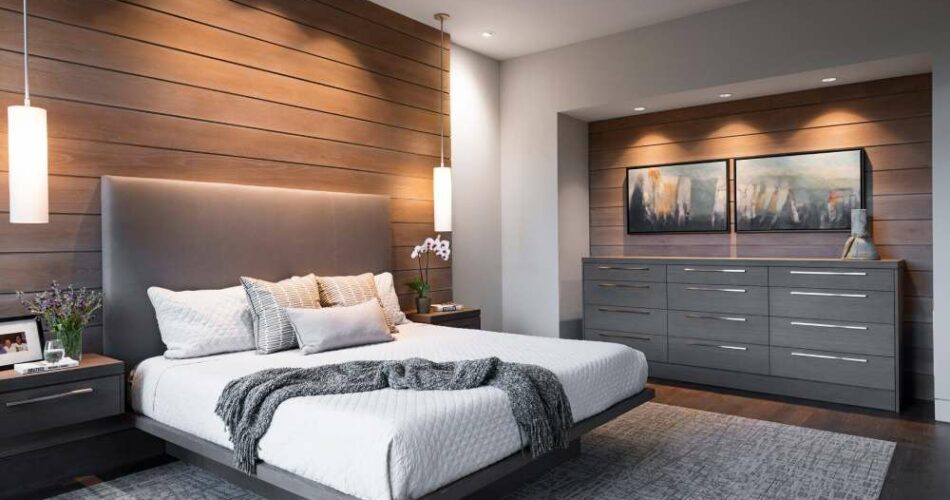
Imagine drifting into a sanctuary where every curve, color, and cushion whispers “serenity.” Imagine your bedroom, not just a chamber for slumber but a statement of modern bedroom decor—this treasure trove of design, where the future intertwines with the now, just within reach.
Here’s the scoop: transforming a sleep space into a masterpiece of contemporary furniture and ambient lighting isn’t just for glossy magazines or luxury lofts. It’s for you—and it’s totally doable.
Dive into the heart of interior design trends, explore the comfort of modern bedding, and bask in the glow of statement lighting.
From eco-friendly materials to the sleekness of Scandinavian style, we’re unlocking the secrets to a bedroom that’s both a dream to sleep in and a joy to wake up to.
By the end of our creative exploration, you’ll be equipped with savvy tips and intelligent insights that promise to elevate your private quarters to an enviable realm of modern chic.
Ready to revolutionize your rest? Let’s unveil the stylish possibilities lurking in the corners of your very own bedroom.
Modern Bedroom Decor
A Touch of Greenery
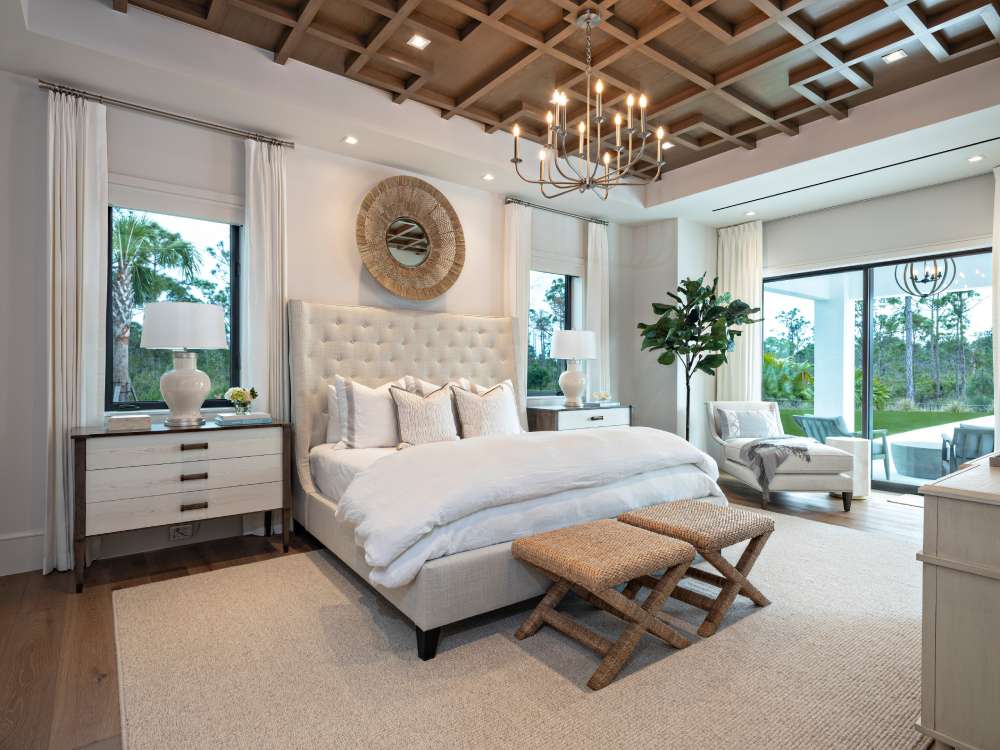 Image source: Pineapple House Interior Design
You know, I’ve always felt that a little green goes a long way in the bedroom. Whether it’s a couple of small potted plants or a large fiddle leaf fig tree, adding some greenery can really breathe life into your space. Plus, it’s fantastic for purifying the air, making your room feel fresher and healthier. Think about getting yourself some low-maintenance plants like snake plants or succulents if you’re not too confident about your green thumb.
Mix and Match Textures
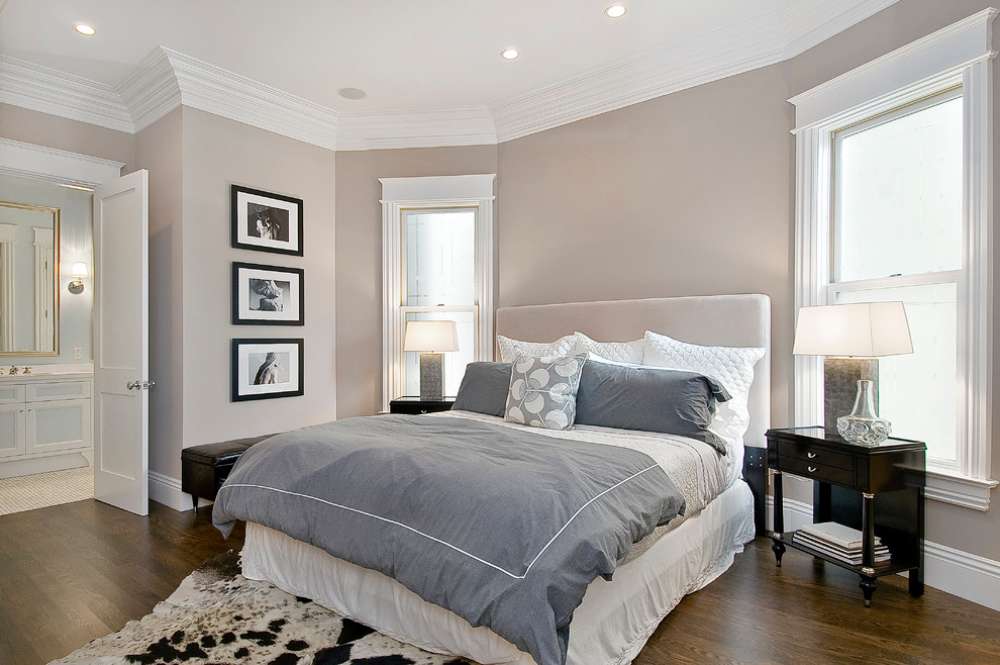 Image source: Cardea Building Co.
Mixing textures is a killer way to give your bedroom a unique, modern vibe. I mean, who doesn’t love the feeling of different textures on their skin? Experiment with a mix of soft and rugged materials like velvet, linen, faux fur, and distressed wood. The blend of textures will create a cozy atmosphere and give your bedroom that added dimension and depth that makes it feel truly special.
Embrace the Dark Side
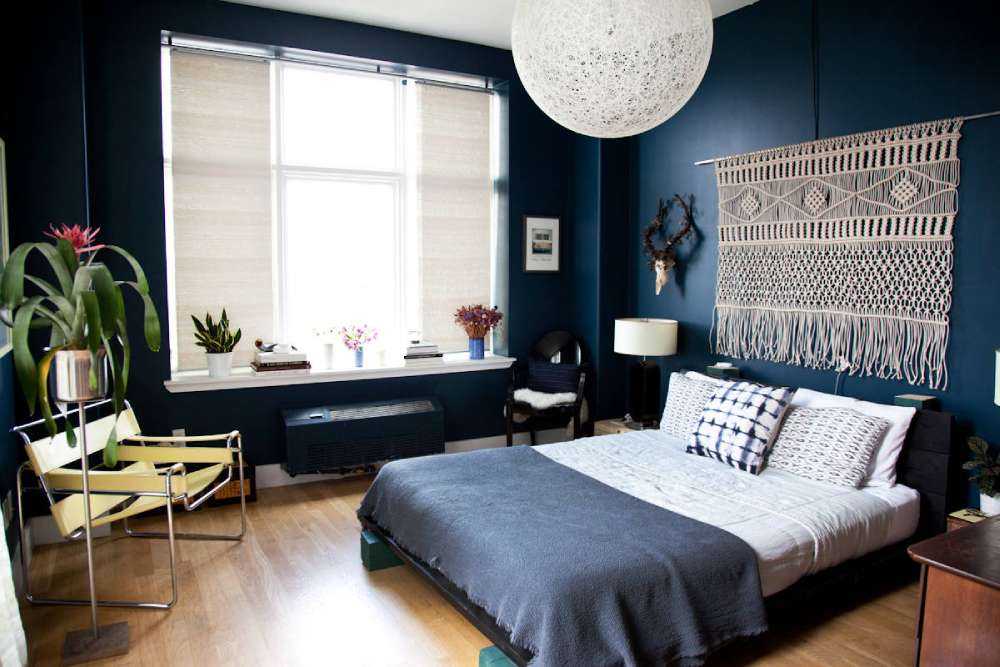 Image source: An Aesthetic Pursuit
Okay, hear me out: dark walls might sound intimidating, but they can actually make your bedroom feel incredibly cozy and sophisticated. Deep shades like navy, charcoal, or even black can work wonders in a bedroom, especially when paired with lighter furniture and decor. The key is to balance the dark walls with lighter elements like cream or beige textiles and metallic accents, so the room doesn’t feel too heavy or gloomy.
Sleek and Minimal
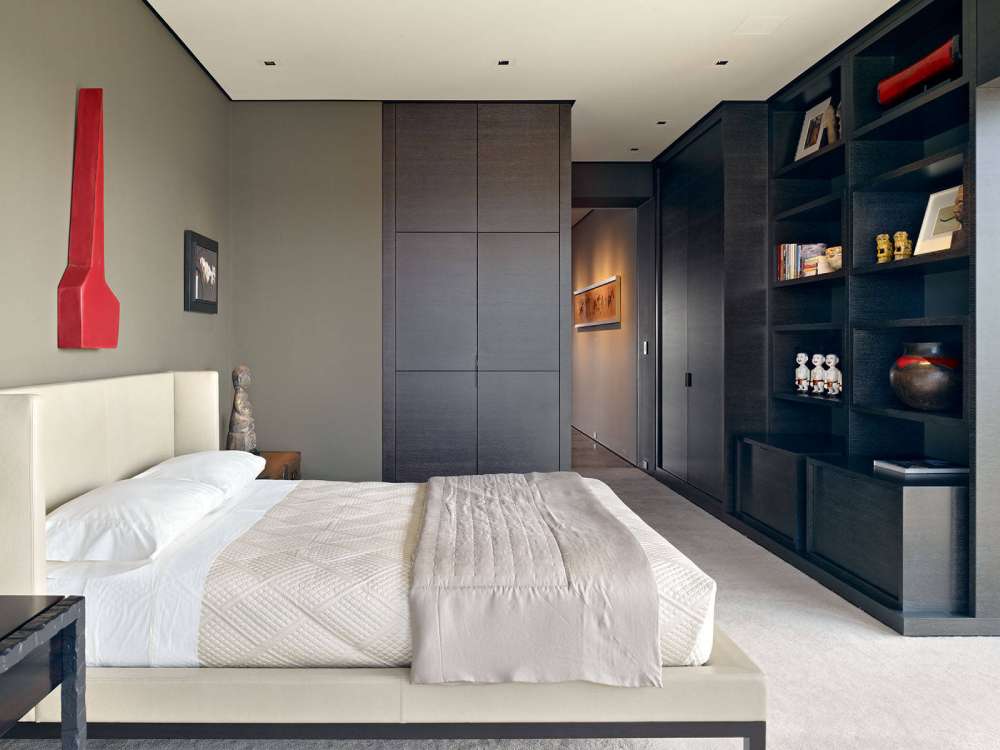 Image source: Zack|de Vito Architecture + Construction
Sometimes, less really is more. If you’re after that clean, modern look, consider embracing a minimalist approach in your bedroom decor. Stick to a neutral color palette, and keep your furnishings simple and streamlined. But don’t worry, minimalism doesn’t have to be boring! You can still add personality to your space with carefully chosen art, plants, or a statement light fixture that really pops.
Bold Accent Wall
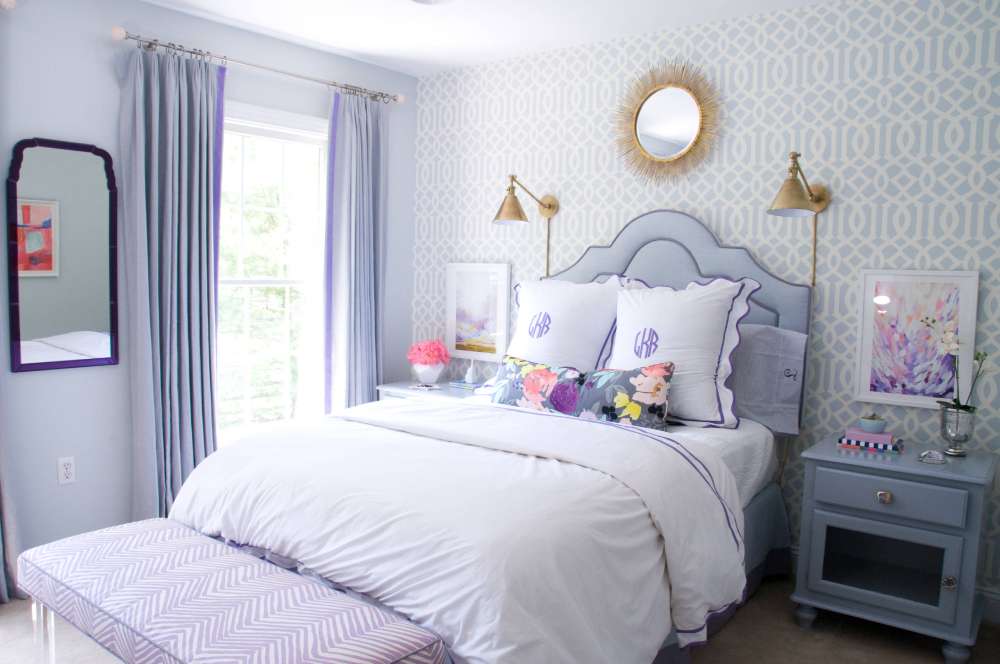 Image source: Loom Decor
Why not make a statement with a bold accent wall in your bedroom? It’s an easy way to add a splash of personality and drama to your space without going overboard. You could opt for an eye-catching wallpaper pattern or even a vibrant paint color that contrasts with the rest of the room. The key is to keep the other walls and decor relatively subdued, so your accent wall remains the star of the show.
Pattern Play
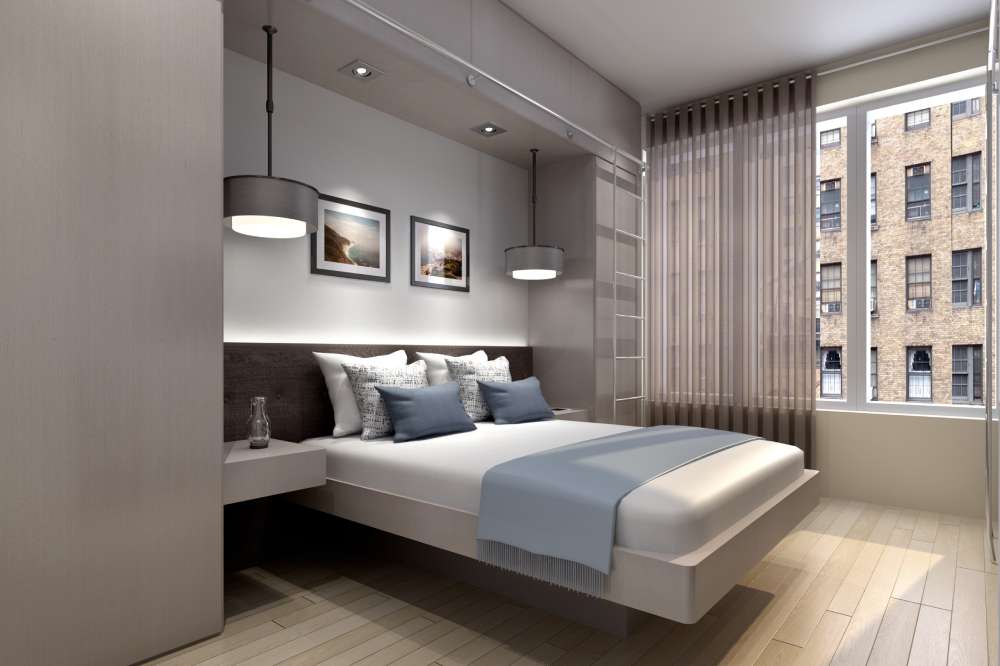 Image source: Alexander Butler | Design Services, LLC
Patterns can bring so much energy and excitement to a room, and the bedroom is no exception. Try layering different patterns in your textiles, like your bedspread, pillows, and curtains, to create a playful and dynamic look. Just make sure to coordinate the colors and vary the scale of the patterns to avoid visual chaos. Trust me, once you start playing with patterns, you’ll never go back!
Industrial Chic
There’s something so cool and edgy about an industrial-inspired bedroom. Raw materials like concrete, brick, and metal can create a striking contrast with softer elements like textiles and rugs. To pull off this look, try incorporating some exposed brick or concrete walls, metal-framed furniture, and statement lighting fixtures with a raw, industrial feel. Then soften the space with plush textiles and warm colors to keep it cozy and inviting.
Warm Wood Tones
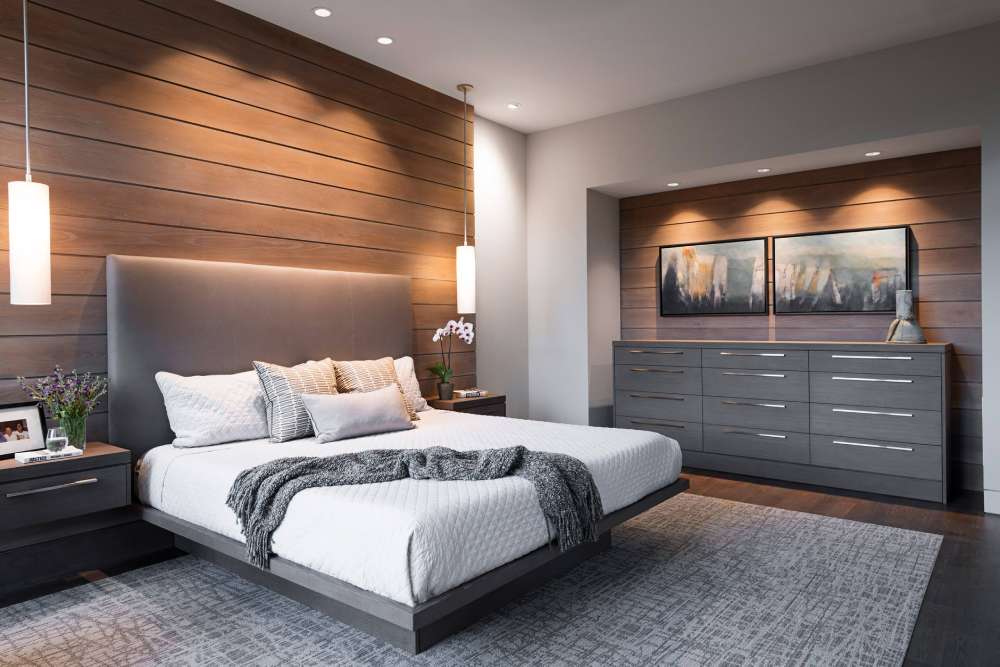 Image source: Altura Architects
Wood is such a versatile material, and it can bring so much warmth and character to a bedroom. Choose wooden furniture and accents in warm tones like walnut, teak, or oak to create a cozy, inviting space. Mixing different types of wood can also add depth and visual interest to your bedroom decor. Just make sure to keep the color palette consistent, so the different wood tones don’t clash.
Luxe Lighting
Lighting is such an important element of any room, but it’s often overlooked in the bedroom. Invest in some **gorgeous, high-quality lighting fixtures that not only provide the right level of illumination but also serve as stunning design pieces. Think about incorporating a mix of ambient, task, and accent lighting to create the perfect atmosphere. You can play around with pendant lights, sconces, floor lamps, or even LED strip lighting behind your headboard for a touch of modern glam.
Gallery Wall Goals
Why not turn your bedroom walls into a showcase for your favorite art, photos, or memories? Create a personalized gallery wall that reflects your unique style and personality. You can mix and match different frames, sizes, and styles of art to give your bedroom an eclectic, creative vibe. Just make sure to keep the color palette cohesive and plan your layout before you start hammering nails into the wall.
Statement Headboards
A headboard is like the cherry on top of your bed – it can make or break the whole look. So why not go big with a bold, statement headboard that really stands out? You can find headboards in all kinds of shapes, materials, and patterns, from upholstered and tufted styles to wooden and metal designs. A statement headboard can serve as the focal point of your bedroom and tie the whole decor together.
Cozy Reading Nook
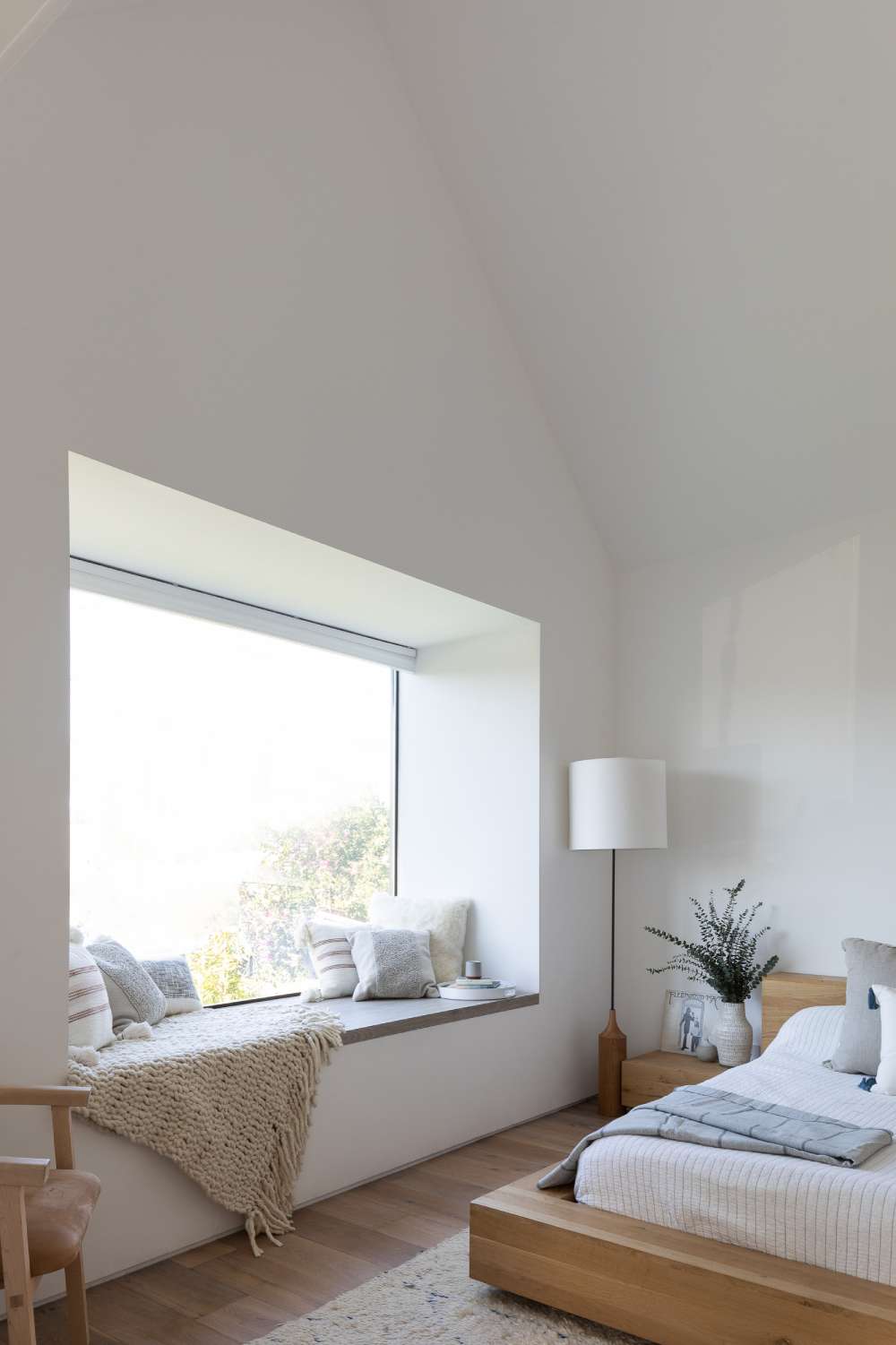 Image source: Laney LA, Inc.
If you’re a book lover like me, creating a cozy reading nook in your bedroom is a must. Find a corner or an empty wall where you can set up a comfy chair or chaise, a soft throw blanket, and a floor lamp for reading. Add a small side table for your coffee or tea, and you’ve got the perfect sanctuary to escape into the pages of your favorite book.
Go Global
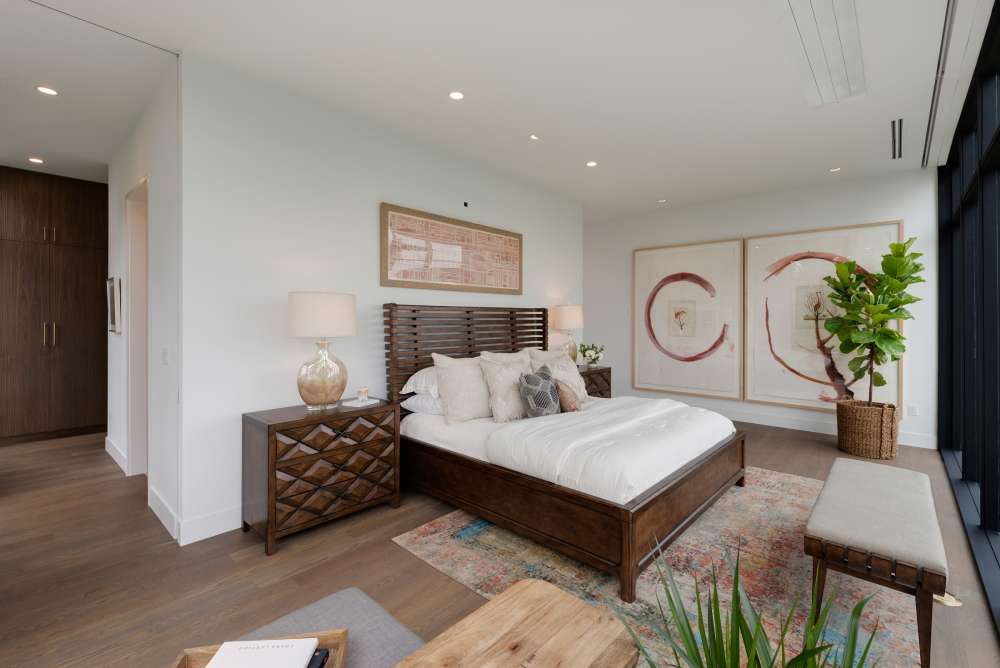 Image source: Lenox House Design
Incorporating global-inspired elements into your bedroom decor can give it a unique, eclectic feel. Look for textiles, artwork, and accessories that reflect different cultures and traditions. Think Moroccan lanterns, African mud cloth, or Japanese shoji screens. You can mix and match different styles, but be sure to keep a consistent color palette and theme to prevent the space from feeling cluttered.
Mirror Magic
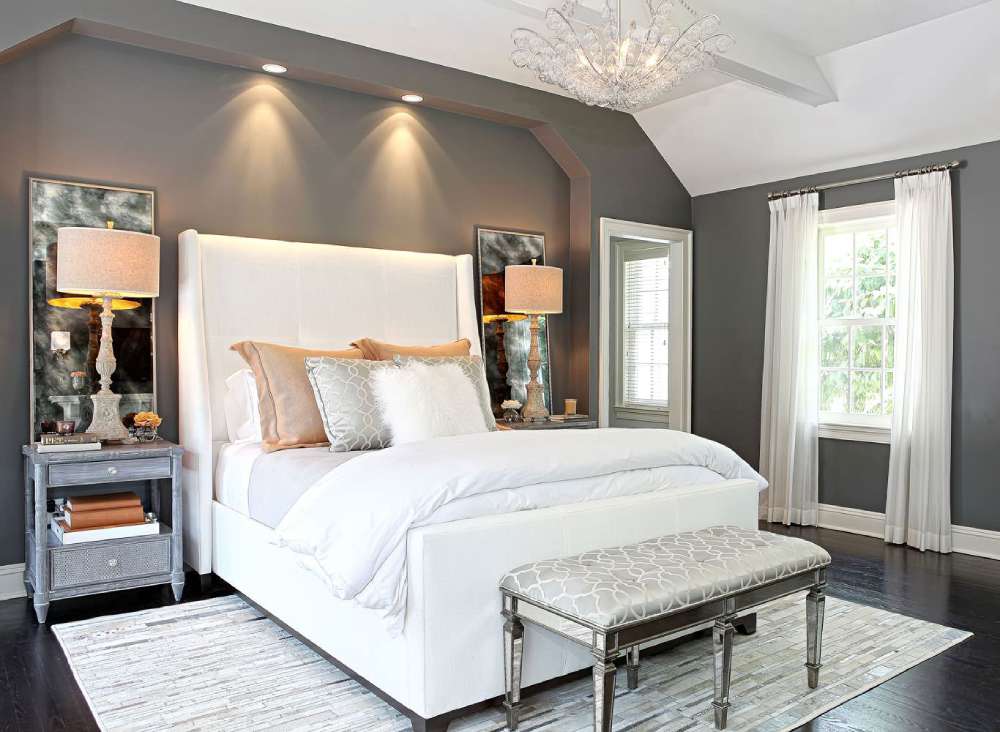 Image source: Granoff Architects
Mirrors aren’t just for checking your outfit – they can also make a room feel larger and brighter. Use large, decorative mirrors in your bedroom to reflect natural light and create the illusion of more space. You can lean a floor mirror against the wall or hang a statement mirror above your dresser or headboard. Just remember to keep the rest of the decor balanced, so the mirror doesn’t overpower the room.
Floating Shelves
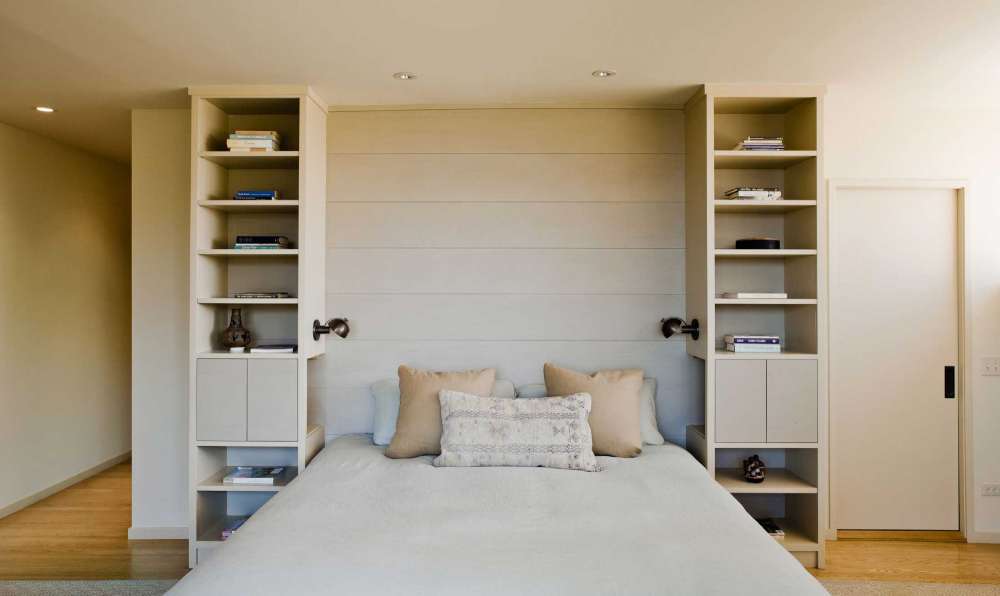 Image source: Koch Architects, Inc.
Who says storage can’t be stylish? Floating shelves are a modern and functional solution for displaying your favorite books, trinkets, and plants in your bedroom. They can help keep your space organized while adding visual interest to your walls. Plus, they’re super versatile – you can arrange them in countless configurations and styles to suit your taste.
Color Blocking
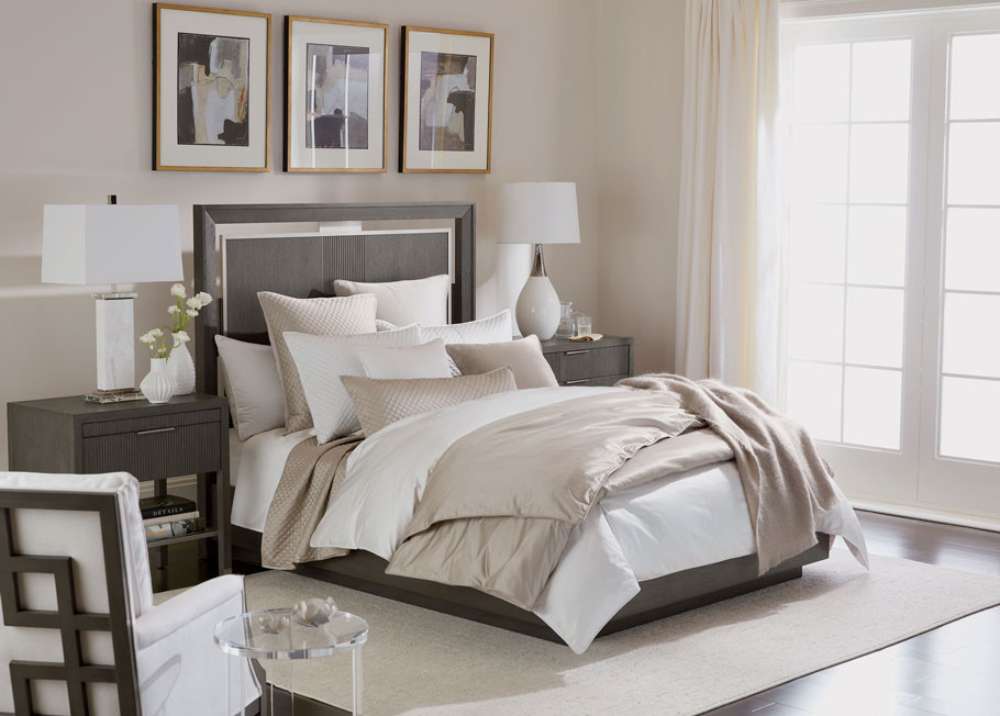 Image source: Ethan Allen Design Center – Roseville
Color blocking is a bold, modern way to add visual interest to your bedroom. Choose two or three complementary colors and paint different sections of your walls or furniture to create a striking effect. You can go for contrasting shades, like black and white, or choose a more subtle color scheme with different shades of the same hue. The key is to keep the rest of the decor simple and understated, so the color blocking takes center stage.
Vintage Vibes
There’s something so charming and nostalgic about incorporating vintage pieces into your bedroom decor. Look for unique, one-of-a-kind items like antique dressers, retro lamps, or heirloom quilts that can add a touch of history and character to your space. The key is to mix these vintage elements with more modern pieces, so your bedroom doesn’t end up looking like a time capsule. It’s all about striking the perfect balance between old and new.
Serene Sanctuary
Transform your bedroom into a calming oasis where you can truly unwind and recharge after a long day. Choose a soothing color palette of soft blues, greens, and grays, and incorporate natural elements like wood, stone, and plants to create a serene atmosphere. Keep the decor simple and uncluttered, and invest in high-quality bedding and pillows to make your bed as comfortable and inviting as possible.
Playful Pop of Color
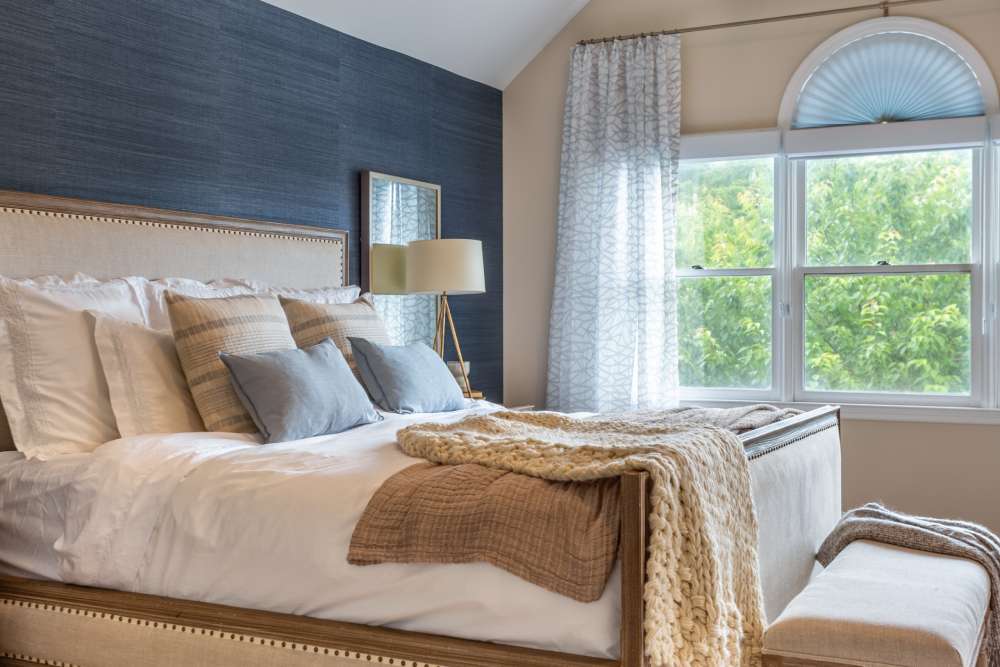 Image source: Amanda V Interiors
Sometimes, all it takes is a single pop of color to liven up your bedroom decor. Choose one bold, vibrant hue that you love, and incorporate it into your room through accessories like throw pillows, a rug, or even a piece of statement furniture. The key is to keep the rest of the space neutral and subdued, so your pop of color really stands out and makes an impact.
FAQ On Modern Bedroom Decor
How can I make my bedroom look modern?
Lean into minimalism. Pare down clutter, choose neutral color palettes, and pick contemporary furniture with clean lines. It’s all about less being way more.
Add a statement lighting piece or some modern bedding—think geometric patterns or high-quality materials—to anchor the room.
What colors are best for a modern bedroom?
Opt for monochromatic themes or neutral tones. They scream classy. But hey, don’t shy from bold contrasts either—black against white, navy with gray. Textured throws and wall art in these shades can tie the whole space together.
How do I choose modern bedroom furniture?
Focus on function and form. Minimalist designs and sleek lines are your go-to. Maybe a platform bed or a floating nightstand.
Storage solutions should blend in, not stick out like a sore thumb. Furniture is not just stuff to fill space—it’s part of the decor story.
What type of lighting is suitable for a modern bedroom?
Rethink your glow. Ambient lighting sets the mood; LED for efficiency. A smart tip? Install dimmers. Place some accent lighting to highlight your room’s features, and for reading, grab a stylish task light. Statement lighting isn’t just functional—it’s a decor piece.
How can I decorate a small modern bedroom?
Mirror, mirror, on the wall, who’s the savviest of them all? Use mirrors to open up your space. Embrace space-saving furniture, like a bed with built-in drawers. Mount shelves up high. And keep it light and airy with neutral color palettes and streamlined designs.
Can modern decor include patterns?
Absolutely. But, stick to geometric patterns or abstract designs. Play with textures and remember, balance is key. A patterned rug or throw pillows can serve as the perfect accent against your solid-color units.
How important is art in modern bedroom decor?
Art pops. It’s the soul of a space. Go for large-scale pieces that convey calm or bring in subtle energy. Art isn’t just visuals—it sets the vibe for your entire bedroom.
Are plants a good fit for modern bedroom decor?
For sure. They’re like a fresh breath for your room. Go green with low-maintenance indoor plants. They’ll soften the contemporary furniture edges and add a splash of life. Air-purifying ones? Even better. They’re good for your room’s aura and for you.
How do I incorporate technology into my bedroom?
Think smart home automation—lighting, shades, even your mattress can be tech-savvy. Smart devices should blend in with your aesthetic, not disrupt it. So, choose sleek designs that complement your decor.
What’s the biggest mistake to avoid in modern bedroom decor?
Overdoing it. Modern is not about filling up every corner. It’s about choosing pieces that have a purpose—both functionally and visually. Keep editing until what’s left is just right.
Each element in your room should have breathing space. Remember, modern is synonymous with simplicity.
Conclusion
And there we have it. A journey through the realms of modern bedroom decor has brought us to a destination that’s both unmistakably stylish and infinitely personal. Your bedroom, a canvas where contemporary furniture, ambient lighting, and minimalist designs tell a story, your story.
- Simplicity reigns. It isn’t just a trend—it’s timeless. It’s choosing statement lighting that doubles as your room’s pièce de résistance.
- Functionality and beauty aren’t rivals; they’re the perfect duet, harmonizing in your choice of sleek storage solutions and modern bedding.
- Eco-friendly materials whisper of a planet cared for and a space cherished.
By embracing these principles, your bedroom transforms into more than a sleep den; it evolves into a sanctuary of serenity and style. So, take these insights, mold them with your own flair, and step into a space that’s not just modern but unmistakably you. After all, a bedroom isn’t just a room—it’s a statement.
- If you liked this article about modern bedroom decor, you should check out this article about bedroom decorating ideas.There are also similar articles discussing bohemian bedroom decor, romantic bedroom decor, gothic bedroom decor, and small bedroom decor.And let’s not forget about articles on coastal bedroom decor, minimalist bedroom decor, rustic bedroom decor, and zen living room decor.