
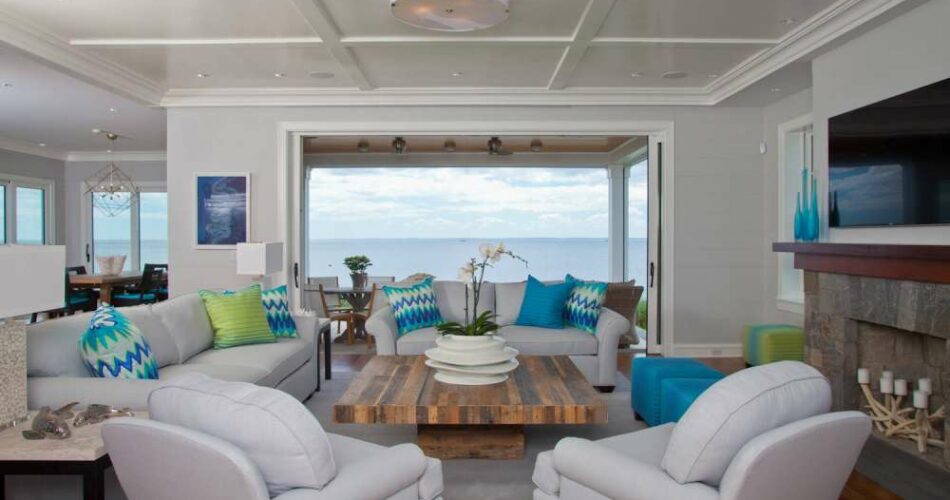
Imagine transforming your living room into a sanctuary. Yes, that’s what zen living room decor is all about – weaving tranquility right into the fabric of your daily life.
It’s more than just a style; it’s a nod to serenity, an embrace of minimalism, and a reconnection with the natural world.
Here’s the deal: I’m spilling the secrets to crafting a space that echoes calm and simplicity, drawing from timeless Zen principles. This isn’t just about choosing a sofa or picking a wall color.
It’s about creating harmony and finding balance with every cushion, every beam of natural light that slides across the bamboo floor.
By the time you’ve absorbed every word, you’ll be geared up to infuse your living space with mindful home styling. Expect a breakdown of elements like peaceful interiors, organic materials, and that clutter-free environment we all yearn for.
Ready for a taste of Zen? Keep on reading and let’s dive into the subtle art of Zen-inspired living.
Zen Living Room Decor
A Comfy, Cozy Corner
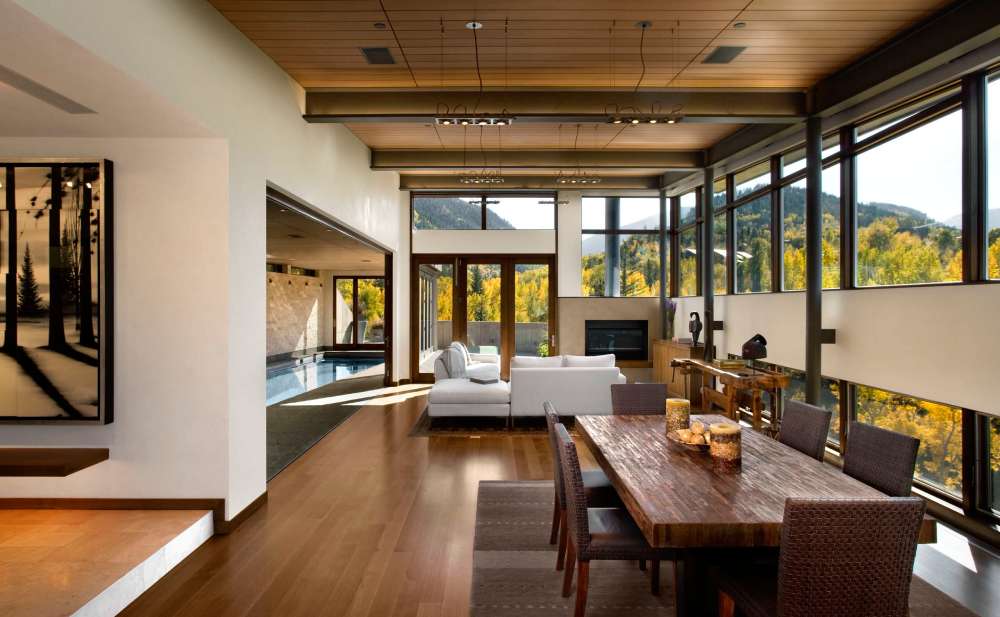 Image source: 186 Lighting Design Group – Gregg Mackell
You know, there’s nothing like a super snug corner to unwind in, especially in a zen living room. Place a large, comfy armchair with a soft throw and a few cushions. Add a small table for your cup of tea, and a floor lamp to create the perfect reading nook. Surround the space with your favorite plants, and voilà, you’ve got your own little haven!
Get Grounded with Floor Seating
I can’t stress this enough: floor seating is where it’s at! It’s all about that low-to-the-ground vibe, man. Start with a few large, plush floor cushions or a low sofa.
Throw in some woven rugs or tatami mats, and you’ll have a super inviting space to chill and connect with friends and family. This kind of seating also helps you stay grounded, literally and figuratively.
Natural Textures Everywhere
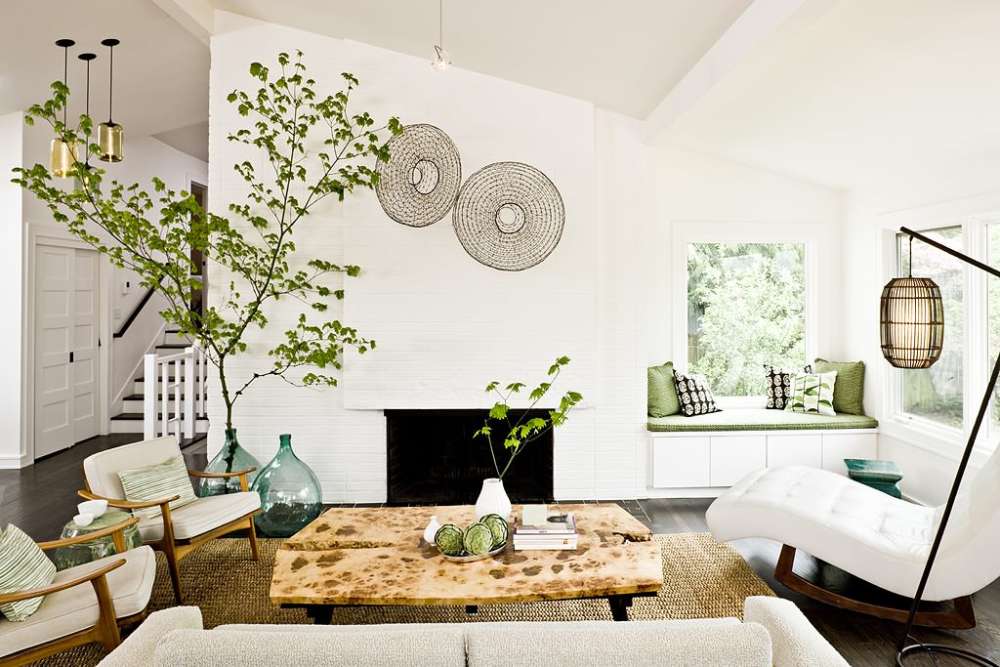 Image source: The Works
What’s more zen than being at one with nature, right? So, bring the outdoors in by using natural textures in your living room.
Think bamboo screens or rattan furniture, woven baskets or jute rugs. The more, the merrier! Layering these textures creates an atmosphere that feels calm and connected to the earth. It’s a total win-win for your zen space, I promise.
Minimalism is Your Friend
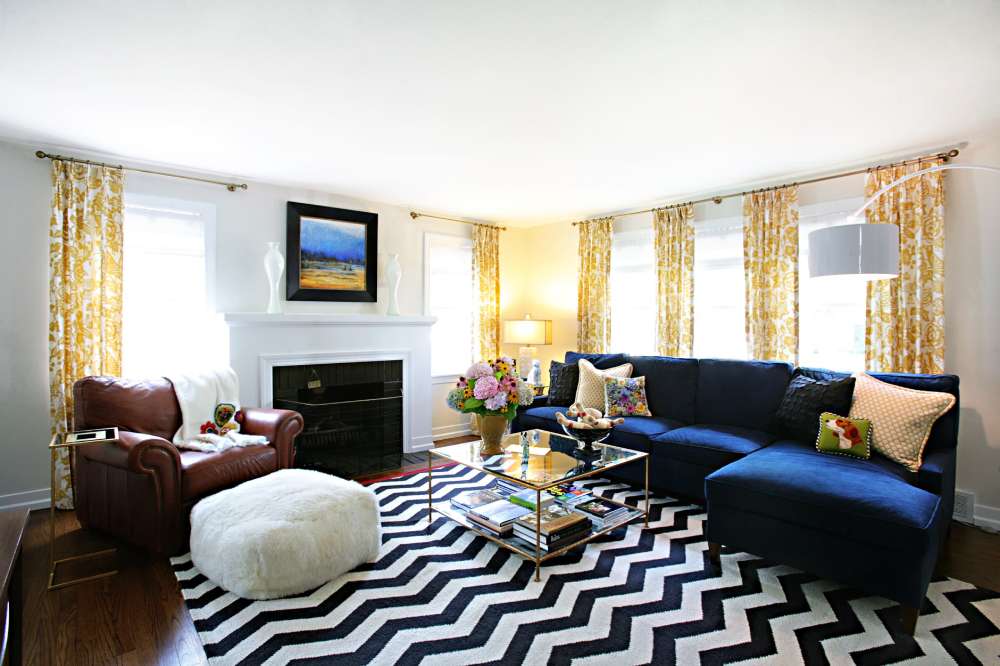 Image source: Debbie Basnett Interiors, LLC
Okay, so minimalism might sound a little cliché, but it’s super important in creating a zen living room. Less is definitely more here. Keep your décor simple, with clean lines and a neutral color palette. This will help you declutter not only your space but also your mind. Plus, it’s a great excuse to do some spring cleaning and get rid of stuff you don’t need!
Water Feature Magic
Hear me out: nothing says zen like the soothing sound of water. So, why not include a small indoor water feature in your living room?
It could be a tabletop fountain or a wall-mounted waterfall. Trust me, the sound of flowing water will instantly transport you to a state of bliss. Plus, it’ll be a great conversation starter when you have guests over.
Lighting for Days
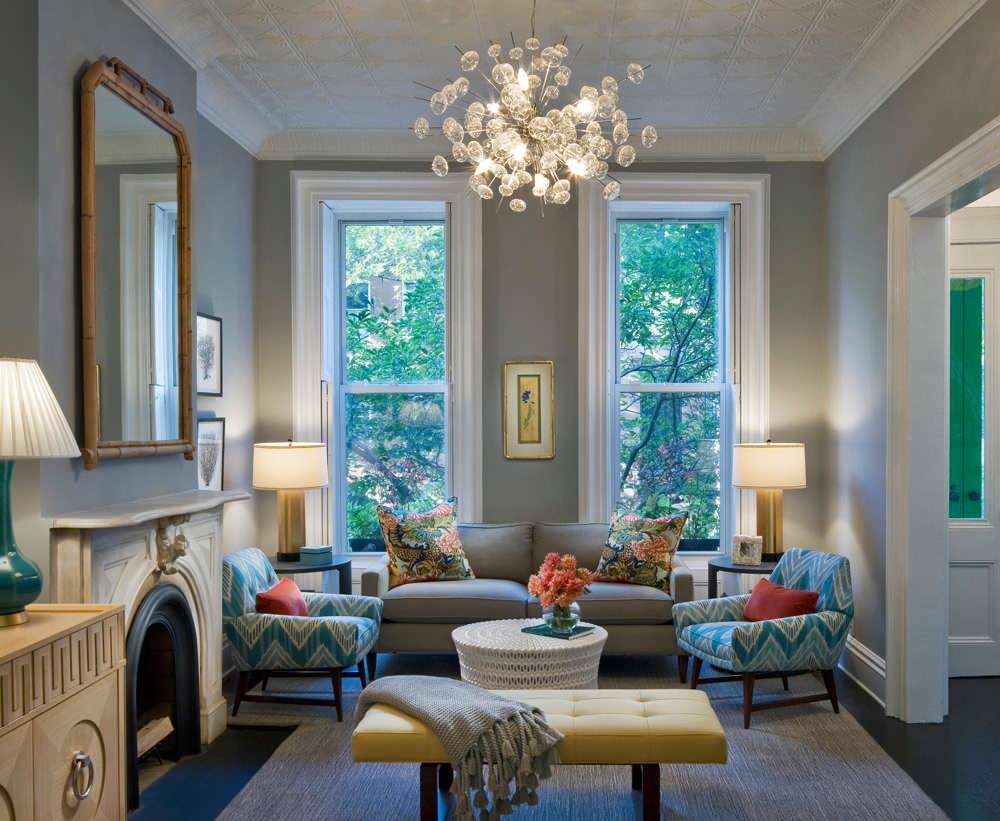 Image source: The Brooklyn Studio
The right lighting can make or break your zen living room. Ditch the harsh overhead lights and go for a mix of floor lamps, table lamps, and candles instead. Soft, warm light will create a super cozy and inviting atmosphere. If you’re into it, you can even add some fairy lights for a touch of whimsy.
The Sacred Art of Feng Shui
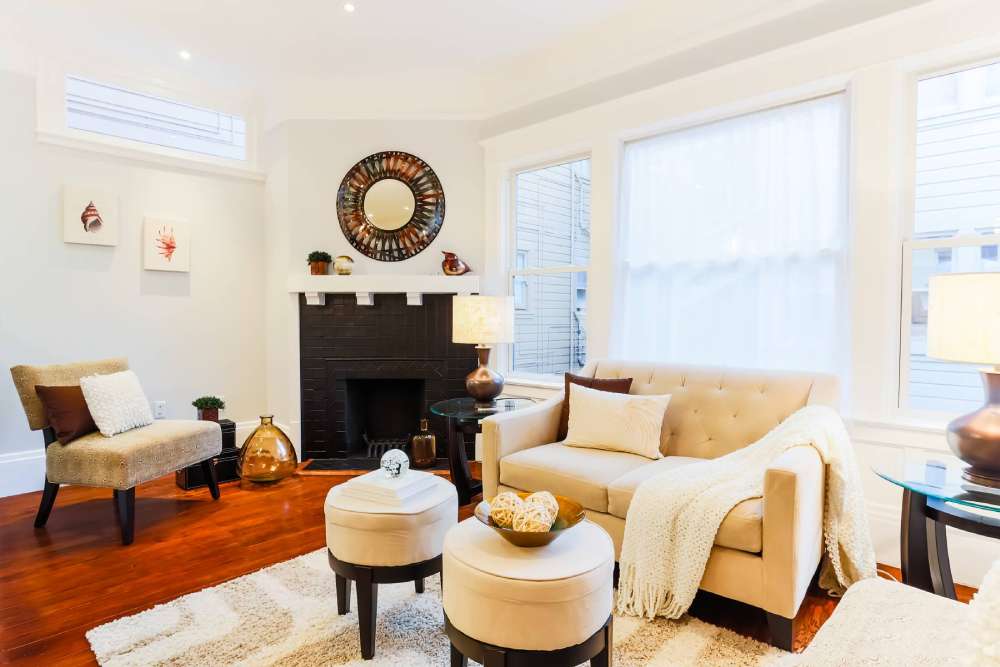 Image source: Erika Lam
Feng shui is all about creating balance and harmony in your space. And what’s more zen than that? So, when you’re arranging your living room furniture, think about the flow of energy in the room. Keep things open and spacious, and try to avoid clutter. Oh, and don’t forget to include the five elements of feng shui: wood, fire, earth, metal, and water. It’ll make a world of difference!
Meditation Zone
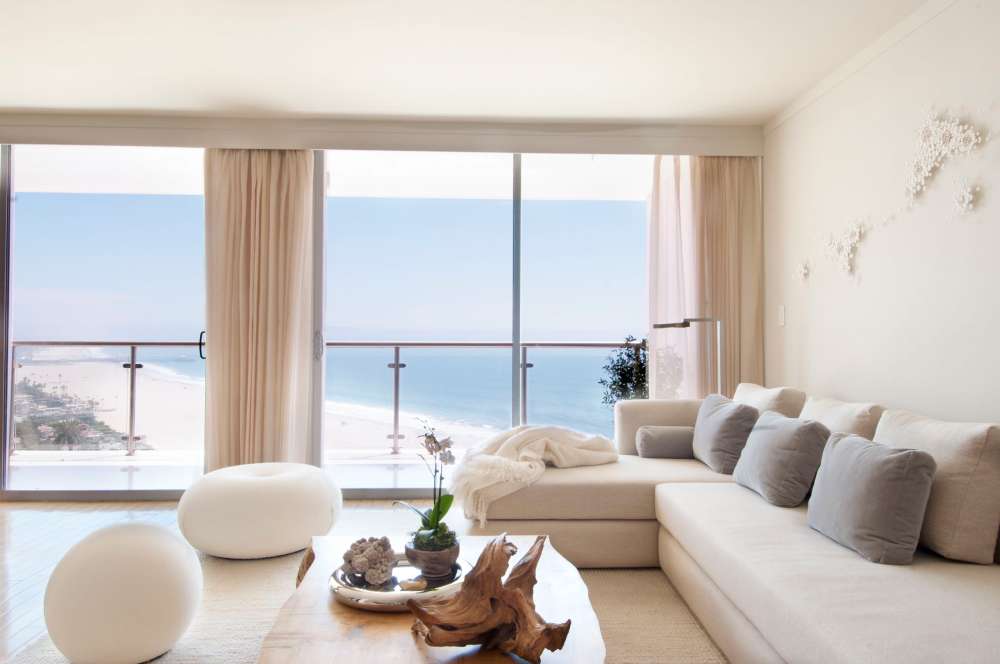 Image source: Sarah Barnard Design LLC
You can’t have a zen living room without a meditation zone, am I right? Set up a small area with a meditation cushion, a few candles, and maybe even a singing bowl. This is your go-to spot for some quiet reflection or a quick mindfulness break. Plus, it’s a great way to introduce some zen rituals into your daily life.
Green is Good
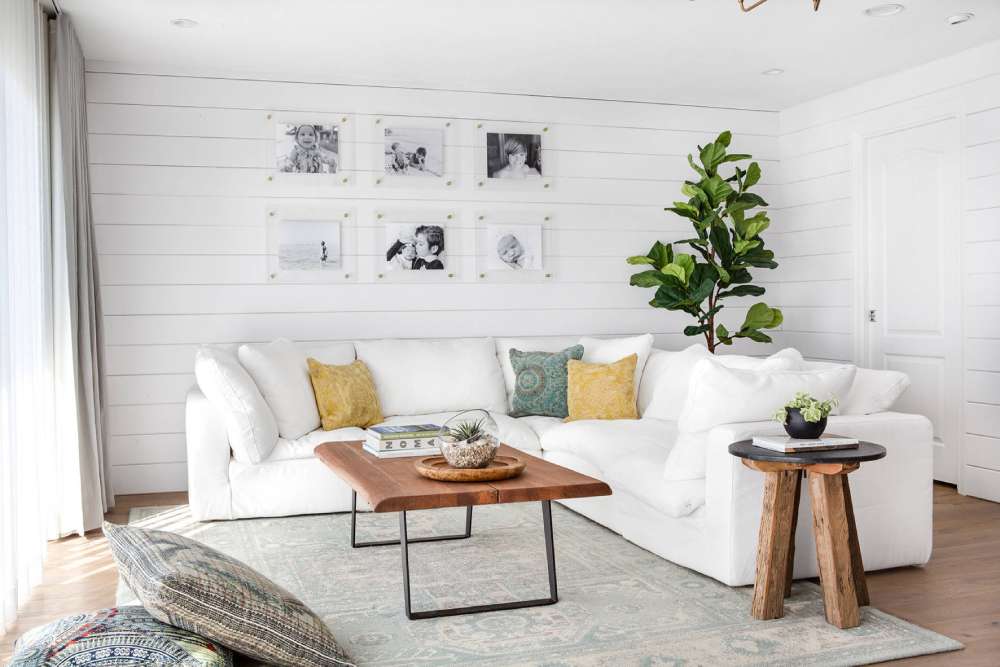 Image source: Chelsea Lauren Interiors
Plants are the way to go if you want to create a zen living room. Not only do they purify the air, but they also bring a sense of calm and well-being. So, go all out with plants – big ones, small ones, hanging ones, you name it!
Just be sure to choose plants that are low-maintenance and thrive in your space’s light conditions. A little greenery goes a long way in creating that peaceful, zen atmosphere.
Aromatherapy Vibes
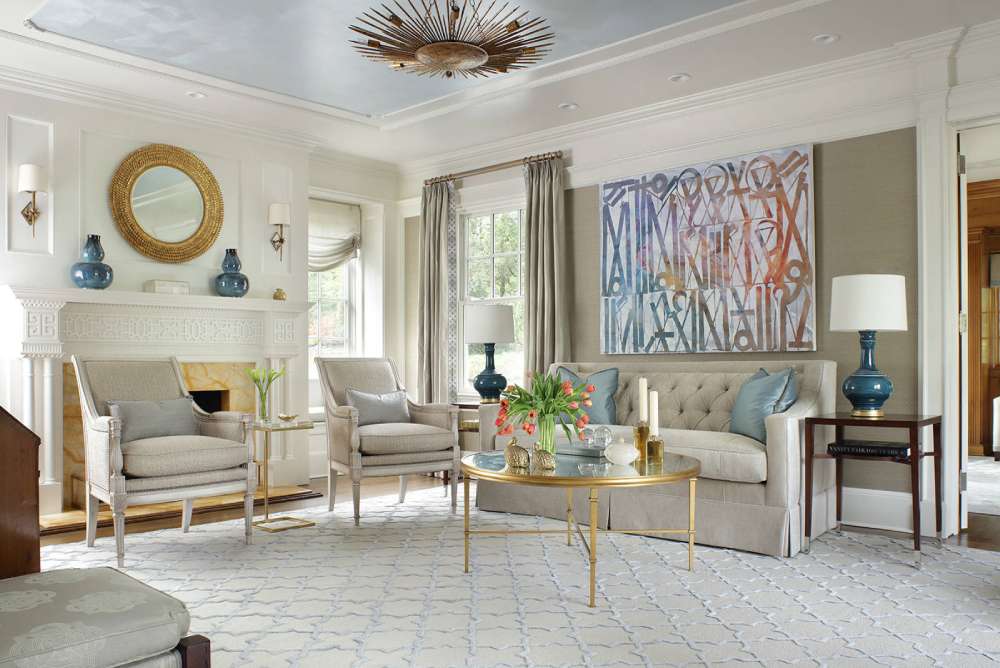 Image source: Valerie Grant Interiors
Scent is a powerful thing, my friend. It can transport us to another place or time, and it can certainly help create a zen living room. So, invest in some essential oils and a diffuser, or go for scented candles if you prefer. Opt for calming scents like lavender, chamomile, or sandalwood. Trust me, your nose (and your mind) will thank you!
Statement Wall of Serenity
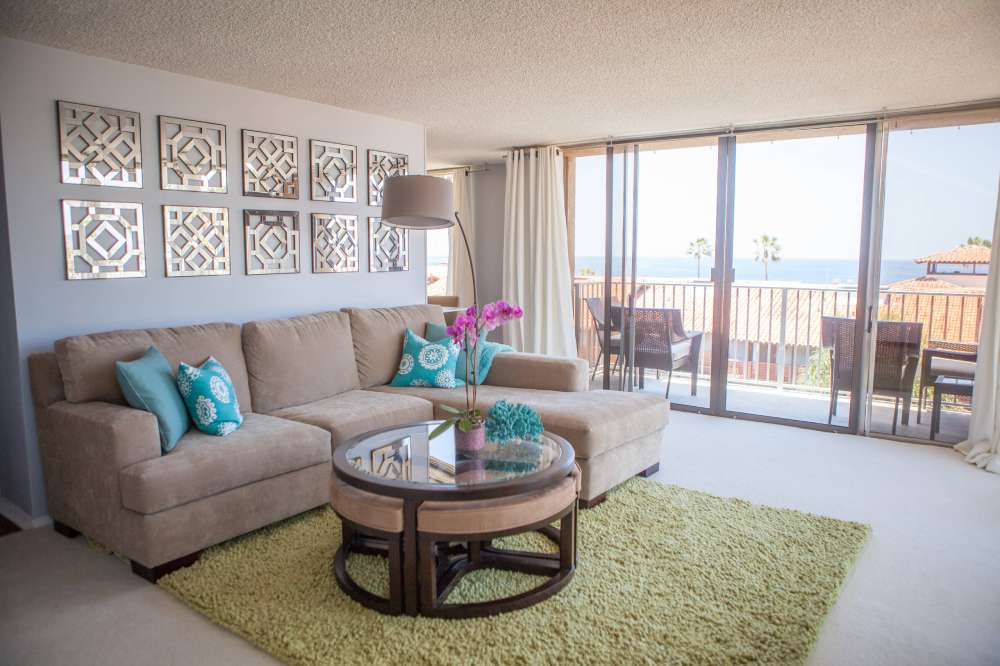 Image source: Simply Stunning Spaces
Who says zen can’t be stylish? Create a statement wall with a calming, nature-inspired mural, or a collection of zen artwork. It can be as simple or as intricate as you like. This focal point will not only add visual interest to your living room but also inspire a sense of tranquility and peace.
Go Monochrome
Sometimes, less really is more. A monochromatic color scheme in your living room can be incredibly calming and zen.
Choose a soft, neutral color, like beige, gray, or white, and use various shades of it throughout the space. This approach creates a sense of cohesion and harmony that’s perfect for a zen living room.
Rockin’ the Zen Garden
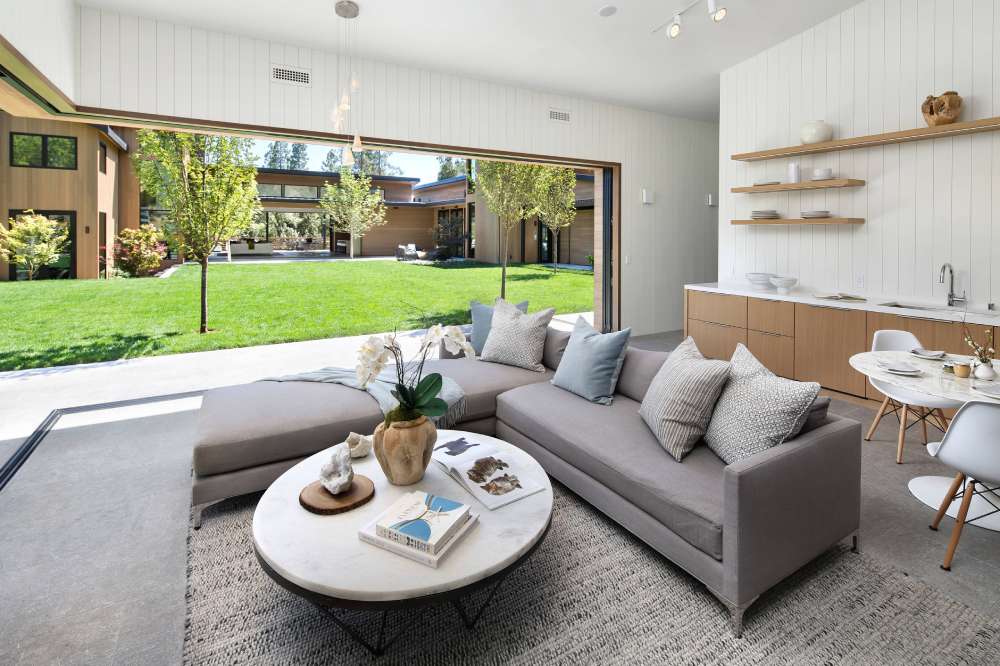 Image source: Butler Armsden Architects
Bring the beauty of a zen garden indoors with a mini version on your coffee table or side table. It can include sand, rocks, and maybe even a small rake for that authentic garden feel. This little oasis will encourage you to slow down, breathe, and be present – all essential elements of a zen lifestyle.
Cushions and Throws Galore
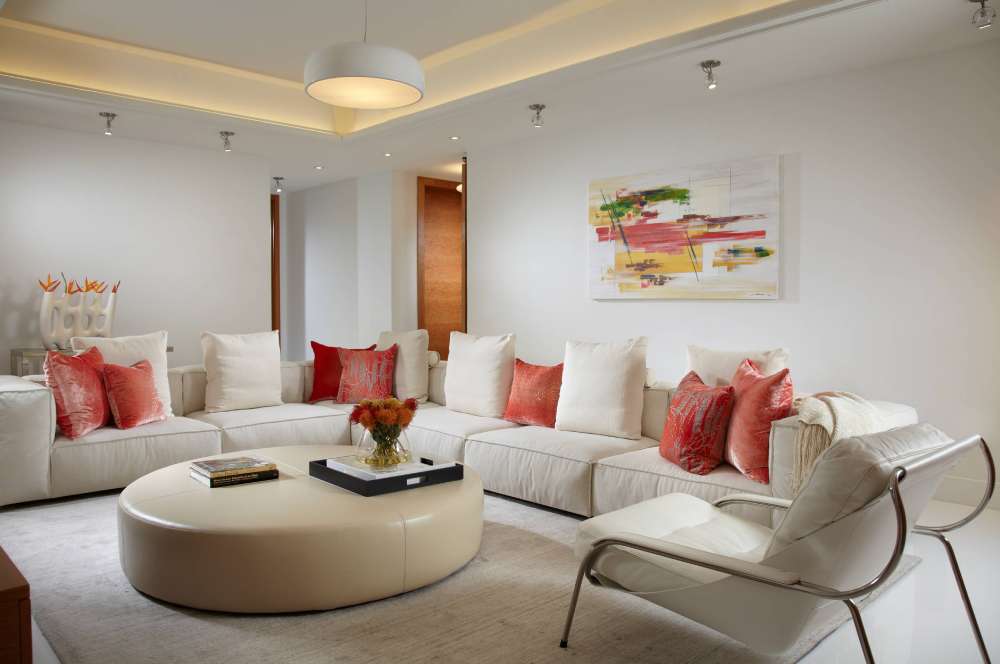 Image source: J Design Group – Interior Designers Miami – Modern
One of the best ways to create a cozy, zen living room is by layering textures with cushions and throws. Opt for soft, natural fabrics like linen, cotton, or wool. Mix and match different patterns and colors, but keep the overall look cohesive and calming. You’ll end up with a space that’s inviting and perfect for relaxation.
Incorporate Affirmations
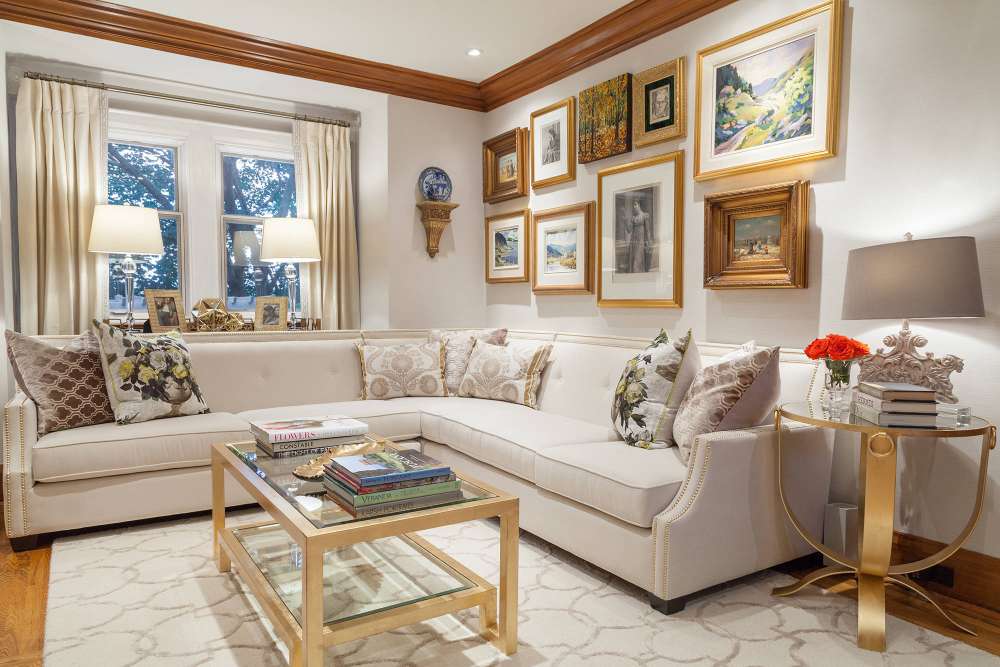 Image source: Alexandra Naranjo Designs Inc
Positive affirmations can be a powerful way to create a zen atmosphere in your living room. Consider displaying your favorite affirmations or inspirational quotes in beautiful frames or as wall decals. This way, you’ll be reminded of the positive energy and intentions you want to cultivate in your space and your life.
Curate a Calming Playlist
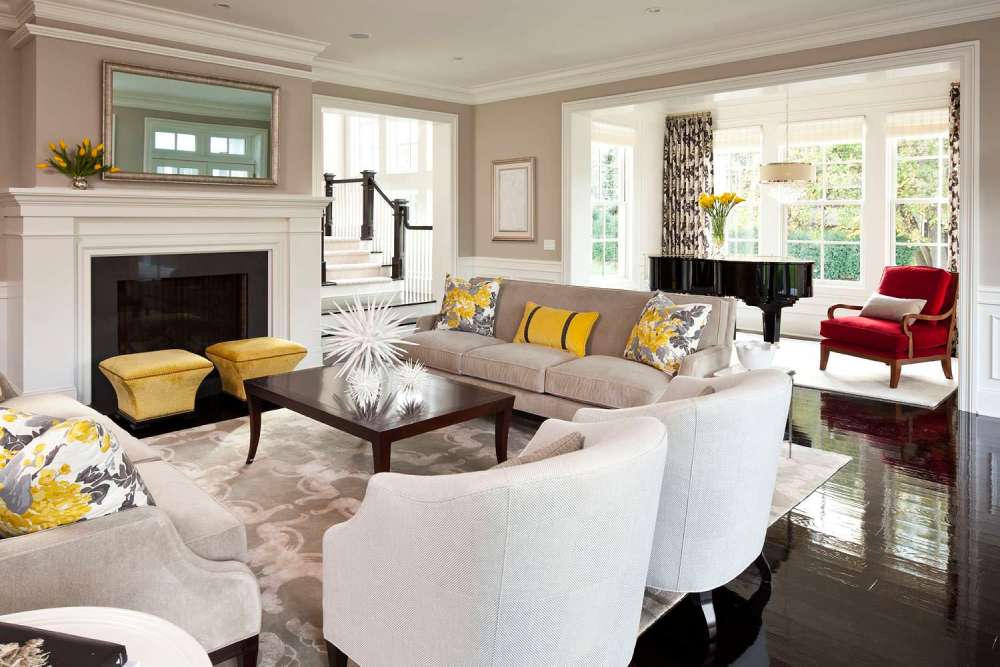 Image source: Martha O’Hara Interiors
Music can have a profound effect on our mood and well-being. So, why not create a playlist of calming tunes to play in your living room? Choose songs with soothing melodies and gentle rhythms to help you unwind and create a zen atmosphere. You could even explore some nature sounds or meditation music for a truly immersive experience.
Get Creative with Storage
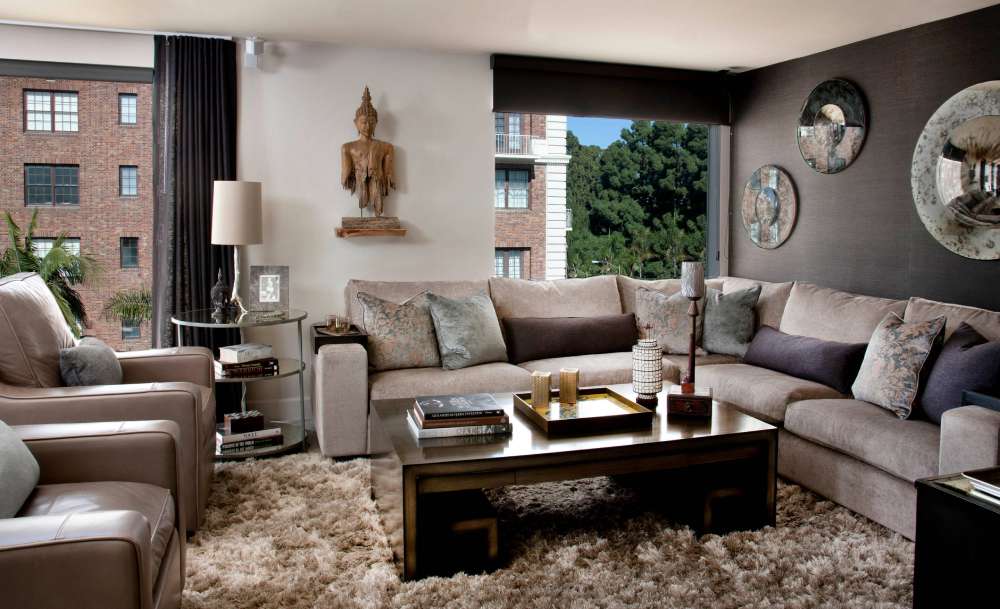 Image source: Lori Gentile Interior Design
Clutter can be the enemy of a zen living room, so invest in some creative storage solutions. Look for furniture with built-in storage, like a coffee table with drawers or an ottoman with a hidden compartment. You can also use decorative baskets and boxes to stash away smaller items. This will help you maintain a clean, clutter-free space that promotes tranquility and relaxation.
Indulge in a Cozy Fireplace
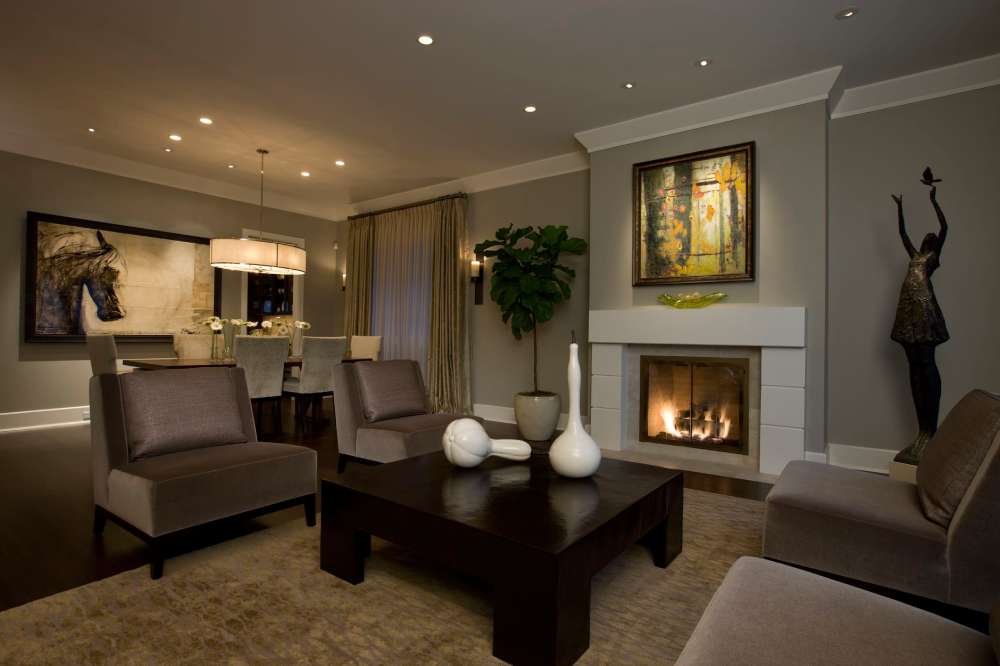 Image source: Michael Abrams Interiors
If you have the space and the means, consider adding a cozy fireplace to your living room. It can be a traditional wood-burning fireplace, or a more modern electric or gas version. The warmth and flickering flames will create an inviting, serene atmosphere that’s perfect for curling up with a good book or enjoying a quiet conversation.
FAQ On Zen Living Room Decor
How do I start with Zen living room decor?
Dive in by clearing the clutter; Zen’s all about that minimalist vibe. Focus on quality, not quantity. Pick pieces that speak to simplicity and tranquility—think a cozy floor cushion next to an elegant bamboo plant. Remember, each item should serve a purpose or bring joy.
What colors signify Zen in interior design?
Think earthy, subdued tones: soft whites, greys, beiges. They’re your canvas. Zen room colors should mimic nature, fostering an undisturbed and serene atmosphere.
Add splashes of green with plants or gentle blues that recall the sky and water, nurturing a serene, Zen-inspired space.
What are essential elements in Zen living room decoration?
Key elements? Think natural light aglow through sheer drapes. Wood elements whispering tales of the forest. An indoor water feature’s subtle gurgle.
Smooth, clean lines and a neutral color palette all around, and not forgetting, harmony – elements should balance each other out for that Zen simplicity.
Can Zen decor include wall art?
Absolutely. But think less is more. Go for subtle, abstract pieces that evoke calm or nature-inspired art that blends seamlessly with your minimalist aesthetic.
Zen wall art should uplift without overwhelming, grace your space without dominating the Zen ambiance you’re cultivating.
How do Zen principles influence living room furniture choices?
Zen furniture—low-profile, functional. Clean lines? Check. Unobtrusive? Check. Often, it sits closer to the ground, promoting groundedness and connection to the earth.
Choose items that facilitate openness and flow, like a sleek, low-height table. Oh, and every piece should be a nod to natural beauty and simplicity.
How can plants enhance my Zen living room?
Plants breathe life into a room, literally. They purify the air, add a splash of vibrant green, and can act as natural, calming focal points. Consider bamboo or a neatly-trimmed bonsai. Position them to balance the space and enhance that peaceful, Zen vibe.
What type of lighting should I use in a Zen living room?
Soft, warm lighting is key. Overhead lights? Make them dimmable. Place floor lamps strategically to cast a gentle glow in the corners. Candles? A go-to for ambient light. They flicker with a sort of quiet simplicity, nurturing a tranquil space right there in your living room.
Is it possible to blend modern and Zen decor?
For sure! Modern Zen’s a thing. Merge the two by keeping your modern structure, but infuse it with Zen tranquility. Modern lines meet Zen minimalism; tech gadgets tucked away to maintain a clutter-free space. It’s a slick but soothing realm of modern meets mindful.
How do texture and fabric choices affect Zen decor?
They’re huge. Think natural fabrics—cotton, linen—breathable, easy, and always inviting. Textures should be subtle, think woven rugs that tickle your toes or a soft throw on a bamboo chair. They invite touch, encourage relaxation, and yes, they have to be all-natural.
How does Zen decor cater to small living rooms?
Zen is a small space’s best friend. It champions space and flow, two essentials you need when room is at a premium.
Opt for multifunctional furniture and mirrors that reflect light, expanding the room. Remember, minimalism maximizes—each element should be carefully curated to evoke spaciousness.
Conclusion
Okay, so we’ve journeyed through the heart of zen living room decor, picking up pieces of serenity along the way. Remember, folks, it’s more than decor; it’s a mindset, an ethos. The elements we’ve explored—the bamboo touches, the muted earthy tones, that essential clutter-free sanctuary vibe—they aren’t just design choices.
They’re puzzle pieces to a more peaceful life.
Think of your living room now. It’s not just a room. It’s a retreat, a breath of fresh air amid the chaos. Let the minimalism sing, the natural light dance across your serene space. It’s been quite the ride, hasn’t it? Crafting simplicity out of complexity, finding that tranquil ambiance with just the right balance of organic materials and subtle artwork.
Take these ideas, make them real, and watch how the Zen philosophy weaves its quiet magic through every corner of your living room. That calm, that peace? All yours. Now, go enjoy it.
If you liked this article about zen living room decor, you should check out this article about living room design ideas.
There are also similar articles discussing transitional living room decor, contemporary living room decor, eclectic living room decor, and elegant living room decor.
And let’s not forget about articles on vintage living room decor, coastal living room decor, neutral living room decor, and masculine living room decor.