Summarize this article with:
Expensive furniture in the wrong arrangement still looks wrong. Luxury apartment decor isn’t about the price tag on each piece. It’s about material quality, spatial awareness, and knowing when to stop adding things.
Apartments come with constraints that houses don’t. Fixed layouts, limited square footage, rental restrictions. These limits actually shape how luxury works in smaller spaces, pushing toward curated restraint over excess.
This guide covers the specific design styles, materials, furniture choices, lighting strategies, color palettes, and room-by-room priorities that separate a truly high-end apartment from one that just spent a lot of money. Every recommendation here is grounded in what actually works at apartment scale.
What Is Luxury Apartment Decor
Luxury apartment decor is a design approach that puts material quality, curated restraint, and spatial awareness above everything else. It’s not about spending the most money. It’s about choosing fewer things, but better things.
Plenty of apartments have expensive furnishings that still look like a furniture showroom rather than a home. The difference between “costly” and “luxurious” comes down to intentionality. Every piece in the room has to earn its place.
Apartments bring specific constraints that houses don’t. Fixed floor plans, limited square footage, shared walls, rental restrictions on structural changes. These limits actually shape luxury differently. Instead of sprawling, luxury in an apartment means editing. Removing the unnecessary until what remains feels considered.
Understanding space in interior design is where this starts. You’re working with a fixed footprint, and how you use negative space matters as much as what you fill it with.
Mordor Intelligence data shows apartments and condos made up 58% of U.S. luxury residential real estate spending in 2024. The overall luxury residential market hit $289 billion that same year. So we’re not talking about a niche here.
The U.S. Census Bureau tracked another signal worth paying attention to. Average new home sizes dropped from 2,314 square feet in late 2022 to 2,169 square feet by late 2024. Affluent buyers are choosing smaller spaces on purpose, not because they can’t afford bigger ones. They want less maintenance and more quality per square foot.
Coldwell Banker’s 2025 Trend Report found that over 60% of luxury agents ranked indoor/outdoor living as one of the most popular design features among their high-end clients. Even in apartments, the push for connected, airy living spaces is changing how people think about layout and decor.
The whole point? A luxury apartment should feel calm when you walk in. Not cluttered, not sterile. Just right.
Design Styles That Work Best in Luxury Apartments

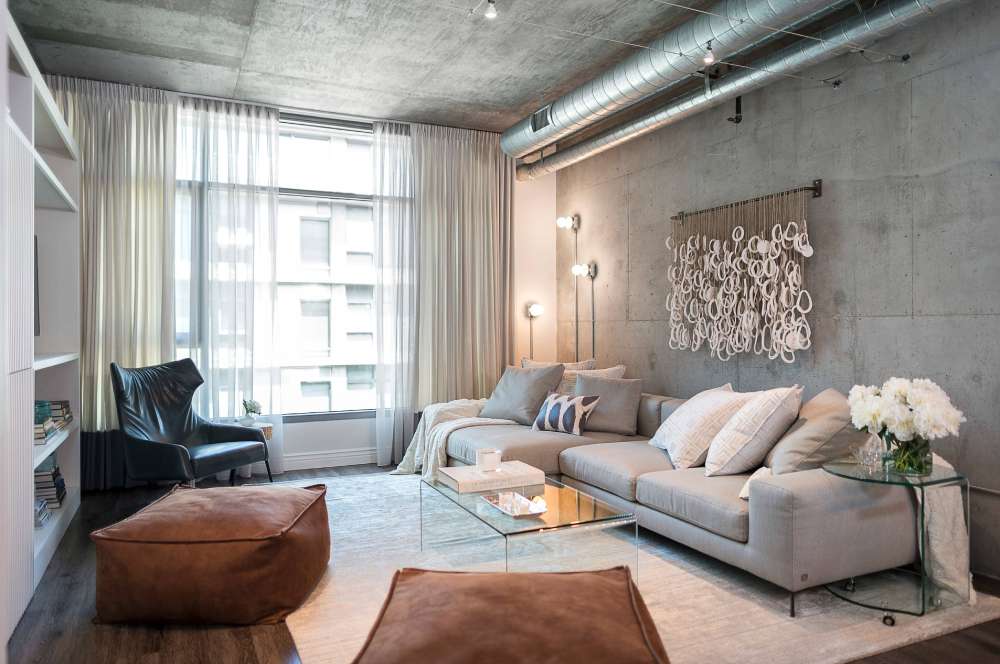
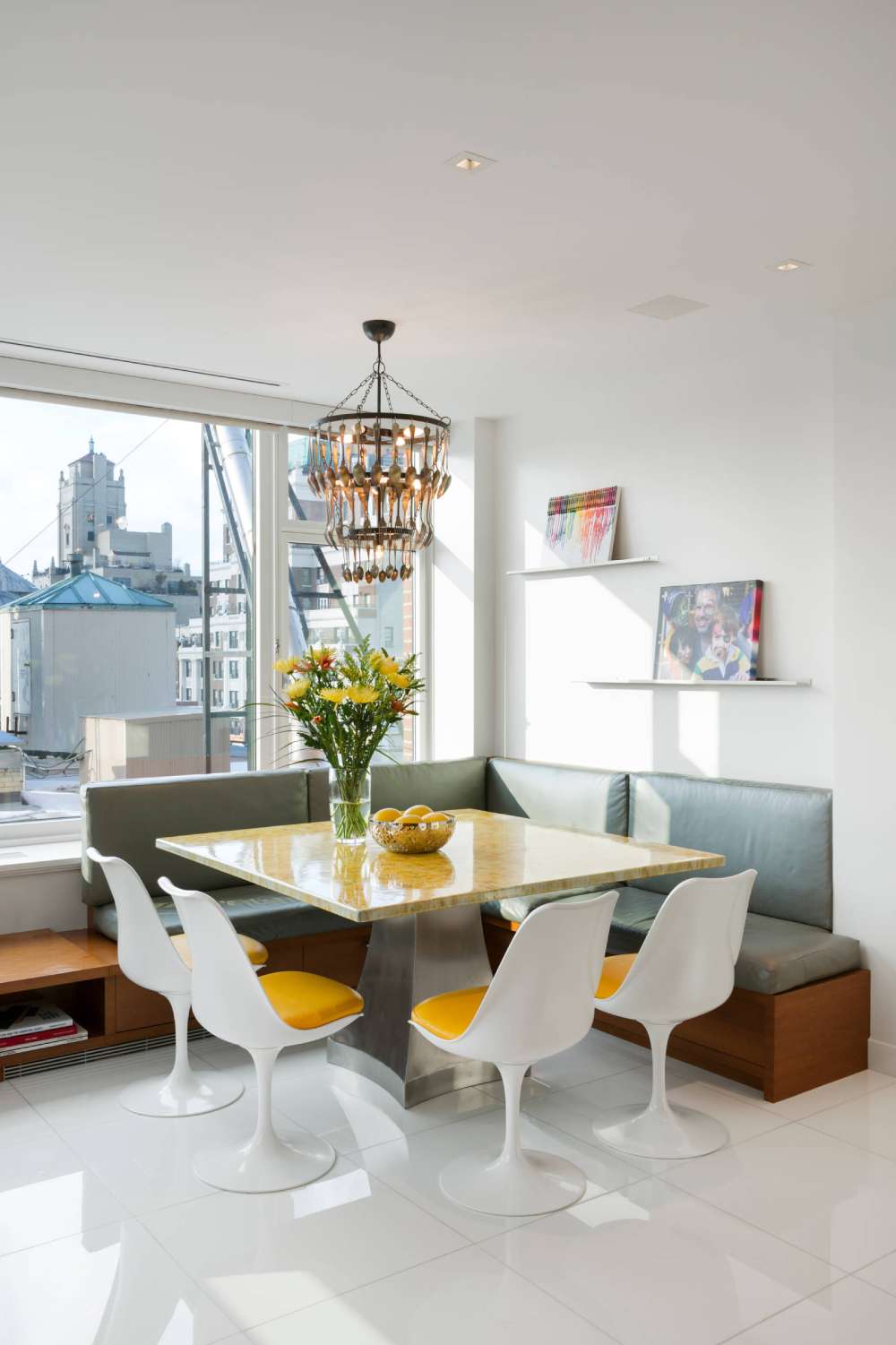
Image source: StudioLAB
Not every style translates well to apartment living. Heavy traditional furniture eats up floor space fast. Farmhouse interior design, with its oversized wood beams and rustic tables, usually needs the square footage of a house to breathe.
And Bohemian decor? Gorgeous in a Brooklyn brownstone. But in a 900-square-foot apartment, it can cross from layered to chaotic pretty quickly.
Here’s what actually works in luxury apartment spaces.
Clean Lines and the Minimalist Approach
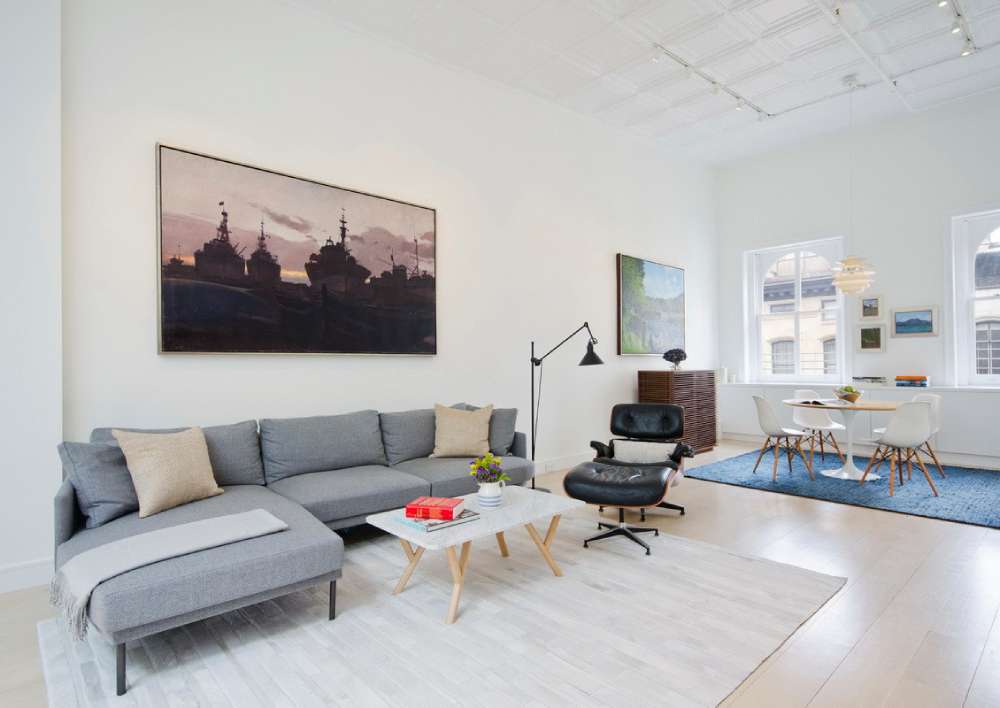
Minimalist interior design dominates high-end apartments for a reason. Fewer pieces, higher quality per item, and lots of breathing room. It’s probably the most forgiving style for smaller layouts.
Grand View Research valued the global interior design market at $137.93 billion in 2024, with “modern” style holding the largest market share. That tracks with what’s happening in luxury apartments specifically. Clean and restrained wins.
A single well-made sofa, a statement coffee table, one piece of large-format art. That’s the formula. It sounds simple. Getting the proportions right is the tricky part.
Contemporary and Transitional Styles

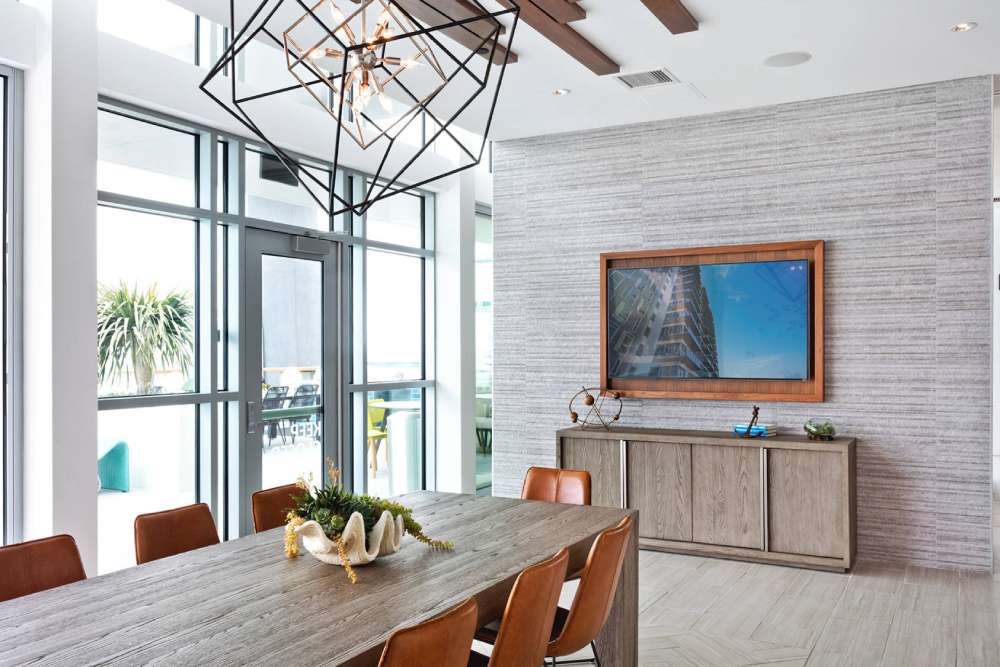
Image source: Judith Balis Interiors
Contemporary design works because it adapts. It borrows what it needs from multiple eras without committing too hard to any one look.
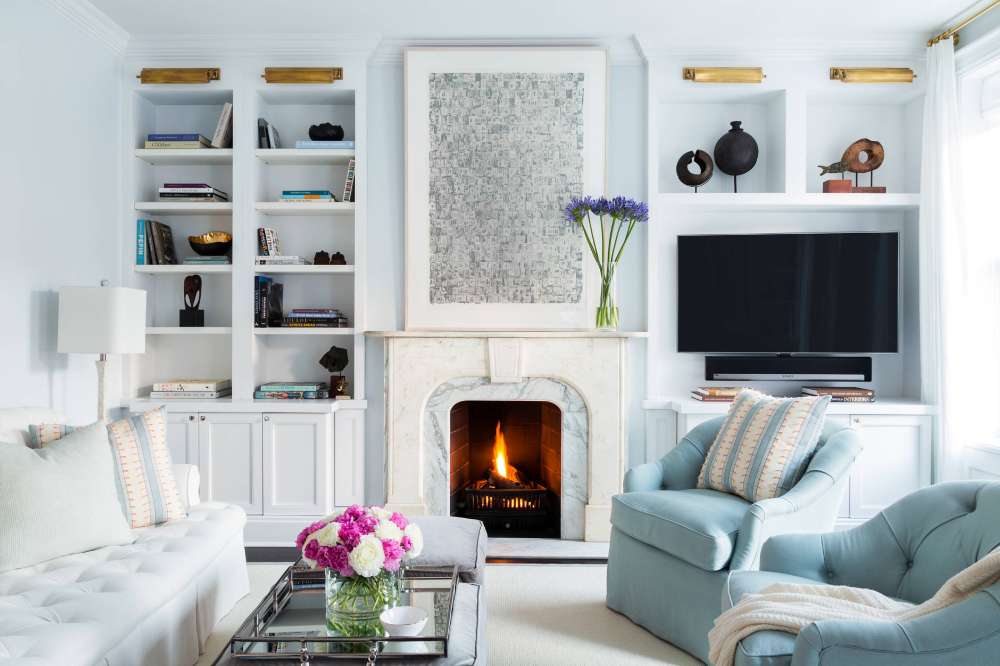
Transitional style sits between traditional and modern. It keeps the warmth and softness of classic interiors but strips away the fussiness. Think a tufted sofa in a room with streamlined lighting and simple window treatments.
Market.us research reported that contemporary style led the luxury interior design market’s style segment with a 35% share in 2023. That number hasn’t slipped since.
Art Deco Revival in Urban Apartments
Art deco decor has made a strong comeback in high-rise apartments. The geometric patterns, brass accents, and velvet upholstery work especially well in vertical spaces with good ceiling height.
It’s bold without being bulky. A fluted console in an entryway, a geometric mirror, brass drawer pulls on a lacquered cabinet. These are apartment-friendly moves that read as luxury immediately.
Quiet Luxury vs. Statement Luxury
Two directions have taken over the luxury apartment conversation right now.
Quiet luxury is tone-on-tone palettes, natural materials everywhere, and zero visible branding. Think Belgian linen sofas, limewash walls, white oak floors. The Kelly Wearstler approach to “bold restraint” fits here, where every piece has presence but nothing screams for attention. Vincent Van Duysen’s work is a good reference point, too.
Statement luxury goes the other direction. High-contrast finishes, sculptural furniture, oversized art, rich color. Hollywood regency decor elements show up here, along with pieces from brands like Flos and Apparatus Studio.
| Approach | Color Palette | Materials | Best For |
|---|---|---|---|
| Quiet luxury | Neutrals, tone-on-tone | Belgian linen, white oak, cashmere | Smaller apartments, open layouts |
| Statement luxury | High-contrast, bold color | Velvet, brass, lacquer, marble | Apartments with high ceilings |
Pick based on your apartment’s bones. Low ceilings and tight rooms? Quiet luxury almost always works better. Got a penthouse with 10-foot ceilings and floor-to-ceiling windows? Go bold.
Materials and Finishes That Signal Luxury
Materials do more work than furniture in a luxury apartment. You can have a modest sofa, but if it sits on herringbone hardwood floors next to a Carrara marble side table, the room reads as high-end.
The global luxury furniture market was valued at roughly $24.23 billion in 2024, according to Data Bridge Market Research. That growth is driven directly by demand for premium materials and custom finishes.
Natural Stone Surfaces

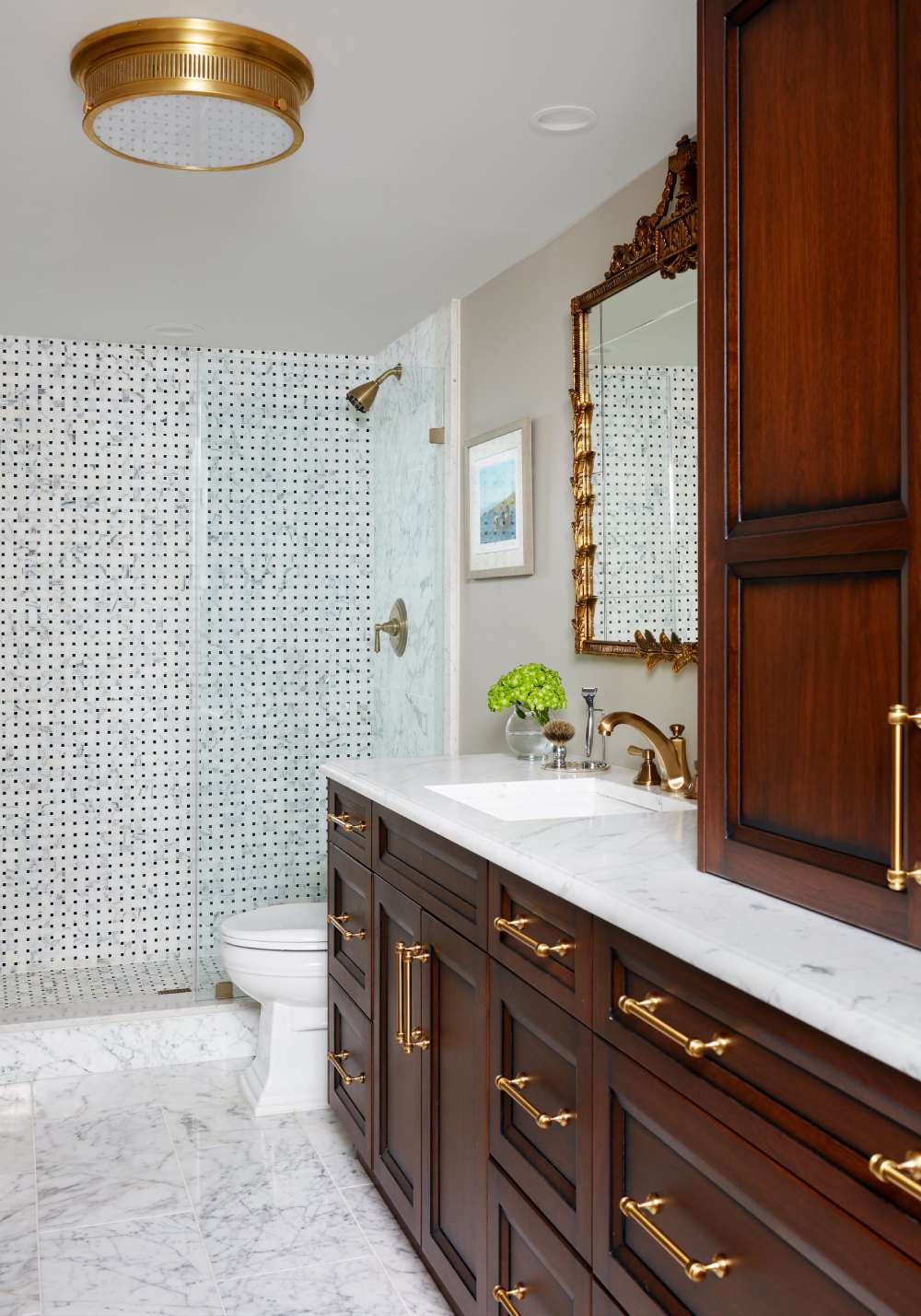
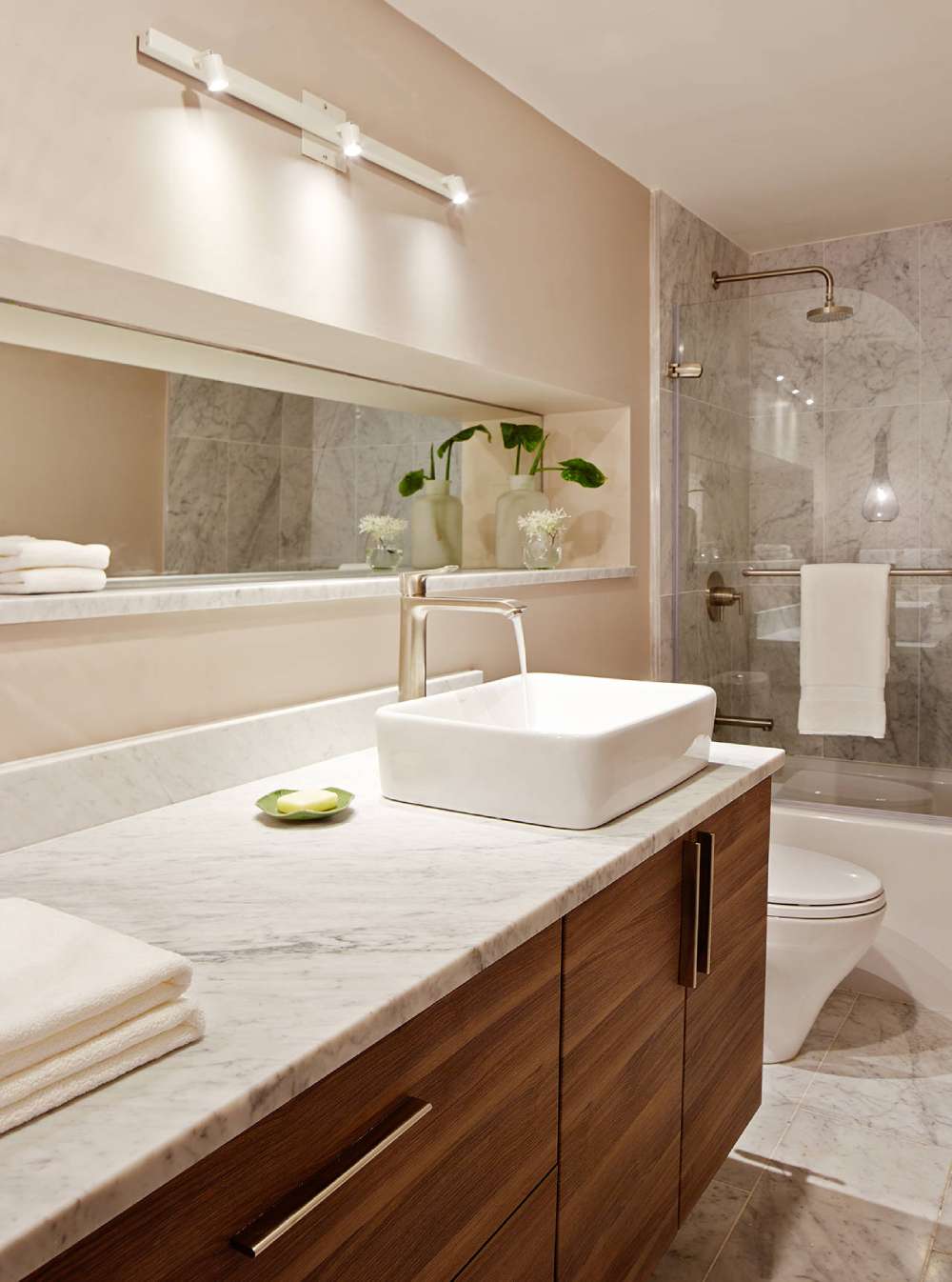
Image source: Laura Fox Interior Design, LLC
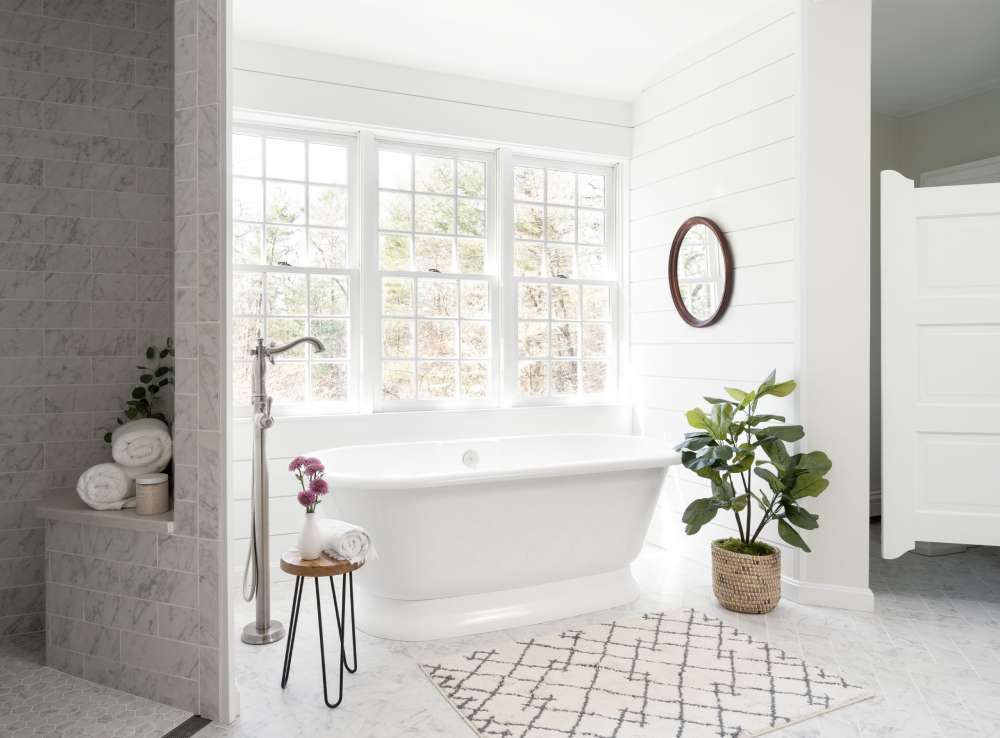
Marble, travertine, and quartzite are the big three for luxury apartments. Calacatta Gold and Carrara remain the most specified marbles for countertops and bathroom surfaces.
The 2025 design season brought warmer tones into focus. Designers are shifting away from stark whites and leaning into creamy beiges, honey marbles like Crema Marfil, and ivory travertine. Honed and leathered finishes are gaining ground over high-polish, too.
Bookmatching, where two mirrored slabs create a symmetrical pattern, is one of the most requested techniques in luxury apartment projects right now. It turns a bathroom wall or kitchen island into something that looks like it was pulled straight from a gallery.
Hardwood and Engineered Flooring

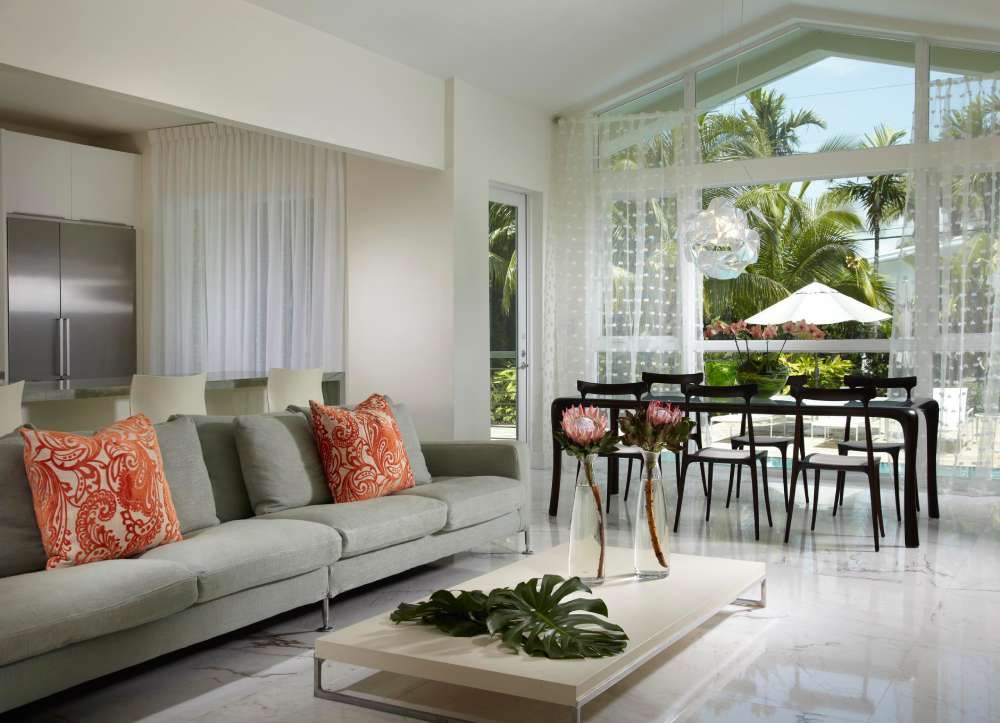
Image source: J Design Group – Interior Designers Miami – Modern
Oak and walnut dominate. Paint colors that go with wood floors is one of those practical concerns that actually shapes the entire palette of a luxury apartment.
Herringbone and chevron patterns remain the go-to for high-end flooring layouts. They add visual movement and make rooms feel larger. Engineered wood performs better than solid hardwood in apartments because it handles subfloor irregularities and temperature shifts more gracefully.
Metal Finishes and Hardware
Brushed brass and unlacquered brass are the current standard for luxury apartment hardware. They develop a patina over time, which is part of the appeal.
Blackened steel shows up in shelving and light fixtures. Satin nickel is the quieter alternative for anyone who wants metal warmth without the yellow tone of brass.
Chrome has fallen out of favor in high-end projects. It reads too commercial, too cold. Even in kitchens, the move is toward warm metals paired with natural stone.
Wall Finishes Beyond Paint
Plaster walls and limewash paint have replaced flat latex in nearly every luxury apartment project worth mentioning. They add depth and texture that flat paint simply can’t deliver.
Portola Paints and Farrow & Ball are two of the most specified brands for high-end apartment walls. Benjamin Moore’s off-white range (think White Dove, Simply White) remains a staple for trim and ceilings.
Materials That Undermine Luxury
A few things to avoid outright:
- Laminate countertops that mimic marble (the veining never looks right)
- Plastic or resin hardware on cabinetry
- Chrome overuse, especially mixed with warm-toned furnishings
- Visible branding on materials or fixtures
If someone can spot a fake from across the room, it undermines everything else you’ve done. Better to use a less expensive natural material than a synthetic version of a premium one.
Furniture Selection for Luxury Apartments
Furniture is where most people either get luxury apartment decor right or blow it completely. The mistake I’ve seen more than anything? Buying pieces that are too big for the room.
Technavio’s 2024 report projected the global luxury furniture market to grow by $9.54 billion between 2024 and 2028. Much of that growth comes from residential demand, with B&B Italia, Minotti, and Poliform leading the pack for apartment-scale premium furnishings.
The Living Room Anchor Pieces

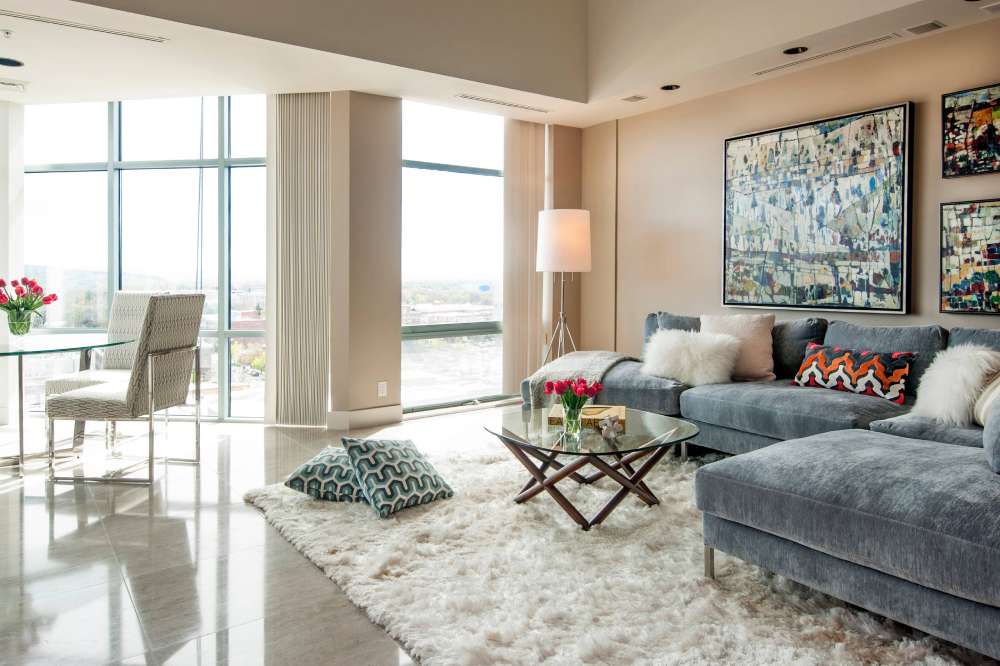
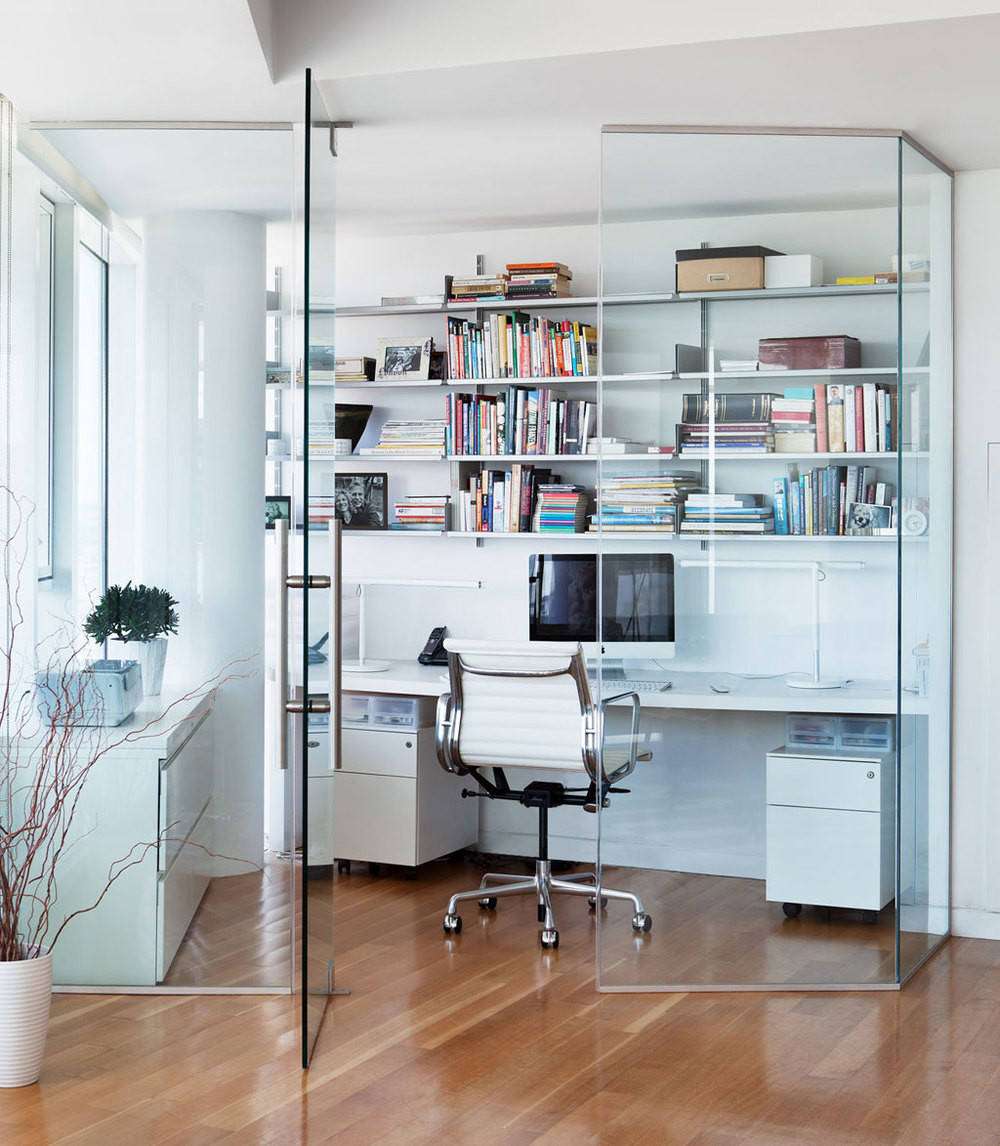
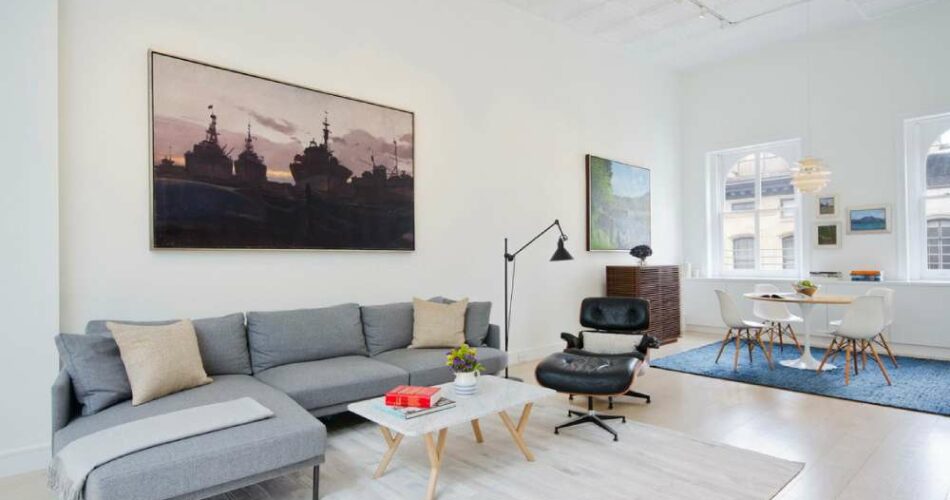
Image source: Studio ST Architects, P.C.
The sofa is the single most important furniture decision in any luxury apartment. Get this wrong and nothing else in the room compensates for it.
Scale and proportion matter more here than brand name. A Minotti sofa that’s too deep for your living room will make the whole space feel cramped, regardless of how beautiful the piece is on its own.
Investment split: spend 40-50% of your living room furniture budget on the sofa. Then allocate the rest across a coffee table, side tables, and one or two accent chairs. The coffee table should contrast the sofa material. Stone or metal top with an upholstered sofa. Wood top with a leather sofa.
De La Espada makes some of the best apartment-proportioned tables on the market right now. Restoration Hardware’s higher-tier lines (not the entry-level catalog stuff) offer good value at scale.
Bedroom Furniture That Reads Luxury

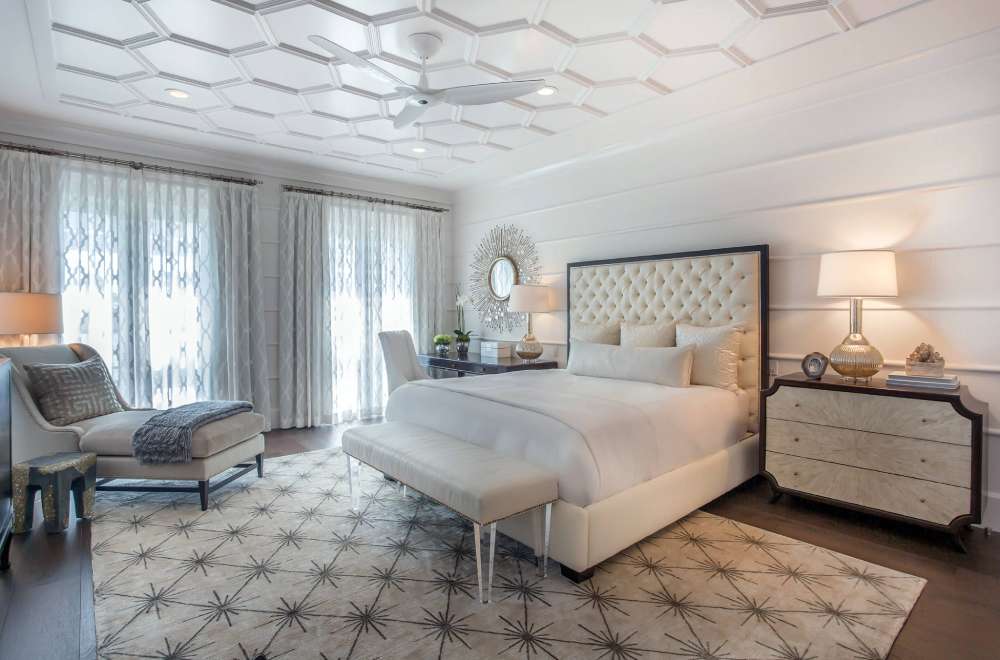
Image source: Pineapple House Interior Design
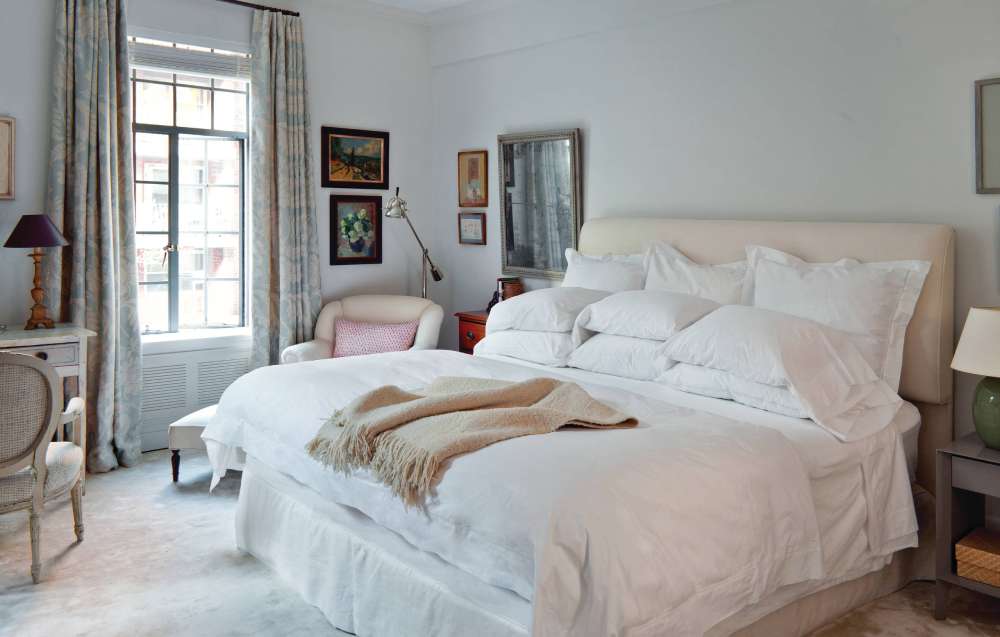
Upholstered beds and headboards are basically standard in luxury apartments at this point. A low-profile platform bed in performance fabric gives you a clean line that works with most bedroom sizes.
Nightstands with stone tops (marble, travertine) paired with wood or metal frames add a layered material feel without cluttering a small bedroom.
And honestly, the mattress matters more than the frame. A $5,000 frame with a $500 mattress is backwards. Flip that ratio. Check out our luxury bedroom decor guide for more on this.
Vintage and Antique Mixing
One of the clearest signs of a professionally designed luxury apartment is the presence of at least one vintage or antique piece alongside contemporary furniture.
A mid-century modern credenza next to a contemporary sofa. A 1970s brass floor lamp beside a new marble side table. This kind of mixing creates depth and personality that you can’t get from buying everything at once from one showroom.
stDibs and estate sales are the two best sourcing channels for this. The pieces don’t need to be museum-grade. They just need to be interesting.
Lighting as a Luxury Differentiator
Lighting changes a room more than any single piece of furniture. And in luxury apartments, it’s where the gap between “nice” and “exceptional” becomes obvious fast.
The global smart home market reached $147.52 billion in 2025, with smart lighting controls being one of the fastest-growing subcategories. Statista data projects this market will hit $500 billion by 2032. Lighting is where technology and luxury design overlap most directly.
The Three Layers
Every properly lit luxury apartment uses three layers. Skip one and the room feels off.
Ambient lighting provides the overall wash of light. This is your overhead fixture, your cove lighting, or your recessed lighting (when done correctly, not the builder-grade grid of cans that most apartments come with).
Task lighting goes where you need to see clearly. Reading lamps, under-cabinet kitchen lights, vanity lighting in bathrooms.
Accent lighting creates mood and highlights specific features. Picture lights above art, LED strips inside shelving, uplights behind furniture.
Statement Fixtures
A single pendant light or chandelier can set the tone for an entire apartment. Brands like Flos, Lindsey Adelman Studio, Apparatus, Articolo, and Roll & Hill produce fixtures that function as art objects.
The key with statement lighting in apartments is restraint. One bold fixture per room, maximum. Emphasis in design only works when there’s a clear focal point, and competing statement pieces cancel each other out.
The Underrated Upgrade
Dimmer switches. Seriously.
A Schlage and Wakefield Research study found that 86% of millennials would pay more for a rental with smart home amenities. Smart lighting controls, including dimmers, are one of the cheapest ways to make an apartment feel significantly more luxurious.
Every overhead light and most lamps should be on a dimmer. The ability to take a room from full brightness to warm evening glow in seconds is one of those things that separates luxury apartments from everything else.
Art and Decorative Objects in Luxury Apartments
Art is the personality of a luxury apartment. Without it, even the most expensive furniture arrangement feels like a hotel lobby. With the right pieces, a modest space can feel like it belongs to someone interesting.
Market Growth Reports found that in 2023, over 63% of luxury interior projects incorporated smart technology. But the same data showed that custom artwork and curated decorative objects remained the most requested “non-tech” upgrade category in residential luxury design.
Original Art vs. Prints
Original art is always the stronger choice. But here’s the thing. A well-framed, limited-edition print from a respected artist can look better than a cheap original painting bought just to say you own “real art.”
The goal isn’t checkbox collecting. It’s finding pieces that actually resonate with the space and with you.
Artsy and 1stDibs are good starting points for sourcing. Local gallery shows and emerging artist collectives often offer original work in the $500-$3,000 range that’s far more interesting than what you’ll find at mass-market retailers.
Scale and Placement
One large piece beats three small ones in almost every apartment scenario. A single 48-by-60-inch canvas over a sofa has more visual impact than a cluster of tiny frames.
Gallery walls work in some apartments, particularly in hallways or secondary rooms. But in the main living area, one commanding piece usually reads as more luxurious. Understanding balance in interior design helps here. The art should feel proportional to the wall and the furniture beneath it.
Decorative Objects
Ceramics, sculptural pieces, and coffee table books. Yes, the books still matter. They tell visitors something about who lives here.
- Coffee tables: 2-3 objects maximum. A book stack, one sculptural object, maybe a small tray
- Shelving: Mix heights and materials. Avoid the “bookshelf styling” grid you see on Pinterest where every shelf looks identical
- Console tables: One statement object plus a lamp. That’s enough
Estate sales are an underrated source for unique decorative pieces. A vintage brass object or a hand-thrown ceramic bowl from the 1960s adds the kind of character that new decor rarely matches.
Room-by-Room Luxury Priorities
Not every room deserves the same budget. The living room and primary bathroom get the most attention from guests. The kitchen hardware swap costs less than a new sofa but often has more visual impact.
Deep Market Insights data shows residential luxury homes accounted for 45% of global luxury interior design revenues in 2024, with apartments and penthouses specifically contributing over 25%. That money isn’t spread evenly across rooms.
Entryway
First impressions happen here. A console table, an oversized mirror, and a single statement light fixture are usually all you need.
The flooring transition from hallway to living space matters too. If your apartment has a separate entry, consider a natural stone tile (even a small section of travertine) to signal that this isn’t a standard unit.
Kitchen Upgrades

Image source: Karin Payson architecture + design
Swapping cabinet hardware is the highest-impact, lowest-cost upgrade in any luxury apartment kitchen. Brushed brass or unlacquered brass pulls on existing cabinetry can completely change the room’s feel.
| Upgrade | Cost Range | Impact Level |
|---|---|---|
| Hardware swap | $200-$800 | High |
| Countertop replacement | $3,000-$15,000+ | Very high |
| Backsplash tile | $1,500-$5,000 | Medium-high |
| Under-cabinet lighting | $300-$1,200 | Medium |
If you’re choosing a full countertop replacement, natural stone beats engineered quartz in a luxury context. Calacatta or quartzite reads as premium immediately. For inspiration on larger kitchen projects, check out large luxury kitchen ideas and kitchen decorating ideas.
Bathroom Finishes
Market Growth Reports data found that over 63% of luxury interior projects in 2023 integrated smart technology, with bathrooms being one of the top rooms for these upgrades.
Fixture quality is the fastest tell. A high-end faucet from a brand like Waterworks or Dornbracht changes the entire perception of the space. Pair that with thick, hotel-weight towels and a properly lit vanity mirror, and a basic apartment bathroom starts feeling like a boutique hotel.
Small Spaces That Deserve Luxury Attention
Hallways, powder rooms, and closets. These are the spots most people ignore. And that’s exactly why they have outsized impact when done well.
- A powder room with bold wallpaper or a dark accent wall color becomes a talking point
- A walk-in closet with proper lighting and matching hangers reads as luxury
- Hallway art, even a single framed piece, prevents the “apartment corridor” feeling
Coldwell Banker’s luxury specialists noted that Gen X buyers (now the largest luxury home-buying demographic) are specifically prioritizing turnkey properties. Every room finished, not just the main ones.
Color Palettes for Luxury Apartment Decor
Color sets the mood before anyone notices the furniture. Get it wrong and even great pieces feel off. Get it right and a room with modest furnishings can still feel expensive.
Fixr.com’s 2024 Paint and Color Trends Report surveyed 71 top U.S. interior designers and found that 46% said earthy tones were the most popular palette, closely followed by 41% choosing warm neutrals. Cool grays have lost ground significantly.
Neutral Foundations
Warm whites, greiges, soft taupes, and charcoals are the backbone of luxury apartment color palettes.
The shift away from cool grays toward warmer tones has been steady since 2022. Farrow & Ball’s warm whites (like Pointing and Wimborne White) have become go-to specs for high-end projects. Benjamin Moore’s White Dove remains one of the most specified trim colors in luxury apartments.
Portola Paints has gained serious traction with designers because their limewash and Roman clay finishes add depth that flat latex can’t touch. Using color theory principles helps here, particularly when choosing undertones that work with your apartment’s natural light direction.
Accent Colors That Read Luxury
Pantone’s 2025 Color of the Year was Mocha Mousse, a rich brown tone. That tracks with what designers have been doing for two years now: shifting toward earthy, grounded color choices.
Colors that consistently read as luxury in apartments:
- Deep greens (forest, emerald). Pair with brass and walnut. See colors that work with dark green
- Navy blue. Works as a near-neutral. Check what pairs with navy blue
- Burgundy and wine tones. Bold but warm. Learn about colors that complement burgundy
- Terracotta. The 2024-2025 breakout color for accent walls and accessories
Monochromatic Schemes
One color family, multiple values from light to dark. It’s the safest high-end strategy for small apartments.
A living room in three shades of warm taupe (walls, sofa fabric, rug) with taupe-friendly accent colors in the throw pillows and art creates a calm, cohesive feeling without any risk of clashing. Understanding harmony in design is what makes monochromatic schemes work.
The All-White Mistake
Going all-white is the most common color mistake in luxury apartments.
White everywhere reads as “unfinished” rather than “minimal.” Even the most minimalist apartment needs tonal variation. Off-whites, creams, and warm stone tones give you a clean look without the sterile, move-in-day feel.
Window Treatments and Textiles
Window treatments are one of the clearest dividing lines between a standard apartment and a luxury one. Off-the-rack curtains from a big box store look it. Custom drapery looks completely different, and the gap is obvious.
Fortune Business Insights valued the global window covering market at $14.36 billion in 2024, with curtains and drapes growing at a CAGR of 8.7% through 2030. The high-end curtain segment alone was worth $4.49 billion in 2024, according to SkyQuest.
Custom Drapery vs. Off-the-Rack
Fit: Custom drapery is made to exact window measurements. Off-the-rack comes in standard lengths and often puddles wrong or hangs too short.
Fabric: Custom pieces use heavier, better-draping fabrics. Belgian linen, silk blends, and wool-cotton blends that hang properly and filter light with a softness that polyester panels can’t replicate.
Hardware: Ceiling-mounted curtain tracks give a clean, contemporary look. Standard rods with visible brackets work in traditional spaces, but tracks are the current luxury default. To learn more, read about what window treatments are and how they impact a room.
Rug Sizing Rules
The luxury rug market reached $4.77 billion in 2024, according to Verified Market Reports. Rugs do more work than almost any other textile in an apartment.
But sizing is where most people mess up.
Living room: The rug should be large enough that at least the front legs of every piece of seating sit on it. A rug that floats in the center with furniture around it looks cheap regardless of the rug’s actual price. For specific guidance, see how to place a rug under a sectional.
Bedroom: The rug extends at least 18-24 inches past each side of the bed. More on this in our guide to rug placement under a queen bed.
Throw Pillows and Layering
How many throw pillows is too many? Three to five on a sofa. That’s it.
Mix sizes and shapes. One lumbar, two standard squares, maybe one larger euro. Vary the textures too: a velvet, a linen, and a patterned or textured weave. For ideas on pairing, check out throw pillow combinations and decorative pillow ideas for your sofa.
Seasonal textile rotation is an underused trick. Heavier cashmere and mohair throws in winter, lighter linen and cotton in summer. It keeps the apartment feeling current without buying new furniture.
Common Mistakes in Luxury Apartment Decor
Money doesn’t fix bad decisions. I’ve seen apartments with six-figure decor budgets that still feel wrong because the basics were overlooked.
The luxury home decor market hit $151.82 billion globally in 2025, according to Custom Market Insights. A lot of that spending goes to waste when these mistakes happen.
Over-Furnishing
The single most common mistake. More furniture does not mean more luxury. It means less space for proper planning.
Every piece needs room to breathe. If you can’t walk around the coffee table without turning sideways, you have too much furniture. Pull something out and see if the room feels better. It almost always does.
Matching Everything
Same wood tone on every surface. Same metal finish on every fixture. Same era for every piece of furniture.
This is what makes a room look like a catalog page instead of a real home. Mixing a warm walnut credenza with a blackened steel lamp base and a brass-framed mirror creates contrast and visual interest. Matching everything eliminates the tension that makes a room feel alive.
Ignoring Vertical Proportions
Low-hanging art, short curtain rods, furniture pushed flat against walls. All of these make ceilings feel lower than they are.
Hang art at eye level (center at about 57-60 inches from the floor). Mount curtain rods at ceiling height, not at the window frame. Understanding line in design and how vertical lines draw the eye upward makes a big difference in apartments with standard 8-foot ceilings.
Buying Full Room Sets
Buying a complete living room or bedroom set from one retailer is the quickest way to kill personality in an apartment.
A luxury apartment should look collected over time, not purchased in one afternoon. Mix brands, mix eras, mix price points. A $3,000 sofa next to a $50 vintage side table from an estate sale often looks better than two pieces from the same $3,000 collection. That layered, lived-in quality is what makes the eclectic approach to living room decor work so well.
Neglecting the Senses Beyond Sight
Scent, sound, and temperature are part of luxury. And most people forget all three.
- Scent: A quality candle or diffuser (Le Labo, Diptyque, Byredo) that’s subtle, not overpowering
- Sound: A wool rug and heavy drapery reduce echo in hard-surfaced apartments, making them feel warmer and quieter
- Temperature: Smart thermostats that maintain consistent comfort, not just save energy
A Parks Associates 2024 study found that multifamily owners using integrated smart HVAC, lighting, and sensors achieved 18-19% reductions in combined utility costs. Luxury and efficiency aren’t at odds.
FAQ on Luxury Apartment Decor
What makes an apartment look luxury?
Material quality over quantity. Natural stone surfaces, hardwood flooring, premium textiles like Belgian linen and cashmere, and layered lighting with dimmers. Fewer pieces, better pieces, and enough negative space for the room to breathe.
What is the best design style for a luxury apartment?
Minimalist and contemporary styles work best at apartment scale. Clean lines, restrained palettes, and high-quality materials per item. Transitional design also fits well, blending classic warmth with modern simplicity.
How much does it cost to decorate a luxury apartment?
Budgets range from $50,000 for a well-edited one-bedroom to $250,000+ for a full penthouse. The split matters more than the total. Invest heavily in the sofa, lighting, and flooring. Save on accessories and secondary furniture.
What colors work best in a luxury apartment?
Warm neutrals dominate. Greige, soft taupe, warm whites. For accent colors, deep greens, navy blue, and burgundy tones consistently read as high-end. Avoid stark all-white schemes, which feel unfinished.
What furniture brands do luxury apartments use?
B&B Italia, Minotti, Poliform, and De La Espada are common in high-end residential projects. Restoration Hardware’s upper-tier lines offer good value. Mixing in vintage pieces from 1stDibs adds depth and personality.
How do you make a small apartment feel luxurious?
Scale furniture properly, use minimalist principles, and invest in quality over quantity. Mirrors, layered lighting, and a monochromatic color palette make small apartments feel larger and more refined.
What lighting is best for a luxury apartment?
Three layers: ambient, task, and accent. Statement fixtures from brands like Flos or Lindsey Adelman set the tone. Every overhead light should be on a dimmer. That single upgrade changes a room’s feel dramatically.
Are marble countertops worth it in an apartment?
Yes, if you choose the right type. Calacatta and Carrara marble remain top choices. They require maintenance but add value and visual impact that engineered alternatives can’t fully replicate. Quartzite is a durable alternative.
What window treatments look best in luxury apartments?
Custom drapery in heavyweight fabrics like linen or silk blends, hung from ceiling-mounted tracks. Off-the-rack curtains rarely hang correctly. The fit difference between custom and standard is immediately visible in any upscale setting.
What is the biggest mistake in luxury apartment decorating?
Over-furnishing. Too many pieces crammed into a room eliminates the negative space that makes luxury feel calm. Buying full matching sets from one retailer is the second biggest mistake. Mix eras, brands, and materials instead.
Conclusion
Luxury apartment decor comes down to a handful of decisions made well. The right natural stone countertop, a properly scaled sofa from Minotti or B&B Italia, layered ambient lighting on dimmers, and custom drapery in Belgian linen. These choices carry more weight than a dozen decorative purchases.
Start with the room that gets the most use. Get the neutral living room palette right. Choose one statement fixture. Build from there.
Avoid the matching-set trap and the all-white default. Mix vintage with contemporary. Let your modern apartment feel collected, not decorated.
The goal isn’t perfection. It’s a space that feels considered, calm, and unmistakably yours. Edit ruthlessly. What you leave out matters just as much as what stays.
- How Visual Furniture Previews Help You Choose the Right Piece for Your Room - April 13, 2026
- Open Floor Plan Ideas With Industrial Decor - March 31, 2026
- Art Deco Hallway Decor That Wows at First Glance - March 30, 2026