Summarize this article with:
A bedroom should feel like somewhere you actually want to be at the end of the day. Tropical bedroom decor does that by bringing natural materials, warm color palettes, and living greenery into a space most people treat as an afterthought.
Rattan bed frames, banana leaf prints, monstera plants on the nightstand. These are not just Pinterest trends. They are grounded in real design choices that make a room feel warmer, calmer, and more personal.
This guide covers everything from paint colors and bedding textiles to indoor tropical plants, furniture materials, lighting, and budget-friendly DIY options. No fluff. Just the specific products, brands, and techniques that actually work in a bedroom setting.
What Is Tropical Bedroom Decor?

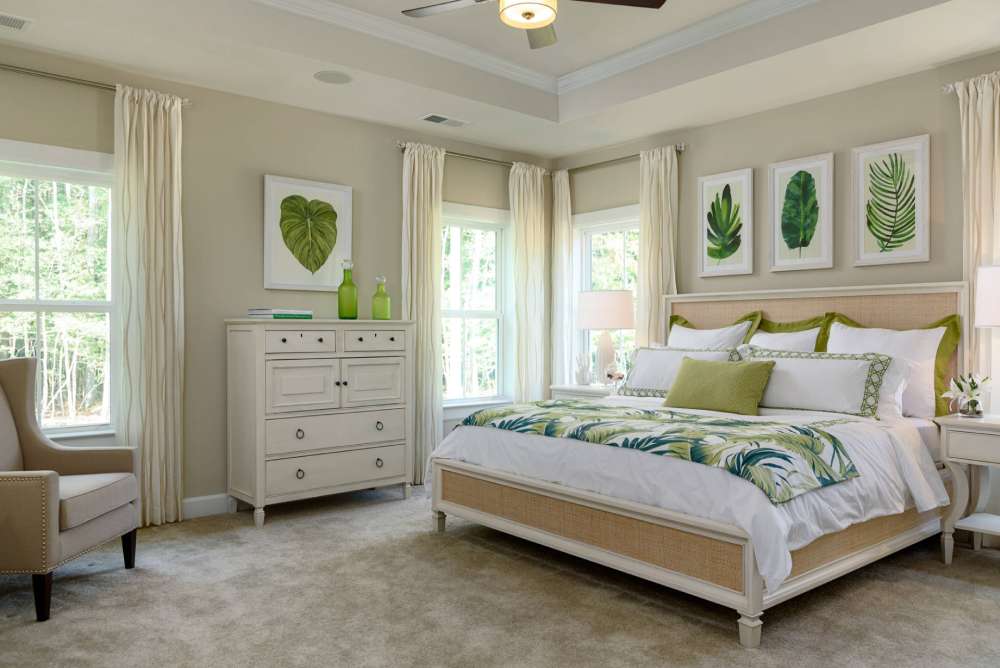
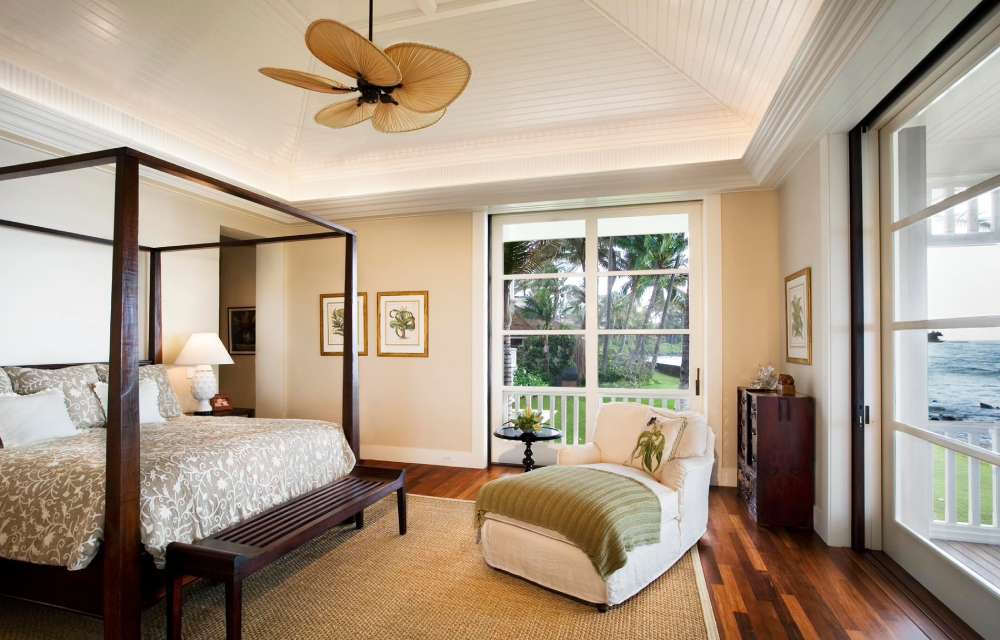
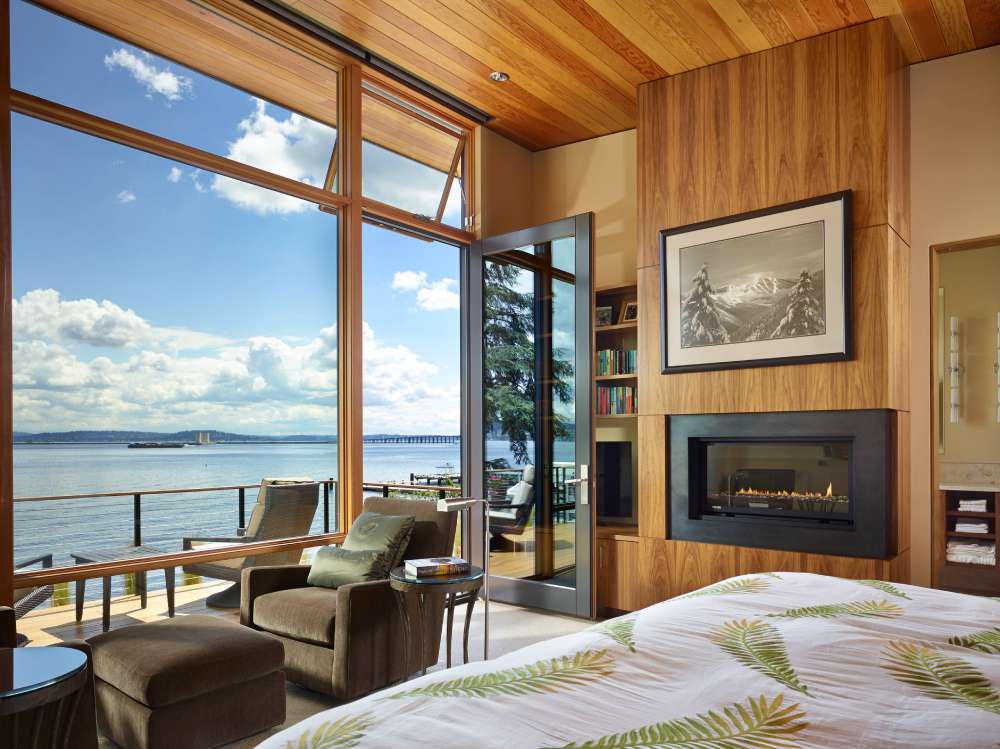
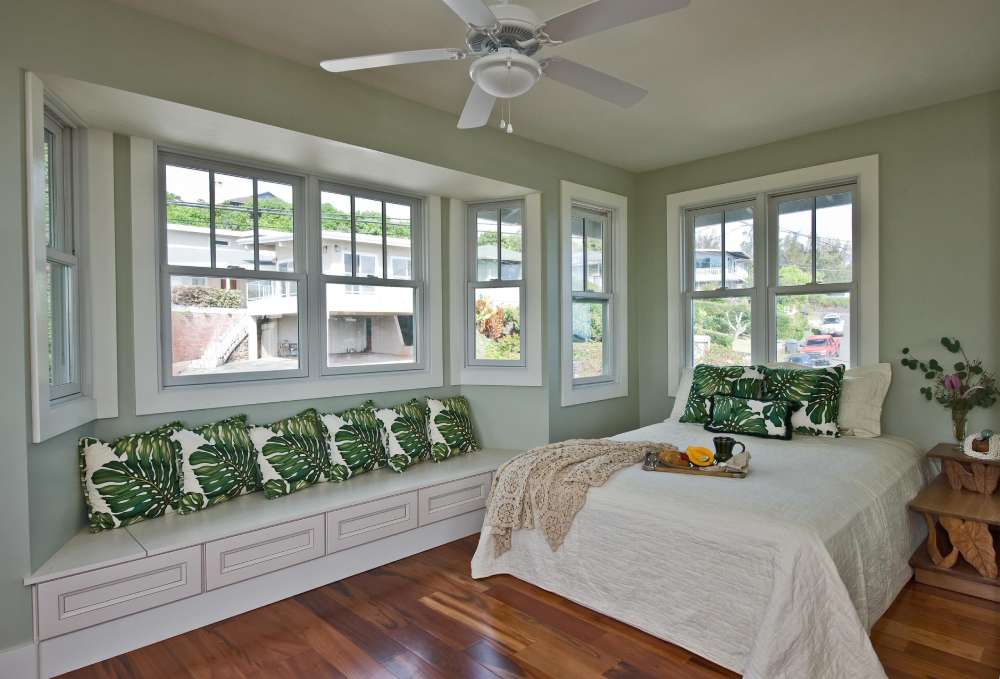
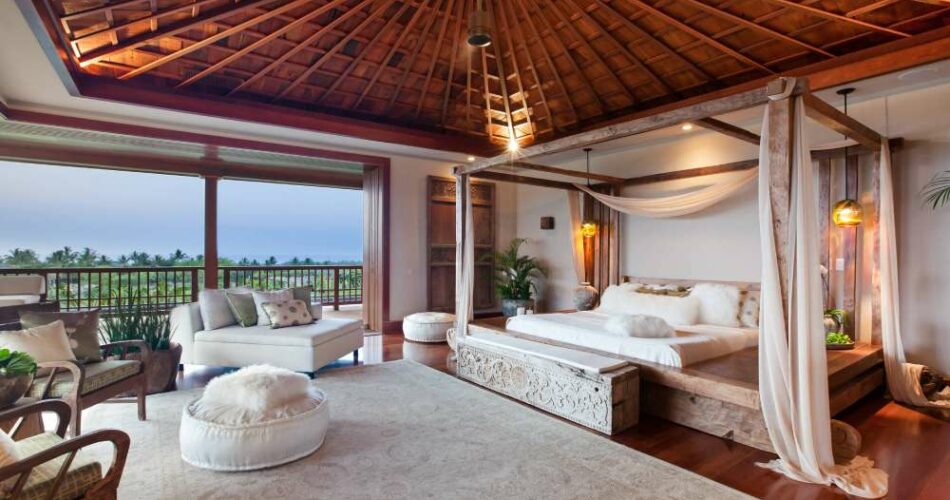
Image source: Daniel Green Architectural + Interiors Photography
Tropical bedroom decor is a design approach built around the materials, colors, and plant life found in equatorial and subtropical regions. It uses natural fibers, dense botanical patterns, and warm earth tones to make a bedroom feel grounded and alive.
This style pulls from real environments. Think teak forests in Southeast Asia, rattan palms in Indonesia, and the lush greenery of Central American coastlines. The materials are not decorative choices picked at random. They come from the same places that inspired the look.
People confuse it with coastal interior design constantly. But tropical decor has no nautical references. No rope, no anchors, no blue-and-white striped anything. And while it shares warmth with Bohemian interior design, tropical rooms tend to be more structured and intentional with their material pairings.
Where the Style Comes From

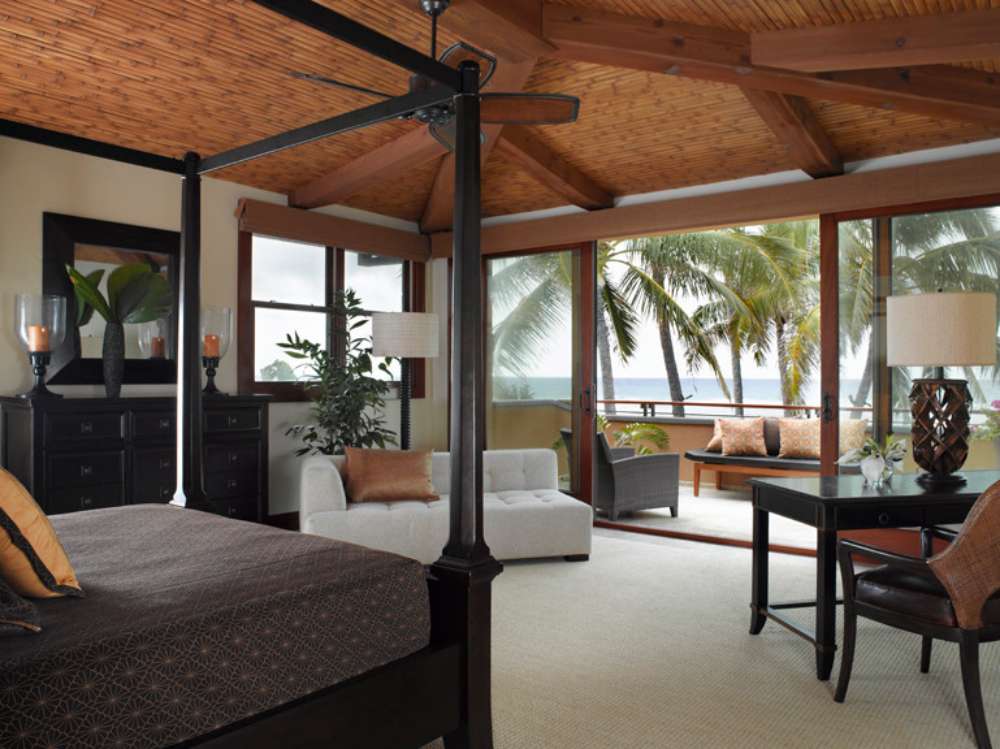
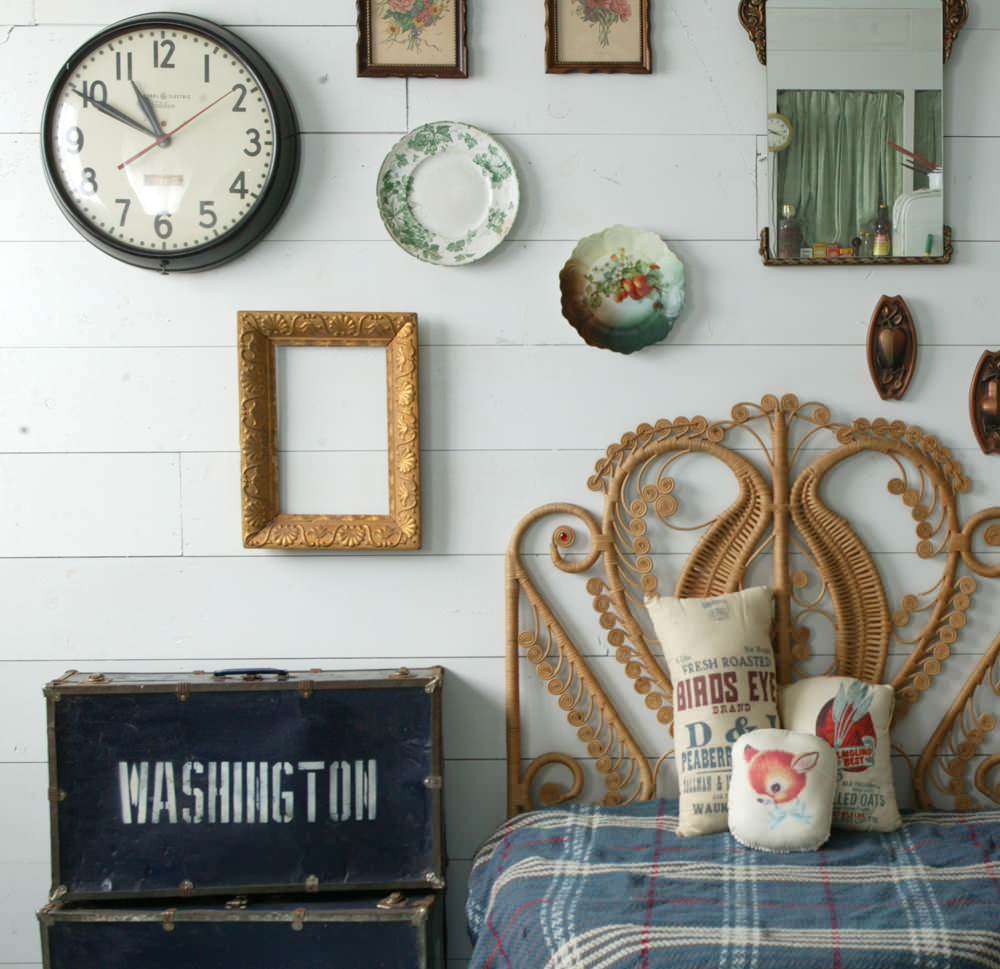
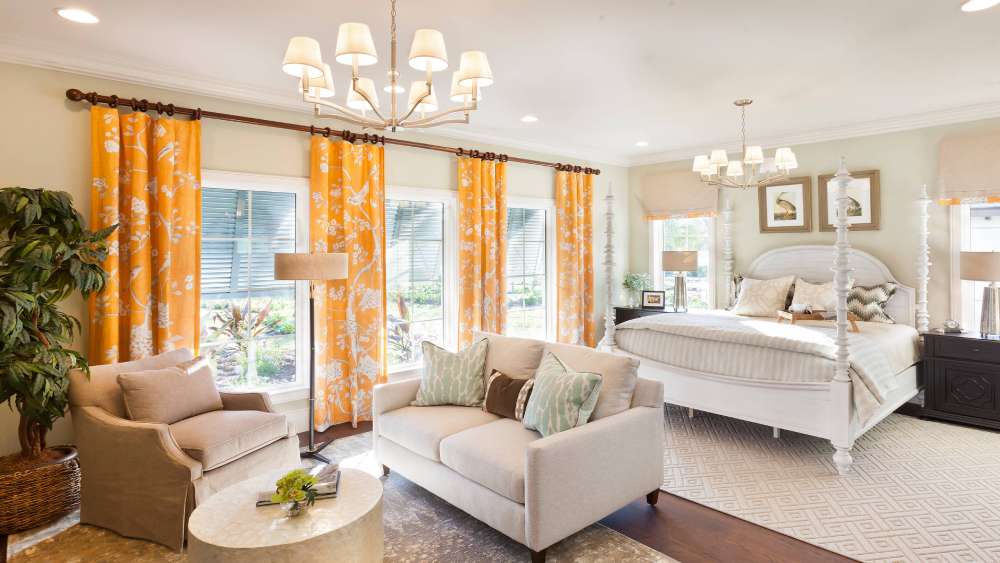
Image source: JM Design
The roots trace back to colonial-era plantation homes across the Caribbean and Southeast Asia. British and Dutch colonists adapted local building techniques and materials to suit hot, humid climates. Rattan, bamboo, teak, and open-air layouts were functional first.
Mid-century modern interior design picked up these elements in the 1950s and 1960s, when resort culture boomed in places like Palm Beach and Honolulu. Hotels brought the look indoors, pairing woven textures with clean lines. That crossover still shapes how we think about tropical interiors today.
What Makes It Different from Similar Styles
| Style | Key Difference from Tropical | Overlap |
|---|---|---|
| Coastal | Relies on blue/white palette and nautical motifs | Natural materials, relaxed feel |
| Bohemian | Eclectic layering, global textile mix | Plants, woven textures |
| Biophilic | Science-driven, focuses on wellbeing metrics | Indoor plants, natural light |
| Rustic | Distressed wood, cabin-inspired roughness | Natural wood tones |
The biophilic interior design connection is worth noting. A 2024 systematic review in Frontiers of the Built Environment confirmed that incorporating nature-based elements into indoor spaces reduces stress and supports faster recovery. Tropical bedroom decor does this by default, filling rooms with living plants, organic materials, and warm natural light.
That overlap is probably why this style keeps gaining traction. The global home decor market reached $960 billion in 2024, according to Grand View Research, with indoor decor claiming about 70% of total spending. Bedroom refreshes sit at the center of that growth.
Color Palettes That Actually Work in a Tropical Bedroom

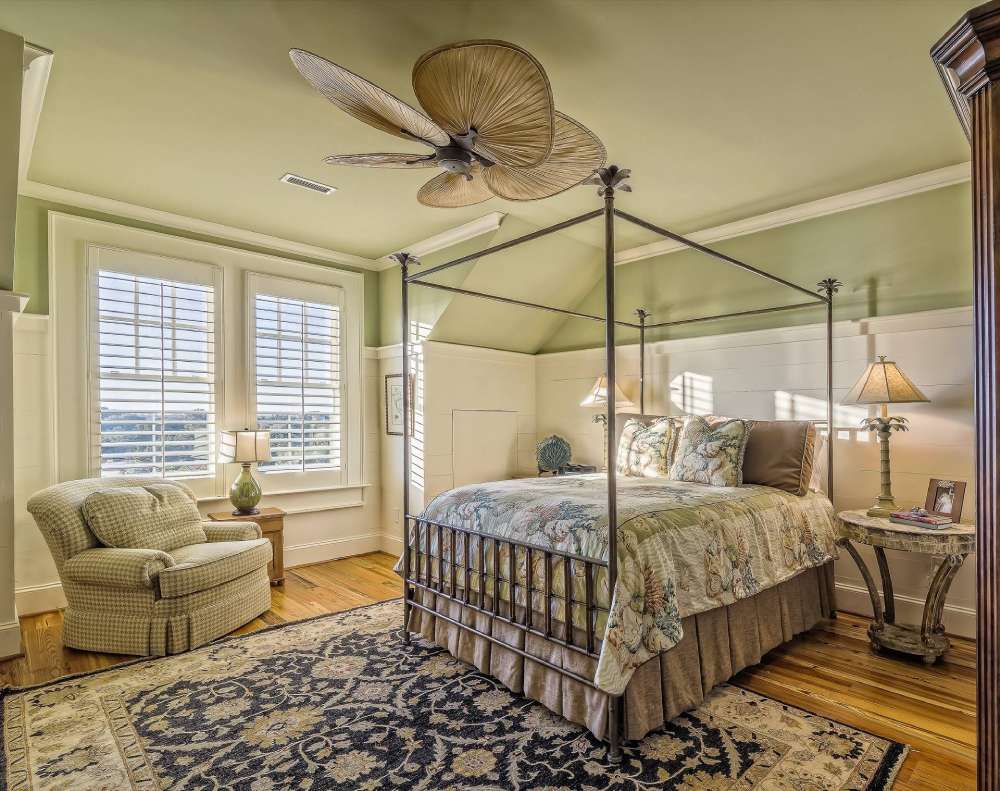
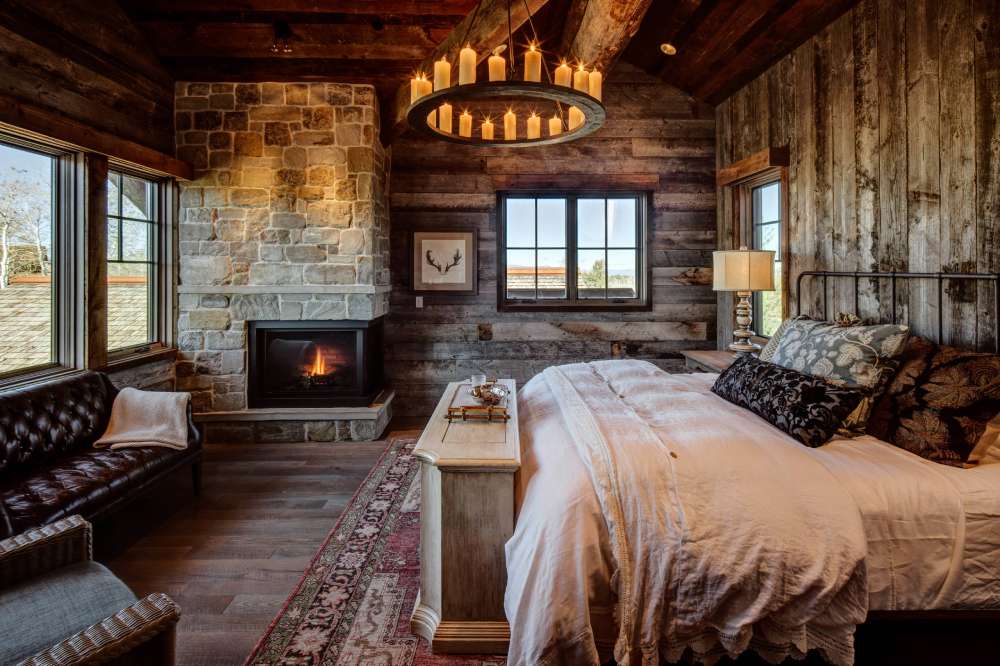
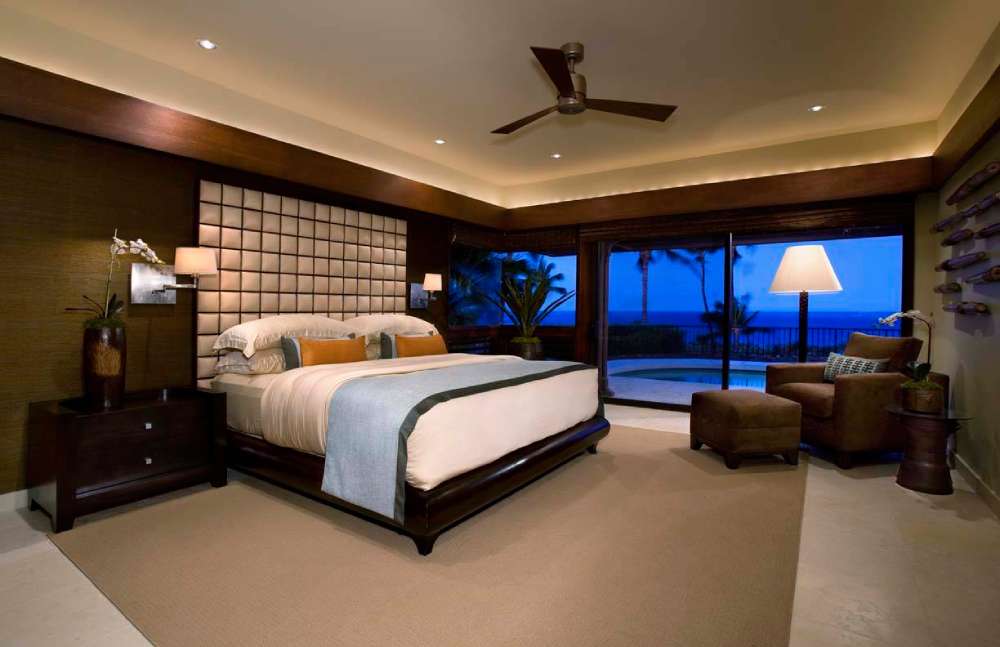
Image source: Prestige Residential Construction
Most people default to “green and pink” when they think tropical. That gets old fast.
The role of color in interior design matters more here than in most styles because tropical palettes are dense. You are layering botanical prints, woven textures, and wood tones into a single room. The wall color has to hold all of that together without competing.
The Foundation Colors
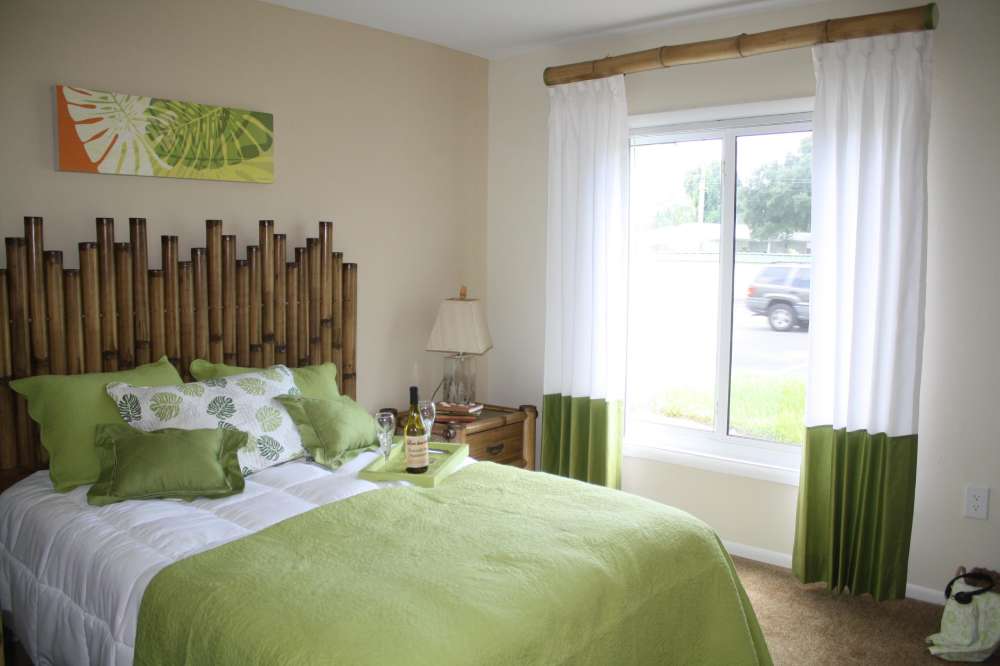
Deep greens paired with warm whites and rattan tones form the safest base. Hunter green, emerald, and olive all work, depending on how much natural light the room gets.
Benjamin Moore’s “Hunter Green” (2041-10) and Farrow & Ball’s “Studio Green” are reliable picks for an accent wall. For the remaining walls, a warm white like Benjamin Moore’s “White Dove” prevents the room from feeling clinical.
If green feels like too much commitment, colors that go with beige give you a neutral foundation that still reads warm. Pair it with woven rattan furniture and one large tropical print, and the room does the work itself.
Accent Colors Pulled from Actual Tropical Flora
Bird of paradise orange. Not the muted terracotta that is everywhere right now, but a true, saturated orange pulled from the Strelitzia flower. Use it in throw pillows or a single piece of wall art. Not on walls.
Hibiscus red. A warm red with pink undertones. Works best in small doses, like a ceramic planter or patterned bedding. Pair it with colors that go with tan to keep it from feeling overwhelming.
Plumeria yellow. Soft and buttery, not neon. This one shows up best in linen textiles and woven basket shades. It reads “sunlight” rather than “primary color.”
Why All-White Tropical Bedrooms Fall Flat
I see this constantly. Someone paints everything white, throws a monstera leaf print on the wall, and calls it tropical. It just looks like a spa waiting room.
Understanding color theory in interior design helps explain why. Tropical environments are saturated. The light is warm, the foliage is dense, and the colors reflect that. An all-white room strips out the very quality that makes the style work. You need at least two warm tones on top of white to pull it off.
According to Market Data Forecast, 63% of consumers in 2023 associated improved mood with high-quality textiles and natural fiber materials. The color and tactile experience go hand in hand.
Tropical Plants for the Bedroom (And Which Ones Actually Survive)

Plants make or break a tropical bedroom. Without them, you just have rattan furniture in a green room.
But bedrooms are tricky environments for most houseplants. Low light, inconsistent watering, temperature swings at night. The plants that look best on Instagram are not always the ones that survive next to your bed for more than three weeks.
The Reliable Picks
Monstera deliciosa: The Swiss cheese plant. Needs bright indirect light and weekly watering. Its large split leaves are basically the logo of tropical decor. Grows fast once it settles in.
Snake plant (Sansevieria): Tolerates low light and infrequent watering better than almost anything else. As a CAM plant, it releases oxygen at night, which sets it apart from most indoor species.
Pothos: Grows in almost any condition. Trails beautifully from a shelf or hanging planter. The golden variety adds a warm yellow-green tone that fits the tropical palette perfectly.
Bird of paradise: The statement plant. Needs more light than the others, so put it near a window. Can reach 5-6 feet indoors, which creates vertical interest the room probably needs.
Parlor palm: One of the few palms that actually does well in lower light conditions. Stays compact, fits on a nightstand or dresser corner.
Light and Humidity Realities
Research published in Building and Environment found that indoor plants can reduce bedroom CO2 concentration by up to 25% overnight, even without open windows. That is a real, functional benefit beyond just looking good.
About 60% of respondents with plants in the bedroom report better sleep quality, according to the same research. Snake plants, lavender, and aloe vera were the most commonly cited species.
But here is the thing. Your bedroom probably gets less light than you think. North-facing rooms in particular will kill anything that needs bright conditions. Measure it honestly before you buy.
Faux Tropical Plants That Don’t Look Cheap
There is no shame in going faux. Allergies, dark rooms, frequent travel, pets that eat everything. Lots of valid reasons.
Nearly Natural and Pottery Barn’s faux collection are the most realistic options at mid-range prices. West Elm also carries decent faux palms. The key is to look for plants with varied leaf sizes and slight color inconsistencies. Uniform color screams fake.
Pair faux plants with real woven baskets or terracotta planters. The container does a surprising amount of work in selling the illusion.
Bedding and Textiles for a Tropical Bedroom
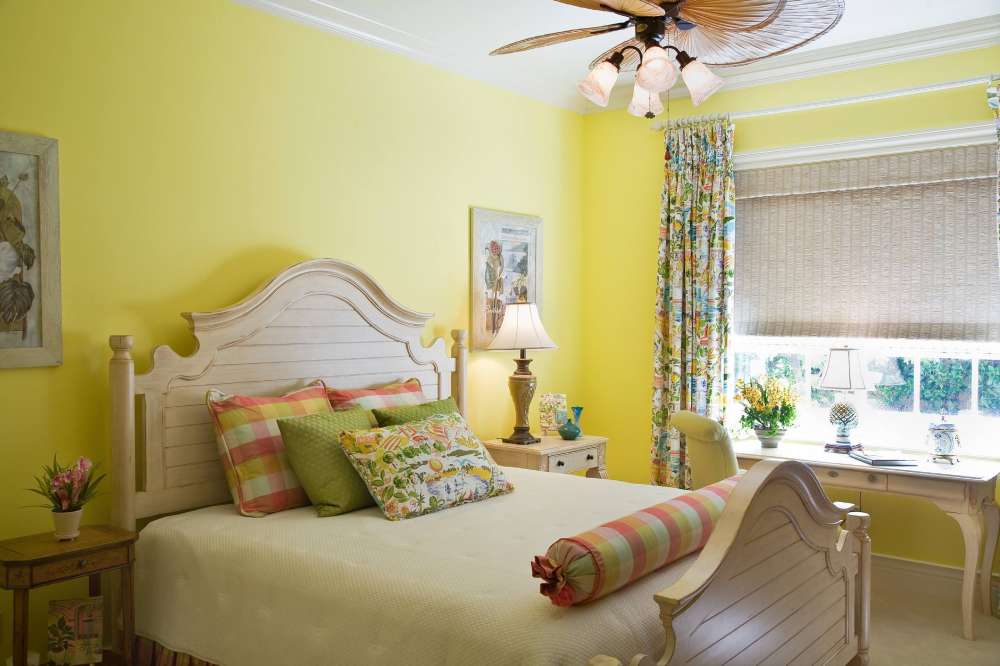
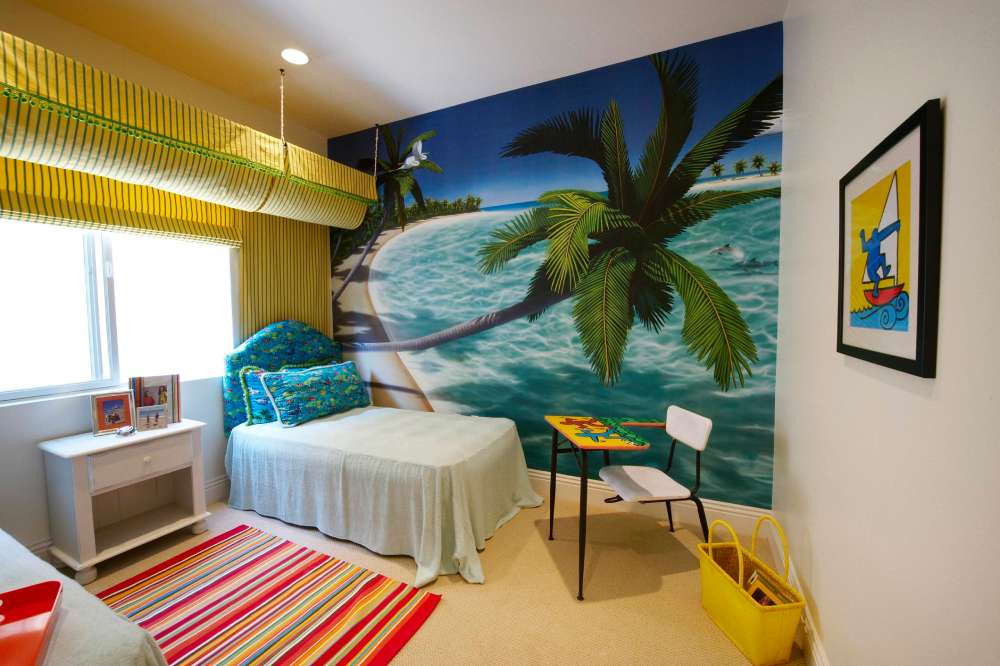
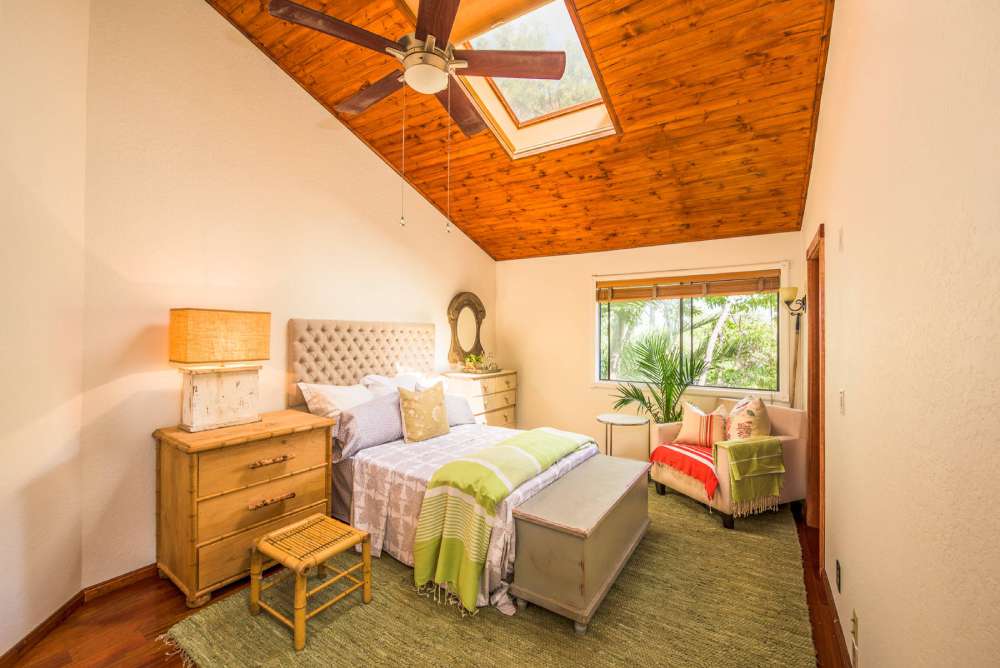
Image source: JMDG Architecture | Planning + Interiors
Bedding is where most tropical bedrooms either come together or fall apart. Get this wrong, and the whole room looks like a themed hotel.
The global decorative pillow market alone hit $3.8 billion in 2024, according to Business Research, projected to reach $6.4 billion by 2033. People are spending real money on bedroom textiles. Might as well spend it well.
Fabric Types That Work
Linen is the default. It wrinkles naturally, breathes well, and has a matte texture that pairs with woven furniture without looking too polished. The slight imperfection of linen is what gives a tropical bedroom its lived-in quality.
Cotton percale is the cooler alternative for hot sleepers. Crisp, lightweight, and it softens with every wash. Look for a thread count between 200 and 400. Anything higher and you are paying for marketing, not comfort.
Stay away from polyester tropical prints. They look shiny, they trap heat, and they feel wrong against natural fiber everything else. If the print is on polyester, skip it.
Three Pattern Directions
Banana leaf and palm frond prints: The bold route. One duvet cover or two accent pillows in a large-scale botanical print anchors the tropical theme. Don’t pair these with another pattern. Let them breathe.
Solid earth tones: Terracotta, olive, warm clay, sand. The quiet route. Layer three or four of these together and the room reads tropical through texture in interior design rather than pattern.
Subtle woven textures: Waffle-weave throws, raw-edge linen pillows, quilted matelasse. This is the middle path. You get visual interest without any printed patterns at all.
Pillow Arrangement That Looks Intentional
Most people use too many pillows. Three to five on a queen bed is plenty.
A good starting point for throw pillow ideas for your bed in a tropical setup: two large Euro shams in a solid warm tone, two standard sleeping pillows in white linen, and one lumbar pillow with a palm leaf or banana leaf print. Done.
Anthropologie, H&M Home, and Target’s Threshold line all carry seasonal tropical bedding that rotates each spring. Etsy has stronger options for handmade linen pieces if you want something less mass-produced.
Furniture Materials and Styles

Image source: London Bay Homes
Furniture is where the tropical bedroom gets its bones. Wall color and bedding can change with the seasons, but the bed frame, nightstand, and accent chair set the tone for years.
Mordor Intelligence valued the rattan furniture market at $0.96 billion in 2025, growing at over 5% annually through 2030. The demand is real, and it is driven by the same shift toward natural, sustainable interior design that is pushing bamboo and reclaimed teak into mainstream retail.
Rattan and Cane

Image source: John Cannon Homes
Rattan is the backbone of tropical bedroom furniture. Bed frames, headboards, nightstands, accent chairs, mirrors. If it can be woven, someone makes it in rattan.
But rattan and wicker are not the same thing. Rattan is the raw material, a solid vine from tropical climbing palms. Wicker is a weaving technique that can use rattan, bamboo, willow, or synthetic materials. Real rattan furniture is heavier, more durable, and holds up better over time than wicker alternatives.
Serena & Lily and Article both carry solid rattan bed frames. For nightstands and accent pieces, Chairish and Facebook Marketplace are where the secondhand finds happen. Vintage rattan from the 1970s and 1980s often has better build quality than new production pieces.
Solid Wood Species
Teak: The gold standard. Dense, water-resistant, ages beautifully. Expensive new, but teak nightstands and dressers show up on the resale market regularly.
Mango wood: Less expensive than teak, with a warm grain pattern that varies piece to piece. Good for dressers and side tables. Scratches more easily, though.
Acacia wood: Hard, durable, and usually more affordable than both teak and mango wood. The grain is dramatic, which works well in simpler furniture shapes.
Mixing Materials Without Making It Matchy
A tropical bedroom falls apart when every piece is the same material. Rattan headboard, rattan nightstands, rattan chair, rattan mirror. That is a catalog photo, not a real room.
The better approach builds on the principles of interior design that apply anywhere. Mix a rattan headboard with teak or mango wood nightstands, add a metal reading lamp, and bring in a ceramic planter. Three or four different materials in one room creates the kind of contrast in interior design that makes the space feel collected over time rather than bought all at once.
IKEA’s SINNERLIG collection hits this exact note with a bamboo and cork combination at an affordable price point. It is worth looking at if you are building from scratch on a budget.
Tropical Headboard Options
The headboard is usually the focal point in interior design for any bedroom. In a tropical room, it carries even more weight because the bed dominates the visual field.
| Headboard Type | Best For | Watch Out For |
|---|---|---|
| Arched rattan | King or queen beds, high ceilings | Can overwhelm small rooms |
| Woven cane panel | Modern tropical, clean lines | Fragile if bumped repeatedly |
| Carved teak | Traditional tropical, heavier aesthetic | Expensive, heavy to move |
| Upholstered banana leaf print | Bold statement, softer feel | Pattern can date quickly |
Scale and proportion in interior design matter here more than anywhere else. A king-size arched rattan headboard in a room with 8-foot ceilings will look cramped. Measure twice. Cane panel headboards stay lower and work better in tight spaces.
Wall Decor and Wallpaper

Image source: JMA INTERIOR DESIGN
Walls set the backdrop. Get them right and everything else in the room clicks into place. Get them wrong and no amount of rattan furniture will save it.
The peel-and-stick wallpaper market hit $2.64 billion in 2024, according to Wise Guy Reports, growing at 9.2% annually. That growth is driven almost entirely by renters and homeowners who want big visual impact without permanent changes. Tropical prints are one of the top-selling categories.
Tropical Wallpaper Brands Worth Looking At
Graham & Brown: Known for bold, large-scale tropical prints. Their palm and banana leaf patterns have been consistent bestsellers. Higher price point, but the print quality justifies it.
Tempaper: The go-to for peel-and-stick tropical wallpaper. Renter-friendly, repositionable, and the adhesive actually holds. Their “Tropical” and “Birds of Paradise” lines sell out regularly.
Cole & Son: The luxury option. If you want something that looks like hand-painted botanical art on your wall, this is where you go. Not peel-and-stick, though. You will need a professional installer.
How to Use an Accent Wall Without Overdoing It
One wall. That is it. Usually the wall behind the bed.
A full room of tropical wallpaper feels suffocating. A single accent wall behind a rattan headboard, paired with solid warm-toned paint on the other three walls, creates emphasis in interior design exactly where you want it.
Understanding balance in interior design is the whole trick with wallpaper placement. The busy wall needs the quiet walls to work. If every surface is competing for attention, nothing stands out.
Alternatives to Wallpaper
Framed botanical prints: Pressed palm leaves, vintage botanical illustrations, or watercolor tropical florals in simple wood frames. A gallery wall of three to five prints works well above a dresser or on the wall opposite the bed.
Woven wall hangings: Macrame, rattan sunburst mirrors, or woven basket displays. These add details in interior design without needing any wallpaper at all.
Oversized single artwork: One large piece, 36 inches or wider, often works better than a cluster of small frames. It reads as intentional and confident. A single oversized palm frond photograph in a thin black frame is a good default if you are not sure what to hang.
Lighting That Supports a Tropical Mood
Lighting changes a tropical bedroom more than most people expect. You can nail the furniture, the plants, the bedding, and still have the room feel flat because the overhead light is a cool-white LED flush mount from 2014.
Grand View Research valued the global decorative lighting market at $41.6 billion in 2024, growing at 2.9% annually. Pendant lights and table lamps are driving most of that residential demand.
Bulb Temperature Is Non-Negotiable
2700K or lower. That is the rule for any tropical bedroom. Warm-toned bulbs mimic the golden, late-afternoon light you see in actual tropical environments. Anything above 3000K reads clinical.
The difference between a 2700K and a 4000K bulb in the same room is dramatic. Swap them out before you buy a single new fixture. It is the cheapest change with the biggest return.
Fixture Types That Fit
Rattan pendant lights: The classic tropical ceiling fixture. Serena & Lily and Article both carry good options. Woven basket shades filter the light and throw warm shadow patterns on the walls and ceiling.
Bamboo table lamps: Perfect for nightstands. IKEA’s SINNERLIG line includes a bamboo table lamp under $50 that has been a consistent pick for budget tropical setups.
Woven basket shades: Retrofit an existing ceiling fixture by swapping the shade for a woven rattan or seagrass option. Takes five minutes, costs under $40.
Layered Lighting in Practice
One overhead light is never enough. Understanding how light in interior design works means thinking in layers.
| Layer | Purpose | Tropical Fixture Example |
|---|---|---|
| Ambient lighting | General room illumination | Rattan pendant or flush mount |
| Task lighting | Reading, getting dressed | Bamboo table lamp on nightstand |
| Accent lighting | Mood, highlighting decor | Woven sconce or candles |
Candles are fine as supplemental lighting. Coconut, frangipani, and lemongrass scents reinforce the tropical feel. String lights, though, are tricky. They can look intentional around a rattan mirror or headboard. Or they can look like a college dorm. Placement matters.
Flooring and Rugs

Image source: MOKULUA High Performance Builder
What goes under your feet sets the baseline for how the whole room feels. Get this wrong and even a perfectly styled bed and well-lit room will not come together.
The global carpet and rug market reached $35 billion in 2024, according to Global Growth Insights, with about 39% of demand coming from residential use. Natural fiber rugs, including jute, sisal, and wool, account for roughly 41% of the market, and that share keeps growing as buyers shift toward sustainable materials.
Jute, Sisal, and Seagrass
These three materials are the backbone of tropical bedroom flooring. Each has a distinct feel and look.
- Jute: Softest of the three. Warm, golden tone. Works well under bare feet but wears faster in high-traffic spots
- Sisal: Rougher texture, more durable. Better for rooms that get heavy use. Not ideal if you walk barefoot often
- Seagrass: Naturally stain-resistant and smooth. Slightly greenish tone when new, fades to warm gold over time
All three pair naturally with hardwood floors. They also work layered on top of existing carpet if you are renting and cannot change the flooring.
Why High-Pile Rugs Clash with This Style
Shag rugs, high-pile synthetics, and fluffy sheepskins pull a room toward Scandinavian interior design or boho territory. They fight with the flatter, more grounded textures of tropical decor.
A flat-weave or low-pile rug keeps the visual weight close to the floor, which is what you want. Kilim rugs and dhurrie rugs can work if the color palette stays in the warm, earthy range.
Rug Sizing Relative to Bed Placement
The biggest mistake is buying a rug that is too small. For proper placement of a rug under a queen bed, you want at least 18-24 inches of rug visible on each side and at the foot.
A 8×10 rug is the standard minimum for a queen bed. A king bed needs a 9×12. Anything smaller and it looks like an afterthought.
Small Details That Pull the Room Together
The big pieces set the structure. The small pieces make it feel finished. Skip these and the room reads “almost done” forever.
According to Opendoor’s 2024 report, U.S. consumers spend an average of $1,598 on home decor annually, separate from renovation costs. That is enough to fully accessorize a tropical bedroom if you spend it well.
Natural Material Accessories
Trays and catchalls: Carved wood, rattan, or brass. A small tray on the nightstand holds your phone, watch, and a candle. It stops surface clutter from killing the look.
Mirrors: A rattan or bamboo-framed mirror over a dresser or leaning against a wall. Round mirrors in woven frames are everywhere right now, from Target to West Elm.
Hardware swaps: Replacing generic dresser pulls with brass or rattan-wrapped handles is a 20-minute job that changes the whole piece of furniture.
Scent as a Design Tool
Most people skip this entirely. But scent is one of those rhythm in interior design elements that creates a sensory loop. You walk into the room, you see tropical, you smell tropical, and the whole thing clicks.
Coconut, lemongrass, and frangipani candles are the safest picks. Diffusers with rattan sticks fit the aesthetic literally and functionally.
The “One More Thing” Rule
Stop before you think you should. Tropical decor gets cluttered fast because the individual pieces tend to be textured, patterned, and visually dense.
If you step back and the room looks nearly done, it is done. The instinct to add one more basket, one more plant, one more throw, that is the instinct that turns a curated room into a themed one. Knowing when to edit is part of achieving harmony in interior design.
Tropical Bedroom Decor on a Budget
You do not need to spend thousands to get this right. A tropical bedroom refresh can land anywhere from $300 to $1,500 depending on how much you already have to work with.
The 2023 American Housing Survey found that U.S. homeowners completed over 50 million DIY projects, spending a total of more than $125 billion. Interior projects like painting, flooring, and decor were the most common category, taken on by 31% of homeowners surveyed, according to RubyHome.
Highest-Impact DIY Projects
Not all projects give you the same return in visual impact per dollar spent. These three punch above their weight.
Paint an accent wall. A single can of deep green paint ($30-$50) behind the bed does more for a tropical bedroom than $200 worth of accessories. Benjamin Moore “Hunter Green” or Dulux “Emerald Lake” both work.
Stencil a leaf pattern. A large palm frond stencil ($15-$25 on Etsy) and a quart of contrasting paint turns a plain wall into a custom pattern in interior design feature without the cost of wallpaper.
Repaint a thrifted dresser. Sand it, prime it, paint it matte white or warm sage. Swap the hardware. Total cost: under $60 for something that looks like a $400 piece.
Budget Retailers with Strong Tropical Lines
| Retailer | Best For | Price Range |
|---|---|---|
| IKEA | Rattan/bamboo furniture, pendant lights | $-$$ |
| Target (Threshold line) | Bedding, throw pillows, planters | $-$$ |
| H&M Home | Linen bedding, woven baskets | $-$$ |
| Amazon | Faux plants, jute rugs, peel-stick wallpaper | $ |
| Etsy | Handmade textiles, stencils, botanical prints | $$ |
Millennials spend an average of 23% more on home decor than Baby Boomers, roughly $1,771 annually, according to SwiftBeacon. But the smartest tropical bedrooms are not the most expensive ones. They are the ones where money went to bedding and lighting first, and accessories came last.
What to Spend On vs. What to Save On
Spend on: Bedding (you touch it every day), one quality light fixture, and one real plant. These three carry the room.
Save on: Wall art (print your own botanicals for free), small accessories (thrift stores are full of brass trays and ceramic planters), and window treatments (simple white linen curtains from IKEA look better in a tropical room than expensive patterned drapes anyway).
Three Price Points for a Full Room Refresh
$300 budget: Paint one accent wall, buy two tropical throw pillows, add a jute rug, and get one pothos plant. Swap your light bulbs to 2700K. You will be surprised how far this goes.
$700 budget: Everything above plus new linen bedding, a rattan pendant light, a framed botanical print set, and two more plants. Replace the dresser hardware.
$1,500 budget: Full refresh. Rattan headboard, coordinated bedding set, accent wall in wallpaper, three to four plants in woven baskets, a seagrass rug, and layered lighting. This is the point where the room feels intentional from every angle.
Seasonal timing matters too. Outdoor and tropical furniture goes on clearance at most retailers in September and October as they make room for fall inventory. That is when you buy the rattan accent chair you have been watching.
FAQ on Tropical Bedroom Decor
What defines tropical bedroom decor?
It is a design approach built around natural materials like rattan, bamboo, and teak, paired with botanical patterns and warm earth tones. The style draws from equatorial regions and focuses on organic textures rather than themed accessories.
What colors work best in a tropical bedroom?
Deep greens like hunter and emerald paired with warm whites form the safest base. Accent with bird of paradise orange, hibiscus red, or plumeria yellow through pillows and art. Avoid all-white schemes.
Which plants survive in a bedroom with low light?
Snake plants, pothos, and parlor palms handle low light well. Monstera deliciosa needs brighter indirect light. Snake plants are especially useful since they release oxygen at night as CAM plants.
What is the difference between rattan and wicker?
Rattan is the raw material, a solid vine from tropical climbing palms. Wicker is a weaving technique that can use rattan, bamboo, or synthetics. Real rattan furniture is heavier and more durable than wicker alternatives.
Is peel-and-stick tropical wallpaper worth it?
Yes, for renters and anyone avoiding permanent changes. Brands like Tempaper offer repositionable tropical prints that hold well. Use it on one accent wall behind the bed, not all four walls.
What bedding fabrics suit a tropical bedroom?
Linen and cotton percale are the best options. Both breathe well and have a matte texture that pairs with woven furniture. Avoid polyester tropical prints entirely. They trap heat and look out of place.
How do I make a tropical bedroom look authentic, not themed?
Mix three or four different materials in one room instead of matching everything in rattan. Combine a woven headboard with teak nightstands, a ceramic planter, and metal lighting. Collected beats coordinated.
What type of rug works best in a tropical bedroom?
Jute, sisal, and seagrass rugs are the core options. All three have flat, natural textures that ground the room. Avoid high-pile or shag rugs, which pull the style toward Scandinavian or bohemian territory.
Can I create a tropical bedroom on a small budget?
Absolutely. Paint one accent wall in deep green, add a jute rug, swap light bulbs to 2700K, and buy two tropical throw pillows. A single pothos plant finishes the look. Total cost: under $300.
What lighting creates a tropical mood in the bedroom?
Warm-toned bulbs at 2700K or lower are the foundation. Add a rattan pendant light overhead and a bamboo table lamp on the nightstand. Layer ambient, task, and accent lighting for depth.
Conclusion
Tropical bedroom decor works because it is rooted in real materials and real environments, not in a theme. When you combine linen bedding, a jute rug, and a few well-chosen indoor plants, the room starts to feel like a place that was built over time.
Start with the pieces that matter most. A rattan headboard, warm-toned lighting at 2700K, and one accent wall in deep green will carry the room further than a dozen small accessories ever could.
Skip the polyester palm prints. Invest in natural fiber textiles and solid wood furniture like teak or acacia instead. Mix your materials so the space feels collected, not catalog-ordered.
The best tropical bedrooms are not the most expensive ones. They are the ones where every piece, from the seagrass rug to the monstera on the nightstand, earns its spot.
- Open Floor Plan Ideas With Industrial Decor - March 31, 2026
- Industrial Color Palette Ideas For Home Interiors - March 30, 2026
- Upcycled Furniture Ideas: Creative Ways to Repurpose Old Pieces - March 30, 2026