Mint green looks stunning on its own. Pair it with the wrong color and the whole room falls flat.
Finding colors that go with mint green in interior design requires understanding this shade’s cool undertones and how they interact with warm and neutral tones.
Get the pairing right and you create spaces that feel fresh, balanced, and intentional. Get it wrong and mint reads cheap or dated.
This guide covers the best color combinations for mint green walls, furniture, and accents. You’ll learn which hues complement mint across different rooms and how color works in interior design to create cohesive schemes.
What Is Mint Green

Mint green is a light, cool-toned green with blue undertones that sits between seafoam and pale green on the color spectrum.
The hex code for standard mint green is #98FF98. Variations range from #3EB489 (darker) to #F5FFFA (mint cream).
Unlike sage green, which leans gray and earthy, mint green carries a fresh, almost icy quality. It gained popularity during the Art Deco era and resurged in 1950s kitchens.
The RGB values typically sit around R:152 G:255 B:152 for true mint. This cool base means it pairs differently than warmer greens like olive or forest.
Benjamin Moore offers Fresh Mint 2037-70 and Minty Green 2042-70. Sherwin Williams carries Mint Condition SW 6743 and Aloe SW 6464. Farrow & Ball’s Teresa’s Green No.236 runs slightly more muted.
Understanding color theory in interior design helps explain why mint’s blue undertones make it behave more like a cool neutral than a true green.
Which Colors Go With Mint Green
Colors that complement mint green include coral, blush pink, navy blue, gold, white, cream, charcoal gray, lavender, peach, and warm wood tones.
These pairings work because they balance mint’s cool undertones through contrast or create cohesion through analogous relationships.
The key is understanding warm and cool balance. Mint’s coolness needs either a complementary warm accent or a harmonious cool neighbor.
How Does Mint Green Work With Coral
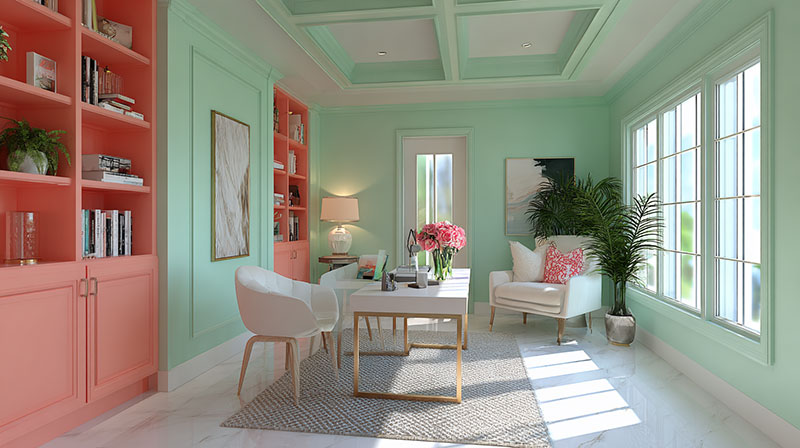
Coral and mint sit opposite on the color wheel, creating a complementary color pairing that feels both fresh and energetic.
Use the 60-30-10 rule: 60% mint on walls, 30% neutral (white or cream), 10% coral in accents like throw pillows or artwork. This ratio prevents the combination from overwhelming a space.
Works best in living rooms, home office, sunrooms, and bedrooms where you want cheerful energy without going too bold. Kitchen backsplash tiles in coral against mint cabinets also look striking. Learn more about colors that go with coral for additional pairing ideas.
How Does Mint Green Work With Blush Pink
Blush pink and mint create a soft pastel harmony that reads romantic without feeling saccharine.
Both colors share similar saturation levels, so neither overpowers the other. The warm pink undertones gently contrast mint’s coolness.
Try blush velvet sofas against mint walls, or layer light pink throw pillows on mint bedding. Nurseries love this combination. Guest bedrooms too.
How Does Mint Green Work With Navy Blue
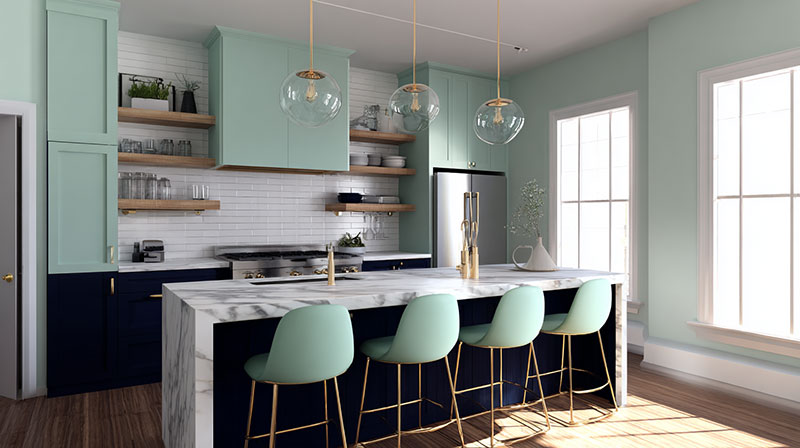
Navy blue anchors mint green’s lightness with depth and sophistication.
This pairing works because both colors share cool undertones. Navy grounds the space; mint lifts it. The result feels polished without trying too hard.
Navy kitchen cabinets with mint walls create a statement kitchen. Navy headboards against mint bedroom walls feel calm yet intentional. See colors that go with navy blue for more combinations.
How Does Mint Green Work With Gold and Brass
Gold and brass hardware bring warmth that prevents mint from feeling sterile or too clinical.
The warm metallic finish against mint’s cool base creates instant visual interest. Cabinet pulls, light fixtures, mirror frames, and furniture legs all work.
Mid-century modern interior design relies heavily on this pairing. Think brass pendant lights over a mint dining nook, or gold-framed artwork on mint walls. Check out colors that go with gold for expanding this palette.
How Does Mint Green Work With White and Cream

White and mint together feel crisp, clean, and airy. This combination suits Scandinavian interior design particularly well.
Cool whites (those with blue or gray undertones) pair better than warm whites. Cream adds softness if pure white feels too stark.
White trim against mint walls is a classic. White ceilings with mint accent walls open up small rooms. Cream upholstery on mint-painted furniture creates cottage vibes. More ideas at colors that go with white.
How Does Mint Green Work With Charcoal Gray
Charcoal gray adds modern edge and grounds mint’s sweetness.
The deep neutral absorbs light while mint reflects it. Together, they create sophisticated contrast without competing for attention.
Charcoal sofas against mint walls suit urban apartments and contemporary spaces. Gray concrete floors with mint cabinetry work in modern kitchens. Explore colors that go with charcoal gray for related schemes.
How Does Mint Green Work With Lavender
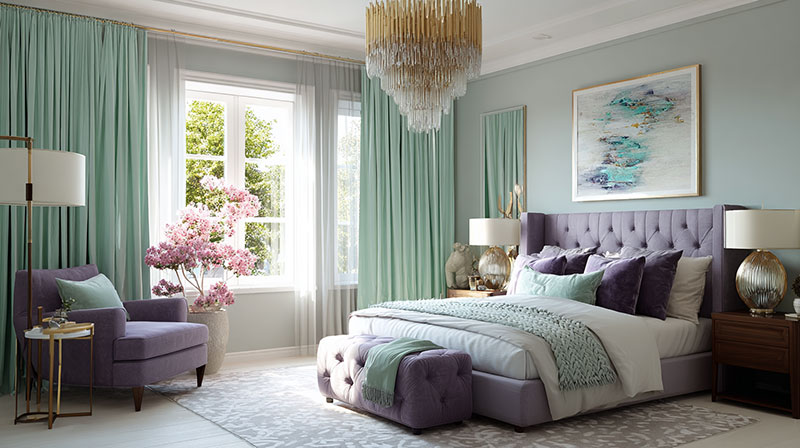
Lavender and mint share cool undertones, creating an analogous color scheme that feels dreamy and relaxed.
Both pastels have similar intensity, so the combination stays balanced. Neither dominates.
Bedrooms benefit most from this pairing. Meditation spaces too. Lavender bedding on a mint-painted bed frame, or lavender curtains against mint walls. The combo also works for purple variations.
How Does Mint Green Work With Peach
Peach brings gentle warmth that softens mint’s coolness without the intensity of coral or orange.
This warm-cool balance creates a nature-inspired palette. Think spring gardens, early morning light.
Peach throw pillows on mint furniture feel fresh. Peach artwork on mint walls adds subtle warmth. Guest rooms and home offices suit this combination well. See colors that go with peach for more.
How Does Mint Green Work With Wood Tones
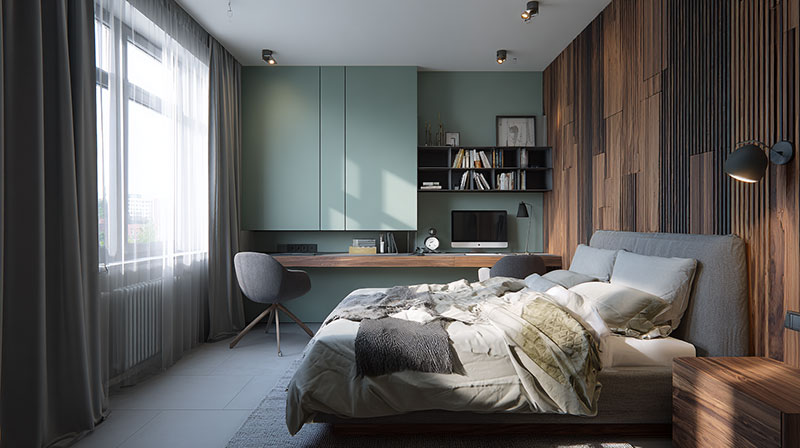
Natural wood tones prevent mint from feeling too artificial or candy-like.
Oak, walnut, pine, and teak each create different effects:
- Light oak maintains airiness and suits Scandinavian looks
- Walnut adds richness and mid-century modern appeal
- Pine brings rustic warmth for farmhouse styles
- Teak creates retro 1950s vibes
Wood flooring grounds mint walls. Wood countertops warm mint cabinets. Texture in interior design matters here; the grain pattern adds visual depth that solid colors cannot.
What Colors Should You Avoid Pairing With Mint Green
Some colors clash with mint green’s cool undertones or compete for attention in the same tonal range.
Colors to avoid:
- Olive green – creates muddy, conflicting green tones; see colors that go with olive green for better pairings
- Mustard yellow – the warm, earthy yellow fights mint’s cool freshness
- Bright orange – too aggressive; rust or terracotta work better
- Neon colors – overwhelm mint’s soft, pastel quality
- Lime green – similar saturation creates visual competition
The exception: muted versions of these colors in small doses can work. A burnt orange accent pillow succeeds where bright orange curtains fail.
How to Use Mint Green in Different Rooms
Mint green adapts to nearly any room when applied thoughtfully. The key is matching intensity to function.
How to Use Mint Green in a Living Room
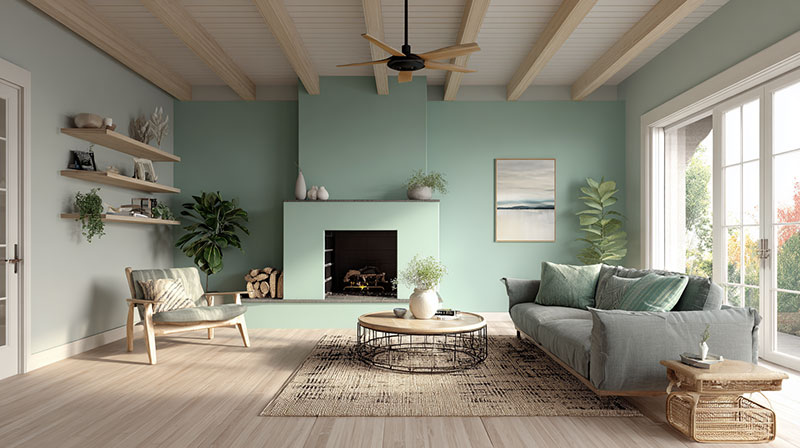
Living rooms handle mint green as an accent wall, sofa upholstery, or through layered accessories like curtains and throw pillow combinations.
Pair mint sofas with rugs that complement green couches in neutral tones. Brass coffee tables and warm wood side tables balance the coolness.
How to Use Mint Green in a Bedroom
Mint promotes calm, making it ideal for sleep spaces. Research links cool greens to lower heart rates and reduced anxiety.
Paint the wall behind your headboard mint, keep other walls white or cream. Layer mint bedding with blush or lavender accents. Consider curtain colors that work with green walls like white, gray, or soft pink.
How to Use Mint Green in a Kitchen
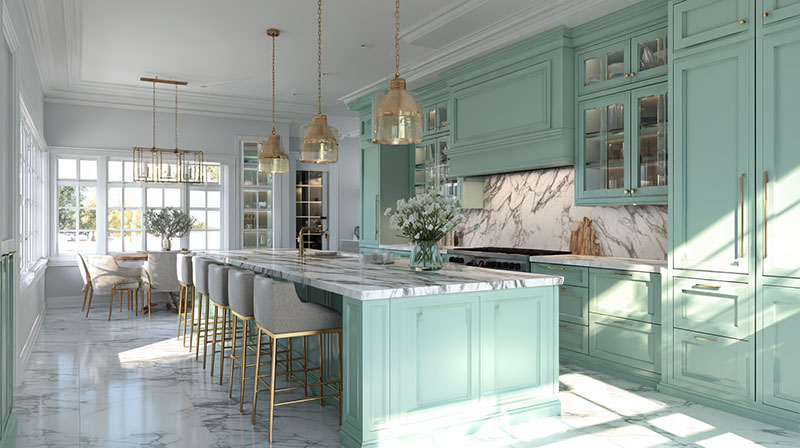
Mint kitchen cabinets create instant personality. Lower cabinets in mint with white uppers keeps things balanced.
Pair with brass or gold hardware, marble or butcher block countertops, and white subway tile backsplash. Smeg refrigerators in mint have become a cult favorite for retro-inspired spaces.
How to Use Mint Green in a Bathroom
Mint tiles, vanities, or walls suit bathrooms well. The color’s association with cleanliness and freshness fits the space naturally.
Use matte or satin paint finishes for humidity resistance. Pair with white fixtures, chrome or brass hardware, and natural textures like rattan baskets or wooden shelving.
How to Use Mint Green in a Nursery
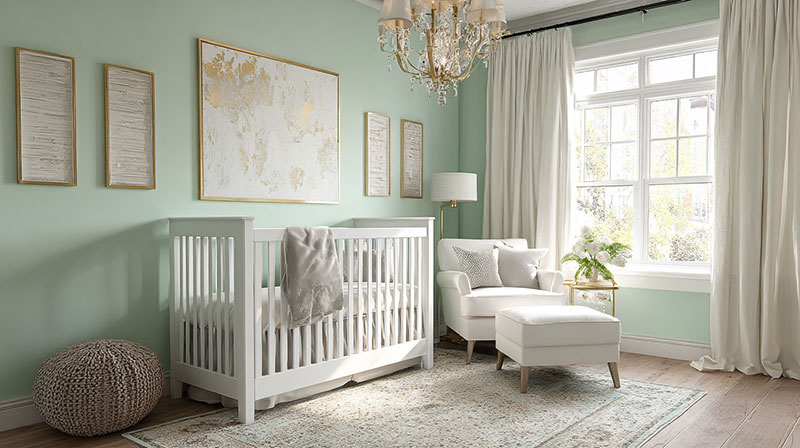
Mint works for gender-neutral nurseries without defaulting to gray or yellow.
Combine with white furniture, natural wood accents, and soft textiles. Add warmth through peach, blush, or cream accessories. Choose low-VOC or zero-VOC paints for infant safety.
What Design Styles Feature Mint Green Color Schemes
Mint green appears across multiple interior design styles, each applying it differently.
Mint Green in Mid-Century Modern Design
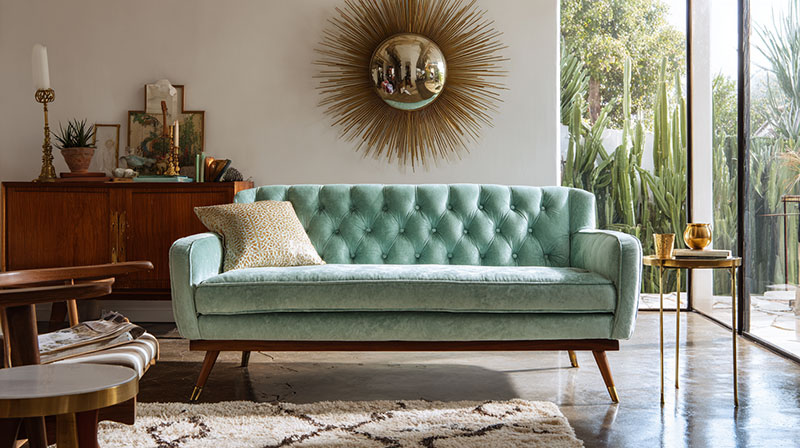
The 1950s and 1960s loved mint. Pair it with teak furniture, brass accents, and geometric patterns.
Velvet mint sofas with tapered wooden legs capture the era. Add a sunburst mirror and you’re there.
Mint Green in Coastal Design
Coastal interior design uses mint alongside sandy beiges, coral, and navy blue.
Natural textures matter: rattan, jute, linen, whitewashed wood. The palette mimics sea glass, sand, and ocean tones.
Mint Green in Scandinavian Design
Scandi spaces use mint sparingly against white walls and light oak floors.
The approach emphasizes minimalist interior design principles: function first, color as accent. A single mint chair or lamp makes the statement.
What Paint Brands Offer Mint Green Colors
Major paint brands offer multiple mint green variations:
Benjamin Moore:
- Fresh Mint 2037-70 (bright, clean)
- Minty Green 2042-70 (blue-green leaning)
- Seafoam Green 2039-60 (softer, grayer)
Sherwin Williams:
- Mint Condition SW 6743 (true mint)
- Aloe SW 6464 (muted, spa-like)
- Kiwi SW 6469 (yellow-green mint)
Farrow & Ball:
- Teresa’s Green No.236 (sophisticated, muted)
Behr:
- Mint Frappe M410-2 (light, airy)
- Aqua Tint MQ3-19 (blue undertones)
Always test samples in your actual space. Light in interior design dramatically affects how colors read.
How to Choose the Right Mint Green Shade for Your Space
Room orientation determines which mint works best.
North-facing rooms: Choose warmer mints with slight yellow undertones. Cool mints will feel cold and gray.
South-facing rooms: Any mint works. Strong natural light handles cooler, more saturated shades well.
East-facing rooms: Morning light flatters blue-toned mints. Afternoons may dull the color.
West-facing rooms: Evening light warms everything. Balance with cooler mints to avoid yellow cast.
Small rooms benefit from lighter mint shades with higher LRV (light reflectance value). Dark mints shrink spaces visually.
Test paint samples at different times of day. What looks perfect at noon may disappoint at 6pm.
What Materials and Textures Work Best With Mint Green
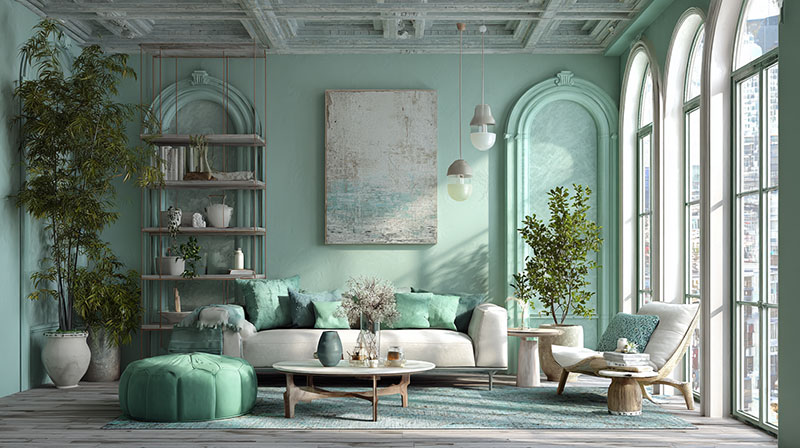
Layering textures prevents mint spaces from falling flat.
Best material pairings:
- Velvet upholstery – adds depth and luxury; mint velvet sofas photograph beautifully
- Linen textiles – relaxed, breathable; perfect for curtains and bedding
- Brass and gold hardware – warm metallic contrast
- Marble surfaces – cool stone complements cool mint
- Rattan and wicker – natural warmth for coastal or boho spaces
- Ceramic tiles – glossy or matte finishes both work
- Natural wood – grounds the palette with organic warmth
Mix matte and shiny finishes. A glossy mint tile backsplash against matte painted cabinets creates visual interest through balance.
Avoid all-matte or all-glossy schemes. The variation in surface finish adds the depth that single-texture rooms lack.
FAQ on Colors That Go With Mint Green In Interior Design
What is the best color to pair with mint green walls?
White is the safest choice for mint green walls. It keeps rooms bright and lets mint remain the star. Cream, blush pink, and navy blue also work well depending on the mood you want.
Does mint green go with gray furniture?
Yes. Gray furniture, especially charcoal or slate tones, creates modern contrast against mint walls. The neutral gray grounds mint’s sweetness. Light gray keeps things soft; dark gray adds drama. Check colors that go with grey for more options.
Can I use mint green in a small room?
Absolutely. Light mint shades with high LRV (light reflectance value) make small rooms feel larger. Pair with white trim and mirrors to maximize the effect. Avoid dark or saturated mints in tight spaces.
What wood tones complement mint green?
Light oak and birch maintain an airy feel. Walnut and teak add warmth and mid-century appeal. Pine works for farmhouse interior design. Avoid orange-toned woods like cherry, which can clash with mint’s cool base.
Is mint green a warm or cool color?
Mint green is cool. It contains blue undertones that place it on the cool side of the color wheel. This is why it pairs well with other cool tones like navy, lavender, and gray, and needs warm accents for balance.
What accent colors work best with mint green?
Coral, blush pink, gold, and peach make excellent accents. These warm tones contrast mint’s coolness without clashing. Use them in pillows, artwork, or hardware. The 60-30-10 rule helps proportion these accents correctly.
Does mint green go with brown leather furniture?
Yes, especially tan or cognac leather. The warm brown tones balance mint’s coolness naturally. Dark espresso leather works too but creates stronger contrast. Add cream or white to soften the combination.
What curtain colors work with mint green walls?
White curtains keep things fresh and bright. Blush pink adds warmth. Navy creates sophisticated contrast. Sheer linen in cream softens the look. Avoid heavy patterns that compete with mint. Learn more about window treatments for additional ideas.
Can mint green work in a modern kitchen?
Yes. Mint cabinets with white countertops and brass hardware suit modern interior design well. Pair with matte black fixtures for edge. The color brings personality without overwhelming minimal aesthetics common in contemporary kitchens.
What colors should I never pair with mint green?
Avoid olive green, mustard yellow, bright orange, and neon colors. These either clash with mint’s cool undertones or create muddy combinations. Lime green competes too closely. Muted versions of these colors in small doses may work.
Conclusion
Choosing colors that go with mint green comes down to understanding warm-cool balance and complementary color pairings.
Coral, blush pink, navy blue, and gold create striking combinations. Charcoal gray and white offer safer, modern alternatives.
The paint brand matters less than testing samples in your actual lighting. Benjamin Moore, Sherwin Williams, and Farrow & Ball all offer quality mint options with different undertones.
Start with the 60-30-10 rule. Let mint dominate at 60%, add a secondary color at 30%, then finish with warm accents at 10%.
Apply basic principles of interior design and mint green becomes a versatile foundation for any room.
Trust your eye. Test before committing. The right pairing will feel obvious once you see it.

- Exploring the Rich History of Interior Design - September 30, 2026
- IKEA Shoe Storage Ideas for Compact Areas - September 23, 2026
- What is Interior Design? A Beginner’s Guide - September 19, 2026