Summarize this article with:
A neutral living room decor scheme looks simple until you try to pull one off. Then every shade of white starts looking the same, every beige sofa feels boring, and the whole room risks feeling like a waiting room instead of a home.
The gap between “bland” and “beautiful” in a neutral color palette comes down to texture, material choices, and layering. Get those right, and a muted room becomes the most calming space in your house.
This guide covers warm and cool neutral palettes that actually pair well together, furniture and fabric selection, wall treatments beyond standard paint, lighting strategies, soft furnishings, and layout approaches for rooms of every size. Specific brand recommendations, real statistics, and practical combinations you can use right away.
What Is Neutral Living Room Decor?
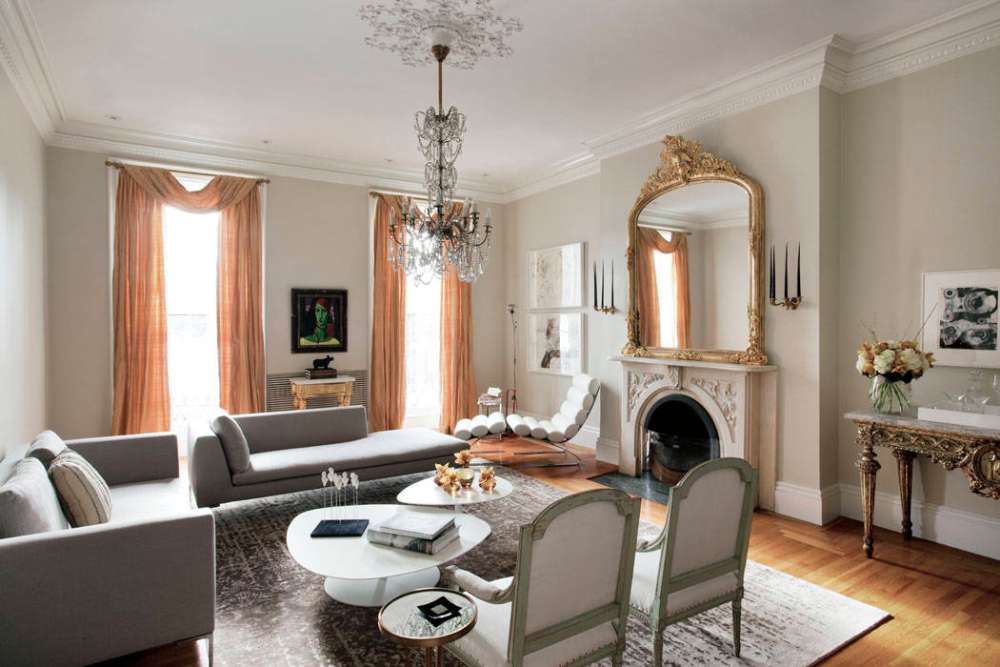
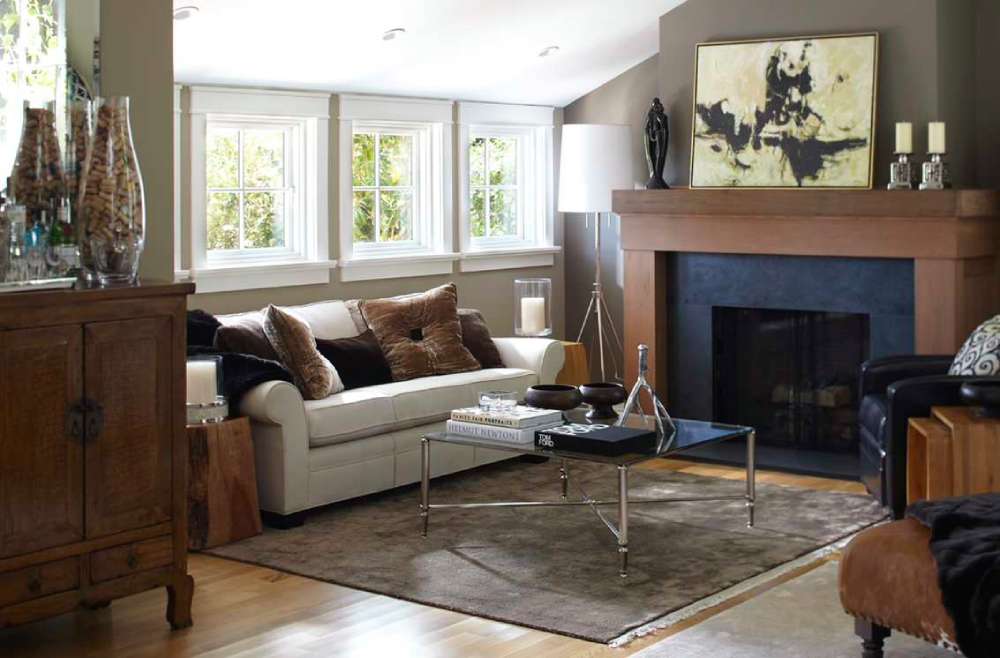
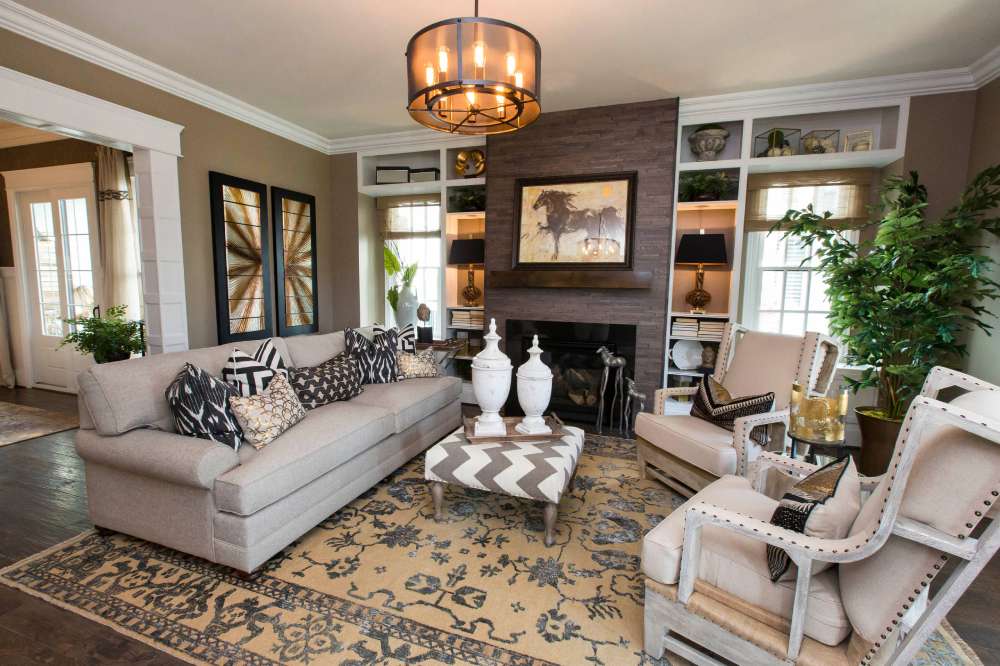
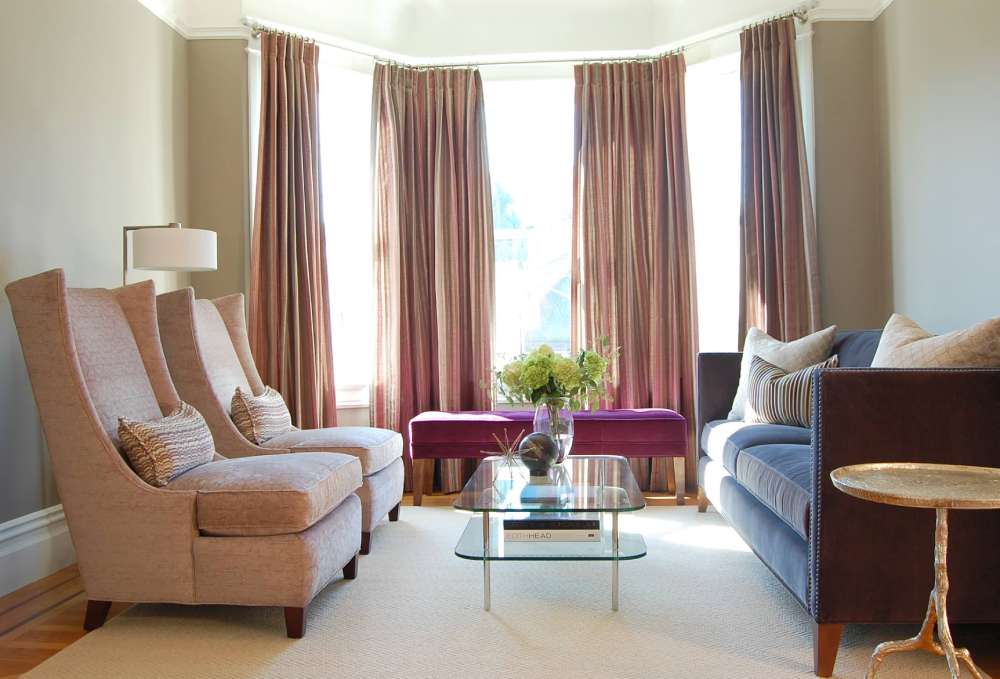
Neutral living room decor is a design approach built around muted, low-saturation colors as the primary palette. Whites, beiges, taupes, grays, and soft browns do the heavy lifting.
The whole point is to create a calm, grounded space where nothing screams for attention. According to a Fixr.com survey of design professionals, 41% of experts named warm neutrals as one of the most popular color palettes for home interiors. And 48% chose warm white as the single most popular interior paint color.
But here’s the thing. Neutral does not mean minimalist.
People mix these up constantly. Minimalist interior design strips a room down to the bare bones, limiting objects, furniture, and visual noise. Neutral decor, on the other hand, can be layered, textured, and full of warmth. You can have a neutral room packed with throw pillows, books, ceramic objects, and a chunky wool rug. It’s the color range that stays restrained, not the amount of stuff.
The real work in a neutral room happens through texture in interior design. Linen against velvet. Jute against polished stone. Rough wood against smooth ceramic. Without these material contrasts, a neutral palette goes flat fast. Like, really fast.
Neutral schemes also overlap with several popular interior design styles. Scandinavian interior design leans on light wood and muted tones. Transitional interior design blends classic and modern, usually within a neutral framework. The japandi look merges Japanese restraint with Scandinavian warmth, again favoring earth tones and natural fibers.
Grand View Research valued the global home decor market at $960 billion in 2024, with furniture accounting for over 50% of revenue. A big share of that spending flows toward neutral-toned pieces because they last through trend cycles. Neutral is not a trend itself. It’s the backdrop that survives every trend.
Neutral Color Palettes That Actually Work Together

Image source: designername
Picking “neutral” paint off the shelf sounds simple until you realize there are about 900 shades of white at any Benjamin Moore store. And half of them clash with each other.
The biggest mistake? Mixing warm and cool undertones without thinking about it. A cool gray wall next to a warm beige sofa creates visual tension that most people can’t name but definitely feel. Understanding color in interior design starts with reading those undertones.
Warm Neutral Palettes
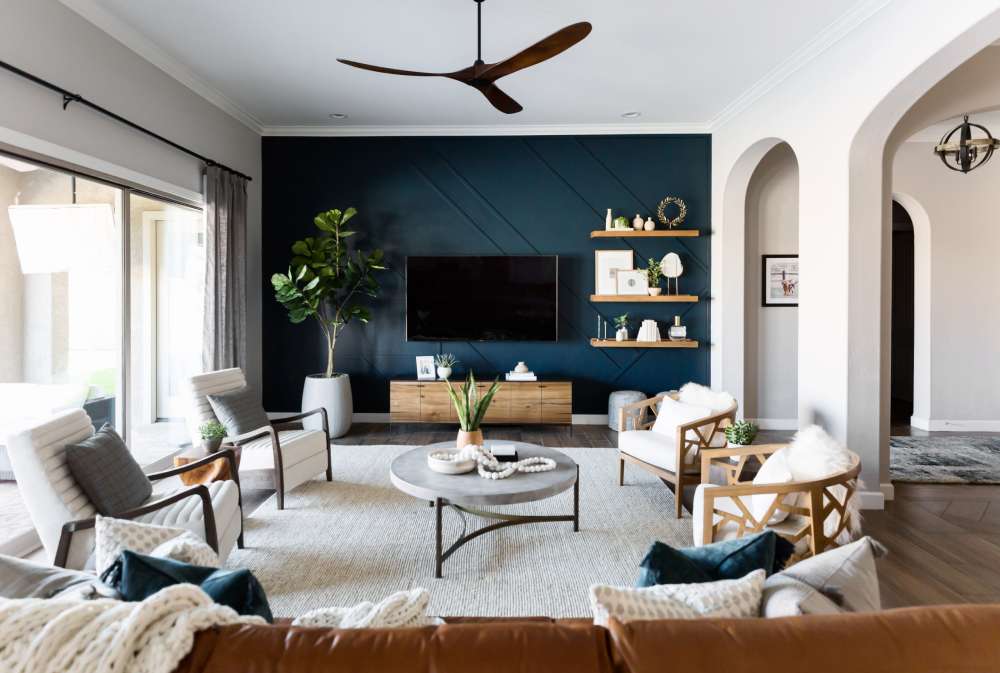
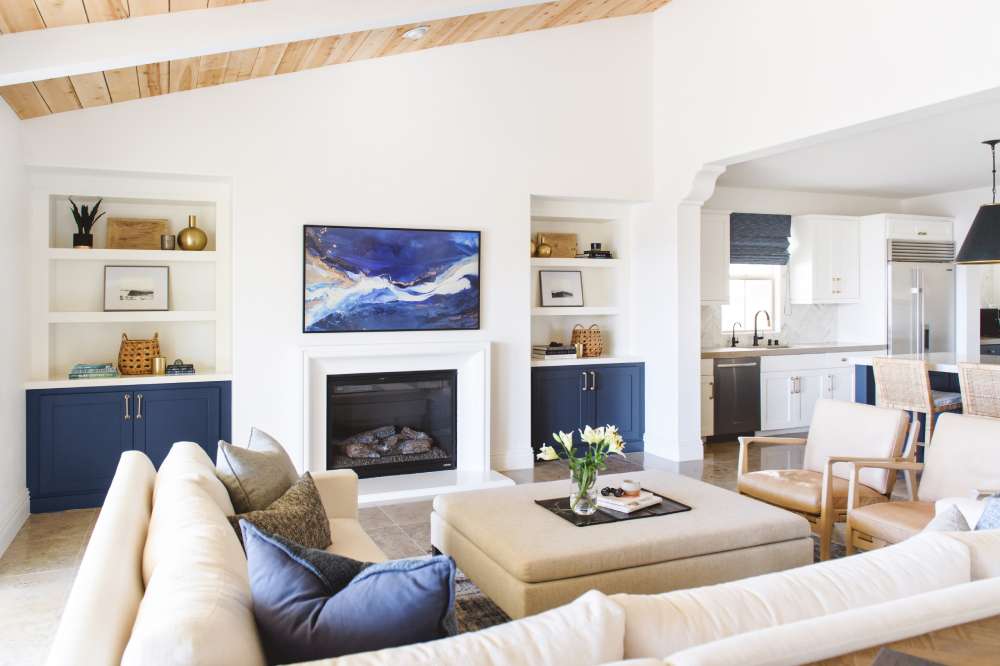
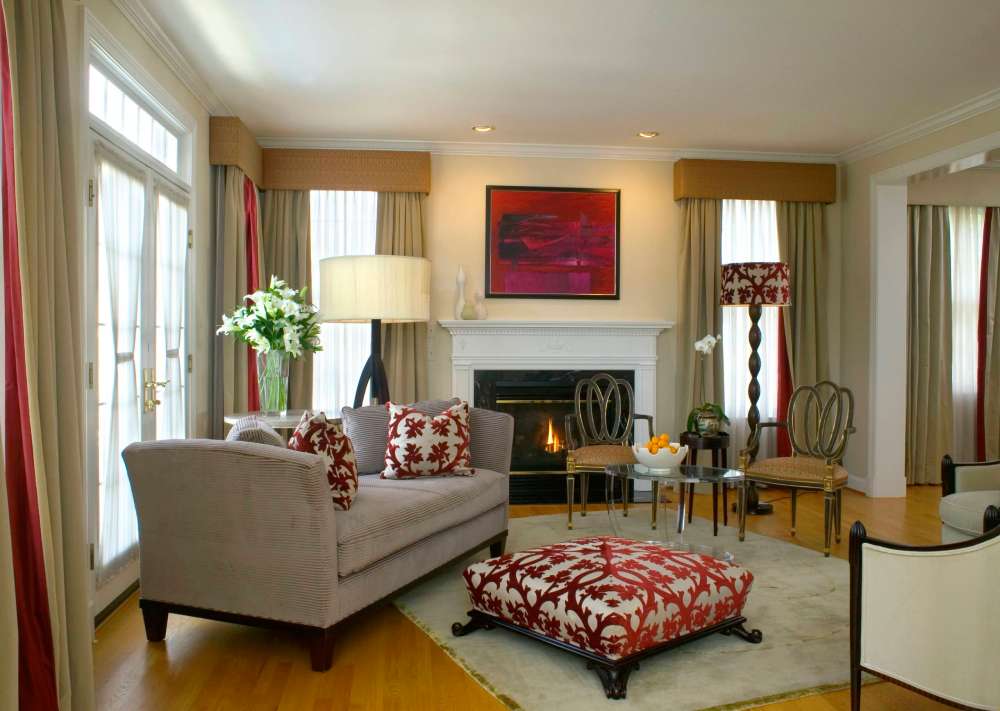
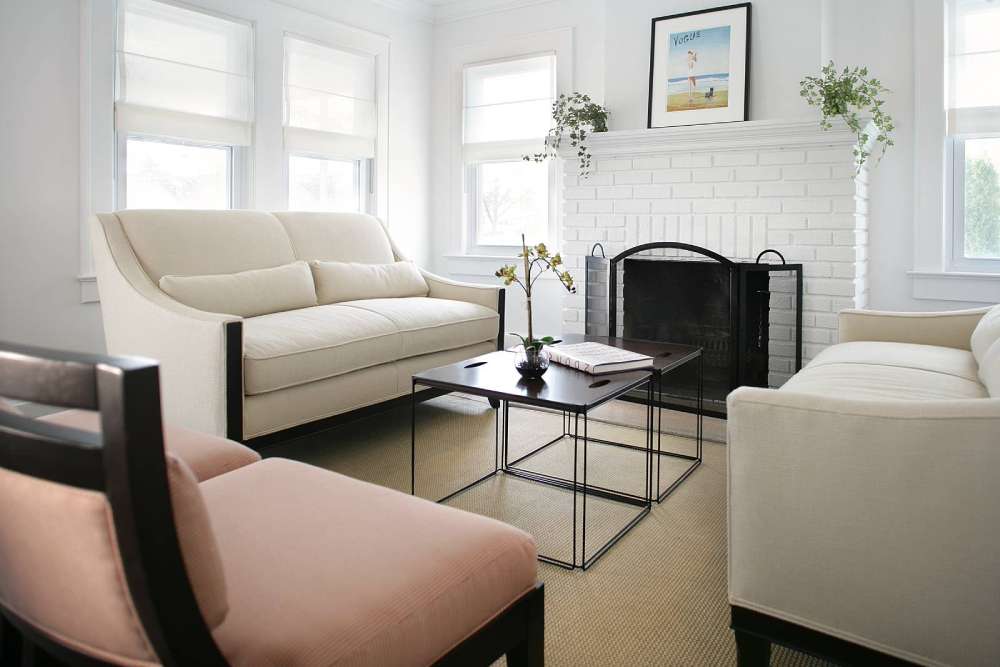
Warm neutrals pull from the yellow, orange, and red side of the color wheel. Think ivory, camel, cream, terracotta, and sand.
Palette example: Ivory walls + camel leather sofa + rust throw pillows + warm oak flooring.
Pantone’s 2025 Color of the Year, Mocha Mousse, sits right in this camp. It confirms what designers have been saying for a while: warm browns and creamy tones are running the show. Benjamin Moore’s 2025 palette also leaned into warm earth tones with shades like Cinnamon Slate.
Sherwin-Williams and Farrow & Ball both pushed warm, grounding palettes for 2025. The industry-wide direction is clear. Cool grays are fading. Warm is the default now.
Cool Neutral Palettes

Image source: ace and Grace Interiors
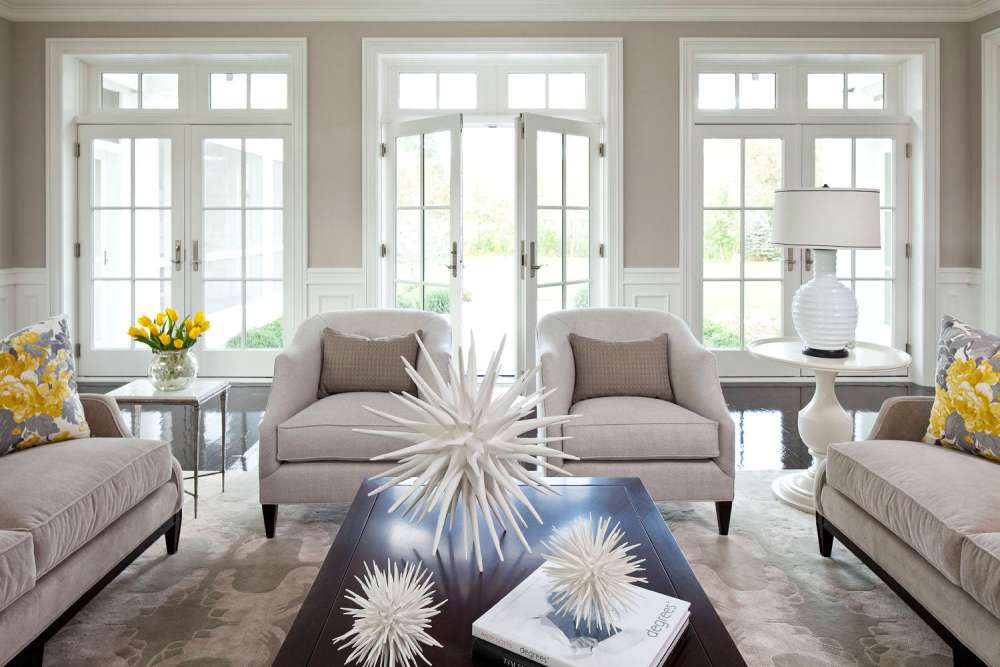
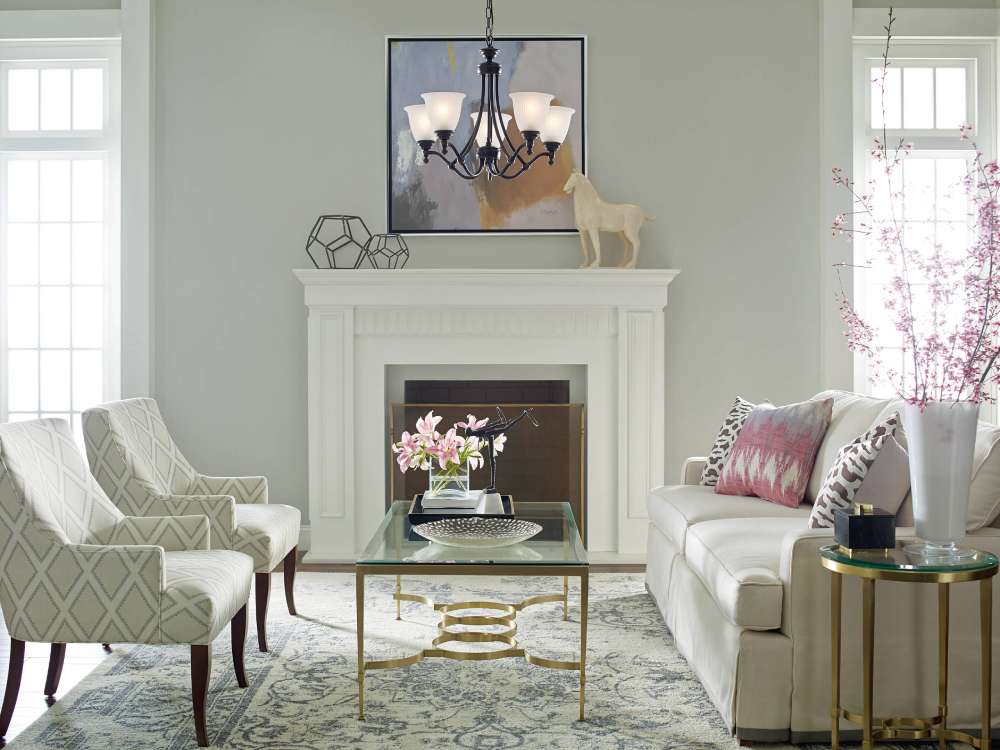
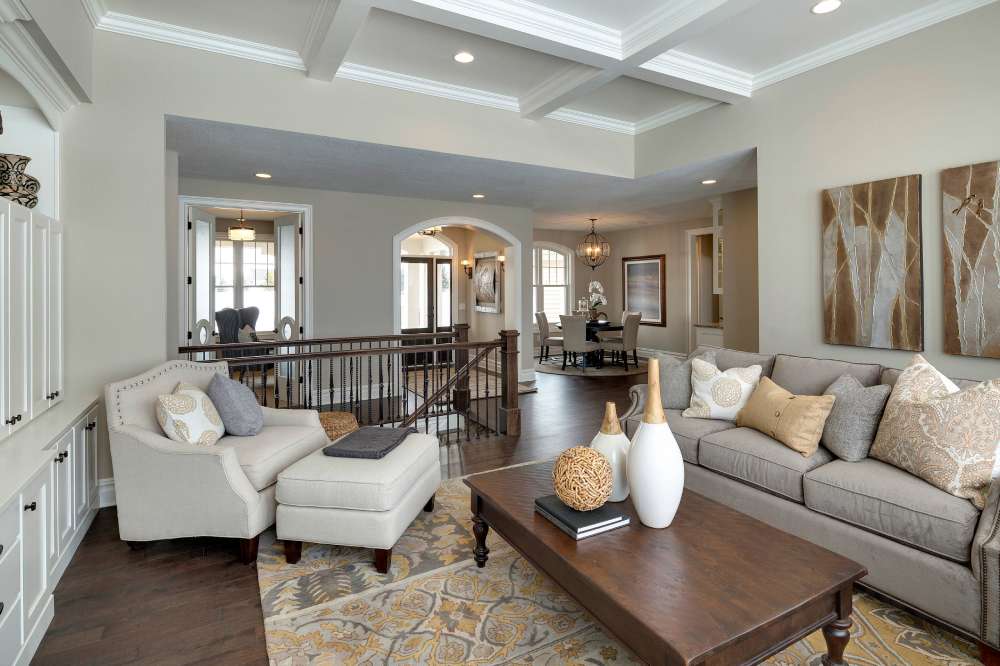
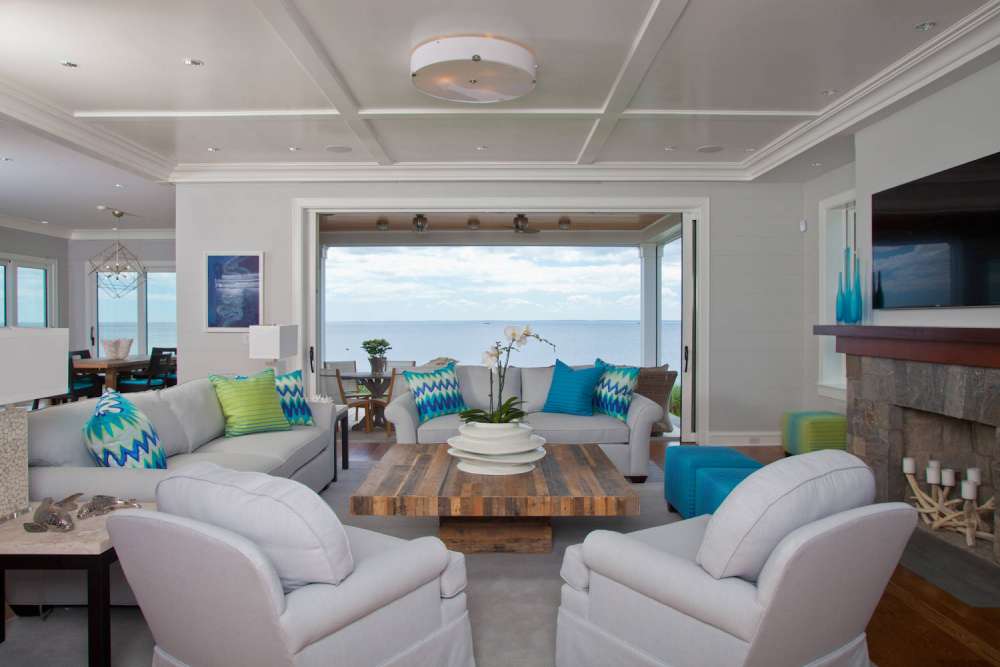
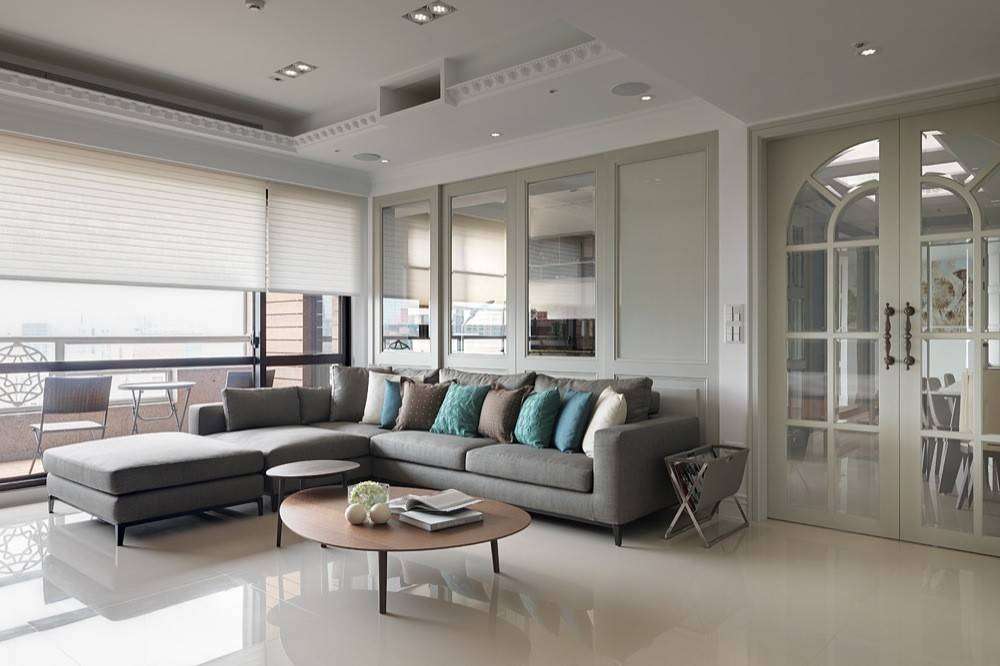
Cool neutrals lean blue, green, or purple in undertone. Slate gray, mushroom, cool taupe, and soft charcoal fall here.
Palette example: Soft gray walls + charcoal linen sofa + brushed nickel hardware + white marble accents.
Cool palettes work best in rooms with lots of natural light. Without it, they can feel sterile, or even a little depressing honestly. That’s why they pair well with warm wood floors or a single warm accent, like a cognac leather chair, to keep things from going clinical.
If you’re drawn to the colors that go with grey, a cool palette gives you that clean, modern foundation. Just don’t forget to break the temperature with at least one warm element.
How to Mix Warm and Cool Without Clashing
Mixing temperatures is where the real skill is. And the 60-30-10 rule helps a lot here.
| Proportion | Role | Example |
|---|---|---|
| 60% | Dominant tone | Warm cream walls and large upholstery |
| 30% | Supporting tone | Cool gray accent chairs, rug, curtains |
| 10% | Accent | Black iron fixtures, aged brass hardware |
According to color theory in interior design, the key is picking one temperature as your anchor and letting the other play a supporting role. Trying to go 50/50 warm and cool just looks confused.
Fixr.com’s expert survey found that 81% of design professionals recommend warm neutrals for interiors when staging a home for sale. That stat tells you something about broad appeal. Warm reads as comfortable. Cool reads as polished. Your room needs to decide which one it wants to be, then let the other one show up in small doses.
Furniture Selection for a Neutral Living Room
Furniture is where most of the budget goes in a living room. The U.S. home decor market alone hit $185 billion in 2024, according to IMARC Group, and the furniture segment leads every other product category. Getting this right matters because you’ll live with these pieces for years.
Sofas and Sectionals
The sofa anchors a neutral room more than anything else. In a space without bold color, the sofa’s shape, fabric, and scale do all the talking.
Best styles for neutral rooms:
- Slipcovered sofas in natural linen or cotton, easy to wash, perfectly relaxed
- Track arm sofas for a cleaner, more modern profile
- Lawson sofas with loose back cushions for casual comfort
- Camelback sofas if you want a more traditional, structured look
Fabric choice matters more in a neutral room than a colorful one. You can’t hide behind a bright pattern. Performance velvet, boucle, and linen blends give visual interest through texture alone. Article, West Elm, and Restoration Hardware all carry neutral upholstery lines that lean into this.
If you’re working with a beige couch specifically, check out throw pillow ideas for a beige couch to add dimension without color.
Accent Chairs and Seating

Image source: Homes by Tradition
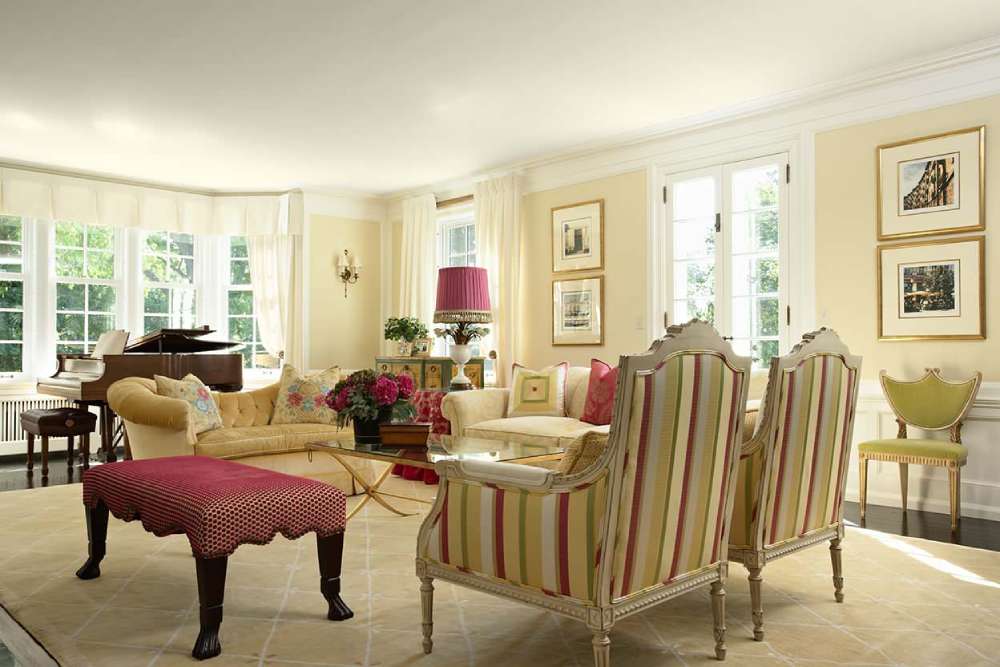
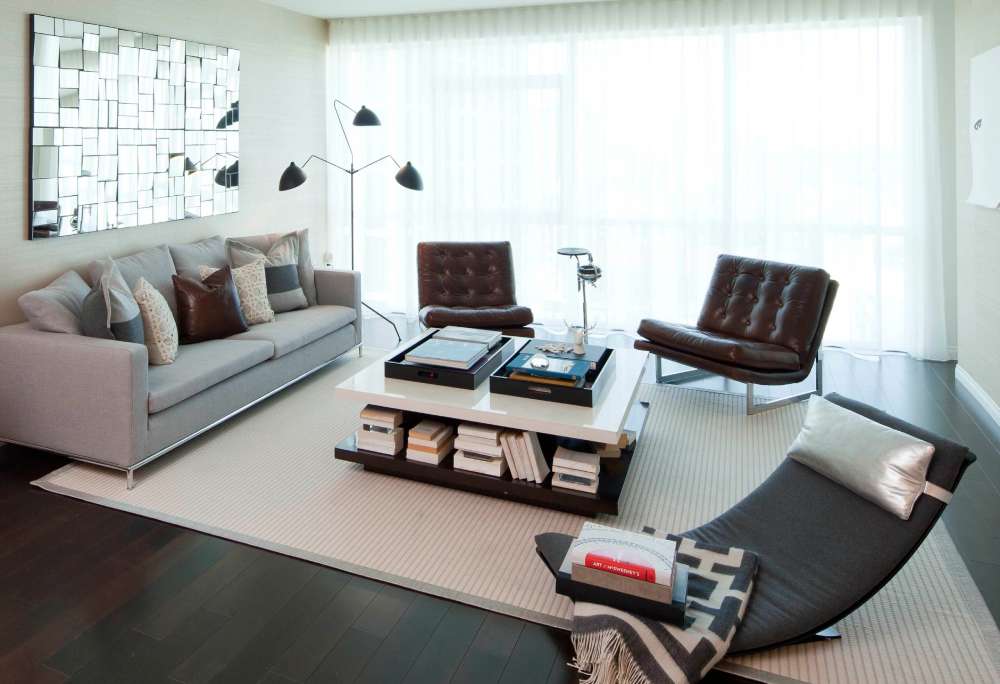
Accent chairs are where you can afford to push the material a little. A cognac leather chair against a cream sofa creates contrast in interior design without adding actual color. Same goes for a boucle swivel chair or a rattan lounge.
The eco-friendly furniture market was valued at $53.77 billion in 2025 and is growing at 10% annually, per Grand View Research. Natural materials like reclaimed wood frames and organic upholstery are leading that growth. In a neutral room, sustainable pieces look right at home.
Tables and Storage Pieces

Image source: Susan Manrao Design
Material contrast: This is where coffee tables and side tables earn their keep in a neutral space.
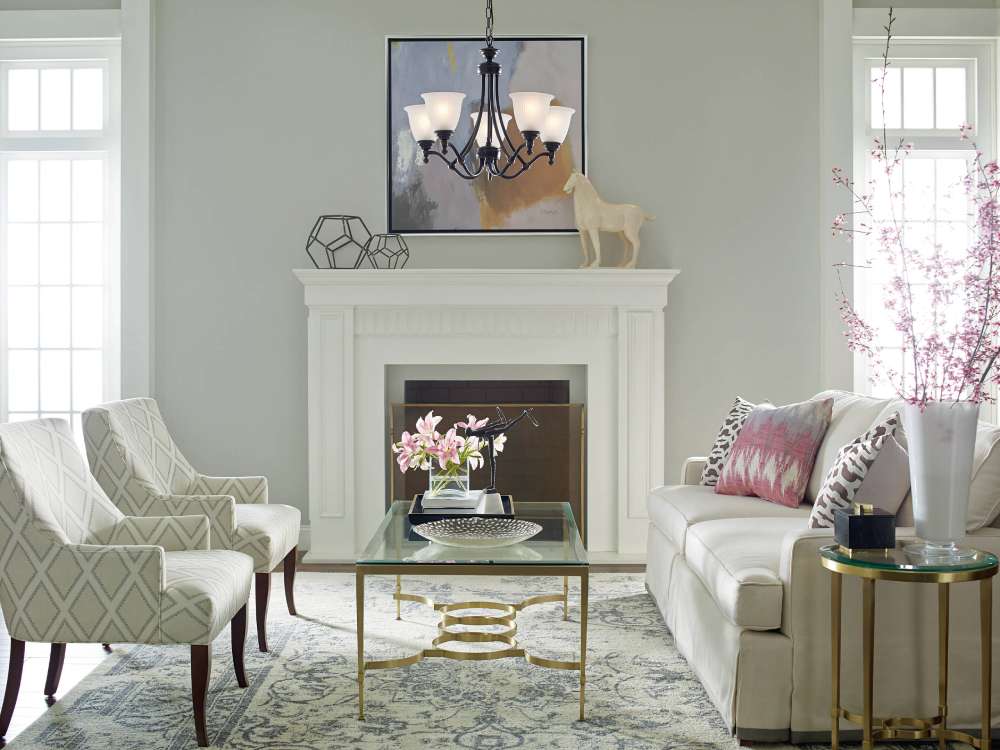
Travertine coffee tables have been everywhere lately for good reason. The natural stone brings warmth and visual weight without disrupting a muted palette. Pair it with a brushed brass side table or a dark walnut console.
The one thing to watch is wood tone consistency. Mixing oak, walnut, and pine in the same room creates visual noise that’s hard to fix. Pick one dominant wood tone and let everything else play a supporting role. Crate & Barrel and CB2 both organize their collections this way, which makes it easier to stay consistent.
Textures and Materials That Prevent a Neutral Room from Falling Flat
Took me forever to figure out why some neutral rooms look like a magazine spread and others look like a dentist’s waiting room. The answer is always texture.
In a room where the color range spans from white to taupe, your eyes need something else to grab onto. That something is material variation. Texture in interior design replaces the role that color plays in a bolder room.
The Layering Concept

Image source: Patrick J. Baglino, Jr. Interior Design
Think in opposites. Rough against smooth. Matte against sheen. Organic against manufactured.
| Surface A | Surface B | Why It Works |
|---|---|---|
| Jute rug | Velvet cushion | Rough vs. soft, matte vs. sheen |
| Linen curtains | Leather ottoman | Natural fiber vs. animal hide, flowing vs. structured |
| Travertine table | Brushed brass lamp | Stone vs. metal, cool vs. warm |
| Boucle chair | Polished concrete floor | Textured vs. smooth, soft vs. hard |
Fixr.com reports that 71% of design professionals said natural materials are dominating furniture trends. That tracks. Wood, stone, rattan, wool, and linen ground a neutral scheme in a way that synthetic materials just can’t replicate.
Using a Single Accent Material as a Through-Line

Image source: Knilans’ Furniture & Interiors
One trick that works well: pick a single accent material and repeat it across the room.
Black iron is a popular choice. Use it in the coffee table legs, a floor lamp, curtain rods, and maybe a shelf bracket. That repetition creates rhythm in interior design without adding color.
Unlacquered brass is another strong option. It ages and patinas over time, which gives a neutral room a lived-in quality that shiny new finishes don’t. IKEA’s Stockholm line and Pottery Barn both carry hardware and accessories in this finish.
The point is to give the eye a thread to follow. Without it, a neutral room can feel like a collection of nice-but-random objects that don’t talk to each other.
Wall Treatments and Paint Finishes for Neutral Living Rooms
Paint color gets all the attention. But the finish and the wall treatment affect how a neutral room reads just as much, if not more.
Paint Finishes and How Sheen Affects Neutral Colors

Image source: SpaceArt Interior Designers & Decorators
Flat/Matte: Absorbs light, hides wall imperfections, gives the deepest color saturation. Best for living rooms and bedrooms where you want a soft, quiet look.
Eggshell: Slight sheen, easier to clean than flat, still looks relatively soft. The go-to for most neutral living rooms.
Satin: More reflective, highlights wall texture (and imperfections). Works in trim, wainscoting, and high-traffic areas.
The difference between flat and satin in a neutral room is bigger than most people expect. A warm beige in flat looks like aged plaster. The same color in satin looks almost like a different paint. Test samples in your actual room before committing. Always.
Limewash and Textured Alternatives

Image source: K2 Interior Designs
Limewash has gone from niche to mainstream. The global limewash paint market was valued at $521 million in 2025 and is growing steadily, per Archive Market Research. That growth is being driven by homeowners who want more depth than standard paint can give.
Limewash creates soft tonal variations that shift with the light throughout the day. It looks completely different at 8am versus 6pm, which is part of its appeal. For a neutral living room, warm-toned limewash (beige, soft terracotta, cream) adds the kind of movement that flat paint simply can’t deliver.
Microcement is another option. It gives walls a raw, industrial-but-warm finish that works well in contemporary living rooms. Both finishes are more expensive than standard paint, typically costing two to three times as much, but the visual payoff in a neutral space is significant.
Dimensional Wall Treatments

Image source: Leslie Lewis & Associates
Board and batten, wainscoting, and plaster finishes all add dimension to walls without adding color. In a neutral room, these treatments do the work that a bold accent wall would do in a colorful room.
Grasscloth wallpaper is another option that fits perfectly here. The woven texture catches light differently than paint and adds a subtle organic quality. Tone-on-tone wallpaper patterns (think a cream geometric on an ivory background) give you pattern in interior design without disrupting the neutral palette.
These details in interior design are what separate a professionally finished neutral room from one that just looks… beige.
Lighting That Complements a Neutral Palette
Lighting changes everything in a neutral room. And I mean everything. The same wall color can look warm and inviting under one bulb and cold and flat under another. Since you don’t have bold colors competing for attention, the quality and temperature of light in interior design becomes the main mood-setter.
Why Bulb Temperature Matters More in Neutral Rooms

Color temperature is measured in Kelvin (K). Lower numbers look warmer. Higher numbers look cooler and bluer.
For neutral living rooms, 2700K to 3000K is the range you want.
GSA lighting guidance notes that most occupants prefer warmer color temperatures in interior applications, with 3000K and 3500K being the most common preferences. But in a room with warm beige walls and linen furniture, 2700K often feels the most natural. It mimics candlelight and makes everything look a little softer.
Daylight bulbs (5000K+) are a mistake in neutral spaces. They make warm tones look washed out and can turn a creamy wall slightly gray. Your mileage may vary, but at least in my experience, the wrong bulb temperature has ruined more neutral rooms than bad furniture placement ever has.
Fixture Materials and Styles
The fixture itself becomes more visible in a neutral room. When the walls, sofa, and rug all live in the same tonal range, a pendant light or floor lamp stands out more than it would in a colorful space.
Materials that work:
- Aged brass, adds warmth without shine
- Matte black, provides a clean anchor point
- Plaster and ceramic, for sculptural, organic fixtures
- Natural wood, especially for floor lamps and table lamps
Sculptural pendants and linen drum shades are both strong choices. Arc floor lamps work well next to a reading chair. And recessed lighting done right provides a clean layer of ambient lighting without cluttering the ceiling.
Layered Lighting Approach

Image source: Walker Architects
One overhead light is never enough. A neutral room needs at least three layers to feel complete.
Ambient: General room illumination from ceiling fixtures or recessed lights. This is your base layer.
Task: Task lighting goes where you actually do things. Reading lamps, table lamps next to the sofa, under-cabinet lights if you have built-in shelving.
Accent: Accent lighting highlights what you want people to notice. A picture light over artwork. A small spotlight on a bookshelf. LED strips inside display niches.
Each layer changes how the neutral tones in your room are perceived. At night with only table lamps on, a neutral room feels cozy and warm. With all the recessed lights blazing at full brightness, the same room can feel exposed. Dimmers are non-negotiable here. Get them on every circuit you can.
Rugs, Curtains, and Soft Furnishings in Neutral Schemes
Textiles are the glue in a neutral living room. They tie the hard surfaces (wood, stone, metal) to the soft ones (upholstery, pillows) and fill in the gaps that paint and furniture can’t reach.
The global area rugs market hit $36.5 billion in 2024, according to IMARC Group, with wool rugs holding the largest revenue share. In neutral rooms specifically, the rug does more than cover floor. It defines zones, adds warmth, and provides the texture that your muted color palette needs.
Choosing the Right Rug

Rug sizing is the most common mistake in neutral rooms. Too small, and the room looks disjointed.
In a colorful room, you can sometimes get away with a slightly undersized rug because bold pattern or color still anchors the space. In a neutral room? Proportion errors are exposed immediately. There’s nothing to distract from a rug that’s two feet too short on each side.
Rug materials ranked for neutral spaces:
- Wool, durable, naturally stain-resistant, rich texture
- Jute and sisal, affordable, organic feel, best for layering
- Cotton flat-weave, casual, easy to clean, lighter weight
- Vintage or overdyed, adds subtle character without competing with neutral tones
Grand View Research notes that wool held over 30% of the area rug market by revenue in 2023. That popularity makes sense. Wool sits in the sweet spot of durability and texture that neutral rooms demand.
If you’re pairing a rug with a specific sofa, look at how to place a rug under a sectional sofa for sizing guidance. And if your floors are gray-toned, rugs that go with grey floors covers which textures and tones work best on that surface.
Curtains and Drapes

Curtain fabric weight sets the tone more than color does in a neutral room.
| Fabric | Weight | Best For |
|---|---|---|
| Sheer linen | Light | Airy, Scandinavian-leaning spaces |
| Cotton canvas | Medium | Casual, layered rooms |
| Linen blend | Medium-heavy | Most neutral living rooms |
| Velvet | Heavy | Formal or moody neutral schemes |
Length matters. Curtains should hit the floor or puddle slightly. Anything shorter looks unfinished, especially in a room where proportion has no bold color to hide behind. Window treatments set the visual frame for the entire room, so getting the length and fullness right is non-negotiable.
If your walls lean beige, what color curtains go with beige walls breaks down the specific combinations. For gray walls, check what color curtains go with gray walls instead.
Pillows, Throws, and Layering Pieces

This is the easiest place to introduce subtle pattern or material contrast without breaking the neutral scheme.
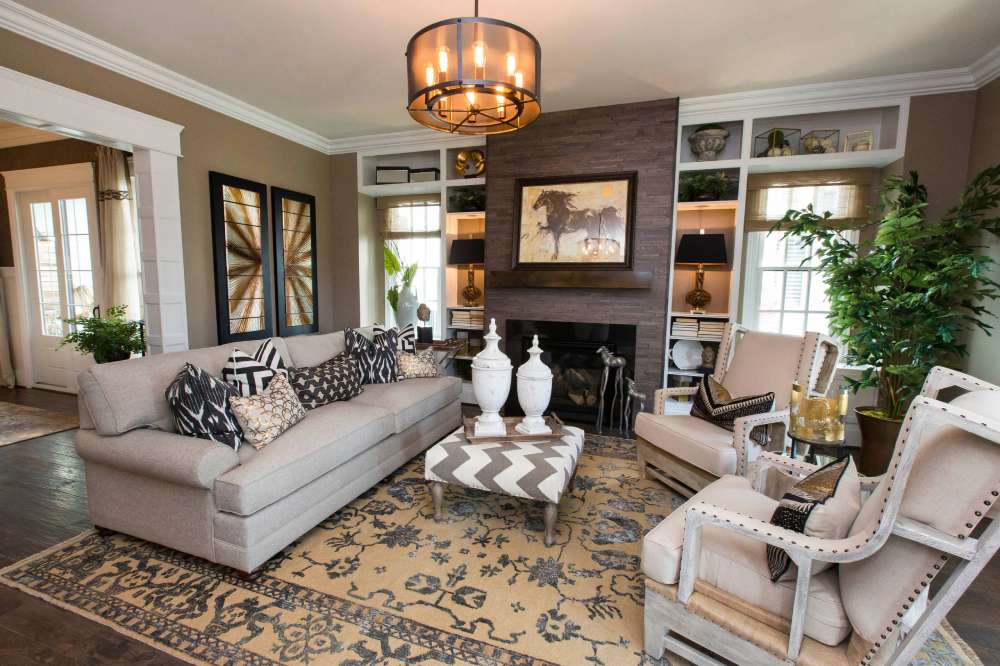
The rule I follow: vary the texture, keep the tone. A cream boucle pillow next to a sand-colored linen pillow next to a taupe velvet lumbar. Three different materials, all within the same tonal family. That layering effect makes a sofa look intentional rather than matchy.
For more detailed combinations, throw pillow combinations and decorative pillow ideas for your sofa both cover the pairing logic for neutral setups. Throws work the same way. A chunky knit blanket draped over a smooth leather armchair creates the kind of tension that keeps a neutral room from feeling one-note.
Art and Decorative Objects in a Neutral Living Room

Image source: Savvy Interiors/ inSIDE by Savvy
Art has more visual weight in a neutral room than in a colorful one. When the walls, sofa, and rug all live within a tight tonal range, whatever you hang on the wall becomes a focal point in interior design by default.
The global home decor market generated $125 billion in revenue in 2025, per Statista. A good chunk of that goes to wall art, decorative accessories, and objects that give rooms personality. In a neutral space, these pieces carry even more responsibility.
Artwork Styles That Work
Abstract: Tonal abstracts in beige, cream, or muted earth tones blend without disappearing. A single large-scale piece above the sofa can anchor the whole room.
Photography: Black-and-white photography or muted architectural shots. Clean, graphic, and they don’t introduce color that fights with your palette.
Line art: Simple, graphic, works well in smaller groupings or as a pair above a console table.
Etsy, Minted, and Juniper Print Shop all carry art specifically suited to neutral interiors. But honestly, a local gallery or even a flea market print in the right frame can work just as well.
Frame Selection
Frames become a visible design element in a neutral room. In a colorful space, the eye skips right past them. Here, they’re part of the composition.
Natural oak frames warm the space. Thin black metal frames add a graphic, modern edge. Plaster or white-washed frames disappear into the wall for a gallery-like feel.
The “one bold piece” approach works well in neutral rooms. One oversized, unframed canvas or a sculptural art piece gives the eye somewhere to land without needing a full gallery wall. But if you do go the gallery route, keep frames consistent in material (not necessarily size) to maintain harmony in interior design.
Shelf and Surface Styling
Bookshelf and coffee table styling in a neutral room is about shape and material, not color.
- Ceramic vessels in matte white, sand, or charcoal
- Hardcover books with neutral spines (or jackets removed)
- Stone objects, carved marble, travertine bowls, soapstone spheres
- Candles in glass or concrete holders
Pottery Barn and CB2 both stock neutral decorative objects designed exactly for this purpose. The trick is varying the heights and shapes. A tall ceramic vase next to a short stack of books next to a round stone object. That variation in form in interior design keeps the arrangement looking curated, not staged.
How to Add Warmth to a Neutral Living Room Without Color

Image source: Sheila Rich Interiors, LLC
The number one complaint about neutral rooms: “It feels cold.”
That usually has nothing to do with the color palette itself. It’s about what’s missing. And what’s missing, nine times out of ten, is life. Personal artifacts, organic shapes, and things that look like someone actually lives there.
Organic Shapes and Curves

Image source: Susan Anderson Design, White Birch Studio
Curved furniture reads as warmer than sharp-angled pieces. A round coffee table feels more inviting than a rectangular one. An arched floor mirror softens a wall of right angles.
BDI’s 2025 trends report notes that curved, soft lines are dominating furniture design right now. Rounded sofas, arched armchairs, sculptural side tables. In a neutral room, these organic forms add the visual warmth that color would otherwise provide.
Live Plants and Dried Botanicals
The global indoor plant market is valued at $16.1 billion in 2025, per Market.us, and is projected to nearly double by 2035. That growth tracks with the broader biophilic interior design movement, which brings natural elements indoors to improve well-being.
In a neutral living room, even one large fiddle leaf fig or a grouping of dried pampas grass changes the feel of the room completely. Green is technically a color, sure, but plants register as “natural element” rather than “color choice.” They get a free pass in neutral schemes.
Personal Artifacts and Vintage Pieces
The difference between “curated neutral” and “cold neutral” comes down to personal objects.
Travel souvenirs. A stack of well-loved books. Inherited pottery. A flea market find that doesn’t match anything but just works. Vintage living room decor adds that human layer, the thing that tells a visitor somebody lives here and has a life outside of an Instagram grid.
Research from Zhong et al. (2022) found that biophilic and nature-connected environments increased well-being by 47% and creativity by 45%. Personal objects and natural elements serve a similar function in a neutral room. They ground the space emotionally.
A small living room fireplace (or even candles clustered on a tray) adds warmth both literally and visually. If you have an unused hearth, how to decorate an unused fireplace covers creative ways to fill that space.
Neutral Living Room Layouts for Different Room Sizes
Layout is where neutral decor gets tricky. In a room with a bold rug or a bright-colored sofa, the furniture naturally creates visual anchors. In a neutral room, you can’t rely on color to define where the eye should go. Placement and proportion do all the work.
The 2025 Houzz Home Study found that 54% of U.S. homeowners undertook renovations in 2024, with living rooms among the most common targets. Getting the layout right before buying a single piece of furniture saves money and frustration.
Small and Apartment-Sized Living Rooms
Keep visual weight low. Leggy furniture (sofas and chairs on visible legs) lets light pass underneath and makes the room feel less packed. Mirrors on a wall opposite a window bounce natural light around, which helps lighter neutrals look their best.
Light-toned neutrals (ivory, soft white, pale greige) make small rooms look bigger. Dark neutrals can work in small spaces, but only with strong lighting and careful furniture selection.
For apartment-specific guidance, small apartment decor covers the layout principles that apply when every square foot counts.
Medium and Standard Living Rooms
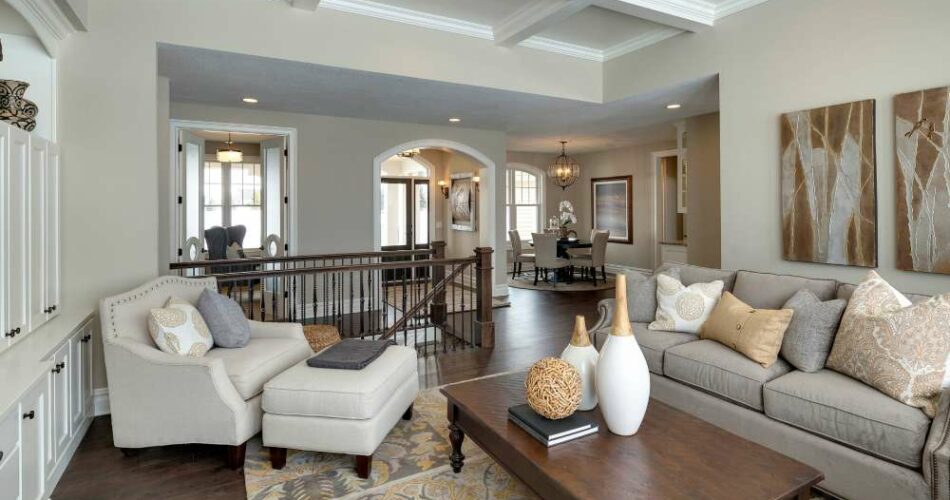
The standard conversation-area layout works best here. Two sofas facing each other, or a sofa plus two accent chairs, with a coffee table centered between them.
In open-plan homes, where the living area flows into the kitchen or dining room, rugs become your primary zoning tool. A well-sized area rug placed under the sofa grouping visually separates the living space from the rest of the floor. According to Apartment Therapy, open-concept layouts remain the most preferred option among buyers, so knowing how to zone within them matters.
Space in interior design is about using what you have intentionally. In a neutral room, every gap and every grouping reads more clearly because there’s no color noise to distract from the layout itself. Scale and proportion become your best tools for making a mid-sized room feel balanced.
Large and Open-Plan Living Rooms
Big neutral rooms can easily drift into “hotel lobby” territory. Everything looks polished but nothing feels personal.
The fix: create intimacy through furniture grouping. Instead of one massive seating arrangement, break the room into two or three zones. A primary conversation area, a reading nook by the window, a small desk or console area. Each zone gets its own rug, its own lighting, and its own personality within the neutral framework.
For tips on dividing a large space without walls, ideas for dividing a large living room walks through the approach with furniture, screens, and shelving. The principles of interior design, especially balance and unity, matter most in large rooms where individual pieces can easily feel disconnected from each other.
FAQ on Neutral Living Room Decor
What colors count as neutral in interior design?
White, beige, taupe, cream, gray, ivory, greige, and soft brown all qualify. These are low-saturation colors that sit outside bold color families. Warm neutrals pull yellow or red undertones. Cool neutrals lean blue or green.
How do you keep a neutral living room from looking boring?
Layer different textures throughout the room. Combine materials like linen, boucle, jute, leather, and wool. Vary surface finishes between matte, sheen, and rough. Texture replaces color as the main source of visual interest.
What is the best sofa color for a neutral living room?
Warm beige, cream, soft taupe, or greige work in most setups. Performance fabrics like linen blends and performance velvet hold up well. Pick a tone that sits in the middle of your palette, not the lightest or darkest shade.
Should I use warm or cool neutrals?
Pick one temperature as your dominant tone and use the other sparingly. Warm neutrals feel cozy and grounded. Cool neutrals feel modern and polished. Mixing both equally without a clear anchor creates visual tension.
What rug material works best in a neutral room?
Wool is the top choice for durability and rich texture. Jute and sisal add an organic, casual feel at a lower price. Cotton flat-weaves work in lighter, relaxed spaces. Layer a smaller patterned rug over a larger natural-fiber base.
How do I add warmth without introducing color?
Use curved furniture, live plants, candles, and personal objects like vintage finds or travel pieces. Natural materials such as wood, stone, and rattan also bring warmth. The goal is to add life, not just more beige.
What wall finish looks best in a neutral living room?
Limewash and eggshell paint are both strong options. Limewash adds depth through subtle tonal variation that shifts with daylight. Eggshell gives a soft sheen that works for most neutral tones without showing wall imperfections.
What lighting temperature should I use?
Stick to 2700K to 3000K for warm white light. This range makes neutral tones look natural and inviting. Daylight bulbs (5000K+) wash out warm colors and can make a cream wall look gray. Always install dimmers.
Can I mix different wood tones in a neutral room?
Yes, but carefully. Pick one dominant wood tone and let others play supporting roles. Mixing oak, walnut, and pine all at equal weight creates visual noise. Two complementary wood tones with one clearly leading usually works best.
What art style fits a neutral living room?
Tonal abstracts, black-and-white photography, and line art all work well. Frame selection matters more here since frames become a visible design element. Keep frame materials consistent across groupings for a cohesive look.
Conclusion
A well-executed neutral living room decor scheme is harder to pull off than a colorful one. Every material choice, every paint finish, every furniture proportion is visible. There’s nowhere to hide.
But that’s also what makes it worth doing. When the layered textures are right, when the warm white walls catch the light from a 2700K bulb just so, when the jute rug grounds the linen sofa and the aged brass lamp ties it all together, the room feels effortless.
Start with your color temperature decision. Warm or cool. Build your earth tone palette from there. Add natural materials like wood, stone, and wool for depth. Then bring in the personal pieces, the vintage finds, the plants, the imperfect objects that make it yours.
Neutral doesn’t mean safe. Done well, it’s the most intentional choice you can make for a living room.
- How Visual Furniture Previews Help You Choose the Right Piece for Your Room - April 13, 2026
- Open Floor Plan Ideas With Industrial Decor - March 31, 2026
- Art Deco Hallway Decor That Wows at First Glance - March 30, 2026