Other
3D Tiles in Bathroom: Layouts for Personalized Aesthetics in Your Bathroom

Discover how 3D tiles in bathroom design transform plain spaces into luxurious retreats with depth, texture, and a personalized feel. As more homeowners seek modern solutions that combine beauty and functionality, 3D tiles for bathroom walls and floors have emerged as a top choice for those wanting to add a custom touch while increasing the value and comfort of their home.
What Are 3D Tiles?
3D bathroom tiles feature raised patterns, embossed textures, and sculptural designs that create shadow play and tactile interest. They can be made from ceramic, porcelain, stone, or glass, adding a dynamic visual layer that turns walls and floors into statement pieces while maintaining practical benefits like water resistance and durability.
Types of 3D Tiles for Bathroom Layouts
Wall Tiles
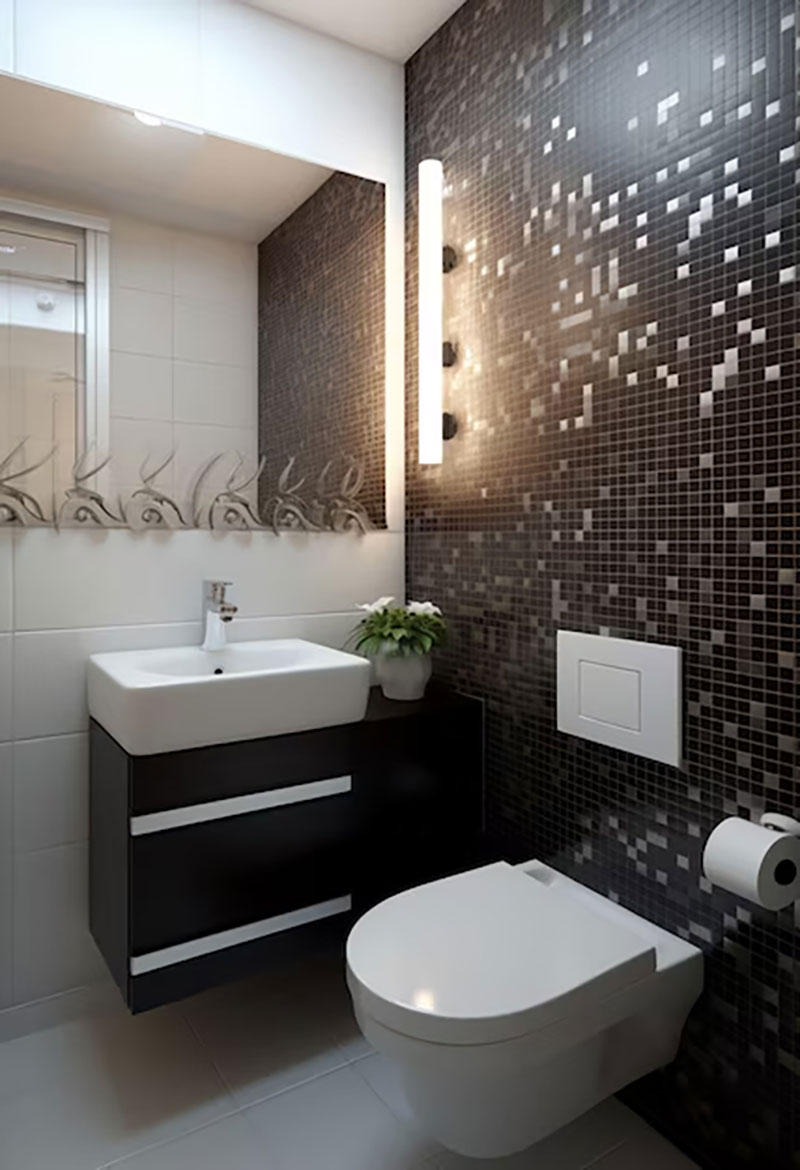
Using 3D tiles for bathroom walls allows you to craft eye-catching accent walls with patterns ranging from geometric lines to organic waves. These tiles can highlight vanities, shower enclosures, or entire feature walls, providing a focal point while still being easy to clean and maintain.
Floor Tiles
3D bathroom floor tiles create visual illusions that can make smaller bathrooms appear larger and more engaging. Options include raised mosaic textures, faux stone patterns, and slip-resistant designs that enhance safety while offering an upscale look.
Tile 3D Bathroom Design Ideas and Inspirations
- Use geometric 3D tiles for a contemporary, structured aesthetic.
- Apply organic, wave-like patterns to create a spa-inspired, tranquil bathroom.
- Install optical illusion floor tiles to expand the visual space of small bathrooms.
- Add LED lighting or under-cabinet lights to emphasize the depth and shadows of 3D tile surfaces for added drama.
How to Choose the Right 3D Tiles for Your Bathroom
- Measure Your Space: Note the size of your bathroom and identify areas for wall and floor tile placement. Large 3D tiles may overpower a small bathroom, while subtle, textured tiles can make compact spaces feel larger.
- Define Your Color Palette: Choose colors that match your existing bathroom fixtures and paint to ensure a cohesive look.
- Check Material Compatibility: Verify that the tile material (ceramic, porcelain, glass) is suitable for wet environments and is slip-resistant for floors.
- Evaluate Texture and Pattern: Select a pattern that aligns with your desired aesthetic, whether it’s geometric for a modern look or organic for a spa feel.
- Assess Maintenance Needs: Consider how easy it will be to clean the textured surfaces, ensuring you’re ready to maintain your tiles regularly.
Installation and Maintenance Tips
- Prepare the Surface: Ensure walls and floors are clean, dry, and level before installation to avoid cracking and misalignment.
- Plan Tile Layout: Dry-lay tiles to align patterns and plan cuts, ensuring seamless transitions.
- Use the Right Adhesive: Choose adhesives suited for 3D tiles and wet areas to provide a strong bond.
- Install Carefully: Place tiles with precision, using spacers to maintain alignment, especially for geometric designs.
- Check Leveling Frequently: Use a level tool as you work to prevent uneven surfaces.
- Seal Grout Lines: Once tiles are placed, seal grout lines to prevent water penetration and staining.
- Consider Professional Help: For a perfect finish, hire experts in tile installation to handle complex patterns.
- Clean Regularly: Use soft, non-abrasive cloths and pH-neutral cleaners to maintain the surface and preserve the raised patterns without scratching.
These steps will help ensure your 3D bathroom tile project is visually striking, functional, and long-lasting.
Benefits and Limitations of 3D Tiles
| Benefits | Limitations |
| Adds luxury and visual depth | Higher upfront cost |
| Enhances space perception | More complex installation |
| Durable, water-resistant | Can require more frequent detailed cleaning |
| Customizable styles | May not suit all design preferences |
Future Trends in 3D Bathroom Tiles
- Antimicrobial Finishes: Future 3D bathroom tiles will feature advanced antimicrobial coatings that actively reduce bacteria and mold growth, making your bathroom cleaner and healthier with less maintenance.
- Smart Tile Integration: Upcoming 3D tile designs will include smart technology such as in-floor heating systems, integrated LED lighting for mood enhancement, and even humidity sensors to improve comfort and functionality.
- Custom On-Demand Printing: Personalized art walls created with on-demand 3D tile printing will allow homeowners to design unique patterns, textures, and even photographic murals that reflect individual style while adding luxury to their bathrooms.
- Eco-Friendly Materials: Expect more sustainable 3D tile options using recycled content and low-energy manufacturing processes, aligning your bathroom remodel with environmentally conscious practices.
- Enhanced Texture Innovation: Future tiles will feature advanced tactile designs that mimic natural materials like stone and wood while providing slip resistance, combining safety with modern aesthetics.
These trends will empower homeowners to create personalized, smart, and hygienic bathroom environments while keeping style and sustainability at the forefront of design.
Conclusion
Incorporating 3D tiles in bathrooms offers a unique opportunity to personalize your space while increasing functionality and style. These tiles can enhance any remodel, making your bathroom a focal point of your home. If you are planning a renovation and plan to do a bathroom remodel in Sacramento, align your design vision with your budget before starting your project.

- Kitchen Color Schemes by Cabinet Color: What Pairs Well - October 19, 2026
- Curtain Colors for Every Wall Color: Safe vs Bold Picks - October 18, 2026
- Interior Design Styles: Find Your Primary and Secondary - October 14, 2026


