Other
How to Improve Your Backyard Swimming Pool Installation
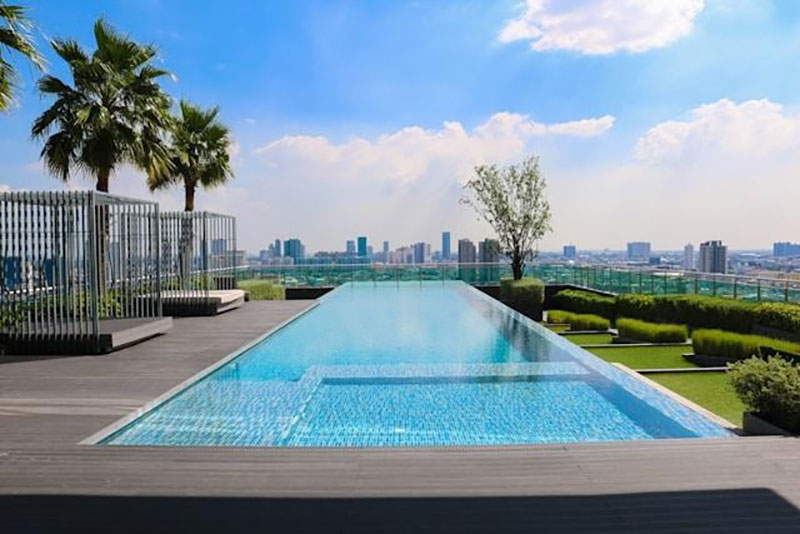
Adding a backyard swimming pool constitutes a significant expenditure that converts your outdoor area into a private retreat. Nevertheless, numerous property owners rush during construction without evaluating essential elements that might improve the pool’s performance and durability.
Concentrating on calculated enhancements throughout the building stage can prevent expensive errors and develop a pool that provides optimal pleasure for many years ahead. Here is how to improve your backyard swimming pool installation.
Choose the Right Location and Orientation
Your pool’s location significantly affects both its functionality and upkeep demands. Site your pool to capture maximum sunlight during daily hours, especially throughout morning and mid-afternoon periods when swimming is most common.
Avoid spots beneath substantial trees, since dropping foliage generates ongoing maintenance needs, and root networks may eventually compromise pool infrastructure. Evaluate typical wind directions in your region, as forceful breezes can increase water loss and complicate pool care. Confirm your selected site offers sufficient seclusion from adjacent properties while preserving convenient access from your residence.
Upgrade Your Filtration and Circulation System
Standard filtration systems frequently fail to deliver ideal water quality and circulation. Consider upgrading to an adjustable-speed pump, which functions more effectively and enables customized flow patterns tailored to your pool’s requirements. Add extra return outlets to remove stagnant areas where debris collects and algae may develop.
When exploring a summer pool care guide for your swimming pool care, you’ll discover that proper circulation becomes even more critical during peak season when higher temperatures and increased usage demand superior water movement. Adding a secondary skimmer or upgrading to a larger main drain improves debris removal and water clarity.
Invest in Superior Excavation and Foundation Work
Your pool installation’s foundation establishes its structural stability for generations. Contractors must conduct soil analysis before excavation since various soil compositions demand particular preparation methods.
Clay-based soils may necessitate enhanced drainage systems, while granular soils could require compression and reinforcement. Guarantee appropriate site grading surrounding the pool zone to channel water away from the structure, avoiding erosion and foundation complications.
Professional excavation includes implementing sufficient drainage networks that guard against water pressure buildup, which can create severe structural harm when inadequately managed during construction.
Plan for Future Technology Integration
Modern pools benefit significantly from innovative technology integration, but retrofitting these systems after installation proves expensive and disruptive. Run conduit for future lighting upgrades, automated chemical systems, and smart pool controllers during installation. Install dedicated electrical circuits for pool equipment, heating systems, and potential additions like waterfalls or fountains.
Consider pre-wiring for underwater LED lighting systems, which consume less energy and last longer than traditional systems, which consume less energy and last longer than traditional pool lights. Planning for technology integration during installation ensures clean installations and reduces future maintenance complications.
Design Comprehensive Deck and Landscape Integration
The pool construction process should incorporate thoughtful planning of adjacent hardscape and landscape components. Select decking materials that harmonize with your home’s design while offering non-slip surfaces that stay pleasant to walk on during warm conditions. Arrange sufficient water management around the pool area to avoid standing water and possible harm.
Incorporate landscaping design that increases seclusion, minimizes wind impact, and reduces debris entering the pool. When choosing vegetation, account for plants’ full-grown dimensions, ensuring they won’t obstruct pool machinery or generate excessive upkeep demands.
Endnote
Proper planning during the installation phase prevents expensive modifications later and ensures your pool provides maximum enjoyment throughout its lifespan. Working with experienced contractors who understand these critical factors results in a superior installation that enhances your property value while delivering years of reliable performance. Taking time to address these five key areas during installation creates a pool that truly becomes the centerpiece of your outdoor living space.

- Kitchen Color Schemes by Cabinet Color: What Pairs Well - October 19, 2026
- Curtain Colors for Every Wall Color: Safe vs Bold Picks - October 18, 2026
- Interior Design Styles: Find Your Primary and Secondary - October 14, 2026


