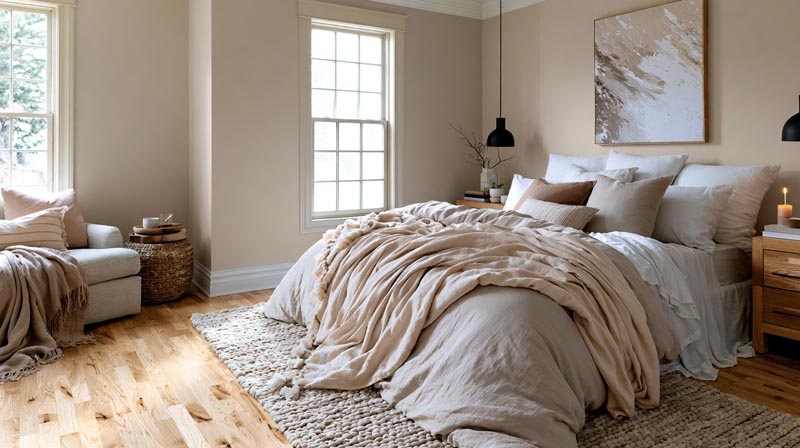
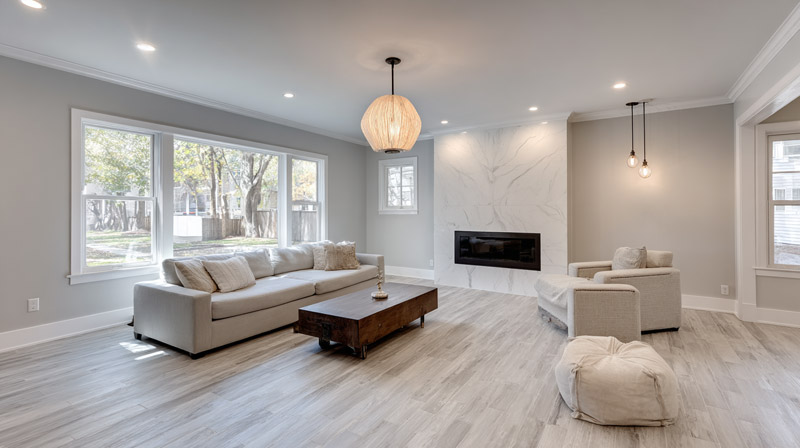
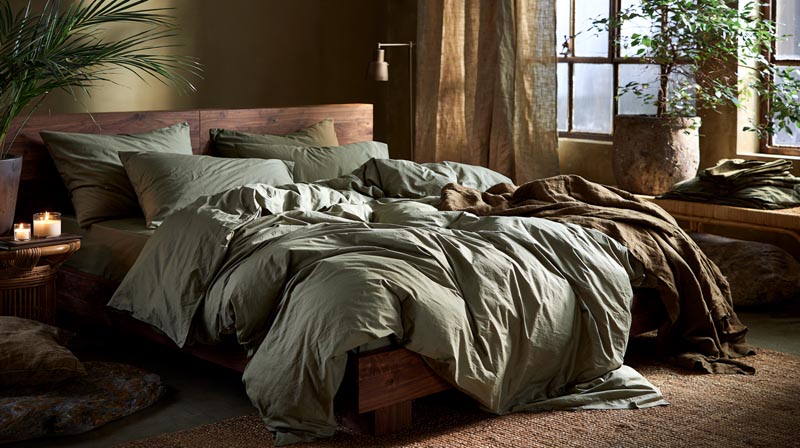
Color Combinations
Paint Colors That Go with Gray Furniture
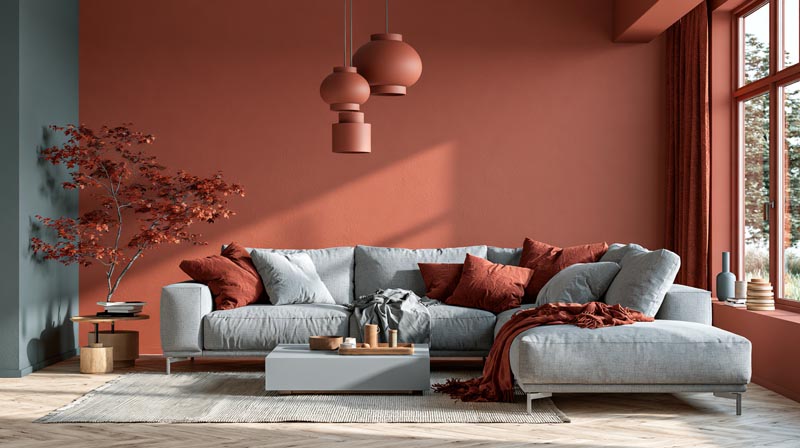
Gray furniture is one of the most versatile anchors in a room, but the wrong wall color can make it look flat, cold, or simply forgettable.
Choosing paint colors that go with gray furniture is not just about picking something that doesn’t clash. It is about understanding undertones, room lighting, and color contrast so the entire space works together.
This guide covers everything from the best living room and bedroom wall colors for gray furniture to how flooring, lighting, and paint finish affect your final result. You will know exactly which colors to use, which to avoid, and why.
For the wall, fabric and accent colors that build on this, see our guide to color combinations.
What Paint Colors Go With Gray Furniture?
8 wall colors that work with gray furniture: white, navy blue, sage green, blush pink, warm taupe, mustard yellow, terracotta, and charcoal. Gray furniture is one of the few anchor pieces that can carry both warm and cool wall tones without conflict.
The catch is that not all gray is the same. A cool blue-gray sofa needs a different wall color than a warm greige sectional. Getting that wrong is the single most common reason a room feels “off” despite good furniture choices.
A Behr survey found that 74% of homeowners struggle to choose a wall color even when they already own the furniture. That number goes down fast once you know the undertone of your gray.
Cool Gray Furniture vs. Warm Gray Furniture: Why the Undertone Changes Everything
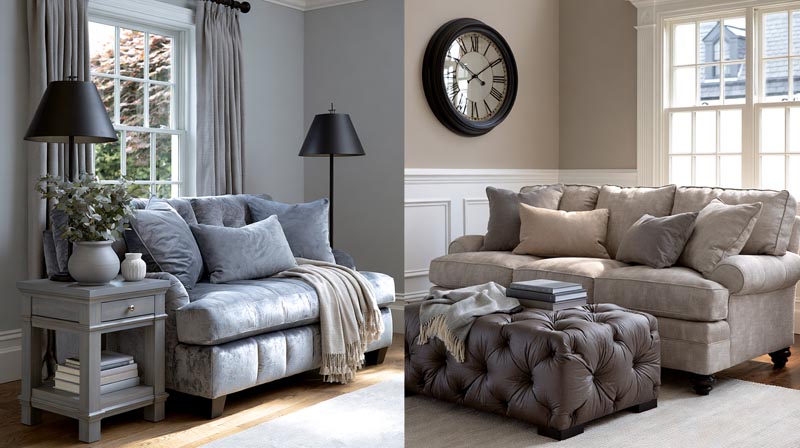
Cool gray furniture has blue, purple, or green undertones. It reads colder in north-facing rooms and needs warmer wall colors to balance it.
Warm gray furniture has beige, brown, or yellow undertones. It reads greige in most lighting and accepts both warm and cool wall tones.
| Gray Furniture Undertone | Wall Colors That Work | Wall Colors to Avoid |
|---|---|---|
| Cool (Blue or Purple Base) | Warm white, sage green, blush pink, and warm taupe balance the cool undertones and create a softer appearance. | Cool blue-green, icy gray, and lavender, which can make the room feel overly cold or monochromatic. |
| Warm (Beige or Brown Base) | Navy, deep teal, terracotta, charcoal, and off-white provide contrast while complementing the furniture’s warmth. | Pure warm beige, as it can blend too closely with the furniture and create a muddy, low-contrast look. |
| True Neutral (No Strong Undertone) | Most wall colors work well, including sage green, navy, white, blush, and other balanced neutrals. | Highly saturated warm reds, which can overpower the neutral gray and dominate the overall color scheme. |
Benjamin Moore notes that identifying warm versus cool undertones is “notoriously challenging” in neutrals. The fix: hold a paint chip next to the actual furniture in the room’s natural light, not in the store.
—
What Wall Colors Work With Gray Furniture in a Living Room?
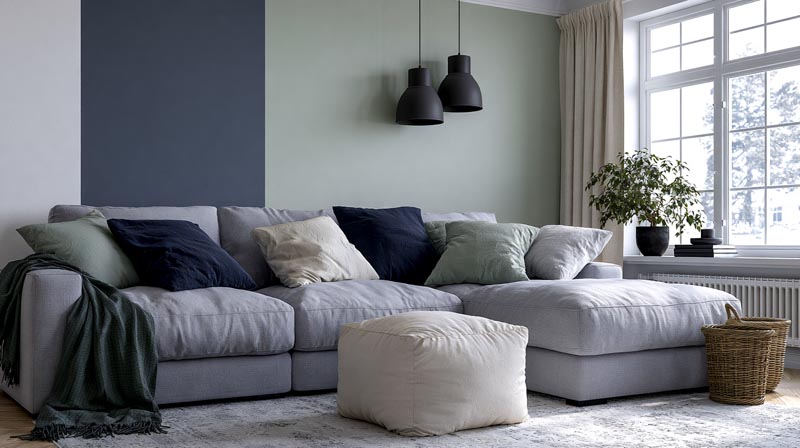
White, navy blue, and sage green are the 3 most reliable living room wall colors for gray furniture. Each works for a different reason: white maximizes light and contrast, navy creates depth, and sage green adds warmth without competing with gray’s neutral base.
A 2024 Fixr.com survey of 71 design professionals found that 81% recommend warm neutrals for interiors, which explains why soft white and off-white continue to dominate living room color schemes paired with gray sofas and sectionals.
White and Off-White Walls With Gray Furniture
White walls with gray furniture work because of high light reflectance. The contrast is clean without being cold.
- Benjamin Moore Chantilly Lace (OC-65): crisp, true white with faint gray undertones. Works especially well with dark charcoal furniture
- Sherwin-Williams Alabaster (SW 7008): soft warm white, slightly creamy. Best with cool gray furniture as it counterbalances the blue base
- Benjamin Moore White Dove OC-17: slightly muted, pairs well with warm gray or greige upholstery
Paint finish matters here. Fixr.com found that 51% of design professionals recommend matte finishes for walls. On white walls next to gray furniture, matte absorbs light rather than competing with reflective upholstery fabric.
Navy Blue Walls With Gray Furniture
Navy is bold, and it earns that choice. Dark walls create a depth that light gray furniture sits against beautifully without disappearing.
Sherwin-Williams forecasters confirmed that shades of blue will remain dominant with consumers through the next decade, based on sales tracking data. Navy consistently performs in that category.
- Works best with light to medium gray sofas or sectionals
- Avoid navy with dark charcoal furniture as both pull the room too dark
- Pair with warm wood floors and brass accents to stop the room from reading cold
Sage Green Walls With Gray Furniture
Sage green sits at the intersection of warm and cool on the color wheel. That’s what makes it work with gray furniture across both undertone types.
Specific picks that hold up well: Sherwin-Williams Rosemary (earthy, works with most gray tones), Benjamin Moore Antique Pewter (muddy green-gray that reads sophisticated), and Farrow and Ball Mole’s Breath (darker, more muted option for rooms with strong natural light).
The 2024 design forecast from Fixr.com ranked deep olive green as the second most popular color palette at 32% of expert preference, trailing only warm white. Sage and olive green occupy the same territory here.
—
What Paint Colors Complement Gray Furniture in a Bedroom?
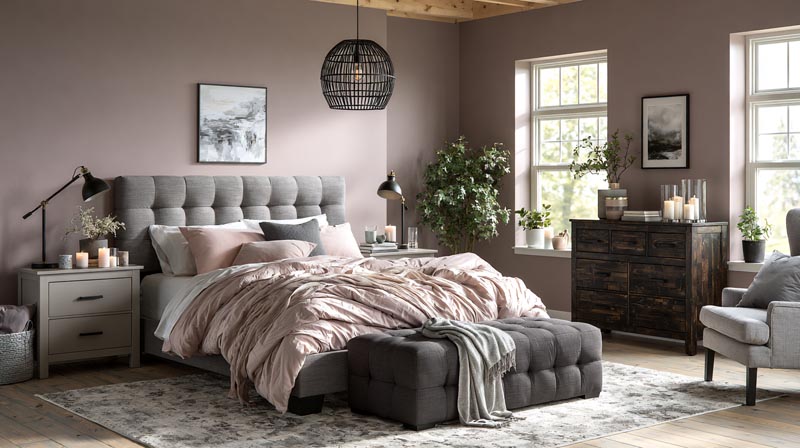
Blush pink, warm taupe, and dusty blue are the 3 strongest bedroom wall color choices for gray furniture. Bedrooms run on different light conditions than living spaces, usually more artificial than natural, which shifts how colors read against gray bed frames and case goods.
Lime Painting’s data from franchise consultations across the US found that homeowners increasingly choose saturated yet calming tones like dusty plum, sage, and deep navy for bedrooms rather than pale pastels.
Blush Pink Walls With Gray Bedroom Furniture
Blush pink and gray is a genuinely underused combination. It works because blush adds warmth that gray furniture lacks without introducing color contrast that would feel jarring in a sleep space.
The pairing depends on which pink you choose, though. Brown-based pinks like Farrow and Ball Dead Salmon or Benjamin Moore Fruit Shake handle the warm-cool balance better than candy pinks with strong red undertones.
Paint finish for bedrooms: eggshell over matte for walls that need occasional cleaning, but matte if the room gets low traffic and you want the color to read true at night under warm bulbs.
Warm Taupe Walls With Gray Bedroom Furniture
Warm taupe is the monochromatic layering option for gray bedrooms. It adds depth without introducing a distinct second color into the palette.
- 2024 trend data confirms warmer taupe variations (blended soft gray with brown) are rising in interior use (Orange Tree Interiors, 2024)
- Works with both cool and warm gray furniture as long as you choose a taupe with brown, not blue, undertones
- Avoid: taupe with pink undertones next to cool gray furniture. It reads purple under incandescent bulbs
—
What Paint Colors Go With Dark Gray Furniture Specifically?
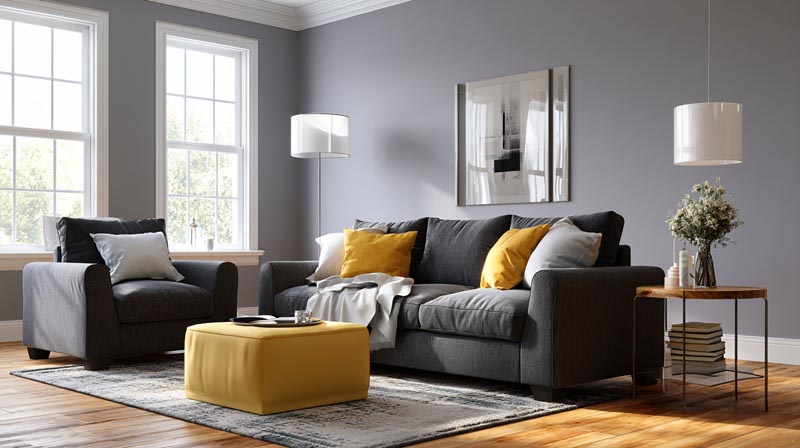
Dark gray furniture needs lighter or higher-contrast wall colors: crisp white, light greige, or mustard yellow. Without contrast, a dark sofa or bed frame pulls the room visually heavy and kills the sense of space.
The US house painting market hit $24.4 billion in 2024 (VanderKolk Painting, 2025), driven partly by homeowners correcting dark, tonally flat room schemes. Dark gray furniture with wrong wall colors is one of the most common triggers for a repaint.
Crisp white walls: highest contrast option, prevents the room from reading heavy. Benjamin Moore Chantilly Lace or Sherwin-Williams High Reflective White are the go-to choices.
Light greige walls: softer contrast, warmer overall. Sherwin-Williams Accessible Beige works here because its gray-beige undertone picks up the furniture’s tone without matching it exactly.
Mustard yellow accent wall: high contrast, adds energy. Works against charcoal furniture in living rooms or home offices. One wall only. Full-room mustard against dark gray is too heavy.
| Wall Color | Best Use With Dark Gray | Specific Paint |
|---|---|---|
| Crisp White | Ideal for entire rooms of any size, creating a clean, high-contrast look with dark gray furniture. | Benjamin Moore Chantilly Lace (OC-65), Sherwin-Williams High Reflective White (SW 7757) |
| Light Greige | A great choice for living rooms and bedrooms, adding warmth while maintaining a soft, neutral palette. | Sherwin-Williams Accessible Beige (SW 7036), Benjamin Moore Pale Oak (OC-20) |
| Mustard Yellow | Best used on a single accent wall in living rooms or home offices to introduce warmth and personality. | Sherwin-Williams Auric (SW 6692), Benjamin Moore Hawthorne Yellow (HC-4) |
| Sage Green | Excellent for living rooms and spaces with charcoal or dark gray furniture, creating a calm, natural feel. | Sherwin-Williams Rosemary (SW 6187), Benjamin Moore October Mist (1495) |
What kills the room: gray walls with dark gray furniture. Both sit in the same tonal range and the room goes flat. Even Sherwin-Williams’ own Color of the Year tracking shows contrast as a consistent driver of satisfied color results.
—
What Paint Colors Go With Light Gray Furniture Specifically?
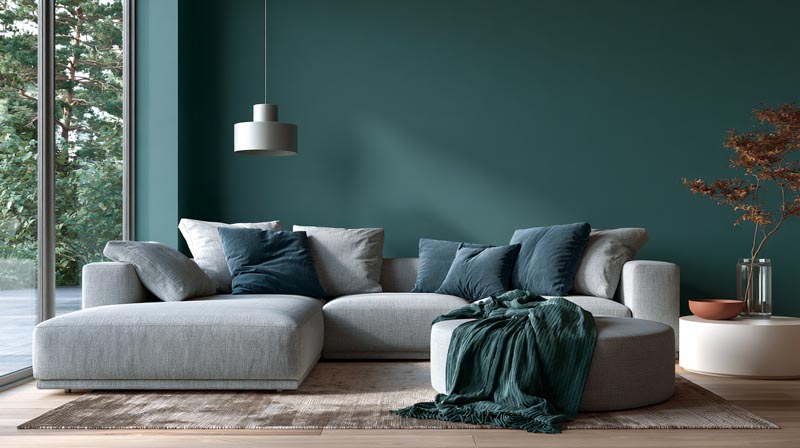
Light gray furniture needs deeper wall tones to give it visual definition. Forest green, slate blue, and terracotta all work. Pairing light gray furniture with light walls creates a flat, low-contrast room that reads as unfinished rather than minimal.
Well, the thing is, this is where most people go wrong. They assume light furniture needs light walls. That logic works for white, not for light gray. Gray needs something to push against.
Forest green walls give light gray furniture strong definition without clashing. Farrow and Ball Mole’s Breath or Sherwin-Williams Rookwood Jade work in rooms with enough natural light to handle the depth.
Slate blue walls create a calm, cohesive palette. They work because blue is already present in most cool-toned light gray furniture, so the pairing feels intentional rather than accidental.
Terracotta walls add warmth that light gray furniture completely lacks on its own. The warm-cool contrast is strong but not harsh. This combination works especially well in rooms with natural wood flooring.
Lighting shifts everything. A north-facing room with light gray furniture and slate blue walls will read significantly colder than a south-facing room with the same combination. Kylie M Interiors notes that bulbs above 3500K compound the cool effect of both gray furniture and blue-leaning walls. Stick to 2700K bulbs in these combinations.
—
What Accent Wall Colors Work With Gray Furniture?
Terracotta, deep teal, and charcoal are the 3 strongest accent wall options for gray furniture rooms. An accent wall solves the contrast problem without committing to a full room repaint.
According to the 2024 Fixr.com report, 46% of design professionals name earthy tones as the dominant color palette, which puts terracotta at the center of the accent wall conversation for neutral furniture rooms.
Terracotta Accent Walls
Terracotta is warm where gray is cool. That contrast is what makes it work as an accent wall behind a gray sofa or alongside gray bedroom furniture.
Specific options: Sherwin-Williams Cavern Clay (a rust-terracotta), Benjamin Moore Moroccan Spice, and Behr Terra Cotta Tile. All three sit in the warm red-brown range rather than the orange-red range, which keeps the pairing sophisticated.
Place the terracotta accent wall behind the main seating area or headboard, not on a side wall. Behind the sofa grounds the furniture and creates a clear focal point in the room. This connects to the principle of focal point design, where one strong element anchors the visual hierarchy.
Deep Teal and Emerald Accent Walls
Deep teal behind gray furniture creates high contrast without the warmth-versus-cool tension that comes with terracotta.
- Works best with light to medium gray furniture
- Use teal behind the sofa in a living room or as a single bedroom accent
- Avoid: teal paired with blue-undertone gray furniture. Both pull cool and the room loses temperature balance
Charcoal and Dark Gray Accent Walls
Tonal layering. A dark charcoal accent wall with medium gray furniture creates depth through value contrast rather than color contrast.
This works in rooms where you want a cocooning, moody feel. It fails in small rooms with limited natural light. The wall reads almost black in low light conditions, which makes the space feel compressed rather than layered.
—
What Colors Should You Avoid Pairing With Gray Furniture?
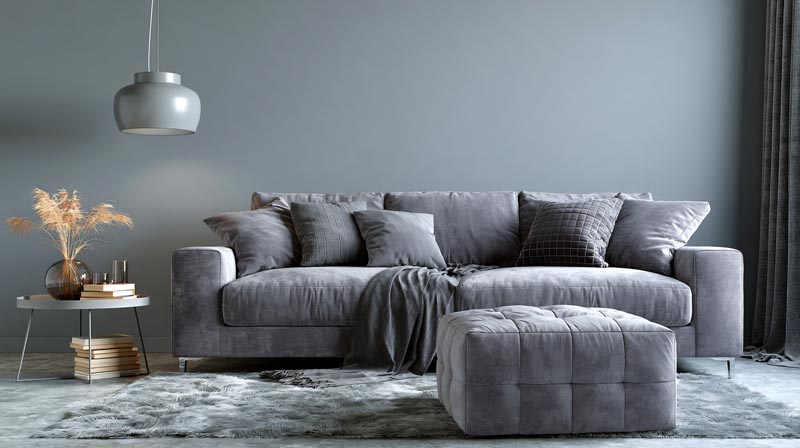
4 combinations consistently produce problem rooms: cool gray furniture plus cool blue-green walls, bright red walls with any gray, warm beige walls with warm-gray furniture, and gray walls with gray furniture.
Understanding how color functions in a room makes these problems predictable and avoidable before you open a paint can.
The Muddy Middle Problem
Warm-beige walls plus warm-gray furniture is the most common mistake. Both share brown undertones and no contrast exists between them.
The room reads as one undifferentiated tone. Furniture disappears into the walls. Adding throw pillows or accessories does not fix this because the base contrast is missing.
Fix: swap the beige for something with actual contrast. Crisp white, deep sage green, or navy all work.
The Cold Compound Effect
Cool gray furniture plus cool blue-green walls plus cool artificial lighting (above 3500K) compounds into a room that reads uncomfortably cold regardless of how much warm-toned decor you add.
- Each individual element is manageable
- All 3 together create a cold, clinical result
- If your furniture is cool-toned, at least 1 of the other 2 variables (wall color or lighting) must pull warm
Gray on Gray
Gray walls with gray furniture is the most frequently regretted color decision in neutral rooms.
The gray-on-gray scheme dominated interiors through roughly 2015 to 2021. By 2023, design professionals were actively steering clients away from it. Elite Trade Painting noted in 2024 that “cool gray is out” and that warm gray with strong contrast had replaced it.
The 60-30-10 color rule is the corrective framework here. Sixty percent dominant color (walls), 30% secondary color (large furniture), 10% accent color (accessories). When walls and furniture share the same dominant color, the rule breaks and the room loses visual harmony.
How Does Flooring Color Affect Which Paint Colors Work With Gray Furniture?
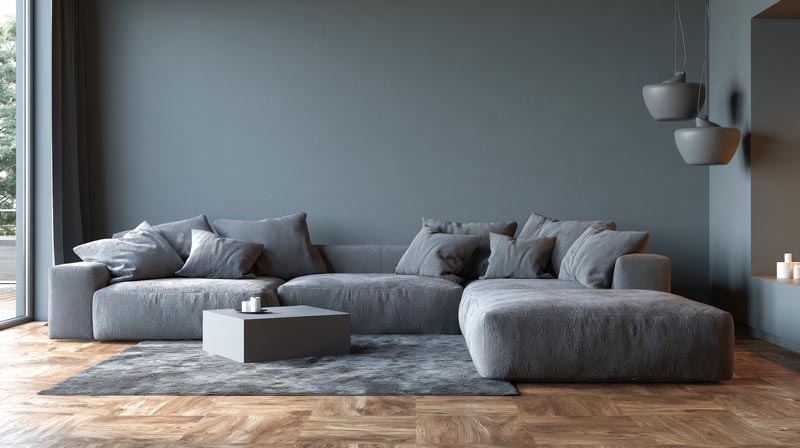
Flooring is the third point in the triangle. Wall color and furniture get the most attention, but the floor undertone can make or break a pairing that works perfectly in isolation.
The rule: match the wall undertone to the floor undertone first, then choose a wall color that contrasts the furniture. Block Renovation’s 60/30/10 principle puts dominant color (walls) at 60%, secondary color (large furniture) at 30%, and accent at 10%. When floor and furniture share the same tonal register, you have no room left for contrast.
Light Wood Floors With Gray Furniture
Light wood floors are the most popular flooring choice for gray furniture rooms. Fixr.com’s 2023 wood floor trend report confirms light wood flooring “remains a perpetually fashionable option” due to its versatility across decor styles.
What works: warm wall colors. The warm honey or blonde undertone in light oak or maple floors pulls the room toward warmth, and gray furniture sits cool against that. Walls need to land somewhere between, not compete with either.
- Sage green or warm olive on walls: picks up the wood tone without matching it
- Off-white like Sherwin-Williams Alabaster: keeps the room light without flattening it
- Warm taupe: ties the floor to the furniture without looking muddy
Avoid cool blue-gray walls with light wood floors and cool gray furniture. All 3 elements compete and none anchors the room.
Dark Wood Floors With Gray Furniture
Dark floors plus gray furniture creates a top-heavy room unless the walls are significantly lighter than both.
Panel Town and Floors’ 2024 flooring guide notes that dark or heavily grained floors suit bolder wall colors like teal, dark blue, taupe, or brown. With gray furniture in the mix, teal and warm taupe are the two strongest options.
Sherwin-Williams Accessible Beige on walls with dark oak floors and medium gray furniture is a combination that holds up in both natural and artificial light. The beige bridges the floor’s warmth and the furniture’s coolness.
Gray Floors With Gray Furniture
Tonal gray rooms. The most challenging combination.
Gray flooring was a dominant trend through 2015 to 2022, but Sherwin-Williams’ own senior design manager noted in 2024 that gray is declining in popularity for flooring specifically. That context matters: if you have gray floors, gray furniture, and gray walls, the room reads dated and flat.
Fix: introduce one strong warm color on the walls. Terracotta, deep teal, or forest green all interrupt the tonal gray loop and give the eye a place to land.
| Floor Color | Best Wall Color With Gray Furniture | Avoid |
|---|---|---|
| Light Wood (Oak, Maple) | Sage green, warm off-white, and warm taupe add warmth and balance to gray furniture. | Cool blue-gray and lavender, which can make the room feel overly cool and washed out. |
| Dark Wood (Walnut, Espresso) | Teal, warm taupe, and crisp white create contrast while complementing the richness of the flooring. | Very dark navy, which can make the space feel heavy and reduce visual contrast. |
| Gray Hardwood or Luxury Vinyl Plank (LVP) | Terracotta, forest green, and deep teal introduce warmth and depth, preventing the room from feeling monochromatic. | Gray walls and cool whites, which can create a flat, overly gray appearance. |
| White or Light Tile | Navy, sage green, and warm blush provide color and warmth while softening the brightness of the flooring. | White walls, as they can make the room feel sterile or overly clinical. |
—
How Does Room Lighting Change Which Paint Colors Work With Gray Furniture?
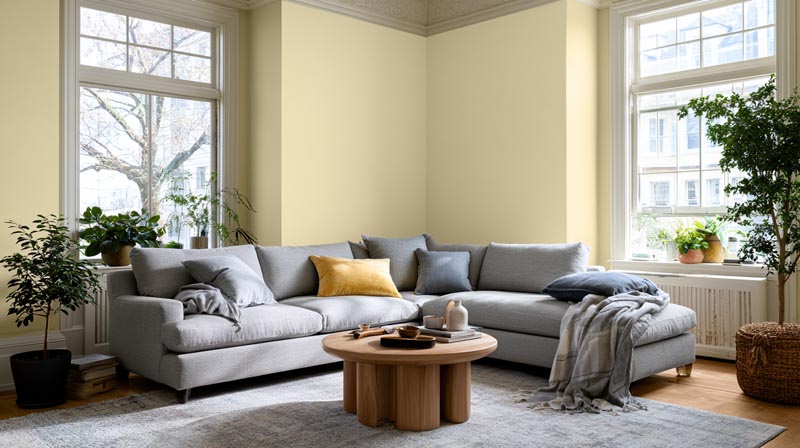
Lighting is the variable most homeowners skip, and it is the one that most often causes regret after painting. The same wall color reads differently in a north-facing room versus a south-facing room, and differently again under warm bulbs versus cool LEDs.
Benjamin Moore states directly that both natural and artificial lighting affect how paint undertones cast, and that light bulbs above 3500K tend to cast cooler. That number matters specifically with gray furniture because cool bulbs amplify whatever blue or purple undertone already exists in the furniture fabric.
North-Facing Rooms With Gray Furniture
North-facing rooms receive indirect, cool light all day. Benjamin Moore describes this light as “muted and toned down,” noting that it can make colors appear flat or chilly.
Gray furniture in a north-facing room compounds the cold read. Both the furniture and the light pull cool. The wall color has to do all the warming work.
- Best wall choices: warm white with yellow undertones, warm sage green, or blush pink
- Avoid: cool blues, gray-green, or icy neutrals. Paintzen’s guide specifically flags gray, blue, green, and lavender undertones as colors to avoid in north-facing rooms
- Bulb temperature: 2700K maximum. Kylie M Interiors confirms bulbs above 3500K compound the cold effect of a gray room
South-Facing Rooms With Gray Furniture
South-facing rooms get the most intense natural light. Paint experts consistently note that this exposure can make light colors wash out and dark colors appear brighter than expected.
Gray furniture in a south-facing room has more flexibility. The strong light reads the furniture as lighter than it actually is, which opens up darker wall color options.
Deep navy, forest green, and teal all hold up in south-facing rooms. Colors that would feel overpowering in a darker space work here because the light prevents them from reading as heavy. This is one reason the same navy wall color that works beautifully in one room can feel oppressive in another room with the same furniture.
Artificial Lighting and Gray Furniture Wall Color
Bulb temperature shifts the entire color palette. This is not a minor variable.
Warm bulbs (2700K): shift cool gray furniture toward a greige appearance. Wall colors that seemed too warm in store swatches often work perfectly under these conditions.
Cool LEDs (4000K or above): push gray furniture toward blue or purple. Sage green walls can suddenly read greenish-gray. Blush pink can look lavender. Test paint swatches in the room at night under your actual bulbs before committing.
—
What Paint Finishes Work Best on Walls Paired With Gray Furniture?
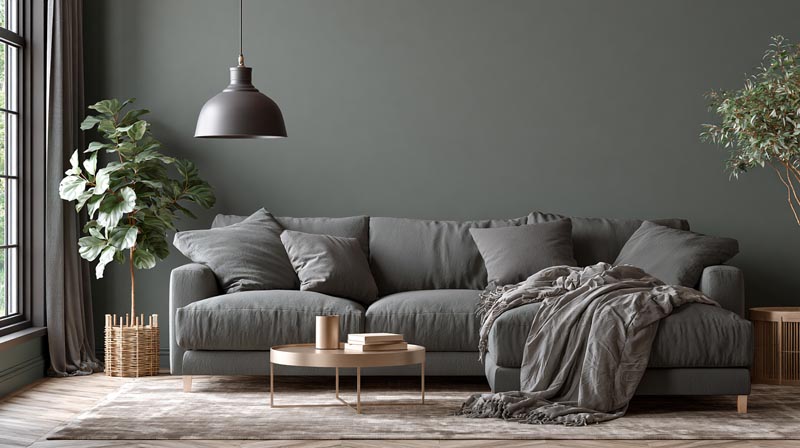
Matte and eggshell are the 2 finishes that work on walls next to gray furniture. Satin belongs on trim and accent walls only. Semi-gloss stays on doors and woodwork.
Paint finish affects how light bounces off walls and back onto the furniture. Satin finish on walls next to high-sheen upholstery fabric creates competing reflections that read as visual noise. Fixr.com’s 2024 design survey found 51% of professionals prefer matte finishes for homeowner wall projects, with the rest split mostly between eggshell and natural finishes.
Matte Finish Walls
Matte absorbs light rather than reflecting it. Next to gray furniture, that absorption creates depth and softens the boundary between wall and furniture.
Best for: bedrooms, dining rooms, low-traffic living rooms. Benjamin Moore notes matte “lends a luxurious touch to interior spaces” and handles frequent washing in their Regal Select Matte line.
The tradeoff: matte shows scuffs more easily than eggshell. In rooms with kids, pets, or high activity, eggshell is the practical upgrade.
Eggshell Finish Walls
The most versatile choice for wall color next to gray furniture. Eggshell has just enough sheen to reflect color accurately without competing with the furniture.
Bob Vila’s finish guide explains that eggshell “reflects almost no light” and has a “negligible luster,” but provides better cleanability than matte while still hiding wall imperfections. That combination makes it the default recommendation for living rooms and bedrooms with gray sofas, sectionals, or case goods.
Use eggshell when: the room has moderate foot traffic, the walls are imperfect, or you want the wall color to read exactly as it appears on the paint chip.
Satin on Accent Walls
Satin on a single accent wall next to gray furniture creates a deliberate contrast in surface quality. The sheen draws the eye to that wall specifically, which works when the accent wall is positioned to serve as a focal point.
Bob Vila notes satin “sharpens the contours of walls to add depth to small spaces.” In rooms where the accent wall is behind a gray sofa, that depth effect grounds the furniture and makes the seating arrangement feel intentional.
Avoid satin on full-room walls next to fabric-heavy gray furniture. The glare from satin at certain angles flattens the fabric texture of the furniture and makes the room look inconsistently lit.
| Finish | Best Use With Gray Furniture | Avoid When |
|---|---|---|
| Matte | Ideal for bedrooms, dining rooms, and low-traffic living rooms where a soft, non-reflective finish is desired. | Homes with children or pets, as it is more difficult to clean and can show scuffs. |
| Eggshell | A versatile choice for living rooms and most interior wall surfaces, offering a subtle sheen and good durability. | Bathrooms or other high-moisture areas where greater moisture resistance is needed. |
| Satin | Best reserved for a single accent wall to add subtle depth and durability. | Using it on all walls next to upholstered gray furniture, where the added sheen can create unwanted glare. |
| Semi-Gloss | Recommended for trim, doors, baseboards, and moldings to provide a durable, easy-to-clean finish. | Wall surfaces adjacent to gray furniture, as the high sheen can emphasize imperfections and compete with the furniture’s softer texture. |
A note on light in interior design: finish choice is essentially a lighting decision. Matte diffuses, eggshell softly reflects, satin amplifies. Match the finish behavior to how much natural and artificial light hits that specific wall, not just to the room in general.
FAQ on Paint Colors That Go With Gray Furniture
What wall color goes best with a gray sofa?
White, navy blue, and sage green are the strongest choices. White maximizes contrast, navy adds depth, and sage green introduces warmth without competing with the gray. The right pick depends on whether your sofa leans cool or warm in its undertone.
Does gray furniture go with warm or cool wall colors?
Both, but not randomly. Cool gray furniture needs warm wall colors to balance it. Warm gray furniture accepts both tones. Identify the undertone of your specific gray first, then choose the wall color accordingly.
What colors should you avoid with gray furniture?
Avoid gray walls, cool blue-green walls paired with cool gray furniture, and warm beige next to warm-gray upholstery. These combinations either flatten the room or create a muddy, tonally confused result with no contrast.
Does white go with gray furniture?
Yes. Crisp white like Benjamin Moore Chantilly Lace or Sherwin-Williams Alabaster works with most gray furniture. Off-white with warm undertones works best alongside cool gray pieces, as it counterbalances the blue base in the fabric.
What paint color makes a gray living room feel warmer?
Warm taupe, sage green, or blush pink on the walls all add warmth to a gray living room. Switching light bulbs to 2700K also helps significantly. Warm undertones in wall color counteract the cool read of gray upholstery.
Can you use dark wall colors with gray furniture?
Yes, but only with the right gray. Light to medium gray furniture sits well against deep navy, forest green, or charcoal walls. Dark gray furniture against dark walls removes all contrast and makes the room feel heavy and tonally flat.
What paint color goes with a dark gray couch?
Crisp white, light greige, or mustard yellow on a single accent wall all work with a dark gray couch. Light colors provide contrast so the sofa doesn’t pull the room down visually. Avoid dark or cool-toned walls with charcoal furniture.
How does flooring affect which wall color works with gray furniture?
Flooring undertone directly limits wall color choices. Light wood floors push toward warm wall colors. Gray floors need a strong contrasting wall tone like terracotta or forest green. Matching all three in the same cool register creates a flat, toneless room.
What paint finish should I use on walls next to gray furniture?
Matte or eggshell. Matte absorbs light and softens contrast, making it ideal for bedrooms. Eggshell is the most practical choice for living rooms. Satin on full-room walls competes with upholstery fabric and creates visual noise at certain angles.
Does the direction a room faces change which colors work with gray furniture?
Yes. North-facing rooms need warm wall colors to offset the cool, indirect light that amplifies gray furniture’s cold read. South-facing rooms handle deeper, bolder wall colors. Room orientation shifts how every color reads against gray.
Conclusion
This conclusion is for an article presenting the full range of wall color combinations for gray furniture, from living room paint schemes to bedroom palettes, accent wall options, and finish choices.
Gray furniture works with more wall colors than most people expect. The decision comes down to undertone, room orientation, flooring tone, and how much contrast you want.
White, navy, sage green, terracotta, and warm taupe are reliable across most gray furniture types. Matte and eggshell finishes keep wall surfaces from competing with upholstery fabric.
Test paint swatches in your actual room, under your actual lighting, before committing. A color that looks right on a chip can read completely differently next to a gray sectional at night.
Get the undertone right, and the rest of the color scheme follows.

- Kitchen Color Schemes by Cabinet Color: What Pairs Well - October 19, 2026
- Curtain Colors for Every Wall Color: Safe vs Bold Picks - October 18, 2026
- Interior Design Styles: Find Your Primary and Secondary - October 14, 2026