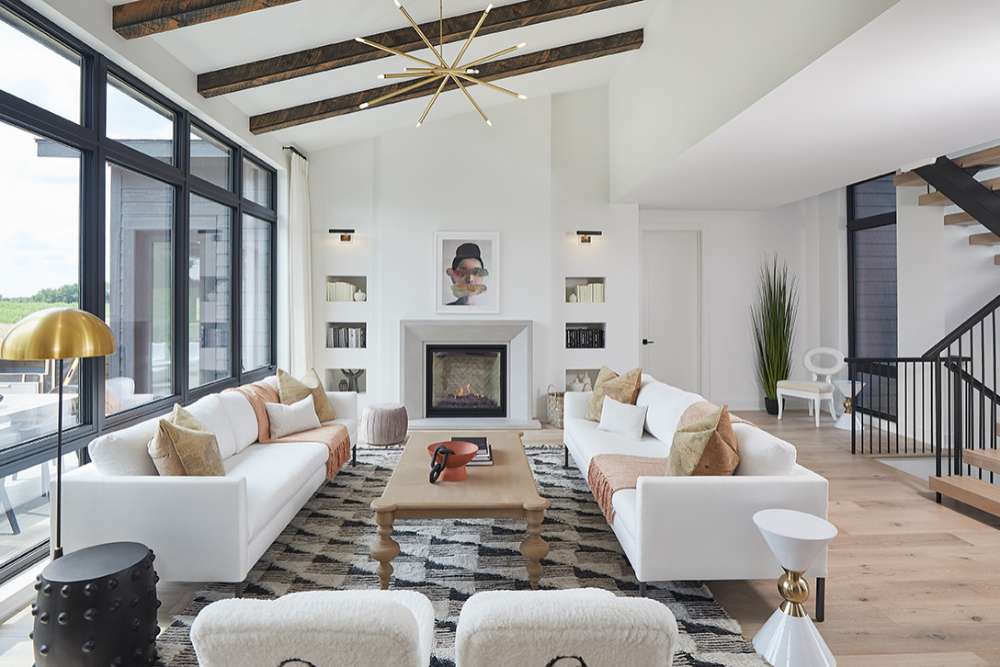
A good-looking living room doesn’t require a big bank account. It requires better decisions about where the money goes.
Budget living room decor is about working with $500 or less and making the room feel like you spent five times that. Thrift store finds, DIY projects, affordable textiles, and smart furniture choices do most of the heavy lifting here.
This guide covers where to shop for cheap living room pieces, which items deserve your money and which don’t, and how to arrange everything so it looks intentional rather than random. From IKEA staples and Dollar Tree storage to slipcovers, gallery walls, and LED lighting swaps, every section focuses on real products at real prices.
What Is Budget Living Room Decor?
Budget living room decor is the practice of decorating a living room while keeping total spending under $500, or roughly under $50 per individual item.
That number isn’t random. A 2024 Opendoor report found that Americans spend an average of $1,599 per year on home decor. Budget decorating means coming in well under that average, without making the room look like you cut corners.
There’s a difference between “cheap” and “budget.” Cheap means grabbing whatever costs least. Budget means making intentional choices about where money goes and where it doesn’t.
Common Budget Tiers for a Living Room
| Budget Tier | Total Spend | What You Can Do |
|---|---|---|
| Minimal refresh | Under $100 | New throw pillows, a plant, wall art |
| Mid-range update | $100 – $300 | Rug, curtains, lighting swap, decor |
| Full room makeover | $300 – $500 | Sofa slipcover, rug, art, textiles, shelving |
Budget decorating overlaps with DIY projects, thrift store shopping, and minimalist interior design thinking. The idea is to be selective, not to fill every surface.
Grand View Research valued the global home decor market at $960 billion in 2024, growing at 9.4% annually. Textiles (rugs, curtains, cushions) are the fastest-growing product category in that market. That matters for budget decorators because textiles are also the cheapest way to change how a room looks.
Where to Buy Affordable Living Room Decor
Knowing where to shop matters more than knowing what to buy. The same style of throw pillow costs $8 at one store and $45 at another.
According to SwiftBeacon data, 55.45% of consumers say price is the top reason they buy home decor online. Nearly half (48.82%) are drawn specifically to deals and promotions on digital platforms.
Online Retailers Worth Checking
IKEA remains the go-to for flat-pack furniture and affordable textiles. Their LACK side table runs about $13. The Kallax shelf unit works as a room divider, bookshelf, or TV stand for under $70.
Amazon Basics, Wayfair clearance, H&M Home, and Temu all carry living room pieces under $30. Shein Home has been expanding into throw pillow covers, curtains, and small decor items that rarely top $15.
The trick is filtering by price low-to-high and ignoring the promoted listings at the top.
Thrift Stores vs. Discount Retail
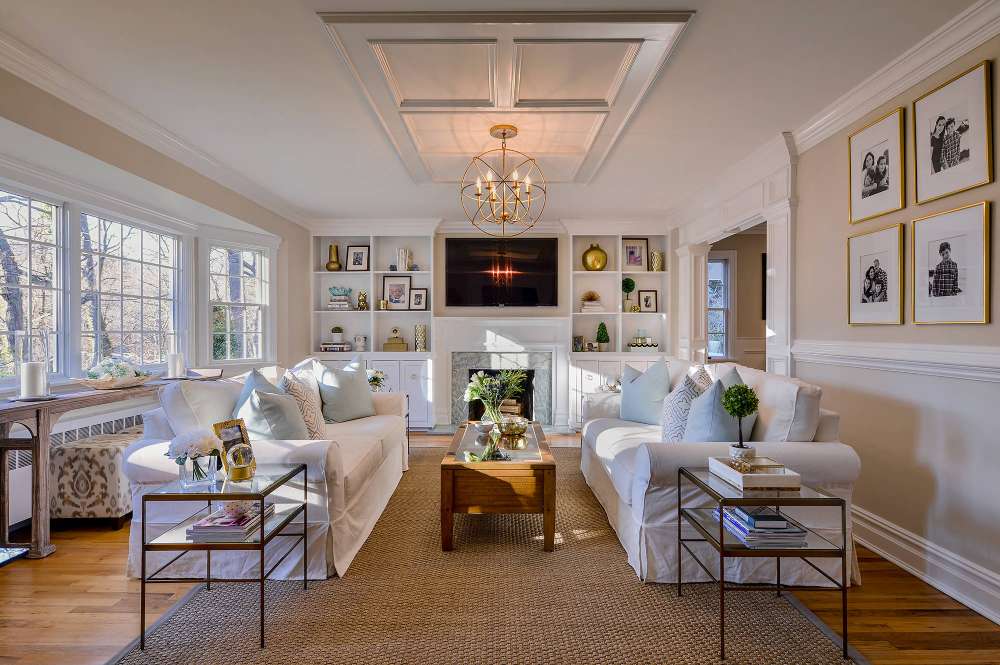
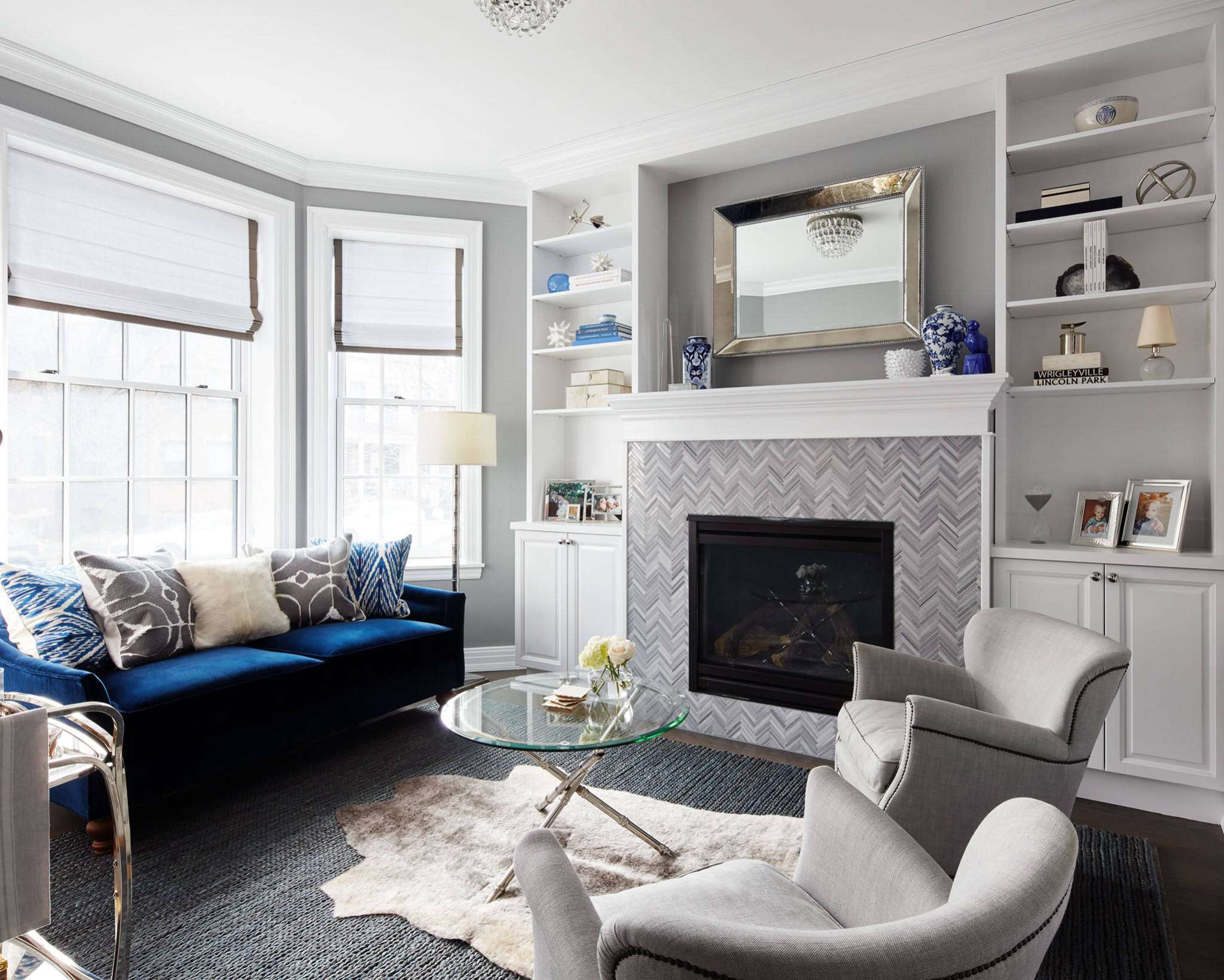
Image source: Jeanne Campana Design
The secondhand furniture market hit $40.2 billion globally in 2024 and is growing at 8.1% per year, according to Market.us research. Sofas and couches make up nearly 30% of all secondhand furniture sales.
Best for thrift stores: Frames, mirrors, side tables, lamps, vases, and decorative objects. These items hold up well and cost 80-90% less than retail.
Best for discount chains: HomeGoods, TJ Maxx, and Five Below for new textiles, candles, and small accent pieces. Dollar Tree works for vases and basic storage baskets.
Facebook Marketplace and OfferUp are where the real deals on larger items live. Mordor Intelligence data shows online marketplaces held 41.31% of secondhand furniture sales in 2024. Goodwill, Habitat for Humanity ReStore, and estate sales round out the sourcing list for bigger finds.
Timing Your Purchases
Prices drop after major holidays, especially in January and right after Labor Day. Post-holiday clearance at Target and Walmart can cut decor prices by 50-70%.
End-of-season rug sales at Rugs USA and Wayfair are some of the best deals all year. Stock rotates, and last season’s pattern sells for a fraction of its original price.
Budget Sofa and Seating Options
The sofa is the most expensive single item in any living room. It’s also the one piece that determines how the whole room feels. Getting this right on a budget takes some strategy.
Statista data shows average U.S. furniture spending per household hit $648 in 2024. That’s total furniture, all rooms. So blowing $600 on a couch alone doesn’t leave much for anything else.
New Sofas Under $400
The IKEA Friheten sleeper sofa hovers around $400 and doubles as a guest bed. It’s been a budget favorite for years for a reason.
Walmart’s Mainstays line offers basic sofas starting around $200. They won’t last a decade, but for an apartment or a first living room, they work. Amazon’s Rivet brand (when on sale) hits a slightly higher quality tier without crossing the $400 line.
Futons and convertible seating still make sense for small spaces or rooms that serve double duty. They’ve come a long way from the flimsy college dorm versions.
When to Refresh Instead of Replace
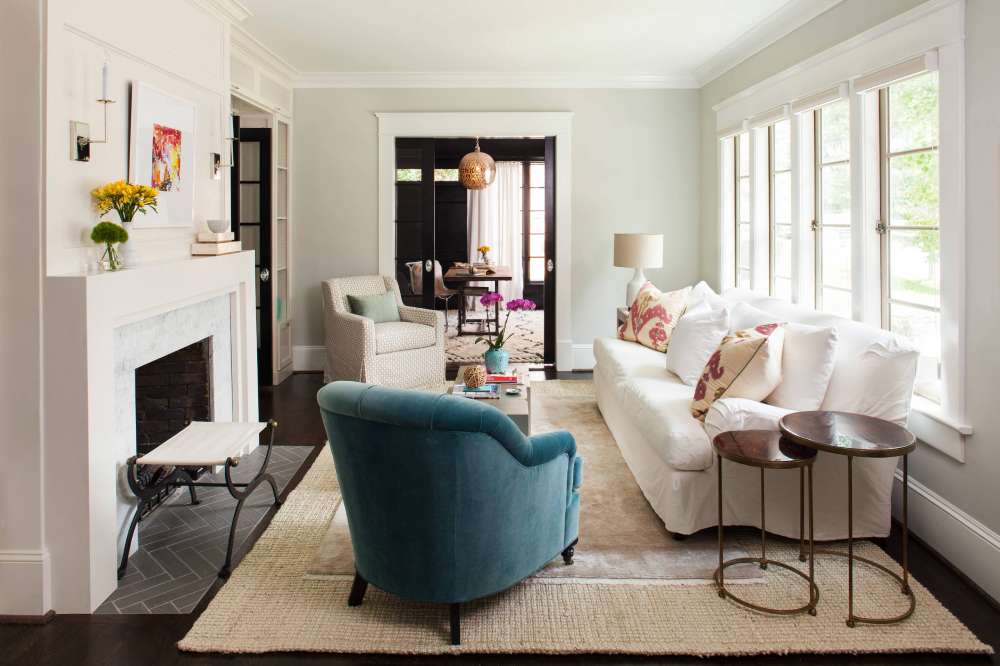
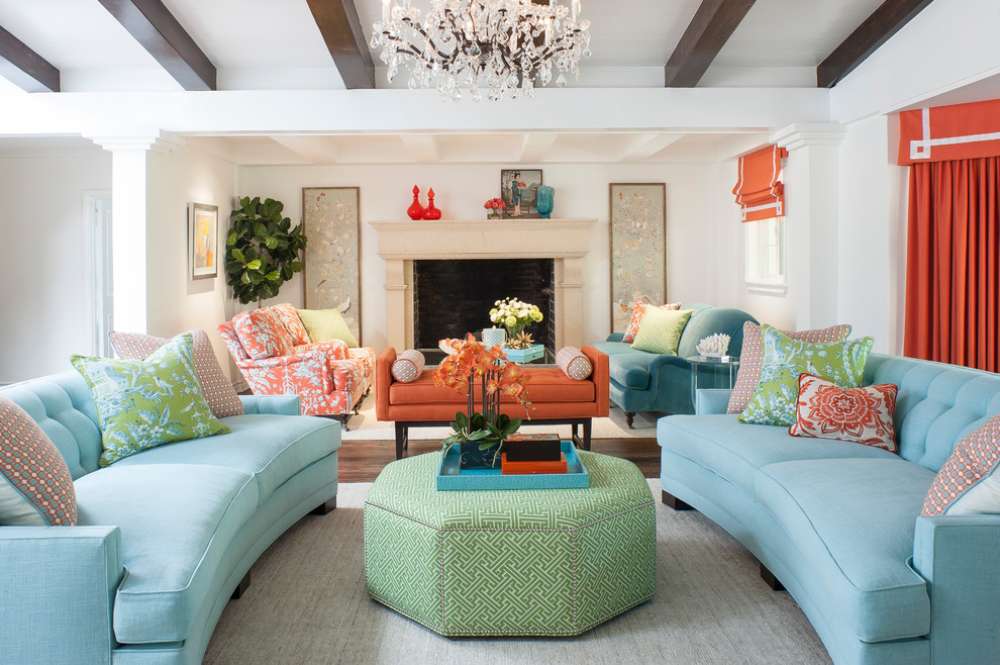
Image source: Terracotta Design Build
Slipcovers cost between $30 and $80 and completely change the look of an existing sofa. That’s the move if the frame and cushions are still solid but the fabric looks dated or stained.
The 2023 American Housing Survey found that homeowners completed over 50 million DIY projects that year, spending a combined $125 billion. A significant chunk of that was furniture refreshes, not full replacements.
Floor cushions, poufs, and secondhand armchairs also work as sofa alternatives. A pair of thrifted accent chairs plus a few floor cushions can seat four people for under $100 total if you shop carefully.
Wall Decor Ideas That Cost Almost Nothing
Bare walls are the most visible sign of an unfinished room. They’re also the cheapest problem to fix.
SwiftBeacon research shows Americans spent an average of $1,155 on home art in 2024, with the priciest single piece averaging $307. You can beat those numbers by a huge margin.
DIY Gallery Walls
Free printable art is everywhere online. Sites like Unsplash, Pexels, and various Etsy sellers offer downloadable prints for $0 to $5. Pair those with thrifted frames (usually $1-$3 at Goodwill) and you have a gallery wall for under $20.
Personal photos work just as well. A row of black-and-white family photos in matching frames looks intentional and polished. The trick is keeping the frame style or color consistent while varying the sizes.
Accent Walls on a Budget
An accent wall doesn’t require paint or permanent changes. Washi tape, removable wallpaper, and contact paper can create bold patterns that peel off without damaging walls. Perfect for renters.
Peel-and-stick wallpaper has exploded in popularity. A 2024 Urban Land Institute study found that 53% of renters under 35 treat their decor as mobile assets they plan to take with them when they move.
Hanging textiles, like a woven tapestry, a large scarf, or a vintage quilt, fills a big wall for almost nothing. Plate walls using mismatched thrifted plates cost a few dollars and add a collected, eclectic look.
Mirrors as a Budget Power Move
Thrift store mirrors go for $5 to $15 and do two things at once. They act as wall decor and make a small room feel larger by reflecting light.
A single oversized mirror leaned against a wall creates a focal point without drilling a single hole. Grouping smaller mirrors of different shapes gives you visual variety for the cost of one new piece from a retail store.
Budget-Friendly Lighting That Changes a Room
Lighting is the most underrated budget upgrade. Swap the light sources in a room and it looks like you spent ten times what you actually did.
The decorative lighting market was valued at $41.6 billion in 2024, according to Grand View Research. LED adoption in homes jumped from 4% to 47% between 2015 and 2020. That’s relevant because LED bulbs are both the cheapest and the most versatile option for budget decorators right now.
String Lights and LED Strips
A strand of warm-white string lights costs under $10 on Amazon. LED strip lights run about $12-$15 for a full roll. Both create ambient lighting that overhead fixtures can’t match.
LED strip lights behind a TV, under a shelf, or along a ceiling edge add depth to a room for pocket change. The U.S. Department of Energy reports that LEDs use at least 75% less energy than incandescent bulbs, so they barely move the electricity bill.
Thrifted and Clearance Lamps
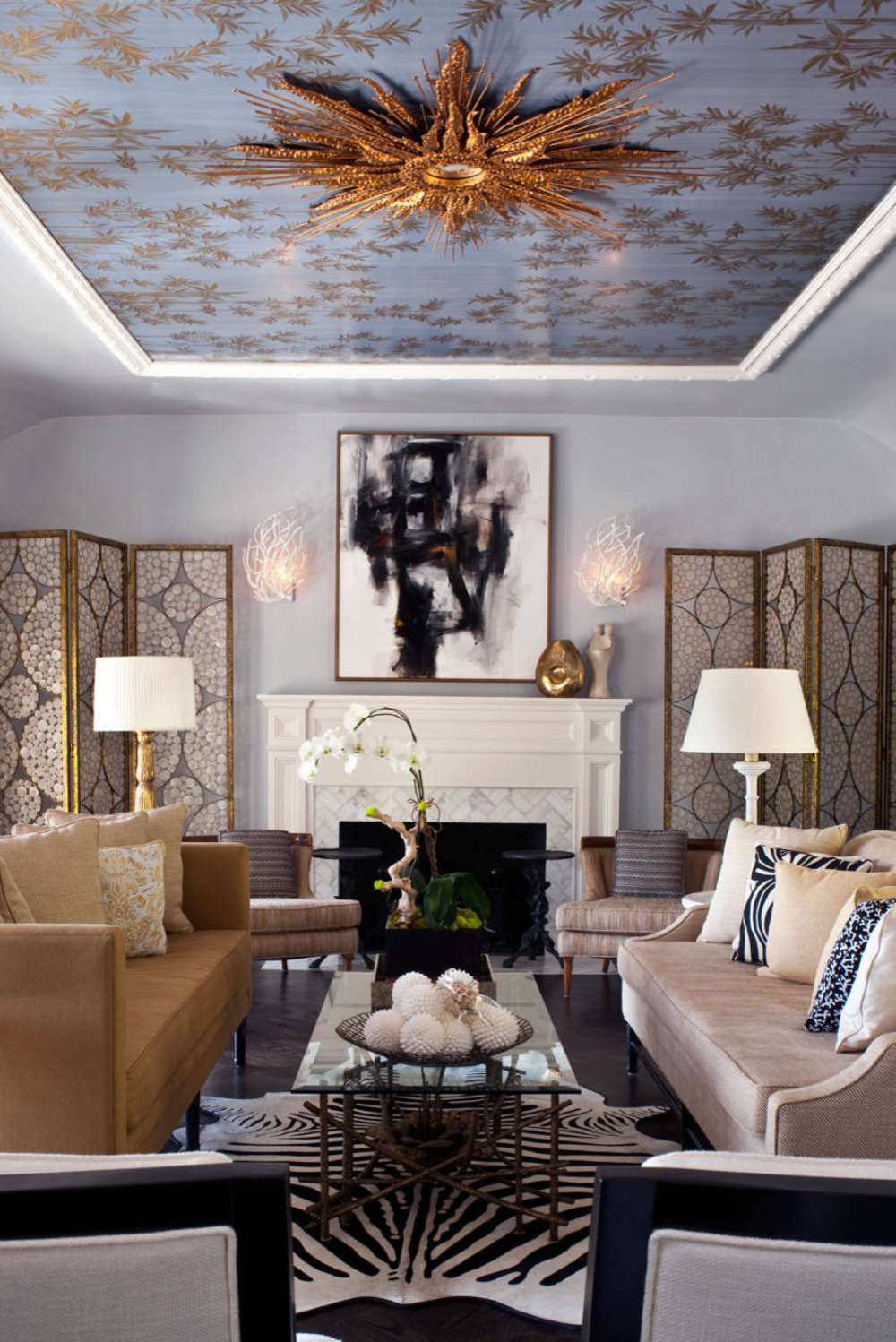
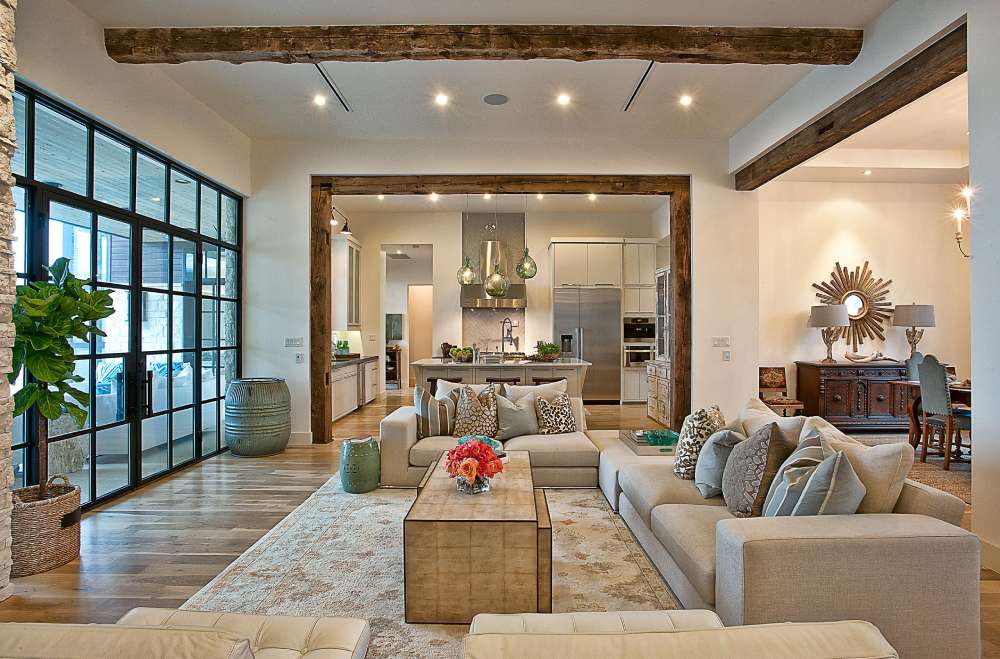
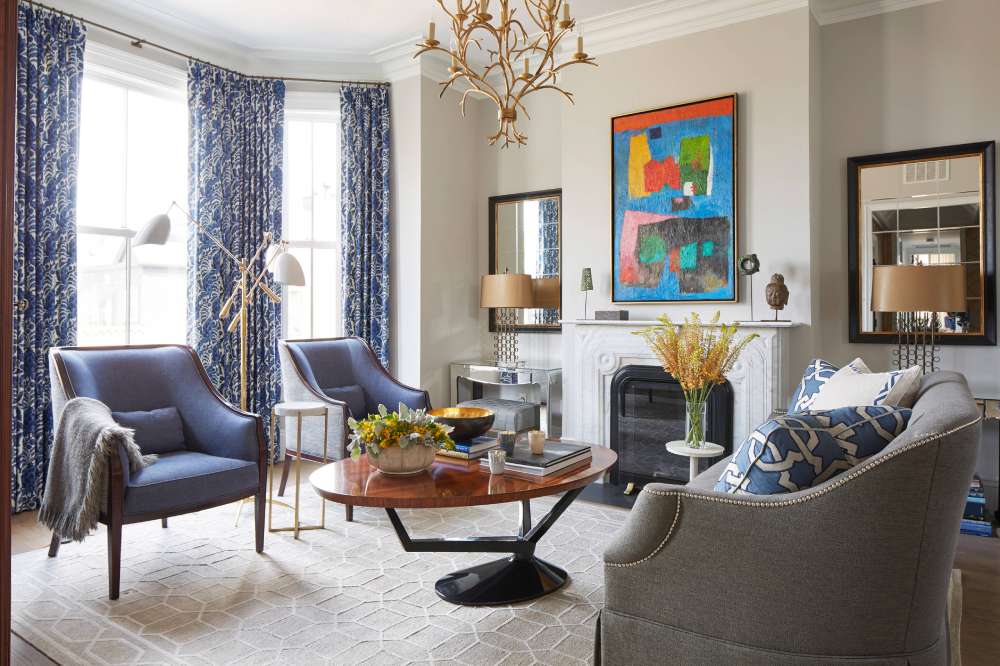
Image source: Elizabeth Gordon
Floor lamps: $5-$15 at Goodwill or ReStore. A quick coat of spray paint (under $5) and a new shade make them look custom.
Table lamps: TJ Maxx and HomeGoods regularly have these for $15-$25. Target clearance drops them even lower.
Swapping just the lampshade on an existing lamp refreshes the whole look without replacing anything. A $10 drum shade from Amazon changes a dated lamp into something current.
Smart Bulbs for Color and Mood
SNS Insider research shows smart home lighting adoption surged 27% since 2020. Budget smart bulbs from Wyze or basic Philips LED options start around $8 each and let you adjust color temperature from your phone.
Warm light (2700K-3000K) makes a living room feel cozy. Cool light makes it feel clinical. One bulb change, zero furniture moves, completely different vibe.
P&S Market Research notes that residential lighting accounts for about 15% of total household electricity, and switching to LEDs saves roughly $225 per year. So a task lighting upgrade with LEDs pays for itself within months.
Rugs, Pillows, and Textiles on a Budget
Textiles are the fastest way to add color and texture to a living room without spending much. They’re also the easiest things to swap out seasonally.
Market Data Forecast research shows home textiles and floor coverings are projected to grow at 9.4% annually through 2033. That growth is driven partly by renters and budget-conscious buyers who update rooms through soft furnishings rather than furniture.
Affordable Rug Sources
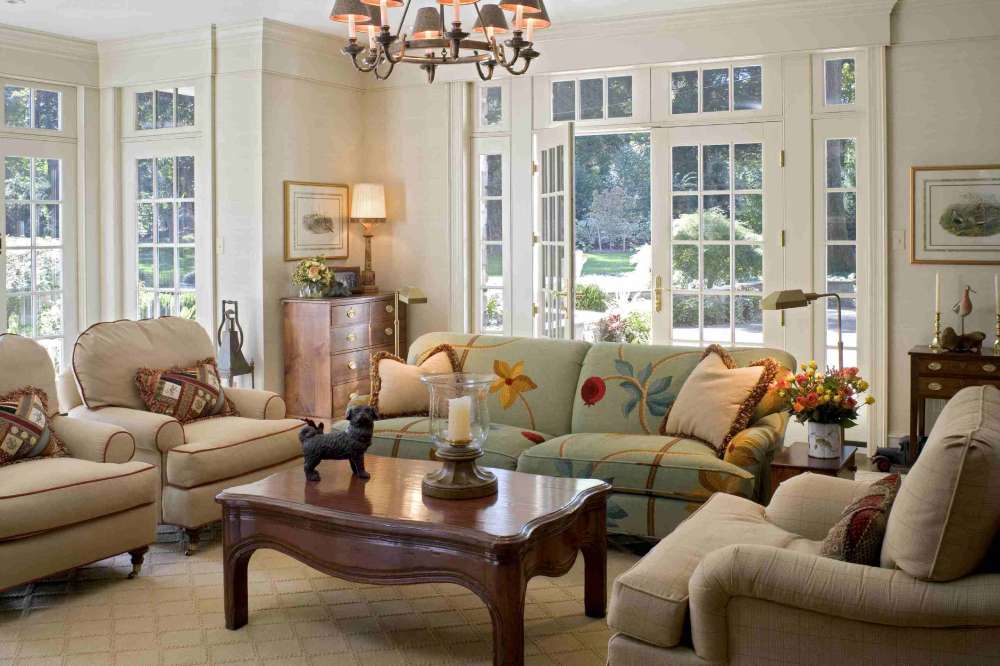
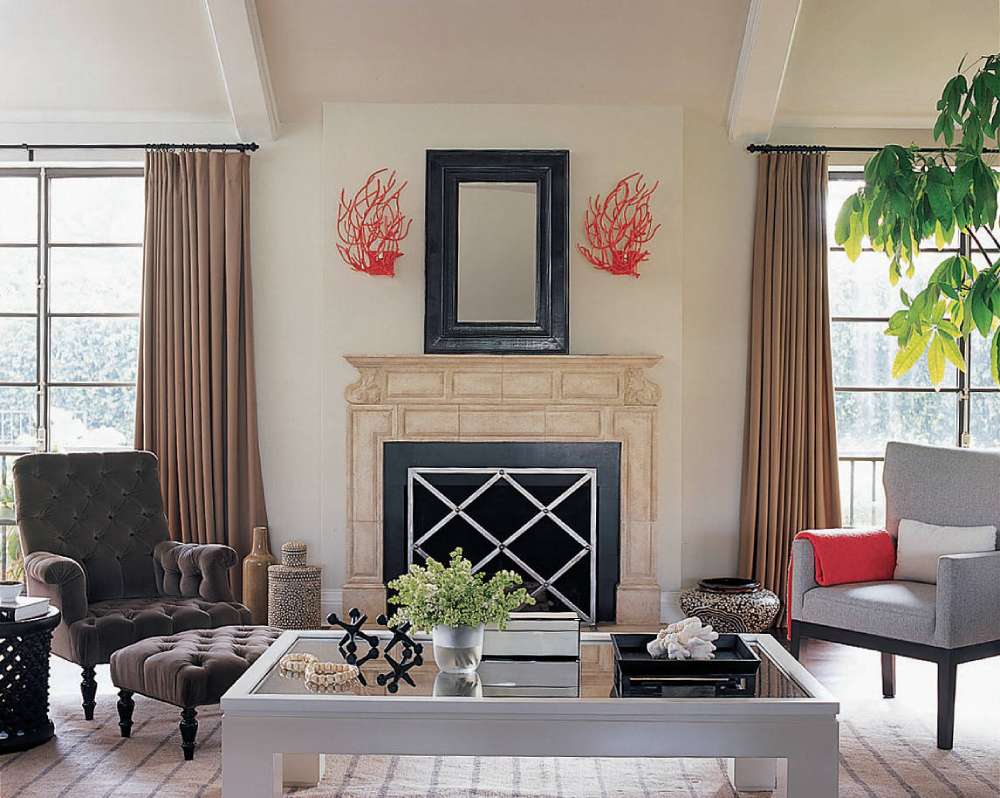
Image source: Meadowbank Designs
Rugs USA runs sales constantly, sometimes cutting prices by 60-80%. IKEA’s rug selection starts under $30 for smaller sizes. Amazon’s basics line offers simple area rugs for $40-$60.
Layering two smaller, cheaper rugs creates the look of one larger, expensive rug. A neutral jute rug underneath with a patterned smaller rug on top is a classic budget move. If you have a grey couch, check out which rugs go well with grey couches before buying to avoid an expensive mismatch.
For sectional owners, knowing how to place a rug under a sectional correctly makes a $40 rug look like it belongs in a much pricier room.
Throw Pillow Covers Over Full Pillows
Buy pillow covers, not full pillows. A set of four covers on Amazon or Shein costs $12-$18. Stuff them with existing inserts or cheap polyester fills from Walmart.
Mixing textures matters more than matching patterns. A knit cover next to a linen one next to something with a slight sheen creates the kind of layered look that decorative pillow ideas for sofas are built on. Stick to two or three colors max to keep it looking pulled together, not chaotic.
For specific couch colors, there are particular throw pillow combinations that work better than others. A beige couch takes different pillow colors than a dark brown one.
Budget Throws and Blankets
Target, Primark, and TJ Maxx all carry throw blankets for $10-$20. A chunky knit throw draped over the arm of a sofa adds warmth and visual rhythm to the room.
The principles of good design say that mixing textures (knit, linen, faux fur, cotton) creates visual interest. You don’t need more stuff. You need different surfaces that catch light differently.
If your walls are a specific shade, choosing curtains that work with gray walls or beige walls is a small decision that makes the whole textile layer feel cohesive rather than random.
Small Furniture and Storage Under $50
Storage is what separates a lived-in room from a messy one. The good news is that the most useful storage pieces for a living room cost less than a dinner out.
IKEA’s Kallax was the number one searched product on their website in 2024, according to Ingka Group. That popularity makes sense. A 4-cube Kallax starts at $35 and works as a TV stand, bookshelf, or room divider depending on orientation.
Flat-Pack Staples That Earn Their Price
| Item | Price Range (Est. 2026) | Best Use |
|---|---|---|
| IKEA Kallax (4-cube) | $45 – $55 | TV stand, bookshelf, room divider |
| IKEA Lack side table | $15 – $20 | End table, plant stand, laptop perch |
| Floating shelves (Amazon/Walmart) | $15 – $30 | Wall display, book storage, small décor |
| Storage baskets (Target/Dollar Tree) | $4 – $15 | Corrals blankets, remotes, or toys |
The IKEA Life at Home Report 2023 found that 40% of people feel most at ease when their homes are tidy. Cheap storage pieces that actually get used make a bigger difference than expensive accent furniture that just sits there.
DIY Alternatives That Cost Almost Nothing
Stacked hardcover books with a piece of scrap wood on top become a side table. I’ve seen this done dozens of times and it looks better than you’d expect.
Wooden crates from craft stores (about $8-$12 each) stack into open shelving. Sand them lightly, stain or paint them, and you have something that looks like it came from a rustic home decor catalog.
Old ladders leaned against a wall hold blankets. Vintage suitcases stacked become a coffee table with built-in storage. These are the kinds of moves that make a budget room look like a Pinterest board.
DIY Living Room Decor Projects Worth Doing
Not every DIY project is worth the time. Some look cheap no matter how much effort you put in. These ones actually work.
The 2023 American Housing Survey documented that U.S. homeowners spent a combined $125 billion on DIY projects that year, proving that the do-it-yourself approach is far from a niche hobby.
Projects That Look Expensive but Cost Under $10
Spray-painted thrift store frames: A can of Rust-Oleum runs about $5. Buy mismatched frames at Goodwill for $1-$2 each. Paint them all the same color (matte black or gold work best) and suddenly they look like a coordinated set.
Concrete candle holders: Silicone molds cost $6-$8. A bag of concrete mix is $5 at any hardware store. Pour, wait, done. These sell for $25-$40 at retail.
Paper or dried flower arrangements: Dried flowers last for years and cost under $10 from craft stores. A single branch of dried eucalyptus in a thrifted vase does more for a room than most people realize.
Upcycling Furniture With Paint
Chalk paint changed the furniture upcycling game. Brands like Annie Sloan and Rust-Oleum make it possible to paint over wood, metal, or laminate without sanding or priming first.
A quart of chalk paint costs about $15-$18. That’s enough to transform a full dresser, side table, or coffee table. Add a $5 can of finishing wax and the piece looks like something from a shabby chic boutique.
Facebook Marketplace is full of free or near-free furniture that just needs a coat of paint. The key is finding solid wood pieces with good bones but tired finishes.
Tools to Keep on Hand
- A cordless drill (under $30 at Walmart for a basic model)
- Sandpaper in fine and medium grit
- Painter’s tape
- A few cans of spray paint in neutral colors
- Wood stain in a walnut or natural tone
These five items cover about 80% of budget DIY decor projects. Once you have them, the per-project cost drops to almost nothing, since you’re mostly buying raw materials.
Budget Living Room Layouts That Work
Rearranging furniture is the only room upgrade that costs exactly zero dollars. And sometimes it’s the one that makes the biggest difference.
Taskrabbit’s 2023 analysis of over 2.5 million bookings found a 13% increase in people downsizing to smaller spaces. Requests for flex walls (temporary dividers) jumped 20% in the U.S. alone. Smaller rooms demand smarter layouts.
Layout Principles for Small Spaces
Float furniture away from walls. Pushing everything against the perimeter is the most common layout mistake in small rooms. Even pulling a sofa six inches forward creates a sense of depth. The room feels bigger, not smaller.
Create zones. A rug anchors the seating area. A small desk in a corner becomes the work zone. Zones make a room feel purposeful rather than cluttered, and this ties into the basics of space planning.
Keep 30-36 inch walkways between furniture groupings. Anything tighter and the room feels cramped. Anything wider and you lose the sense of a cozy conversation area.
Making Mismatched Furniture Look Intentional
Most budget rooms end up with pieces from different stores, eras, and styles. That’s fine. Matching furniture sets are actually a bit dated anyway.
The trick is finding one thread that ties everything together. Same wood tone across different pieces. Same metal finish on hardware. Or one repeated color, like beige, that shows up in the rug, a pillow, and a frame.
Using a rug to anchor different furniture pieces into one group is the fastest way to make a mixed collection look like a set. This is harmony in design at its most practical.
Free Tools for Planning Your Layout
IKEA Room Planner: Browser-based, free, and good enough for basic room mapping with actual IKEA product dimensions.
Floorplanner: A more flexible free tool that lets you drag furniture into a room you’ve drawn. Better for non-IKEA layouts.
RoomSketcher free tier: Works for people who want a slightly more polished floor plan with 3D previews.
All three are free. Spending 20 minutes dragging digital furniture around before moving real furniture saves hours of physical rearranging. And it prevents the worst outcome, buying a rug or sofa that doesn’t actually fit.
Common Budget Decorating Mistakes
Spending less doesn’t automatically mean the room will look cheap. But certain habits guarantee it will.
A 2024 Houzz study found that 54% of homeowners took on decorating projects that year. Median spending on living room renovations dropped compared to 2023, which means more people are trying to do more with less. That makes avoiding costly mistakes even more valuable.
Buying Too Many Small Items
A dozen $3 trinkets from Dollar Tree do not equal one $36 statement piece. They equal clutter.
Budget decorating works better with fewer, larger items. One oversized mirror. One good rug. One large piece of wall art. The eye needs a place to rest, and that’s the whole point behind creating a focal point with emphasis.
Ignoring Scale
Tiny art on a big wall looks like a postage stamp. An oversized sectional in a 10×12 room eats the entire floor. Understanding scale and proportion doesn’t cost anything, but ignoring it makes even expensive pieces look wrong.
Measure the wall before buying art. Measure the floor before buying a rug. Measure the room before buying a sofa. It takes 30 seconds and saves real money on returns.
Relying Only on Overhead Lighting
A single ceiling fixture casts flat, unflattering light across everything. Layered lighting (a floor lamp, a table lamp, some string lights) creates depth and warmth for under $30 total. The difference is dramatic.
Even accent lighting, like a $10 LED strip behind a shelf or TV, changes the feel of a room more than most furniture swaps.
Making Everything Match Too Perfectly
Buying every single item from the same store makes a room look like a showroom display, not a home. Mix sources. A Target rug with an IKEA shelf and a thrifted lamp. A Walmart blanket with Shein pillow covers and a Goodwill mirror.
The rooms that look the most expensive are usually the ones with the most varied sources. That’s the idea behind asymmetry and collected-over-time style. A little imperfection reads as authenticity.
Over-Decorating Instead of Editing
The impulse to fill every surface is real, especially when things are cheap. But white space (or empty shelf space, or a bare corner) gives a room breathing room.
Pull three things off a shelf and see if the room feels better. It almost always does. The details that matter are the ones you choose to keep, not the ones you add.
FAQ on Budget Living Room Decor
How can I decorate my living room on a tight budget?
Focus on high-impact, low-cost changes. Swap throw pillow covers, add a thrifted mirror, hang free printable wall art, and layer affordable textiles like rugs and blankets from Target or TJ Maxx.
What is the cheapest way to make a living room look better?
Rearrange the furniture. It costs nothing and instantly changes how the room feels. After that, add layered lighting with a floor lamp or string lights for under $15 total.
Where can I buy affordable living room decor?
IKEA, Walmart, Amazon Basics, HomeGoods, and Dollar Tree cover new items. For secondhand pieces, check Facebook Marketplace, Goodwill, and Habitat for Humanity ReStore.
How much should I spend on decorating a living room?
A meaningful refresh is possible for $100 to $300. A full budget makeover including a rug, pillows, curtains, lighting, and wall decor can stay under $500 with smart sourcing.
What are the best DIY decor projects for a living room?
Spray-painted thrift store frames, no-sew pillow covers, and upcycled furniture with chalk paint give the highest return for the least effort. Each project costs under $10 in materials.
How do I make cheap furniture look expensive?
Add a slipcover to a worn sofa. Replace hardware on shelves or cabinets. Use a wood stain on thrifted tables. These small changes shift perception without replacing the actual piece.
What colors work best for a budget living room?
Neutral tones like beige, white, and grey create a clean base that makes inexpensive decor look more polished. Add pops of color through affordable pillow covers and throws.
Can I decorate a rental living room on a budget?
Yes. Use peel-and-stick wallpaper, removable hooks for wall art, and freestanding shelves. Avoid permanent changes. Renter-friendly decor from command strips to LED strip lights keeps your deposit safe.
What budget decor items give the biggest visual impact?
A large area rug anchors the whole room. An oversized mirror reflects light and adds depth. Both draw the eye and make everything around them look more pulled together.
How often should I update my living room decor on a budget?
Swap textiles like pillow covers and throws seasonally for under $20. Bigger updates (rug, curtains, wall art) every one to two years keep the room feeling current without overspending.
Conclusion
A low cost room makeover doesn’t mean settling for less. Budget living room decor is about choosing where your money has the most visual impact and skipping everything else.
Start with one or two changes. A clearance rug from Rugs USA. A set of no-sew pillow covers. A thrifted floor lamp with a fresh shade. Small moves stack up fast.
The secondhand furniture market is booming, LED lighting costs almost nothing to run, and free layout planning tools from Floorplanner or RoomSketcher take the guesswork out of arranging a room.
Spend less. Choose better. A living room that looks and feels right has nothing to do with the price tag and everything to do with the decisions behind it.

- Paint Colors That Go with Oak Floors - August 22, 2026
- Paint Colors That Go with Gray Floors - August 20, 2026
- What Color Bedding Goes with Dark Wood Furniture - August 18, 2026