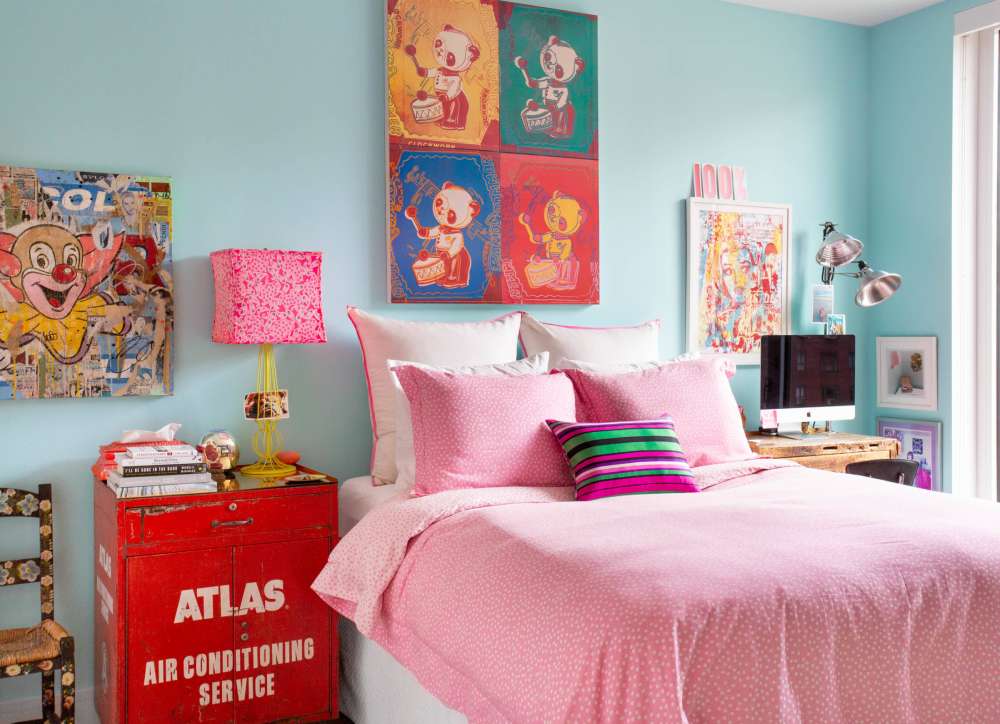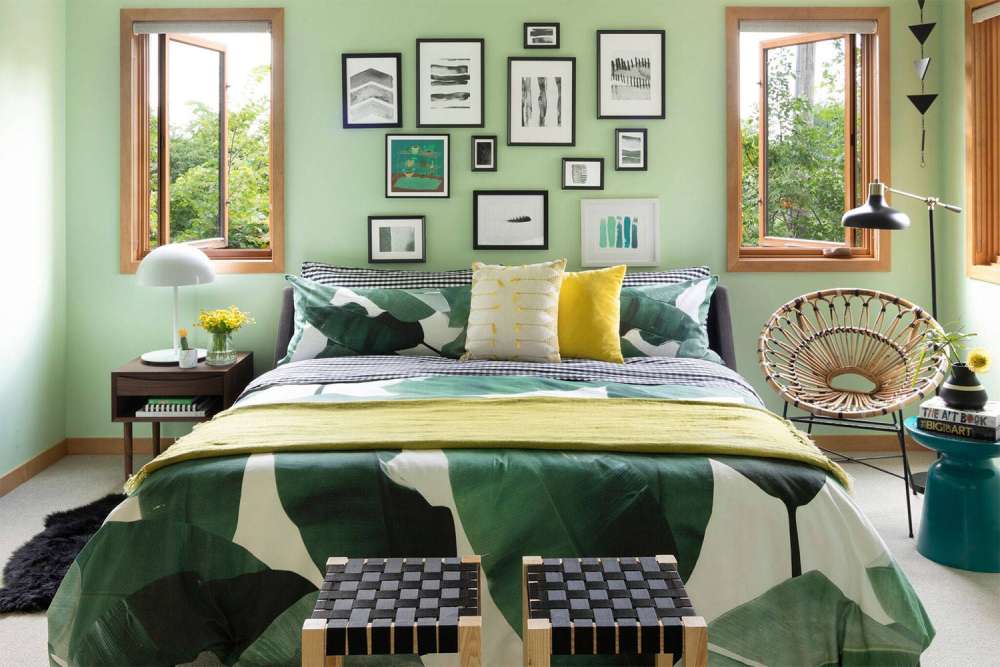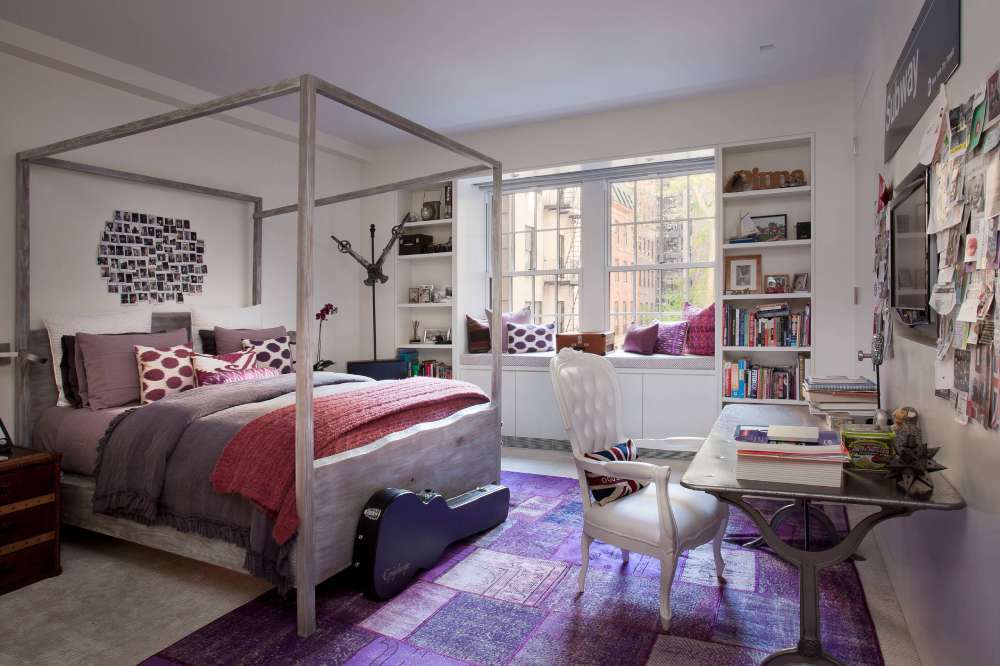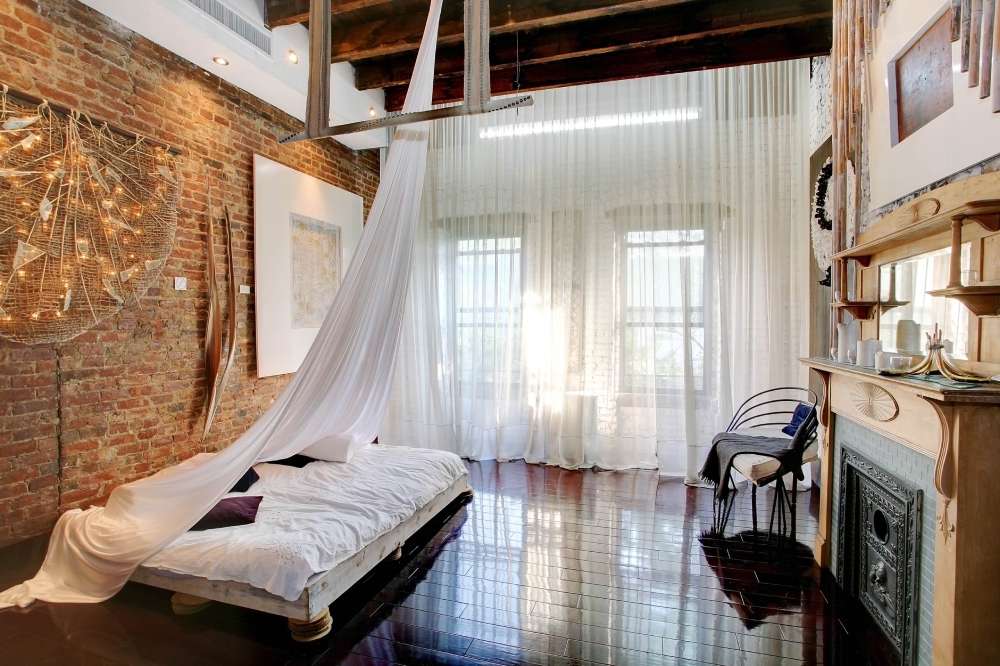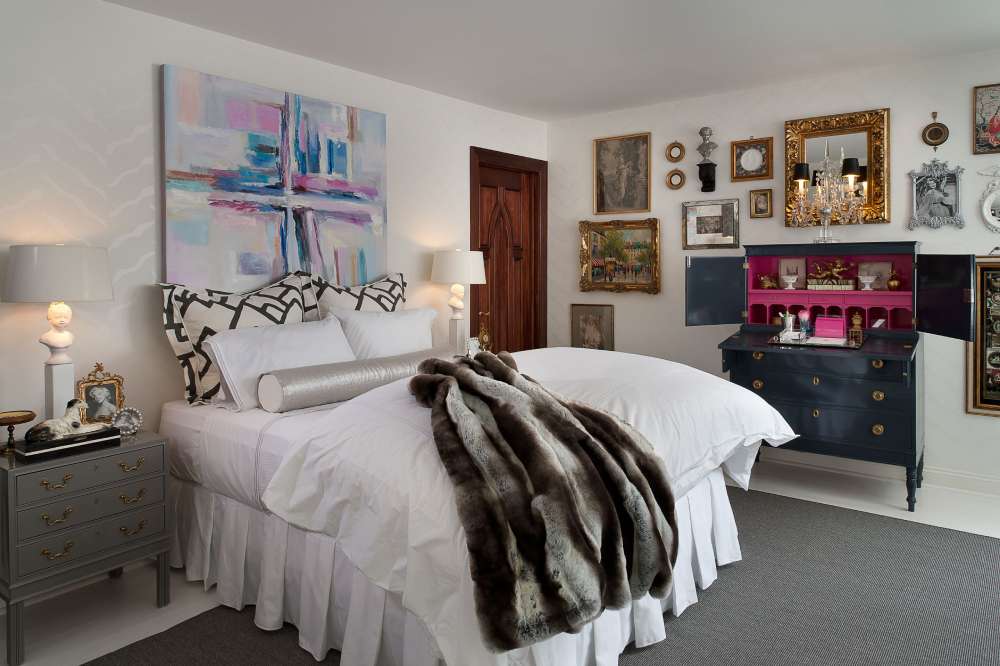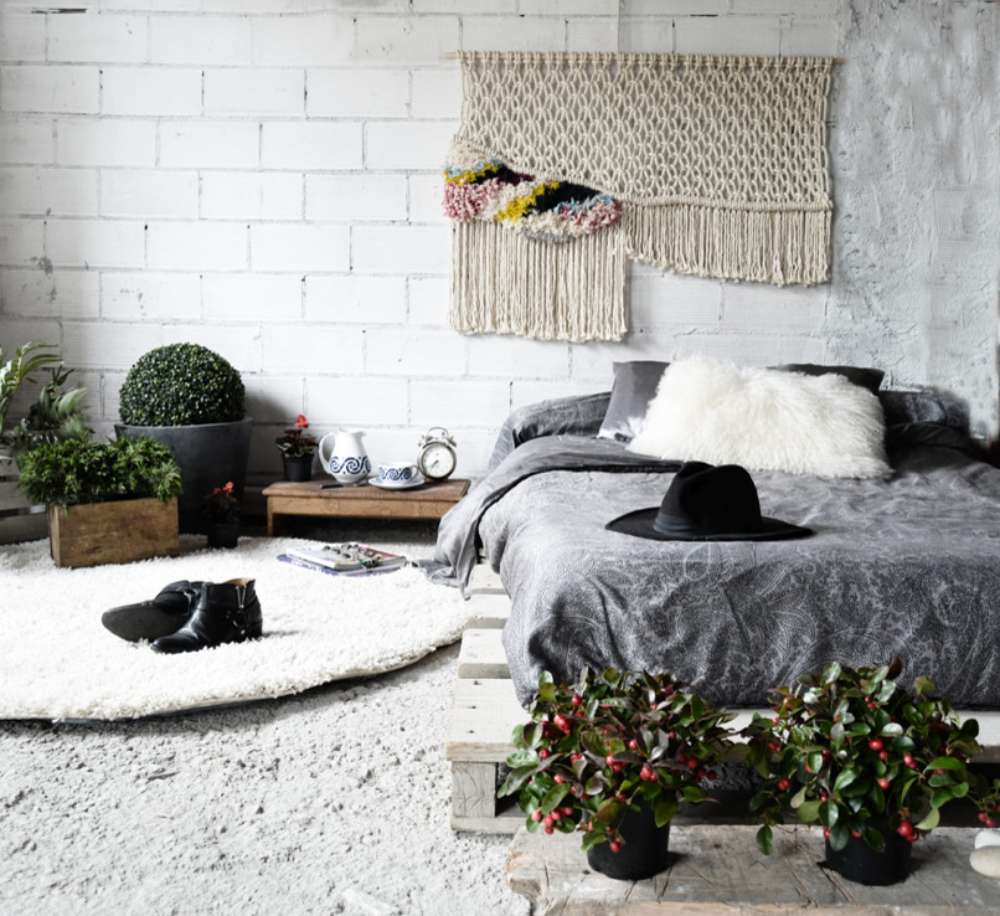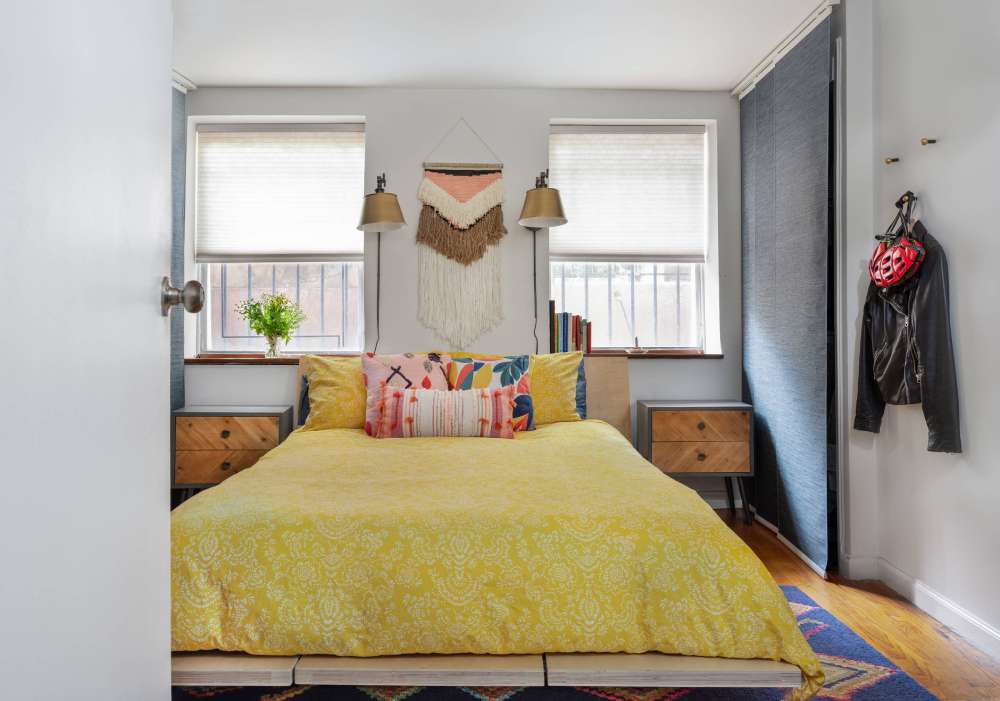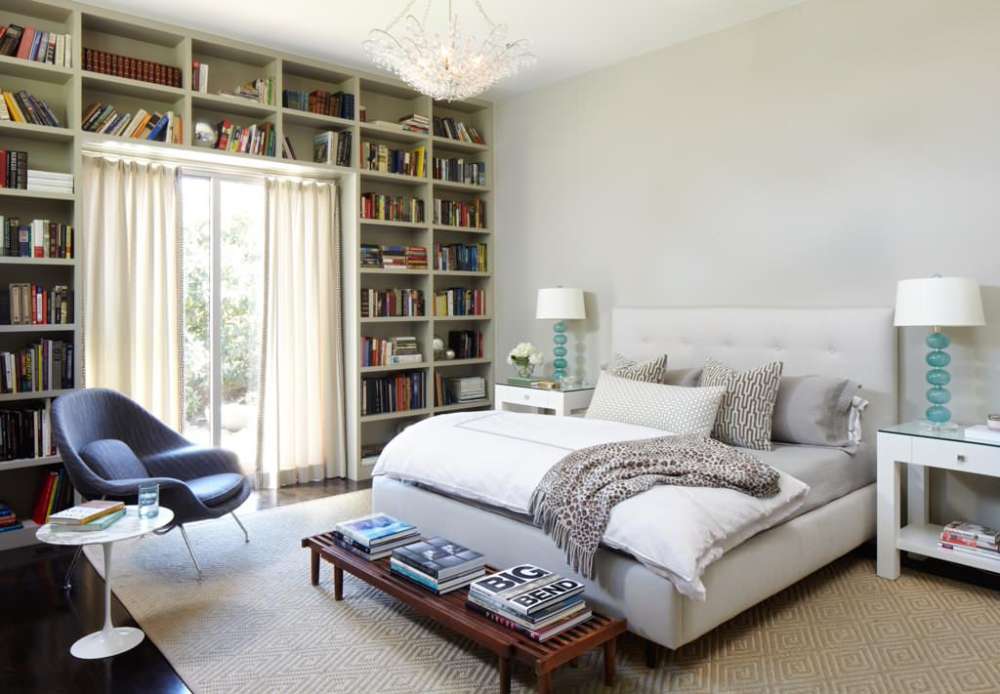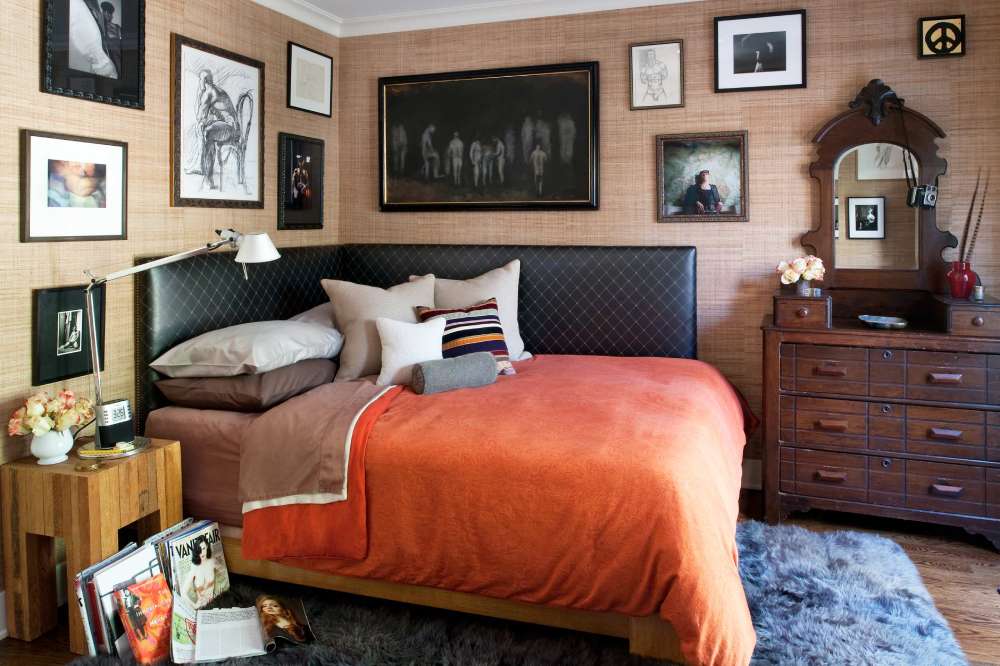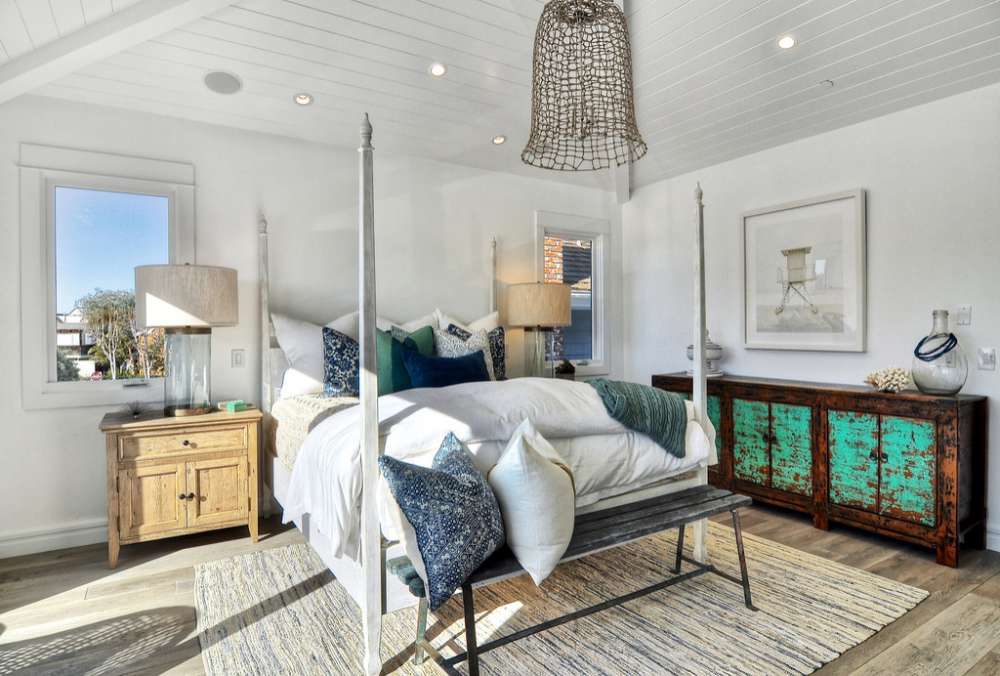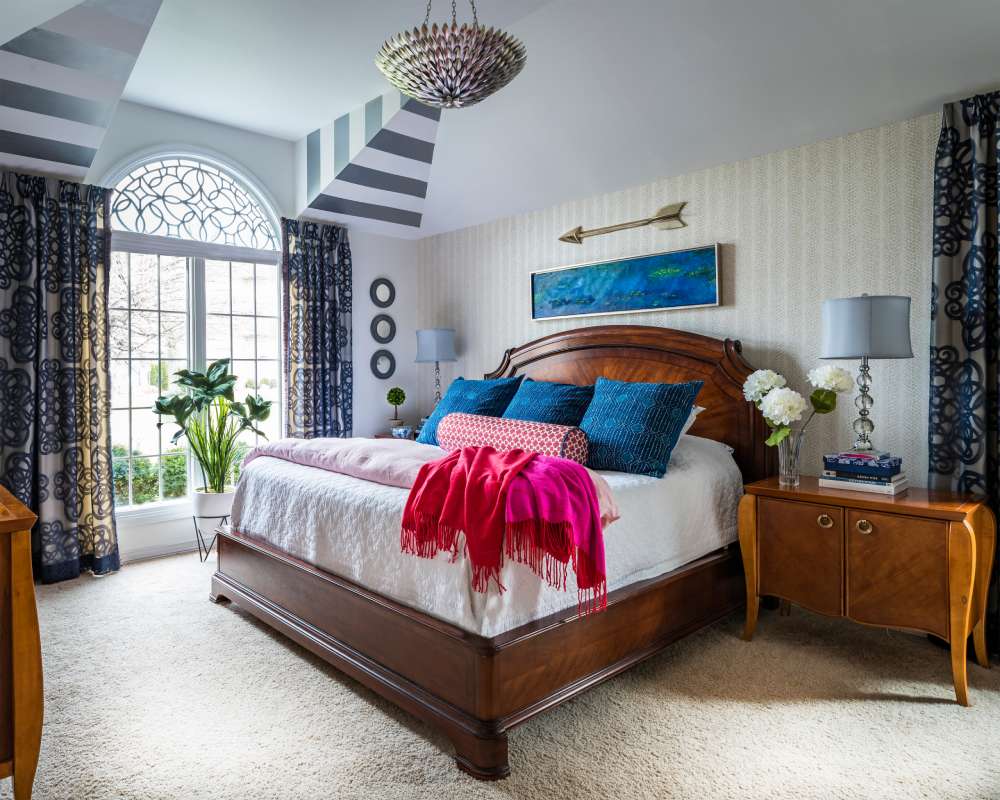
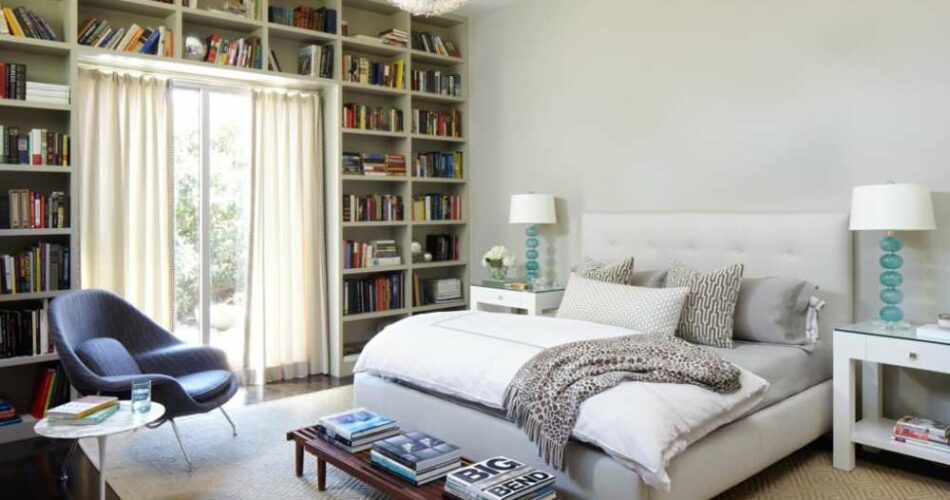
A bedroom where a mid-century walnut dresser sits across from a Moroccan textile headboard, and somehow it all works. That’s eclectic bedroom decor at its best.

But “mix everything” is bad advice. The rooms that actually look good follow specific rules about color, texture layering, and furniture arrangement that keep the whole thing from falling apart.

This guide covers what makes eclectic style different from random decorating, which style combinations hold up, how to build a color palette across mismatched pieces, and the common mistakes that turn “collected” into “cluttered.” Whether you’re starting from scratch or reworking a room that already has personality, these are the principles that make mixed-style bedrooms feel intentional.

What Is Eclectic Bedroom Decor?

Eclectic bedroom decor is the deliberate mixing of styles, time periods, textures, and origins within a single bedroom. Not random. Not chaotic. The whole thing hangs together through one intentional thread, whether that’s a shared color, a repeated material, or a specific mood.

People confuse it with bohemian home decor all the time. But boho locks you into a fixed set of materials and palettes (think macrame, rattan, warm neutrals). Eclectic has no such limits.

The 1stDibs 2025 Designer Trends Survey found that 33% of designers named eclecticism as their guiding style for the year, tying with maximalism for the top spot. Both bumped minimalism and Scandinavian modernism from the positions they had held for years.

And it’s not just designers driving this. Apartment Therapy’s 2025 survey of 154 interior designers across North America confirmed the same shift: eclectic, curated spaces are pushing the conversation forward.

How Eclectic Differs from “No Style”

There’s a fine line between a collected look and a room that just… happened. The difference is editing.

An eclectic bedroom has a point of view. Every piece earns its place. A 1960s teak nightstand sits next to a contemporary upholstered bed frame because they share a warm wood tone or a low-profile silhouette. That’s not random. That’s curation.

A room with no style has no connecting thread at all. No shared color. No shared material. Nothing linking one piece to the next. If you squint at a room and can’t find a single visual relationship between objects, that’s clutter, not eclecticism.

Where the Style Comes From

Eclectic design traces back to 19th-century European interiors. Wealthy homeowners pulled from Greek, Roman, and Renaissance styles simultaneously, picking the best from each period rather than committing to one.

Looking into this broader interior design history helps explain why the approach still works. The core idea hasn’t changed in over a century: take what resonates from multiple sources and build something personal from the combination.

Today’s version just has more sources to pull from. Mid-century modern, Art Deco, Moroccan, industrial, Scandinavian. The library of available styles has grown, and so has the freedom to blend them.

The Anchor Piece and How It Controls the Room

Every eclectic bedroom needs one dominant piece. It sets the visual direction and tells everything else in the room how to behave.

This could be a vintage headboard. A large-scale painting. A bold area rug. Whatever it is, it becomes the focal point in interior design terms, the thing your eye lands on first.

Why You Start Big, Not Small

Took me a while to figure this out, but starting with accessories is backwards. Picking throw pillows and candles before you have an anchor piece is like choosing your shoes before you know what outfit you’re wearing.

The anchor dictates what secondary styles can enter the room. A mid-century walnut bed frame opens the door to Moroccan textiles and brass accents. An ornate Victorian mirror invites contemporary furniture as a counterpoint. The anchor creates boundaries so the room doesn’t spiral.

Fixr.com’s 2025 Interior Design Trends Report found that 51% of experts surveyed named mixing materials as a top trend this year. But mixing only works when something grounds the mix.

Anchor Pieces That Work Well


Image source: Rikki Snyder

Statement headboard: An upholstered headboard in a rich fabric (velvet, linen, a bold print) controls the wall it sits on and sets the tone for bedding, nightstands, and wall art.

Oversized artwork: A single large painting or photograph above the bed acts as both emphasis in interior design and a color reference point for the rest of the room.

Bold area rug: A Persian or kilim rug with multiple colors gives you an instant palette to pull from. Everything else in the room can borrow one of those colors.

Architectural feature: An exposed brick wall, a fireplace surround, or original molding. You can’t move it, so build around it.

Style Combinations That Actually Work Together


Image source: Soucie Horner, Ltd.

Not every mashup succeeds. Pairing two equally loud styles without a neutral mediator turns a bedroom into a headache. But certain combinations have been proven through years of actual use, and they work because they share something underneath the surface, usually a material, a silhouette, or an attitude toward ornamentation.

Style Pairing Why It Works Shared Element
Mid-century modern + Industrial Clean architectural lines meet raw, structural materials Exposed wood, metal hardware, and tapered legs
Scandinavian + Global textiles Minimalist forms paired with handcrafted warmth Natural fibers, wool, and neutral base tones
Traditional + Contemporary Ornate, classic frames balanced by sleek, modern furniture Symmetry, refined dark wood tones, and clean silhouettes
Hollywood Regency + Rustic Glamorous metallics set against reclaimed, weathered wood Warm ambient lighting and highly tactile surfaces

The 1stDibs survey revealed that 28% of designers cited the 1920s and 1930s (the Jazz Age) as the era they’d draw upon most for inspiration in 2025. That explains why Art Deco pairings with mid-century modern and contemporary pieces keep showing up in professional projects.

Mixing Eras Without a Time-Travel Effect


Image source: Laura Dante Photography

The 60/40 rule. Keep one era dominant. If your bed frame and dresser are mid-century (that’s your 60%), then your lighting and textiles can pull from a completely different decade (the 40%).

What breaks it is a 50/50 split. Half the room screaming 1920s Art Deco and the other half full-on 1970s bohemian creates a tug-of-war. Nobody wins.

Specific decade pairings that work well: 1960s teak with 1920s brass. 1950s Danish chairs with contemporary photography. Victorian side tables with modern interior design lighting. The clash has to be intentional, not accidental.

When Style Combinations Fail

Two “maximalist” styles in the same room fight for attention. Moroccan home decor paired with Hollywood Regency home decor without a neutral buffer? That’s a lot of pattern, a lot of metallic, and a lot of visual noise.

The fix is always the same. One style leads. The other whispers. A mostly neutral Scandinavian room with two or three Indian home decor textile accents works beautifully. Fifty percent Scandinavian, fifty percent Indian does not.

Color Rules for Eclectic Bedrooms


Image source: Donna Benedetto Designs LLC.

Color holds everything together. You can have furniture from four different decades and three different countries, and if they share two colors, the room reads as intentional.

A survey cited by Construct Elements found that 62% of homeowners prefer warm and inviting colors in their living spaces. In eclectic bedrooms, warmth usually comes from earth tones, jewel tones, or a mix of both.

The 60-30-10 Rule, Adapted

The standard breakdown works here, just with more freedom in the “10” category.

60% dominant neutral: Walls, large furniture, flooring. Cream, warm gray, soft white, or warm beige. This is the canvas.

30% secondary bold: Bedding, curtains, a rug, an upholstered chair. This is where you commit to a color. Navy. Terracotta. Forest green. Mustard.

10% wild card accent: Throw pillows, a lamp, artwork, small decorative objects. This is where eclectic rooms get permission to go off-script. A hit of coral in an otherwise navy-and-cream room. A single gold object in a sage-and-white space.

Understanding color theory in interior design gives you the confidence to push that 10% into surprising territory without losing the room’s coherence.

Palettes That Work

These are tested combinations that hold up across mixed-style bedrooms:

  • Terracotta + sage + cream: Warm and grounding, works with rustic home decor and modern pieces equally
  • Mustard + charcoal + blush: Bold but balanced, pairs well with mid-century and contemporary furniture
  • Indigo + rust + ivory: High contrast without harshness, a natural fit for global-inspired textiles
  • Navy blue combinations with brass and warm wood tones: A classic eclectic pairing with enough depth for layering

Breaking the Palette on Purpose

Every eclectic bedroom benefits from one “outlier” piece. Something that doesn’t match the palette at all, but works because it’s the only thing in the room breaking the rules.

A bright red vintage lamp in an otherwise neutral room. A turquoise-toned ceramic vase on a walnut nightstand surrounded by earth tones. One outlier reads as a bold choice. Two outliers read as a mistake.

Layering Textures and Materials


Image source: Ranran Design

Flat rooms are boring rooms. Even with the best color palette and perfectly mixed furniture styles, a bedroom without texture variety falls flat.

Houzz’s 2025 home design predictions confirmed what many already knew: layered textures, including boucle, grasscloth, plaster, and handcrafted details, are a top trend right now. The Home Improvement Research Institute (HIRI) reported that 52% of homeowners planning renovations in 2025 opted for textured walls over flat painted surfaces.

The Five-Texture Minimum

Aim for at least five distinct textures in the bedroom. Fewer than that, and the room starts feeling like a catalog set.

Texture Where to Use It Style Bridges
Linen Bedding, layered curtains Works across Scandinavian, coastal, farmhouse
Velvet Throw pillows, tufted headboard Hollywood Regency, traditional, Art Deco
Raw wood Floating nightstands, shelving Mid-century, rustic, industrial
Brass / Mixed metal Lamp bases, hardware, frames Art Deco, mid-century modern, contemporary
Ceramic / Stone Sculptural vases, decorative objects Global, Mediterranean, modern

Understanding how texture in interior design works as a connective element is what separates a polished eclectic bedroom from one that looks like a garage sale.

The Smooth-Rough Pairing

Contrast in interior design drives visual interest. A polished brass lamp on a rough-hewn wood nightstand. A glossy ceramic vase on a woven rattan tray. Smooth velvet pillows on a linen duvet.

These pairings work because your eye needs variety. A room where everything has the same surface quality, all matte, all glossy, all rough, feels one-dimensional regardless of how many styles you’ve mixed.

Where Textiles Do the Heavy Lifting


Image source: Décor Aid

Bedding layers are the single fastest way to add texture to an eclectic bedroom. A kantha quilt over linen sheets with a chunky knit throw at the foot of the bed gives you three textures before you even get to pillows.

The global decorative pillow market reached $3.8 billion in 2024 according to Business Research, and it’s projected to nearly double by 2033. People are investing in textiles because they’re the easiest, most forgiving way to experiment with eclectic style.

For specific throw pillow ideas for your bed, think odd numbers, mixed shapes, and at least two different fabric types. A velvet lumbar pillow next to a block-printed cotton square next to a nubby boucle accent.

Wall Decor and Gallery Walls in Eclectic Bedrooms

Walls are where eclectic bedrooms win or lose. Get the vertical surfaces right and the room sings. Get them wrong, and no amount of mixed furniture saves it.

The global wall art market was valued at around $63.61 billion in 2024 and is projected to nearly double by 2032. That kind of growth reflects how much weight people are putting on what goes on their walls.

Building a Gallery Wall That Works


Image source: Weiss Architecture Inc

Frame variety matters: Mix wood, metal, and acrylic frames. Different sizes. Different finishes. A gallery wall where every frame matches defeats the purpose of eclectic design.

Content variety matters more: Photography next to an abstract painting next to a textile piece next to a small mirror. The mix of mediums is what makes it feel collected over time rather than ordered from one retailer in a single afternoon.

Asymmetrical layouts suit eclectic rooms almost always. Grid layouts work for minimalist bedroom decor. Eclectic bedrooms need the visual play that comes from varied spacing and organic arrangement.

Mixing Art Genres Without Visual Noise

Limit the subject range. Landscapes and abstracts together? Great. Landscapes, abstracts, portraits, and photography all on the same wall? That gets noisy fast, especially in a bedroom where calm matters.

Two genres max per wall. Three if the pieces are small and the wall is large.

The quiet element is consistency in matting or spacing. Even if the frames and content differ wildly, keeping a uniform gap between pieces (2-3 inches) gives the eye a rest between visual shifts. This relates directly to how rhythm in interior design creates movement that feels comfortable rather than chaotic.

The Accent Wall Alternative

Not every eclectic bedroom needs a gallery wall. Sometimes a single bold accent wall does more work with less effort.

A patterned wallpaper on one wall grounds disparate furniture the same way a rug grounds a floor. It gives the eye a home base. The other three walls stay neutral, and the furniture and decor get to be the eclectic stars.

Wallpaper as a design tool has evolved well beyond what it was a decade ago. Brands like Farrow & Ball, Cole & Son, and dozens of independent designers on Etsy are producing patterns that span Art Deco geometrics, botanical prints, and abstract designs, all of which serve as backdrops for mixed-style rooms.

Furniture Selection and Placement

Matching bedroom sets are the fastest way to kill an eclectic look. The moment every piece comes from the same collection, the room loses the “collected over time” quality that defines the style.

Grand View Research reported that bedroom furniture accounted for 35.69% of the global furniture market in 2025. That’s a huge category, and most of it is sold as coordinated sets. Going eclectic means deliberately resisting that default.

Nightstands That Don’t Match (But Agree)


Image source: Tommy Chambers Interiors, Inc.

The one-shared-attribute rule: Pick nightstands that differ in style but share one quality. Same height. Same material. Same color family. That single overlap tells the eye, “this was on purpose.”

A vintage bedroom side table on the left and a clean-lined contemporary cube on the right work when they’re both the same warm walnut tone. Different form, same finish.

Or go the other direction. Two completely different finishes (painted white and natural wood) but identical height and scale. The visual weight matches even when the style doesn’t.

Scale Mixing

One oversized piece. One petite piece. Everything else mid-range.

A large upholstered headboard paired with a slim, delicate writing desk in the corner creates scale and proportion tension that keeps the room interesting. If every piece is the same visual weight, the room flattens out.

The Mordor Intelligence furniture report noted that home furniture led with 62.76% of total market share in 2025. That residential demand is driving more variety in sizing, which is good news for anyone building an eclectic bedroom piece by piece.

Where to Source Eclectic Furniture


Image source: Blackband Design

Source Best For Price Range
Chairish Verified vintage, high-end designer pieces Mid – High
Facebook Marketplace Local treasures, quick pickups, and DIY projects Budget – Mid
Estate sales Genuine period furniture and one-of-a-kind heirlooms Varies widely
West Elm / CB2 Clean contemporary pieces to mix with vintage Mid-range
Etsy Handmade, global, and small-batch artisan items Budget – High

The secondhand furniture market was valued at over $40 billion in 2024 according to Market.US, and it’s expected to nearly double by 2034. Chairish alone reported 35% year-over-year growth in North American sales in early 2024, with mid-century modern pieces leading demand.

Arrangement and Breathing Room

Each piece needs space around it to read individually. Push everything against the walls and the room looks like a waiting room. Pull a chair slightly away from the corner. Angle a dresser at 45 degrees if the room allows it.

Good space planning in an eclectic bedroom means leaving enough negative space so each piece gets its moment. The use of space is what separates “curated” from “crammed.”

Lighting as a Style Bridge

Lighting is the most underused tool in eclectic bedrooms. A single overhead fixture does almost nothing for a mixed-style room. But three light sources from three different style families? That ties the whole thing together.

The global lighting market was valued at roughly $142 billion in 2025, according to Grand View Research. The residential segment is growing fastest, and decorative fixtures (not just functional ones) are driving a big piece of that growth.

The Three-Source Minimum


Image source: Curk Interiors – Decorating Den Inc

Overhead: Sets the style tone for the room. A Sputnik chandelier screams mid-century. A rattan pendant says coastal or boho. A simple drum shade stays neutral and lets other fixtures lead.

Task: Bedside reading lights, a desk lamp if there’s a workspace. This is where you can pull from a totally different era than your overhead. An industrial swing-arm wall sconce next to a glam chandelier creates the kind of tension eclectic rooms thrive on.

Ambient: Table lamps, floor lamps, or even string lights (yes, they can work in adult bedrooms if done right). This layer fills in the gaps and softens the room’s overall mood. Understanding ambient lighting and how it affects atmosphere is the difference between a bedroom that feels finished and one that feels like it’s missing something.

Fixture Combinations That Work

Homes & Gardens reported that statement lighting is having a major moment, with designers calling for oversized fixtures across all room types. In eclectic bedrooms, the trick is mixing fixture styles while keeping the scale right.

Overhead (General) Task (Functional) Ambient (Atmosphere)
Sputnik chandelier Industrial wall sconce Ceramic table lamp
Rattan pendant Brass swing-arm lamp Paper lantern floor lamp
Crystal semi-flush Mid-century desk lamp Woven basket sconce

Notice each row mixes at least two different interior design styles. That’s the point.

How Shades and Bases Change Everything

Same lamp base with a linen shade reads Scandinavian. Swap it for a pleated silk shade and it goes traditional. A raw metal shade takes it industrial.

Budget-friendly move: buy vintage lamp bases from thrift stores and pair them with new, custom shades. IKEA sells affordable bases that can be hacked with shades from Etsy or local fabric shops. The base-and-shade combination lets you control style without buying a completely new fixture.

Bedding and Soft Furnishings That Tie It Together

Textiles are the most forgiving part of an eclectic bedroom. Swap a throw pillow, add a blanket, change out the curtains, and the whole mood shifts without touching a single piece of furniture.

The home textiles and floor coverings segment is projected to grow at a CAGR of 9.4% from 2025 to 2033, according to Market Data Forecast. People are spending more on soft furnishings than ever, and for good reason: textiles do the heaviest lifting in a layered bedroom.

Pattern Mixing Rules


Image source: Kuhl Design Build LLC

Vary the scale. One large pattern (a bold floral or geometric duvet cover). One medium pattern (a striped Euro sham or printed curtain). One small pattern (a ditsy print or micro-check on a throw pillow).

Keep one color in common across all three. That single shared hue is the thread that prevents “eclectic” from sliding into “confused.”

For specific ideas on mixing pillow styles, throw pillow combinations that pair different scales and textures are the easiest entry point into eclectic bedding.

Bedding Layers That Build Depth

Base layer: Linen or cotton sheets in a solid color. This stays neutral.

Middle layer: A quilt or coverlet that introduces pattern. A kantha quilt from India, a vintage Welsh blanket, or a hand-stitched patchwork, each one brings a story into the room.

Top layer: A chunky knit throw or a woven textile draped at the foot of the bed. Different texture from the quilt underneath.

That’s three textures before you even reach for a pillow. For bedrooms that lean bohemian, the layering can go even deeper with additional woven blankets and embroidered pieces.

Where to Source Eclectic Textiles

The Citizenry: Handmade global textiles with fair-trade sourcing. Strong on Peruvian alpaca, Turkish cotton, and Indian block prints.

H&M Home: Affordable basics that play well as neutral base layers under bolder accent pieces.

Vintage and thrift shops: One-of-a-kind quilts, hand-embroidered pillowcases, and textile remnants that can’t be replicated. These are the pieces that make an eclectic bedroom feel personal rather than styled from a single catalog.

For window treatments, mixing curtain styles (a sheer linen panel behind a heavier patterned drape) adds another texture layer while controlling light in the room.

Common Mistakes in Eclectic Bedroom Design

Eclectic is not a license to skip editing. It’s actually the style that demands the most editing, because every piece has to earn its place without matching the one beside it.

The Engel & Volkers 2024 Home Design Trends Report confirmed a clear shift away from uniformity, with homeowners moving toward personalized, character-rich interiors. But “personalized” can easily become “cluttered” without some discipline.

Too Many Focal Points

A statement headboard, a bold gallery wall, a massive chandelier, and a bright patterned rug, all in the same room. That’s four things screaming for attention.

Limit to two focal points maximum. One wall and one floor element. Or one lighting piece and one furniture piece. Everything else supports, it doesn’t compete. Getting balance right means knowing when to pull back.

No Unifying Element at All

This is the most common mistake. Twelve pieces from twelve different styles with nothing connecting them. No shared color. No repeated material. No consistent mood.

Every eclectic room needs at least one of these connectors:

  • A color that appears in at least three different pieces
  • A material (brass, wood, linen) that repeats across styles
  • A consistent mood, whether that’s warm and cozy or sleek and collected

Without at least one thread, the room has no harmony. And without harmony, eclectic just looks like a storage unit with a bed in it.

Over-Relying on One Source

Buying everything “eclectic-looking” from a single retailer defeats the entire purpose. If Anthropologie or World Market supplied every item, the room looks like a store display, not a curated bedroom.

The whole point is sourcing from multiple places. A nightstand from an estate sale. Bedding from a global textile brand. Art from a local gallery. The details come from variety, not from one curated shelf.

Ignoring Negative Space

Negative space is what makes individual pieces pop. Fill every surface with objects and no single item gets noticed.

Leave at least 30% of surfaces empty. One nightstand with a lamp and a book. Not a lamp, a candle, a plant, a stack of magazines, a jewelry dish, and a water glass. The eclectic style lives in the pieces you chose, not in the quantity of them.

This idea connects back to basic design principles. Every good room, regardless of style, needs breathing room. Eclectic rooms just need it more, because the variety of objects already creates visual density on its own.

FAQ on Eclectic Bedroom Decor

What is eclectic bedroom decor?

Eclectic bedroom decor is a deliberate mix of furniture styles, time periods, textures, and colors within one bedroom. Unlike random decorating, it uses a unifying thread (shared color, material, or mood) to hold everything together.

How is eclectic style different from bohemian?

Bohemian style has a fixed palette and material set, mostly rattan, macrame, and warm neutrals. Eclectic has no such limits. You can blend Scandinavian, Art Deco, industrial, and global pieces freely.

What furniture works best in an eclectic bedroom?

Mismatched nightstands, a statement headboard, and pieces sourced from different eras. Avoid matching bedroom sets entirely. Thrift stores, estate sales, and platforms like Chairish and Facebook Marketplace are ideal for sourcing.

How do you choose colors for an eclectic bedroom?

Follow the 60-30-10 rule. Sixty percent dominant neutral on walls and large furniture. Thirty percent bold secondary color in bedding and curtains. Ten percent wild card accent in smaller accessories.

How many textures should an eclectic bedroom have?

Aim for at least five distinct textures. Linen, velvet, raw wood, metal, and ceramic is a solid starting combination. Pairing smooth with rough surfaces creates the visual depth eclectic rooms need.

Can eclectic style work in a small bedroom?

Yes. Keep the color palette tight (two to three colors max) and limit focal points to one wall. Fewer but more intentional pieces prevent a small room from feeling overcrowded or visually chaotic.

What lighting works in an eclectic bedroom?

Use three sources from different style families. A pendant or chandelier overhead, a task lamp at the bedside, and an ambient floor or table lamp. Mixing fixture styles ties different design elements together.

How do you create a gallery wall in an eclectic bedroom?

Mix frame sizes, materials, and art genres. Use asymmetrical layouts instead of grids. Limit to two art genres per wall and keep consistent spacing between pieces to avoid visual noise.

What are common eclectic bedroom mistakes?

Too many focal points competing, no unifying color or material, buying everything from one retailer, and filling every surface with objects. Editing is the most important skill in eclectic design.

How do you start decorating an eclectic bedroom?

Pick one anchor piece first, like a bold headboard, an oversized painting, or a vintage area rug. That piece sets the visual direction. Build outward from it, adding secondary styles that complement without competing.

Conclusion

Getting eclectic bedroom decor right comes down to one thing: intentional choices. Every mixed-style room that actually looks good has a unifying element holding it together, whether that’s a repeated color, a shared material like brass or linen, or a consistent visual weight across furniture pieces.

Start with your anchor piece. Build your color palette around it. Layer at least five textures. Source from multiple places, not one store.

Keep your focal points to two. Leave surfaces partially empty. Edit ruthlessly.

The best eclectic bedrooms don’t look decorated. They look lived in, collected over years, full of pieces that each have a reason for being there. That takes restraint. But the result is a bedroom that feels like nobody else’s.

Andreea Dima
Author

Andreea Dima is a certified interior designer and founder of AweDeco, with over 13 years of professional experience transforming residential and commercial spaces across Romania. Andreea has completed over 100 design projects since 2012. All content on AweDeco is based on her hands-on design practice and professional expertise.

Pin It