
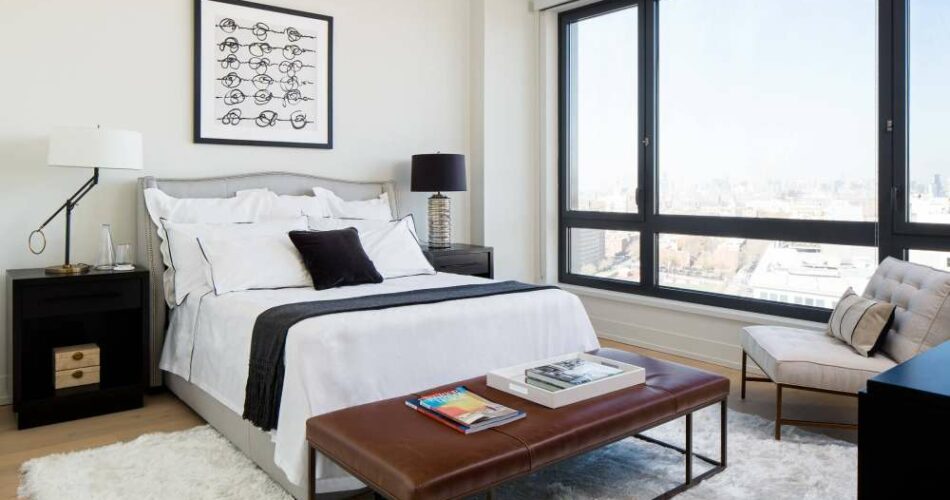
Picture this: You’ve got a pocket of space, your very own nook in the sky—cozy, full of potential, but let’s be real, it’s tiny, and you’re itching to make it your kingdom. We’re diving headfirst into the artistry of small apartment decor, turning those spatial boundaries into a canvas for creativity.
In the bustling heart of urban jungles, square footage is gold dust, and maximizing your micro-pad is the new black.
Between multipurpose items that act like a Swiss Army knife for your living space, to color schemes that trick the eye into seeing more—every inch counts.
By the time we wrap this up, you’ll master the technique of giving your snug sanctuary the illusion of grandeur.
We’ll journey through ingenious space-saving furniture selections, interior design smarts for small spaces, and the genius of organizing small rooms with flair.
Ready your notepad—let’s transform that compact living area from cramped to chic.
Small Apartment Decor
Idea One: Mirrors, Mirrors Everywhere!
You know what I love? Mirrors. They’re perfect for small spaces, making them seem larger by reflecting light and creating an illusion of more depth. Just grab a few mirrors and place them on your walls or even on your furniture.
Experiment with different sizes, shapes, and frames for an eye-catching look. The result? A chic, modern vibe that brightens up your apartment. Trust me, you won’t regret it!
Idea Two: Go Vertical, My Friend!
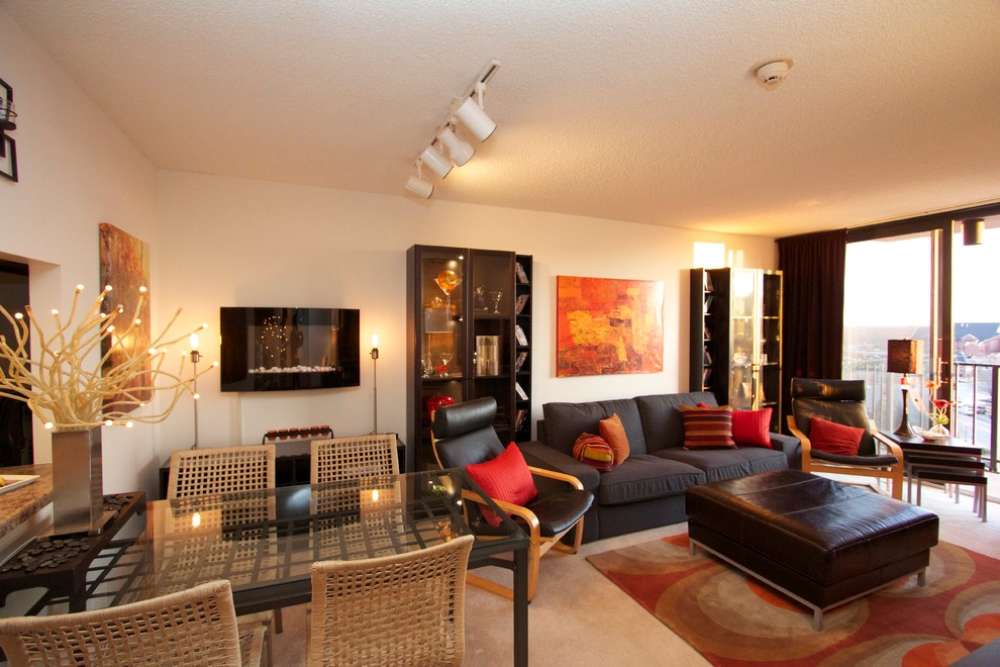 Image source: Robeson Design
So, here’s a tip: when you’re short on space, think vertical. Shelves, bookcases, and wall-mounted storage can work wonders in a small apartment. They’re a great way to showcase your favorite books, plants, or knick-knacks while keeping your floor space clutter-free. Just make sure to secure them properly, and you’re good to go! It’s amazing how much space you can free up by going vertical.
Idea Three: Hello, Multi-Functional Furniture
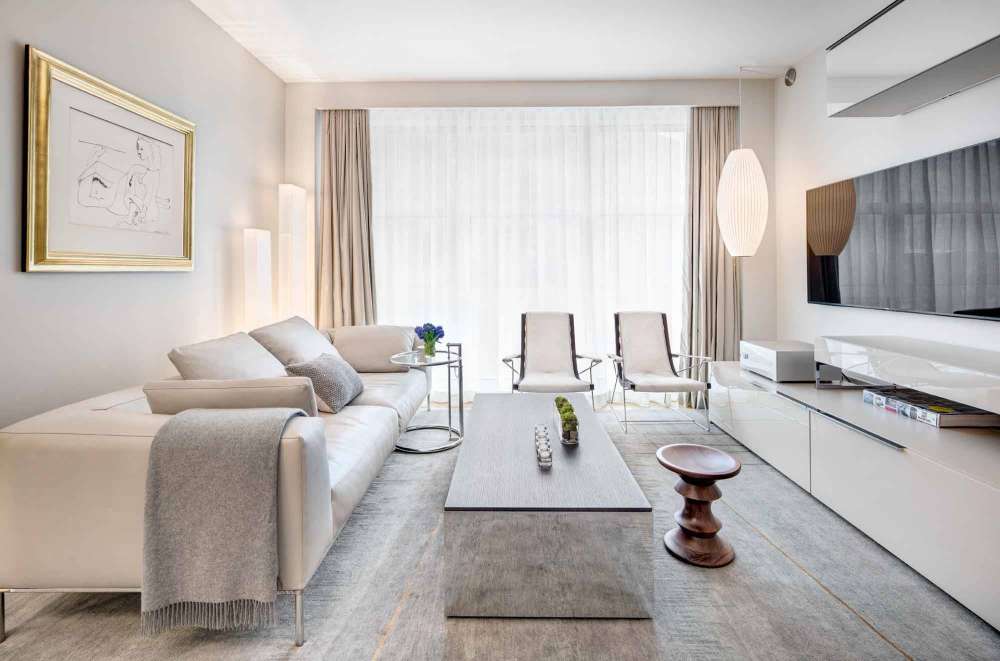 Image source: L-ONE DESIGN,LLC
Investing in some multi-functional furniture is a game-changer, I promise. Think about it: a bed with storage drawers underneath, a coffee table that turns into a dining table, or a sofa that doubles as a guest bed. These pieces save you so much space while serving multiple purposes. It’s like magic! Plus, they’re usually super stylish too. It’s a win-win situation.
Idea Four: Colors and Patterns, Oh My!
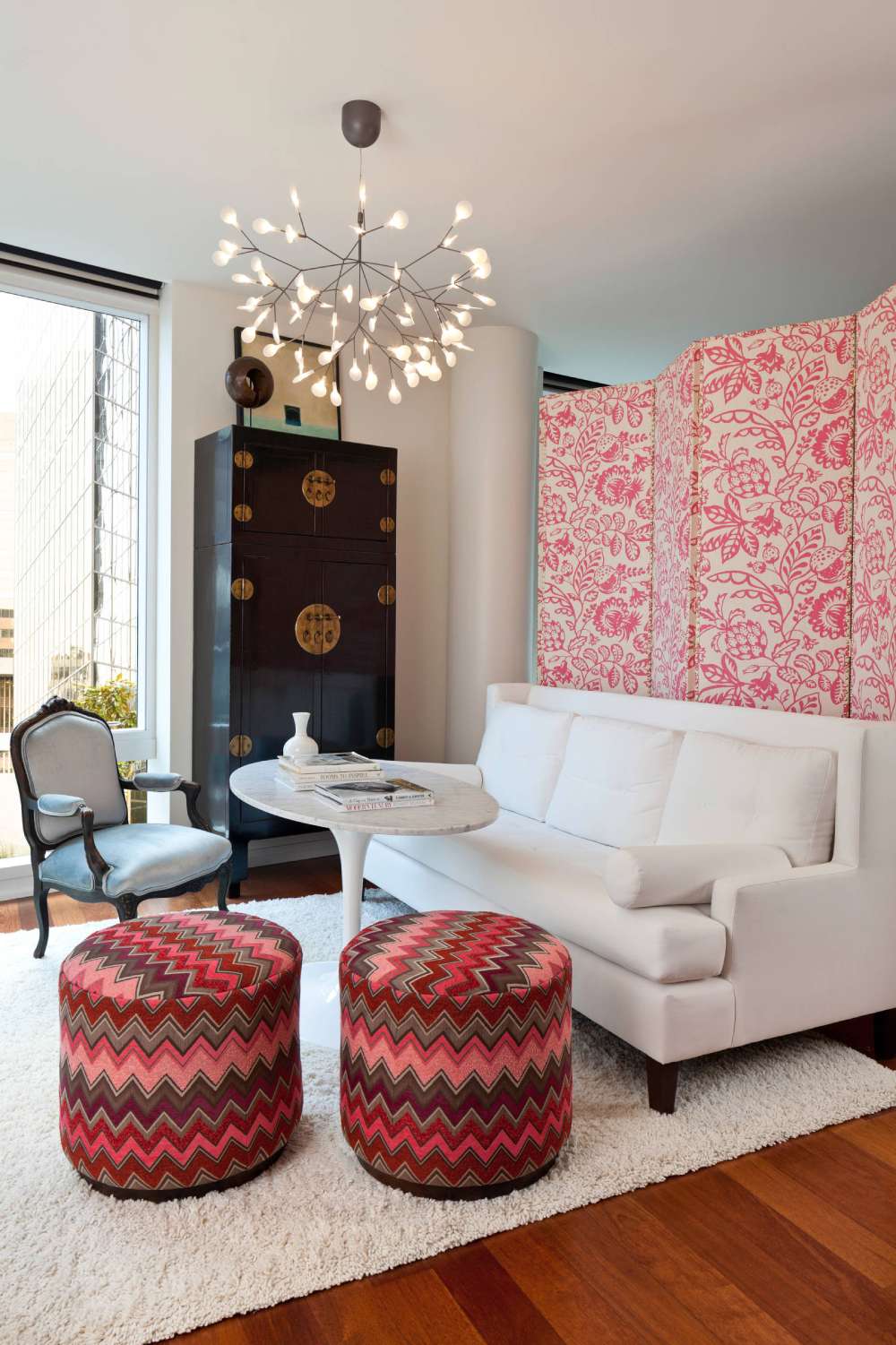 Image source: Hyde Evans Design
Don’t be afraid to play around with colors and patterns in your small apartment. In fact, using bold colors on a statement wall or vibrant patterns on your upholstery can make your space feel more dynamic and lively. Just remember to balance them with some neutral tones so things don’t get too overwhelming. Have fun experimenting and finding the perfect combo that suits your style.
Idea Five: Say Yes to Cozy Corners
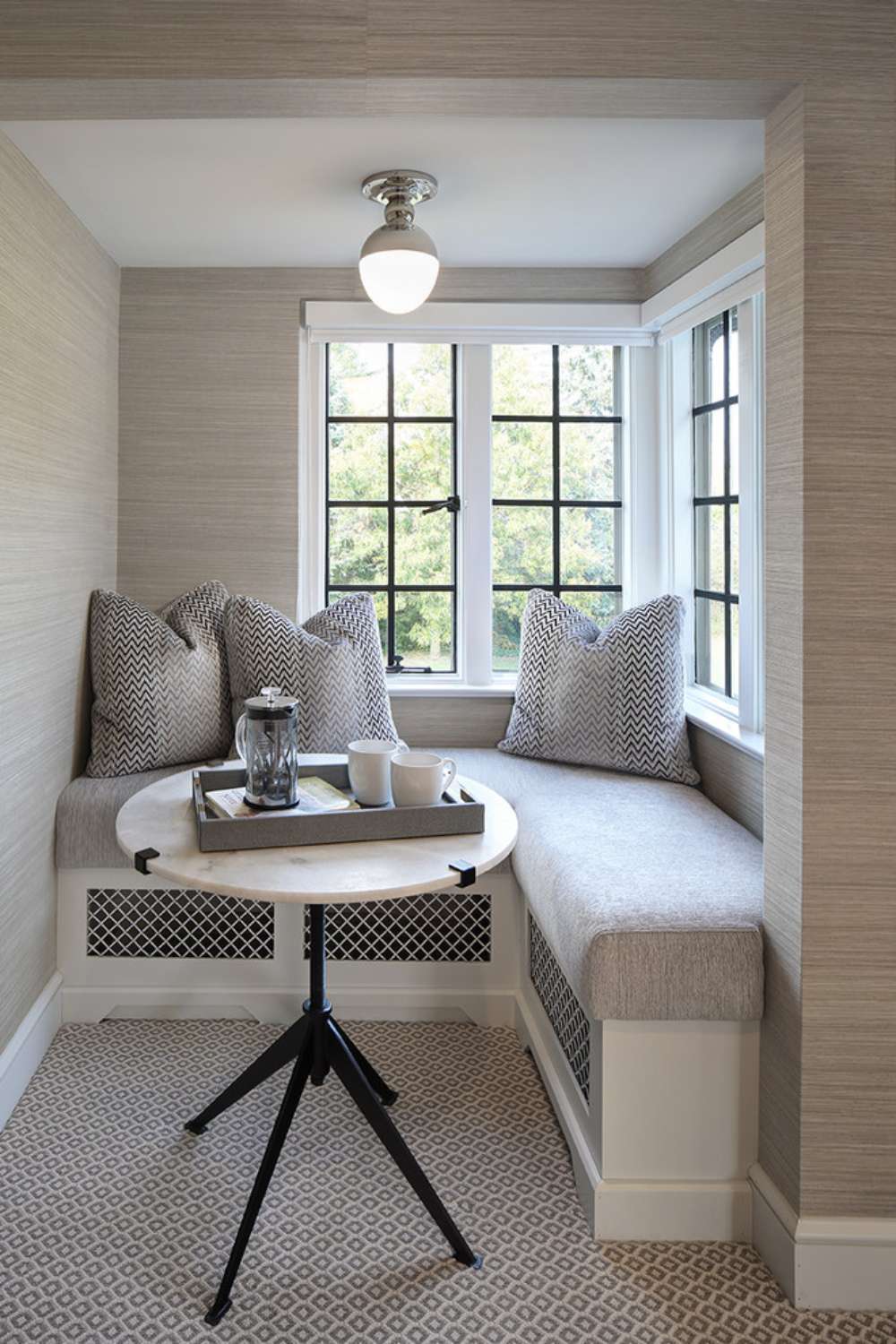 Image source: W Design Interiors
Everyone needs a cozy corner, right? Create a little nook in your apartment where you can relax, read a book, or just enjoy some alone time. Add a comfy chair, some soft pillows, a plush throw blanket, and maybe even a small side table. You can also use floor lamps or fairy lights to set the mood. It’s all about making your space feel inviting and personal.
Idea Six: Plants, Plants, and More Plants
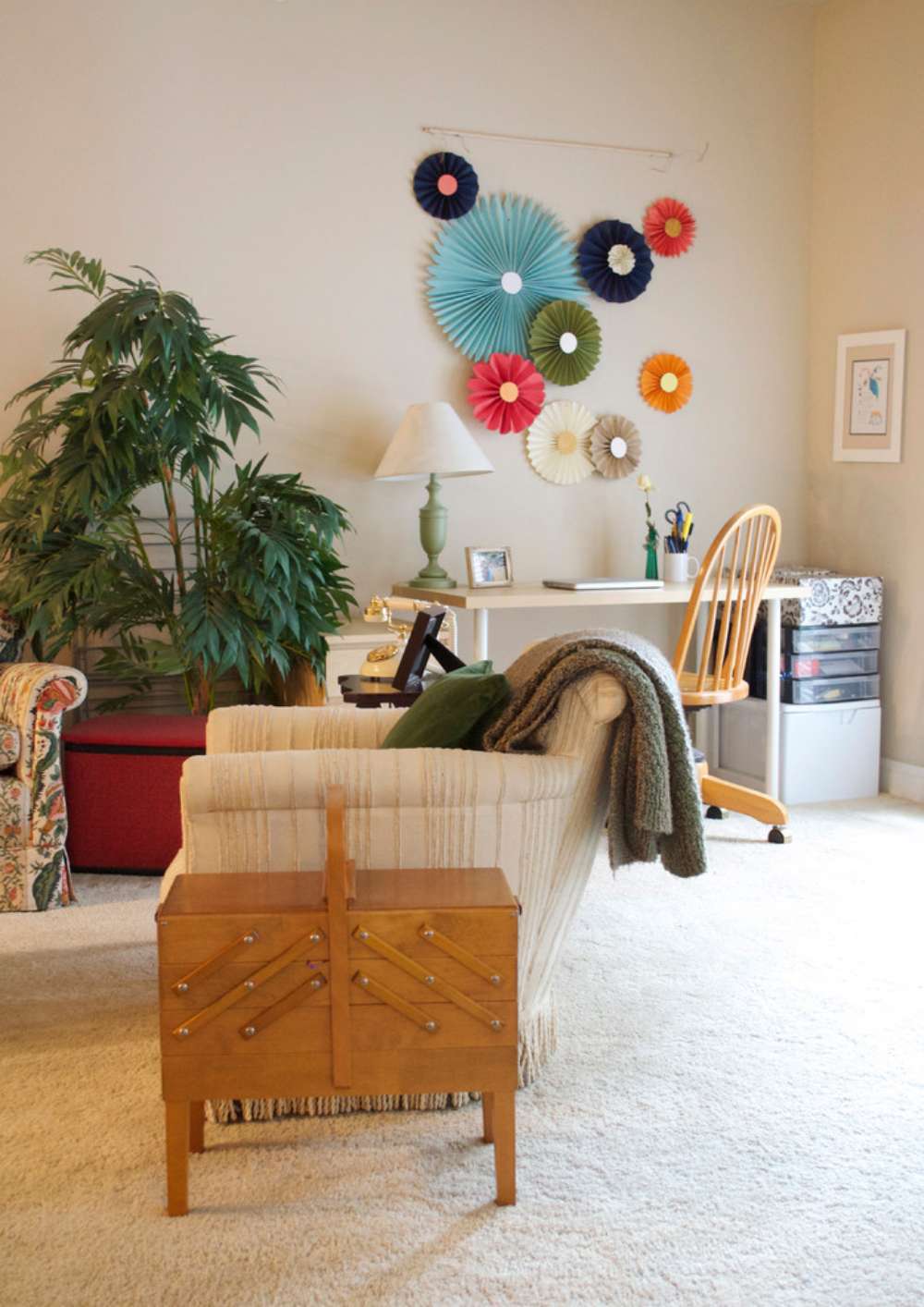 Image source: Sarah Greenman
I can’t stress this enough: plants are your best friends when it comes to small apartment decor. They not only bring life and color to your space but also help purify the air. Plus, there’s a plant for every style and taste. If you don’t have a green thumb, go for low-maintenance options like succulents or snake plants. Or, you can always opt for some stylish faux plants – no judgment here!
Idea Seven: Don’t Forget the Floor
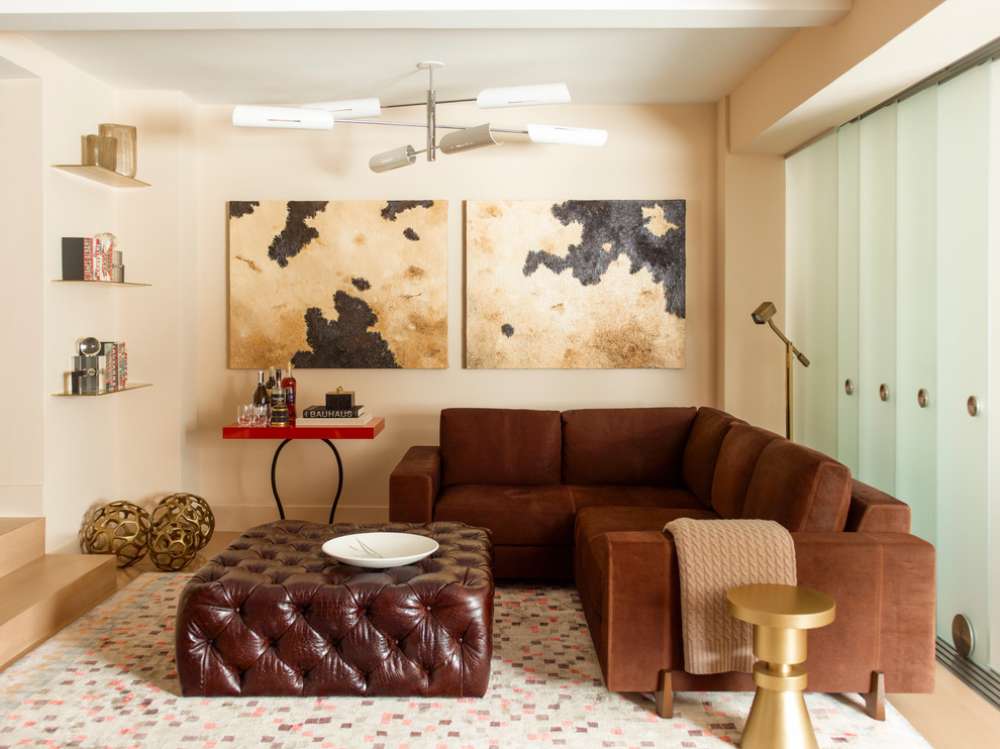 Image source: Brett Design
Your floor is prime real estate when it comes to decorating a small apartment. Use rugs to define different areas and add texture, color, and warmth to your space. Experiment with different shapes, sizes, and patterns to create a cohesive look that ties everything together. Just remember to use rug pads to prevent slipping and protect your floors.
Idea Eight: Embrace the Gallery Wall
A gallery wall is a fantastic way to showcase your personality and style. Plus, it’s a great space-saver! Combine your favorite artwork, photos, and wall decor to create a unique and eye-catching display. You can mix and match frames, sizes, and colors for a more eclectic look. Just make sure to plan it out before you start hammering those nails in the wall.
Idea Nine: Clear the Clutter
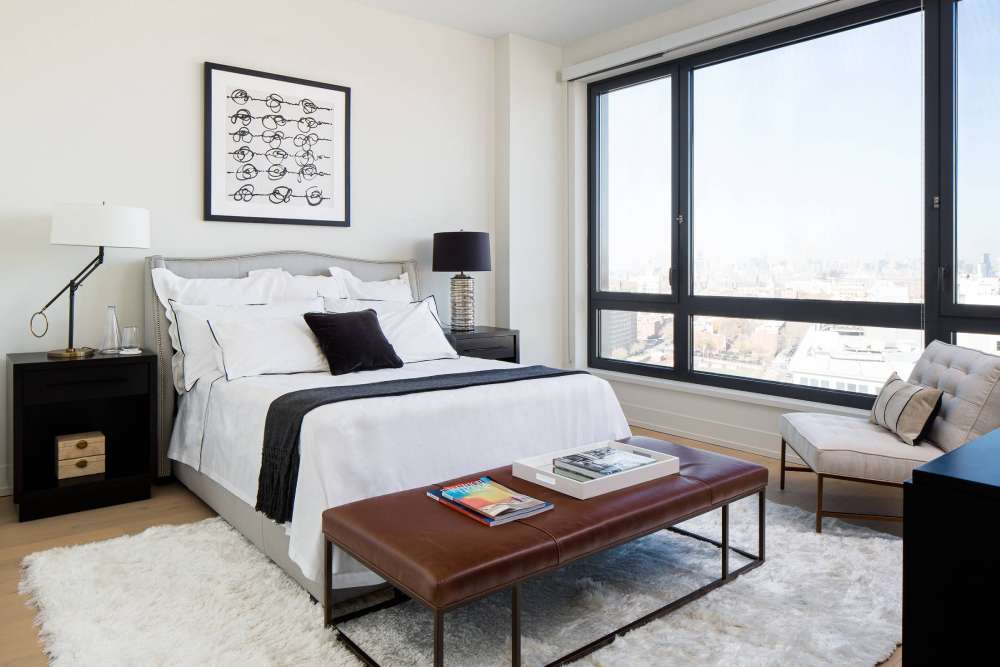 Image source: Décor Aid
Less is more, especially in a small apartment. Keep your space clutter-free by only displaying the items you truly love and need. Regularly decluttering and organizing your belongings will make your apartment feel more spacious and open. Don’t forget to utilize hidden storage solutions like under-bed storage, ottomans with storage compartments, or even decorative boxes. A tidy space is a happy space, trust me!
Idea Ten: Light It Up
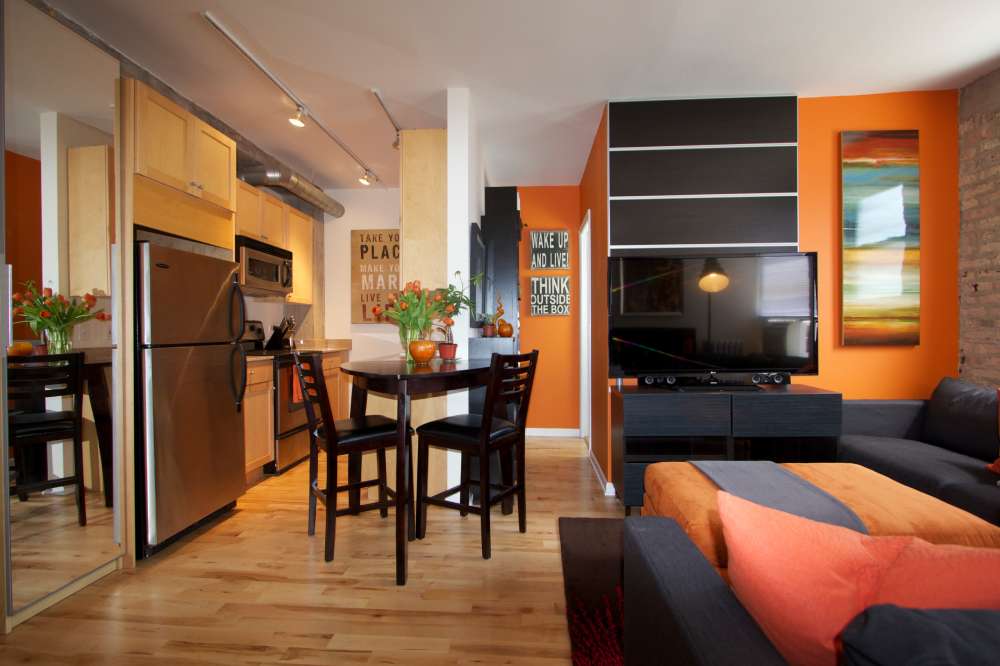 Image source: Robeson Design
Proper lighting can make a world of difference in a small apartment. Layer your lighting with a mix of floor lamps, table lamps, and wall sconces to create a warm and welcoming atmosphere. Consider using dimmable bulbs or installing dimmer switches so you can easily adjust the mood. And don’t forget to let in as much natural light as possible – it’s a game-changer!
Idea Eleven: The Power of Curtains
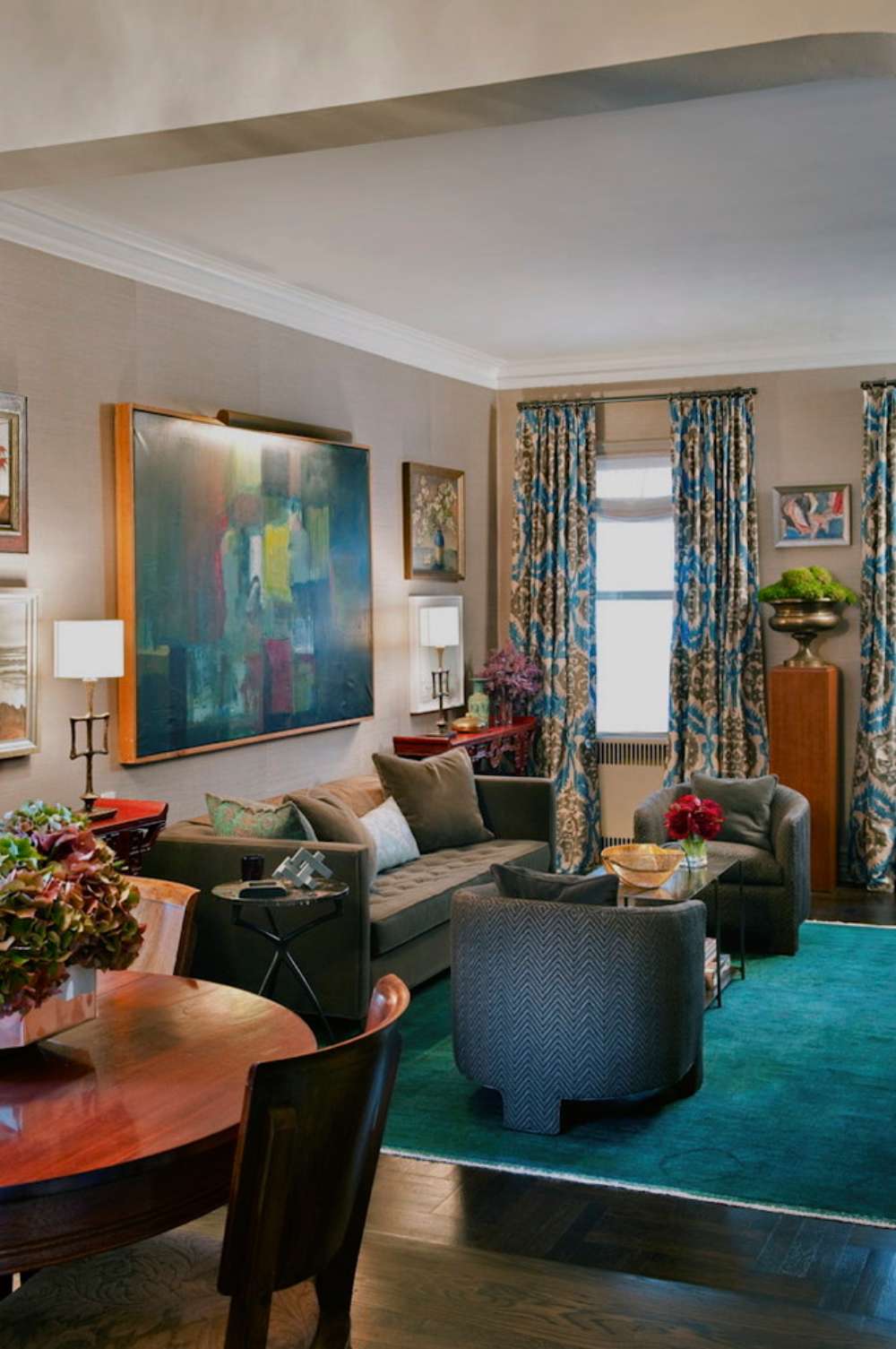 Image source: Shagreene
Curtains aren’t just for windows, you know. Use them to separate different areas in your apartment, like your bedroom from your living space, or to hide unsightly storage. Opt for light, airy fabrics to keep the space feeling open and breezy. Plus, they add a touch of elegance and style to your apartment. Who doesn’t love that?
Idea Twelve: The Art of Illusion
Create the illusion of more space by using furniture with exposed legs, floating shelves, or see-through materials like glass or acrylic. These pieces give the impression of a more open and airy space by allowing light to flow through. It’s all about tricking the eye, and it works like a charm!
Idea Thirteen: Customize Your Storage
Get creative with your storage solutions! Customize your shelves, cabinets, and drawers to suit your specific needs and maximize your space. Think about adding pull-out shelves, drawer dividers, or pegboards to keep everything organized and easily accessible. It’s all about working with what you’ve got and making it work for you.
Idea Fourteen: Embrace the Open Layout
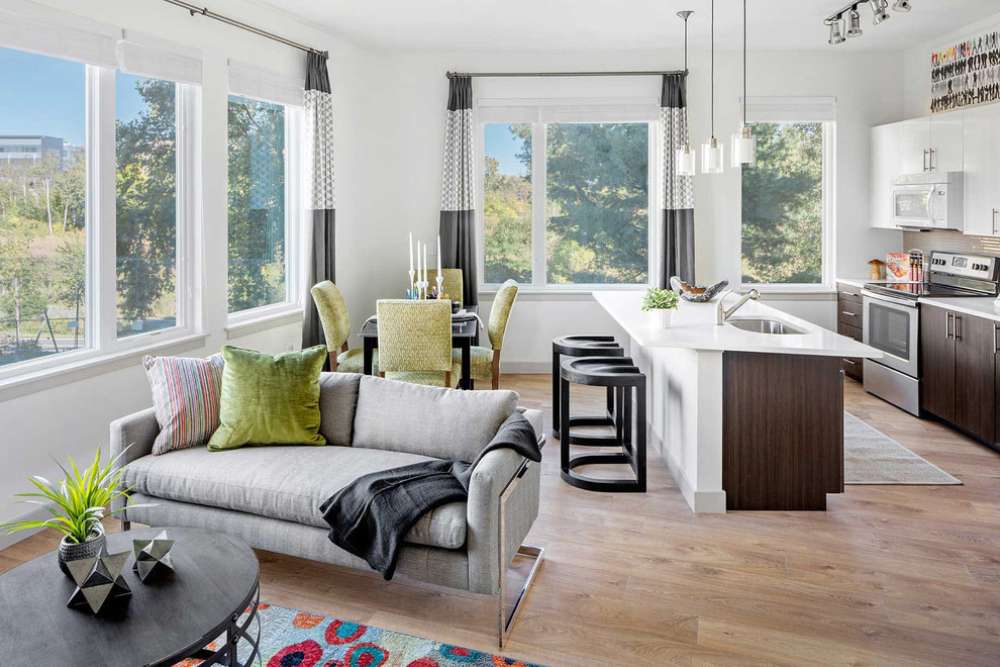 Image source: Beasley & Henley Interior Design
An open layout is perfect for small apartments, as it makes the space feel larger and more connected. Consider removing non-load-bearing walls or using open shelving to create a more open and airy feel. Just make sure to consult with a professional before making any structural changes. Safety first, always!
Idea Fifteen: Go Bold with Your Ceiling
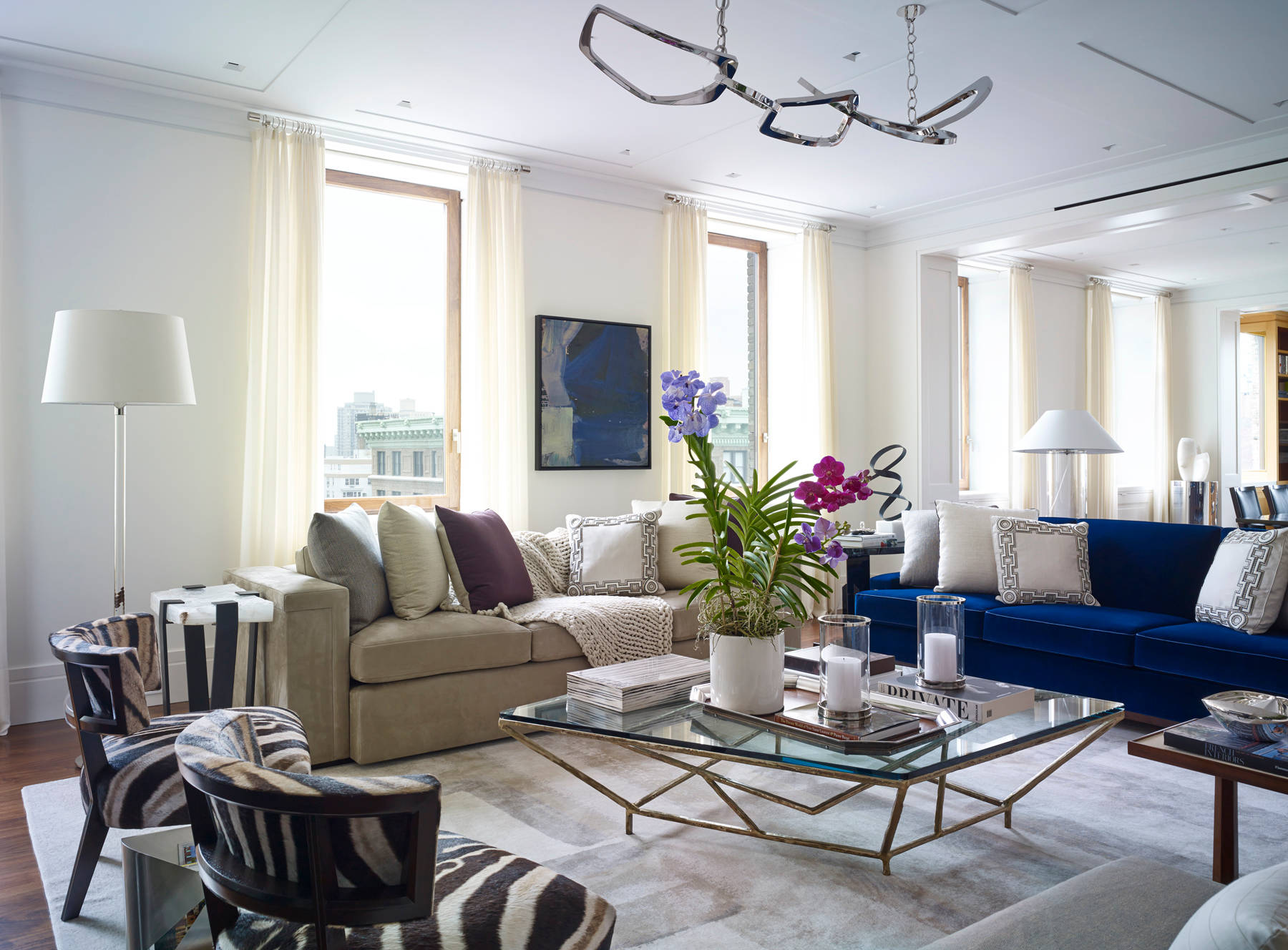 Image source: Douglas C. Wright Architects
Don’t forget about your ceiling – it’s the fifth wall! Make a statement by painting it a bold color, adding wallpaper, or installing a unique light fixture. It’s a fantastic way to draw the eye upward and make your space feel taller and more spacious. Plus, it adds a touch of unexpected drama and flair.
Idea Sixteen: Play with Scale and Proportion
When decorating a small apartment, it’s important to be mindful of scale and proportion. Choose furniture pieces that are the right size for your space, and don’t be afraid to mix and match different sizes and shapes. The key is to create a balanced and harmonious look that feels intentional and well thought out.
Idea Seventeen: Add Personal Touches
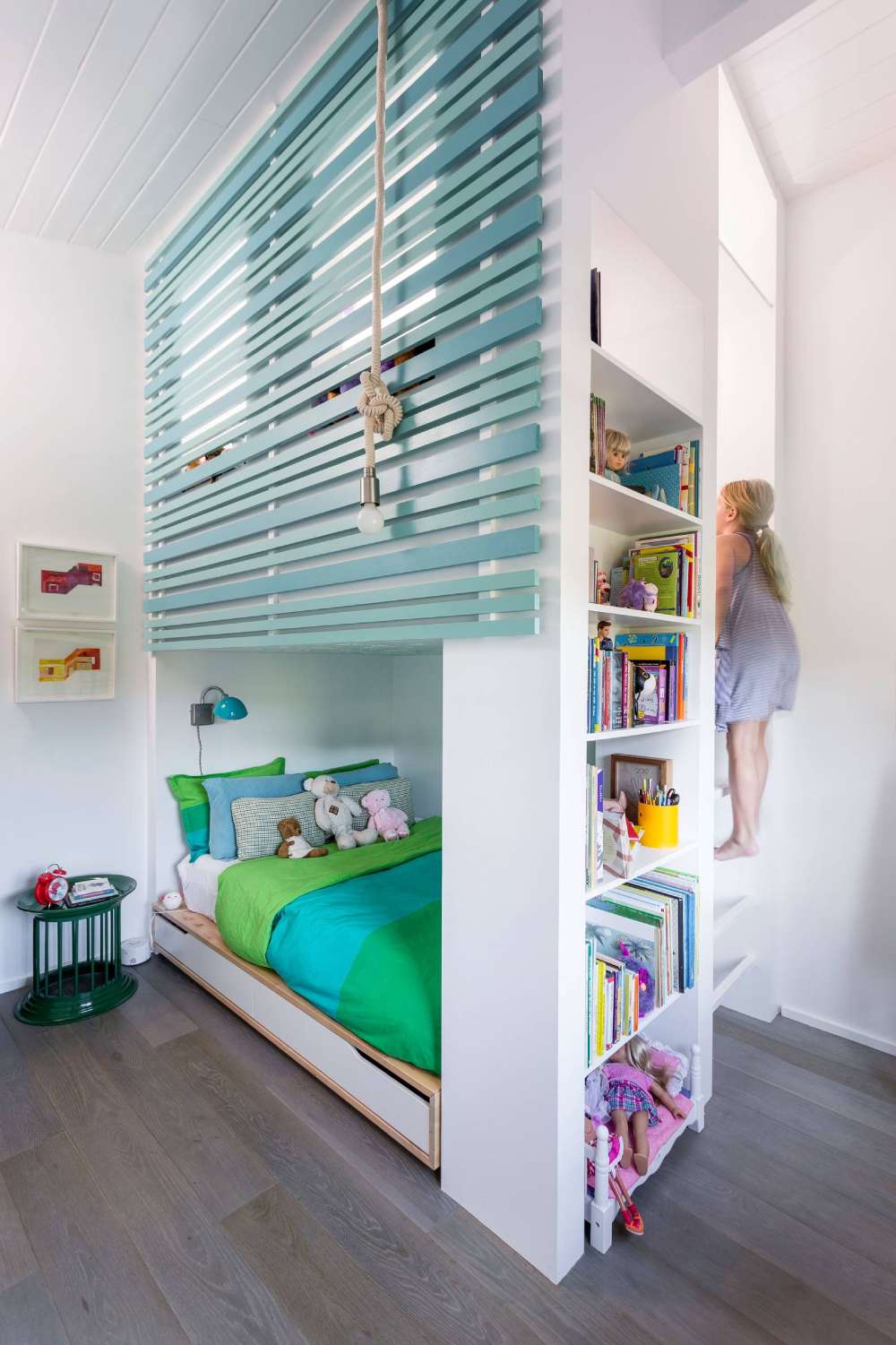 Image source: Brown Design Group
Your apartment should feel like an extension of you. Add personal touches throughout your space by displaying meaningful artwork, photos, or mementos. These little details make your apartment feel more like home and showcase your unique personality and style.
Idea Eighteen: Layer Your Textiles
Layering textiles is a fantastic way to add depth, texture, and warmth to your small apartment. Mix and match different fabrics, patterns, and colors to create a cozy and inviting space. Think pillows, blankets, rugs, and curtains – the possibilities are endless!
Idea Nineteen: Think Outside the Box
Don’t be afraid to get creative and think outside the box when it comes to decorating your small apartment. Repurpose items, use unconventional materials, or try out unique color combinations. The sky’s the limit! Just make sure it’s functional and suits your taste. Remember, your space should be a reflection of your personality and style, so have fun with it!
Idea Twenty: Prioritize Your Needs and Wants
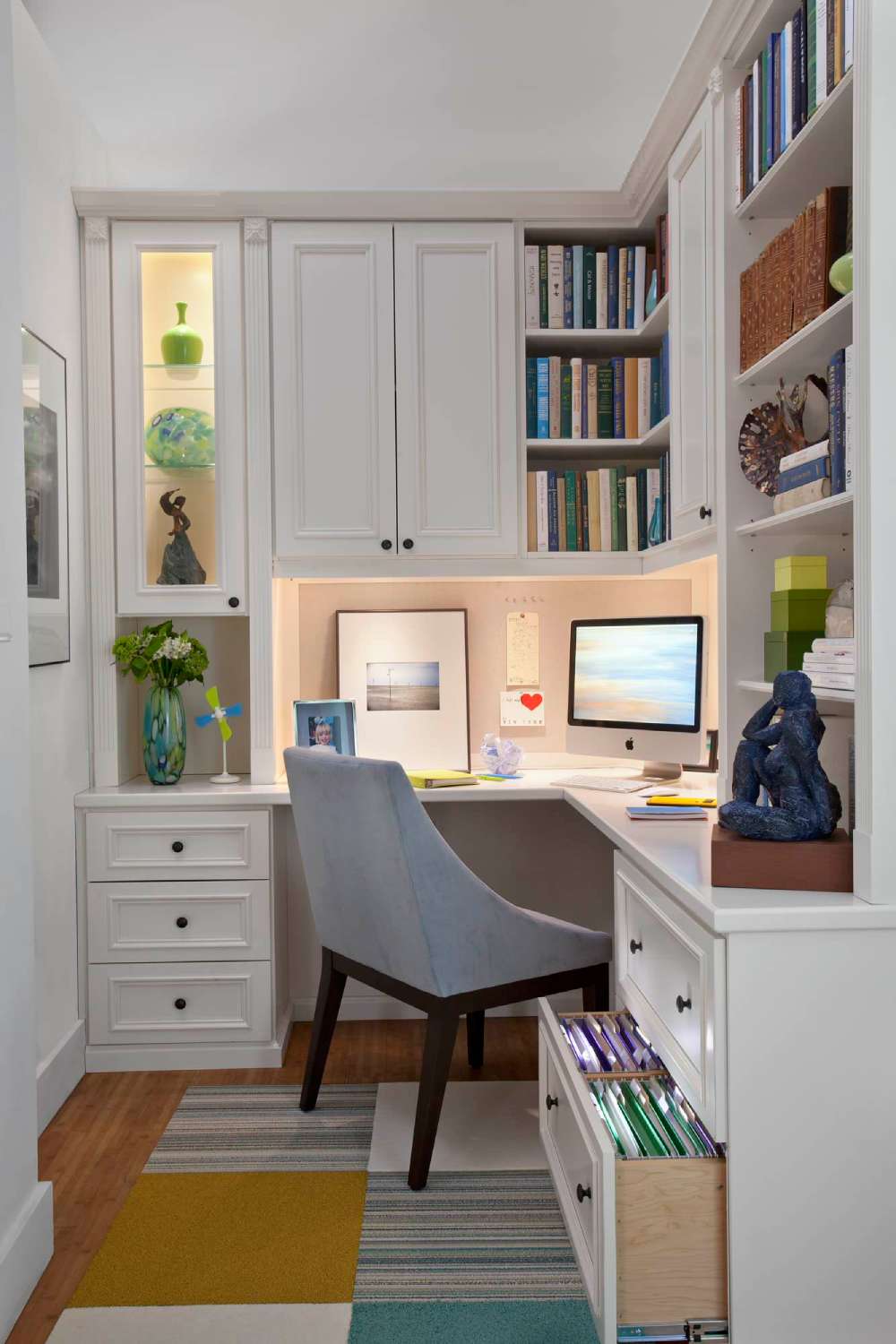 Image source: transFORM Home
Lastly, make sure to prioritize your needs and wants when decorating your small apartment. Focus on the essentials first, like a comfortable bed, adequate storage, and proper lighting. Once you have those covered, you can move on to the fun stuff – decorative accents, artwork, and other personal touches. By prioritizing, you’ll create a space that’s not only stylish but also practical and functional.
FAQ On Small Apartment Decor
How can I make my small apartment feel bigger?
Think mirrors, my friend. They reflect light, bounce it around and make rooms feel way more spacious than they are. Stick to a light and neutral color palette too.
Keep furniture proportional; think loveseats, not sprawling sectionals. And remember, clutter is the enemy—keep it sleek, keep it clean.
What’s the best way to organize a tiny living space?
It’s all about multipurpose items. A coffee table with storage, or a bed with drawers underneath—double-duty heroes. Use vertical space like a boss: floating shelves and wall-mounted racks are your allies. Marie Kondo that stuff: if it doesn’t spark joy or have a home, it’s gotta go.
Are there specific color schemes that work better for small apartments?
Absolutely. Stick to light, soft hues—they open up spaces like nobody’s business. Whites, creams, and pastels reflect more light compared to dark colors.
Accent walls can add depth without overwhelming. And throw in some contrasting accessories to add a touch of character without cramping your style.
What type of furniture should I look for?
Look for space-saving furniture: think ottomans with storage or a stylish Murphy bed. Choose pieces with legs to create a sense of space. It’s all about scale—so avoid bulky items.
IKEA is your playfield: affordable, chic, and just right for tight spaces. And always measure before you buy!
How do I choose decor that won’t overwhelm my small apartment?
Keep it simple. Choose decor with a purpose, not just because it looks good. Think mirrors, plants, and wall art that also doubles as storage (hello, pretty woven baskets!). Be selective with what you display—less is more.
How can I utilize wall space efficiently?
Think vertical gardens and floating shelves to utilize that prime real estate. Wall-mounted desks can fold out when you need them. And don’t underestimate the power of a well-placed shelving unit—it’s a storage powerhouse and a place to show off some personality.
Can light fixtures really make a space look larger?
For sure! The right lighting can make a room look more open. Aim for multiple light sources, not just one overhead fixture. Use floor lamps, sconces, or even fairy lights to layer your lighting and give depth.
And remember, reflective surfaces and shiny fixtures multiply the light, making your space seem bigger.
How important are curtains and window treatments in small apartments?
Oh, they’re big players. Go for lightweight, airy fabrics that let light flow through. Hang them high—like, right below the ceiling—to draw the eyes upward and create an illusion of height.
And if privacy isn’t a huge concern, consider skipping them entirely for a pure, unobstructed view.
Should I use rugs in a small apartment?
Yes, but be strategic. Rugs define areas but choose ones that fit your space and don’t swallow the floor. Go for light colors or fun patterns that draw the eye, and always leave some flooring around the edges visible to frame the rug nicely.
Is there a clever way to incorporate plants without taking up too much space?
Definitely! Hanging planters are your best buds—they spruce up the place without snatching precious counter space. Or how about a chic, slimline plant stand? Even a vertical garden—if you’re feeling adventurous. Just don’t go overboard; you want oxygen, not a jungle vibe.
Conclusion
Tackling small apartment decor is quite the balancing act. We’ve navigated through maximizing minute spaces without skimping on style. It’s like putting together a puzzle where every piece serves multiple purposes and fits just right.
- Space-saving isn’t just a term; it’s a lifeline. Multipurpose items are non-negotiable.
- Color? Light is right. You want hues that make walls step back and say, “There’s room here.”
Reflect on those reflective surfaces we chatted about. Mirrors? They’re not just for checking out your great taste in clothes. Storage that hangs? Genius. It’s clear skies and open floors.
Remember, there’s an art to making the most out of the least. By giving every item in your place a role, you’ve directed a masterpiece—elegant, practical, uniquely you. Closing this chapter, your nook will no longer whisper but sing — a testament to the charm and potential of compact living well executed.
If you liked this article about small apartment decor, you should check out this article about apartment decorating ideas.
There are also similar articles discussing modern apartment decor, minimalist apartment decor, vintage apartment decor, and luxury apartment decor.
And let’s not forget about articles on affordable apartment decor, living room design ideas, transitional living room decor, and contemporary living room decor.