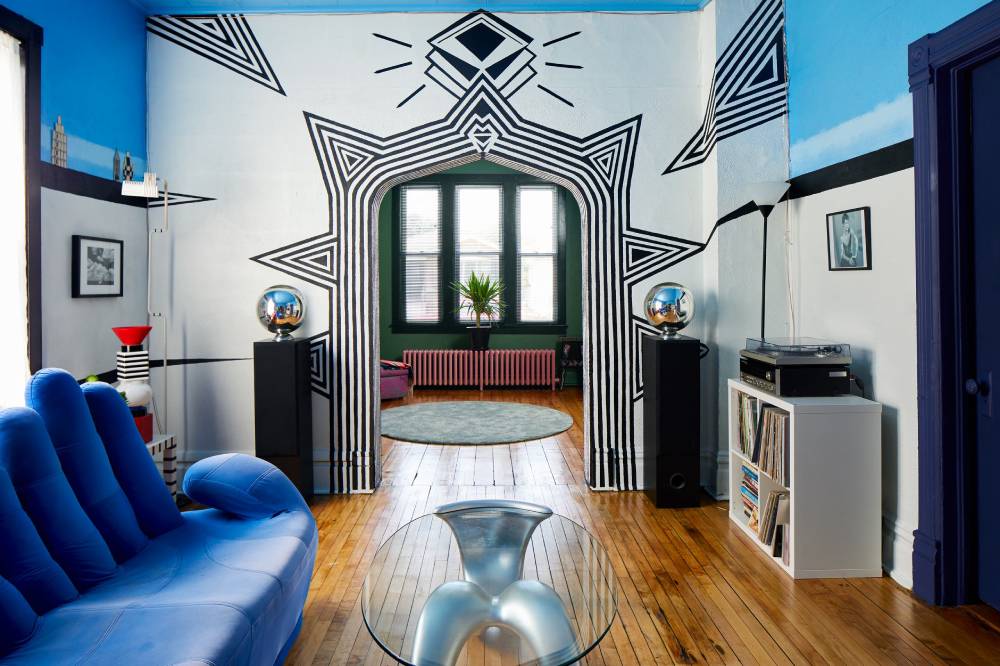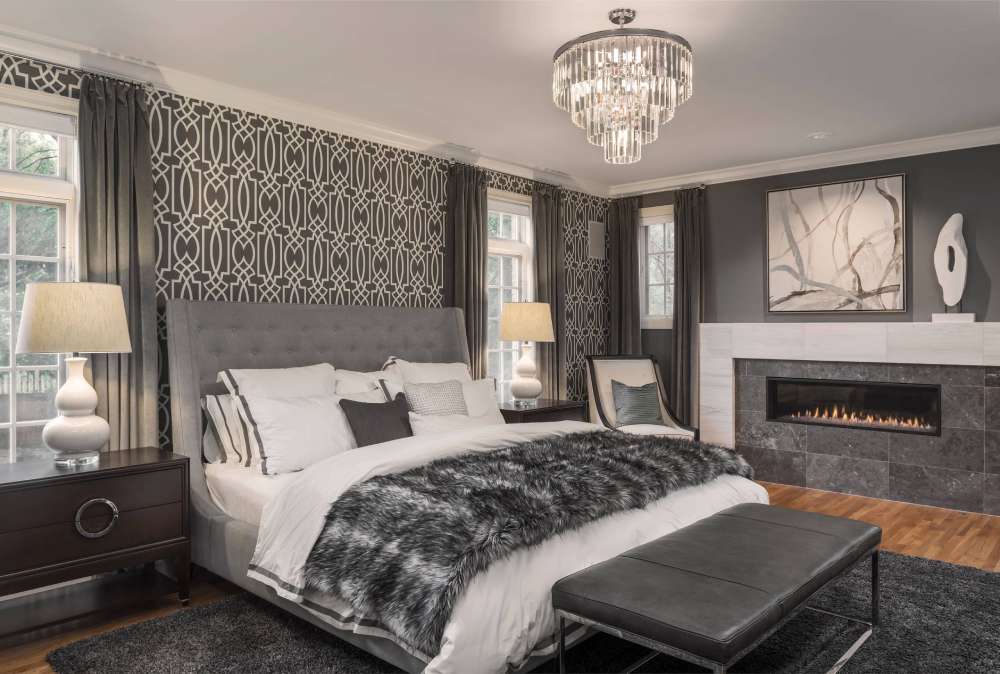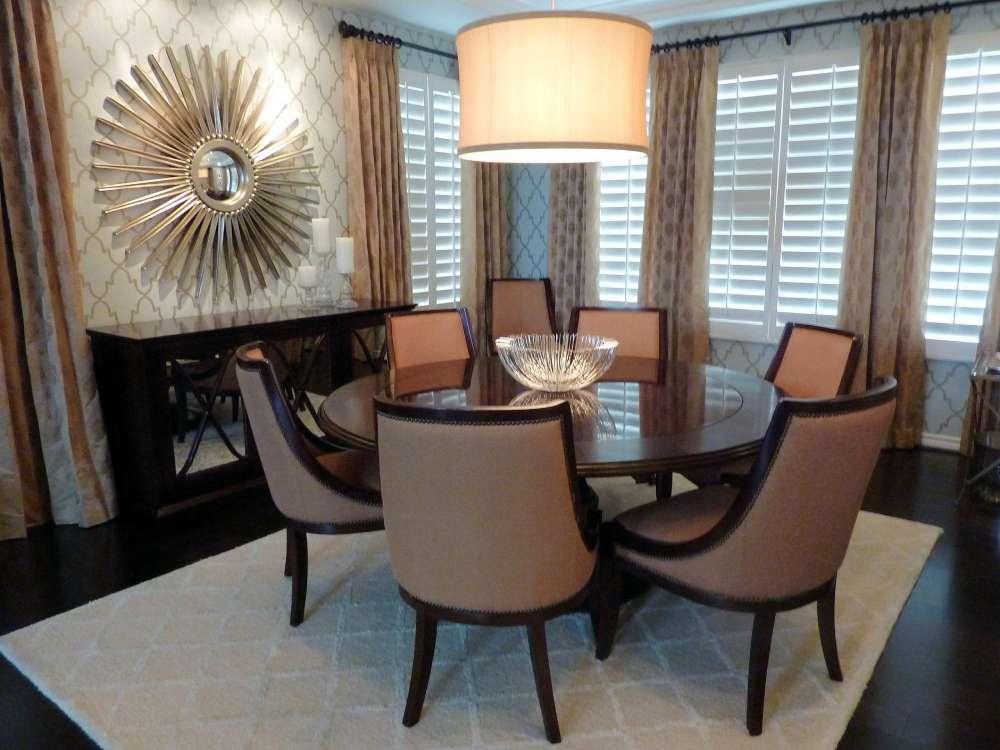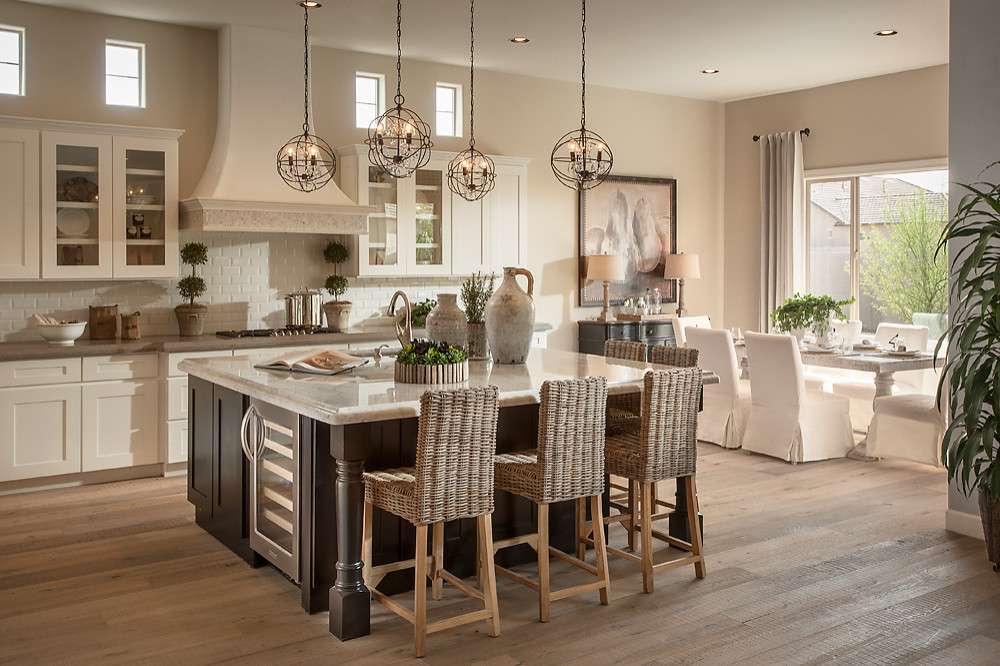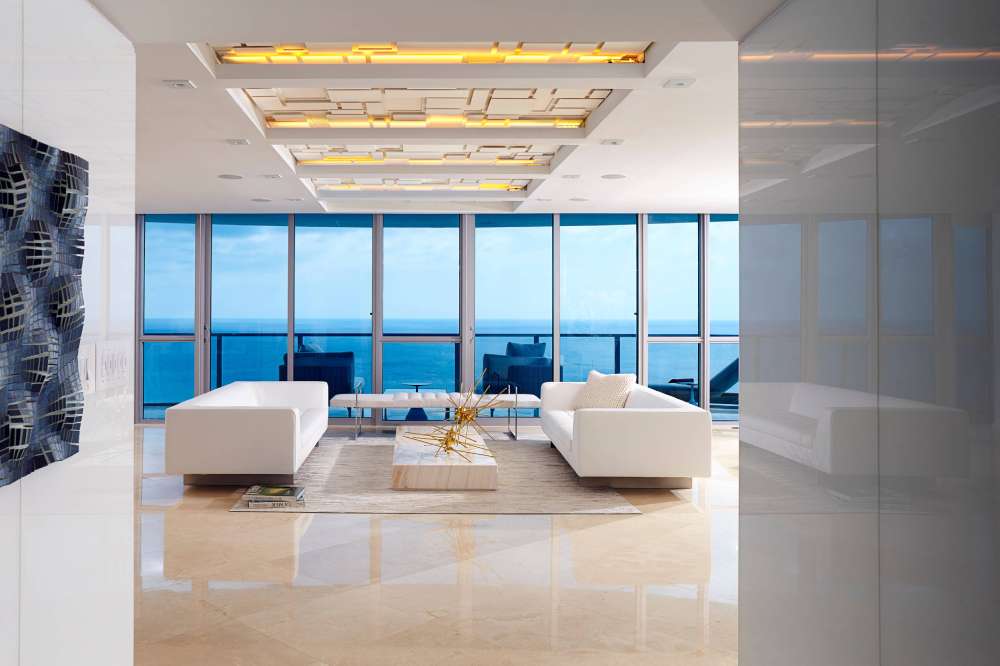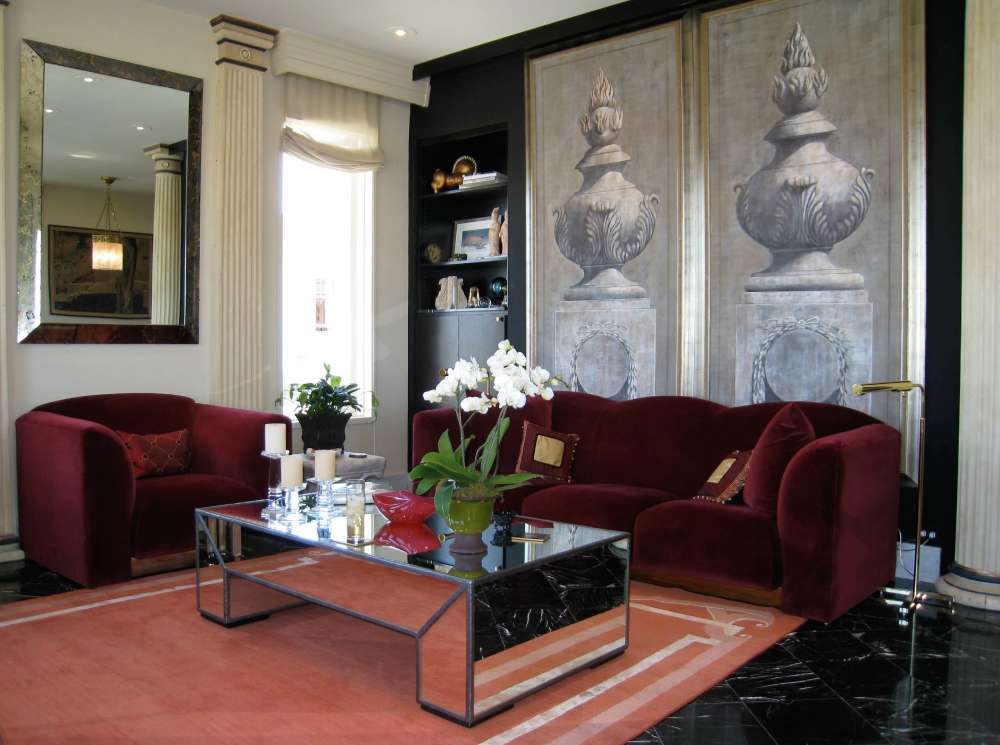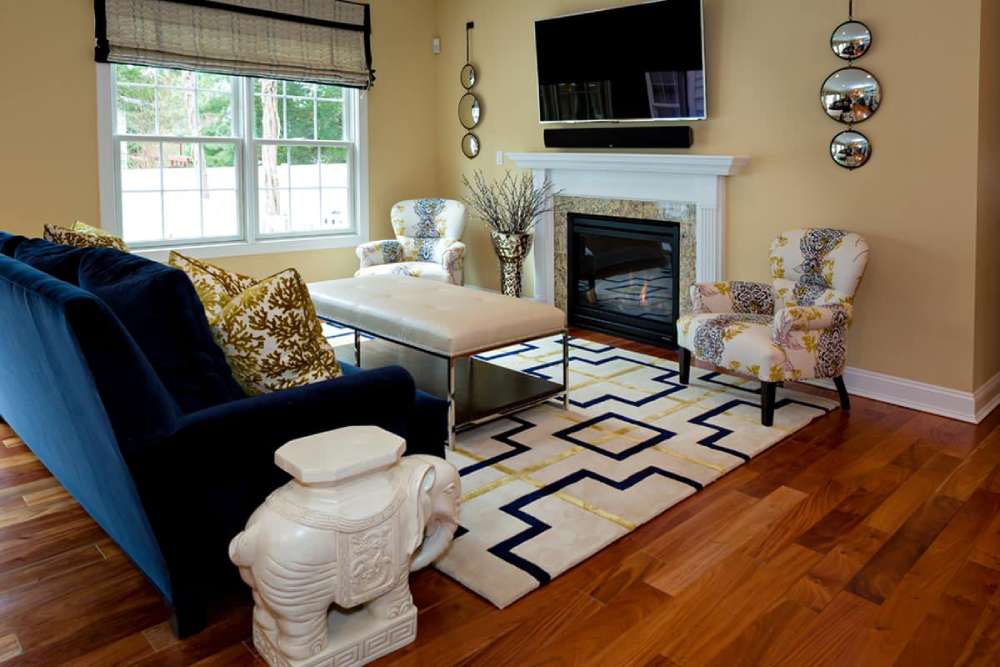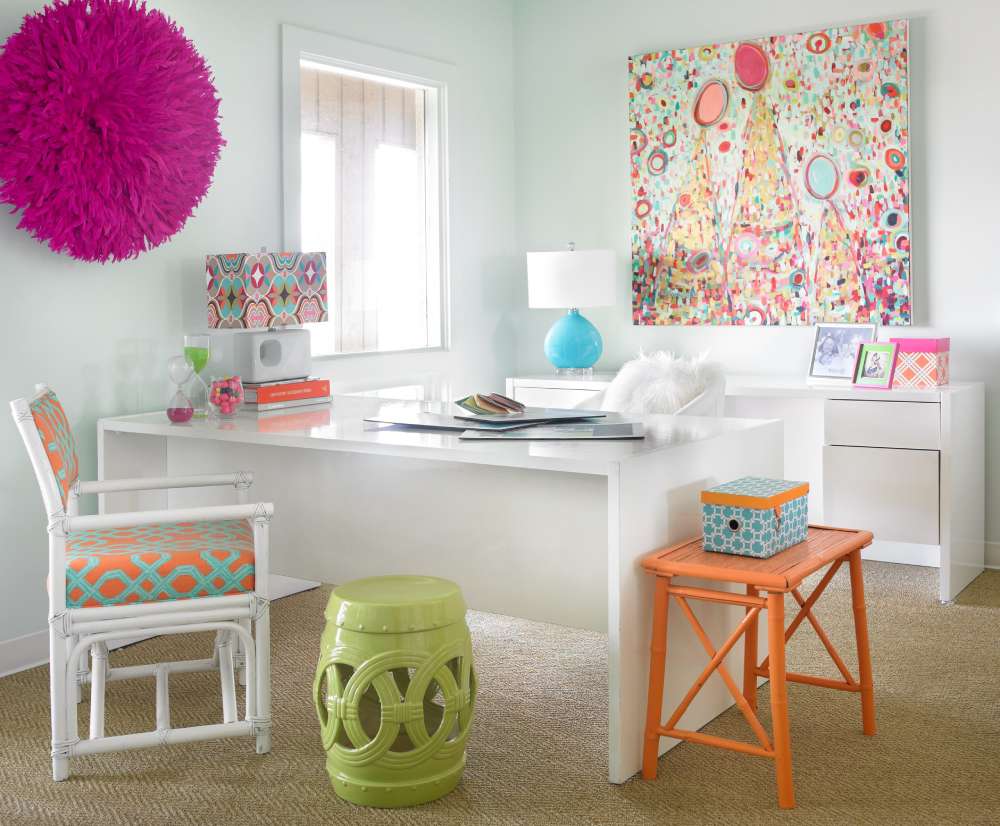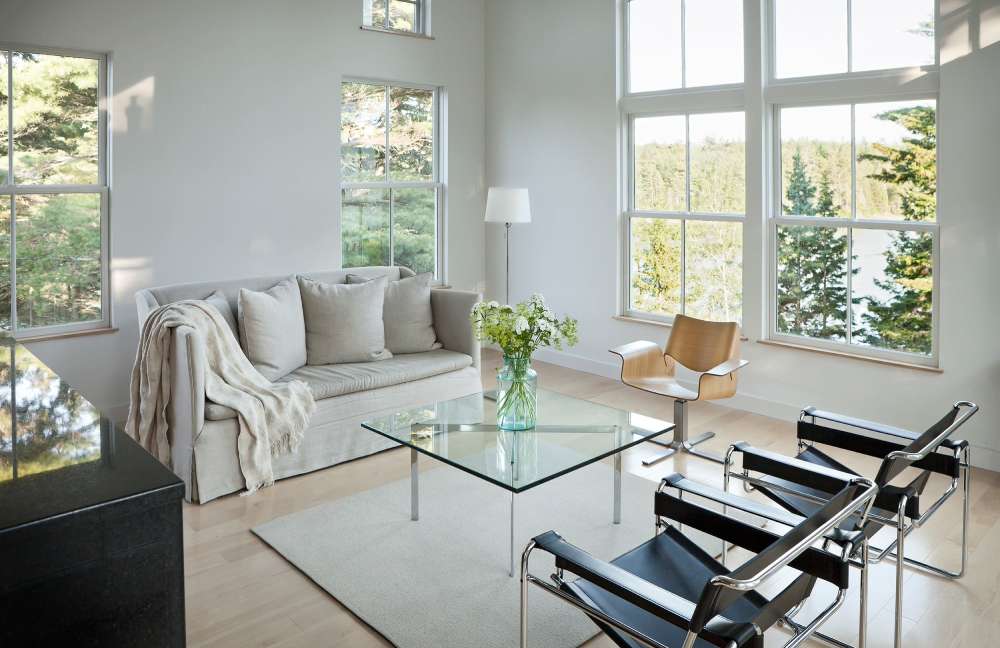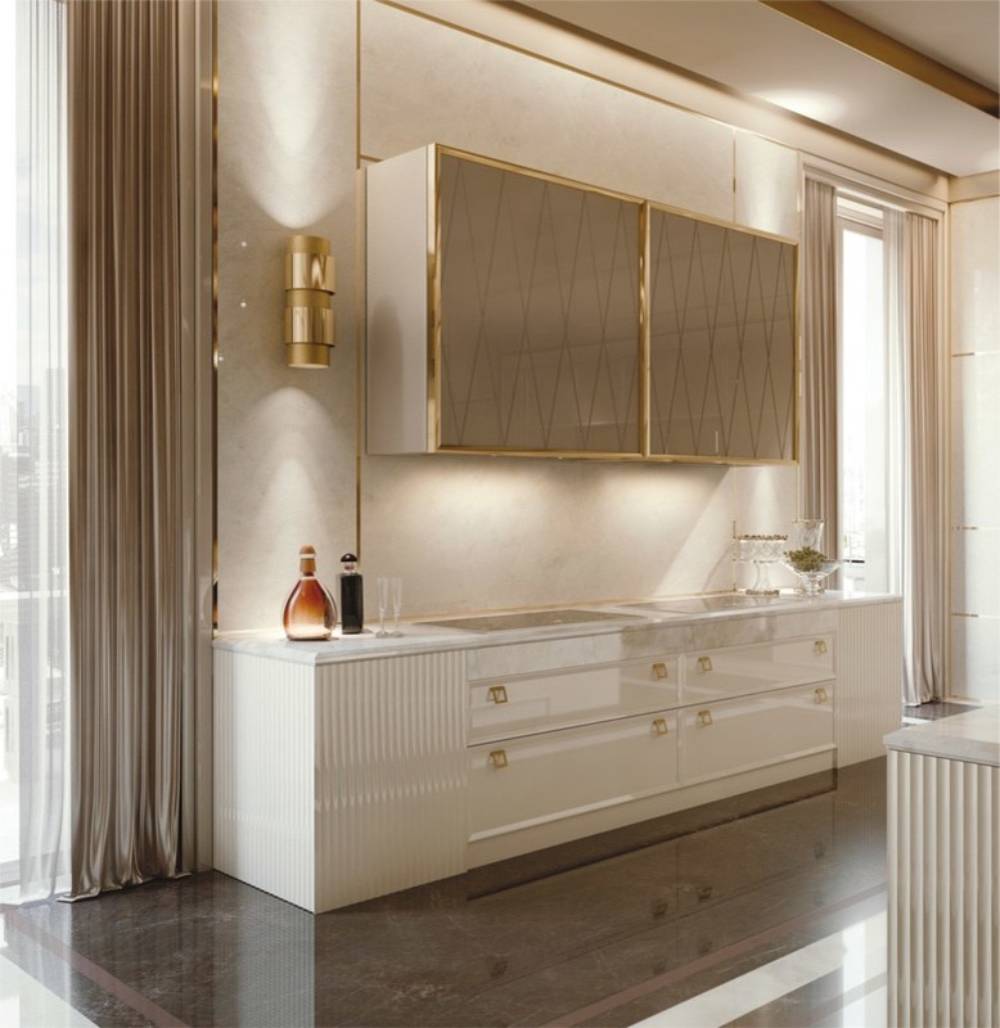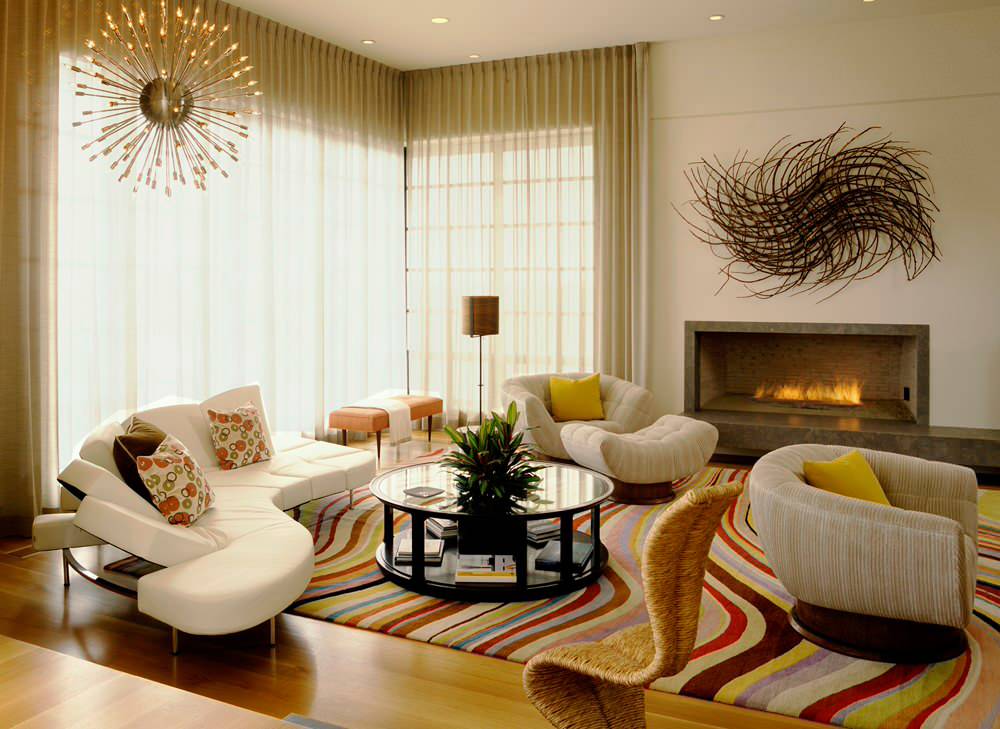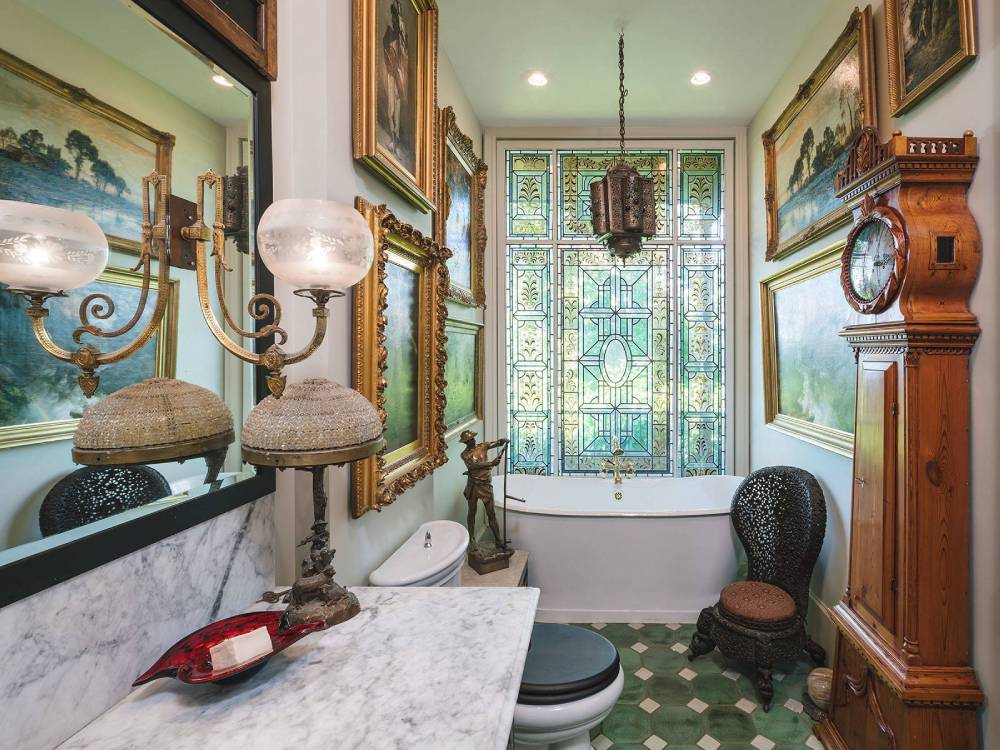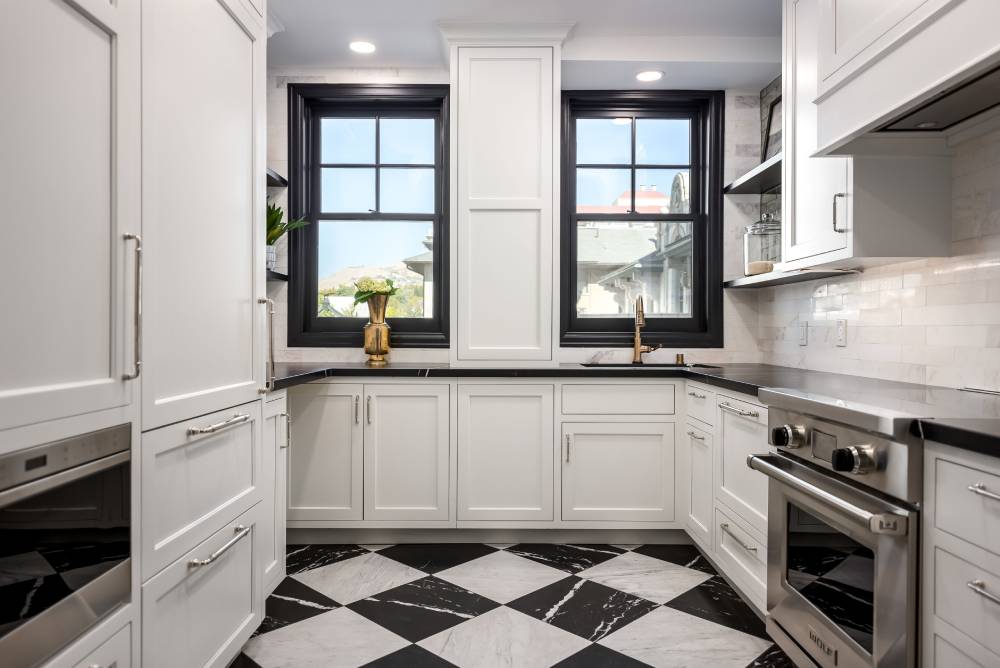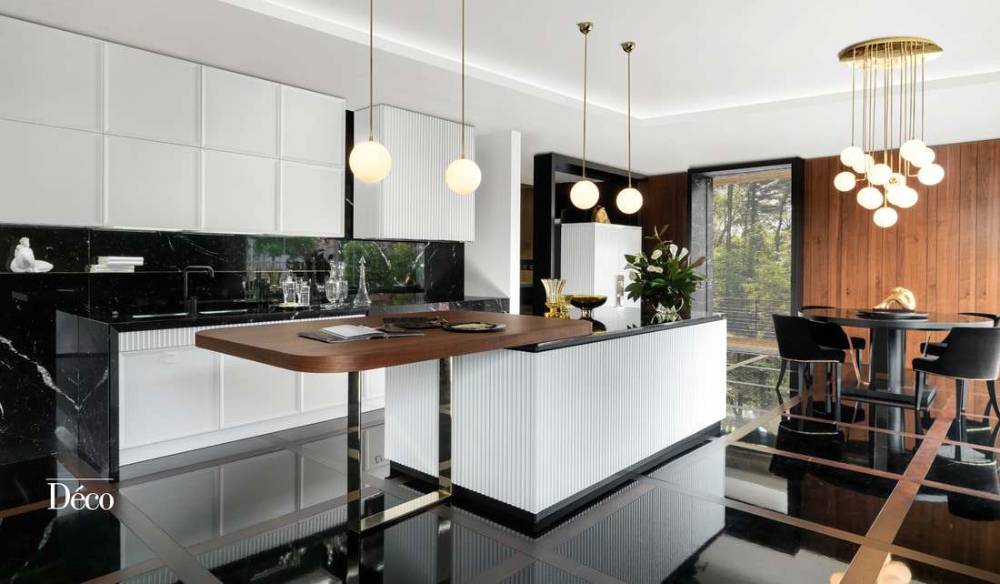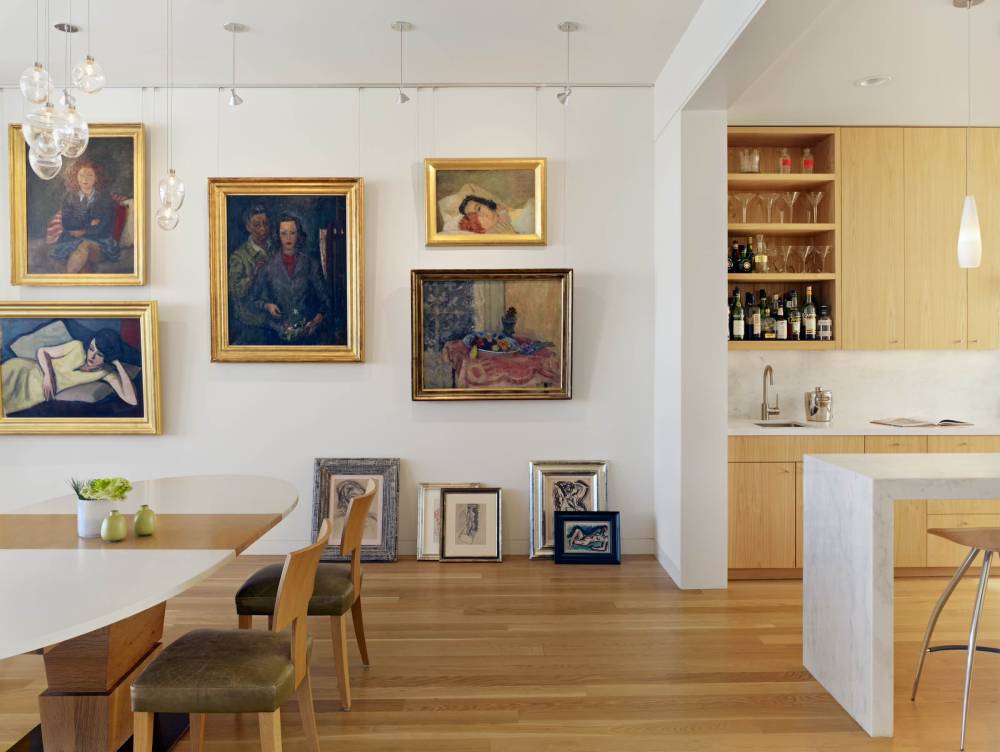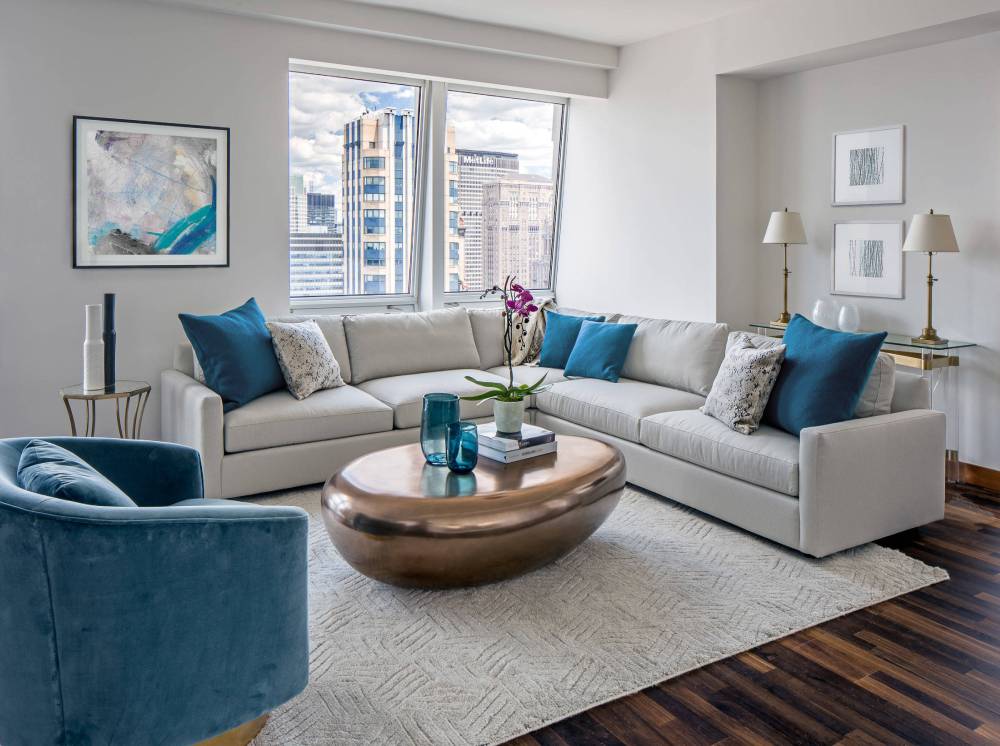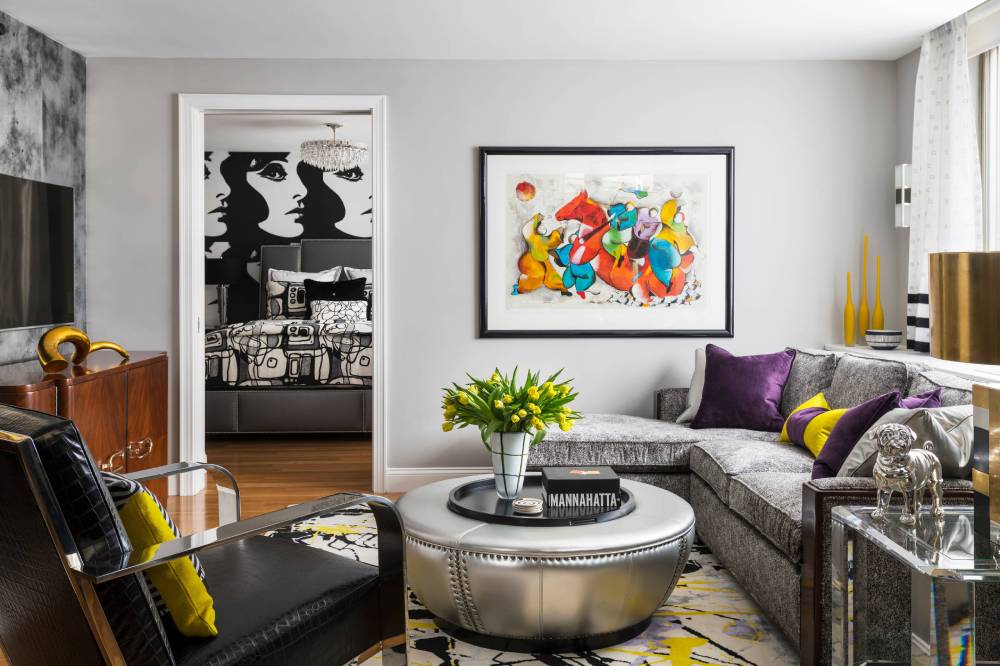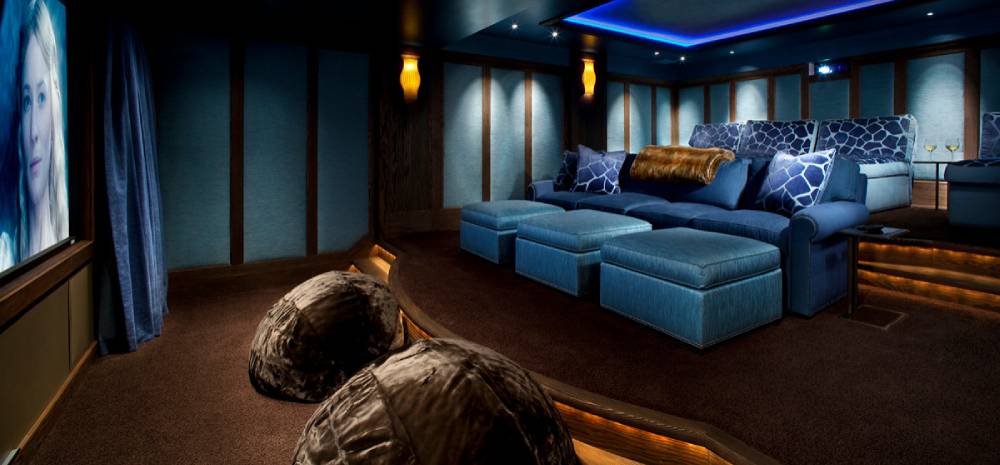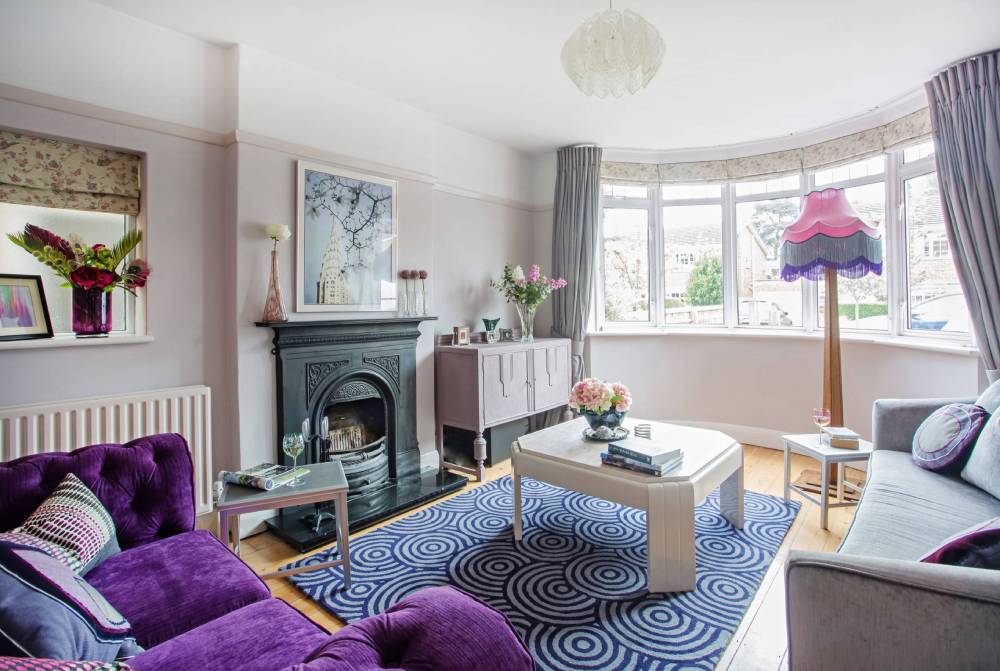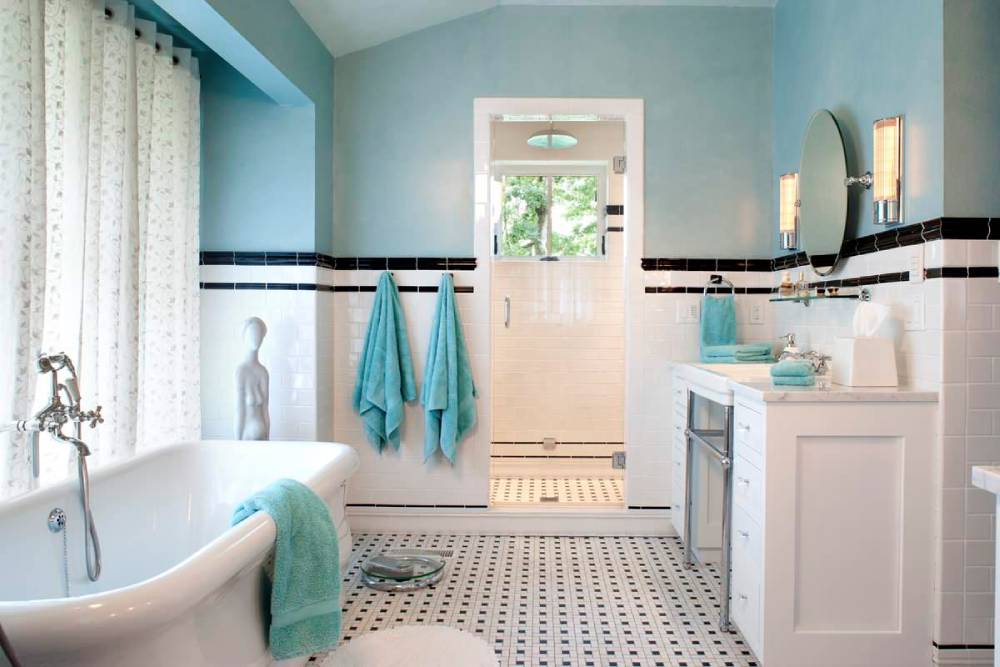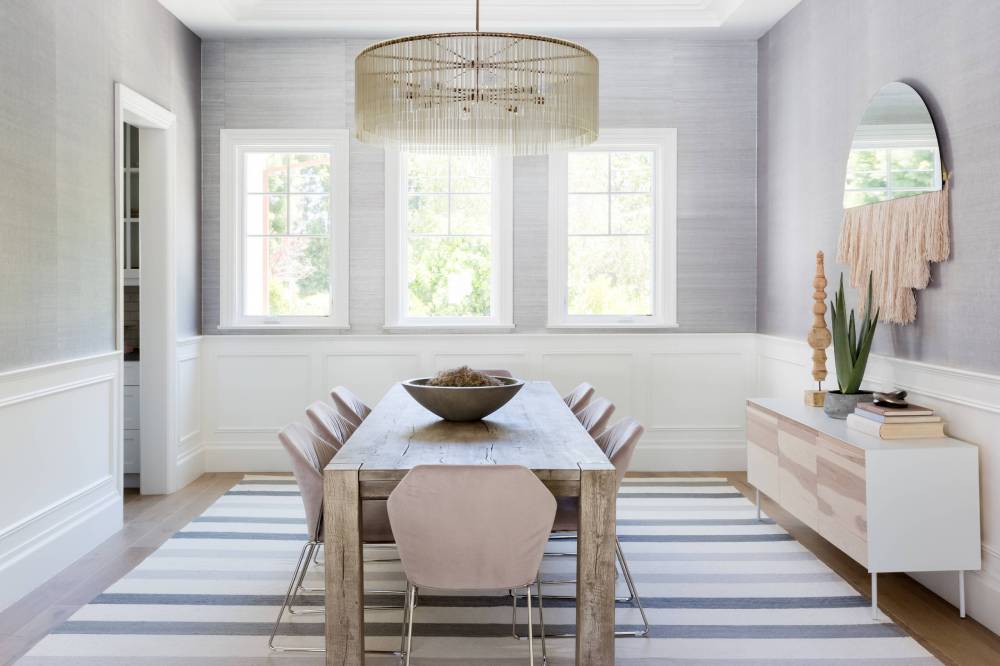
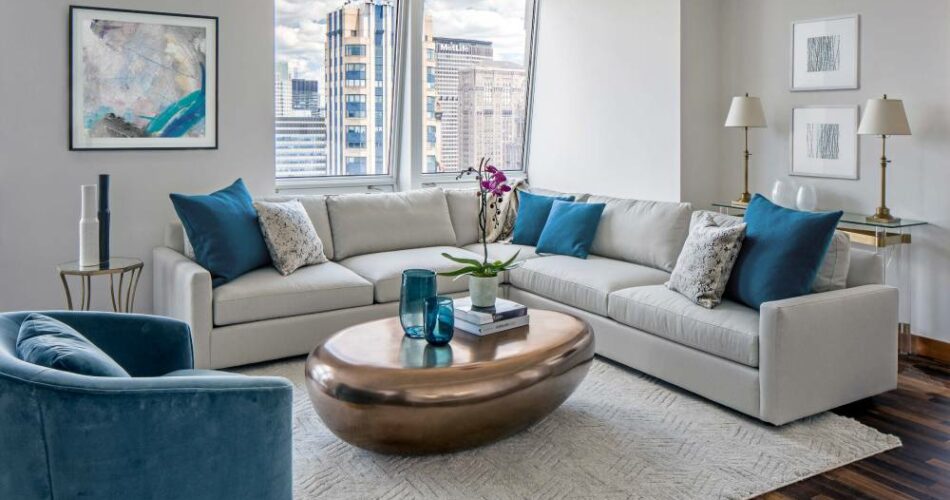
Art deco home decor is having a moment it probably should have had ten years ago. Geometric patterns, brass accents, velvet upholstery, jewel tone color palettes. The style born from 1920s Paris feels more relevant now than it has in decades.
A 2025 1stDibs survey of 643 designers found that 28% plan to draw from the Jazz Age for inspiration this year. The all-white, stripped-back look is fading. People want rooms with weight and personality again.
This guide covers the materials, colors, furniture, lighting, and accessories that define the style. Plus how to mix art deco with modern interiors without turning your home into a museum replica.
What Is Art Deco Home Decor?

Image source: S&K Interiors LLC
Art deco home decor is a design style defined by geometric patterns, bold symmetry, rich materials, and streamlined forms rooted in the 1920s and 1930s.
The style takes its name from the Exposition Internationale des Arts Decoratifs et Industriels Modernes, held in Paris in 1925. Over 16 million visitors from 20 countries attended the six-month exhibition, which showcased a new approach to architecture, furniture, glass, jewelry, and decorative arts across 57 acres of central Paris.
But here’s what most people get wrong. Art deco didn’t actually get its name until the late 1960s. For decades, it was just called “Style Moderne” or “the 1925 style.” The term was applied retroactively after a wave of renewed interest in the geometric, glamorous interiors of the Jazz Age.
The style was a deliberate break from art nouveau interior design and its flowing organic curves. Where art nouveau borrowed from nature, pulled from plant forms, and leaned into asymmetry, art deco went the opposite direction. Hard angles. Stepped forms. Sunburst motifs. Chevron patterns. Lacquered finishes. Everything was precise, ordered, and intentional.
And it shows up everywhere, even now. The Chrysler Building. Rockefeller Center. The pastel facades of the Miami Beach Art Deco Historic District.
According to a 1stDibs 2025 Designer Trends Survey of 643 interior designers, 28% cited the 1920s and 1930s as the decades they’ll draw on most for inspiration. Among designers outside the U.S., that number jumps to 32%.
The global home decor market was valued at approximately $960 billion in 2024, according to Grand View Research, with a projected compound annual growth rate of 9.4% through 2030. Art deco’s revival sits right at the intersection of the premium decor boom and a broader cultural shift away from minimal, all-white interiors.
Dezeen reported that Paris-based designers Samantha Hauvette and Lucas Madani specifically linked the art deco resurgence to sustainability. Their argument: art deco prioritizes well-constructed furniture and robust materials, which aligns with the growing desire to reduce rapid consumption and choose pieces that last.
That’s worth sitting with. A style born from 1920s excess is now being reframed as the antidote to disposable decor. Not something I would have predicted five years ago, but it makes sense when you look at the actual construction quality of the era’s furniture.
Art Deco vs. Art Nouveau vs. Mid-Century Modern

Image source: P. Scinta Designs, LLC
| Feature | Art Deco | Art Nouveau | Mid-Century Modern |
|---|---|---|---|
| Era | 1920s-1930s | 1890s-1910s | 1940s-1960s |
| Lines | Geometric, angular | Organic, curved | Clean, functional |
| Materials | Brass, marble, velvet, chrome | Glass, iron, wood, ceramic | Plywood, plastic, teak |
| Ornamentation | Bold, symmetrical | Flowing, nature-inspired | Minimal to none |
If you’re someone who gravitates toward the clean restraint of mid-century modern interior design, art deco will feel warmer and more layered. It has more weight to it. More presence in a room.
Materials and Finishes That Define the Style
The material palette is what separates art deco from looking generically “glam.” Get the materials right, and even a single accent piece reads as authentically deco.
Signature Metals
Brass is the default. Polished brass fixtures, hardware, light fittings, and decorative objects show up in almost every proper art deco interior. Gold leaf, chrome, and polished nickel fill the supporting roles.
The warm golden tone of brass works because it contrasts so well with deep jewel tones and dark surfaces. A brushed brass coffee table against an emerald velvet sofa. That kind of pairing.
Chrome and polished nickel lean cooler. They work better when you’re pulling from the later, more streamlined phase of art deco (think 1930s ocean liner interiors rather than 1920s Parisian salons).
Stone and Wood

Image source: BBH Design Studio
Marble is the anchor material. Black and white varieties, onyx, terrazzo, and inlaid stone flooring all belong in this category.
According to Grand View Research, the furniture segment dominated the global home decor market with a 50.7% revenue share in 2024. A big chunk of that includes marble-topped tables, consoles, and vanities that channel art deco’s love of polished, veined stone.
Lacquered wood rounds it out. Dark, glossy finishes on cabinets, sideboards, and cocktail bars. Not raw wood. Not matte. The whole point is that reflective, high-gloss surface that catches light and adds depth to a room.
Fabrics and Upholstery

Image source: Jerry Jacobs Design, Inc.
Velvet. Silk. Leather.
Those three define the texture in art deco interiors. Velvet especially has had a serious comeback. Channel-tufted sofas, velvet dining chairs, silk drapery panels. The fabric choices are part of what makes deco feel so different from Scandinavian interior design, which tends toward linen and cotton.
The 1stDibs survey showed 33% of designers plan to lean into maximalism in 2025. An equal percentage cited eclecticism. Both trends favor rich, tactile materials over the stripped-back textiles that dominated interiors for the last decade.
Reflective Surfaces

Image source: Candice Adler Design LLC | Adler Design Inc.
Mirrored surfaces: smoked glass, frosted glass, beveled mirrors. They amplify light in interior spaces and make rooms feel larger without adding clutter.
The Musee des Arts Decoratifs in Paris opened a centenary exhibition in October 2025 featuring nearly 1,200 art deco objects. A significant portion of the collection highlights the era’s obsession with reflective and translucent materials, from Rene Lalique’s glass fountains to mirrored furniture by Emile-Jacques Ruhlmann.
Color Palettes for Art Deco Interiors
Color is where art deco gets loud. Not loud as in chaotic, but confident. The palette choices are deliberate and dramatic.
Tom Kennedy, co-founder of Divine Savages, put it simply: the 1920s and 1930s relied on dramatic contrasts like deep emerald greens paired with inky blacks, or teals set against rich golds and silvers.
The rule of three applies here. One primary color, one metallic accent, one neutral base. Never more than three dominant shades in a single room.
Classic Art Deco Color Combinations

Image source: Leigh Olive Mowry-Olive Interiors
Black and gold: The signature. Black lacquer furniture, golden wall sconces, metallic wallpaper patterns. It works for everything from living room design to powder rooms.
Emerald green and brass: Lush, grounded, and warm without going too dark. Layer in cream or ivory details to keep it balanced.
Navy and silver: Cooler and more serene. Strong choice for bedrooms and dining areas. Think navy walls, silver-framed mirrors, geometric patterned rugs.
Deep burgundy and antique gold: Classic opulence. Especially good for autumn and winter styling when deeper tones feel more natural. If you’re curious about which shades pair well, check out colors that go with burgundy and colors that go with gold for more combinations.
Contemporary Takes on Art Deco Color
Not everyone wants a full-throttle Jazz Age living room. And honestly, that’s fine.
The modern adaptations are more restrained. Blush pink with brass accents. Forest green paired with walnut wood. Navy blue matched with matte gold hardware instead of high-shine chrome.
Vogue Scandinavia reported that in 2025, all-white interiors fell out of favor with nearly every designer they surveyed. AD100 designer Brigette Romanek noted that people now want homes that feel alive and personal, with pieces that carry character.
That shift works in art deco’s favor. The style is built on contrast in interior design. Dark walls with bright metallics. Pale backgrounds with jewel-toned furniture. It’s not subtle, but the best contemporary versions dial it back just enough to work in everyday spaces.
Benjamin Moore recommends using high-gloss finishes on walls to channel the art deco look. Their art deco paint palette includes hues like Carter Plum and Amethyst Sky, paired with satin and gloss sheens that make the color feel deeper and more dimensional.
Art Deco Furniture and What to Look For
Art deco furniture has a specific look. You can usually spot it across a room.
Waterfall dressers. Club chairs. Chaise lounges. Cocktail cabinets. These are the signature pieces. The silhouettes tend to be bold and structured, with fluted detailing, tapered legs, curved backs, and channel tufting. Form matters as much as function here.
Statement Pieces Worth the Investment

Image source: Tommy Chambers Interiors, Inc.
A velvet sofa with channel tufting is probably the single most recognizable piece of art deco furniture you can own. Get it in emerald green, sapphire blue, or deep burgundy, and the room basically decorates itself around it.
Cocktail cabinets are another one. The cocktail culture of the 1920s and 1930s is baked into the DNA of art deco (Prohibition-era speakeasies weren’t exactly known for their minimalism). A lacquered bar cabinet with brass hardware and mirrored interior panels can work as a focal point in any living room.
For vintage and authentic period pieces, 1stDibs and Chairish are the go-to marketplaces. Expect to pay more, but what you get is craftsmanship and material quality that reproduction pieces rarely match.
Jonathan Adler builds his entire brand around a modern take on art deco. CB2 and Article carry more accessible options with geometric brass frames, marble tops, and velvet upholstery at mid-range prices.
Budget-Friendly Art Deco Furniture Options
Opendoor reported in 2024 that U.S. consumers spend an average of $1,598 on home decor activities annually. That’s not nothing, but it’s not enough for a full Ruhlmann-inspired living room either.
The trick is the “one statement per room” approach:
- Pick one genuine art deco piece (or a strong reproduction) as the anchor
- Fill in around it with simpler, modern furniture that doesn’t compete
- Use brass hardware, geometric throw pillows, and metallic accessories to tie it together
Target’s Threshold line, H&M Home, and IKEA (with brass hardware swaps) all carry pieces that work. Etsy sellers specializing in deco reproductions are another solid source, especially for smaller decorative objects like bookends, trays, and vases.
The approach mirrors what’s happening more broadly in the market. Fortune Business Insights notes that the home textiles and floor coverings segment is growing rapidly as consumers focus on seasonal updates and personalization rather than full renovations.
Lighting in Art Deco Spaces

Image source: KuDa Photography
Lighting might be the easiest entry point into art deco. A single geometric chandelier or pair of frosted glass sconces can shift the entire mood of a room.
Fixture Types That Anchor the Style
Geometric chandeliers: Tiered, angular, often in brass or chrome with frosted or opaline glass panels. These are the centerpiece fixtures.
Torchieres: Floor lamps that direct light upward. They were everywhere in 1930s interiors and still work in rooms where you want soft, diffused ambient lighting without overhead fixtures.
Wall sconces: Frosted glass shades with brass or chrome arms. Flanking a mirror, a headboard, or a hallway. Sconces add layered accent lighting that overhead fixtures alone can’t achieve.
Pendant lights: Single or clustered, often with alabaster or smoked glass shades. Good for dining rooms and kitchen islands when you want pendant lighting with a deco edge.
Where to Source Art Deco Lighting
For authentic vintage pieces, look at original glassmakers like Muller Freres and Degue. Their opaline and frosted glass fixtures from the 1920s and 1930s still turn up on 1stDibs and at estate sales, though prices reflect the rarity.
Hudson Valley Lighting and Visual Comfort carry modern reproductions that capture the same geometric silhouettes and material combinations. These are the more practical options for most people.
The key is layering. Art deco rooms never relied on a single light source. Task lighting at the desk or reading nook. A chandelier or pendant for the main room. Sconces for wall-level warmth. That layered approach is what gives deco interiors their depth.
West Elm and CB2 both stock geometric brass table lamps and smoked glass pendants at more accessible price points. The shapes are right, even if the materials are slightly different from a 1920s original.
Wall Decor and Art Deco Patterns

Image source: Maven Home Interiors
Walls do a lot of heavy lifting in art deco spaces. They’re not background. They’re part of the design.
Art Deco Wallpaper and Wall Treatments
Pattern is where art deco really shows its personality. Fan motifs, chevrons, zigzags, sunburst designs, stepped geometric forms. These patterns defined the style at the 1925 exposition and they still read as unmistakably deco today.
Cole & Son, Graham & Brown, and York Wallcoverings all produce wallpaper lines with authentic art deco geometric patterns. Cole & Son’s Geometric collection in particular has been a consistent reference for designers pulling together deco-inspired rooms.
Panel molding and wainscoting with deco proportions also work. Clean, rectangular panel shapes arranged in a symmetrical layout across a wall. It adds architectural depth without wallpaper, and it lets you play with paint colors and sheens, especially those high-gloss finishes that Benjamin Moore recommends for channeling the era.
If you want a simpler starting point, an accent wall with a bold deco wallpaper is one of the lowest-commitment ways to introduce the style. One wall. One pattern. It changes the entire room.
Mirrors and Framed Art
Sunburst mirrors are the most recognized art deco wall piece. You’ve probably seen them everywhere from The Great Gatsby set designs to hotel lobbies in the Miami Beach Art Deco Historic District.
For framed art, look at Tamara de Lempicka and Erte. De Lempicka’s paintings used jewel tones, bold geometric compositions, and a polished, almost lacquered quality that captures the spirit of the era. Erte’s fashion illustrations and graphic work carry the same angular precision.
Vintage travel posters from the 1920s and 1930s are another option. They carry that streamlined, graphic quality that works well in modern deco spaces without feeling like a museum recreation.
The symmetry matters when hanging art and mirrors. Art deco is built on balanced compositions. Matching frames on either side of a fireplace. A centered sunburst mirror above a console. Paired sconces flanking a large print. The rhythm of repetition and order is what separates art deco wall styling from a generic gallery wall arrangement.
Room-by-Room Art Deco Styling
Art deco doesn’t land the same way in every room. A bathroom can handle full-throttle glamour that would feel exhausting in a bedroom. A living room needs a different balance than an entryway.
The trick is knowing how far to push it in each space.
Art Deco Living Room

Image source: Exclusive Home Interiors
The living room is where most people start, and for good reason. It’s the room guests see first, and art deco’s bold geometric patterns and metallic accents have the most impact in a social space.
Core pieces: A velvet sofa in a jewel tone (emerald, sapphire, deep burgundy), a brass coffee table, a geometric rug, and a statement chandelier. That’s the formula.
Lauren Kavanagh, art director at Hovia, told Homes & Gardens that dining rooms provide an excellent canvas for art deco. But honestly, the living room runs a close second. If you’re working with an open layout, a single channel-tufted sofa and a sunburst mirror can set the tone for the whole floor.
For throw pillow combinations, pair geometric patterned covers in gold and cream against a solid velvet base. Two or three is enough. More than that starts looking cluttered, which is the opposite of what art deco aims for.
Art Deco Bedroom

Image source: Nick Noyes Architecture
Upholstered headboard with channel tufting. That’s the single most recognizable art deco bedroom element.
Pick velvet in a deep color. Sapphire blue or emerald green. Flank it with mirrored nightstands. Add silk or satin bedding in a complementary jewel tone. The emphasis stays on the bed as the room’s anchor.
Scalloped headboards are another option, especially if you want something slightly softer. Livingetc featured several modern art deco bedrooms in 2025 where the headboard alone carried the entire design. Everything else stayed restrained.
Keep the bedroom decor simpler than the living room. A bedroom should still feel calm. One statement headboard, a pair of brass or chrome sconces, silk window treatments in a dark shade. That’s plenty.
Art Deco Bathroom

Image source: Evelyn James Interiors
Bathrooms might actually be the best room for going all-in on art deco. Livingetc reported in 2025 that art deco bathrooms lend themselves to a glitzy, speakeasy-level impact that other rooms simply can’t pull off the same way.
- Black and white geometric tile floors (hexagonal or chevron patterns)
- Brass fixtures and hardware throughout
- Frameless beveled mirrors or arched mirrors with metallic frames
- Marble vanity tops with veined stone
The smaller space actually works in your favor here. Art deco’s high-contrast palette and reflective surfaces make compact bathrooms feel bigger, not smaller.
Art Deco Decor Accessories and Finishing Details
Accessories are where you finish the job. The furniture and lighting set the structure. The smaller objects fill in the personality.
And they’re the most budget-friendly way to test whether art deco works for you before committing to larger pieces.
Decorative Objects
SwiftBeacon data shows millennials spend roughly $1,771 annually on home decor, about 23% more than Baby Boomers. A lot of that goes to accessories and decorative objects rather than major furniture purchases.
Art deco accessories tend to be small but specific:
- Brass bookends with geometric shapes
- Marble and gold trays for coffee tables or vanities
- Decorative boxes in lacquered wood or mirrored glass
- Sculptural vases in chrome, smoked glass, or onyx
The cocktail connection matters here too. Art deco came of age during Prohibition-era speakeasy culture, and barware still carries that DNA. A brass cocktail shaker set, crystal glassware with geometric etching, or a mirrored bar tray on a lacquered cabinet brings that specific 1920s character without requiring a full room overhaul.
Textiles and Soft Furnishings

Image source: Kate Lovejoy Interiors
Geometric throw pillows are the simplest entry point. Fan motifs, chevron stripes, or stepped patterns in gold, black, and cream.
Market Data Forecast reports that the home textiles and floor coverings segment is growing at a projected CAGR of 9.4% through 2033, driven by frequent style updates and the preference for quick personalization over full renovation.
Fringed blankets in silk or velvet. Art deco-patterned area rugs with bold borders. These are the pieces that bring finishing details to a room without permanent changes.
Anthropologie, West Elm, and Etsy sellers who specialize in deco reproductions carry a solid range at different price points. You don’t need to source everything from a single retailer.
How to Mix Art Deco with Other Styles
Very few people live in a museum-replica art deco home. And they shouldn’t.
The best modern deco rooms work because they blend. One or two strong art deco elements anchoring a space that’s otherwise contemporary, or Scandinavian, or something else entirely.
Vogue Adria described this approach as “Neo Deco” in early 2026: a fusion of art deco glamour and modern comfort that restores warmth to spaces leaning too heavily on minimalism. Not a full 1920s recreation, but heritage-inspired statement pieces as focal points surrounded by clean, modern furniture.
| Style Pairing | What Works | Watch Out For |
|---|---|---|
| Art Deco + Modern Minimalist | Brass accents, geometric forms against clean lines | Too many metallics can fight the minimal feel |
| Art Deco + Hollywood Regency | Shared DNA in velvet, mirrors, glamour | Both are bold, so dial one back |
| Art Deco + Scandinavian | Warmth of deco against Nordic restraint | Clashing material palettes (brass vs. light wood) |
| Art Deco + Mid-Century Modern | Velvet upholstery, geometric shapes overlap | Tapered MCM legs vs. deco’s heavier profiles |
The One-Statement-Per-Room Rule
Pick one genuinely art deco piece per room when blending styles. A sunburst mirror. A channel-tufted chair. A geometric pendant light. Then build the rest of the room in your primary style.
That single piece becomes the visual line that draws the eye. Everything else supports it without competing.
Atomic Ranch featured several homes mixing art deco with mid-century modern in 2024. The most successful examples used velvet upholstery and brass fixtures as the deco layer, while keeping furniture silhouettes clean and mid-century in shape. The overlap in geometric forms made the two styles fit naturally.
Common Mistakes When Mixing Styles
Going too themed: A room that looks like a 1920s film set is a novelty, not a living space. Mix eras deliberately.
Ignoring scale: Art deco furniture tends to be substantial. Pairing an oversized tufted sofa with delicate minimalist side tables creates a visual imbalance. Scale and proportion still apply.
Too many metallic finishes: Stick to one or two metals max. Brass and chrome in the same room? Usually a mess. Pick one and commit.
The 1stDibs survey found that 33% of designers plan to lean into maximalism in 2025, but maximalism done well is still edited. It’s not “add everything.” It’s “add the right things with intention.” Harmony matters even in the boldest rooms.
Where to Buy Art Deco Home Decor
E-commerce now accounts for 44.3% of global home decor distribution, according to Market Data Forecast. That’s the largest single channel. And it means you can source art deco pieces from anywhere without relying on whatever your local furniture store happens to carry.
stDibs alone lists over 44,000 art deco furniture pieces and nearly 9,500 decorative objects. Chairish, Ruby Lane, and Etsy add thousands more.
But the range of price points and quality varies wildly. Knowing where to look for what saves time and money.
High-End Sources
1stDibs: The largest curated marketplace for authentic vintage and antique art deco furniture. Period pieces from the 1920s and 1930s by designers like Emile-Jacques Ruhlmann and Rene Lalique. Prices start in the hundreds and climb into the tens of thousands.
Restoration Hardware: Modern reproductions with heavy, substantial materials. Good for large statement pieces like brass-framed mirrors, marble dining tables, and lacquered cabinets.
Jonathan Adler: The entire brand is built on a modern take on art deco. Bold geometric forms, brass and marble combinations, jewel-toned upholstery. Not cheap, but the design language is consistent and immediately recognizable.
Mid-Range Options
| Retailer | Best For | Price Range |
|---|---|---|
| CB2 | Brass-framed furniture, geometric accessories | $$ |
| West Elm | Velvet sofas, marble accents, deco-inspired rugs | $$ |
| Article | Clean-lined velvet seating, brass side tables | $$ |
| Anthropologie | Decorative objects, textiles, statement mirrors | $$-$$$ |
These retailers sit in the sweet spot for most people. The materials are solid (actual marble tops, real velvet upholstery) without the price tag of true vintage.
Budget-Friendly and Secondhand
Statista data shows only about 1 in 10 U.S. consumers bought furniture online in 2024. But for smaller decorative items, the adoption rate is much higher, and that’s where budget-friendly art deco shopping shines.
- H&M Home: Geometric candle holders, brass-tone trays, patterned cushion covers
- Target (Threshold line): Affordable deco-inspired mirrors, lamp bases, decorative boxes
- IKEA: Not art deco by default, but swapping out hardware for brass pulls and adding geometric accessories transforms basic pieces
For secondhand and vintage finds, Chairish and Etsy are the two most reliable online sources. Ruby Lane works well for smaller decorative objects and barware. Local estate sales remain the best option for finding authentic period pieces at below-market prices, but availability depends entirely on your area.
SwiftBeacon reports that antique furniture can cost about 80% less than comparable new pieces while offering unique character that reproductions can’t match. For art deco specifically, estate sales in cities with strong deco architectural heritage (Miami, New York, Chicago, Los Angeles) tend to surface the best inventory.
One thing to keep in mind about interior design styles generally: you don’t need to furnish an entire room at once. Start with one anchor piece. Add accessories over time. The best deco spaces feel collected, not purchased in a single afternoon.
FAQ on Art Deco Home Decor
What is art deco home decor?
Art deco home decor is a design style rooted in the 1920s and 1930s. It’s defined by geometric patterns, bold symmetry, rich materials like brass and marble, and streamlined forms inspired by the 1925 Paris exposition.
What colors are used in art deco interiors?
Deep jewel tones dominate. Emerald green, sapphire blue, burgundy, and black paired with gold or brass accents. Cream and ivory serve as neutral bases. The palette relies on high contrast between dark and metallic shades.
What materials define art deco style?
Brass, chrome, marble, velvet, silk, lacquered wood, and mirrored glass. These materials create the reflective, layered look the style is known for. Polished surfaces and rich textures are non-negotiable.
Is art deco still in style?
Yes. A 2025 1stDibs survey found 28% of designers cite the 1920s and 1930s as their primary inspiration. The style is experiencing a strong revival, especially as all-white minimalism fades from popularity.
How do I add art deco to a room on a budget?
Start with accessories. Geometric throw pillows, a brass tray, a sunburst mirror, or a velvet cushion in a jewel tone. Target’s Threshold line, H&M Home, and Etsy sellers offer affordable deco-inspired pieces.
What furniture is considered art deco?
Waterfall dressers, club chairs, chaise lounges, and cocktail cabinets. Look for channel tufting, fluted detailing, tapered legs, and curved backs. Velvet upholstery and brass or chrome frames are typical.
What is the difference between art deco and art nouveau?
Art nouveau uses organic curves and nature-inspired forms. Art deco favors angular geometry, symmetry, and machine-age precision. They emerged in different eras. Art nouveau peaked around 1900, art deco in the 1920s.
Which rooms work best for art deco styling?
Bathrooms and living rooms tend to carry art deco most effectively. Bathrooms benefit from high-contrast tile and brass fixtures. Living rooms gain impact from velvet sofas, geometric rugs, and statement chandeliers.
Can I mix art deco with modern or minimalist styles?
Absolutely. The best approach is one strong deco piece per room. A brass pendant light, a channel-tufted chair, or a geometric mirror. Keep everything else clean and contemporary to avoid a themed look.
Where can I buy authentic art deco furniture?
stDibs and Chairish carry the largest selection of vintage art deco pieces. For modern reproductions, Jonathan Adler, CB2, and West Elm offer strong options. Estate sales in cities like Miami and New York are worth checking too.
Conclusion
Art deco home decor works because it commits. Bold symmetry, rich materials, and a color palette that actually says something. No other interior design style from history has cycled back with this much momentum.
The style scales to any budget. A single sunburst mirror or velvet accent chair does more for a room than a full set of generic furniture ever could.
Start with one piece. A brass fixture. A marble tray. A geometric wallpaper on one wall. Build from there.
The rooms that feel most alive right now are the ones mixing art deco’s structured glamour with modern restraint. Not themed. Not costume-like. Just layered, intentional, and built around pieces worth keeping.
That’s always been the point of this style. Things made to last.
- What Color Bedding Goes with Gray Walls - May 14, 2026
- What Color Curtains Go With Gray Walls - May 8, 2026
- How Visual Furniture Previews Help You Choose the Right Piece for Your Room - April 13, 2026