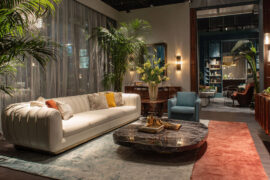
Most shelving looks like an afterthought. Contemporary shelving ideas change that.
When storage and display work together, a shelf becomes one of the most functional design decisions in a room. Clean lines, honest materials, and deliberate negative space are what separate contemporary shelving from everything else on the market.
This guide covers what contemporary shelving actually is, which materials and configurations define it, and how to style, install, and budget for it across every room in your home.
What Is Contemporary Shelving?

Contemporary shelving is a storage and display system defined by clean lines, minimal ornamentation, and honest use of materials. It is not a fixed historical style but a reflection of what is current, which makes it distinct from mid-century modern, Scandinavian, or industrial shelving.
The core characteristics are consistent: open structure, neutral or monochromatic finishes, and deliberate mixing of materials like steel with wood or concrete with glass.
Where mid-century modern shelving leans on tapered legs and warm organic curves, contemporary shelving removes decorative detail entirely. Where Scandinavian interior design relies heavily on light woods and hygge-driven warmth, contemporary shelving is more controlled, more architectural in feel.
The term gets misused constantly. Retailers apply “contemporary” to almost anything that isn’t overtly rustic or ornate. In practice, truly contemporary shelving has 4 identifiable traits:
- No visible decorative hardware (or hardware that doubles as a design feature)
- Materials left in their natural or near-natural state
- Proportions that prioritize negative space as much as the shelf itself
- Compatibility with open-plan interiors and contemporary interior design principles
Key difference from “modern” shelving: Modern refers to a specific design movement from the early-to-mid 20th century. Contemporary means now. A shelf can be contemporary without being modern, and modern without being contemporary.
The global shelving units market was valued at approximately $6.88 billion in 2024, with the residential segment projected to grow at a 5.1% CAGR through the forecast period, driven largely by urbanization and smaller living spaces requiring smarter storage (Emergen Research, 2024).
That growth isn’t accidental. It tracks directly with the rise of open-plan living, where storage has to work as decor too.
What Materials Are Used in Contemporary Shelving?
Material choice is what separates a contemporary shelf from a generic one. 5 materials dominate the contemporary shelving category, each with distinct structural and visual trade-offs.
The home storage and organization market shows 42% consumer demand for modular systems and 36% preference for sustainable designs (Global Growth Insights, 2024). Material selection drives both.
Metal Shelving Frames

Powder-coated steel is the most common contemporary shelf frame material. Matte black is the dominant finish since around 2018 and remains the top-selling hardware color at most major retailers.
Brushed brass and raw steel are the main alternatives. Brass reads warmer and pairs well with walnut or oak shelves. Raw steel develops patina over time, which suits industrial-leaning contemporary spaces.
- Matte black: works in almost any contemporary context, pairs with light and dark woods
- Brushed brass: best for warmer, richer palettes, avoid with cool-toned walls
- Raw/natural steel: limited to spaces where patina fits the aesthetic
Wood Shelf Surfaces
Walnut and oak are the 2 most used wood species in contemporary shelving. Walnut’s dark, tight grain reads as premium. Oak is lighter, more neutral, and easier to fit across different color schemes.
Solid wood vs. engineered wood is a real trade-off. Solid walnut shelves above 48 inches can warp without proper support. MDF with veneer stays flat and costs significantly less, though the edge detail gives it away on close inspection.
| Material | Best For | Watch Out For |
|---|---|---|
| Solid walnut | Statement shelves, short spans | Warping over 48″ without center support |
| White oak | Neutral palettes, high-humidity rooms | Can yellow with oil finishes over time |
| MDF with veneer | Budget builds, long spans | Visible edge banding, moisture sensitivity |
| Ash | Light, Scandinavian-leaning spaces | Less available than oak or walnut |
Concrete and Stone Options

Concrete shelves work as statement pieces. A single cast concrete floating shelf in a kitchen or living room adds material weight that wood and metal can’t replicate. Practically, they’re heavy. A 12-inch deep, 36-inch wide concrete shelf can weigh over 30 lbs, which requires proper wall anchoring into studs or masonry.
Honed marble and slate are used less often but appear in higher-budget contemporary bathrooms and wet bars, where water resistance and visual density matter.
What Are the Main Types of Contemporary Shelving Systems?

Contemporary shelving breaks into 6 primary configurations. Each serves a different spatial function and suits different room types, budgets, and installation conditions.
| Type | Key Feature | Best Room Use | Price Range |
|---|---|---|---|
| Floating wall shelves | No visible brackets | Living room, bedroom, kitchen | $30 – $400+ |
| Floor-to-ceiling units | Maximum vertical storage | Living room, home office | $300 – $3,000+ |
| Modular systems | Reconfigurable over time | Any room, long-term use | $200 – $5,000+ |
| Freestanding open shelving | No wall mounting required | Living room, entryway | $100 – $1,500 |
| Built-in alcove shelving | Uses recessed wall space | Living room, hallway | $500 – $4,000+ (custom) |
| Corner shelving | Dead-corner space use | Any room with unused corners | $40 – $600 |
Floating Shelves
The most searched and installed type. The visual appeal is the absence of visible support structure, which makes walls feel less cluttered than bracket-mounted or freestanding alternatives.
A 2024 survey by the National Kitchen and Bath Association found 78% of designers used floating shelves in at least one project in the prior year, primarily in kitchens and bathrooms.
Floor-to-Ceiling Units
These maximize vertical space in rooms with high ceilings. They draw the eye upward, which makes low-ceilinged rooms feel taller and high-ceilinged rooms feel proportionally filled.
This is where the scale and proportion in interior design matters most. A floor-to-ceiling unit in a room with 8-foot ceilings looks different from the same unit in a 12-foot loft, and the shelf depth, bay width, and object arrangement need to be adjusted accordingly.
Modular Systems
The VITSOE 606, designed by Dieter Rams in 1960, remains the benchmark for high-end modular shelving. Components attach to aluminum E-Tracks without tools, and the system expands shelf by shelf over years. A basic 2-track entry setup starts around $1,040.
String Furniture’s String System is the other major reference in this category. Both brands share the same core premise: buy less now, add later as needs change.
Built-In Alcove Shelving

Recessed into wall cavities or flanking a fireplace, built-in shelving is the most spatially efficient option. It uses depth that would otherwise be dead space inside the wall structure.
Worth noting: standard interior wall depth in North American timber-frame construction is about 3.5 inches. That’s enough for book storage but not for deeper display objects. Custom alcove builds often extend beyond the wall plane slightly, which needs to be factored into room planning. Space planning in interior design helps determine whether an alcove build makes sense given ceiling height, wall material, and room traffic flow.
How Does Floating Shelving Work in Contemporary Interiors?

Floating shelves rely on one of 2 structural systems: hidden bracket systems or rod-and-sleeve mounts. Understanding the difference matters before drilling anything.
The global floating shelves market was valued at $1.29 billion in 2024 and is expected to reach $2.33 billion by 2032, growing at 7.7% CAGR (Stellar Market Research, 2025). North America holds over 40% of that market.
Hidden Bracket vs. Rod-and-Sleeve Systems
Hidden bracket systems use L-shaped metal brackets screwed into wall studs. The shelf slides over the bracket and is secured from below or at the back. The bracket is completely invisible once installed.
Rod-and-sleeve systems use steel rods drilled directly into the wall, with the shelf sleeved onto the rods. This method works with thicker shelves (minimum 1.5 inches) and handles heavier loads, but requires precise drilling alignment.
Wall Material Requirements
Most floating shelf failures come from not matching the mounting method to the wall material. 3 wall types with different requirements:
- Timber stud walls: anchor into studs at minimum, not just drywall. Standard stud spacing is 16 inches on center in the US.
- Masonry and concrete: require masonry drill bits and expansion anchors. Load capacity is generally higher than stud walls.
- Hollow-wall installations: use toggle bolt anchors (Toggler SnapToggle is reliable). Limit loads to 15-20 lbs per bracket.
Ideal Shelf Depth by Room
Depth is where most people under-specify. Too shallow and the shelf looks awkward with real objects on it. Too deep and it intrudes into the room.
- Hallways and narrow spaces: 8-10 inches
- Living rooms and bedrooms: 10-12 inches
- Home offices and kitchen display areas: 12-16 inches
Common Installation Errors
The most common error is mounting into drywall only, without hitting a stud or using proper anchors. The shelf holds initially and then pulls away from the wall under load.
The second most common issue is not accounting for wall plumb. Walls in older buildings are rarely perfectly vertical. A shelf level relative to the floor may look tilted against a slanted wall, and vice versa. Use a spirit level against the wall itself, not just the floor.
What Are the Best Contemporary Shelving Ideas for Living Rooms?

The living room is where contemporary shelving does the most work visually. It has to function as storage and act as a design feature at the same time.
47% of urban households now prioritize space optimization as a primary driver of storage decisions (Global Growth Insights, 2024). In living rooms, that means shelving needs to handle both display and practical storage without looking like a warehouse.
Full-Wall Configurations
A full wall of shelving is the highest-commitment option and the highest-impact one. Done right, it anchors the entire room.
Key proportions to follow:
- Shelf spacing between 12 and 16 inches allows varied object heights
- Leave at least 20% of shelf space empty (negative space reads as intentional, not incomplete)
- Vary shelf depths across a full-wall build, deeper at the bottom, shallower toward the top
HAY’s New Order system handles this well in practice. It combines open shelves with closed compartments in the same frame, which gives the visual lightness of open shelving without exposing everything you own to public view.
TV Unit Integration

Shelving flanking a TV unit is one of the most searched living room configurations. The challenge is keeping the arrangement balanced in interior design terms without making both sides feel identical.
Symmetrical flanking shelves are the safe choice. Asymmetrical arrangements (a tall floor-to-ceiling unit on one side, shorter floating shelves on the other) are more interesting but require careful attention to visual weight.
Practical note: Plan cable management before installing shelving around a TV. Running cables through a wall cavity before the shelves go up is far easier than routing them after.
Shelf Styling Principles
Houzz and Apartment Therapy design editors consistently point to one styling shift: contemporary shelf displays in 2024 and beyond are becoming more restrained, with fewer items and more breathing room between objects.
3 rules that actually work:
- Group objects in odd numbers (3 or 5), not even numbers
- Mix heights within each shelf zone rather than lining everything up at the same level
- Use books horizontally in stacks as a base for smaller objects, not just vertically in rows
What Contemporary Shelving Works in Small Spaces?
Small-space shelving is not just about fitting storage into a tight room. It is about making the room feel larger while doing it. Wrong shelving choices make small rooms feel more cramped, not less.
The residential shelving segment growth is driven in part by urban housing trends. The U.S. Census Bureau recorded 1.35 million housing starts in 2023, with urban units trending smaller, pushing demand for space-efficient storage solutions (Emergen Research, 2024).
Vertical Emphasis Over Horizontal Spread
In a small room, a tall narrow unit uses less floor area than a wide low one while providing comparable or greater storage volume.
A unit that is 18 inches wide and floor-to-ceiling uses roughly 1.5 square feet of floor space. A 72-inch wide, 4-shelf unit at the same height uses 6 square feet. The math is obvious, but the visual impact is even more significant. Vertical lines draw the eye up and make ceilings feel higher.
Corner and Recessed Solutions
Corner floating shelves are the most underused small-space tool. The corner of a room is almost always dead space. A set of 3 corner shelves at staggered heights turns that dead space into 9 to 15 square feet of display area without touching the floor plan.
Recessed shelving goes further. Building shelves into the wall cavity eliminates depth intrusion entirely. The shelf is flush with or slightly proud of the wall surface, adding storage without reducing the perceived room size at all.
Rail and Pegboard Systems
For flexible small-room storage, rail-based systems like IKEA’s SKADIS pegboard allow shelf positions to be changed without drilling new holes. This matters in rooms where needs change frequently, like a home office that doubles as a guest room.
Shelf depth matters more in small spaces than anywhere else. A 6-inch deep shelf holds books, small plants, and most decorative objects without protruding far enough into the room to feel obstructive.
What Are Contemporary Shelving Ideas for Home Offices?
Home office shelving has specific functional requirements that differ from every other room. It has to hold reference materials, equipment, and sometimes acoustic treatment, while still looking intentional rather than improvised.
Wayfair’s introduction of AR-based room visualization in 2024 led to a 38% increase in customer engagement for storage furniture purchases, with 29% of buyers using the feature to preview modular shelf placement in their home office spaces specifically (Global Growth Insights, 2024).
Desk-Integrated vs. Freestanding Units
Desk-integrated floating shelves work best in dedicated home office rooms where the desk is fixed against a wall. Shelves mounted directly above the desk at 18 to 24 inches above the work surface keep reference materials within arm’s reach without requiring you to stand up.
Freestanding units behind the desk serve a different purpose. They appear in video calls, which makes their styling as much a professional concern as a design one. A clean, well-proportioned unit with books, a few personal objects, and clear negative space reads as composed and deliberate on camera.
Cable Management in Open Shelving
Open shelving in a home office exposes cables that closed cabinetry would hide. 3 practical approaches:
- Cable raceways attached to the underside of shelves, painted to match the shelf surface
- Power strips mounted to the back of the unit with cables routed through grommets in the shelf
- A dedicated closed compartment within an otherwise open modular system for equipment and cable management
Shelf Depth for Office Use
Standard book depth is 9 to 10 inches. A monitor, printer, or desktop speaker needs 12 to 16 inches. Mixing shelf depths within the same unit is more useful than using one uniform depth throughout.
String Furniture’s String System allows different shelf depths on the same vertical track, which is one reason it’s popular in home office configurations. A single system can handle paperback books, A4 binders, a printer, and speaker monitors without needing a separate piece of furniture for each.
For anyone working in audio recording or video production, contemporary home office design increasingly incorporates acoustic panel integration directly into shelving bays, using the filled shelves themselves as partial sound diffusers.
How Is Contemporary Shelving Used in Kitchens and Dining Areas?
Open kitchen shelving replacing upper cabinets is one of the most debated design moves of the last five years. It looks clean and intentional when done well. It looks chaotic when it isn’t.
A 2024 Fixr survey of 71 interior design professionals found that 17% of experts named open shelving a top kitchen trend for the year, while others noted it is “not going anywhere” despite a measured drop in mainstream popularity (Fixr Kitchen and Bathroom Trends Report, 2024).
Open Shelving vs. Upper Cabinets
The practical split most designers now recommend: use open shelving selectively, not as a full replacement.
Where open shelving works in kitchens:
- One wall of open shelves flanking a range hood or window
- Above a breakfast nook or dining banquette for display and easy access
- On a single accent wall alongside closed cabinetry elsewhere
Where it fails: replacing all upper cabinetry in a working kitchen. Dust, grease, and the effort of keeping everything display-ready makes full open shelving impractical for most households.
Materials for Kitchen Shelf Conditions
Kitchen humidity and cooking grease rule out some materials immediately. 3 materials hold up reliably in kitchen conditions:
- Sealed hardwood (polyurethane or oil finish), with annual re-oiling for raw wood
- Powder-coated steel, which resists moisture and cleans easily
- Tempered glass, which shows grease clearly but wipes clean without absorbing it
MDF and untreated wood swell and warp near steam sources. Keep them away from the range and dishwasher.
Bracket Styles for Contemporary Kitchen Shelving
The bracket style is what keeps kitchen shelving looking contemporary rather than rustic or farmhouse. Minimalist L-brackets in matte black or brushed steel read as clean and intentional.
Rod systems with a rail mounted to the wall and thin support rods at each shelf end are the slimmest-profile option, which suits contemporary kitchen design where visual weight reduction matters. Bulky decorative brackets in any finish push the aesthetic toward rustic shelving territory.
Dining Area Shelf Styling
Dining shelving serves a different purpose from kitchen shelving. Function matters less. Display matters more.
A single floating shelf at picture-rail height (around 60 to 70 inches from the floor) in a dining room works well for ceramics, decanters, or framed prints. It keeps the room from feeling empty without adding bulk. Ming Thompson, Principal of San Francisco-based design firm Atelier Cho Thompson, notes that shelf compositions read better when objects are layered across diverse items, new and old, rather than matched sets from a single retailer (Livingetc, 2024).
What Colors and Finishes Define Contemporary Shelving?
Finish choice determines whether a shelf reads as contemporary or not. Get this wrong and a well-made shelf looks like it belongs in a different decade.
Fixr’s 2024 Paint and Color Trends Report found that 51% of design professionals said matte finish would be the most desired surface treatment among homeowners that year, outranking gloss, texture, and natural/raw finishes in direct preference (Fixr, 2024).
The Matte Black Dominance
Matte black hardware has been the dominant contemporary shelf frame finish since around 2018, and it holds that position heading into 2026. It pairs with nearly every wood tone, reads as intentional rather than showy, and holds up visually in both minimalist and layered-object styling contexts.
Tribesigns’ 2025 bookshelf trend analysis confirms matte black as the top contemporary interior finish, noting it “gives off a chic, industrial vibe” while maintaining compatibility with clean, contemporary schemes (Tribesigns, 2025).
Wood Tones: What Works and What Doesn’t
J Thomas Home’s 2026 floating shelf finish trend report identifies Special Walnut and Early American as the 2 dominant warm wood tones for contemporary shelving this year. Both offer depth without reading as dark or heavy against light walls.
Light ash and whitewashed oak suit Scandinavian minimalist design-leaning spaces. They keep rooms feeling open but can look flat without considered object styling.
| Finish | Pairs With | Avoid With |
|---|---|---|
| Matte black (metal) | Walnut, oak, white walls | High-gloss surfaces, ornate detail |
| Special Walnut wood | Light neutral walls, stone accents | Dark floors with no contrast break |
| White/off-white painted | Minimalist rooms, light palettes | Rooms with no contrast element |
| Brushed brass (hardware) | Warmer palettes, terracotta tones | Yellow-brass fixtures in the same room |
What to Avoid
High-gloss lacquered wood and high-shine chrome hardware both pull shelf aesthetics away from contemporary and toward dated mid-2000s styling.
Yellow-tone brass (as opposed to satin or aged brass) is the hardware finish most likely to date a shelf quickly. The contrast in interior design between shelf surface and hardware matters, and the wrong brass choice throws off the whole composition. Natural raw finishes like unsealed wood or uncoated steel can work in contemporary contexts, but they require more maintenance and perform poorly in high-humidity rooms.
How Do You Style Contemporary Shelves Without Making Them Look Cluttered?
Shelf styling is a skill. Most people approach it with too many objects and not enough restraint.
The “bookshelf wealth” trend on TikTok and Instagram has pushed shelf styling into mainstream awareness, with Google search data showing seasonal demand spikes for bookshelf and floating shelf content in August and November 2024 specifically (Tribesigns, 2025).
The 60/40 Fill Rule
Leave 40% of each shelf surface empty. This is the single most effective styling principle for contemporary shelves and the one most people ignore.
Negative space reads as intentional in contemporary design. It signals that what remains on the shelf was chosen deliberately, not accumulated. A shelf that is 100% filled looks like storage. A shelf that is 60% filled looks like a display.
Object Grouping by Zone
Group objects in odd numbers (3 or 5 per zone), varying height within each group.
Joanne Swisterski, a Toronto-based architect, describes shelf composition as similar to a painting: “Put something small next to something big, something shiny next to something matte, something dark next to something light” (Livingetc, 2024).
Works best:
- A tall item anchoring one end of a group
- A medium item in the middle
- One small or flat item (a book stack works well) at the other end
Books as Structural Elements
Books should do compositional work, not just occupy space. Horizontal stacks of 3 to 5 books create platforms for smaller objects, add height variation, and break the visual monotony of vertical-only arrangements.
Mixing vertical and horizontal books within the same shelf is the standard approach in well-styled contemporary interiors. All vertical or all horizontal both read as flat and unresolved.
Plants on Contemporary Shelves
Low-maintenance species that suit narrow-depth shelves and variable light conditions:
- Pothos (trails nicely over shelf edges, tolerates low light)
- Propagation vessels with cuttings (small footprint, adds organic interest)
- Air plants in minimal ceramic or concrete holders
Full trailing plants in large containers are better placed on the floor. Shelf depth of 10 inches or less doesn’t accommodate a standard 4-inch or 6-inch pot without the plant dominating the shelf entirely.
What Is the Cost Range for Contemporary Shelving?
Pricing for contemporary shelving spans a wide range. Knowing the tiers helps set realistic expectations before committing to a configuration.
In 2025, 94% of experts surveyed by Fixr identified thoughtfully designed storage spaces as the number one priority for home buyers, and 57% confirmed homeowners prioritize storage in kitchens specifically (Fixr Home Remodeling Statistics, 2025). That makes shelving a purchase with real resale relevance, not just a decorative choice.
Budget Tier: Under $150
IKEA LACK floating shelves start under $15 per shelf. Basic bracket systems with pine or MDF shelves from Home Depot or Wayfair fall in the $30 to $80 range per shelf, installed DIY.
Professional installation of a basic MDF shelf with drywall anchoring runs $85 to $120 per shelf including materials, based on Countbricks 2025 installation cost data.
Mid-Range: $150 to $600
CB2, West Elm, and HAY all sit in this bracket for individual shelving pieces. A 3-shelf floating system from CB2 in walnut veneer runs approximately $280 to $450 depending on dimensions.
Solid oak or solid pine floating shelves with hidden steel bracket systems from custom fabricators or specialist retailers like Custom Floating Shelves range from $185 to $260 per shelf installed (Countbricks, 2025).
High-End: $600 to $2,500+
String Furniture systems, HAY New Order configurations, and VITSOE 606 all sit here. A basic VITSOE 606 2-track entry setup starts around $1,040 and a full 15-piece system with desk integration runs over $2,500.
Premium hardwood or live-edge slab floating shelves (48 inches and above) with wall reinforcement and custom bracket fabrication run $325 to $550 per shelf from specialist carpenters (Countbricks, 2025).
Custom Built-Ins: When They’re Worth It
Custom built-in shelving is a permanent alteration. It adds value if it suits the space permanently, but limits flexibility if your needs or aesthetic changes.
| Situation | Built-In | Modular System |
|---|---|---|
| Alcove or recessed space | Best fit, uses exact dimensions | Rarely fits perfectly |
| Rental or short-term home | Not recommended | Correct choice |
| Long-term ownership | Higher ROI, cleaner look | More adaptable over time |
| Budget-constrained | Significant upfront cost | Cheaper and scalable |
How Do You Install Contemporary Floating Shelves Correctly?
Most floating shelf installations that fail do so for one of 2 reasons: mounting into drywall without proper anchoring, or misreading the wall material before drilling.
79% of homeowners tackle multiple home improvement projects annually, with the average rising from 2.7 projects in 2015 to 3.4 projects per year in 2023 (HIRI, 2024). Shelf installation is consistently among the most commonly attempted DIY projects in that mix.
Tools and Materials Required
You need these 5 items before starting any floating shelf install:
- Stud finder (magnetic or electronic, $15 to $50)
- Spirit level (do not use only the floor as a reference)
- Drill with appropriate bit (masonry bit for concrete/brick, standard bit for timber stud walls)
- Wall anchors matched to wall type and load requirement
- Measuring tape and pencil for bracket positioning
Step-by-Step Hidden Bracket Installation
The process for a standard hidden bracket floating shelf on a timber-stud wall:
- Locate studs with a stud finder. Mark stud centers clearly. Standard spacing is 16 inches on center in the US.
- Hold the bracket at desired shelf height and mark bracket hole positions on the wall, checking for level.
- Drill pilot holes at marked positions. Pre-drilling prevents drywall cracking around the anchor point.
- Insert brackets and drive screws into the stud. If a stud is not accessible at the desired location, use rated toggle bolt anchors (Toggler SnapToggle rated at 265 lbs in 1/2-inch drywall).
- Slide the shelf body over the brackets and secure from below or at the rear according to the bracket design.
Accounting for Wall Plumb
Walls in buildings constructed before 1990 are rarely perfectly plumb or flat. A shelf leveled against the floor may look tilted against a wall that leans slightly. Always use a level held against the wall surface itself, not the floor, when marking bracket positions.
The VITSOE installation team notes this is the most common issue encountered in older apartment buildings, where drywall composition and masonry mix within the same wall can vary without being visible (Domino, 2023).
Weight Load Verification
Before loading a shelf, confirm the bracket system’s rated capacity against the intended load.
- Books weigh approximately 20 to 25 lbs per linear foot
- A 36-inch shelf fully loaded with books holds 60 to 75 lbs
- Most standard hidden bracket systems are rated at 50 to 75 lbs total per shelf
If the intended load exceeds the bracket rating, use more brackets (adding a center bracket to a 36-inch shelf significantly increases load capacity) or switch to a rod-and-sleeve system with deeper wall anchoring.
For anyone considering pipe shelving as an alternative bracket approach, the flange-to-wall connection in a pipe system is only as strong as the anchor holding it, and the same stud or masonry anchoring rules apply regardless of the bracket style used.
FAQ on Contemporary Shelving Ideas
What makes shelving contemporary?
Contemporary shelving uses clean lines, minimal ornamentation, and honest materials like steel, walnut, or tempered glass. It prioritizes negative space as much as the objects on display. No decorative hardware, no fussy details.
Are floating shelves still in style?
Yes. A 2024 NKBA survey found 78% of designers used floating shelves in at least one project that year. They remain the most installed contemporary shelf type in kitchens, living rooms, and bathrooms.
What wood is best for contemporary shelving?
Walnut and white oak are the top 2 choices. Walnut reads as premium with a tight, dark grain. Oak is lighter and more neutral. Both suit mixed-material shelving when paired with matte black or brushed steel frames.
How deep should floating shelves be?
Depth depends on the room. Use 8 to 10 inches in hallways, 10 to 12 inches in living rooms and bedrooms, and 12 to 16 inches in home offices. Kitchen shelves holding dishes need at least 12 inches.
How do you style contemporary shelves without clutter?
Leave 40% of each shelf empty. Group objects in odd numbers, vary heights within each group, and mix horizontal book stacks with vertical rows. Restraint is the point. Less always reads better in contemporary shelf styling.
What is the difference between modern and contemporary shelving?
Modern refers to a mid-20th century design movement. Contemporary means current. A modular shelving system like String Furniture or VITSOE 606 can be both. Most open, minimal wall-mounted shelving sold today is contemporary, not strictly modern.
How much do contemporary floating shelves cost?
Budget options start under $150 for basic MDF or IKEA LACK systems. Mid-range solid oak shelves with hidden bracket systems run $185 to $260 installed per shelf. High-end modular systems like VITSOE 606 start around $1,040.
What finish is most popular for contemporary shelf hardware?
Matte black has been the dominant contemporary hardware finish since 2018. It pairs with almost every wood tone and wall color. Brushed brass works in warmer palettes. Avoid high-gloss chrome and yellow-tone brass in contemporary contexts.
Can open shelving replace kitchen cabinets?
Partially, yes. Most designers recommend a hybrid approach: open shelving on one or two walls for display, closed cabinetry elsewhere for daily storage. Full replacement works visually but requires consistent upkeep to avoid a cluttered appearance.
What shelving works best in small spaces?
Tall, narrow floor-to-ceiling units use less floor area than wide low ones. Corner floating shelves convert dead wall space into display area. For the smallest rooms, recessed wall shelving adds storage without reducing perceived room size at all.
Conclusion
This conclusion is for an article presenting contemporary shelving ideas as a practical design decision, not just an aesthetic one.
The right wall-mounted storage system, modular shelving unit, or built-in alcove shelf changes how a room functions and feels.
Material matters. Finish matters. So does shelf depth, bracket style, and how much empty space you leave.
Whether you are working with a floating shelf in a small hallway or a floor-to-ceiling open shelving configuration in a living room, the principles stay the same: clean structure, honest materials, deliberate display.
Start with one shelf done right. The rest follows naturally.

- Paint Colors That Go with Gray Floors - August 20, 2026
- What Color Bedding Goes with Dark Wood Furniture - August 18, 2026
- What Color Walls Go with Oak Floors - August 16, 2026