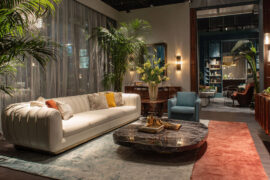
The wrong window covering can make a well-designed room feel unfinished. The right one pulls everything together without asking for attention.
Contemporary window treatments sit at the intersection of light control, privacy, and clean interior design, and choosing between roller shades, cellular shades, woven wood, motorized systems, and layered curtain panels is genuinely tricky without a clear framework.
This guide covers every major treatment type used in contemporary interiors today, from fabric choices and opacity levels to motorization, specialty windows, and room-by-room selection decisions.
By the end, you will know exactly which window coverings fit your space, your budget, and how you actually live in your home.
What Are Contemporary Window Treatments?

Contemporary window treatments are window coverings chosen to reflect current design thinking, not a fixed historical style. The word “contemporary” means now, not a decade ago. That distinction matters when you’re shopping, because it’s easy to confuse contemporary with mid-century modern or even transitional styles, which have settled into defined visual languages. Contemporary interior design keeps shifting, so its window treatments shift with it.
Right now, that means clean lines, minimal visible hardware, and a palette that leans toward warm neutrals, earthy tones, and textured solids. It does not mean cold or sterile. The category has moved well past the all-white, ultra-spare look that defined early 2010s minimalism.
For reference, if it has decorative fringe, heavy pleating, or elaborate swags, it’s more traditional window treatment territory. If it has exposed blackened steel rods and industrial-weight linen, it’s leaning industrial. Contemporary sits between those poles, pulling from both without committing to either.
Core visual traits that define the category today:
- Flat or minimal fabric structure (rollers, flat-fold Romans, ripple-fold drapery)
- Hardware that recedes: slim aluminum channels, ceiling-flush tracks, or concealed cassettes
- Natural or natural-look materials: linen blends, woven textures, bamboo, light-filtering synthetics
- Functional layering: sheer plus blackout, or shade plus drapery panel
The global window coverings market was valued at USD 24.9 billion in 2024 and is projected to reach USD 57.6 billion by 2034, growing at a CAGR of 8.9% (Research and Markets, 2025). That growth is not driven by traditional cornice boards and heavy drape. It’s driven by the shift toward cleaner, more functional, motorization-ready designs.
What Types of Contemporary Window Treatments Are Most Used Today?
Blinds and shades account for approximately 45% of total window covering market share, according to the Window Covering Manufacturers Association (WCMA, 2023). They dominate specifically because they adapt cleanly to contemporary spaces: flat profiles, varied opacity, and easy motorization.
The 8 main types covered in this article, ranked by frequency of use and design versatility in contemporary interiors:
| Treatment Type | Primary Appeal | Light Control Range | Motorization Fit |
|---|---|---|---|
| Roller Shades | Minimal profile, broad fabric range | Sheer to blackout | Excellent |
| Roman Shades | Soft structure, textile interest | Light-filtering to blackout | Good |
| Cellular Shades | Energy efficiency, clean stack | Light-filtering to blackout | Excellent |
| Sheer / Layered Curtains | Softness, depth, luxury feel | Diffused to room-darkening | Moderate |
| Woven Wood / Bamboo | Natural texture, biophilic appeal | Diffused (limited blackout) | Good |
| Vertical Blinds / Panel Track | Sliding doors, wide spans | Light-filtering to blackout | Good |
| Specialty Shape Treatments | Arch, skylight, bay coverage | Varies by type | Moderate to excellent |
| Motorized / Smart Shades | Automation, smart home integration | Depends on fabric | Native |
Each type is covered in full detail in the sections below. The ranking reflects real-world selection patterns in contemporary residential interiors, not theoretical versatility scores.
What Makes Roller Shades a Go-To Choice in Contemporary Interiors?

Roller shades are the single most specified window treatment in contemporary residential design. The reason is simple: a flat tube and a clean fabric face leave nothing to distract from the room. When the shade rolls up, it nearly disappears. When it drops, it becomes a field of texture or color.
That kind of visual restraint is exactly what contemporary interior design asks for. The treatment works with the room instead of competing with it.
Roller Shade Opacity Options
Solar shades filter UV and reduce glare without blocking the view. Openness factor percentages (1%, 3%, 5%, 10%) control how much light passes through.
Light-filtering shades diffuse light and provide daytime privacy without complete room darkening. These are the everyday workhorses in living rooms and kitchens.
Blackout roller shades use coated or layered fabric to block light entirely. Standard in bedrooms and home media rooms. Most blackout fabrics still come in linen-look or textured surfaces, so they read as contemporary even in full block mode.
Fabric Choices That Keep Roller Shades Current
The material is where roller shades earn or lose their place in a contemporary room. Flat white vinyl belongs in a rental. These don’t:
- Linen-look light-filtering polyester in warm whites, flaxen, and oat tones
- Recycled polyester fabrics, including Phifer EcoVue and Coulisse sustainable weaves
- Woven-texture roller shades in earthy neutrals (trending heavily since 2023)
- Solution-dyed acrylic for spaces with significant UV exposure
Hunter Douglas expanded its Las Vegas facility in February 2025 specifically to meet demand for custom roller shade configurations, a clear signal of where the residential market is moving (Next Move Strategy Consulting, 2025).
Where Roller Shades Work Best
Floor-to-ceiling glass walls: Inside-mount rollers on continuous fascia tracks keep the view clean. Outside-mount with a cassette header works when the reveal depth is under 2 inches.
Home offices: Solar shades with a 3% to 5% openness factor cut screen glare without closing off the room. The Shade Store and Hunter Douglas both offer solar fabric lines rated for daytime screen use.
Bedrooms: Blackout roller shades paired with a sheer curtain panel give full light block plus softness. Motorization makes this combination practical without cords or manual operation at inconvenient times.
How Do Roman Shades Fit Into Contemporary Design?

Roman shades are the treatment most likely to be dismissed as traditional and then reconsidered. Done right, they add textile depth that roller shades simply cannot provide. The key is in the fold style and the fabric.
Flat-fold Romans are the contemporary version. No overlapping folds when raised. Clean horizontal shadow lines. This is what belongs in a modern or contemporary room.
Hobbled or relaxed Romans are the traditional version. Cascading folds, even when down. They read as soft and layered, which can work in transitional spaces but pushes outside true contemporary territory.
Fabric Choices That Keep Roman Shades Current in 2025
| Fabric | Effect | Best Room |
|---|---|---|
| Belgian linen or linen-cotton blend | Natural texture, warm diffused light | Living rooms, dining rooms |
| Cotton-linen in earthy neutrals | Matte finish, organic modern feel | Bedrooms, reading nooks |
| Woven texture in clay, flax, stone | Tactile depth without pattern | Any contemporary space |
| Blackout-lined linen look | Soft face, full light block | Bedrooms, nurseries |
Lining is not optional for energy performance or longevity. Blackout lining adds light control. Thermal lining adds insulation. Interlining adds body and makes the fabric hang better. Most contemporary Romans benefit from at least a standard lining.
When Roman Shades Work Better Than Roller Shades
Smaller windows where a roller shade would look flimsy. Windows where you want the treatment to read as a design element even when raised. Spaces where the texture in the room needs layering and a flat roller would feel sparse. Romans also handle patterned or decorative fabric better than rollers, because the fold structure lets the fabric express itself.
What Are the Design Advantages of Cellular Shades?

Cellular honeycomb shades are the most energy-efficient window treatment available for residential use. That’s not a marketing claim. According to the U.S. Department of Energy, tightly installed cellular shades can reduce heat loss through windows by 40% or more, equating to roughly 10% in heating energy savings. Research from Oak Ridge National Laboratory (ORNL) confirmed total site energy savings of up to 15% for homes with gas furnaces using cellular shades versus no shading devices.
Beyond energy performance, they have a genuinely clean look. The stacked fabric when raised is compact. The face when lowered is flat and unbroken. That works in contemporary rooms without any styling effort.
Cell Structure and Thermal Performance
Single-cell shades have one honeycomb layer. Adequate insulation for mild climates, lowest price point.
Double-cell shades trap two air pockets, significantly improving R-value. This is the standard recommendation for most homes.
Triple-cell shades provide the highest thermal resistance of any cellular shade and perform best in climates with extreme cold or heat.
Top-Down / Bottom-Up Functionality
This is where cellular shades genuinely earn their place in contemporary open-plan spaces. You can raise the bottom for privacy while lowering the top to bring daylight in from above. No other standard window covering handles street-level privacy plus natural light as cleanly.
Levolor, Bali, and Graber all offer top-down/bottom-up cellular shades in single, double, and triple-cell configurations. Motorized versions are available for hard-to-reach windows, including Velux skylight-compatible cellular shades.
Cost Range

Single-cell cellular shades start around $30 to $60 per window for standard widths in budget lines. Mid-range double-cell options from Levolor or Bali run $80 to $180. Hunter Douglas Duette Architella honeycomb shades, which feature a honeycomb-within-a-honeycomb construction, run $200 to $500 per window at retail. The energy savings on a full-home installation typically justify the premium over 3 to 5 years.
When Are Sheer and Layered Curtains Used in Contemporary Rooms?

Layered window treatments are the biggest residential window design trend in 2025, according to The Shade Store’s annual trend report. The combination of a functional shade with a soft drapery panel adds depth, insulation, and a finished quality that a single treatment rarely achieves on its own.
Sheer curtains alone diffuse light beautifully but offer almost no privacy at night. That’s why they almost always appear in contemporary rooms as part of a layered setup, not as a standalone solution.
Sheer Fabric Types in Current Use
Linen sheers are the dominant choice in contemporary interiors right now. They have a relaxed, organic texture that pairs with natural materials throughout the room. They diffuse light warmly and move well in a breeze.
Voile is lighter and more translucent. It works in rooms where maximum daylight is the priority and privacy needs are low.
Silk-look polyester sheers add a subtle luminosity. More formal than linen but still readable as contemporary when used in neutral tones.
Layering Combinations That Work
- Linen sheer panel + blackout roller shade: the most common contemporary combination in 2024 and 2025
- Voile sheer + light-filtering Roman shade: adds structure with softness
- Ripple-fold sheer drapery + motorized solar shade: clean, hotel-grade look for high-end residential
Heading Styles Ranked by Contemporary Relevance
Ripple fold is the most contemporary heading style available. Uniform, evenly spaced S-curves that fall flat against the wall. No pinch points, no bulk. Works best on ceiling-mounted tracks.
Grommet reads as modern but dates to the early 2000s. Still clean, still acceptable in contemporary rooms, but not where the design conversation is in 2025.
Pinch pleat belongs to transitional and traditional contexts. The only time it appears in genuinely contemporary rooms is when a very formal layered look is the specific goal.
Rod Placement and Perceived Room Height
Ceiling-mounted or close-to-ceiling installation is the standard move in contemporary interiors. Mounting rods 4 to 6 inches below the ceiling, or on the ceiling itself, makes the wall feel taller and the window feel larger. Wall-mounted rods at standard height work but sacrifice that architectural impact.
Rod width matters too. Extending the rod 4 to 8 inches beyond the window frame on each side allows the panel to stack off the glass completely, keeping the window clear when open. This is standard practice for drapery in light-forward interior design.
What Role Do Woven Wood and Bamboo Shades Play in Contemporary Spaces?

Woven wood shades have been growing in popularity continuously since 2020, and The Shade Store named them one of the top 9 window treatment trends for 2026. Their appeal is straightforward: they bring biophilic design principles to the window without requiring plants, water features, or live elements.
The residential segment of the window coverings market accounted for 73.9% of global market share in 2024, with demand specifically tied to rising interest in natural materials and organic-modern interior aesthetics (Research and Markets, 2025). Woven wood shades are a direct beneficiary of that shift.
Material Options
Bamboo is the most common and most affordable natural woven material. It’s renewable, light in weight, and takes stain and color treatments well. Jute and seagrass have a coarser, more textured weave that reads as more artisanal. Rattan adds an open, airy quality but provides very limited privacy. Natural fibers like paper and grass blends give a fine, almost papery face that works well in minimalist interior design contexts.
Light Filtration and Privacy Limitations
This is where woven wood shades require honest expectations. Most natural weaves allow significant light transmission, especially at night when interior lighting is on. Privacy is limited without a liner. Most manufacturers offer fabric liners in 3 levels:
- Privacy liner: Adds daytime privacy, reduces light transmission by roughly 50%
- Room-darkening liner: Reduces light to very low levels but not full blackout
- Blackout liner: Full light block, though the lined shade loses some of the natural weave’s visual warmth
Where Woven Wood Shades Fail
Bathrooms with standing steam. Kitchens above or near the sink. Any window with regular direct water exposure. Natural fibers absorb moisture and will warp, mold, or discolor. The Shade Store’s Naturals collection uses synthetic fiber reinforcement specifically to address this, but the issue is not fully solved for high-humidity rooms. In those spaces, a performance fabric roller shade in a natural texture will deliver the same visual effect with much better durability.
How Are Vertical Blinds Used in Contemporary Design Today?
The vertical blinds market was valued at USD 2.3 billion in 2024 and is projected to reach USD 3.5 billion by 2033 at a CAGR of 5.1% (Verified Market Reports, 2025). That growth is not coming from the old vinyl-vane style. It’s coming from panel track systems and fabric vane upgrades that have repositioned the category entirely.
Classic vertical blinds fell out of favor in contemporary interiors around the late 2000s. The wide plastic vanes, the rattling chains, the harsh light gaps. Panel track blinds fixed all of that.
Panel Track vs. Classic Vertical: What Changed
The panel track blinds market was valued at USD 2.89 billion in 2024, growing at a CAGR of 6.57% through 2032 (Wise Guy Reports, 2024). Demand is specifically driven by contemporary urban housing and open-plan commercial spaces.
Classic vertical blinds: individual vanes on a shared track, plastic or vinyl, lightweight construction, noisy operation.
Panel track blinds: wide fabric panels on a smooth-glide ceiling track, solid pattern fabrics in linen-look or textured weaves, near-silent operation.
The visual difference is significant. Panel tracks read as architectural. Classic verticals read as dated.
Where Vertical and Panel Track Treatments Work
- Sliding glass doors: panel track panels stack neatly to one or both sides without bunching
- Wide windows above 96 inches: where a single roller shade would require joining fabric and create a visible seam
- Room dividers: panel tracks installed on ceiling-mounted tracks can divide open-plan spaces without permanent walls
Material Options That Belong in Contemporary Rooms
Fabric vanes in textured neutrals. Linen-look polyester. Solar fabric panels for glare control on west-facing sliding doors.
Skip PVC vanes entirely in a contemporary space. Springs Window Fashions, which acquired Sunburst Shutters in 2023, now offers fabric panel track systems through its Bali and Graber brands at mid-range price points, making the contemporary look accessible without custom pricing.
What Are the Best Contemporary Window Treatment Options for Hard-to-Fit Windows?
Specialty windows are one of the most common sources of frustration in contemporary interior design. Floor-to-ceiling glass, arched openings, skylights, and bay configurations all require solutions that go beyond standard catalog sizes.
Retrofit installations accounted for over 57% of the global blinds and shades market in 2024 (Grand View Research, 2025), with a significant share of that driven by homeowners upgrading specialty windows in existing homes.
Arch Windows
3 practical options exist for arched windows in contemporary homes:
- Fabric inserts: custom-cut fabric stretched over an arched frame, mounted inside the arch opening
- Fixed fabric panels: non-operable fabric treatments that filter light without being adjustable
- Privacy or decorative window film: frosted or textured film applied directly to the glass, zero installation hardware required
Motorized arched shades exist but involve significant custom cost. Most designers address the arch with a fixed treatment and handle light control through a separate shade on the rectangular window below.
Skylights
Motorized cellular or roller shades are the standard solution. Velux and Fakro both manufacture skylight-specific cellular shade systems designed for tilted and horizontal installation.
The key spec detail: the motor must be rated for the installation angle. Horizontal skylight applications require more torque than vertical window applications, and not every motorized system handles this.
Battery-powered motors are the practical choice here, since running hardwired power to a skylight opening typically requires significant construction. Hunter Douglas PowerView and Lutron Serena both offer battery-operated skylight-compatible options.
Bay Windows
Two approaches, each with a distinct visual outcome:
Individual inside-mount shades per pane give each facet its own treatment. Cleaner at the window level. Each shade operates independently, which is actually useful for light control.
One rod across the full bay with curtain panels creates a unified draped effect. Softer, more enveloping. The panels stack against the outer walls when open, framing the full bay as one architectural feature.
Both work in contemporary rooms. The choice depends on whether the bay itself is a feature worth framing or a functional window to be covered efficiently.
Corner Windows
Corner windows, where two panes meet at a 90-degree corner without a wall between them, require either independent inside-mount shades on each pane or a specialty wraparound curtain rod.
Wraparound rods allow curtain panels to follow the corner continuously, treating the pair of windows as one visual unit. Sources like Pottery Barn and custom hardware brands like Kirsch offer corner rod systems compatible with ripple-fold and grommet panels.
How Does Motorization Change Contemporary Window Treatment Selection?
Motorization is no longer a luxury category. Automated blinds and shades reached USD 4.02 billion globally in 2024 and are forecast to hit USD 5.72 billion by 2030 at a CAGR of 6.08% (Research and Markets, 2026). The residential sector accounts for the largest share of that growth.
The practical shift: motorization changes which treatments you can realistically install. A 12-foot ceiling with floor-to-ceiling glass is functionally unusable with manual shades. A skylight above a staircase is the same. Motorization makes these windows operable.
Battery-Powered vs. Hardwired Motors
| Motor Type | Best For | Trade-offs |
|---|---|---|
| Battery-powered | Retrofits, rental upgrades, skylights | Annual recharge or replacement needed |
| Hardwired (low-voltage) | New construction, major remodels | Requires electrician, no battery maintenance |
| Solar-powered | South or west-facing windows with sun exposure | Limited to sun-exposed locations |
Lutron launched its Caseta Smart Shades at CES 2025, starting at $399 per window with native Apple HomeKit support. This is the clearest signal yet that motorized shades are moving into the accessible mid-market.
Smart Home Compatibility
Nearly 70% of U.S. households own at least one smart home device, according to the Consumer Technology Association. That penetration rate is the reason smart shade compatibility now appears in standard product specs rather than premium add-on sheets.
All 3 major smart home platforms are supported by the leading shade brands:
- Amazon Alexa: compatible with Hunter Douglas PowerView, Lutron Serena, IKEA Fyrtur, Somfy
- Google Home: same brands, plus Yoolax and several Somfy-powered systems
- Apple HomeKit: Hunter Douglas PowerView Gen 3, Lutron Caseta, OmniaBlinds (native, no hub required)
Which Treatment Types Motorize Best
Roller shades and cellular shades are the cleanest motorization candidates. The tube-and-fabric mechanism handles motorization without adding visual bulk.
Roman shades motorize well but require careful fabric weight selection. Heavy linings can stress battery motors over time.
Woven wood shades motorize with limitations. Natural fiber weight varies, and some weaves need heavier-duty motors. Always confirm the motor’s weight rating against the actual shade weight before ordering.
What Fabrics and Materials Define Contemporary Window Treatments in 2025?
Bamboo Roman Shades saw a 42% month-over-month search volume increase in April 2025, reflecting the continued shift toward natural materials in contemporary window treatment selections (Accio Market Intelligence, 2025). Natural and natural-look fabrics now dominate the contemporary category across all price points.
Sustainable and Recycled Fabrics
The global recycled polyester market was valued at USD 15.52 billion in 2024 and is growing at a CAGR of 9.25% through 2030 (Grand View Research, 2025). Its home textile segment is one of the fastest-growing applications.
Several manufacturers now achieve 60 to 70% recycled polyester content in mid-range roller blind lines without compromising fabric appearance or performance (Skyrye Design, 2026).
Key sustainable fabric options in current use:
- Recycled polyester (rPET): made from post-consumer PET bottles, dimensionally stable, fade-resistant, mainstream price point
- Coulisse sustainable weaves: third-party certified, available in natural textures across roller and Roman shade lines
- Phifer EcoVue: recycled-content solar fabric, GREENGUARD certified, used in both interior and exterior shading applications
Performance Fabrics for Specific Applications
Solution-dyed acrylic is the right call for sun-exposed rooms, south-facing glass, and spaces where UV degradation is a concern. The color is locked into the fiber at the production stage, not applied as a surface dye, which means it doesn’t fade the way conventional fabric does.
It’s also the standard for outdoor roller shades. If a room gets the kind of direct sun exposure that would fade furniture within a few years, solution-dyed fabric is the correct spec for the window treatment as well.
Color and Texture Direction in 2025
Warm neutrals are the dominant palette. Sand, flax, oat, clay, warm white. Not the cool grays that defined the previous decade.
Textured solids are outselling patterns in contemporary contexts. The role of pattern in contemporary interiors has shifted, with texture doing more visual work right now, and window fabrics reflect that. Weaves, slubs, and nubby surfaces in flat neutral colors give the window depth without the complexity of a print.
Deep accents, charcoal, warm brown, and muted olive, are appearing in drapery panels as grounding elements, particularly in rooms following the quiet luxury direction that dominated 2025 and 2026 design cycles.
How Do You Choose the Right Contemporary Window Treatment for Each Room?
Room function narrows the selection down faster than aesthetic preference does. Start with what the room needs to do, then choose the treatment that handles it best at the right price point.
Bedroom
Priority: blackout performance. Secondary consideration: motorization for morning light management.
Blackout roller shades are the most cost-effective blackout solution. Blackout cellular shades add thermal performance. Blackout-lined Roman shades add softness and texture. Any of the 3 work in a contemporary bedroom depending on budget and aesthetic goal.
Layering a blackout shade with a sheer drapery panel gives the room a finished look during the day and full privacy at night. This is the standard contemporary bedroom window treatment combination in 2025, according to The Shade Store’s annual trend data.
Living Room
Layering is the right approach here. A single treatment rarely handles the range of needs a living room has across a day, from full morning light to afternoon glare control to evening privacy.
The quality of ambient light is most visible in living rooms, where it changes the entire feel of the space. Sheers handle diffusion. A roller or Roman shade behind them handles control.
Ceiling height matters. Install drapery hardware as close to the ceiling as possible. Even in a standard 9-foot room, ceiling-mounted or near-ceiling tracks add perceived height and make the window feel architecturally intentional.
Kitchen and Bathroom

Moisture resistance is the primary filter. Natural fabrics and woven wood shades are risky choices above a sink or in a steam-heavy bathroom.
Best options for these rooms:
- Faux wood blinds: moisture-resistant, easy to wipe down, available in contemporary finishes
- Solar roller shades in PVC-free performance fabric: clean, moisture-resistant, light-filtering
- Cellular shades with moisture-resistant fabric treatment: adds insulation in bathrooms where energy loss through glass is a real cost
Home Office
Glare on screens is the core problem. Solar shades with a 3% to 5% openness factor cut the glare that bounces off monitor glass while keeping the room connected to daylight.
Avoid blackout shades in home offices unless the room doubles as a video recording or presentation space. Working in artificial light all day has measurable effects on focus and mood. Solar fabric handles the practical problem without closing the room off.
What Does Contemporary Window Treatment Installation Actually Involve?
Most homeowners spend between $168 and $1,880 on window treatments, with a national average of $1,022 (HomeAdvisor, 2025). Where you land in that range depends on treatment type, window count, and whether you install yourself or hire a professional.
Inside Mount vs. Outside Mount
The single most impactful installation decision. It changes how the window reads in the room.
Inside mount: the treatment fits within the window frame opening. Sleek, architectural, contemporary. Requires a minimum depth of 2 to 3.5 inches depending on the treatment type. Cellular and motorized shades need the most depth.
Outside mount: brackets go on the wall or trim outside the frame. Covers more light gap around the edges. Makes small windows look larger when the rod or fascia extends beyond the frame on both sides.
In contemporary interiors, inside mount is usually preferred where the reveal depth allows it. It keeps the window clean and the hardware invisible.
Measuring for a Correct Fit
Measure width at 3 points: top, middle, and bottom of the opening. Use the smallest measurement for inside-mount orders. Same principle applies to height.
A 1/4-inch error on an inside-mount shade is the difference between a clean installation and a shade that binds or won’t fit at all. Metal tape measures give more accurate readings than flexible fabric tapes.
DIY vs. Professional Installation
Professional blind installation costs $30 to $50 per window on average, with a typical base fee of $100 to $150 per visit (Thumbtack, 2024). A full-home installation professionally done runs $140 to $400 in labor for a standard number of windows.
DIY works well for:
- Standard rectangular windows with adequate reveal depth
- Roller shades and cellular shades on accessible windows
- Outside-mount installations where precise depth isn’t critical
Professional installation is worth the cost for motorized systems, hard-to-reach windows, skylights, and any treatment requiring precise inside-mount fitting. An improperly mounted motorized shade that tilts slightly will drift off-level over time, which is a much more expensive problem to fix after the fact.
FAQ on Contemporary Window Treatments
What are contemporary window treatments?
Contemporary window treatments are current window coverings chosen to reflect today’s design thinking. They include roller shades, cellular shades, woven wood shades, Roman shades, and layered curtain panels. Clean lines, minimal hardware, and natural or neutral fabrics define the category in 2025.
What is the most popular contemporary window treatment?
Roller shades are the most widely used option in contemporary interiors. Their flat profile, broad fabric range, and easy motorization compatibility make them the default choice across bedrooms, living rooms, and home offices.
What is the difference between contemporary and modern window treatments?
Modern refers to a fixed mid-century design period. Contemporary means current and evolving. Modern window treatments favor stark geometry and minimal material. Contemporary treatments allow warmer textures, natural fibers, and layered combinations that modern design typically avoids.
Are motorized window shades worth it?
Yes, for hard-to-reach windows, floor-to-ceiling glass, and skylights. Motorized roller shades and cellular shades integrate with Amazon Alexa, Google Home, and Apple HomeKit. Lutron Caseta Smart Shades start at $399 per window, making motorization accessible at mid-range budgets.
What window treatments work best in a contemporary living room?
Layering works best. A light-filtering roller shade or Roman shade paired with a linen sheer drapery panel handles glare, privacy, and aesthetics across different times of day. Ceiling-mounted hardware adds perceived height and a polished, architectural finish.
What are the most energy-efficient window coverings?
Cellular honeycomb shades are the top-rated option. According to the U.S. Department of Energy, tightly installed cellular shades reduce window heat loss by 40% or more, equating to roughly 10% in heating energy savings. Double-cell construction delivers the best everyday performance.
What window treatments suit a minimalist interior?
Inside-mount roller shades with a cassette header, flat-fold Roman shades in linen or linen-look fabric, and ripple-fold sheer panels on ceiling-flush tracks. Concealed hardware is the key detail. Anything that draws the eye to the mechanism rather than the fabric undermines a minimalist window treatment approach.
How do I choose window treatments for a bedroom?
Start with blackout performance, then choose the treatment type. Blackout roller shades are the most cost-effective. Blackout cellular shades add thermal insulation. Blackout-lined Roman shades add softness. Layering any of these with a sheer panel improves both daytime aesthetics and nighttime privacy.
What is inside mount vs. outside mount for window blinds?
Inside mount fits the treatment within the window frame opening. Outside mount attaches hardware to the wall above the frame. Inside mount gives a cleaner, more contemporary look but requires at least 2 to 3.5 inches of frame depth depending on the treatment type.
What window treatments work for sliding glass doors?
Panel track blinds are the standard contemporary solution for sliding doors. Wide fabric panels on a smooth ceiling track stack neatly to one or both sides without bunching. Vertical shades in fabric vanes are a second option, especially for doors in high-sun exposures.
Conclusion
This conclusion is for an article presenting contemporary window treatments as a practical design decision, not a decorative afterthought.
The right combination of blackout roller shades, cellular honeycomb shades, woven wood, or layered drapery panels depends entirely on room function, light control needs, and how much of your budget goes toward motorization.
Natural fabrics, recycled polyester weaves, and smart home integration through Lutron, Hunter Douglas PowerView, and IKEA Fyrtur have made the category more accessible and more capable than it has ever been.
Start with the room. Match the treatment to what it needs to do. The aesthetic follows from that decision, and in contemporary interiors, function and good design almost always point in the same direction.

- Paint Colors That Go with Gray Floors - August 20, 2026
- What Color Bedding Goes with Dark Wood Furniture - August 18, 2026
- What Color Walls Go with Oak Floors - August 16, 2026