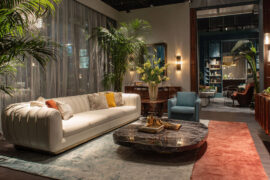
Your walls are doing nothing. A coat of paint is fine, but it is not a design decision.
Contemporary wall paneling changes that. It adds depth, controls sound, conceals imperfect surfaces, and gives a room a finished quality that paint and wallpaper rarely achieve.
The global wall panels market was valued at USD 16.28 billion in 2024, growing at 4.3% annually as more homeowners and designers turn to decorative wall cladding as a standard interior finish rather than a luxury add-on.
This guide covers everything you need to choose, install, and maintain the right panel system for your space: material types, cost ranges, design styles, acoustic performance, and the honest trade-offs no one else tells you about.
What Is Contemporary Wall Paneling?

Contemporary wall paneling is a flat, minimalist, or geometrically structured interior wall cladding system applied to indoor surfaces for both aesthetic and functional purposes. It is distinct from Victorian-era raised-panel millwork and ornate wainscoting in that it prioritizes clean lines, low-profile profiles, and surface-level texture over decorative carving or heavy molding.
Materials include MDF, wood veneer, slat panels, stone composite, fluted panels, WPC (wood-plastic composite), and PVC. These are applied across residential and commercial interiors as full-wall installations, accent walls, or partial-height wainscoting.
The global wall panels market was valued at USD 16.28 billion in 2024 and is projected to reach USD 22.8 billion by 2032, growing at a CAGR of 4.3% (Credence Research, 2024). Residential construction consumed 45% of total panel volume globally in 2024, with decorative wall panels leading at 420 million m2 shipped worldwide (Market Reports World, 2024).
Contemporary paneling serves 3 primary roles in a space: it adds tactile texture without paint or wallpaper, it reduces echo when acoustic-rated materials are used, and it conceals imperfect wall surfaces behind a finished face.
How Contemporary Paneling Differs from Traditional Wainscoting
Traditional wainscoting covers only the lower portion of a wall, typically 36 to 48 inches from the floor, and relies on raised panels, chair rails, and applied molding for visual detail.
Contemporary paneling runs full height or is applied as a single feature wall. It uses shadow lines and surface profiles (slat, fluted, routed geometric) for texture instead of built-up millwork.
| Feature | Traditional Wainscoting | Contemporary Wall Paneling |
|---|---|---|
| Height coverage | Lower wall only (32–48 in); typically 1/3 to 1/2 of wall height. | Full floor-to-ceiling, accent walls, or “panel drenching” entire rooms. |
| Detail type | Raised or recessed panels, Shaker-style, chair rails, and ornate moldings. | Slim vertical slats, 3D fluted textures, geometric grids, or seamless flat panels. |
| Common material | Solid wood (oak, pine), painted MDF, or moisture-resistant PVC for bathrooms. | Wood-look laminates, WPC (Wood Plastic Composite), stone-effect finishes, and acoustic felt. |
| Typical setting | Formal dining rooms, colonial/Victorian homes, and hallways. | Media units, bedroom headboard features, and minimalist/Japandi open-plan spaces. |
If the goal is to create a accent wall with material depth rather than paint, contemporary paneling achieves that with fewer components and simpler installation than traditional millwork systems.
What Are the Main Types of Contemporary Wall Panels?

There are 6 primary panel categories used in contemporary interiors, each with distinct visual profiles, material bases, and installation requirements. Choosing the wrong type for a room’s conditions is where most projects go wrong.
Slat Wall Panels
Slat panels were the most searched wall panel type through 2024 and into 2025, driven heavily by Japandi and Scandinavian-influenced interiors (Architessa Trend Report, 2025).
- Constructed from narrow vertical or horizontal wood, MDF, or WPC strips
- Spacing between slats creates shadow lines and perceived depth
- Commonly available in oak, walnut, ash, and painted MDF finishes
- Many slat systems include an acoustic felt or mineral wool backing as a standard component
The acoustic slat wall panel was one of the most popular design choices of 2024, appearing across residential renovations, home offices, and commercial hospitality spaces (Wall Panels World, 2025).
Fluted Wall Panels
Profile type: rounded parallel ridges running vertically, creating a strong shadow-line effect without requiring framing or applied molding.
Fluted designs were confirmed as a dominant commercial interior trend at Coverings 2024, the national tile trade show, and continued into 2025 with growing application in kitchen and dining room feature walls (Architessa, 2025).
- Common in hotel lobbies, reception areas, and residential dining rooms
- Available in MDF, WPC, stone composite, and tile-format versions
- Delivers a quiet luxury aesthetic without heavy ornamentation
Acoustic Wall Panels
Acoustic panels serve a measurable functional purpose in addition to wall treatment. High-performance fabric-wrapped panels achieve NRC ratings between 0.75 and 0.95 depending on thickness and core material (Unidus Acoustics, 2025).
NRC benchmarks by panel type:
- Fabric-wrapped fiberglass (2-inch): NRC 1.0
- Polyester acoustic panels: NRC 0.85 to 1.00
- Wood wool panels: NRC 0.60 to 0.80
- 1-inch foam panels: NRC 0.40 average
Standard drywall measures NRC 0.15. Replacing even 25 to 50% of a room’s wall surfaces with panels rated NRC 0.80 or higher reduces reverberation time measurably in rooms above 250 sq ft (Commercial Acoustics, 2025).
Stone Composite and Concrete-Effect Panels

These panels replicate the visual of stacked stone, honed concrete, or natural slate without structural load requirements.
AirStone and Norstone are among the most widely available brands in North America. Stone composite panels run between $20 and $60 per sq ft in materials cost, requiring construction adhesive rather than panel pins for mounting (Angi, 2026).
Weight is the practical constraint here. Most stone composite panels add 3 to 8 lbs per sq ft to the wall load, making substrate condition a non-negotiable prep step before installation.
What Materials Are Used in Contemporary Wall Paneling?
Material choice determines everything downstream: installation method, moisture tolerance, finish options, long-term maintenance, and total cost. No single material is universally best.
| Material | Moisture Resistance | Best For | Estimated Cost (Material Only) |
|---|---|---|---|
| MDF (Medium Density Fiberboard) | Low — dry areas only | Living rooms, bedrooms, hallways | $1.50 – $7 / sq ft |
| Wood Veneer | Low — requires sealing | Feature walls, Japandi interiors | $8 – $25 / sq ft |
| WPC (Wood Plastic Composite) | High | Bathrooms, kitchens, laundry | $5 – $12 / sq ft (Retail) |
| PVC (Polyvinyl Chloride) | Fully waterproof | Commercial bathrooms, wet zones | $3 – $10 / sq ft |
| Stone Composite (SPC) | High | Feature walls, kitchen backsplash areas | $12 – $45 / sq ft |
| Acoustic Felt / PET Fiber | None — avoid moisture | Home offices, media rooms | $14 – $20 / sq ft |
MDF remains the most widely used material for decorative wall paneling in residential spaces. Standard pre-primed MDF panels sell for $1 to $3 per sq ft, with custom designer profiles ranging from $4 to $7 per sq ft (NAHB data via Coohom, 2025).
PVC and MDF together accounted for 44% of total wall panel market share in 2024 by installation type, with wood and metal combined representing 41% (Market Growth Reports, 2024).
MDF
Smooth, consistent surface that takes primer and paint well. Does not tolerate moisture. Any installation near plumbing, exterior walls with condensation risk, or unventilated bathrooms will cause MDF to swell and delaminate.
The practical rule: if there is any chance of intermittent humidity above 65%, use WPC or PVC instead.
WPC (Wood-Plastic Composite)

Combines wood fiber and recycled plastic binders into a dimensionally stable panel. Does not warp, rot, or fade under normal humidity variation.
Key advantage: WPC panels can go in bathrooms, kitchens, and covered outdoor areas where solid wood and MDF fail. The surface accepts a wood-grain texture finish that reads authentically at normal viewing distance.
Wood Veneer
A thin slice of real hardwood (oak, walnut, ash being most common) bonded to an MDF or plywood substrate. Delivers genuine grain variation and warmth that printed finishes replicate but do not fully match.
Annual oiling or conditioning with an appropriate wood product is needed. Veneer panels are not paintable without significant prep work, which makes them a commit-to-the-finish-at-purchase material.
What Finishes and Colors Work Best for Contemporary Wall Paneling?
Finish and color are the decisions that most affect how a completed panel installation reads in a real room. Get them wrong and even quality panels look flat or dated.
Matte vs. Satin Finishes
Matte dominates contemporary interiors. Flat paint on MDF, oiled wood on veneer, honed finishes on stone composite. All of these minimize surface reflection and emphasize texture over sheen.
Satin and eggshell make sense in higher-traffic areas like hallways and mudrooms, where wipeable surfaces reduce maintenance. In living rooms and bedrooms, matte is the standard for a reason: it absorbs ambient light rather than bouncing it.
Color Palette Choices
Monochromatic paneling (panel color matching wall and trim color) is the single most-used approach in contemporary spaces right now.
- Warm whites and off-whites: expand perceived space, suit Scandinavian and minimalist interiors
- Greige and warm neutrals: pair with natural wood floors and linen textiles
- Charcoal and deep black: high contrast, used in industrial and bold contemporary settings
- Deep forest green and ink navy: trending in 2024-2025, described by designers as “moody, cocooned” finishes (Claire Garner Design Studio, 2025)
Natural wood tones, particularly oak, walnut, and ash, sit outside the painted-panel palette. These are used primarily in Japandi and Scandinavian interior design contexts where material warmth is a design priority over wall color.
The Monochromatic Approach
Painting panels the same color as the surrounding wall visually flattens the room’s color and pushes texture to the foreground. This technique works because the shadow lines from slat or fluted profiles become the visual detail rather than color contrast.
Pantone’s 2025 Color of the Year, Mocha Mousse, accelerated the use of mid-brown wood tones and warm earthy panel finishes across residential interiors globally (Architessa, 2025). Brown tones from light oak to rich walnut dominated panel color choices from late 2024 into 2025.
Where Is Contemporary Wall Paneling Used in a Home?
Installation location directly affects material choice, panel type, and installation method. Each room presents different constraints.
Living Rooms
Most common application: full-height slat or fluted panels installed behind sofas or media units as a single-wall feature.
This is where the highest visual impact per installation cost occurs. A single 100 sq ft feature wall behind a media unit in oak slat panels transforms the room more than any other single surface change. The focal point created by a paneled media wall also structures furniture placement naturally.
Bedrooms
Bed-wall paneling replacing upholstered headboards is the fastest-growing residential application through 2025.
- Floor-to-ceiling slat panels behind the bed add height and warmth
- Fluted MDF painted in deep tones reads as quiet luxury without high cost
- Half-wall wainscoting with a smooth upper wall works in transitional bedroom styles
For contemporary bedroom ideas, paneled bed walls now appear in both minimalist and maximalist contexts, making them one of the most style-flexible applications of this material.
Hallways and Entryways
Durable panel materials matter here. Hallways see daily contact, scuffing, and occasional impacts. MDF painted with a satin finish (more wipeable than flat) or WPC panels are the practical choices.
Lower-half wainscoting is the most space-appropriate option in narrow hallways under 4 feet wide. Full-height panels in a tight corridor can compress the perceived width further.
Bathrooms
WPC and PVC panels are the correct material choice for any wet-zone installation. Neither warps, swells, nor supports mold growth under normal bathroom humidity conditions.
Panels in bathrooms often replace ceramic tile on feature walls (not shower surrounds, which require waterproof substrate and grout). The installation is faster and the result reads cleaner for contemporary bathroom design. For more, contemporary bathroom design increasingly pairs WPC wall panels with large-format floor tile for a cohesive, low-grout surface approach.
Home Offices
Acoustic panels are the priority use case for home offices. The combination of a hard floor, glass desk surface, and parallel walls creates significant echo in most residential office spaces.
Covering 25 to 50% of wall surfaces with panels rated NRC 0.75 or higher reduces reverberation to a level comfortable for extended calls and focused work (Commercial Acoustics, 2025). Placing panels on the side walls and the wall behind the primary seating position gives the most balanced acoustic result.
How Is Contemporary Wall Paneling Installed?
There are 3 primary installation methods. The correct method depends on panel material, weight, and wall substrate condition.
DIY vs. Professional Installation: Which Panels Allow DIY?
About 60% of residential buyers now choose MDF or PVC for wall paneling projects, partly because of their accessibility for DIY installation (Mumu-ing, 2025).
Panels suited for experienced DIY:
- Thin PVC panels under 6mm (adhesive-only, no stud required)
- Standard MDF flat panels under 12mm (adhesive plus panel pins)
- Pre-finished WPC click-lock systems with manufacturer-supplied adhesive
Panels that benefit from professional installation:
- Stone composite panels (structural adhesive, heavy load, difficult to reposition)
- Full-height slat systems requiring precise level runs over 9 feet
- Any installation on older plaster walls with significant undulation
Labor cost for standard wall paneling installation runs $3 to $10 per sq ft nationally, with complex custom work or high-ceiling installations going higher (Angi, 2026).
Tools and Fixings Needed by Panel Type
Getting the substrate right before installation is the step most DIY paneling projects skip. An unflat wall will telegraph through thin MDF panels and cause visible gaps at joins.
MDF panels (adhesive + mechanical fixing): panel adhesive (Liquid Nails or equivalent), panel pins or 18-gauge brad nails, stud finder, level, miter saw or circular saw with fine-tooth blade, primer and paint.
WPC panels: construction adhesive rated for composite, stainless steel panel screws if mechanical fixing is required, caulk gun, fine-tooth saw.
Stone composite panels: heavy-duty construction adhesive (Loctite PL Premium or equivalent), temporary support battens while adhesive sets, grout or matching caulk for joins.
Vertical vs. horizontal panel direction changes the perceived proportions of a room. Vertical panels increase apparent ceiling height. Horizontal panels visually widen a space. In rooms under 9 feet with standard ceiling height, vertical installation is almost always the correct default for space perception.
How Much Does Contemporary Wall Paneling Cost?
Cost varies significantly by material, panel profile, and whether installation is DIY or professional. The all-in median reported by homeowners is $9 to $20 per sq ft for standard paneling projects (Home Innovation Research Labs, via Coohom, 2025).
Material Cost Ranges by Type
| Panel Type | Materials Only | Installed (Pro) |
|---|---|---|
| Standard MDF (flat/grid) | $1.50 – $3 / sq ft | $5 – $10 / sq ft |
| Routed/custom MDF | $4 – $7 / sq ft | $8 – $14 / sq ft |
| Slat and fluted panels (MDF/veneer) | $8 – $25 / sq ft | $12 – $32 / sq ft |
| WPC panels | $10 – $20 / sq ft | $14 – $27 / sq ft |
| Stone composite | $20 – $60 / sq ft | $26 – $70 / sq ft |
| Acoustic fiber/felt panels | $8 – $20 / sq ft | $12 – $28 / sq ft |
For a standard 100 sq ft accent wall using basic MDF flat panels, materials run $200 to $600. A full-room installation of a 12 x 12 ft space in standard MDF costs between $1,050 and $1,600 with professional labor included (Angi, 2026).
Real Project Budget Examples
Budget accent wall (100 sq ft, MDF flat panels, DIY): $200 to $350 in materials, $80 to $120 in tools and fixings. Total: $280 to $470.
Mid-range bedroom feature wall (80 sq ft, oak slat panels, professional install): $900 to $2,200 all-in depending on panel brand and regional labor rates.
Full-height stone composite feature wall (60 sq ft, professional install): $1,600 to $4,200, with the wide range driven by stone panel brand selection and wall prep requirements.
Manufacturing costs for MDF increased by 19% from 2022 to 2024, and installation costs rose 14% globally over the same period, which is reflected in the upward shift in all-in project budgets compared to pre-2022 benchmarks (Market Growth Reports, 2024).
For overall home renovation cost context, wall paneling typically represents a mid-tier renovation investment, above paint and wallpaper but below full bathroom or kitchen remodels in both cost and disruption.
What Are the Best Contemporary Wall Paneling Brands and Products?
No single brand dominates every category. The right choice depends on material type, project scale, and whether the product needs to be trade-sourced or bought retail.
Decorative and Slat Panel Brands
Retail-accessible options:
- Ekena Millwork: wide MDF panel selection, available through Home Depot
- WallArt: 3D decorative panels in PVC and plant-based composites
- Kastawood: oak and walnut slat systems, sold direct-to-consumer online
- Walcraft: MDF and veneer slat panels, strong presence in residential renovation projects
Wood Panel Wall USA launched a new collection in early 2025 using sustainable materials including natural oak, MDF veneer, and WPC. The line positions itself on acoustic performance alongside aesthetic appeal (IMARC Group, 2025).
WPC and Moisture-Resistant Panels
Everlast is the most recognized residential WPC brand in North America, with wide availability through flooring and building supply distributors.
Key differentiators to check when comparing WPC brands:
- UV inhibitor presence (prevents color fade in bright rooms)
- Surface texture quality (print vs. embossed grain)
- Warranty period (better brands offer 10-15 years)
Stone Composite Panels
AirStone by DAP and Norstone are the 2 most widely distributed stone composite panel brands in the US residential market.
AirStone panels weigh roughly 75% less than natural stone while replicating stacked stone texture, making them DIY-accessible without structural reinforcement. Norstone focuses on premium natural stone veneers and serves more commercial and high-end residential projects.
Acoustic Panel Brands
GIK Acoustics FlexRange panels achieve NRC 1.05, tested at the University of Salford following BS EN ISO 354:2003 standards (GIK Acoustics, 2024). They are available in 20+ fabric colors and custom sizes.
Acoustimac offers similar fiberglass-core panels at lower price points, with the option to purchase single panels rather than minimum quantities. Both brands are consistently recommended in home studio and home office acoustic treatment discussions.
Kirei EchoPanel uses recycled PET fiber rather than fiberglass, targeting commercial interiors where material certifications (GREENGUARD, Cradle to Cradle) are required by project spec.
How Do You Maintain Contemporary Wall Panels?

Maintenance requirements vary significantly by material. The most common mistake is treating all panels identically. MDF and wood veneer need dry care. WPC and PVC tolerate wet cleaning. Acoustic panels tolerate neither.
MDF Panel Care
Wipe with a barely damp microfiber cloth only. No spray cleaners, no wet sponges.
Touch up paint chips with matching paint immediately. Exposed MDF core at chip edges absorbs moisture and swells within days if left untreated in normal living conditions. Always keep a small amount of matching paint labeled and stored after installation.
WPC and PVC Panel Care
Routine cleaning: microfiber cloth or soft duster for dust. For grime, a pH-neutral mild detergent diluted in warm water, applied with a non-abrasive sponge and wiped dry.
According to 2023 ASTM material durability tests, bleach-based cleaners triple the rate of surface erosion on WPC panels over time (Falading, 2023). Steel wool and abrasive pads leave micro-scratches that collect moisture. Both should be avoided entirely.
No sealing required for standard WPC. For panels in high-humidity commercial environments, a protective WPC sealant applied every 3 to 5 years maintains the waterproof surface layer.
Wood Veneer Panel Care
Dust regularly with a dry microfiber cloth. Condition with a wood-appropriate oil product once annually.
Humidity control matters here. Real oak or walnut veneer on MDF substrate can show minor expansion at panel joins when ambient humidity fluctuates significantly above 65% (Wood Panel Wall Miami, 2025). Maintain indoor humidity between 35% and 55% for best long-term performance.
Acoustic Felt and Fiber Panels
Avoid moisture entirely. Use a vacuum with a soft brush attachment to remove dust from the fabric surface.
GIK Acoustics recommends wiping fabric surfaces with a damp cloth using soap and water, or using proprietary upholstery shampoo for deeper stains. Never saturate the panel core.
What Design Styles Use Contemporary Wall Paneling?

Panel type, finish, and installation format each signal a specific design style. Getting the combination wrong creates a mismatch between panel and room that is difficult to correct without starting over.
| Design Style | Panel Type | Finish | Color |
|---|---|---|---|
| Japandi | Thin oak or ash slat panels | Oiled, matte natural | Natural wood tones |
| Minimalist / Scandinavian | Flat or lightly routed MDF | Matte paint | White, warm greige |
| Industrial | Concrete composite, dark-stained wood | Honed, raw finish | Charcoal, dark grey |
| Bold Contemporary | Black fluted panels, full height | Matte paint | Deep black, forest green |
| Transitional | Painted wainscoting, smooth upper wall | Satin or eggshell paint | Warm whites, soft neutrals |
Japandi and Scandinavian
Wood slat panels in oak, ash, or walnut are the defining material for Japandi interiors. Architectural Digest confirmed Japandi as one of 2024’s trendiest styles, and wood slat panels were its most visible surface treatment (Artera Home, 2024).
Untreated timber grain, matte oiled finishes, and warm earthy tones all align with this approach. Slat systems in Scandinavian interior design use lighter ash and birch over the darker walnut and smoked oak now trending in Japandi specifically. Both lean heavily on texture over color for visual interest.
Minimalist Interiors
Rule: the fewer the elements, the more precise each one needs to be.
Flat MDF panels in off-white or warm greige, painted monochromatic to match the ceiling and skirting, reduce visual noise and let furniture and lighting carry the room. Minimalist interior design uses paneling as a texture layer rather than a statement. Routed geometric patterns on MDF at half-wall height are a current variation, adding shadow-line detail without adding color contrast.
Industrial and Bold Contemporary

Industrial interiors use concrete composite panels and dark-stained wood as primary surface materials. These pair with exposed brick, raw steel, and open-plan layouts for a cohesive material palette.
Bold contemporary uses full-height black or deep-green fluted panels as a single strong accent wall. This approach creates a high-contrast focal point in living rooms and dining rooms, and is one of the fastest-growing residential paneling applications heading into 2026 (Ideal Home, 2026).
How Does Wall Paneling Affect Room Acoustics?
Not all panels improve acoustics. Hard-surface panels (MDF, PVC, stone) reflect sound and increase reverberation. Acoustic-rated panels with soft or porous cores absorb it. Installing the wrong type in a problematic room makes acoustics worse, not better.
Hard Panels and Sound Reflection
Drywall has an NRC of 0.15. MDF panels have a similar NRC. Installing MDF panels across a room’s walls adds surface area at roughly the same reflectivity as bare drywall. Reverberation is not reduced. In rooms with hard floors and minimal soft furnishings, the additional parallel surfaces can create flutter echo between opposing paneled walls.
This is the acoustic trade-off nobody mentions in paneling marketing. If a room already echoes, hard decorative panels do not solve it. Acoustic treatment requires porous, absorptive materials.
Acoustic Panels and Measurable Performance
GIK Acoustics FlexRange panels achieve NRC 1.05, meaning they absorb more sound energy than their physical surface area would suggest, due to the air gap behind the panel core (GIK Acoustics, 2024).
Covering 25 to 50% of wall surface area with panels rated NRC 0.80 or higher reduces reverberation to comfortable levels in most residential rooms (Commercial Acoustics, 2025).
- For a 10 x 12 ft room: 8 to 12 panels (24″ x 48″) covers the target treatment area
- Side walls and rear wall are the priority placement zones
- Panels above standing height return diminishing acoustic benefit
Slat Panels with Acoustic Backing
The practical middle ground: slat panels with a felt or mineral wool backing mounted behind the slat face.
This configuration delivers visual warmth from the wood slat profile and meaningful acoustic absorption from the backing layer. The NRC of the finished assembly depends on backing material thickness and density, but 25mm mineral wool backing behind oak slats typically achieves NRC 0.60 to 0.75, enough for moderate echo reduction in open-plan living areas (Unidus Acoustics, 2025).
Architects and designers working on contemporary home office projects increasingly specify slat-plus-backing systems as the default wall treatment for this reason: one product handles both surface design and acoustic performance.
What Are the Pros and Cons of Contemporary Wall Paneling?
Contemporary wall paneling has real advantages and real limitations. Neither side of this list is exaggerated.
Advantages
Panels conceal imperfect wall surfaces without the prep work required for a smooth paint finish. Cracks, old plaster variations, and minor surface damage all disappear behind a panel face.
Other clear benefits:
- Adds tactile texture that paint and wallpaper cannot replicate
- Acoustic-rated panels reduce echo and improve speech clarity
- Well-executed paneling increases perceived property value
- Modular panel systems allow individual panel replacement without full reinstallation
Homes with distinct, well-executed interior design features sell faster and at premium prices in the current real estate market. Timber paneling in particular adds a “wow factor” that resonates in listing photos and in-person viewings (Estate Agent Today, 2024).
Limitations
MDF is not moisture-safe. Installing it near plumbing, in bathrooms without proper ventilation, or on exterior walls with condensation risk leads to swelling, delamination, and mold behind the panel face within 12 to 24 months.
Other practical constraints:
- Wall depth: panels add 12 to 30mm to wall thickness, reducing floor area in narrow rooms
- Removal difficulty: stone composite panels bonded with structural adhesive cause significant wall damage on removal
- Repainting MDF: painted MDF panels require full sanding and repriming before color changes; the surface does not accept new paint cleanly over old
- Over-application: covering all four walls in fluted or ribbed panels in small rooms creates visual repetition that compresses perceived space
23% of PVC panels require repairs within 5 years of installation, compared to 11% for wooden panels, according to Market Growth Reports (2024). The higher repair rate for PVC is linked to impact damage and UV fading in brighter rooms without proper UV-stabilized formulations.
When Paneling Is the Wrong Choice
Rooms under 9 feet wide with low ceilings and full-height paneling on multiple walls tend to feel smaller, not more finished. The shadow lines from slat or fluted profiles create visual rhythm that works at scale, but reads as clutter in tight spaces.
The correct approach in compact rooms is half-wall paneling (wainscoting height) with a smooth, lighter-colored upper wall. This preserves the decorative detail benefit while keeping the room visually open above the panel line. Understanding scale and proportion is critical here, as panel profile size needs to match the room dimensions rather than follow a trend formula.
FAQ on Contemporary Wall Paneling
What is the difference between contemporary wall paneling and traditional wainscoting?
Traditional wainscoting covers only the lower 36 to 48 inches of a wall using raised panels and chair rails. Contemporary wall paneling runs full height or as a single accent wall, using slat, fluted, or flat profiles instead of built-up millwork.
Which wall panel material is best for bathrooms?
WPC (wood-plastic composite) and PVC are the correct choices for bathroom installations. Both resist moisture, will not swell or rot, and require no sealing. MDF fails in wet conditions and should never be used near plumbing or in unventilated bathrooms.
How much does it cost to panel an accent wall?
A standard 100 sq ft MDF accent wall costs $200 to $600 in materials. Professional installation adds $3 to $10 per sq ft. Slat and fluted panels run higher, at $8 to $25 per sq ft for materials alone.
Can contemporary wall panels be installed as a DIY project?
Thin PVC and standard MDF panels under 12mm are accessible for experienced DIYers using adhesive and panel pins. Stone composite panels and full-height slat systems over 9 feet are better handled by professionals due to weight and leveling requirements.
Do wall panels improve room acoustics?
Hard panels like MDF and PVC reflect sound and do not reduce echo. Acoustic-rated panels with fabric, felt, or mineral wool cores absorb sound. Panels rated NRC 0.80 or higher, covering 25 to 50% of wall surfaces, measurably reduce reverberation.
What interior design styles use contemporary wall paneling?
Japandi favors thin oak or ash slat panels with oiled finishes. Minimalist interiors use flat painted MDF. Industrial spaces use concrete composite and dark-stained wood. Bold contemporary rooms apply full-height black fluted panels as a single accent wall.
How do you maintain MDF wall panels?
Wipe with a barely damp microfiber cloth only. No spray cleaners or wet sponges. Touch up paint chips immediately, since exposed MDF core absorbs moisture and swells quickly. Keep a small amount of matching paint stored after installation for repairs.
How long do contemporary wall panels last?
WPC panels carry manufacturer warranties of 10 to 15 years. Well-maintained MDF panels in dry conditions last 10 or more years before requiring refinishing. Stone composite panels bonded correctly to a sound substrate last indefinitely but are difficult to remove without wall damage.
Does wall paneling increase property value?
Well-executed interior wall cladding increases perceived property value and can accelerate sale timelines. Homes with distinct, quality interior finishes attract higher offers. Poorly installed or trend-specific paneling in small rooms can have the opposite effect on buyer perception.
What is the most popular type of contemporary wall panel in 2025?
Slat wall panels in oak and ash were the most searched panel type through 2024 and into 2025, driven by Japandi and Scandinavian design influence. Fluted panels remain dominant in hospitality and commercial interiors. Wide tongue and groove styles are gaining ground in 2026.
Conclusion
This conclusion is for an article presenting the full scope of contemporary wall paneling, from material selection and installation methods to acoustic performance and long-term maintenance.
The right panel system depends on room conditions, not trends. WPC for wet zones. MDF for dry living spaces. Acoustic fiber where echo is the problem.
Slat profiles suit Japandi and Scandinavian-influenced interiors. Fluted panels work in bold contemporary and hospitality settings. Flat routed MDF fits minimalist and transitional spaces.
Cost ranges from $200 for a basic MDF accent wall to over $4,000 for stone composite with professional installation. Match material to budget and room function first.
Done well, interior wall cladding adds texture, improves acoustics, and increases perceived property value. Done poorly, it shrinks a room and creates a maintenance problem.

- Paint Colors That Go with Oak Floors - August 22, 2026
- Paint Colors That Go with Gray Floors - August 20, 2026
- What Color Bedding Goes with Dark Wood Furniture - August 18, 2026