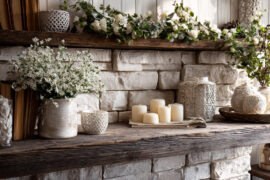
Most paint jobs try to look perfect. Rustic paint techniques do the opposite, and that is exactly why they work.
From chalk paint distressing on thrifted furniture to lime wash on brick walls, these methods create aged, weathered, and handcrafted finishes that no smooth roller can replicate.
This guide covers the 12 core techniques, the right materials for each, and the mistakes that ruin an otherwise solid project, so you can get a genuine rustic finish on the first attempt.
What Are Rustic Paint Techniques?

Rustic paint techniques are methods that create aged, worn, weathered, or handcrafted surface appearances on furniture, walls, and decorative objects. They differ from standard painting in one fundamental way: the goal is imperfection, not uniformity.
The global furniture paint market was valued at $3.5 billion in 2023 and is projected to reach $5.6 billion by 2032 at a 5.5% CAGR (DataIntelo, 2024). Much of that growth ties directly to rising demand for chalk paint, milk paint, and other finishes associated with rustic aesthetics.
These techniques fall into 4 broad visual outcomes:
- Distressed, chippy, or worn paint layers that expose the base coat or raw wood beneath
- Chalky, matte finishes with low sheen and soft surface texture
- Layered depth created by multiple paint colors and glaze or wax topcoats
- Textured wall effects like whitewash, color wash, and lime wash
The materials that produce rustic results are specific. Chalk paint, milk paint, mineral paint, and lime wash are the 4 primary paint types. Each one produces different levels of distress-friendliness, adhesion, and final patina.
Rustic techniques apply across furniture (dressers, cabinets, chairs), walls (plaster, drywall, brick), and decorative accessories. They sit at the core of rustic interior design and appear consistently across farmhouse, shabby chic, and Bohemian interior design styles.
Fixr.com’s 2024 Paint and Color Trends Report found that 60% of design professionals expect natural or raw finishes to gain the most popularity, and 51% say matte finishes are the top homeowner preference. Both outcomes align directly with what rustic paint techniques produce.
| Technique | 2026 Style Shift | Application Logic | The “Atmospheric” Result |
|---|---|---|---|
| Refined Distressing | Structural Wear: Focus on “high-touch” points only. | Milk paint layered over a dark “tannin” stain. | Authentic History: Avoids the “sanded-off” look for a natural wear pattern. |
| Mineral Lime Wash | “Suede” Walls: Using mineral depth instead of flat paint. | Applied in cross-hatch motions with a block brush. | Velvety Depth: Creates a mottled, breathable stone-like finish. |
| Grain Drenching | Modern Whitewash: Using “Mushroom” or “Greige” tones. | Diluted mineral paint wiped into open-grain woods (Oak). | Sophisticated Rawness: Mutes the yellow in wood while keeping the texture. |
| Glaze Color Washing | Luminous Layers: Building a “glow” through multiple washes. | Semi-transparent glaze applied over a textured base. | Ethereal & Old-World: Feels like a wall has been repainted for 100 years. |
What Is the Dry Brushing Technique in Rustic Painting?
Dry brushing loads minimal paint on a brush to deposit color only on the raised areas of a surface. The result is a highlighted texture effect that reads as aged wear, natural light, or surface depth.
It works on any surface with raised texture: wood grain, carved furniture details, textured walls, and brick. Flat, smooth surfaces produce little visible effect.
How to Apply Dry Brushing Correctly

Paint load is everything. After loading the brush, wipe 90% of the paint off on a cloth or paper towel before touching the surface. The brush should feel almost empty.
Apply with light, quick strokes in the direction of the wood grain or surface texture. Keep strokes short and overlapping. Pressure variation creates natural inconsistency, which is the point.
- Best paint types: chalk paint, acrylic, milk paint (all fast-drying)
- Best brush: a stiff-bristle or fan brush, 1-2 inches wide
- Avoid: soft brushes, heavy paint loads, slow strokes
Chalk paint is the preferred material here because its fast dry time prevents smearing and allows immediate layering. The global chalk paint market was valued at $134 million in 2023 and is projected to reach $181 million by 2030 at a 4.4% CAGR (Global Info Research, 2024).
Where Dry Brushing Adds the Most Value
Carved furniture details benefit the most from dry brushing. The paint catches the ridges and leaves recessed areas darker, creating instant visual depth without any distressing or sanding.
On walls, dry brushing works well over a dried base coat to create a subtle highlight effect. It is a faster alternative to color washing when the goal is surface-level texture rather than full-depth color layering.
Fusion Mineral Paint is commonly used for wall-level dry brushing because its self-sealing formula eliminates the need for a separate topcoat after the technique dries.
What Is the Distressing Technique and How Is It Applied?
Distressing removes paint after application to simulate natural wear. Sanding, scraping, and physical abrasion expose the layer beneath, whether that is a base coat color, a primer, or raw wood.
The technique sits at the core of the shabby chic home decor aesthetic and is one of the most used rustic paint methods in furniture upcycling. Thrifting for furniture is more popular in 2025 than in prior years, making distressed paint finishes a practical skill for budget-conscious decorators.
Wet Distressing vs. Dry Distressing
Wet distressing removes paint while it is still tacky, usually within 20-30 minutes of application. It produces softer, less defined worn edges and works best with chalk paint, which stays workable longer than latex.
Dry distressing sands paint after it fully cures (24-48 hours). It produces sharper, more defined wear lines and gives greater control over placement.
| Method | 2026 Technical Window | Visual Character | Best Paint System |
|---|---|---|---|
| Wet Distressing | 20–40 min (while “tacky”). | Feathered & Soft: No harsh scratch marks; looks like natural erosion. | Chalk or Clay Paint: High porousness allows water to reactivate the bond. |
| Dry Distressing | 24+ hours (post-cure). | Crisp & Graphic: Sharp contrast between paint and wood; highlights texture. | Milk Paint or Enamel: Brittle finishes that “flake” or sand cleanly. |
| Resist Distressing | Pre-paint application. | Structural Flaking: Paint fails to adhere in specific “random” spots. | Any Matte Finish: Uses wax or hemp oil as a barrier under the topcoat. |
Tools and Sandpaper Grit for Distressing

Sandpaper grit determines the intensity of the worn look. This is where most beginners go wrong.
- 80-grit: aggressive removal, sharp edges, best for pine and hardwood
- 120-grit: moderate removal, good general-purpose distressing
- 220-grit: light dusting, subtle wear, best for soft or thin paint layers
- Steel wool (grade 0000): very fine, used for smooth blending at edges
- Physical tools: chains, hammers, screwdrivers create dent-and-nick effects before painting
Focus distressing on the areas where actual wear would occur over time: edges, corners, around drawer pulls, and along raised molding. Over-distressing flat surface centers reads as damage, not age.
What Is the Whitewashing Technique?
Whitewashing is a diluted white paint application that stains wood while allowing the grain to show through. It is not a paint film. It is a semi-transparent wash that tints the surface without covering it.
The traditional mix is 1 part white latex paint to 1-2 parts water. The more water in the mix, the more transparent the result and the more grain that shows through.
How Whitewash Differs from Lime Wash
Whitewash: diluted latex or chalk paint applied to wood, wiped back while wet. Purely decorative. No chemical bonding to the surface.
Lime wash: calcium hydroxide solution that penetrates masonry and creates a mineral bond. Used on brick, plaster, and stone. Technically different from whitewash despite the similar appearance.
Confusing the two matters in practice. Using a diluted latex whitewash on masonry produces a surface film that peels. Applying lime wash to raw wood provides no bond and washes off. Surface material determines which method applies.
Application Steps for Wood Whitewashing
Open-grain woods produce the best whitewash results. Oak, ash, and pine absorb the diluted paint into the grain channels and produce strong visible contrast between grain lines and surface color.
- Sand the wood surface lightly with 120-grit to open the grain
- Brush on the diluted paint mix in the direction of the grain
- Wipe back immediately with a lint-free cloth, working in the grain direction
- Allow to dry fully before sealing with a matte clear wax or water-based matte varnish
Tight-grain woods like maple resist whitewash. The grain channels are too narrow to absorb the wash, so the mix sits on the surface and dries unevenly. Pre-treating maple with a light wire brushing opens the grain slightly and improves results.
What Is the Color Washing Technique?

Color washing applies a diluted glaze coat over a dried base coat in irregular, overlapping strokes. It creates soft, uneven color depth that reads as aged plaster or faded patina on walls.
According to Fixr.com’s 2024 design expert survey, 48% of professionals identify warm whites as the most popular interior paint color, and 15% specifically favor terracotta and clay tones. Both color categories produce strong results as color wash tints over neutral bases.
The Glaze Mix and Application Method
Glaze ratio: approximately 4 parts water-based glaze medium to 1 part paint. A thinner mix produces lighter, more subtle depth. A richer mix creates stronger color variation.
Application tools each produce a different texture pattern:
- Wide natural bristle brush: loose, streaky movement lines
- Sea sponge: irregular, organic mottling
- Crumpled cloth: random, fine-textured variation
Work in 2-3 square foot sections. Apply the glaze, then immediately blend with circular and crossing strokes before it dries. Glaze medium extends open time, but only by 10-15 minutes in warm or dry conditions. Speed matters.
Color Combinations That Work
The base coat and glaze coat need enough contrast to read as depth, but not so much that the result looks painted-on rather than aged.
Combinations that consistently produce strong rustic results:
- Warm ochre glaze over a cream base
- Terracotta glaze over a sand or warm beige base
- Grey-blue glaze over a soft white base
- Sage green glaze over a pale warm white base
These earthy paint tones connect directly to what Fixr.com experts identified as the dominant 2024 palette preference: soothing, warm, and nature-connected colors that evoke grounded, tactile surfaces.
Color washing pairs well with texture in interior design because the technique amplifies existing wall surface variation rather than covering it. Slightly uneven plaster or textured drywall produces better results than perfectly smooth walls.
What Is the Layering and Glazing Technique?
Layering applies 2-4 paint coats in different colors with partial sanding between each layer. Glazing adds a translucent tinted coat over the fully dried layers to unify them and add aged depth. Together, these two steps produce the most visually complex rustic finish available without professional-level skill.
How Paint Layering Creates Depth

The layered paint depth effect works because sanding between coats reveals the color beneath in unpredictable patterns. The result is a multi-tone surface that looks like decades of paint accumulation rather than a deliberate process.
Layer sequence for maximum depth:
- Coat 1: a dark or contrasting base (navy, hunter green, deep red)
- Coat 2: a lighter mid-tone (grey, cream, sage)
- Coat 3: the final top color (white, soft linen, warm ivory)
Sand lightly with 150-220 grit between each dried coat. Concentrate sanding on edges, raised areas, and corners to mimic natural wear placement.
Glazing Products and Wax Finishes
After layering, a glaze coat locks the colors together and adds a surface-level aged tone. General Finishes glaze products and Annie Sloan clear and dark wax are the 2 most widely used finishing systems for this technique.
Dark wax applied over a light layered finish accelerates the aged patina effect significantly. It settles into recessed areas and adds a translucent brown or amber tone that reads as years of accumulated use.
Wax vs. varnish as a topcoat:
- Clear wax: soft sheen, protects chalk paint, re-applicable, not heat-resistant
- Dark wax: aged amber depth, applied over clear wax, use sparingly to avoid muddiness
- Matte water-based varnish: harder cure, more durable, flatter look, better for high-use surfaces
Annie Sloan’s chalk paint system, which includes its wax range, helped drive the chalk paint category to a $134 million global market in 2023. The brand remains the most recognized name in the consumer chalk paint segment (Global Info Research, 2024).
What Is the Stenciling Technique in Rustic Decor?

Rustic stenciling uses minimal paint load and intentional off-registration to avoid the crisp, clean results associated with modern or contemporary application. The goal is a faded, worn-in pattern that looks like it has been on the surface for years, not hours.
Design professionals surveyed by Livingetc in late 2023 noted a growing appreciation for paint techniques that showcase skilled artisanship that mass production cannot replicate. Stenciling, when executed with a rustic hand, falls directly into this category.
Materials and Stencil Types
Mylar reusable stencils are the standard for furniture and wall application. They flex to follow curved surfaces and clean up without damage for repeated use. Laser-cut wood stencils produce heavier edge definition and suit flatter surfaces better.
Paint application over stencils uses the dry brush method. A near-empty brush prevents paint from bleeding under the stencil edges and produces the faded, uneven deposit that reads as aged.
Distressing Stenciled Areas After Drying
This step separates rustic stenciling from standard stenciling. After the stenciled paint fully dries, lightly sand the pattern with 220-grit paper to break up the edges and reduce opacity in areas. The stencil pattern should look as if it belongs to the surface, not as if it was applied on top of it.
- Sand in the direction of the pattern (along floral stems, across geometric lines)
- Remove more paint at the center of each motif than at the edges
- Apply a thin dark wax over the stenciled area to push the pattern further back into the surface
Design Patterns Suited to Rustic Style
Pattern choice affects how rustic the result reads, independent of technique.
| Pattern Archetype | 2026 Style Pairing | Tactical Application | The “Aged” Finish Technique |
|---|---|---|---|
| Botanical & Ferns | Modern Cottage: Soft, biophilic, and rhythmic. | Inside drawer sides or back panels of open shelving. | Transparency: Using a glaze-mixed paint to keep the wood grain visible. |
| Weathered Damask | Shabby Chic / Vintage: Romantic and historical. | Armoire fronts or large-scale bedroom accent walls. | Strategic Erosion: Lightly sanding the pattern edges after it dries. |
| Heritage Typography | Industrial Rustic: Bold, utilitarian, and nostalgic. | Utility room cabinets or kitchen herb boxes. | Stencil “Bleed”: Allowing slight imperfections to mimic old hand-stamping. |
| Micro-Geometric | Modern Rustic: Sharp, graphic, and structured. | Concrete floors or “Faux-Tile” bathroom backsplashes. | Tone-on-Tone: Using a color only 2 shades darker than the base. |
Stenciling works especially well on rustic shelving and painted wood cabinetry as part of a farmhouse interior design scheme. The technique adds visual interest to otherwise plain surfaces without requiring a full repaint or new hardware.
What Is Milk Paint and How Does It Create a Rustic Finish?
Milk paint is a natural, powder-based paint made from casein (milk protein), lime, and natural pigments. It is one of the oldest paint formulations in use, with documented applications in ancient Egypt and colonial American furniture.
The global milk paint market is projected to reach $348 million by 2030, driven largely by rising demand for non-toxic, sustainable interior finishes (QYResearch, 2024).
How Milk Paint Produces a Chippy Finish
Milk paint bonds differently depending on what surface it is applied to. On raw or lightly sealed wood, it penetrates and grips. On non-porous surfaces, it sits on top and naturally peels away in irregular chips as it cures.
That peeling is not a failure. It is the finish. The chippy paint effect is exactly what gives milk paint its aged patina, and it happens without sanding or distressing.
- Raw wood: strong bond, flat matte result, minimal chipping
- Previously painted or sealed wood: natural chip and peel pattern
- MDF or laminate: heavy chipping unless bonding agent is added first
Bonding Agent: When to Use It and When Not To
Without bonding agent: chippy, peeling, authentic distressed look. Best for intentional rustic results on non-porous surfaces.
With bonding agent: smooth, adhered finish with no chipping. Use when a solid, even matte coat is the goal rather than the chippy paint effect.
Miss Mustard Seed’s Milk Paint and Real Milk Paint Co. are the 2 primary brands in this segment. Both offer powder formulations that mix with water on-site, which extends shelf life and reduces waste compared to pre-mixed paints.
Milk paint’s non-toxic composition makes it a strong choice for nursery furniture and children’s pieces, a market driver that DataIntelo’s 2024 furniture paint report specifically identifies as broadening the product’s consumer appeal.
What Is Lime Wash Paint and Where Is It Used?
Lime wash is a calcium hydroxide solution that penetrates masonry and creates a mottled, chalky mineral appearance. It is not a surface film. It bonds with the substrate through a natural carbonation process as it cures.
The global lime wash paint market was valued at approximately $521 million in 2025, growing at a projected 5.9% CAGR through 2033, driven partly by rising demand for sustainable and natural wall finishes in residential interiors (Archive Market Research, 2025).
Authentic Lime Wash vs. Modern Acrylic Lime Wash
These are 2 distinct products that look similar but behave very differently on walls.
| Product Type | 2026 Usage Logic | Primary Advantage | Maintenance Factor |
|---|---|---|---|
| Authentic Mineral Lime | Best for Masonry & Porous surfaces. | Naturally high-pH; mold/bacteria resistant. | Patinas over time; easily “refreshed” with a new coat. |
| Acrylic “Lime” Paint | Best for Standard Drywall or previously painted rooms. | Predictable color; no specialized primer required. | Washable and durable; behaves like traditional latex. |
| Hybrid Mineral Paint | Universal application using a Mineral Primer. | Authentic matte texture on non-porous surfaces. | Requires a 2-step system (Primer + Paint). |
Portola Paints and Romabio are the 2 most widely used brands for acrylic lime wash in residential interiors. Romabio’s Classico Limewash is one of the few products that bridges both categories, using mineral content with an acrylic carrier for drywall application.
How to Apply Lime Wash on Walls
Lime wash dries significantly lighter than it appears when wet. Testing a 1-square-foot sample and allowing it to cure fully before committing to a full room is a step most beginners skip, and it is the most common source of unexpected results.
Application steps:
- Dampen the wall surface lightly with clean water before applying
- Use a large natural bristle brush and apply in crossing, overlapping strokes
- Vary pressure across each section to create uneven color density
- Apply a second coat in opposing directions once the first coat dries fully (24 hours)
On brick walls, the technique pairs well with exposed brick wall decorating approaches that keep the masonry visible while unifying its tone. The lime wash settles into the mortar joints and surface texture, making existing imperfections work in the design’s favor.
What Paints and Finishes Work Best for Rustic Techniques?
Material choice determines whether a rustic technique produces the intended result or fails at the surface level. The 4 main paint categories for rustic work each have specific properties that make them suited to different techniques and surfaces.
Nearly 50% of consumers now prefer paints labeled as bio-based or low-VOC, according to Reanin’s 2024 market report. Chalk paint, milk paint, and lime wash all align with that preference, as all 3 are low or zero-VOC formulations.
Chalk Paint
Chalk paint requires no primer and adheres directly to most surfaces without sanding. It dries fast, producing a matte, chalky finish that sands and distresses easily.
Best for: distressing, dry brushing, layering, and wax finishing.
Annie Sloan’s chalk paint system remains the most recognized in the consumer segment. Rust-Oleum Chalked and Dixie Belle are accessible alternatives available in major home improvement retailers.
Mineral Paint
Mineral paint self-seals as it cures, forming a harder surface than chalk paint. It does not require a wax or varnish topcoat, which makes it more durable on high-use pieces like kitchen chairs and cabinet doors.
The tradeoff: mineral paint is less forgiving for distressing. Its harder cure resists sandpaper more than chalk paint does. Fusion Mineral Paint is the primary brand in this segment and was included in QYResearch’s 2024 milk paint market analysis as a competitor in the natural decorative paint category.
Topcoat Options and Their Effect on Rustic Finish
Topcoat selection changes the final appearance of any rustic paint project. Getting this wrong after hours of layering and distressing is frustrating. Pick the wrong sealer and you shift a matte rustic result into a plastic-looking gloss.
- Clear wax: soft sheen, protects chalk paint, buffs to a subtle low-gloss finish
- Dark wax: adds an aged amber tone, applied sparingly over clear wax
- Matte water-based varnish: harder, flat, more durable on high-traffic surfaces
- Oil finish: penetrating, enhances wood grain, best on raw or lightly painted wood
What Surfaces and Furniture Suit Rustic Paint Techniques?
Surface material determines how paint behaves. The same chalk paint and distressing technique produces completely different results on raw pine versus sealed MDF versus old metal. Knowing which surface responds to which technique prevents most wasted attempts.
According to the National Association of Home Builders, 87% of home sellers repaint at least one room before listing a property (MarketDataForecast, 2024). Furniture upcycling follows a similar impulse: the surface that gets painted matters as much as the technique used on it.
Wood: Best Overall Surface for Rustic Techniques
Raw and previously painted solid wood responds best to distressing, whitewashing, dry brushing, and milk paint. The grain, natural variation, and edge structure all support the aged appearance these techniques aim to create.
Open-grain woods (oak, ash, pine) absorb washes and produce stronger visible grain contrast. Tight-grain woods (maple, birch) resist whitewash and require surface preparation to open the grain before applying any diluted technique.
MDF and Laminate Surfaces

MDF accepts chalk paint and mineral paint well across flat faces but does not distress naturally at edges. When sanded, MDF edges tear rather than wear, producing a rough, damaged look rather than a smooth worn-paint appearance.
Seal MDF edges with 2 coats of a water-based sealer before painting if distressing is planned. This creates a harder surface layer that sands more cleanly.
Laminate and glossy surfaces need an adhesion primer first. Zinsser BIN shellac-based primer or a dedicated bonding primer applied before chalk paint prevents peeling on these non-porous surfaces.
Metal and Masonry
Metal responds well to dry brushing and paint layering but requires a rust-inhibiting primer before any topcoat. Without it, existing rust bleeds through the paint within weeks.
Masonry, including brick, stone, and exterior plaster, is the correct surface for lime wash and color wash techniques. These surfaces have the porosity needed for a mineral bond. Applying chalk or latex paint to unsealed masonry without proper surface prep leads to uneven absorption and patchy results.
What Are Common Mistakes in Rustic Paint Techniques?
Most failures in rustic painting come from 3 sources: wrong surface prep, wrong material for the technique, and misjudging timing. The results are visible immediately and difficult to fix after the topcoat goes on.
Skipping prep is the most cited error in professional painting guidance. Dust, grease, and residue on surfaces prevent paint adhesion, leading to peeling and bubbling within days of application (Painters Solutions, 2026).
Surface Prep Errors

Chalk paint’s reputation for “no prep needed” is partially misleading. It adheres without sanding, but surfaces must still be clean and grease-free. A quick wipe with a degreaser or TSP substitute before painting is the step that most beginners skip.
Grease, wax residue, and silicone-based furniture polish all prevent chalk and milk paint adhesion even when invisible to the eye. Kitchen furniture pieces are especially prone to this failure.
Over-Distressing
Removing too much paint reads as physical damage, not age. The distinction is placement: natural wear concentrates on edges, corners, and raised detail areas.
Distressing the flat center of a door panel or drawer face has no real-world equivalent in how furniture actually wears. It signals forced aging rather than genuine patina.
A good test: look at an actual old piece of furniture and note where the paint has worn. Apply distressing only to those same locations on new work.
Wrong Sandpaper Grit
220-grit on soft pine: too fine. Produces almost no visible wear and requires 10x the effort.
80-grit on MDF edges: too aggressive. Tears the compressed fiber surface rather than creating a clean worn edge.
The right grit depends on the surface and the intensity of wear required. For most chalk paint distressing on solid wood, 120-grit is the correct general-purpose choice. Drop to 80-grit only for strong edge wear on hardwood. Use 220-grit for final blending and softening after heavier distressing is complete.
Wax Over the Wrong Topcoat
Wax does not bond over latex, mineral paint, or any previously varnished surface. It sits on top without penetrating and wipes off within weeks of use.
Wax works over chalk paint and unsealed milk paint only. On anything else, use a water-based matte or satin varnish as the topcoat instead. The rustic home decor look is not worth rebuilding a piece from scratch because the wrong sealer was applied at the finish line.
Applying dark wax directly over chalk paint without a clear wax base coat first is another tricky error. Dark wax applied to a bare chalk surface absorbs unevenly and leaves blotchy dark patches that are nearly impossible to correct without stripping the piece.
FAQ on Rustic Paint Techniques
What paint is best for a rustic finish on furniture?
Chalk paint is the top choice. It adheres without priming, dries to a matte finish, and distresses easily with sandpaper. Milk paint works well too, especially when a natural chippy finish is the goal on raw or previously sealed wood.
Do I need to sand before using chalk paint?
No sanding required, but the surface must be clean and grease-free. Wipe pieces down with a degreaser first. Kitchen furniture almost always has invisible grease buildup that prevents proper adhesion even with chalk paint.
What is the difference between whitewash and lime wash?
Whitewash is diluted latex paint wiped onto wood. Lime wash uses calcium hydroxide and bonds chemically with masonry. Using whitewash on brick or lime wash on raw wood produces poor results. Surface material determines which method applies.
How do I distress paint without it looking fake?
Focus on edges, corners, and raised details. Those are the areas that actually wear on real furniture over time. Avoid sanding flat center panels. Use 120-grit sandpaper and work lightly. Less distressing almost always looks more convincing than more.
Can I use rustic paint techniques on walls?
Yes. Color washing, lime wash, and dry brushing all work on walls. Lime wash suits brick and plaster. Color washing with a diluted glaze medium works well on drywall. Each technique creates a different aged patina effect and texture depth.
What is dry brushing in rustic painting?
Dry brushing loads minimal paint onto a stiff brush, then deposits color only on raised surface areas. The result is a highlighted wood grain or aged texture effect. Wipe most paint off the brush before touching the surface.
How do I seal chalk paint on a rustic furniture piece?
Clear wax is the standard topcoat. Apply a thin coat, let it dry, then buff lightly. For high-use pieces, a matte water-based varnish offers more durability. Never apply wax over latex, mineral paint, or previously varnished surfaces.
What is milk paint and how does it differ from chalk paint?
Milk paint is made from casein, lime, and natural pigments. It comes as a powder mixed with water. Unlike chalk paint, it chips naturally on non-porous surfaces without distressing. Adding a bonding agent prevents chipping for a smoother, solid finish.
What are the most common mistakes in rustic paint projects?
Skipping surface prep, over-distressing flat areas, and applying wax over the wrong topcoat. Using the wrong sandpaper grit also causes problems. 80-grit on MDF tears the surface. 220-grit on soft pine removes almost nothing. Match grit to the material.
Does rustic paint work on surfaces other than wood?
Yes. Metal takes dry brushing and layering well but needs a rust-inhibiting primer first. Masonry suits lime wash. MDF accepts chalk paint on flat faces. Glossy or laminate surfaces require a bonding primer before any rustic technique will hold.
Conclusion
This conclusion is for an article presenting rustic paint techniques as practical, learnable skills rather than guesswork.
Whether you are applying a milk paint chippy finish to a thrifted dresser or color washing a plaster wall with diluted glaze medium, the material and surface combination drives the result more than technique alone.
Pick the right paint type. Match the topcoat to the base. Distress only where real wear would occur.
Dry brushing, whitewashing, layering, and lime wash each produce a distinct aged patina that smooth, uniform painting simply cannot replicate.
Start with one technique on a single piece. The process is straightforward once you stop chasing perfection and let the surface work with you.

- Exploring the Rich History of Interior Design - September 30, 2026
- IKEA Shoe Storage Ideas for Compact Areas - September 23, 2026
- What is Interior Design? A Beginner’s Guide - September 19, 2026