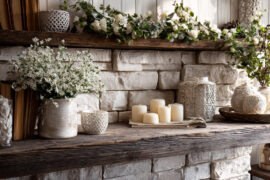
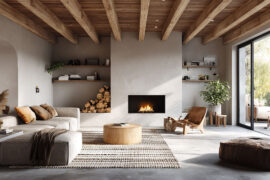
A cabin should feel like it belongs to its landscape, not like a furniture showroom dropped into the woods.
Getting rustic cabin interior ideas right means more than picking reclaimed wood and a stone fireplace. It means understanding how natural materials, earthy color palettes, and cozy cabin aesthetics work together to create something that actually feels lived-in.
This guide covers everything from exposed beam ceilings and wide-plank hardwood floors to rustic lighting fixtures, cabin bedroom design, and the most common mistakes that make these spaces fall flat.
Whether you are building from scratch or updating an existing space, you will leave with a clear, room-by-room plan.
What Is Rustic Cabin Interior Design?

Rustic cabin interior design is a style built around raw, natural, and weathered materials used inside a living space. It prioritizes authenticity over polish, warmth over minimalism, and tactile texture over smooth surfaces.
The core material palette is specific: reclaimed wood, stone, wrought iron, leather, linen, and wool. These are not decorative gestures. They are structural choices that define the entire character of a space.
Key distinction from similar styles:
- Rustic cabin vs. farmhouse: Cabin interiors use heavier, darker materials. Farmhouse leans white-washed and soft.
- Rustic cabin vs. lodge: Lodge style trends toward grandeur and trophy pieces. Cabin stays grounded and livable.
- Rustic cabin vs. Scandinavian: Scandinavian strips things down to bare function. Rustic cabin layers in warmth and worn character.
Wood held 44.44% of the U.S. home decor market share in 2025, with sustainable and reclaimed wood variants growing at a 10.29% CAGR (Mordor Intelligence, 2025). The appetite for this material in residential interiors is real and growing.
The style has roots in traditional mountain and woodland architecture, where the building materials came directly from the surrounding landscape. That logic still holds. Rustic cabin interiors feel most coherent when the materials inside match what you would find outside the front door.
One thing worth saying plainly: rustic cabin design is not about making a space look old. It is about making it feel genuine. The difference shows up in every material decision you make.
What Are the Best Rustic Cabin Interior Ideas for Living Rooms?

The rustic cabin living room succeeds when it has one structural anchor, a stone fireplace, exposed ceiling beams, or a raw-edge wood feature, and builds every other element around it. Without that anchor, the room reads as a loose collection of brown furniture.
Countryside cabin bookings increased by 25% post-pandemic as travelers shifted toward nature-based retreats (Avantio), which directly pushed demand for this aesthetic into primary residences and short-term rentals alike.
Exposed Beam Ceiling Options

Exposed wood ceiling beams are the single highest-impact structural element in a rustic cabin living room. A single 8-inch Douglas fir beam running the length of a room shifts the entire spatial feel.
3 main beam options by material and finish:
- Solid reclaimed timber: Most authentic. Sourced from demolished barns or industrial buildings. Weight requires structural support planning.
- Faux wood beams (polyurethane): Lighter, easier to install, zero structural load. Visual result is close but not identical on contact.
- Hand-hewn Douglas fir: Freshly milled but finished to look aged. A good middle option when reclaimed supply is limited.
Finish matters as much as species. Wire-brushed and hand-scraped textures read as rustic. Smooth, lacquered beams do not, regardless of wood type.
Fireplace Surround Materials

According to Floor Covering News (2024), stacked stone fireplaces are confirmed as a returning primary trend, particularly in rustic and reclaimed design contexts.
Surround material comparison:
| Material | Rustic Fit | 2026 Installation Protocol | Key Aesthetic Detail |
|---|---|---|---|
| Stacked Fieldstone | Strongest “Mountain Lodge” signal | Requires reinforced structural footings and lath. | Irregular shapes create high-relief shadow lines. |
| Ledger Stone Panels | Clean, controlled Rustic Chic | Interlocking Z-panels; adheres directly to cement board. | Best for “Modern Farmhouse” fireplace surrounds. |
| Reclaimed Brick | Rugged Heritage / Industrial | Use “over-mortared” joints (German Smear) for age. | Visible lime deposits and chipped edges. |
| Honed Travertine | Soft, Mediterranean Rustic | Butt-joint installation; no visible grout lines. | Pitted surfaces provide a “centuries-old” feel. |
A rustic fireplace works best when the surround material extends floor to ceiling. Half-height surrounds visually shrink the fireplace and lose the focal point impact.
Rustic Cabin Furniture Choices

Furniture in a rustic cabin living room needs solid wood construction. Veneer-over-MDF pieces look fine in photos. In person, they read as wrong against stone and reclaimed wood walls.
Leather upholstery on the main sofa is the standard choice. Full-grain leather in cognac, saddle tan, or dark brown ages into the space rather than against it. Pair it with wool plaid or Pendleton-style textiles on accent chairs to break the heaviness.
Adirondack-influenced silhouettes and Stickley-style mission furniture both suit this space well. Avoid pieces with tapered legs, lacquered finishes, or chrome hardware. They belong in other styles.
Area rugs anchor the seating group. Cowhide, jute, and wool are all correct choices. A 9×12 rug under a standard sofa-and-chairs arrangement needs to be large enough that all front legs of every piece sit on it, otherwise the grouping floats visually.
What Are Rustic Cabin Bedroom Ideas That Work in Small Spaces?
Most actual cabins have small bedrooms. The design problem is not decoration but volume management. Heavy rustic materials in a tight space without thoughtful scale control will feel like a storage unit.
The global vacation rental market exceeded $99.6 billion in 2023 (GMI, 2024), with home-type accommodations holding a 47.1% share. Cabin bedrooms are increasingly expected to feel intentionally designed, not incidentally furnished.
Log Bed Frames vs. Reclaimed Wood Platform Beds

Log bed frames are the obvious choice. They are also the riskiest in small rooms.
A full log frame with posts and rails can consume 30-40% of a small bedroom’s visual field. In a 10×12 room, that is too much. Reclaimed wood platform beds give you the material authenticity with a lower profile and less visual mass.
Practical comparison:
- Log frames: High visual weight, strongest rustic signal, difficult to move, works best in rooms over 200 sq ft
- Reclaimed platform beds: Lower profile, easier to source, better for tight ceiling heights under 8 feet
Wall and Ceiling Treatments for Small Cabin Bedrooms

Low ceilings are common in cabin bedrooms. The wrong treatment makes them feel oppressive. The right one turns them into an asset.
Whitewashed tongue-and-groove ceiling panels reflect light upward and create visual lift. This matters in any bedroom under 8 feet. Exposed dark rafter ceilings in the same space read as heavy and close.
For walls, shiplap in a horizontal orientation adds width to narrow rooms. Vertical shiplap adds height in rooms that are short but wide. The direction is not aesthetic preference only. It is a spatial tool.
Built-in storage with barn-style sliding doors preserves floor area. A sliding door on a storage alcove adds rustic material character without stealing square footage the way a swing door does.
Layered bedding works harder in small spaces than additional furniture. Wool blankets, flannel, and faux fur throws add visual warmth without occupying floor area. Keep nightstands small or replace them with wall-mounted reading lights and a single floating shelf.
What Kitchen Design Ideas Fit a Rustic Cabin Style?

The rustic cabin kitchen balances authenticity with function. The biggest mistake here is prioritizing one at the expense of the other. A kitchen that looks rustic but is difficult to use will frustrate every person who cooks in it.
Spending on U.S. home improvements surged 81% from 2014 to 2023, with kitchen remodels returning up to 80% of investment (Global Market Insights, 2023). Kitchens are where material choices pay off the most financially.
Cabinet and Shelving Options

Open wood shelving as a replacement for upper cabinets is the defining move in rustic cabin kitchens. It forces you to curate what is stored and displayed, which produces a kitchen that looks considered rather than cluttered.
Cabinet finish options by rustic character:
- Knotty pine, stained: Strongest cabin signal. Warm amber tones. Works with oil-rubbed bronze or cast iron hardware.
- Distressed painted cabinets: Charcoal, forest green, or off-white. Chipping and glazing techniques add age.
- Raw oak, wire-brushed: More restrained. Good for modern rustic hybrid spaces.
Hardware makes or breaks cabinet authenticity. Cast iron, oil-rubbed bronze, and hand-forged black iron all read correctly. Brushed nickel does not belong in this style.
Countertop Materials for Rustic Kitchens

Butcher block countertops are the standard rustic cabin choice. They are warm, workable, and age visibly, which suits the aesthetic. Mineral oil maintenance is simple and keeps them from drying and cracking.
Leathered granite is the upgrade option. The leathered finish removes the gloss and leaves a matte, slightly textured surface that reads as natural rather than formal. It pairs better with distressed cabinetry than polished granite does.
An apron-front farmhouse sink in fireclay or copper is the right choice for rustic cabin kitchens. Stainless undermount sinks work but lack the visual weight the style needs at the sink position.
Log Cabin Valley Design, a rustic home renovation firm, consistently recommends pairing knotty pine cabinets with butcher block tops and open shelving as a starting framework, noting that most clients then adjust hardware and lighting as their final personalization layer.
What Bathroom Ideas Work for a Rustic Cabin Interior?
Rustic cabin bathrooms fail in one predictable way: moisture damage to raw wood finishes. The aesthetic works. The execution requires more planning than any other room in the cabin.
The U.S. home decor market is projected to grow at a 4.5% CAGR through 2030 in the residential segment (Grand View Research, 2024), with bathrooms identified as a high-ROI renovation category returning up to 70% of investment.
Vanity and Sink Options
Reclaimed wood vanities look right in a rustic cabin bathroom. They require correct sealing or they will fail within two years in a high-humidity environment.
3 sealing approaches for wood vanities:
- Epoxy topcoat: Hardest protection, slight sheen change
- Penetrating oil sealant (Rubio Monocoat): Preserves matte appearance, requires reapplication
- Polyurethane: Most available; satin sheen is the most appropriate finish for rustic contexts
Vessel sinks in hammered copper or hand-carved stone are the correct focal point choice. They add material contrast and sit above the vanity surface, which creates visual interest without requiring additional decor.
Wall Treatments and Tub Options
Shiplap in a bathroom requires a moisture barrier behind it and a sealed finish on the face. Cedar plank walls are a stronger option where shower spray contact is possible since cedar has natural moisture resistance.
A freestanding soaking tub is the aspirational element in rustic cabin bathrooms. Clawfoot tubs with a matte black or oil-rubbed bronze finish suit the style better than the white porcelain and bright chrome versions. Flat-bottom freestanding tubs in a matte stone resin are also a strong choice and easier to clean.
Wrought iron towel bars, hooks, and mirror frames complete the material language. They should match the hardware used in the rest of the cabin for the space to feel connected rather than isolated.
What Flooring Options Suit Rustic Cabin Interiors?
Flooring is where rustic cabin interiors either hold together or fall apart. The wrong floor undermines every other material decision in the space.
Wide-plank hardwood flooring surged in popularity in 2024 as homeowners sought to create rustic and farmhouse aesthetics, according to Floor Covering News (2024). Sustainable and reclaimed wood flooring variants are growing at a 10.29% CAGR (Mordor Intelligence, 2025).
Wide-Plank Hardwood by Species
Wide planks run 5 inches or wider. Anything narrower produces a floor that reads more as traditional than rustic.
| Species | Character & Durability | 2026 Rustic Finish Style | 2026 Trend Note |
|---|---|---|---|
| Knotty Pine | Soft; dents easily, which adds “history” over time. | Wire-brushed with a matte hard-wax oil. | Often used in “Modern Cabin” styles for an airy feel. |
| White Oak | High stability; iconic open grain. | Hand-scraped edges or “Live Sawn” cuts. | The current standard for “Rustic Chic” and Farmhouse. |
| Hickory | Extremely hard; high contrast between heartwood/sapwood. | Natural penetrating oil; no stain needed. | Best for high-traffic homes with pets or children. |
| Douglas Fir | Tight vertical grain; warm reddish-orange undertones. | Low-sheen matte or invisible “Raw” look sealants. | Gaining popularity for ceiling planks and accent beams. |
Reclaimed wood flooring adds something no new wood can replicate: density from slow old-growth timber growth and visible history in the grain. Sourcing requires attention to grading. Face-nailed boards are common in reclaimed flooring and add to the authentic character rather than detracting from it.
Stone and Alternative Flooring
Slate, flagstone, and travertine are the 3 correct stone choices for rustic cabin entry and kitchen areas. They handle moisture and foot traffic from outdoor activity better than wood.
Concrete with wood accents works in modern rustic hybrid spaces. Raw concrete is cold and flat on its own. Pairing it with reclaimed wood banding or inset sections adds the warmth the style requires.
Finish options across all flooring types follow the same rule: matte and textured surfaces read as rustic. High-gloss and smooth surfaces do not, regardless of material.
What Wall Treatment Ideas Define a Rustic Cabin Look?
Wall treatments carry more of the rustic cabin atmosphere than any furniture piece. A room with plain drywall walls and rustic furniture still reads as a regular room. The same furniture against shiplap or stone reads immediately as a cabin.
The reclaimed lumber market was valued at $62.2 billion in 2024 and is expected to reach $88.0 billion by 2033 (IMARC Group, 2024), driven partly by the growing demand for rustic and vintage interior aesthetics in residential design.
Shiplap and Board-and-Batten

Shiplap is the most recognizable rustic cabin wall treatment. The horizontal overlap joint creates a linear shadow line across the wall surface.
Installation decisions that affect the rustic result:
- Gap width: 1/8 inch gap reads as modern. 1/4 inch gap reads as rustic.
- Orientation: Horizontal adds width. Vertical adds height. Do not mix both on the same wall.
- Finish: Raw pine with a clear matte sealer is the strongest rustic signal. Painted shiplap in white reads as farmhouse.
Board and batten suits accent walls and full-room applications in cabin bedrooms and entryways. The vertical battens add a structured, architectural rhythm that shiplap does not provide.
Stone Veneer and Log Panel Options
Real stone installation requires a structural assessment. A full stone accent wall can weigh several hundred pounds per square foot. Stone veneer panels are the practical alternative for most residential cabin projects.
The visual difference between real stone and quality stone veneer panels is minimal at conversational distance. The weight and installation complexity difference is significant. TerraMai and similar suppliers offer reclaimed wood panel systems alongside stone options that reduce installation complexity without sacrificing material character.
Whitewashing and Limewash Techniques
Whitewashing knotty pine or cedar plank walls keeps the wood grain visible while lightening the overall tone. This is important in north-facing rooms or spaces with limited natural light where full dark wood paneling would feel heavy and dim.
Limewash paint on drywall creates a chalky, mottled texture that reads as aged plaster. It suits rustic cabin dining rooms and bedrooms where stone or wood paneling is not in the budget.
Half-log wall panels are available for spaces where full log construction is not possible. They mount directly to drywall and replicate the cross-section appearance of a log wall. The visual result is strong. The tactile experience on close inspection is less convincing, but from standard room distances, it holds.
How Do You Choose a Color Palette for a Rustic Cabin Interior?
46% of interior design experts identified earthy tones as the most popular color palette in 2024 (Fixr, 2024). Rustic cabin interiors have been one of the primary drivers of that preference.
The palette works in 3 layers: a warm neutral base, natural material tones as the mid-layer, and 1-2 accent colors drawn from the outdoor landscape. Get the base wrong and nothing else lands correctly.
Base Palette and Wall Color Choices

Starting point: warm whites, cream, and soft off-white tones on walls.
Benjamin Moore White Dove and Sherwin-Williams Latte are two of the most commonly used wall colors in rustic cabin projects. Both read as warm without pulling yellow. Both hold well against dark wood and natural stone.
Paint finish matters in low-light cabin spaces. Matte or eggshell finishes absorb light and add to the cozy atmosphere. Satin finishes reflect too much in already warm rooms.
Fixr’s 2024 survey of 71 interior design professionals found that 48% chose warm white as the most popular interior paint color, with deep olive green second at 32%. Both work directly within the rustic cabin palette.
Accent Colors and Natural Wood Tones

Accent colors in a rustic cabin come from 4 natural sources:
- Forest green and sage, pulled from surrounding tree lines
- Slate blue and duck egg blue, referencing water and sky
- Burnt sienna and ochre, referencing stone and dry earth
- Bark brown and charcoal, referencing timber and shadow
Natural wood tones act as a neutral and shift noticeably with light source. The same pine plank reads differently under warm Edison bulb light at 2200K versus cool LED recessed lighting at 4000K.
This is worth testing before finalizing wall colors. Warm wood tones need warm whites on the walls. Grayer or more silvered driftwood tones can hold a cooler off-white.
Colors to Avoid in Rustic Cabin Spaces

Bright white reads as clinical against raw wood and stone. It works in Scandinavian interiors. Not here.
Cool grays have dominated interior design for a decade and are now widely associated with generic builder finishes. They actively conflict with the warmth rustic cabin interiors depend on.
Key conflict: Any color with a strong blue or green undertone will fight against warm amber wood tones. Warm taupe and sand neutrals sit with the material palette. Cool greige does not.
What Lighting Fixtures Work in Rustic Cabin Interiors?
The global decorative lighting market was valued at $41.6 billion in 2024 (Grand View Research, 2024), with rustic fixtures explicitly identified as a growing product segment in pendant and chandelier categories.
Lighting in a rustic cabin does two jobs. It provides function, and it extends the material language of the space after the sun goes down. Get the fixture materials right, and the space holds its character at night. Use the wrong finish, and the room feels like a different place.
Ambient and Chandelier Options

Houzz’s Fall 2024 High Point Market coverage confirmed that oil-rubbed bronze and forged iron are increasing in use, while powder-coated white metal fixtures are declining. This directly reflects the rustic and Western-inspired design trend.
Wrought iron and antler chandeliers are the primary ambient lighting fixtures for rustic cabin living and dining areas. Size matters: a chandelier over a dining table should span 1/2 to 2/3 the table width. Undersized fixtures disappear in cabin-scale rooms.
Antler chandeliers are a specific choice. They work in mountain and hunting lodge contexts. In a cabin that leans more toward modern rustic design, a simple forged iron multi-arm chandelier reads more appropriate.
Pendant and Task Lighting
The rustic pendant light segment is identified within the plug-in pendant market (valued at $2.98 billion in 2024), with rustic fixtures incorporating wood, wrought iron, and textured finishes as a defined category (Growth Market Reports, 2024).
Edison bulb pendant lights are the standard kitchen and dining pendant choice. Color temperature matters more than most people realize:
- 2200K: very warm, amber, works over dining tables and in living rooms
- 2700K: warm white, the most versatile for cabin kitchens
- 3000K+: starts to read as clinical; avoid in rustic interiors
Recessed lighting with bronze trim rings stays low-profile in cabin ceilings. Use it for task areas. Do not use it as the primary lighting source; it produces flat, directionless light that kills the warmth of a rustic cabin room.
Sconces and Accent Lighting
Wall sconces in hallways, bedrooms, and beside fireplaces extend the layered [lighting in interior design] principle into functional zones. Metal shades in dark finishes with visible Edison-style bulbs are the correct choice here.
Candle-style fixtures and lantern forms suit entryways and covered outdoor-to-indoor transition zones. They reference historical cabin lighting without being literally historical. Hubbardton Forge, a Vermont-based manufacturer, produces hand-forged steel versions that hold up to the material quality standard of a well-built rustic cabin.
What Furniture Materials and Styles Belong in a Rustic Cabin?
Solid wood held a 42.3% share of the North American wooden furniture market in 2024, driven by consumer preference for authenticity, durability, and timeless aesthetic appeal (Market Data Forecast, 2024).
Furniture in a rustic cabin is not just decoration. It is the layer of the room that gets touched, sat in, and worn over years. Materials that age gracefully suit the style. Materials that degrade visibly do not.
Construction and Material Standards
Solid wood construction is the non-negotiable baseline. Veneer-over-MDF or particleboard pieces look fine in catalog photos. In person, against reclaimed wood walls and stone, they read as wrong immediately.
Construction signals that matter:
- Mortise-and-tenon joinery at chair and table legs
- Drawer boxes in solid wood, not particleboard
- Face frames on case goods in solid species matching the top
- No visible laminate edges on any surface
Hardwood furniture exports increased 8% in 2023 due to rising North American and European demand for quality pieces (ITTO, 2023). Rustic cabin design was a confirmed driver of this demand increase.
Furniture Silhouettes and Upholstery

Adirondack-influenced and Stickley-style mission silhouettes are the 2 most authentic choices for rustic cabin furniture. Both emphasize visible joinery, flat planes, and honest construction over ornamental carving.
Raw-edge slab coffee tables and dining tables bring the material character of the forest directly into the living space. A single live-edge walnut or white oak slab table is one of the most effective material statements in a cabin interior. Ethan Allen reported a 22% increase in wooden furniture sales in 2023 as demand for authentic solid wood pieces accelerated.
Upholstery choices follow a clear hierarchy:
- Full-grain leather in cognac or saddle brown: The most durable and most authentic rustic upholstery choice. Develops patina.
- Wool plaid and Pendleton-style fabrics: For accent chairs and throw pillows. Adds pattern without losing material authenticity.
- Linen and cotton canvas: Works for lighter accent pieces in rooms with strong wood and stone anchors.
Hardware and Metal Details
Hardware selection is where rustic cabin furniture either holds its character or loses it. The wrong hardware finish is immediately noticeable.
| Hardware Finish | 2026 Rustic Fit | Avoid Pairing With | 2026 Design Note |
|---|---|---|---|
| Oil-Rubbed Bronze | Strong; warm and “heritage” centered. | Cool grays or blue-toned “modern” stains. | Pairs perfectly with 2026 colors like “Warm Mahogany” and “Universal Khaki.” |
| Hand-Forged Black Iron | Strongest; artisanal and rugged. | Whitewashed or very light, “beach” finishes. | Trend: Knurled or hammered textures that hide fingerprints and add grip. |
| Aged / Unlacquered Brass | Soft Rustic; bridges the gap to “Quiet Luxury.” | Very dark, “espresso” stained wood. | A “Living Finish” that patinas over time; best paired with Walnut or Forest Greens. |
| Gunmetal / Graphite | New Rustic; replaces harsh Matte Black. | Ornate, overly traditional cabinet styles. | Offers the depth of black but with a metallic richness that shows off wood grain. |
Blackened steel legs on tables and case goods can work in modern rustic hybrid spaces where the material palette includes concrete or leathered granite. Keep the metal finish consistent across all pieces in the same room.
What Decor and Accessories Complete a Rustic Cabin Interior?
Decor is the last layer. It is also the most commonly overdone layer in rustic cabin interiors. The materials have already done most of the work. Accessories are there to add specificity and lived-in character, not to fill visual gaps.
The U.S. home decor market living room segment held a 30.37% share in 2025, remaining the largest single room category (Mordor Intelligence, 2025). The majority of rustic cabin accessory purchases go into living and dining spaces.
Functional Decor Objects

Functional objects that also read as rustic decor are better choices than purely decorative pieces. A few that work well:
- Woven baskets for firewood storage beside the hearth
- Ceramic crocks and wooden bowls on open kitchen shelving
- Cast iron cookware displayed on pot racks or open hooks
- Candle holders in wrought iron or hammered copper
These objects serve a purpose. They also reinforce the material language of the space without reading as staged.
Textiles, Art, and Plants

Layered textiles add warmth faster than almost any other accessory decision. Wool blankets, flannel throws, and faux fur in bark brown, forest green, and cream work together without requiring a rigid color match.
Wall art in a rustic cabin should reference the landscape surrounding the building. Vintage topographic maps, landscape photography from the local region, and framed botanical prints all read correctly. Mass-produced motivational phrase prints do not belong here.
Plants that suit low-light cabin conditions:
- Ferns: high moisture tolerance, suits cabin bathrooms and shaded corners
- Pothos: tolerant of low light, natural trailing form suits shelving
- Snake plants: handles dry indoor air common in heated cabins
Taxidermy and antler decor are period-correct but require restraint. 1-2 pieces as intentional focal points work. More than that reads as a theme park version of a cabin rather than a lived-in one.
What Are Common Mistakes in Rustic Cabin Interior Design?
Interior design is responsible for an estimated 20% of a home’s valuation (Home Energy Remodeling, 2023). Errors in execution are not just aesthetic problems. They affect property value, livability, and the cost of correcting them later.
Most rustic cabin design mistakes fall into one of two categories: too much of the right thing, or the wrong thing placed where a right thing should be. Both are fixable before they are built in.
Material and Finish Errors
Too many dark wood tones is the most common mistake. Dark stained floors, dark ceiling beams, dark cabinetry, and dark furniture in the same space creates a room that absorbs all available light.
Fix: introduce at least one light or whitewashed surface. Whitewashed shiplap walls, a lighter stone fireplace surround, or light-toned area rugs break the darkness without abandoning the style.
Mixing too many wood tones without a unifying strategy is the second most common error. 3 species with different undertones in the same room create visual noise. Pick 1 dominant species and allow 1 accent species maximum.
Scale and Clutter Problems

Oversized furniture in small cabin footprints. A full log bed frame in a 10×12 bedroom. A sectional sofa in a 200 sq ft living room. These decisions lock the space and make it feel impossible to live in comfortably.
Design research consistently identifies overcrowding as the most common mistake homeowners make, with too much furniture disrupting circulation and making rooms feel cramped (Foyr, 2023). The rustic style compounds this problem because the individual pieces are heavier than in other styles.
Rule of thumb: never exceed 70% of floor area with furniture. The remaining 30% is what makes the room feel breathable and the pieces look intentional.
Lighting and Decor Overreach
Blocking natural light with heavy drapes is a specific rustic cabin mistake. The style already relies on warm but limited artificial light. A cabin bedroom or living room that loses its window light becomes a genuinely dark space.
Use rustic open shelving and surfaces for display, but apply the same editing logic as furniture. Every surface treated as a display opportunity creates visual noise that makes the space feel small and restless.
Using low-quality or faux-rustic materials is the last common failure. Plastic barn door hardware, foam-core faux beams that sound hollow when tapped, and printed wood-look vinyl in a space with real reclaimed wood floors all undermine the credibility of every authentic material around them. The style depends on material honesty. Substitutes that read as fake negate the entire effort.
FAQ on Rustic Cabin Interior Ideas
What materials define a rustic cabin interior?
The core material palette is reclaimed wood, stone, wrought iron, leather, linen, and wool.
These are structural choices, not decorative ones. Raw, weathered, and natural textures define the style. Anything smooth, lacquered, or synthetic works against it.
What is the best flooring for a rustic cabin?
Wide-plank hardwood flooring is the top choice. Pine, oak, hickory, and Douglas fir all suit the style.
Wire-brushed or hand-scraped finishes read as rustic. High-gloss finishes do not. Reclaimed wood flooring adds the most authenticity.
What color palette works best in a rustic cabin?
Start with warm whites and cream on walls, then layer in earthy accent colors: forest green, slate blue, burnt sienna, and bark brown.
Avoid cool grays. They conflict with warm wood tones and undermine the cozy cabin aesthetic entirely.
How do you make a small cabin bedroom feel bigger?
Use a low-profile reclaimed wood platform bed instead of a full log frame. Whitewashed tongue-and-groove ceiling panels reflect light upward.
Horizontal shiplap adds visual width. Wall-mounted reading lights replace bulky nightstands and preserve floor space.
What lighting fixtures suit a rustic cabin interior?
Wrought iron and antler chandeliers work for main living areas. Edison bulb pendants at 2200K-2700K add warmth in kitchens and dining spaces.
Avoid recessed lighting as the primary source. It produces flat, directionless light that strips the warmth from a cabin room.
What is the difference between rustic cabin and farmhouse style?
Rustic cabin interiors use heavier, darker materials: thick timber beams, stacked stone, and full-grain leather.
Farmhouse style leans toward white-washed finishes, shiplap painted white, and lighter upholstery. The two styles share some materials but produce a different atmosphere.
What type of fireplace surround works in a rustic cabin?
Stacked fieldstone gives the strongest rustic signal. Ledger stone panels are a lighter, easier-to-install alternative with a similar visual result.
The surround should extend floor to ceiling for full impact. Half-height surrounds shrink the focal point and lose the architectural weight the style needs.
What furniture styles belong in a rustic cabin?
Adirondack-influenced and Stickley-style mission pieces suit the style best. Both emphasize solid wood construction and visible joinery over ornamental detail.
Avoid veneer-over-MDF pieces, tapered legs, and chrome hardware. Full-grain leather and wool plaid upholstery are the correct choices for seating.
How do you avoid making a rustic cabin feel too dark?
Introduce at least one light or whitewashed surface: whitewashed shiplap walls, a lighter stone fireplace surround, or cream-toned area rugs.
Never block windows with heavy drapes. Natural light is the primary counterbalance to the dark wood tones that define rustic cabin interiors.
What decor accessories complete a rustic cabin interior?
Woven baskets, ceramic crocks, cast iron cookware, and candle holders in wrought iron all serve a function while reinforcing the material language.
Keep display surfaces edited. Layered textiles including wool blankets and faux fur throws add warmth faster than any other accessory decision.
Conclusion
This conclusion is for an article presenting rustic cabin interior ideas, and the through-line is simple: every decision should serve authenticity.
Wide-plank hardwood floors, stone fireplace surrounds, and hand-forged wrought iron fixtures do not need to be expensive. They need to be honest.
Knotty pine cabinetry, tongue-and-groove ceilings, and layered wool textiles all work because they reference real materials from real places.
The biggest risk in cabin interior design is not doing too little. It is doing too much, mixing too many wood tones, blocking natural light, or crowding small rooms with oversized furniture.
Edit carefully. Let the natural material palette carry the atmosphere. The warmth takes care of itself.

- Exploring the Rich History of Interior Design - September 30, 2026
- IKEA Shoe Storage Ideas for Compact Areas - September 23, 2026
- What is Interior Design? A Beginner’s Guide - September 19, 2026