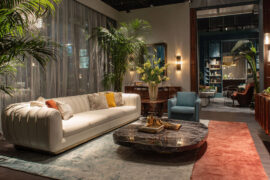
Most dining rooms look fine. Few of them look considered.
The best contemporary dining room ideas share one thing: every decision, from the dining table material to the pendant height to the wall finish, connects to everything else in the room.
This guide covers the full picture. Color palettes, table styles, chair combinations, lighting placement, flooring, storage, wall treatments, art, textiles, and the most common mistakes that undo an otherwise well-planned space.
Whether you are starting from scratch or fixing a room that almost works, what follows gives you the decisions in the right order.
What Is a Contemporary Dining Room?
A contemporary dining room is a dining space designed around what is current right now, not fixed to a specific decade or movement. It shifts as design culture shifts. That is the core distinction most people miss.
“Contemporary” is not a style with locked rules. It is a living, changing approach that absorbs whatever is relevant at this moment, from material choices to furniture silhouettes to color in interior design.
How Does Contemporary Differ from Modern Design?
Key difference: Modern design refers to a specific historical movement rooted in the 1920s through the 1970s. Contemporary design means what is happening right now.
| Feature | Modern Design | Contemporary Design |
|---|---|---|
| Time period | 1920s to 1970s (fixed) | Present day (always shifting) |
| Aesthetic | Strict minimalism, flat planes | Fluid, absorbs current trends |
| Materials | Steel, glass, concrete | Mixed: stone, wood, boucle, sintered stone |
| Palette | Neutral, monochromatic | Neutral base with accent color layers |
A contemporary vs modern interior design comparison clarifies this quickly. Modern is a noun. Contemporary is a moving target.
What Defines the Contemporary Aesthetic in a Dining Room?

85% of designers surveyed by 1stDibs in 2024 planned to use contemporary pieces in current production, more than any other style category. That signals where the market is.
In a dining room specifically, contemporary design shows up through 4 consistent traits:
- Clean-line furniture with refined silhouettes, not ornate detailing
- Mixed materials on a single table or seating set (wood + stone, metal + upholstery)
- A neutral base palette with 1 to 2 layered accent tones
- Functional layouts that do not sacrifice visual clarity
One common myth: contemporary means cold or empty. It does not. Warmth comes from material texture, layered lighting, and upholstery choices. You can have a contemporary dining room that feels genuinely comfortable and lived-in.
For a deeper look at the principles of interior design that shape any style decision, including contemporary, those foundational rules apply here too.
What Are the Best Contemporary Dining Room Color Palettes?
Contemporary dining room color palettes start from a neutral foundation and layer in one or two accent tones. The goal is visual calm with enough contrast to keep the space from feeling flat.
A 2024 report from Architectural Digest found 30% of consumers favor minimalist design approaches, which rely heavily on restrained color application. That preference directly shapes contemporary dining room color choices right now.
What Neutral Foundations Work Best?

The most-used bases in contemporary dining rooms sit in the warm neutral range. Cool stark whites tend to read more clinical than contemporary.
- Warm whites: Benjamin Moore White Dove, Sherwin-Williams Alabaster
- Greiges: Sherwin-Williams Agreeable Gray, Benjamin Moore Revere Pewter
- Soft charcoals: Farrow & Ball Mole’s Breath, Sherwin-Williams Dovetail for darker dining rooms
Colors that pair with Agreeable Gray range from dusty terracotta to warm white trim to muted brass hardware. That flexibility is why it appears in so many contemporary dining spaces.
Undertone rule: Always check warm vs. cool undertones under your actual dining room lighting before committing. A greige with pink undertones reads very differently under warm Edison-style bulbs than under cool daylight LEDs.
Dark and Moody Contemporary Palettes
Dark dining rooms are not a new idea, but they have become more mainstream in contemporary design since around 2022. Farrow & Ball reported strong demand for their deeper shades during this period.
Process flow for a dark contemporary dining room:
- Start with a near-black or deep charcoal on all four walls (Farrow & Ball Railings, Studio Green)
- Pair with a light-toned dining table in white oak or honed marble to create contrast
- Use warm-white upholstered chairs to prevent the space from feeling closed-in
- Layer lighting: pendant over table, sconces on adjacent walls, dimmer on all circuits
This approach works best in rooms with at least one large window. Without natural light, dark-wall dining rooms can feel like a cave, not a dining room.
Light and Airy Contemporary Palettes
Light palettes give the most flexibility for layering accent colors and mixed materials without visual competition.
60% of designers recommend neutral color palettes for spaces intended for resale value (Realtor.com). Light contemporary palettes sit squarely in that category, which is worth remembering if you are renovating to sell.
Greige wall + dark table: The most reliable contemporary dining room combination right now. A warm white oak or walnut table reads warmer than a painted dark table and adds natural material contrast without effort.
Accent color options that read as current rather than trendy: muted sage, dusty terracotta, soft navy. All three hold up longer than saturated, trend-led accent colors.
Which Dining Table Styles Define the Contemporary Look?
The dining table is the structural anchor of any contemporary dining room. Every other decision in the space, from chair silhouette to pendant scale, responds to what the table does.
The 2024 Houzz & Home Study found that light fixtures were among the top purchased products in dining room renovations (52% of renovating homeowners bought new light fixtures). But the table comes first. Get that wrong and the lighting fix barely matters.
What Table Shapes Work in a Contemporary Dining Room?
Rectangular: Most common. Works for 6 or more seats. Suits long, narrow dining rooms.
Oval: Becoming more popular in 2024 and 2025 as curved furniture replaces hard right angles. Takes rectangular footprint but softens the sightline. Domkapa’s 2025 trend research confirms the shift toward rounded and curved furniture forms in contemporary dining specifically.
Round: Best for 4 to 6 seats. Creates an equal conversation dynamic. Works well in square rooms.
What Table Materials Are Most Current?
| Material | Look | Maintenance | Best For |
|---|---|---|---|
| White oak (wide plank) | Warm, organic | Low (oil finish) | Everyday dining rooms |
| Honed marble | Soft, refined | Medium (sealing required) | Lower-traffic dining rooms |
| Sintered stone (Dekton, Neolith) | Stone-like, sleek | Very low (heat and scratch resistant) | High-use family dining |
| Walnut | Rich, dark grain | Low | Contrast with light upholstery |
Sintered stone has moved from commercial hospitality into residential dining rooms at a fast pace since 2022. Dekton and Neolith are the two dominant brands. The appeal is practical: the surface handles heat, daily use, and cleaning without the maintenance anxiety that comes with natural marble.
Table Base Styles in Contemporary Design
The base is as much a design statement as the top. Four base types read as contemporary right now:
- Pedestal base: Single column, maximizes legroom, suits oval and round tops
- Trestle base: Two-end support, works well with long rectangular tops
- Tapered four-leg: Most versatile, clean silhouette, works across most room sizes
- Architectural slab base: Two solid panels, very current in 2024 and 2025, suits larger dining rooms
Scale rule: Maintain a minimum of 36 inches of clearance between the table edge and the wall or adjacent furniture on all sides. Less than that and the room starts to feel like a space planning problem, not a dining room design.
What Chair and Seating Options Work in a Contemporary Dining Room?
Chair selection in a contemporary dining room does more visual work than most people expect. The chairs cover more surface area than the table base and directly shape whether the room reads as refined, relaxed, or overdone.
The average homeowner updates their dining room every 5 to 7 years (Hearthside Furniture, 2025). Chairs are usually the first thing that looks dated. Choosing silhouettes with longevity matters more here than in any other furniture category.
Which Dining Chair Silhouettes Are Most Current?
These 4 chairs appear consistently in contemporary dining rooms across a range of price points:
- Eames DSW (Herman Miller): Molded shell, tapered wood leg, enduring contemporary silhouette
- HAY About a Chair (AAC): Slim polypropylene shell, versatile across styles
- Muuto Fiber Chair: Organic form, mixed-material legs, current without being trend-led
- Wegner CH20 Elbow Chair: Solid wood, clean joinery, works equally in Scandinavian and contemporary settings
None of these are cheap. But their staying power across 5 to 10 years makes them better value than a lower-cost chair that looks dated in two.
How Does Mixed Seating Work in a Contemporary Dining Room?
Mixed seating is one of the clearest signals of a current contemporary dining room. The era of matching 6-chair sets is over (Hearthside Furniture, 2025).
Standard mixed-seating approach:
- Upholstered bench on one long side of the table (boucle, performance velvet, or leather)
- 2 to 4 side chairs in a contrasting material on the opposite side
- 2 host chairs at the table ends with a different silhouette or slight height variation
This creates visual rhythm without matched uniformity. The principle of rhythm in interior design applies here: repetition with variation, not repetition of identical elements.
Upholstery Choices for Contemporary Dining Chairs
3 materials dominate contemporary dining chair upholstery right now:
Boucle: Textured loop weave, currently the most popular fabric across all contemporary upholstered seating. Looks refined but adds softness.
Performance velvet: Rich visual weight, available in muted tones that suit contemporary palettes. Choose performance-grade versions for dining use.
Leather (full or semi-aniline): Works best in darker contemporary dining rooms. Ages well. Requires less maintenance than fabric in a food-adjacent space.
Seat height is a practical issue that gets overlooked. Standard dining chairs sit between 17 and 19 inches from floor to seat. Standard dining tables sit at 30 inches. That gap needs to stay consistent regardless of how many chair styles you mix.
How Does Lighting Shape a Contemporary Dining Room?

Lighting is where contemporary dining rooms either land or fall apart. The fixture placement, scale, and layering decisions carry more visual weight than most people realize until they get it wrong.
52% of renovating homeowners purchased new light fixtures during their 2023 dining room projects (Houzz & Home Study, 2024). It is one of the highest-impact, mid-cost changes available, which is why it consistently ranks near the top of renovation priority lists.
What Is the Correct Pendant Height Over a Dining Table?
The standard rule: hang the bottom of the pendant fixture 30 to 36 inches above the table surface for standard 8-foot ceilings (City Lights SF, Studio McGee). For each additional foot of ceiling height, add approximately 3 inches.
For 9-foot ceilings: 33 to 39 inches above the table.
For 10-foot ceilings: 36 to 42 inches above the table.
Too low blocks sightlines across the table. Too high and the pendant loses its connection to the dining surface entirely. Both are common mistakes, and both are easy to avoid with a tape measure before installation.
Dimmers are non-negotiable in a contemporary dining room. The same space that hosts a weekday breakfast and a formal dinner requires a different light level for each. Install dimmers on every circuit, including pendants and any accent lighting.
Single Pendant vs. Linear Pendant: When to Use Each
Single oversized pendant: Best for round and square tables. Creates a focal point directly centered over the seating area. Works with tables up to approximately 48 inches in diameter.
Linear pendant (multi-light): Designed for rectangular tables. The fixture length should follow the one-half to two-thirds rule: a 72-inch table pairs with a linear pendant 36 to 48 inches long (Color Caravan).
Fixture brands that consistently appear in contemporary dining rooms: Flos, Tom Dixon, Muuto, Arteriors, Roll & Hill. These are not cheap, but the fixture is visible from every seat at every meal, which makes it one of the highest-visibility investments in the room.
How to Layer Lighting in a Contemporary Dining Room
3-layer lighting produces the most flexible and visually complete contemporary dining room:
- Ambient lighting: Recessed downlights or cove lighting for overall room illumination
- Task lighting: The pendant or chandelier directly over the dining table
- Accent lighting: Picture lights above art, cabinet lighting inside any display storage
Most dining rooms stop at the pendant and wonder why the space still feels incomplete. It is almost always because there is no ambient layer to fill the perimeter of the room and no accent layer to create depth. Light in interior design operates as a system, not a single fixture decision.
What Flooring Works Best in a Contemporary Dining Room?

Flooring anchors the entire visual weight of a dining room. The wrong material or finish does not just look off, it fights every other decision in the space.
The home improvement market surpassed $400 billion within the last two years (Joint Center for Housing Studies, Harvard University). Flooring represents one of the highest-spend categories within that figure, and dining rooms are a primary focus for floor upgrades during home renovations.
What Hardwood Flooring Options Suit a Contemporary Dining Room?
Wide-plank hardwood in white oak or walnut is the dominant flooring choice in contemporary dining rooms right now. Plank width of 5 inches or wider reads as current. Narrower strips, especially in light oak, tend to read as more traditional.
Finish matters as much as species:
- Matte or satin finish: reads contemporary, does not show foot traffic or minor scratches
- High-gloss finish: avoid in contemporary dining rooms, too formal and shows every scuff
- Wire-brushed texture: adds surface interest, especially useful in lighter oak species
For guidance on what furniture pairs with light wood floors or what wall colors suit dark wood floors, the decisions tie directly back to your palette choice in the earlier section.
Large-Format Tile as a Contemporary Dining Floor
Large-format porcelain tile, specifically 24×24 or 24×48 formats in concrete or stone looks, reads as strongly contemporary. The fewer grout lines, the cleaner the floor plane reads.
This option works particularly well in open-plan dining spaces adjacent to kitchens, where a continuous floor material across both zones reads more intentional than a flooring transition mid-room.
Dining Room Rugs: Sizing and Material Rules
Wrong rug size is the single most common flooring mistake in dining rooms. The rug under a dining table needs to extend a minimum of 24 inches beyond the table on all sides. This keeps all four chair legs on the rug, even when chairs are pulled out.
Material hierarchy for dining rugs:
- Flatweave wool: Best combination of durability and visual refinement
- Indoor-outdoor polypropylene: Most practical for families, holds up to chair movement and spills
- High-pile rugs: Avoid. Chair legs sink unevenly and the surface shows food debris
Pattern choice: large-scale geometric or organic abstract patterns work in contemporary dining rooms. Small-repeat patterns or busy traditional motifs compete with the table and chairs rather than grounding them.
How Should a Contemporary Dining Room Handle Storage and Built-Ins?
Storage in a contemporary dining room serves two jobs at once: functional containment and visual completion of the room. A dining room with no storage looks unfinished. One with the wrong storage looks cluttered or style-inconsistent.
In 2025, 94% of experts surveyed by Fixr.com identified thoughtfully designed storage as the top priority for home buyers. That applies directly to dining rooms, where storage is often an afterthought during renovation planning.
What Sideboard Proportions Work in a Contemporary Dining Room?
Low-profile sideboards keep sight lines open and read as contemporary. The target height range: 28 to 34 inches. Taller pieces start to compete with the wall treatment and the dining table as visual anchors.
Width rule: The sideboard should not exceed two-thirds the length of the wall it sits against. A sideboard that runs wall-to-wall reads as built-in, not freestanding, which requires a different design commitment.
Materials that match contemporary dining room furniture: cane front panels, fluted wood, lacquered MDF in matte finish. Brands like Menu, HAY, and Muuto produce freestanding options in these materials at a range of price points.
Display vs. Concealed Storage: Getting the Balance Right
The most functional contemporary dining room sideboard follows a simple logic: concealed lower storage for the things you need to access (linens, serving pieces, bottles) and an open or glass-front upper zone for display.
What to display: one grouping of 3 to 5 objects maximum. A small ceramic vase, a candle, and a single sculptural object reads as intentional. More than that starts to look like a surface that was never edited.
The details in interior design matter significantly at this scale. The hardware on a sideboard, the spacing of objects on its surface, and the relationship between the sideboard height and the art or mirror hanging above it all affect whether the storage reads as designed or simply placed.
Built-In Options for Contemporary Dining Rooms
Built-in storage in a dining room requires more commitment but pays off in two specific ways: it removes the visual interruption of freestanding furniture legs and it allows for custom proportions that fit the wall precisely.
2 built-in formats that work in contemporary dining rooms:
- Credenza with flush-mount doors: Floor-to-ceiling panel doors in lacquered MDF or fluted wood, hardware-free push-latch opening for a clean line
- Banquette with under-seat storage: Works in dining rooms that have a corner or alcove; the upholstered seat lifts to reveal storage below
David Mann of MR Architecture & Decor used a steel bar cabinet in his own dining room as a dual-function storage piece, housing both drinking glasses and tableware in one unit. That kind of functional consolidation is a strong model for contemporary dining room storage planning.
What Wall Treatments Fit a Contemporary Dining Room?

Wall treatments in contemporary dining rooms have shifted decisively away from flat paint. 73% of residential designers now specify textured lime finishes in two or more rooms per project (2024 Global Interior Finishes Report). The dining room is one of the first spaces they reach for.
The reason is practical as much as aesthetic. Dining rooms have limited furniture coverage. Walls carry more visual weight here than in any other room in the house.
Limewash and Venetian Plaster in Contemporary Dining Rooms
These two finishes dominate contemporary dining room wall treatments right now. Both come from the same lime-based material family, but they produce different results.
Limewash: Matte, breathable, cloud-like color variation. Applied with a brush in crosshatch strokes. Portola Paints Roman Clay is the most referenced residential product in this category.
Venetian plaster: Hand-troweled, polished to a soft sheen. More formal visual weight. Works well in darker or more dramatic dining room palettes.
89% of surveyed architects noted a preference for breathable matte limewash over acrylic alternatives in calming or contemplative spaces (2024 Global Interior Finishes Report). That preference maps directly to contemporary dining room design, where a calm, textured wall supports rather than competes with the table setting.
Fluted Wood Panels and Shiplap in Contemporary Dining Rooms
Fluted wood panels, vertical slats over acoustic felt or PET backing, have replaced flat shiplap as the go-to architectural wall treatment in contemporary spaces. Limewash is the soft option. Fluted panels are the structural one.
Both Farrow & Ball Dead Flat paint and fluted white oak panels appear consistently in contemporary dining rooms photographed by Studio McGee and Amber Interiors. The combination of a textured wall and a refined paint finish is now more common than either element used alone.
Use fluted panels as a single-wall treatment, not all four walls. One textured surface anchors the room. Four textured surfaces compete with each other.
Wallpaper in Contemporary Dining Rooms
Large-scale wallpaper is having a clear moment in dining rooms specifically. Designer Bradley Odom of Bradley Odom Interiors uses de Gournay wallpaper in dining rooms to create what he calls “immersive environments” where the wall becomes the art.
Pattern scale rule: Large-scale botanical, abstract brushstroke, or geometric patterns read as contemporary. Small-repeat patterns or traditional motifs do not.
One wall only. A full-wrap wallpaper dining room requires significant commitment to a single pattern and a high tolerance for it over many years. Most contemporary dining rooms use wallpaper on the wall that faces the entry point of the room, creating a visual arrival moment.
Understanding pattern in interior design helps clarify why scale matters so much here. A pattern that reads from 15 feet away is fundamentally different from one that requires close inspection. Contemporary dining rooms call for the former.
How Do Mirrors and Art Fit Into a Contemporary Dining Room?

Art and mirrors are the last layer, but not a minor one. They determine whether the space reads as finished or as a room still in progress. Most dining rooms either over-accessorize or leave the walls completely bare. Neither is right.
Mirror Placement Rules for Contemporary Dining Rooms
The standard rule: center a dining room mirror at 57 to 60 inches from floor to center (2Modern, Edward Martin). For seated viewing specifically, the effective range drops to 42 to 48 inches, because the mirror needs to reflect the dining experience rather than ceiling space.
Place mirrors opposite a window to reflect natural light. A mirror reflecting a well-chosen pendant fixture creates the impression of depth and doubles the fixture’s visual impact. Studio McGee and Amber Interiors both use this technique consistently in their dining room projects.
| Mirror Type | Frame Choice | Best Placement |
|---|---|---|
| Large rectangular | Thin metal or frameless | Above sideboard, centered |
| Round oversized | Thin brass or matte black | Feature wall, centered on table axis |
| Arched | Antiqued iron or natural wood | Aligned with window header height |
Size rule: A dining room mirror should measure approximately two-thirds to three-quarters the width of the furniture or table it relates to (Coohom, 2Modern). A mirror that is too small makes the wall look unfinished. Too large and it dominates the room’s other visual elements.
Choosing Art for a Contemporary Dining Room
One large-format piece works better than a gallery wall in most contemporary dining rooms. A single canvas at 36 by 48 inches minimum reads confidently from across a dining table. A cluster of smaller pieces reads busy and competes with the mixed materials already present in the furniture.
Subject matter that suits contemporary dining rooms: abstract, organic forms, large-scale photography, or architectural photography. Figurative art and overly literal imagery tend to anchor a space in a specific decade rather than allowing it to remain current over time.
Frame choice follows the same logic as hardware throughout the room. If you have brass hardware on your sideboard, a thin brass float frame ties the art back into the room’s material palette. Frameless canvas works in the most minimal contemporary dining rooms. Float frames in natural wood suit warmer, texture-forward spaces.
The focal point in interior design often lands on the art or mirror in a dining room. That makes the selection decision more consequential than in rooms with more competing visual anchors. Get the scale right first. Style follows from there.
What Textiles and Decorative Layers Complete the Space?
The final layer of a contemporary dining room is where most spaces either overcorrect into clutter or stay so spare they feel unfinished. Neither is the goal.
The 2024 Houzz & Home Study found paint was the most commonly purchased product in home renovations at 64% of projects, while light fixtures followed at 52%. Textiles and soft furnishings come after both in terms of project spend, but they are what make a finished room feel inhabited rather than staged.
Table Linens and Centerpiece Logic
Contemporary dining tables do not need formal table settings at all times. But a few considered objects on the table surface complete the room even when not in use.
Linen napkins: Natural linen in warm white, oatmeal, or dusty sage reads contemporary without effort.
Placemats: Woven natural fiber, kept flat and simple. Avoid plastic, lacquered, or overly decorative versions.
Centerpiece: One low sculptural object or 3 grouped bud vases in varying heights. Tall arrangements block sightlines across a dining table, which makes conversation awkward. Low centerpieces serve the room and the people using it.
Curtains and Window Treatments

Floor-to-ceiling curtain panels in natural linen or cotton voile are the default for contemporary dining rooms. The rod mounts at ceiling height, not above the window frame. This makes the room feel taller regardless of actual ceiling height.
Curtain width: each panel should be 1.5 to 2 times the width of the window for adequate fullness when open. Panels that look skimpy when drawn back undermine the entire window treatment.
For more on how contemporary window treatments work in practice, the decisions connect closely to proportion and scale in interior design, two principles that are easy to get wrong in window coverage.
What to Avoid in the Decorative Layer
Over-decorating is more common than under-decorating in contemporary dining rooms. A few specific patterns to watch for:
- Matching everything: coordinated placemats, napkins, and centerpiece in identical color reads as a retail display, not a home
- Too many objects on the sideboard surface, more than 5 items typically starts to read as clutter
- Decorative objects that are too small for the scale of the room, a single small candle on a large sideboard looks like a staging mistake
The rule for unity in interior design applies here: cohesion through a shared material palette, not through matching sets.
How Do Small Contemporary Dining Rooms Differ in Approach?
A small dining room requires the same decisions as a full-size one, but every choice carries more consequence. There is less room for error and less room to compensate for a mistake with another layer.
Over half of renovating homeowners spent $25,000 or more on renovations in 2023 (Houzz). For compact dining rooms specifically, the ROI on space planning decisions is higher than in larger rooms where scale mismatches are more forgiving.
Table Selection for Small Dining Rooms
Round or oval tables save more usable floor space than rectangular tables at equivalent seating capacity. A 48-inch round table seats 4 comfortably and leaves no corner dead zones that a rectangular table would create in the same footprint.
Minimum clearance rules still apply in small rooms: 36 inches from table edge to wall. Going below this makes the room feel trapped, not intimate. If the room cannot accommodate 36 inches on all sides, the table is too large for the space.
Glass and lighter-toned furniture reduce visual weight in compact dining rooms. A white oak table with a thin tapered leg visually disappears more than a dark walnut table with a thick slab base. Both can look contemporary. One reads heavier in a small room.
Open-Plan Contemporary Dining Rooms
Open-plan dining is not new, but open floor plan ideas in 2025 approach the dining zone with more intentionality than earlier versions of the concept, where the dining area often felt like an afterthought sitting between the kitchen and the living room.
3 tools that define an open-plan dining zone without building walls:
- A rug sized to contain the dining table and all chairs (including when pulled out)
- A pendant fixture centered over the table that visually claims the zone from above
- A sideboard or console that creates a soft visual boundary between dining and living areas
Flooring continuity across the open plan reads more contemporary than a flooring transition at the dining zone boundary. The rug does the work of zone definition. The floor plane stays consistent.
For space planning in interior design, open-plan dining rooms are among the more complex applications. The decisions about traffic flow, zone definition, and furniture placement all interact simultaneously rather than in isolation.
What Are Common Mistakes in Contemporary Dining Room Design?
Most dining room design mistakes are not about style. They are about scale, proportion, and the sequence in which decisions get made. A wrong rug size or an undersized pendant affects everything that surrounds it. Getting these fundamentals right matters more than any particular aesthetic choice.
Proportion and Scale Mistakes
Wrong rug size is the single most cited mistake in dining room design (Havenly, LivingEtc). The rug is too small in the vast majority of cases. Chairs that sit half-on and half-off a rug create visual imbalance and physical instability every time someone pushes back from the table.
Scale mistakes that appear repeatedly:
- Pendant fixture too small for the table it hangs over, the fixture should be one-half to two-thirds the table length
- Oversized table in a room that cannot provide 36-inch clearance on all sides
- Sideboard too tall for the room, cutting into natural sight lines
- Art too small for the wall, a 16-by-20-inch frame on a 10-foot wall reads as a placeholder
Lighting and Finish Mistakes
No dimmer switch. This is tricky to fix after installation and obvious in practice. A dining room that operates at one fixed light level will never feel right across a range of uses. Install dimmers before any other lighting decision.
High-gloss flooring: The most common finish mistake. Every scuff, chair drag, and shoe mark shows permanently. Matte and satin finishes hide daily wear. High-gloss reads as dated in contemporary dining rooms and requires maintenance that most households cannot sustain.
Matching chair and table sets read as furniture store displays rather than designed spaces (Havenly). The emphasis in interior design that comes from a considered mix of chair silhouettes and materials is completely absent when everything matches. This is one of the easiest mistakes to avoid and one of the most common ones made.
Decorative Layer Mistakes
Over-accessorizing a sideboard or dining table surface is more damaging to a contemporary dining room than leaving surfaces sparse. Contemporary design depends on visual breathing room.
Skipping the accent layer in lighting, meaning no picture lights, no cabinet lighting, no sconces on adjacent walls, leaves the room looking flat at night even with a well-chosen pendant. A dining room used primarily in the evening needs more than one light source to feel complete.
The last mistake is harder to name but easy to recognize: buying furniture that individually looks good but collectively produces no cohesion. Harmony in interior design is not about identical styles. It is about a shared logic of proportion, material, and tone that holds the room together as a unified space rather than a collection of individual purchases.
FAQ on Contemporary Dining Room Ideas
What is the difference between contemporary and modern dining room design?
Modern refers to a fixed design period spanning the 1920s through the 1970s. Contemporary design means what is current right now. It absorbs today’s trends in materials, furniture silhouettes, and color palettes, and shifts over time.
What colors work best in a contemporary dining room?
Warm neutrals form the foundation: greiges, warm whites, and soft charcoals. Accent tones in muted sage, dusty terracotta, or dusty navy layer in without overwhelming. Avoid saturated trend colors that date quickly.
What dining table material is most popular right now?
Wide-plank white oak and sintered stone tops, specifically Dekton and Neolith, lead current preferences. Sintered stone handles heat and daily use without the maintenance anxiety of natural marble, making it practical for family dining.
How high should a pendant light hang over a dining table?
For standard 8-foot ceilings, hang the bottom of the fixture 30 to 36 inches above the table surface. Add 3 inches for every additional foot of ceiling height. Always install a dimmer on the pendant circuit.
How do I mix dining chairs in a contemporary dining room?
Use an upholstered bench on one side, 2 to 4 side chairs opposite, and 2 host chairs at the ends. Vary the material and silhouette across the 3 elements. Matching chair sets read as dated in contemporary spaces.
What rug size do I need under a dining table?
The rug must extend at least 24 inches beyond the table on all sides. This keeps all chair legs on the rug even when pulled out. A rug that is too small is the most common dining room mistake.
What wall treatment suits a contemporary dining room?
Limewash paint and Venetian plaster lead current preferences for texture-forward dining walls. Fluted wood panels work as a single-wall architectural treatment. Large-scale wallpaper on one feature wall is also strongly current in 2025.
What flooring works best in a contemporary dining room?
Wide-plank hardwood in white oak or walnut with a matte or satin finish reads as most current. Large-format porcelain tile in 24×24 or 24×48 formats suits open-plan dining spaces adjacent to kitchens particularly well.
How do I make a small dining room feel bigger?
Use a round or oval table, which eliminates corner dead zones. Choose lighter-toned furniture with slim legs to reduce visual weight. A correctly sized area rug and ceiling-height curtain panels both add perceived space without renovation.
What are the most common contemporary dining room design mistakes?
Wrong rug size, undersized pendant fixtures, high-gloss flooring, and matching chair-and-table sets top the list. Skipping layered lighting, meaning no ambient or accent layer beyond the pendant, is the mistake that most consistently makes a finished room feel incomplete.
Conclusion
A well-executed contemporary dining room comes down to decisions made in the right sequence, not the right budget.
Start with the dining table scale and work outward. Chair silhouettes, pendant placement, flooring finish, wall treatment, and the decorative layer each respond to what came before.
Mixed seating, layered lighting, and textured wall finishes like limewash or fluted wood panels are the details that separate a considered space from a generic one.
Whether you are working with a compact open-plan layout or a dedicated dining space, the same principles apply: proportion, material cohesion, and enough visual breathing room for the room to feel intentional.
Get those fundamentals right and the rest follows naturally.

- Paint Colors That Go with Oak Floors - August 22, 2026
- Paint Colors That Go with Gray Floors - August 20, 2026
- What Color Bedding Goes with Dark Wood Furniture - August 18, 2026