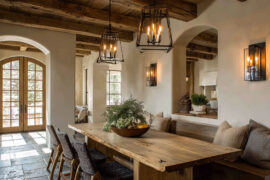
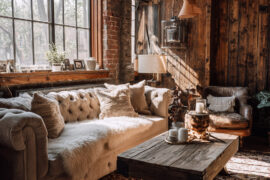
A bare wall is just a wall. The right piece of rustic wall art makes it feel like the room was always meant to look that way.
From reclaimed wood panels and wrought iron sculptures to woven macrame hangings and distressed canvas prints, rustic wall decor covers more ground than most people expect.
Knowing what to buy, where to hang it, and how to match it to your space makes the difference between a piece that anchors a room and one that just takes up wall space.
This guide covers everything: material types, sizing rules, color pairings, placement strategies, DIY options, and where to find genuine handcrafted pieces at every price point.
What Is Rustic Wall Art?
Rustic wall art is decorative wall pieces defined by raw, natural, or weathered materials and a visual character that values imperfection over polish. Think exposed wood grain, hand-forged iron, uneven textures, and earthy tones that look better with age, not worse.
It sits at the intersection of rustic interior design and handcrafted tradition. The defining quality is authenticity: a reclaimed barn wood panel, a woven jute wall hanging, a wrought iron sculpture with visible hammer marks. None of it is supposed to look perfect.
What separates rustic wall art from general vintage or country decor is its material honesty.
A distressed canvas print that mimics aging is not rustic in the same way a piece made from actual reclaimed wood is. The material tells the story. The patina, the knots, the grain variations — these are features, not flaws.
Common formats include:
- Reclaimed wood panels and barn wood signs
- Wrought iron and blackened metal wall sculptures
- Woven fiber art in jute, cotton rope, or wool
- Distressed canvas prints and burlap-framed pieces
- Mixed-media combinations of wood, metal, and natural fiber
Rooted in American frontier aesthetics, Scandinavian craft traditions, and French provincial design, rustic wall art has developed into a clearly recognizable decorative category. The global wall art market was valued at $60.3 billion in 2024 and is projected to reach $114.3 billion by 2034 (market.us, 2024).
Demand for handcrafted and natural-material pieces continues to drive this growth. Well, more on that below.
What Are the Main Types of Rustic Wall Art?
Rustic wall art splits into 4 primary categories based on material: wood, metal, fiber, and natural objects. Each has a distinct look, weight, and maintenance requirement.
Reclaimed Wood Wall Art
Material identity: Pallet wood, barn wood, and salvaged timber are the most common sources.
The visual appeal comes from what the wood has been through. A panel cut from a 100-year-old barn carries saw marks, nail holes, and weathering that new wood simply cannot fake. This is why reclaimed wood now holds 44.44% of the US home decor market share in 2025, with sustainable and reclaimed variants growing at a 10.29% CAGR (Mordor Intelligence, 2025).
Common formats in this category:
- Horizontal barn wood panels for above-sofa placement
- Hand-lettered or wood-burned signs
- Stacked wood slice arrangements
- Floating plank art with mixed-width boards
West Elm offers a strong commercial example here, with their reclaimed wood wall panels consistently ranking among their top-selling home decor items across multiple seasons.
Metal and Wrought Iron Wall Decor
Metal rustic art uses blackened steel, oil-rubbed bronze, raw cast iron, or rusted finishes to create wall sculptures with serious visual weight.
Key distinction from modern metal art: rustic metal pieces show their process. Visible weld seams, hammer textures, and oxidized finishes are intentional. They are not the polished, powder-coated look of contemporary industrial design.
Popular subjects include wildlife silhouettes, geometric branch forms, compass roses, and oversized letter art. Works best in rooms with strong natural light, since the surface variations only read well when light hits them at an angle.
Fiber and Woven Rustic Art
Macrame wall hangings, woven tapestries, and knotted jute pieces make up this category. Fiber art represents an estimated 18-20% of the global wall art market in 2024, with a projected CAGR of 5.5% through 2035 (Future Market Insights, 2025).
That growth is not accidental. Etsy searches for macrame rose more than 400% in 2024 (RainPOS, 2025), and the handmade fiber art segment has become one of the most searched home decor categories on social platforms.
Natural fibers used in this category:
- Jute: stiff, coarse, warm brown tones
- Cotton rope: softer, takes dye well, cleaner look
- Wool: richest texture, higher price point
Natural Object Wall Pieces

This is the loosest category. It includes driftwood assemblages, antler mounts, pressed botanical arrangements, stone inlay panels, and arrangements made from shells, bones, or seed pods.
The appeal is one-of-a-kind status. No two driftwood pieces are identical. This category overlaps significantly with biophilic interior design, which prioritizes bringing unprocessed natural materials directly into living spaces.
What Styles Fall Under Rustic Wall Art?
Rustic wall art is not one aesthetic. It adapts across at least 5 interior design sub-styles, each with distinct material choices and color ranges.
| Style | Key Materials | Color Range | Typical Subjects |
|---|---|---|---|
| Farmhouse rustic | White-washed wood, shiplap-style frames | Cream, white, warm gray | Script lettering, botanical prints |
| Mountain lodge | Dark stained wood, antler | Deep brown, forest green, rust | Wildlife, pine trees, topographic maps |
| Industrial rustic | Raw steel + weathered wood | Charcoal, black, warm brown | Geometric, abstract, architectural |
| Coastal rustic | Driftwood, rope accents | Bleached white, sand, faded blue | Nautical, seagrass, marine life |
| Boho rustic | Macrame, woven fiber | Earthy terracotta, ochre, cream | Abstract weaves, fringe, sunbursts |
Farmhouse rustic currently dominates retail. Walk into any HomeGoods or Target home section and roughly 60% of what gets labeled “rustic” fits the farmhouse sub-style. But mountain lodge and industrial rustic are growing faster among buyers looking for something less ubiquitous.
The boho rustic overlap is worth noting separately. Bohemian interior design and rustic share a preference for handcrafted, natural-material pieces, which is why macrame wall art sits comfortably in both categories. The difference is in color: boho skews warmer and more saturated; rustic stays closer to natural wood tones.
If you’re drawn to the industrial side of rustic, rustic industrial design is a well-defined sub-style worth knowing, combining raw steel textures with the warmth of aged wood.
What Materials Are Used in Rustic Wall Art?
Material choice determines everything in rustic wall art: the weight, the aging behavior, the maintenance needs, and the price. This is where buyers get burned most often, specifically by confusing new distressed wood with actual reclaimed material.
Wood: Reclaimed vs. New Distressed
Reclaimed wood comes from demolished barns, factories, warehouses, or old-growth forests. It has authentic aging: real nail holes, genuine weathering, mineral staining from decades of exposure. No two pieces are identical.
New distressed wood is fresh-cut lumber processed to look aged. Manufacturers use wire brushes, acid washes, and layered staining. The result can look convincing in photos. In person, the uniformity gives it away.
Eco-conscious consumers prefer reclaimed wood products 65% more than traditionally sourced materials (Gitnux, 2023). If sustainability matters to the buyer, the sourcing distinction is not minor.
Metal Finishes
4 main finishes appear in rustic metal wall art:
- Blackened steel: dark, matte, works in industrial and lodge settings
- Oil-rubbed bronze: warm brown undertone, suits farmhouse and traditional rooms
- Raw/rusted: orange-brown oxidation, most authentically rustic but requires sealing indoors
- Hammered iron: visible texture from forging, strongest handcrafted signal
Natural Fibers
Jute, cotton rope, and wool each behave differently when used in wall hangings. Jute holds its shape but does not take dye as cleanly. Cotton rope is more flexible and easier to work with for complex macrame knots. Wool offers the richest tactile quality but costs more and requires careful placement away from direct sunlight.
For canvas pieces, crackle medium and aged varnish are the two main treatments used to achieve a weathered surface on new canvas. These are legitimate techniques when disclosed, but buyers should know what they are buying.
What Sizes Work Best for Rustic Wall Art?

Size is where most people get rustic wall art wrong. The default mistake is going too small. A piece that looks substantial in a product photo can disappear entirely on a real wall.
Interior designers consistently apply the 60-75% rule: artwork should cover between 60% and 75% of the wall width it occupies, or 60-75% of the furniture width it hangs above (Fame Art Gallery, 2024; Wayfair, 2024). This applies equally to single pieces and gallery arrangements treated as one unit.
Size by Placement Location
Above a sofa or bed: The piece should span 60-75% of the furniture’s width. For a standard 84-inch sofa, that means artwork between 50 and 63 inches wide.
Focal walls (living room, dining room): Large-format pieces 36 inches and above. Oversized horizontal panels, 48 inches or wider, anchor these walls without needing additional pieces.
Bedroom walls: Medium pieces in the 18-35 inch range. Above the headboard, the same 60-75% rule applies to headboard width, not wall width.
Hallways and entryways: Narrow vertical pieces work best. The confined space makes horizontal art feel cramped.
Hanging Height Rule
Center the artwork at 57-60 inches from the floor. This is the standard used by museums and galleries globally, and it holds for residential spaces too. Above furniture, leave at least 6-8 inches between the top of the furniture and the bottom of the frame.
One practical tip: cut paper templates in the exact dimensions of each piece and tape them to the wall before drilling. This takes five minutes and prevents every placement mistake listed above.
How Do You Arrange Rustic Wall Art on a Wall?
Single statement piece or gallery wall. Those are the two real choices. Everything else is a variation of one of them.
Single Piece Placement Rules
Center the piece at eye level: 57-60 inches from floor to center. This is the global museum standard and it works in homes for the same reason it works in galleries — it puts the art where eyes naturally rest.
For above-sofa placement specifically, leave 6-12 inches between the top of the sofa cushions and the bottom of the frame. Closer than 6 inches looks crowded. More than 12 inches and the piece floats disconnected from the furniture below it.
A single large reclaimed wood panel or oversized metal sculpture works particularly well as a focal point in interior design. The visual weight of these materials does the work that color and pattern do in other design styles.
Gallery Wall Layouts with Rustic Art
Gallery walls with rustic art follow the same proportion rules as single pieces, but the arrangement is treated as one visual unit. The total width of the collection should still cover 60-75% of the wall or furniture below it.
Spacing between pieces: 2-3 inches is the consistent recommendation across design sources (Wayfair, Artfully Walls). Less than 2 inches looks cluttered. More than 4 inches and the pieces stop reading as a collection.
Structural variety matters in a rustic gallery wall. Mixing a reclaimed wood sign, a small metal sculpture, a framed botanical print, and a woven fiber piece creates the right level of visual tension. All-same-format gallery walls look decorative. Mixed-material gallery walls look collected.
Build the arrangement on the floor first. Arrange all pieces flat, find the composition you want, then use paper templates on the wall before committing to holes. The floor-planning step alone eliminates most gallery wall mistakes.
Asymmetry in interior design is actually an asset with rustic gallery walls. A perfectly symmetrical arrangement of weathered, handcrafted pieces looks contradictory. Let the layout breathe and lean into uneven balance.
What Rooms Suit Rustic Wall Art Best?
Residential applications account for 71.2% of the global wall art market in 2024 (market.us, 2024). Within residential spaces, placement decisions are largely driven by scale, room function, and how much visual weight the room’s existing elements already carry.
Living Room

The strongest room for rustic wall art. Large reclaimed wood panels, oversized metal sculptures, and horizontal barn wood signs all have the scale to anchor a living room wall without competing with furniture.
Above the sofa is the most common placement. Above a fireplace is the most impactful. A large-format piece above a rustic fireplace creates a layered natural material story that few other design combinations match.
Living rooms also handle gallery walls well, particularly mixed-material arrangements that build out from a central anchor piece.
Kitchen and Dining Room
Scale down here. Kitchen walls are broken up by cabinetry, windows, and appliances, so large statement pieces rarely fit. Small gallery walls, botanical prints in weathered frames, and short horizontal wood signs with food-related text or simple imagery work well.
The dining room handles medium-to-large pieces better than the kitchen. A single oversized horizontal piece centered above a sideboard or along a blank dining wall creates a strong focal point without competing with the table setting.
Bedroom
Above the headboard is the primary placement. Softer rustic materials work better here: woven fiber art, macrame hangings, botanical prints with natural linen mats. The bedroom benefits from texture in interior design that is tactile but not visually loud.
Heavy wrought iron sculptures and dark barn wood panels can work in a bedroom, but they need a room with enough natural light to prevent the space from feeling heavy.
Entryway
Narrow vertical pieces, welcome signs with distressed finishes, and small metal wall hooks with decorative wood backings all suit the entryway’s function and proportions. This is a room where rustic decor earns its keep on a practical level: a wood hook panel with a weathered finish does actual work while making a design statement.
Outdoor and Covered Spaces
Outdoor placement requires weather-resistant materials. Powder-coated or sealed metal art, pressure-treated or cedar wood pieces, and synthetic-fiber woven art are the only options worth considering for any space with real weather exposure.
For covered patios and porches, the material range opens up somewhat, but pieces should still be sealed or treated for humidity. Rustic shelving in outdoor spaces pairs well with weather-resistant rustic wall art to create a cohesive natural-material look throughout the exterior.
What Color Palettes Work with Rustic Wall Art?

Rustic wall art lives or dies by the wall color behind it. The wrong background does not just look off — it actively fights the natural material story the piece is trying to tell.
Warm neutrals are the most forgiving foundation. Cream, linen, warm greige, and soft beige give dark barn wood, wrought iron, and natural fiber pieces room to read without competition. A 2024 trend report from Homes and Gardens noted that moody browns and warm cocoa wall tones have emerged as a leading backdrop for rustic materials including wicker, warm woods, and stone finishes.
Wall Colors That Work
Warm neutrals (cream, linen, taupe): the default choice. Work with virtually every rustic sub-style and every material in the category.
Earthy saturated tones: terracotta, sage green, ochre, and muted teal all complement natural fiber art and reclaimed wood. Terracotta in particular pairs well with jute and cotton macrame wall hangings because both carry the same warm orange-brown undertone.
Deep saturated walls (navy, forest green, charcoal): create strong contrast for light-toned barn wood panels and whitewashed farmhouse pieces. Angi’s interior painting guide confirms that dark walls enhance lighter pine and maple tones in a way neutral walls simply do not.
Wall Colors That Flatten Rustic Art
Cool gray. This is the most common mistake, and it is a real one.
Cool gray pulls the warmth out of natural wood tones and makes wrought iron look dull rather than dramatic. High-gloss white has the same problem — the sheen creates a clinical backdrop that reads as a contrast error next to weathered, matte-surfaced rustic pieces.
Stark white works for farmhouse rustic specifically (where the white-on-white shiplap aesthetic is intentional), but it is the wrong call for lodge, boho rustic, or industrial rustic pieces.
The rustic color palette naturally skews toward neutrals and earthy tones. Matching that palette on the wall creates coherence; fighting it with cool or high-contrast colors creates friction.
For deeper guidance on how color interacts with texture in a room, color in interior design covers the principles behind these decisions systematically.
Where Can You Buy Rustic Wall Art?

The global handmade goods market hit $906.8 billion in 2024, with artisanal home decor among the fastest-growing segments (GlobalNewswire, 2024). Rustic wall art sits squarely in this market, and where you buy it determines what you actually get.
| Source | Price Range | Quality Signal | Best For |
|---|---|---|---|
| Etsy (handcrafted) | $40 – $600+ | Maker profile, reviews, material disclosure | Custom, one-of-a-kind pieces |
| Wayfair / Amazon | $15 – $150 | Inconsistent; check materials carefully | Budget and filler pieces |
| HomeGoods / TJ Maxx | $20 – $120 | In-person assessment possible | Opportunistic finds |
| Local craft fairs / makers | $60 – $400 | Highest authenticity, maker contact | Statement and investment pieces |
| Antique shops / salvage yards | Varies widely | Genuine age and patina, one-of-a-kind | Truly reclaimed, vintage pieces |
Buying from Etsy
Etsy had 96.2 million active buyers in 2023 and generated $2.8 billion in revenue in 2024 (Etsy / Customcy, 2024). It is the primary marketplace for handcrafted rustic wall art from independent makers.
What to check before buying:
- Material disclosure in the listing (reclaimed vs. new distressed wood)
- Seller reviews specifically mentioning quality on arrival
- Whether the piece is made-to-order or pre-made stock
Shops specializing in reclaimed wood pieces will usually state wood source and finishing method. Generic listings that only say “rustic wood art” without specifics are almost always new distressed lumber.
Buying from Wayfair and Amazon
Mass-market platforms carry rustic-style wall art at lower price points, but the material quality is inconsistent. The term “rustic” on these platforms often means a printed canvas with a faux-wood-grain background, or a laser-cut MDF sign with a distressed paint finish applied by machine.
That is not necessarily a problem for filler pieces or temporary decor. But buyers expecting the visual weight and aging character of actual reclaimed wood will be disappointed. Read material descriptions carefully, not just listing titles.
Antique Shops and Salvage Yards
The highest-authenticity option. Genuine aged pieces, actual patina, real material history. Antique shops in rural areas near farming communities often have barn wood signs, wrought iron farm implements repurposed as wall decor, and old-growth lumber pieces that carry the kind of character no new production can replicate.
The trade-off is unpredictability. You cannot order a specific size or style. You go and see what is there. For buyers who value one-of-a-kind above everything else, this is the best approach.
How Do You Make Rustic Wall Art at Home?

DIY craft kit sales grew 35% in 2024 (RainPOS, 2025), and fiber arts along with reclaimed wood projects rank among the most-searched DIY categories on YouTube and TikTok. The skill floor for rustic wall art is genuinely low.
Three formats are accessible to beginners without specialized tools: reclaimed wood signs, macrame wall hangings, and distressed canvas art.
DIY Reclaimed Wood Signs

Materials needed: pallet wood or salvage lumber ($10-15 for a bundle), wood stain or Rust-Oleum Weathered Wood Accelerator, sandpaper (medium and fine grit), paint or wood-burning tool for lettering, sawtooth hangers.
The core process:
- Sand boards smooth, wipe clean
- Apply stain or weathering product, allow to dry fully
- Add design with stencil and paint, or burn directly into the wood
- Seal with a matte polyurethane coat
- Attach sawtooth hangers to the back
HGTV’s Junk Gypsies have demonstrated this format on television multiple times using salvaged lumber cut into triangles and arranged into patchwork patterns — proof that the technique scales from simple signs to complex geometric compositions.
DIY Macrame Wall Hangings
A retail macrame wall hanging costs $80-$400. The same piece in DIY materials runs $15-40 (Future Market Insights, 2025 via Seed Sheets).
Start with these supplies: cotton macrame cord (3-5mm thickness), a wooden dowel or driftwood branch, scissors, a comb for fringing.
Two knots cover 90% of beginner macrame projects:
- Lark’s head knot: attaches cord to the dowel
- Square knot: creates the body of the piece
The entry cost for a first real project is roughly $30 for cord and $2-5 for a wooden dowel, according to The Design Twins’ macrame guide (2023). YouTube tutorials for these two knots run under 15 minutes each. Most people have a functional first piece within a weekend.
DIY Distressed Canvas Art
This is the fastest and lowest-cost option. A stretched canvas board ($8-15), base paint in an earthy tone, dry brushing with a second color, and an optional crackle medium on top creates a convincing weathered canvas surface in under two hours.
Key technique: dry brushing. Load a stiff brush with very little paint, wipe most of it off on a paper towel, then drag lightly across the canvas surface. The result shows texture and layering without covering the base color fully. This is the same technique used on commercially distressed canvas prints, just applied by hand.
The DIY version has one advantage over bought distressed canvas: the color choices are completely yours, which means you can match the piece precisely to your room’s earthy color palette rather than working with whatever finish a mass producer decided to run that season.
How Do You Care for and Maintain Rustic Wall Art?
Rustic wall art uses real materials, and real materials respond to their environment. Neglect that fact and a beautiful reclaimed wood panel warps, a wrought iron sculpture rusts, or a macrame hanging fades within a few years.
Wood Care
Keep indoor humidity between 40% and 60%. Wood expands and contracts with moisture changes, and swings outside this range cause warping, cracking, or splitting over time (Wood Art Studio, 2022; Panel Hub, 2025).
Practical maintenance steps:
- Dust weekly with a soft, dry microfiber cloth (never wet cloth on unfinished wood)
- Keep pieces away from heating vents, air conditioners, and direct sunlight
- Re-oil or re-stain raw wood surfaces every 3-5 years
- Avoid placing in bathrooms where humidity is uncontrolled
Metal Care
Key rule: never let water sit on metal surfaces, even briefly. Water initiates rust formation on raw and blackened steel regardless of how clean it is (Bruzzen, 2025).
Wrought iron pieces benefit from a light application of mineral oil once or twice a year to prevent oxidation. For sealed or powder-coated metal art, a soft microfiber cloth and dry dusting weekly is usually sufficient. If pieces show early rust, use a wire brush to remove it before applying a rust-stopping primer and clear coat.
Fiber and Macrame Care
Natural fiber art fades fast in direct sunlight. Cotton and jute both lose color and structural integrity with UV exposure. Place pieces on interior walls away from windows with afternoon sun exposure.
For cleaning: light vacuum on a low setting with a brush attachment removes dust without disturbing the fiber structure. Spot cleaning with a barely damp cloth works for small marks. Never submerge or saturate macrame pieces — the knots absorb water unevenly and the piece will lose its shape as it dries.
Canvas Care
Monthly dry dusting with a soft brush or feather duster. For distressed canvas with crackle finishes, avoid any moisture at all — water disrupts the crackle medium and causes flaking. UV-protective glass framing is the single best long-term investment for framed canvas prints in rooms with significant natural light.
What Is the Price Range for Rustic Wall Art?
Price spreads in rustic wall art are wide. A $20 printed sign from Amazon and a $500 custom reclaimed wood panel from an Etsy artisan are both technically “rustic wall art.” What they are is not the same thing.
Budget Range: $15-$60
Mass-produced printed signs, low-cost canvas prints with faux-rustic finishes, and machine-distressed MDF pieces from Wayfair, Amazon, or big-box retailers fall here. Materials are typically engineered wood, paper-on-canvas prints, or thin MDF with applied distressed paint.
Fine for temporary decor, seasonal pieces, or gallery wall filler. Not the right choice if you want pieces that age well or carry visible material character up close.
Mid-Range: $60-$200
Small-batch handcrafted pieces from Etsy makers, HomeGoods finds, and entry-level reclaimed wood work sit in this range. At the lower end, you get genuine handwork but simpler designs. At the higher end ($150-200), you start finding real reclaimed wood, hand-forged metal pieces, and macrame hangings made with quality natural fiber cord rather than synthetic alternatives.
This is the range where material transparency matters most. A $180 piece described vaguely as “rustic wood art” could be a genuine reclaimed board or a stained pine plank with artificial aging. Ask the seller directly if the listing does not specify.
Premium Handcrafted: $200-$600+
Custom reclaimed wood installations, large wrought iron sculptures, commissioned fiber art, and pieces from established artisan makers live here. The handcrafted rustic furniture market provides a useful benchmark: buyers in this category are paying for material sourcing, individual craftsmanship, and one-of-a-kind status.
Price drivers in this range: actual reclaimed vs. new wood, size and weight, customization options, and the maker’s reputation and production model. A signed piece from a maker with 500+ verified Etsy reviews and transparent material sourcing is worth the premium. An unsigned piece at the same price with no sourcing information is not.
The sustainable home decor market, which includes reclaimed wood art, was valued at $4.5 billion in 2024 and is growing at a 7.9% CAGR through 2034 (Insight Ace Analytic, 2024). Premium buyers are driving this growth, specifically through preference for verified reclaimed and natural-material pieces over synthetic alternatives.
For broader context on how rustic wall art fits within a full rustic interior, rustic home decor covers the category holistically, and modern rustic interior design addresses how to blend these pieces with contemporary furnishings without losing the material authenticity that makes rustic art worth buying in the first place.
FAQ on Rustic Wall Art
What makes wall art “rustic”?
Rustic wall art uses raw, natural, or weathered materials like reclaimed wood, wrought iron, jute, and distressed canvas. The defining quality is visible imperfection: real grain, patina, and handcrafted irregularity. It looks aged because it is, or was made to honor that character.
What size rustic wall art should I get for above my sofa?
The piece should span 60-75% of your sofa’s width. For a standard 84-inch sofa, that means artwork between 50 and 63 inches wide. Center it at eye level, leaving 6-12 inches between the sofa top and the frame bottom.
What room suits rustic wall art best?
The living room works best, specifically above a sofa or fireplace where large-format pieces have room to anchor the space. Bedrooms suit softer fiber art and macrame. Kitchens work well with smaller gallery walls or botanical prints in weathered frames.
Can rustic wall art work in a modern home?
Modern rustic interior design is a well-established style. A single reclaimed wood panel or blackened metal sculpture adds warmth and texture to a contemporary room without clashing. The key is restraint: one or two statement pieces, not a room full of them.
What wall colors work best with rustic wall art?
Warm neutrals like cream, linen, and taupe are the safest backdrop. Earthy tones like terracotta and sage green complement natural fiber art well. Avoid cool gray and high-gloss white, both strip warmth from natural wood and iron finishes.
What is the difference between farmhouse and rustic wall art?
Farmhouse rustic uses white-washed wood, shiplap-style frames, and script lettering in cream and white tones. Rustic wall art is broader: it includes lodge, industrial, coastal, and boho sub-styles, each with distinct materials, subjects, and color ranges beyond the farmhouse palette.
How do I hang rustic wall art without damaging the wall?
Use paper templates cut to the exact dimensions of each piece and tape them to the wall before drilling. For lighter pieces, adhesive strips rated for the piece’s weight work well. Heavy reclaimed wood panels need wall studs and proper picture-hanging hardware.
Is macrame considered rustic wall art?
Yes. Macrame wall hangings made from natural cotton rope or jute fall squarely within the rustic and boho wall art categories. Their handcrafted construction, natural fiber materials, and earthy tones align with rustic design values, particularly in boho rustic and farmhouse rustic spaces.
How do I care for reclaimed wood wall art?
Dust weekly with a dry microfiber cloth. Keep indoor humidity between 40-60% to prevent warping or cracking. Avoid placement near heating vents or direct sunlight. Raw wood surfaces benefit from a light oil or wax treatment every few years to maintain the finish.
Where is the best place to buy handmade rustic wall art?
Etsy is the strongest source for genuine handcrafted pieces, with maker transparency and custom options across all price points. Local craft fairs and antique shops offer truly one-of-a-kind finds. Wayfair and Amazon carry budget options, but material quality varies significantly.
Conclusion
This conclusion is for an article presenting rustic wall art as a decorative category with real depth, not just a farmhouse trend.
Whether you are choosing between barn wood panels and woven fiber hangings, sizing a piece above a headboard, or deciding between Etsy and a local salvage yard, the decisions come down to material honesty and proportion.
Natural materials like wrought iron, jute, and reclaimed timber age well when placed and maintained correctly.
Earthy color palettes, proper hanging height, and gallery wall spacing are not complicated rules. They are just worth knowing before you drill.
Handcrafted wall decor built from natural fiber, weathered wood, or blackened metal brings something mass-produced prints never can: a surface that actually improves with time.

- Paint Colors That Go with Oak Floors - August 22, 2026
- Paint Colors That Go with Gray Floors - August 20, 2026
- What Color Bedding Goes with Dark Wood Furniture - August 18, 2026