
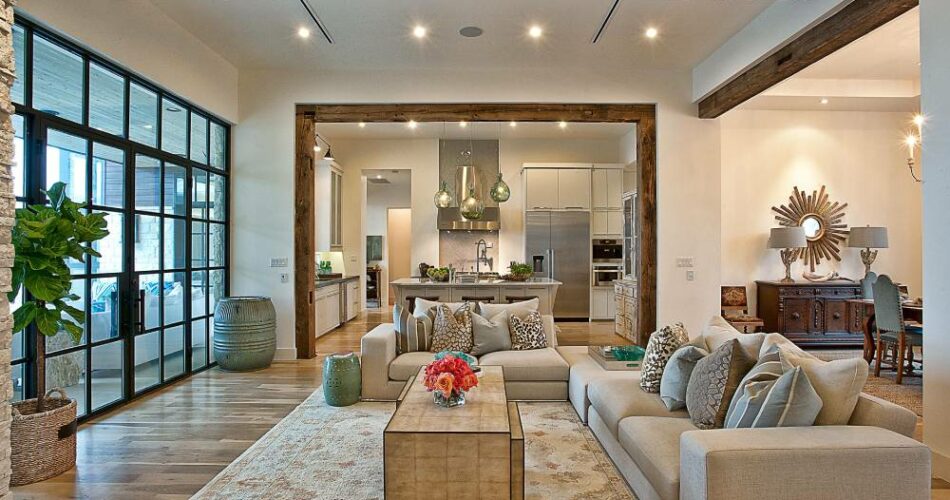
Picture a space where each piece tells a story, a sanctuary crafted with timeworn treasures and natural allure—this is the essence of rustic home decor. It’s not just a style; it’s an experience, a nod to the past where every nick in the wood and hand-stitched seam helps narrate a tale of simplicity and charm.
In this sanctuary, the crafted pottery, the whisper of woven textiles, and the warmth of earthy tones come together, creating a backdrop for memories.
As the profound beauty of the rustic aesthetic unfolds through your interior space, it brings a sense of serenity that’s both enduring and deeply personal.
Here’s what’s in store: embark on a journey to uncover the soul of a rustic retreat. Discover how the interplay of organic materials like wood, stone, and leather provides not just visual delight but a tactile experience that grounds us.
Learn to blend the vintage with the new, crafting a home that feels not only lived-in but also warmly inviting.
Through a thoughtful curation of country-style accents and artisanal finds, transform your dwelling into a rustic haven.
Rustic Home Decor
A Rustic Touch with Reclaimed Wood
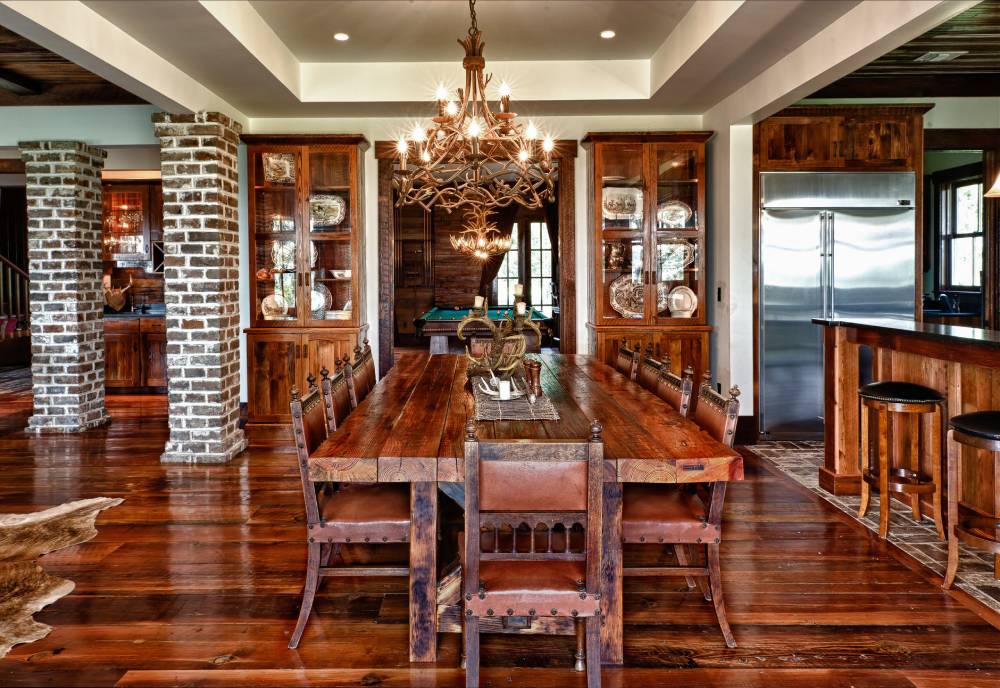 Image source: Shoreline Construction and Development
Hey there! You won’t believe how amazing reclaimed wood can look in your home. It’s eco-friendly and adds an authentic rustic touch. Try using it for a feature wall, shelves, or even a headboard! The possibilities are endless, and you’ll be giving new life to old materials. Trust me, your friends will be asking where you got that stunning piece from!
Mason Jars Galore
Okay, seriously, who doesn’t love mason jars? They’re versatile and can be used in so many ways. Pop in some fairy lights, and voila – you’ve got a cute rustic lamp! Or you could even use them as vases, utensil holders, or storage for bathroom essentials. With mason jars, you can never go wrong. They’re the perfect way to add a touch of farmhouse charm to your space!
An Old Ladder as a Rustic Display
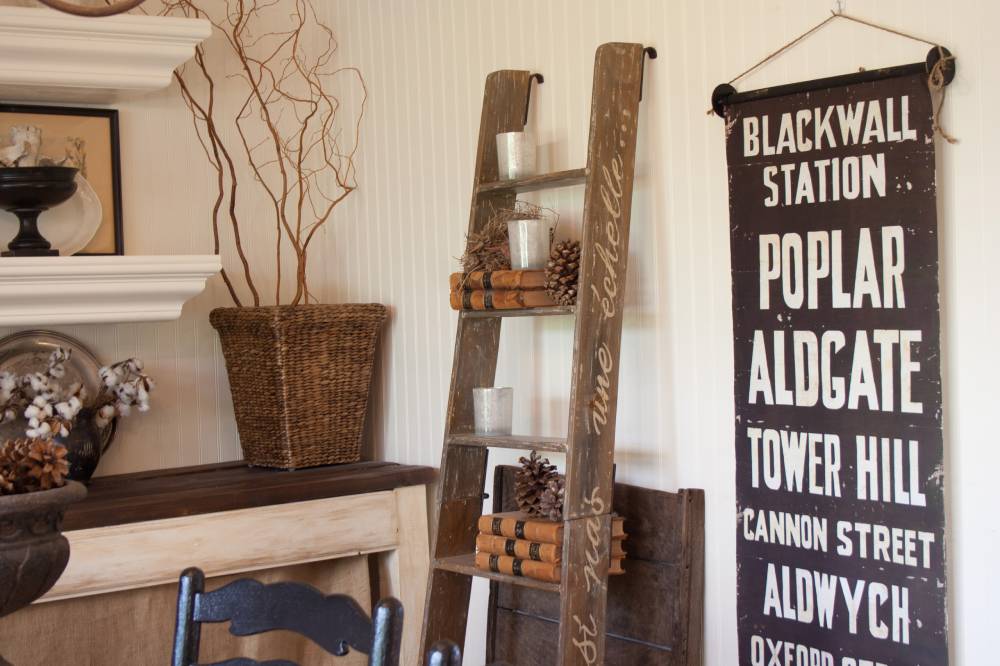 Image source: Jennifer Grey Color Specialist & Interior Design
Now, this one’s a personal favorite! Find an old wooden ladder, give it a good clean, and use it as a display piece. You can lean it against a wall and drape blankets over the rungs or add some shelves for extra storage. It’s a quirky and fun way to upcycle something that would otherwise be thrown away. Plus, it’s a great conversation starter!
Burlap and Linen for a Cozy Atmosphere
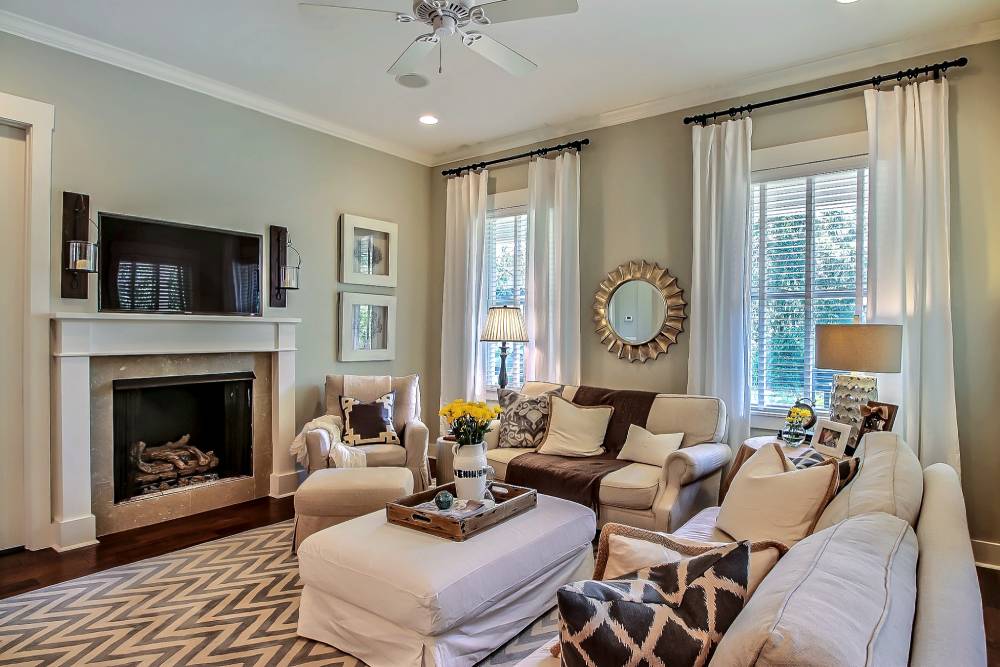 Image source: Lola Interiors
I’ve got to admit, there’s something about burlap and linen that just screams “rustic” to me. Try using these fabrics for table runners, curtains, or cushion covers to create a cozy, inviting atmosphere. They’re easy to find, affordable, and bring that perfect touch of farmhouse chic to your home. It’s a small change that makes a huge difference!
Go Nuts with Vintage Suitcases
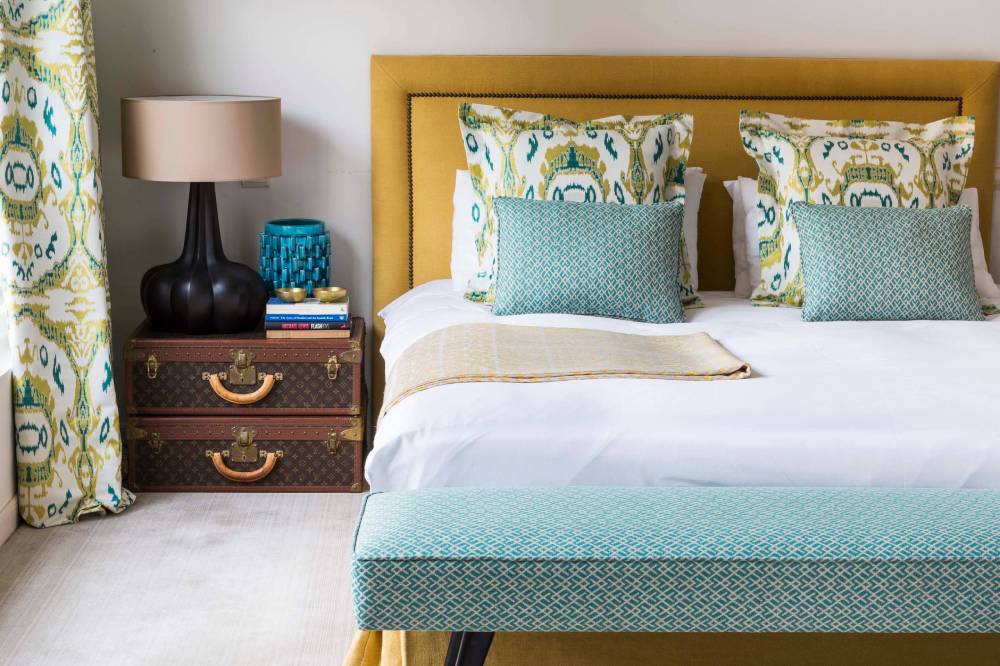 Image source: Gastón y Daniela
Vintage suitcases are a fabulous way to add rustic charm to your home. They make great storage solutions and can be used as side tables or even stacked to create a unique nightstand. Hunt them down at flea markets, thrift stores, or online – you never know what treasures you might find! Plus, they’ll be a great reminder of days gone by.
Wrought Iron Love
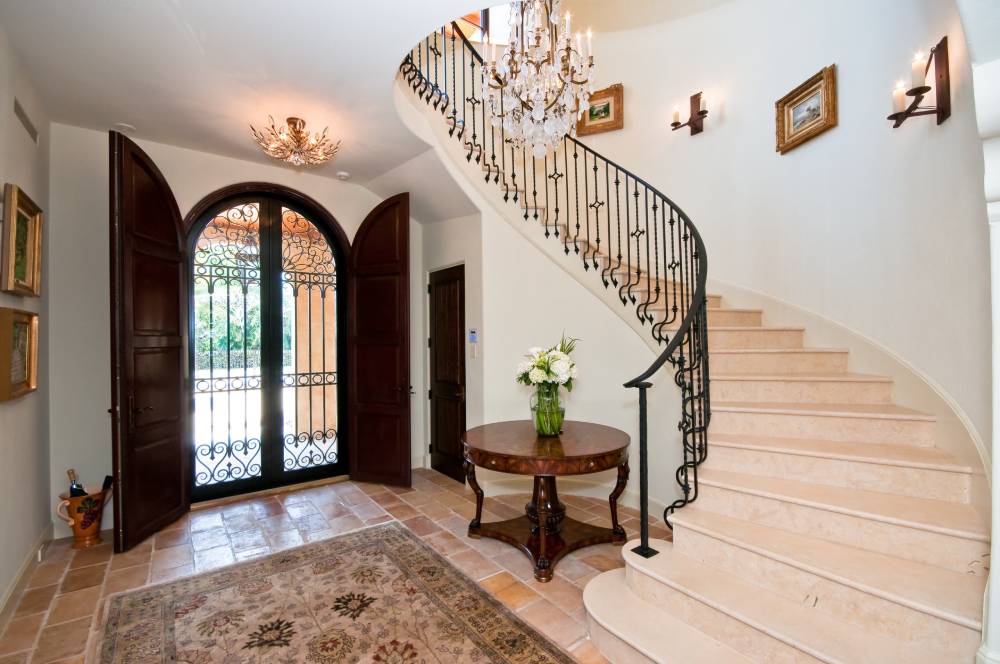 Image source: Hanna Homes
Wrought iron accents are perfect for adding a touch of rustic elegance to your home. Think curtain rods, wall sconces, or even a beautiful chandelier. The dark, heavy metal contrasts beautifully with softer, natural materials and adds a touch of drama to your space. Trust me; you won’t regret this one!
Pallet Projects Everywhere
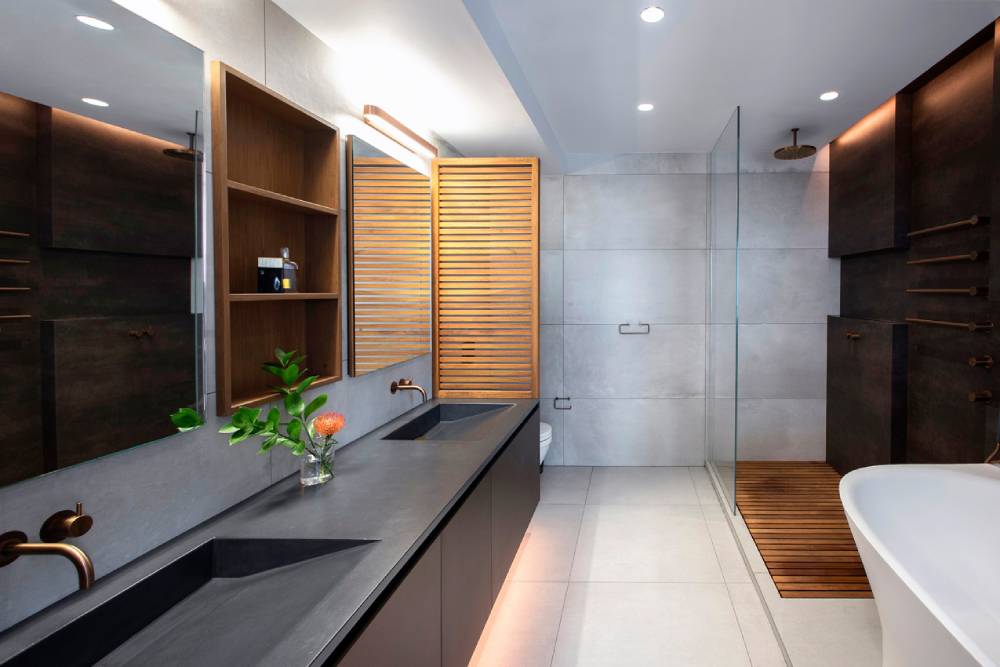 Image source: Gregory Hitchcock Design
Pallets are seriously underrated. With a little creativity, you can turn them into stunning rustic furniture pieces like coffee tables, beds, or even outdoor seating. It’s an inexpensive and sustainable way to create unique pieces that’ll have your guests talking. Plus, you’ll feel like a DIY superstar!
Industrial Pipe Shelving
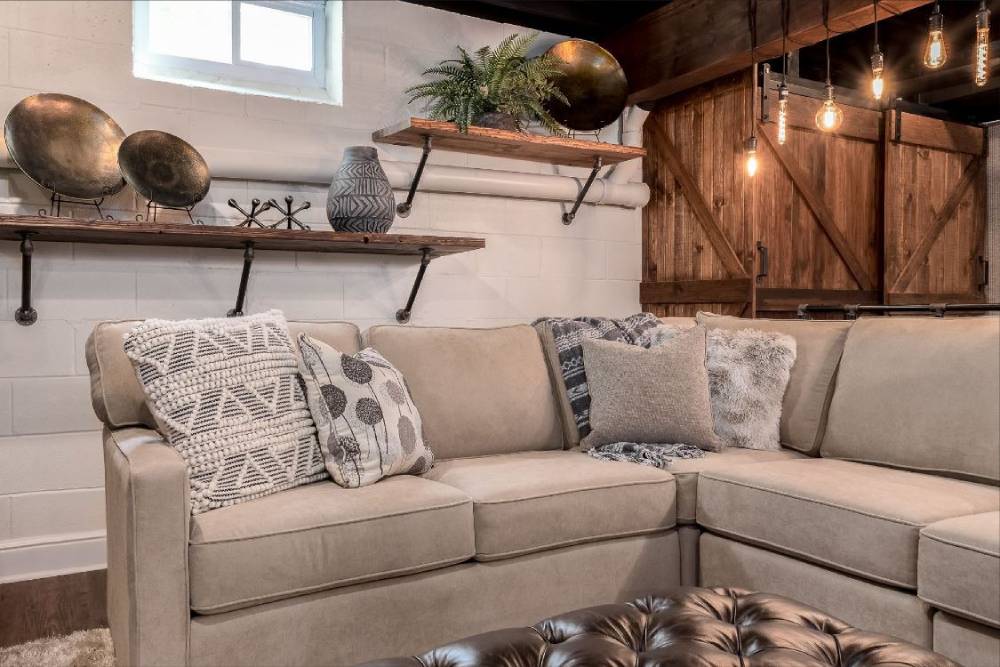 Image source: Distinctive Interior Designs
If you’re looking for a rustic yet modern storage solution, look no further than industrial pipe shelving. It’s surprisingly easy to make, and you can customize it to fit any space. The combination of metal and wood gives it a cool, industrial vibe that works perfectly with rustic decor. Give it a try – you won’t be disappointed!
Add Some Rustic Charm with a Barn Door
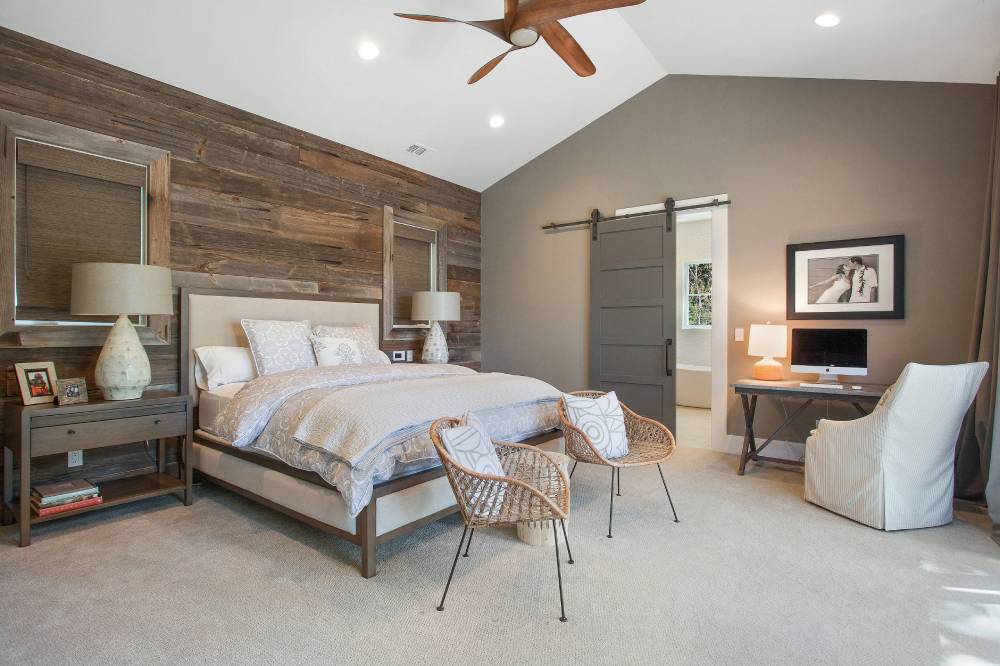 Image source: LMK Interiors
There’s something about barn doors that adds instant character to a room. They’re not just for barns, you know! Consider using one as a sliding door for your pantry or bathroom – it’s a great way to save space and add a touch of rustic style. Your home will feel like a cozy farmhouse retreat in no time!
Don’t Forget the Antlers
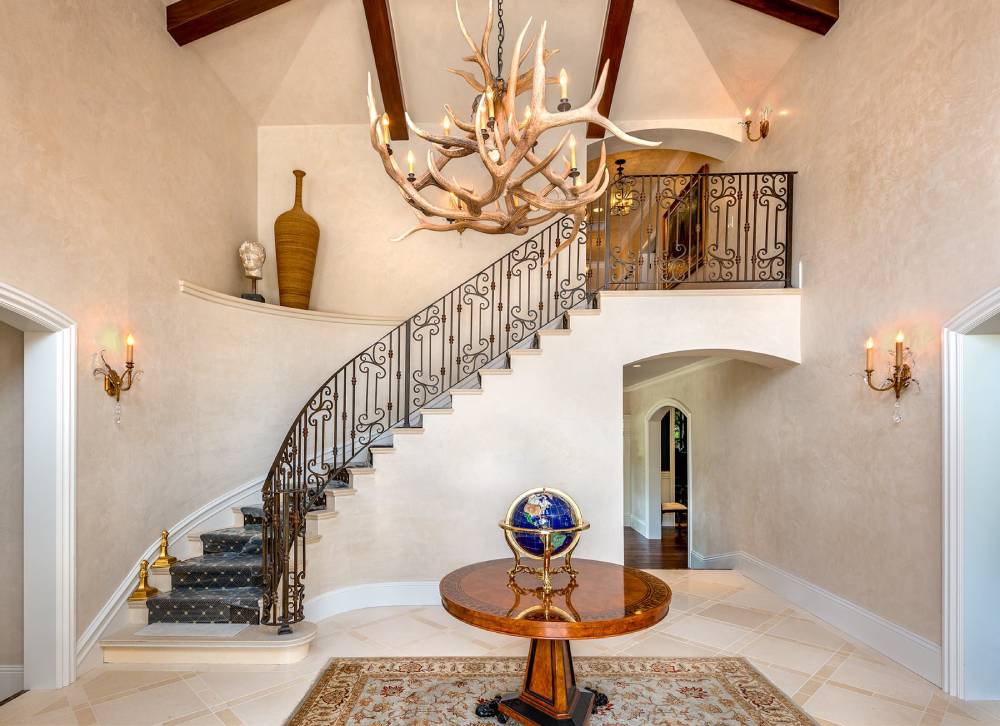 Image source: Bart Edson Photography
Alright, I know this one might be a bit controversial, but hear me out. Antlers can be a stunning and unique addition to your rustic home decor. You can find them at flea markets or antique stores, and they make great wall hangings or even a quirky coat rack. If you’re not into real antlers, there are plenty of faux options out there that look just as good. Give it a shot – you might be pleasantly surprised!
Chicken Wire for a Farmhouse Feel
Chicken wire isn’t just for the coop anymore. It’s a versatile material that can add a touch of rustic farmhouse charm to your home. Use it to make decorative frames, memo boards, or even as a unique backing for your shelves. It’s a simple, inexpensive way to bring the outdoors in and create that perfect country vibe.
Rustic Signs for a Personal Touch
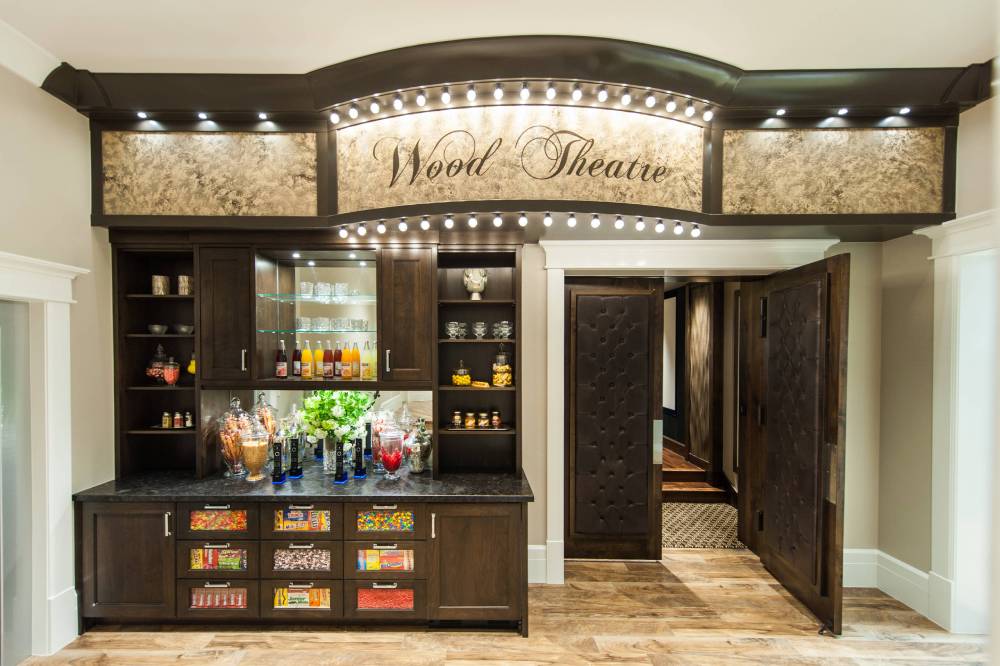 Image source: Designs by Craig Veenker
Nothing says “welcome to my cozy home” quite like a rustic, hand-painted sign. Create your own using reclaimed wood or old pallets, and add your favorite quotes, family names, or even the coordinates of your home. It’s a lovely way to personalize your space and showcase your love for all things rustic.
Galvanized Metal Accents
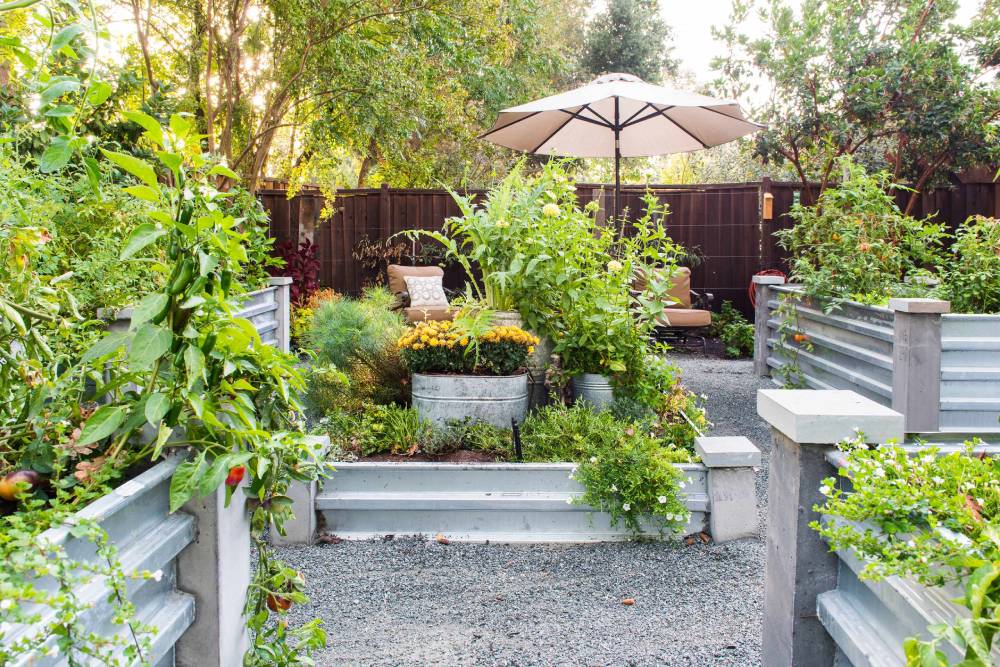 Image source: Michael Tebb Design
Galvanized metal is a fantastic material for adding a touch of industrial flair to your rustic decor. Think buckets for planters, trays for organizing, or even decorative wall art. It’s durable, affordable, and looks great with other rustic elements. Plus, it’s got that perfect farmhouse feel that we all know and love!
Get Cozy with Chunky Knit Throws
You can never have too many blankets, am I right? A chunky knit throw is the perfect addition to your rustic home. Not only do they look amazing draped over your couch or bed, but they’re also incredibly cozy for those chilly nights. Opt for natural colors like cream or beige to really nail that rustic vibe.
Rustic Window Frame Mirrors
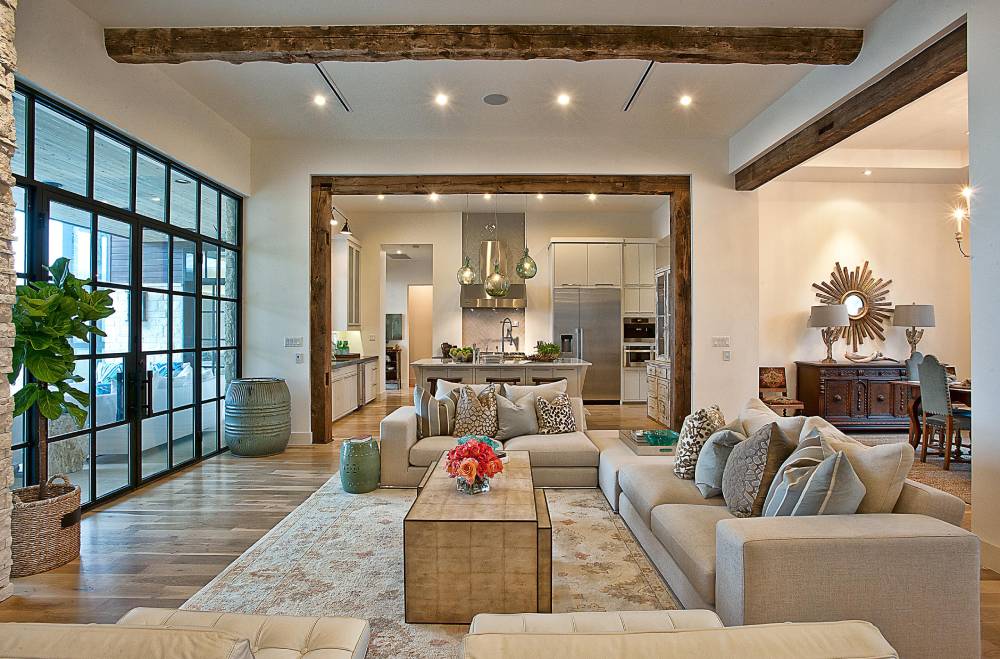 Image source: Cornerstone Architects
Old window frames can make a stunning and unique mirror for your home. Hunt down a vintage frame, add some mirror glass, and you’ve got yourself a one-of-a-kind piece that’s both functional and stylish. Plus, mirrors are great for making small spaces feel larger – it’s a win-win!
Display Your Treasures with Floating Shelves
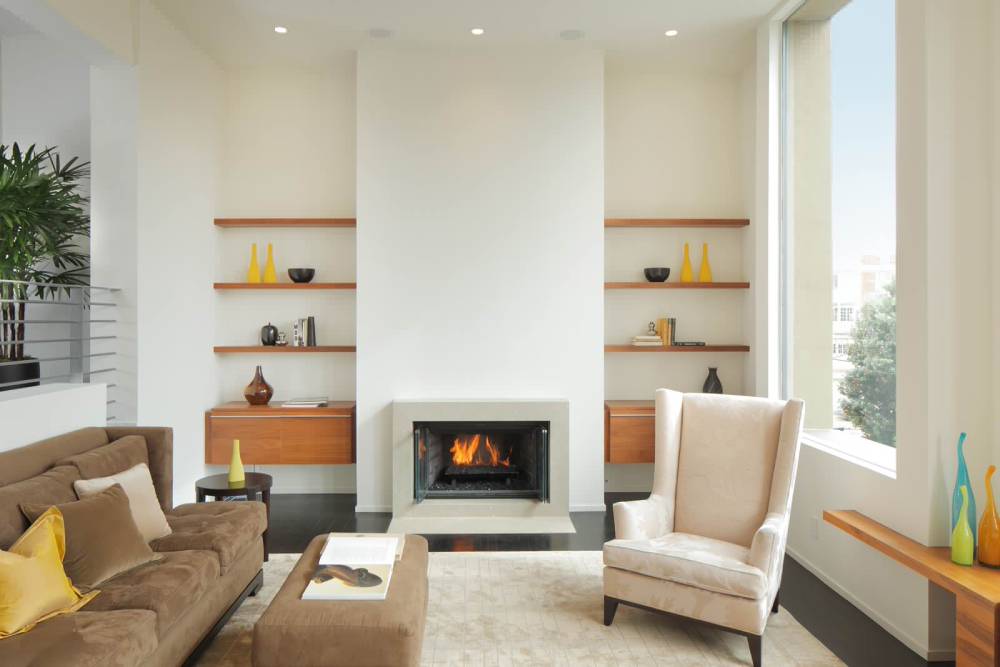 Image source: EAG Studio
Floating shelves are an excellent way to showcase your favorite rustic treasures. They’re easy to install, versatile, and create a clean, minimalist look that complements rustic decor perfectly. Choose reclaimed wood for a truly authentic feel, and get creative with how you style them!
Bring the Outdoors In with Natural Elements
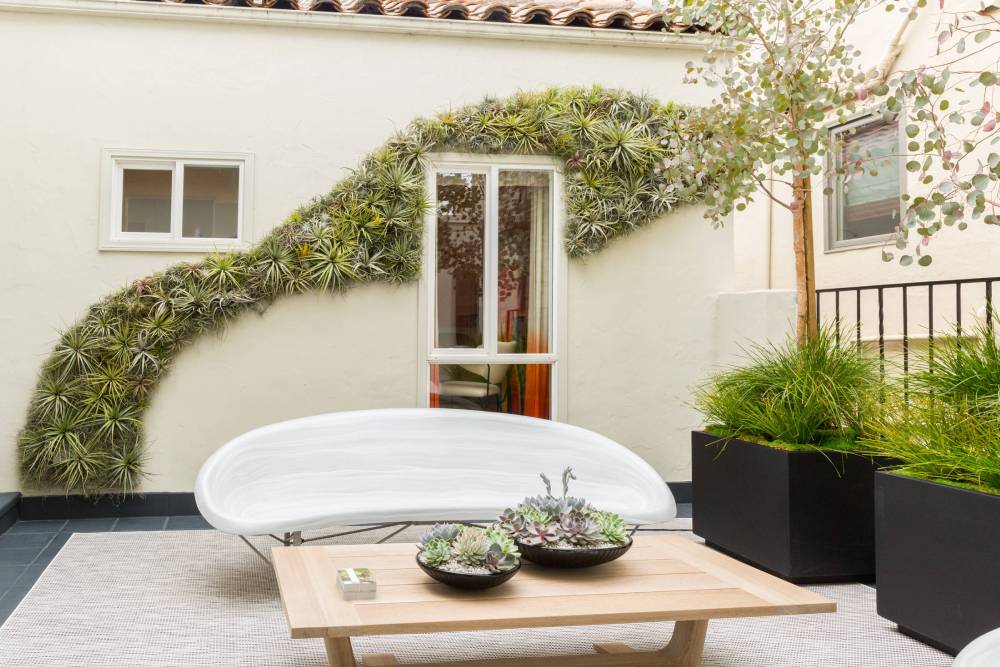 Image source: SEN Creative
Incorporating natural elements like plants, stones, or even branches can add a lovely, earthy touch to your rustic home decor. Use them as centerpieces, wall hangings, or even to create unique lighting fixtures. It’s an easy and affordable way to bring the outdoors in and make your space feel grounded and tranquil.
Whitewashed Furniture for a Shabby Chic Look
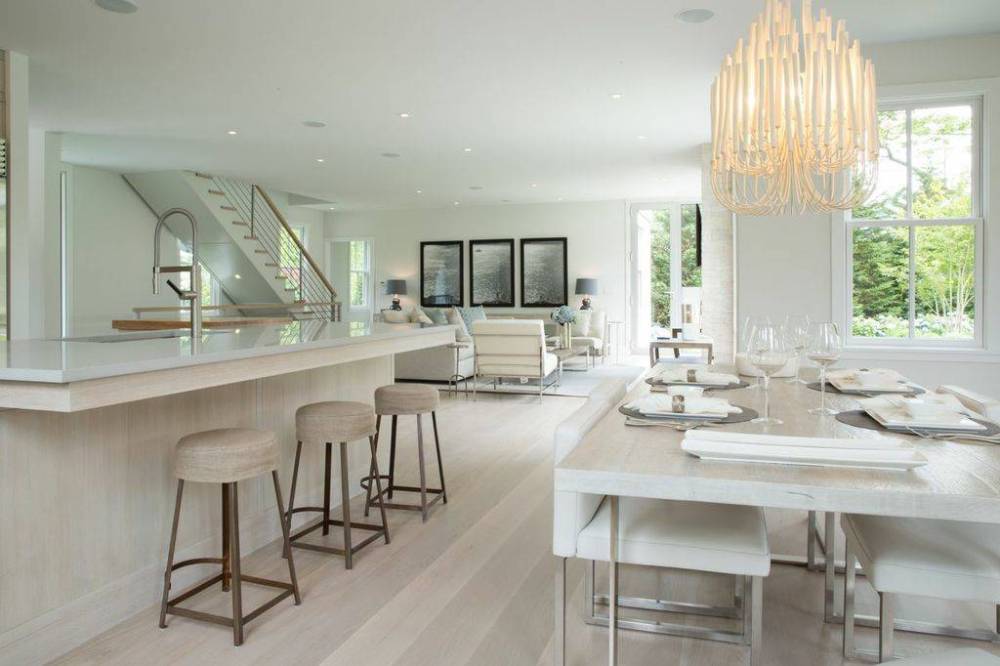 Image source: Lynda Sylvester Designs
Whitewashed furniture is a classic choice for rustic decor. It adds a shabby chic touch that’s both charming and timeless. Try your hand at whitewashing a dresser, table, or even some picture frames – it’s easier than you think and can completely transform a piece.
Upcycle Vintage Farm Tools
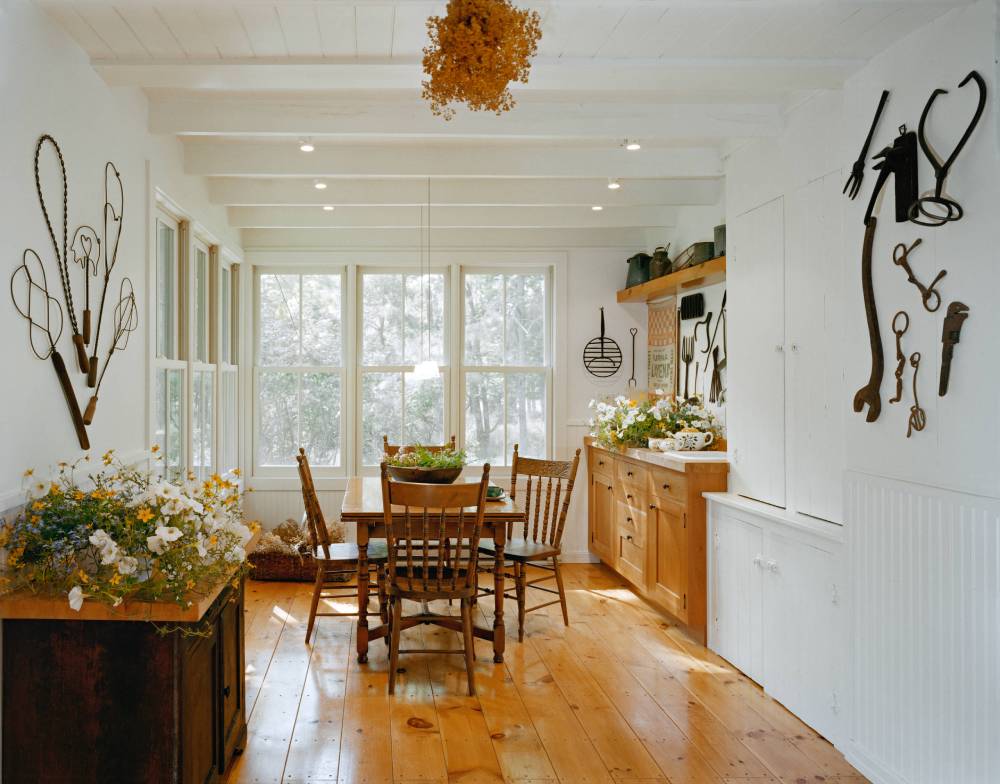 Image source: BluPath Design
Last but not least, don’t forget about vintage farm tools! Old milk cans, watering cans, or even a rusty wheel can be upcycled into unique decorative items. Embrace their patina and use them as planters, vases, or even as part of a gallery wall. They’re a great way to pay homage to the past and add a touch of farmhouse flair to your home.
FAQ On Rustic Home Decor
What defines rustic home decor?
Rustic decor is all about a warm spirit and natural beauty. It balances ruggedness with charm, incorporating earthy elements, such as reclaimed wood furnishings, stone accents, and handcrafted pottery.
It’s an ode to simpler times, often featuring distressed finishes and a palette inspired by nature’s depths and variabilities.
How do you style a modern home with rustic decor?
Melding modern and rustic requires striking a balance—think clean, sleek lines against wooden interior detailing. Accent a contemporary space with earth-inspired hues, vintage furniture, and woven textiles.
The key? A couple of statement pieces that tell a story, ensuring the space remains airy.
Can rustic decor work in an urban apartment?
Absolutely! It’s all about bringing hints of the countryside into the city. Upcycled furniture, cozy throw blankets, and warm lighting can turn any urban apartment into a rustic haven.
The contrast of a handcrafted pottery piece against the city skyline? Now that’s a conversation starter.
What colors are typical for rustic home decor?
It’s a palette that whispers tales of the earth beneath our feet. Deep, saturated hues meshed with muted tones—think terracotta, forest green, and warm neutrals.
Pops of antique white and strategic splashes of copper accents give the theme cohesion, radiating a vibe that’s both warm and lived-in.
What materials are essential in rustic home decor?
The foundation? Organic materials. Wood, leather, stone, and iron create that quintessential rustic ambiance. The tactility of raw, unpolished textures is paramount—the more it ages and shows character, the better.
These elements, like the natural fiber rugs on your floor, epitomize the rustic theme’s organic charm.
How do I choose accessories for rustic home decor?
Opting for accessories? Think artisanal and eclectic—a homespun quilt here, an antler decor piece there. Accessories in rustic decor carry history and soul.
Mason jar decorations, flea market finds, and anything that feels handcrafted will invigorate the space with a sense of tradition.
Which fabrics best suit rustic home decor?
In the fabric world, rustic goes synonymous with texture and a touch of the artisanal. Linen, burlap, chunky knits—fabrics that invite touch and add depth.
Patterns are welcome, especially heritage quilts or anything with a handmade touch. They complement, never overpower, existing natural elements.
What kind of lighting complements rustic home decor?
Lighting is like the final flourish on a masterpiece—it shapes the ambiance. For rustic vibes, warm, subdued lighting is your ally.
Go for wrought-iron fixtures, lantern-style lights, or anything with a distressed wood finish. It’s all about creating pockets of warmth to amplify that cozy atmosphere.
How does rustic decor impact the feel of a home?
Rustic home decor is the embodiment of comfort. It’s about creating an environment that’s as welcoming as a heartfelt hug. It doesn’t just impact the feel; it defines it.
It conjures a homestead living aura—where every corner is an invitation to unwind, brewed to the rhythm of laid-back luxury.
What’s the difference between rustic and farmhouse decor?
While both sing songs of simplicity, farmhouse decor often tilts towards a brighter, more polished aesthetic. It leans on crisp white shiplap and a more refined country living look.
Rustic, on the other hand, embraces the imperfect—a little rough around the edges, it’s less about sheen and more about substance.
Conclusion
Wrapping up our stroll through the realm of rustic home decor, it’s clear this style honors the authenticity of yesteryear and celebrates modern comforts. We’ve ventured beyond simply defining an aesthetic—what we’ve embraced is a lifestyle, a return to roots coupled with the joy of eclectic finds from flea markets, antique collections, and the breadth of the great outdoors.
Incorporating elements like reclaimed wood, handwoven textiles, and raw, unrefined materials transforms spaces into sanctuaries that resonate with history and heart. This isn’t just decor; it’s an articulated vision of living where each item has a narrative, each corner a character.
So, whether you’re nestled in a haven of earthy tones and textures or admiring the simplicity of your DIY decorating ideas come to life, remember that rustic home decor is about crafting a story—a unique tapestry woven with threads of your own making.
If you liked this article about rustic home decor, you should check out this article about vintage home decor.
There are also similar articles discussing Art Deco home decor, minimalist home decor, nautical home decor, and bohemian home decor.
And let’s not forget about articles on African home decor, shabby chic home decor, urban home decor, and southwestern home decor.