Summarize this article with:

Old things tell better stories than new things. That’s the whole appeal of vintage home decor, and it’s why secondhand furniture, antique accessories, and retro lighting keep showing up in homes that could easily afford everything brand new.

But finding the right pieces, knowing what’s genuine versus reproduction, and mixing eras without turning your living room into a time capsule? That takes some knowledge.

This guide covers what qualifies as vintage, which styles and decades are worth your attention right now, where to source pieces at every price point, and how to care for what you bring home. Whether you’re furnishing your first apartment or adding character to a space that feels too sterile, this is the practical breakdown you actually need.

What Is Vintage Home Decor?


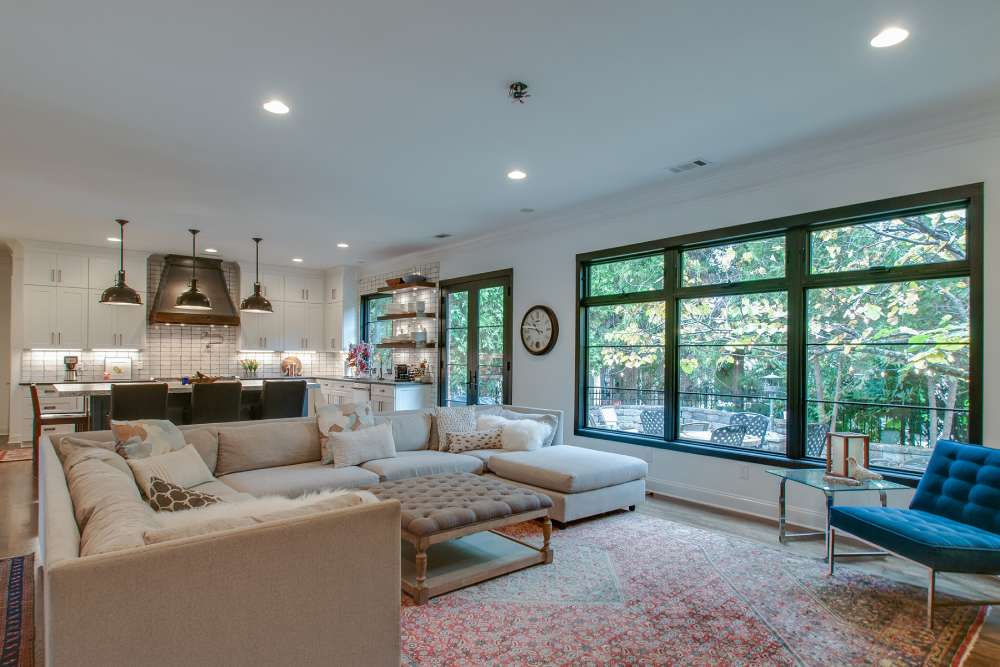
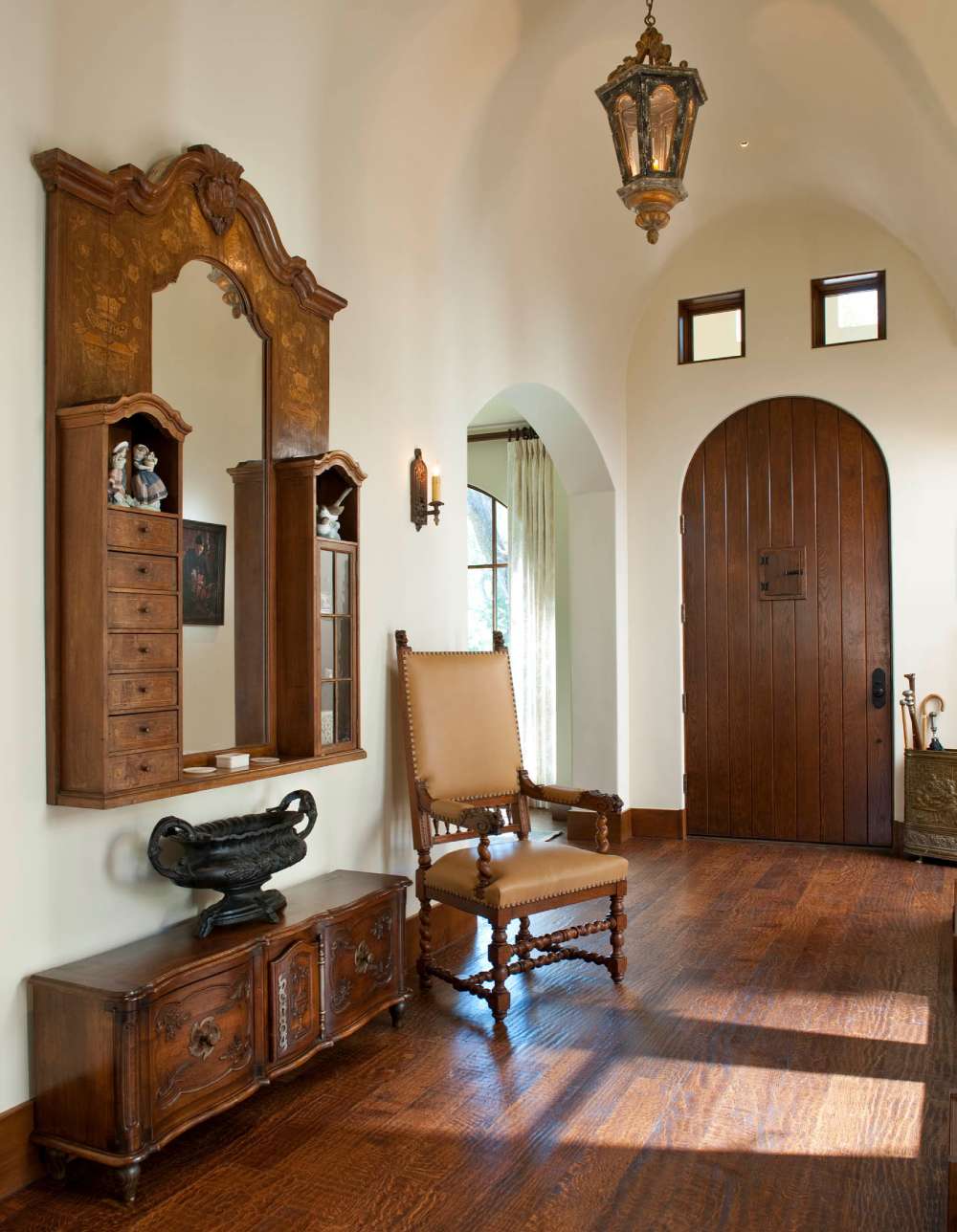
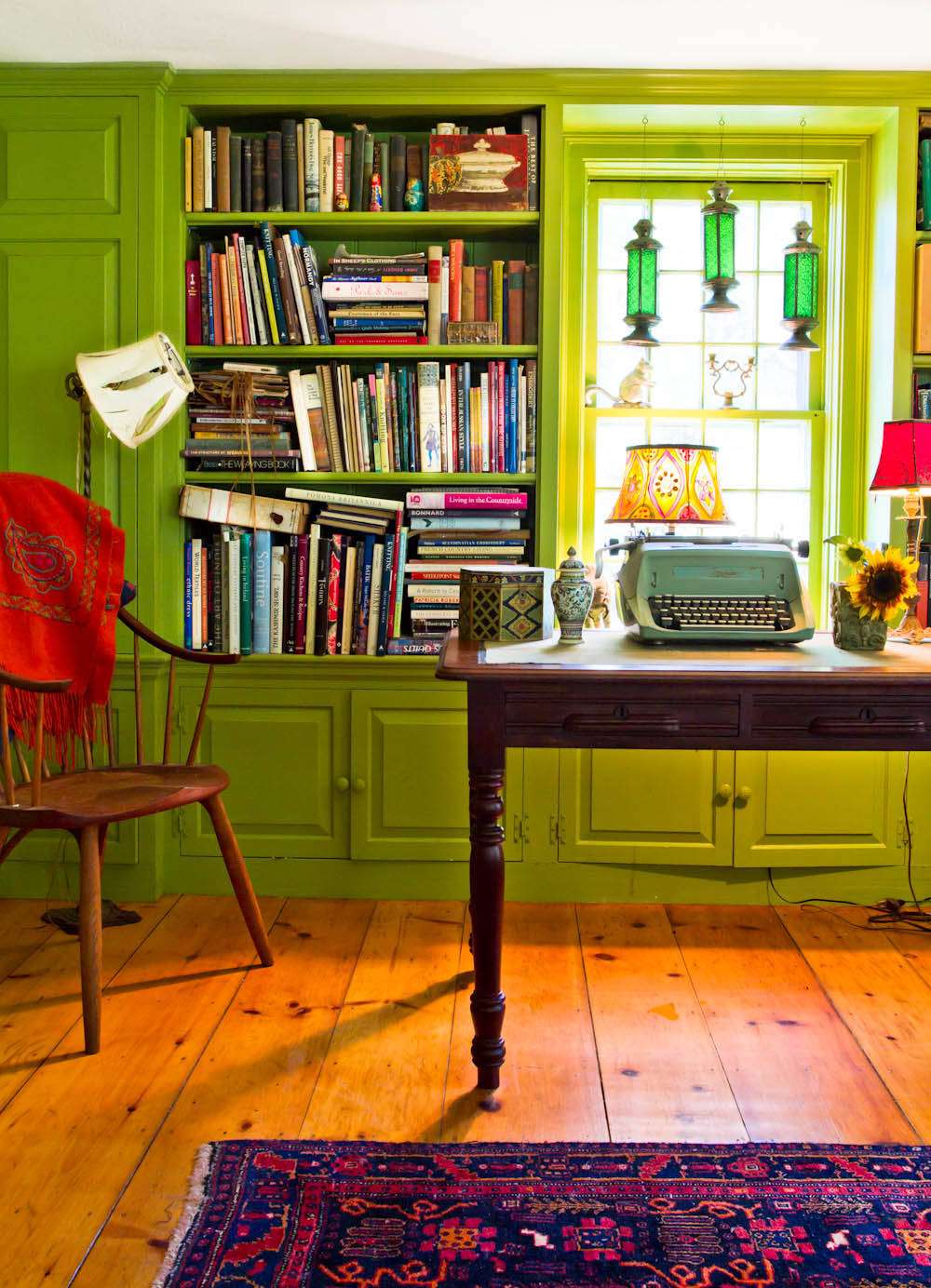
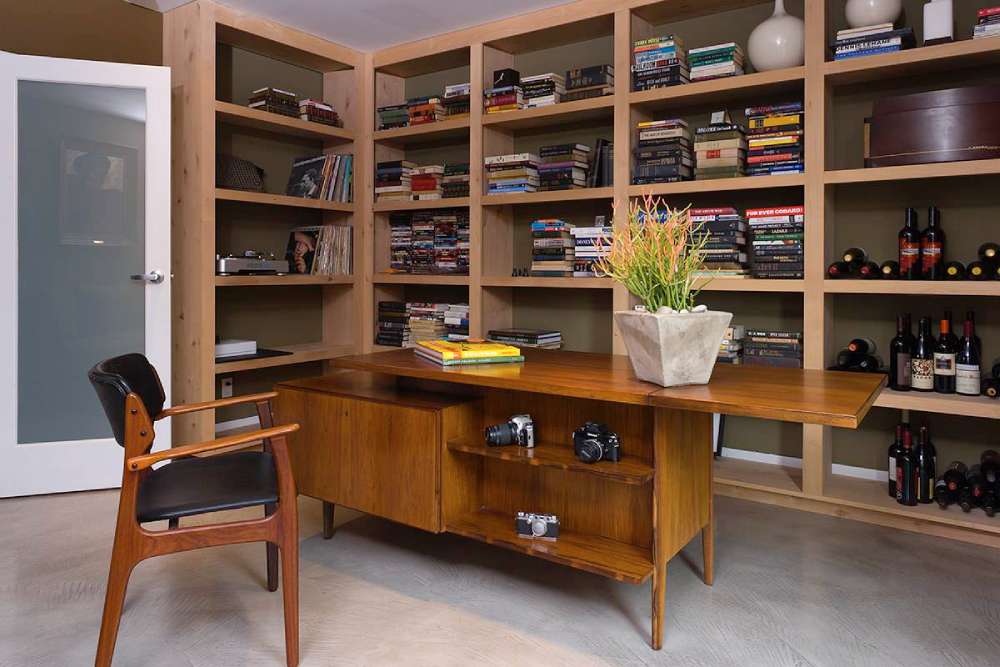
Image source: Usable Space Interiors, LLC

Vintage home decor refers to furniture, accessories, and decorative items that are roughly 20 to 100 years old. Anything older than that crosses into antique territory.

This distinction matters more than most people think. A 1960s teak credenza is vintage. A Civil War-era writing desk is an antique. And that distressed-look console you picked up at Target last weekend? That’s reproduction, no matter how convincingly aged the paint job looks.

The real thing carries the design DNA of its original era. A piece has to reflect the materials, construction methods, and aesthetic priorities of the time it was made. Not every old item qualifies. A beat-up filing cabinet from 1975 isn’t vintage decor just because it’s old.

There’s also an important split between “vintage style” and actual vintage. One is new stuff built to look old. The other is an original period piece with real history. Both have a place in home styling, but they’re not interchangeable, and they don’t hold the same value.

According to Fortune Business Insights, the global home decor market hit $802.26 billion in 2025 and is expected to reach nearly $1.3 trillion by 2034. A growing slice of that spending goes toward secondhand and vintage goods. GM Insights reports that the global secondhand homeware market reached $29.9 billion in 2024, with the furniture segment alone generating $13.2 billion that year.

And look, vintage doesn’t automatically mean expensive. Some of the best finds cost under $50 at estate sales. Pyrex bowls, brass candlesticks, small ceramics, linen napkins. These are entry-level vintage items that add real character to a room without requiring a second mortgage.

The pricing confusion keeps a lot of people away. They assume everything old costs a fortune because they’ve seen auction prices for Eames chairs. But those are outliers. Most vintage shopping happens in a very accessible price range, especially when you know where to look.

Most Popular Vintage Decor Styles by Era

Not all decades hold equal weight in the vintage market right now. Certain eras cycle in and out of popularity based on broader cultural mood, what shows up on social media, and what younger buyers latch onto.

According to 1stDibs’ 2025 Designer Trends Survey of 643 interior designers worldwide, 81% of designers sourced products from the 1920s through the 1990s in 2024. The decades getting the most attention shift year to year, but a few have stayed consistently strong.

Era Signature Look Key Materials
Art Deco (1920s-1930s) Geometric patterns, bold metallics, lacquered surfaces Chrome, glass, exotic woods
Mid-Century Modern (1940s-1960s) Clean lines, organic curves, minimal ornamentation Teak, walnut, molded plywood
Bohemian 1970s Earth tones, macrame, layered textures Rattan, jute, natural fibers
Memphis/Postmodern (1980s) Bold color blocking, squiggly forms, terrazzo Laminate, plastic, mixed media

The 1stDibs survey also found that Art Deco and Bauhaus aesthetics from the 1920s-1930s keep gaining ground, climbing from 23% designer interest for 2023 to 28% for 2025.

Mid-Century Modern vs. 1970s Bohemian


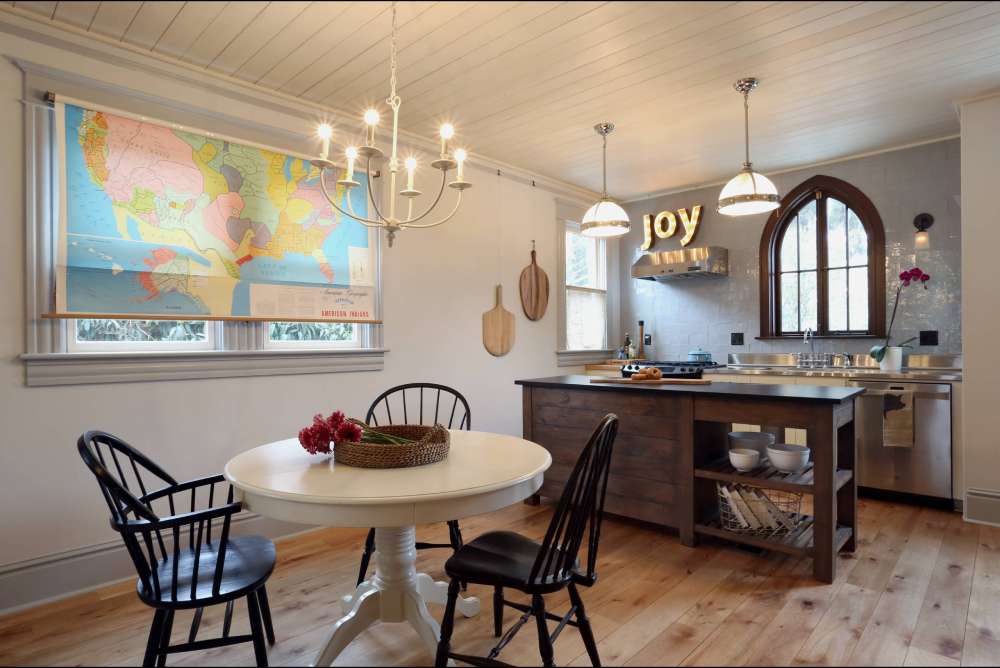
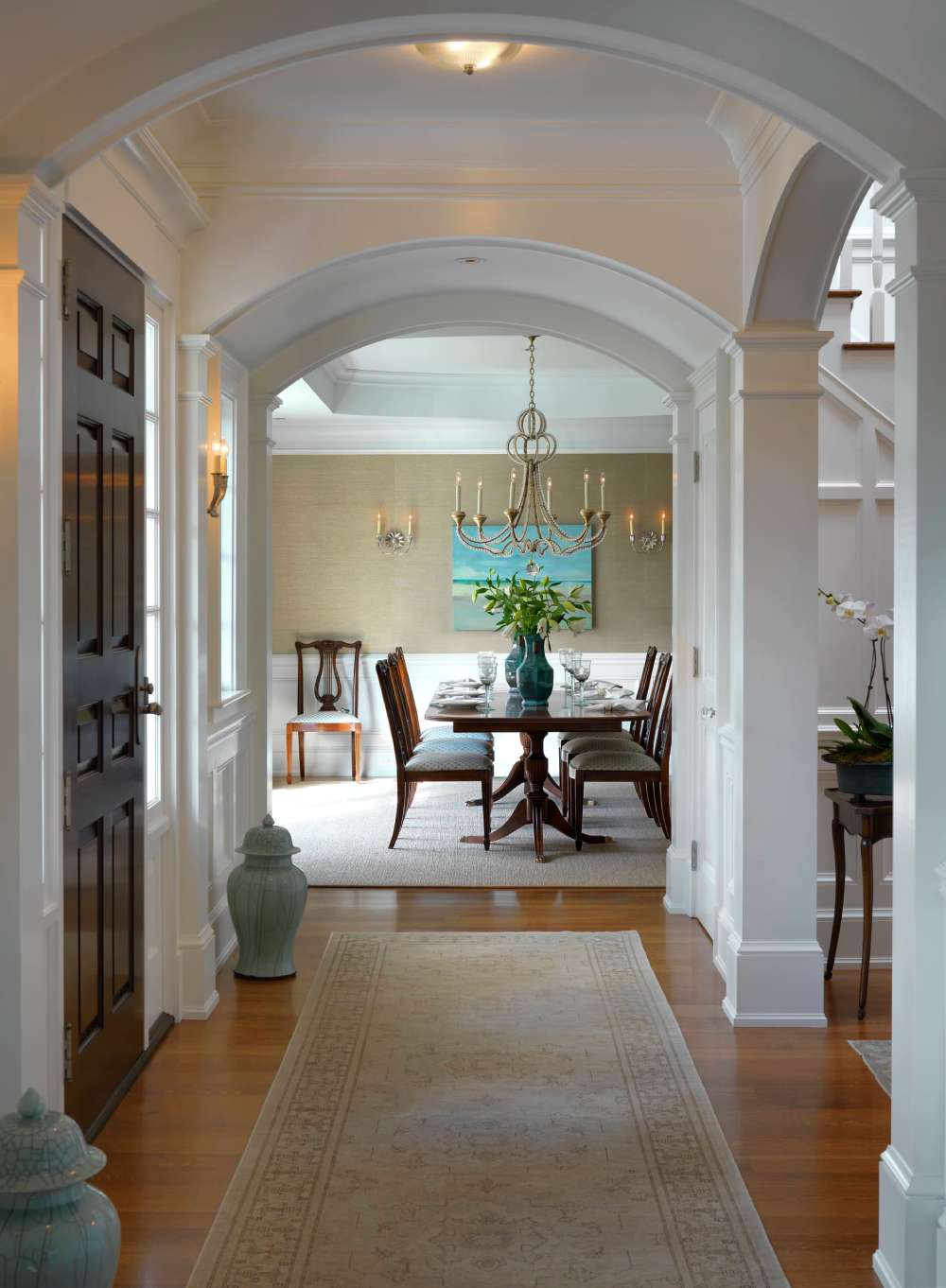
Image source: Tara Bussema

These two get mixed together constantly, but they’re pretty different in practice.

Mid-Century Modern is all about restraint. Think Eames lounge chairs, Noguchi coffee tables, Saarinen tulip bases. The lines are clean. The forms are geometric or gently organic. Colors tend toward muted tones with occasional pops.

1970s Bohemian goes the other direction. Rattan peacock chairs, shag rugs, hanging planters, layered textures everywhere. The palette leans warm: avocado, harvest gold, burnt orange, chocolate brown.

People blend these two all the time, and it can work well. A walnut MCM credenza under a macrame wall hanging. A bohemian rattan chair next to a Scandinavian-style side table. The trick is keeping one style dominant and using the other as an accent. Going 50/50 tends to look confused rather than curated.

Early 2000s Pieces Entering Vintage Territory

This is where things get interesting. Y2K-era decor is now technically old enough to qualify as vintage, and collectors are paying attention.

Chrome accents, translucent plastics, iMac-influenced color palettes. Inflatable furniture (yes, really). Those bubble-shaped everything pieces from the late 1990s and early 2000s. They’re showing up at flea markets and on resale platforms with rising price tags.

Etsy reported in their 2024 seller data that searches for “cozy home items” jumped 351% year-over-year, and the broader “de-modernizing” trend has shoppers converting minimalist spaces into rooms filled with vintage character. The nostalgia factor is real, particularly among millennial buyers decorating their first homes with pieces that remind them of childhood.

Vintage Furniture Worth Looking For

B-Stock, a B2B recommerce marketplace, reported that furniture brands sold 85% more units in 2024 than the year before. Chairish noted a 35% year-over-year growth in North American sales, with a particular surge in demand for mid-century modern pieces.

Not all vintage furniture is worth buying, though. Knowing what to look for saves you from dragging home a saggy couch with shot springs.

Solid Wood Dressers and Sideboards


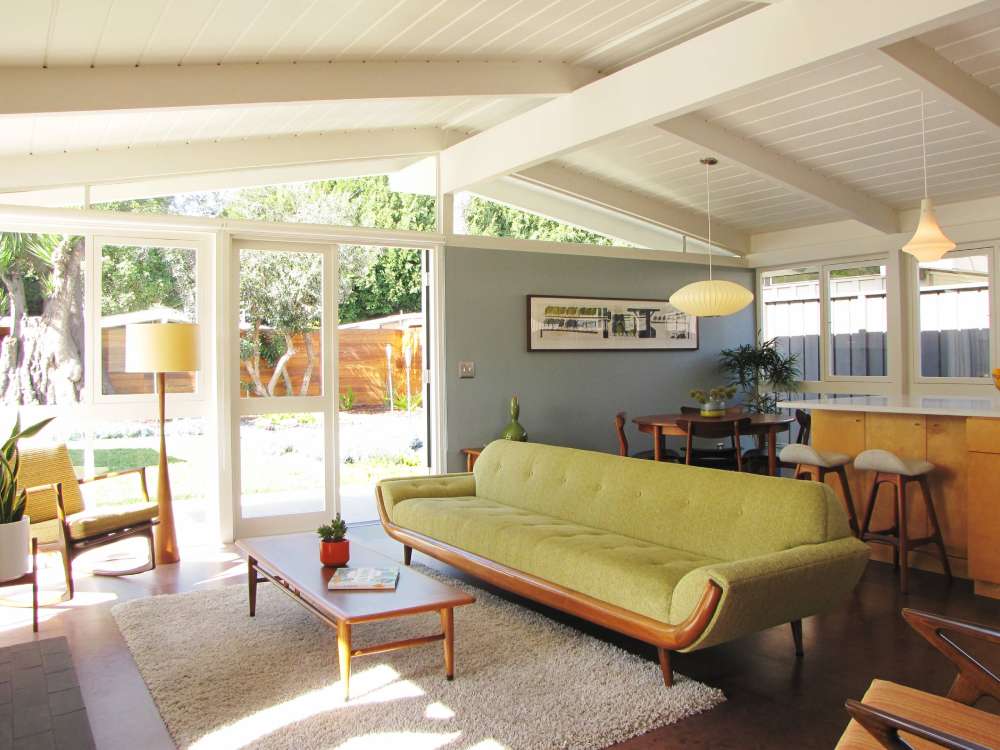
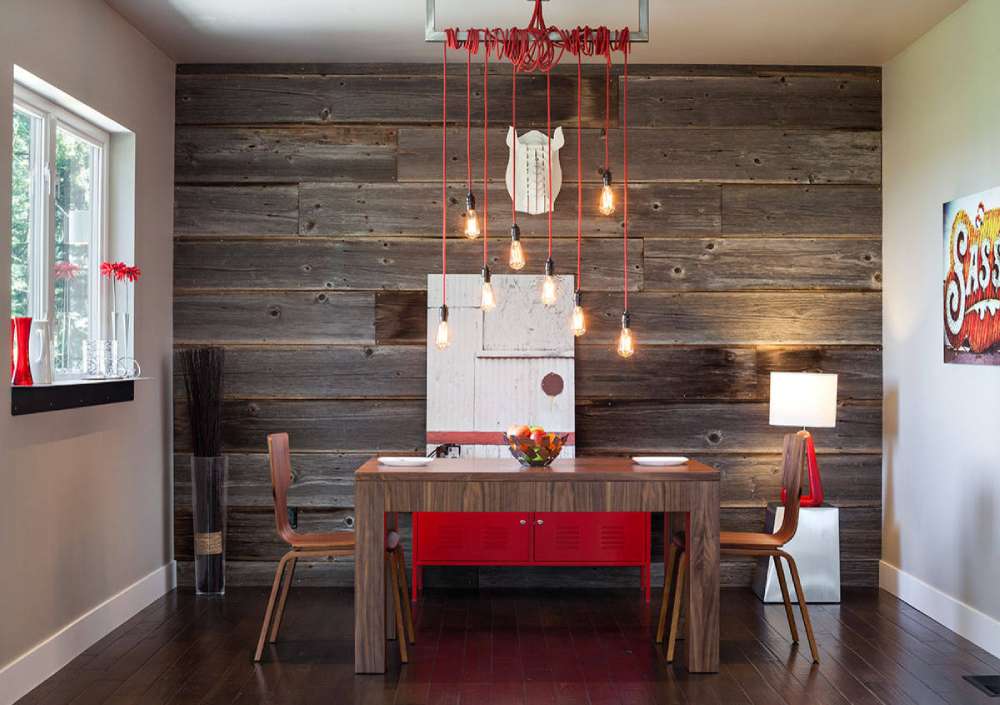
Image source: Arciform

Danish teak and American walnut pieces from the 1950s-1960s remain the gold standard. Drexel, Heywood-Wakefield, G Plan, and Ercol are brand names that signal real quality at this price point.

Look for dovetail joints in drawers. Check that drawers slide smoothly. Flip things upside down and examine the wood species, joinery, and any maker’s marks stamped underneath.

One thing to know: refinishing can actually hurt resale value on certain pieces. A Heywood-Wakefield dresser with its original champagne finish is worth more than one that’s been sanded and re-stained. When the original patina is part of the appeal, leave it alone.

Upholstered Pieces: Buy Smart or Don’t Buy

Vintage sofas and chairs are tricky. The frame might be fantastic, but what’s inside matters just as much.

  • Eight-way hand-tied springs: The best construction method, found in higher-end vintage pieces. Worth the investment.
  • Foam-only cushions from the 1970s-1980s: Often degraded or crumbling. Budget for reupholstery if the frame is solid.
  • Fabric condition: Surface stains are fixable. Structural fabric breakdown (thinning, tearing at seams) means full reupholstery, which can run $1,500 to $4,000 depending on the piece.

Skip anything that smells musty or shows signs of mold. That’s one problem you don’t want to bring into your house.

Vintage Furniture That Fits Small Spaces


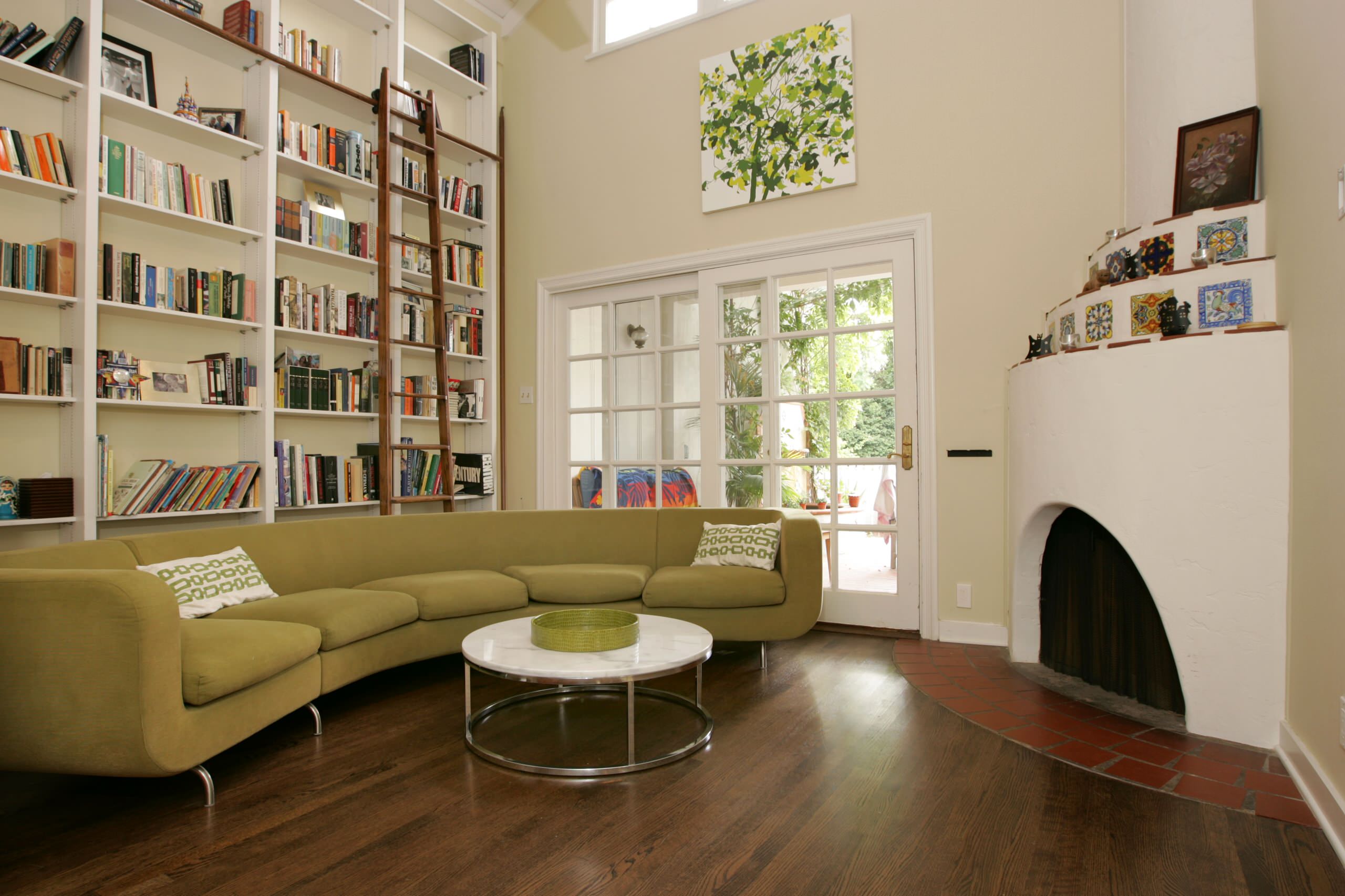
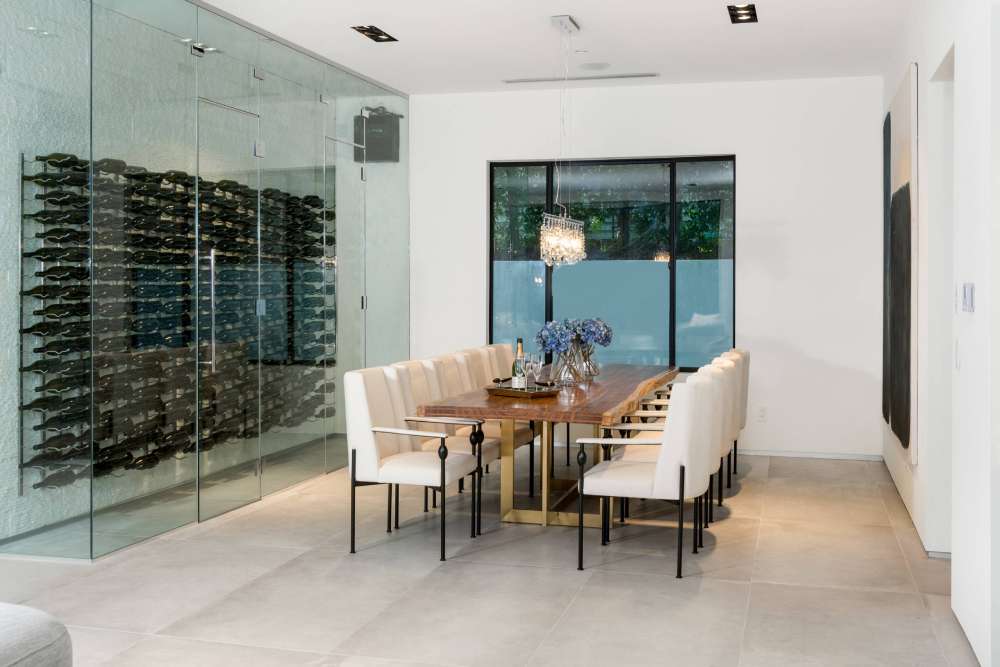
Image source: Astleford Interiors, Inc.

Here’s the practical issue: a lot of vintage furniture was built for bigger rooms. American suburban homes in the 1950s and 1960s were spacious by today’s standards, and the furniture reflects that.

For apartments and smaller rooms, focus on these types of vintage pieces:

  • Drop-leaf tables (functional when open, compact when closed)
  • Slim-profile console tables and entryway pieces
  • Nesting tables from the MCM era
  • Wall-mounted shelving systems (like the classic Cado system)

Good space planning matters more with vintage pieces because they weren’t designed for 600-square-foot apartments. Measure before you buy. Took me longer than I’d like to admit to learn that lesson.

Vintage Lighting, Textiles, and Accessories

Furniture gets the most attention, but it’s actually the smaller stuff that finishes a room. Lighting, textiles, and accessories are where vintage decor really starts to feel personal.

The global decorative lighting market alone was valued at $41.60 billion in 2024, according to Grand View Research. Within that, vintage and period lighting holds a growing share, driven by the same nostalgia and sustainability trends pushing the broader secondhand market.

Vintage Lighting Worth Hunting


Image source: Jordan Iverson Signature Homes

The 1stDibs survey found that Murano glass pendants and chandeliers surged to the top spot for vintage lighting in 2025, with 27% of designers naming them the most popular iconic vintage lighting choice (up from 19% the prior year). The Noguchi Akari lamp came in second at 16%.

Beyond those statement pieces, keep an eye out for:

  • Brass arc lamps from the 1960s-1970s
  • Ceramic table lamps with textured glazes
  • Industrial pendant fixtures with exposed bulb designs
  • Sputnik chandeliers and starburst wall sconces

One thing that trips people up constantly: rewiring. Most vintage lamps need it. Old wiring can be a fire hazard, and it’s not something to skip. A qualified electrician charges $30-80 per lamp, which is a small price for safety. Understanding how light shapes a room makes it easier to decide which vintage fixture is worth the rewiring cost. Pendant lights in particular can become a focal point over a dining table or kitchen island when properly installed.

Vintage Rugs and How to Spot Quality

Rugs are one of the biggest vintage purchases people make, and for good reason. A Turkish kilim or a faded Persian rug can ground an entire room in a way that no new rug replicates.

What to check before buying:

  • Knot density: Flip the rug over. More knots per square inch generally means higher quality and longer lifespan.
  • Dye quality: Vegetable dyes age beautifully and develop character. Synthetic dyes from cheaper rugs fade unevenly and can look washed out.
  • Wear patterns: Even wear across the surface is normal and adds charm. Bald spots, holes, or moth damage in concentrated areas are red flags.

A good vintage rug works under a dining table (here’s how to place one properly), under a bed, or as the anchor piece in a living room. The patterns in older rugs tend to pair well with both modern and traditional furniture because the colors have softened with age.

Small Accessories That Make the Difference


Image source: Jan Gleysteen Architects, Inc

Most people overlook these, but they’re where the personality comes in.

Brass candlesticks are everywhere at thrift stores and estate sales, often for under $10 a pair. McCoy and Hull pottery pieces look great on open shelves. Fiesta dinnerware in original vintage colors still turns up at reasonable prices if you’re patient.

Depression glass, vintage mirrors, framed botanical illustrations, old window treatments repurposed as textile art. These are the kinds of details that separate a room that looks “decorated” from one that looks collected over time.

Where to Find Vintage Home Decor


Image source: VintageView

Sourcing is half the fun, but also half the frustration. Where you shop determines what you pay, what condition you get, and how much competition you’re up against.

According to Mordor Intelligence, on eBay alone in 2024, nearly 40% of items sold were pre-owned, and searches for “vintage” exceeded 1,200 per minute. The secondhand furniture market in North America was valued at $8.7 billion in 2024, per GM Insights.

Channel Best For Price Range
Estate sales Complete collections, furniture, one-of-a-kind finds Low to mid
Chairish / 1stDibs Curated, authenticated pieces Mid to high
Facebook Marketplace Local furniture, quick pickups Low
Etsy (vintage section) Small accessories, textiles, ceramics Low to mid
Flea markets / antique malls Browsing variety, negotiating in person Low to mid
Goodwill / Habitat ReStore Unfiltered selection, budget pieces Very low

EstateSales.net and AuctionZip are the go-to tools for finding local sales. For online shopping, Chairish and 1stDibs sit at the higher end, while Facebook Marketplace and eBay cover the budget-friendly side. Ruby Lane is another option that skews toward collectibles and higher-quality antiques.

Online vs. In-Person Vintage Shopping


Image source: Rikki Snyder

Online advantages: Bigger selection, easier to compare prices across sellers, and you can search for exactly what you want. Chairish reported a 40% increase in living room furniture listings in early 2024.

Online downsides: You can’t inspect condition in person. Colors look different on screens. Shipping large furniture gets expensive fast, and damage during transit is a real risk.

In-person advantages: You can feel the wood, check drawer construction, smell for mold or smoke damage, and negotiate on price. Estate sales in particular often have better deals on the last day when sellers want to clear inventory.

Etsy reported that vintage items across home decor, kitchen and dining, and collectibles were top-selling categories in October through December 2024. The platform is strongest for smaller items. For furniture, local sourcing through estate sales and Facebook Marketplace usually wins on both price and convenience.

How to Mix Vintage Pieces into a Modern Room

This is where most people either get it right or go completely off track. The goal isn’t to recreate a time capsule. It’s to place vintage items inside a current space so they feel intentional, not accidental.

SwiftBeacon’s industry data found that vintage styles were the top-searched decor trend in 6 US states, including Texas and Oklahoma, while the industrial look led in 24% of states. But what people search for and what actually looks good in practice are two different things.

The 70/30 Approach

Keep roughly 70% of the room modern or neutral, and let 30% be your vintage statement pieces.

This ratio keeps a space feeling current while giving vintage items room to stand out. A mid-century modern credenza against a clean white wall works. That same credenza in a room already packed with retro wallpaper, a shag rug, and a lava lamp? That’s a costume party, not a home.

Use vintage as the anchor. One serious piece per room tends to be enough. A brass accent light, a Persian rug, or a solid wood dining table. Let it carry the room while modern pieces play a supporting role.

Color Palette Bridging

This is the part people skip, and it shows.

Vintage items often come with colors that don’t exist in modern production. That specific shade of avocado green on a 1970s ceramic lamp. The warm amber of aged brass. The faded indigo of a well-loved rug.

Pull one or two of those tones into your modern elements. Throw pillows, curtain choices, or even a painted accent wall can bridge the gap between old and new. Understanding basic color theory helps here, even just knowing which warm and cool tones sit well together.

Common Mistakes

Going too heavy on one decade. A room that’s entirely 1970s or entirely Art Deco feels like a set rather than a home. Mixing eras keeps things interesting.

Overcrowding. Vintage items need breathing room to make an impact. Negative space is your friend. Three well-chosen pieces beat fifteen cluttered ones.

Ignoring scale and proportion. A massive Victorian armoire in a compact apartment doesn’t look charming. It looks like a miscalculation. Match piece size to room size, every single time.

And honestly? Balance matters more than perfection. A room can have mismatched eras and still feel pulled together if the weight and scale of items is distributed thoughtfully. Your eye knows when something feels off even if you can’t explain why.

Spotting Reproductions and Fakes

The secondhand furniture market is growing fast, and so is the volume of knockoffs circulating through it. Verified Market Research valued the second-hand furniture market at $16.13 billion in 2024, projected to hit $32.63 billion by 2031. That kind of money attracts people selling mass-produced copies as “vintage.”

Knowing a few basic checks separates a real find from an overpriced imitation.

Construction Details That Reveal Age

Dovetail joints are the first thing to check in drawers. Hand-cut dovetails have slight irregularities in size and spacing. Machine-cut versions are perfectly uniform and started appearing around 1860.

Mortise-and-tenon joinery, wooden pegs instead of screws, and solid hardwood construction all point toward authenticity. If you flip a piece over and find particleboard, Phillips-head screws, or staples, you’re looking at a reproduction. Particleboard didn’t exist in earlier furniture periods, so its presence is an immediate giveaway.

According to High End Used Furniture, pieces bearing a confirmed maker’s mark can sell for 30-50% more at auction than unmarked equivalents.

Red Flags on Online Listings

Stock photos: A real seller photographing a one-of-a-kind vintage piece wouldn’t use catalog images.

Vague descriptions: Phrases like “vintage style” or “vintage inspired” are code for “this is new.” Authentic sellers describe the maker, era, materials, and condition with specifics.

Suspiciously low prices: An Eames lounge chair in good condition sells between $5,400 and $9,995. If someone is listing one for $800, it’s almost certainly a replica.

When a Reproduction Is Fine to Buy

Not every purchase needs to be museum-grade authentic.

If you want the look of mid-century modern home decor without the price tag or the anxiety about damaging a collectible piece, a well-made reproduction works. Families with young kids, for instance, might prefer a reproduction Tulip table they don’t need to worry about. The distinction matters most when you’re paying vintage prices. A $200 reproduction sold honestly as a reproduction is fine. A $2,000 reproduction sold as an original is a problem.

Caring for and Restoring Vintage Decor

Finding the piece is only half the work. Keeping it looking good for another few decades takes some basic maintenance that most people skip entirely.

A 2024 survey by Savers found that 8 in 10 consumers have bought at least one non-apparel item secondhand, with 33% buying home decor and 34% buying furniture. These items need care that differs from what you’d give a new IKEA shelf.

Wood Care Basics

Beeswax polish is the safest go-to for most vintage wood furniture. Furniture restorer Tony Michael at Westland London recommends natural beeswax applied sparingly with a soft cloth, then buffed once dry.

Throw out the Pledge. Aerosol spray polishes leave a film that dulls the finish over time and traps dust.

Silicone-free wax protects the surface without sealing in moisture that could damage aged wood. Apply along the grain, let it sit, then buff to a soft sheen. That’s it. Most wood furniture needs nothing more than regular dusting and an occasional wax treatment to stay in good shape.

When Reupholstering Makes Financial Sense

Scenario Reupholster? Why
Solid hardwood frame, eight-way hand-tied springs Yes The frame is worth saving, built to last generations
Softwood or pine frame, basic webbing Probably not Frame won’t outlast new upholstery
Designer or maker-stamped piece Yes, carefully Value justifies the cost, choose period-correct fabric
Unknown maker, foam-only cushions Only if sentimental Cost of reupholstery often exceeds replacement value

Reupholstery typically runs $1,500 to $4,000 for a sofa. Only worth it if the bones of the piece justify the investment.

Metal Polishing and Patina

Brass, copper, and chrome each have different rules. And honestly, this is where personal taste matters more than any best practice.

Some people love the tarnished look on brass candlesticks or lamp bases. That green-brown patina tells you the piece has been around. Others want their brass bright and gleaming, which means regular polishing with a product like Brasso or a homemade paste of lemon juice and baking soda.

The one exception: never polish anything with a lacquered finish using abrasive cleaners. You’ll strip the protective coating and create an uneven surface that’s harder to maintain than if you’d just left it alone.

Vintage Home Decor on a Budget

The assumption that vintage means expensive keeps a lot of people from even trying. It shouldn’t.

ThredUp’s 2025 Resale Report found that 46% of consumers now say if they can find an item secondhand, they won’t buy it new. For Gen Z and millennials, that number jumps to 55%. Budget-conscious decorating with secondhand goods has gone fully mainstream.

Most Affordable Vintage Categories

Glassware and ceramics: Depression glass, Pyrex bowls, and studio pottery regularly show up at thrift stores for under $10 a piece.

Brass accessories: Candlesticks, trays, and small figurines. Estate sales are loaded with these because families rarely want to keep all of grandma’s brass collection.

Framed art and mirrors: Vintage frames alone can cost $30-50 new. At thrift stores, you get frame and art together for less. Botanical prints, landscapes, and abstract pieces from the 1960s-1980s are everywhere.

Linens and textiles: Embroidered napkins, lace tablecloths, quilted throw pillows for beds. These add shabby chic character instantly and usually cost next to nothing.

Timing Your Purchases

Estate sales drop prices on the last day, sometimes by 50% or more. Show up on Sunday afternoon if you want deals and don’t mind a picked-over selection.

Flea market vendors negotiate more readily in the last hour before closing. Nobody wants to pack unsold inventory back into their truck.

Post-holiday periods (January, early February) are also strong for vintage shopping. Families clearing out homes after the holidays generate a wave of donated goods hitting thrift stores and consignment shops. The Savers 2024 Thrift Industry Report noted that 55% of thrift gift shoppers choose secondhand primarily because of budget consciousness.

DIY That Works vs. Pinterest Traps


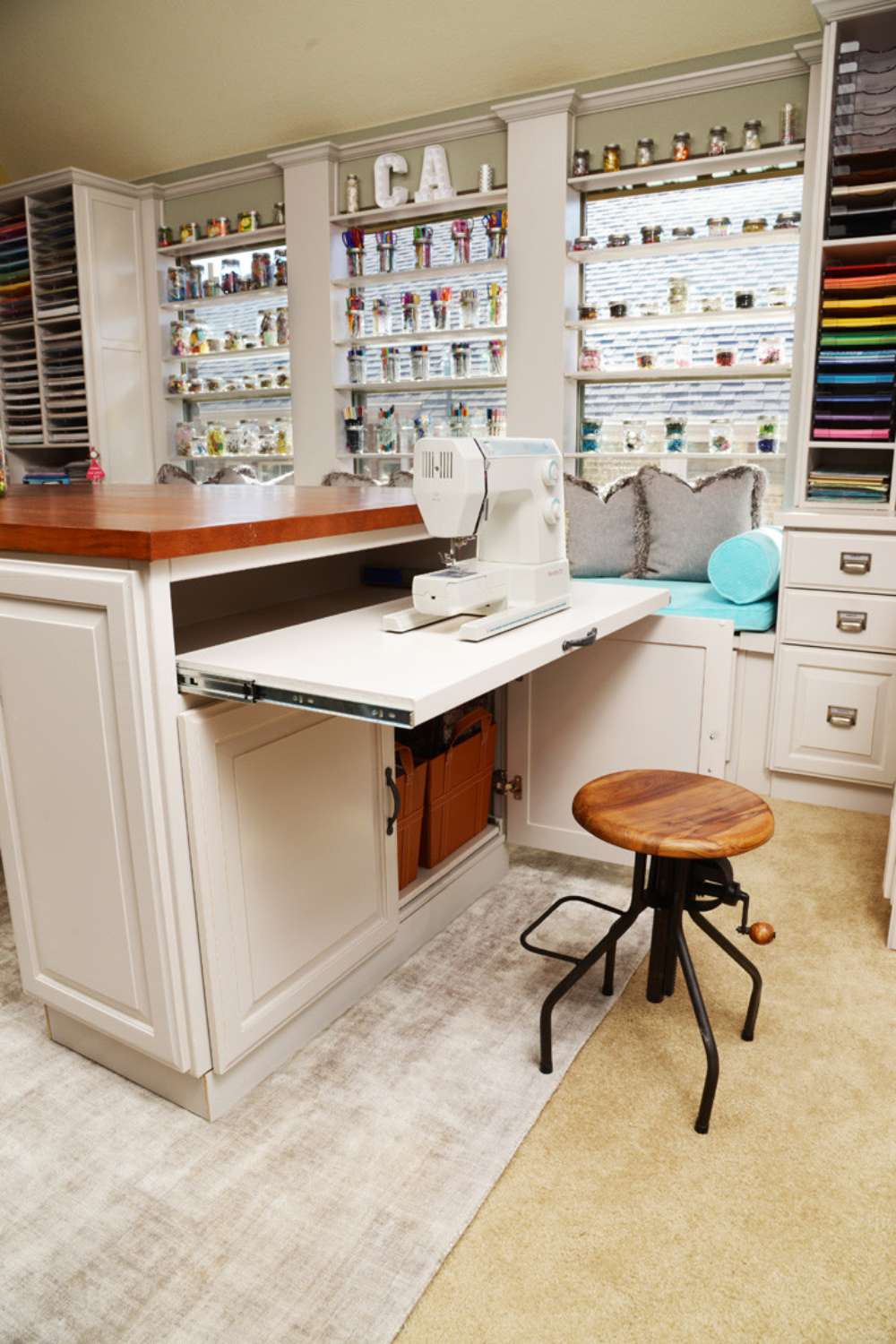
Image source: Organizare by Clarissa

Painting a solid wood dresser in chalk paint? That actually works and can look great if you don’t overdo the distressing.

Decoupaging a vintage side table with scrapbook paper? That’s a Pinterest project that photographs well and looks terrible in person after three months of actual use.

The general rule: structural changes (new hardware, fresh paint, simple repairs) tend to work. Surface-level crafty additions (glued-on materials, spray-painted metalwork, fabric-wrapped lampshades) tend to cheapen the piece. If you’re working with affordable apartment decor on a tight budget, focus your effort on the solid pieces and leave the accessories as-is.

Vintage Decor Styles by Room

What works in a kitchen doesn’t always translate to a bedroom. Each room has its own functional demands, light conditions, and traffic patterns that shape which vintage pieces actually fit.

According to Opendoor’s 2024 report, U.S. consumers spend an average of $1,598 on home decor activities annually. Spreading that budget across rooms with the right vintage pieces makes every dollar count more.

Kitchen


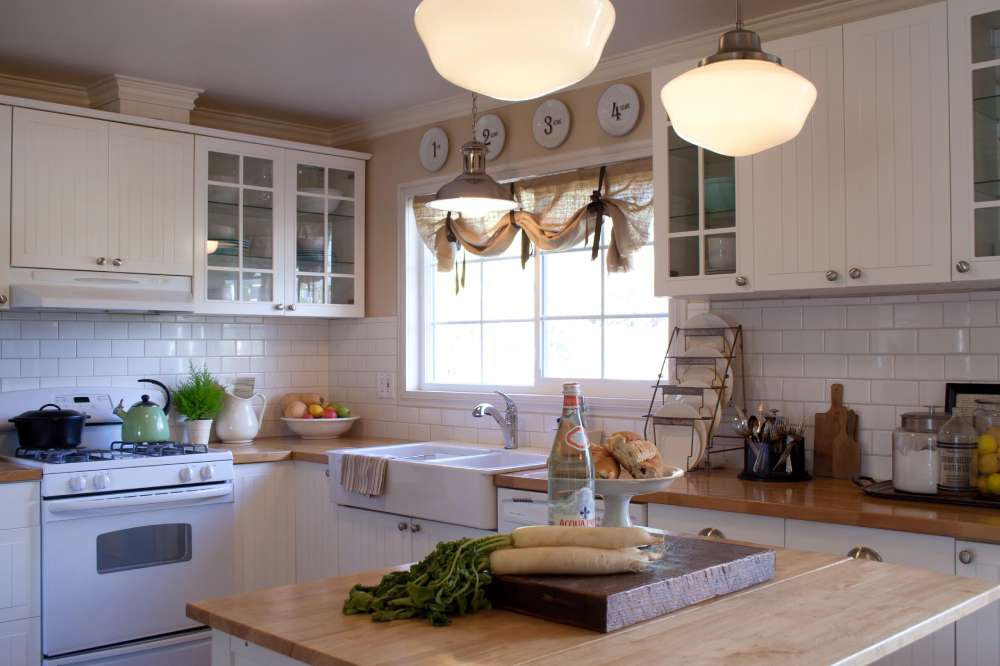
Image source: Jennifer Grey Color Specialist & Interior Design

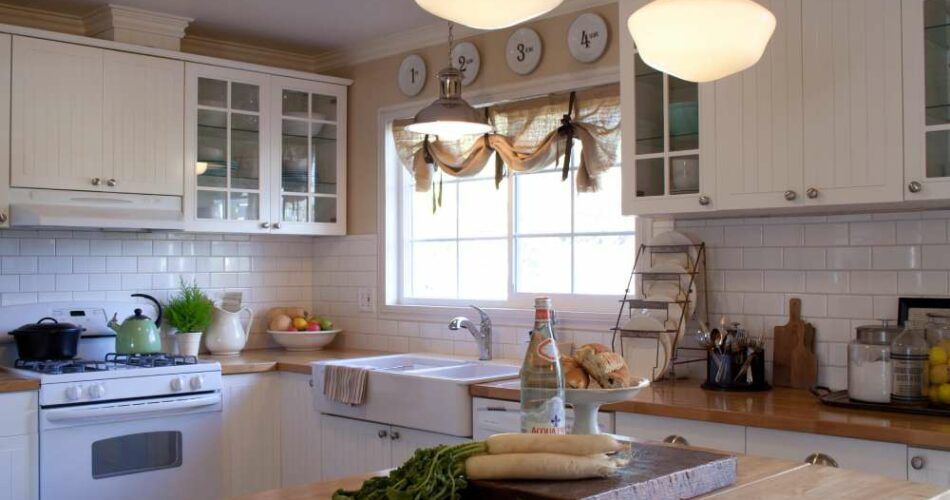
The kitchen is where vintage kitchen decor gets practical fast.

  • Enamelware and vintage canisters for open farmhouse-style shelving
  • Pyrex mixing bowls and Fiesta dinnerware that you can actually use daily
  • Retro appliances from brands like SMEG and Big Chill for a statement fridge or toaster

Retro kitchen styling works best when you mix a few vintage pieces with modern function. Nobody wants a 1950s refrigerator that can’t hold temperature. But a SMEG in pastel blue next to reclaimed wood shelves? That works.

Bedroom


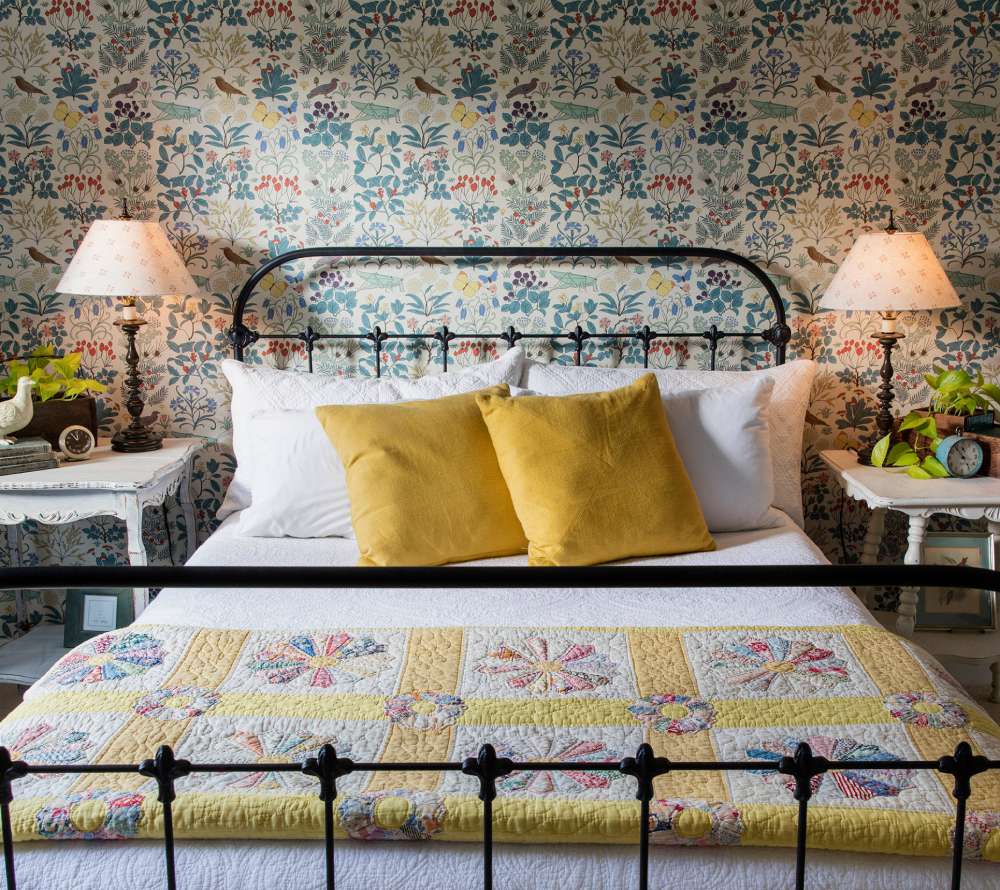
Image source: The Well Dressed Window

Iron bed frames from the early 1900s are one of the best vintage bedroom investments. They’re sturdy, distinctive, and pair well with almost any style.

Vintage quilts layered over modern bedding create depth without committing to a full period look. An MCM walnut nightstand next to a modern upholstered bed bridges old and new naturally.

Vanity mirrors from the 1940s-1960s are also underpriced right now. A beveled-edge mirror on a vintage dresser adds presence to a bedroom without taking up floor space.

Living Room

This room gives you the most flexibility and the highest visual impact. It’s where most people start their vintage collection, and for good reason.

A solid vintage rug anchors the space. Pair it with decorative pillows on your sofa that pick up the rug’s faded tones. Add a brass floor lamp, a couple of bookshelves near a fireplace, and the room starts to feel like it has a story behind it.

For eclectic living room styling, vintage pieces are practically required. The whole point of an eclectic space is that items come from different eras and sources but somehow feel right together. That’s harder to pull off with all-new furniture.

Creating a Cohesive Look Across Multiple Rooms

The mistake people make is treating each room like an island. A 1970s bohemian living room connected to a sleek minimalist kitchen feels jarring when you walk between them.

Pick a through-line. It can be a color family, a material (brass hardware throughout, or consistent wood tones), or a general era range. You don’t need every room to match, but there should be at least one connecting element that ties the home together.

Unity across a home doesn’t mean uniformity. A Persian rug in the living room, a kilim runner in the hallway, and a Turkish towel in the bathroom all share a textile tradition without looking like a costume.

Keep rhythm in mind, too. If vintage pieces are scattered randomly, the effect is clutter. If they repeat at intervals (a vintage piece in each room, at roughly the same visual weight), the effect is intentional curation. That’s the difference between a house full of old stuff and a home that feels collected over time.

FAQ on Vintage Home Decor

What counts as vintage home decor?

Items between 20 and 100 years old that reflect the design style of their era. Anything older is antique. New items made to look old are reproductions, not vintage, regardless of how convincing the distressed finish appears.

How is vintage different from retro?

Vintage refers to original period pieces. Retro describes new items designed to mimic an older aesthetic. A 1960s teak sideboard is vintage. A sideboard made last year with a mid-century modern look is retro.

Where are the best places to find vintage decor?

Estate sales, flea markets, and thrift stores for in-person finds. Online, try Chairish, Etsy’s vintage section, 1stDibs, Facebook Marketplace, and eBay. Each channel offers different price points and selection depth.

Is vintage home decor expensive?

Not necessarily. Small items like brass candlesticks, Pyrex bowls, and framed prints cost under $20 at most thrift stores. Furniture varies widely, but estate sale finds are often far cheaper than retail equivalents.

What vintage decor styles are popular right now?

Art Deco and 1970s bohemian pieces are gaining ground fast. Mid-century modern remains steady. The 1stDibs 2025 designer survey showed growing interest in 1920s-1930s aesthetics, with Murano glass lighting leading the vintage category.

How do I mix vintage pieces with modern furniture?

Use a 70/30 ratio: mostly modern or neutral pieces with select vintage anchors. Pick one statement piece per room. Bridge old and new through shared color tones, matching wood finishes, or consistent hardware.

How can I tell if a vintage piece is authentic?

Check for hand-cut dovetail joints, solid wood construction, and maker’s marks. Particle board, Phillips-head screws, and perfectly uniform machine cuts indicate a reproduction. Natural wear patterns on edges and feet also confirm age.

How do I care for vintage wood furniture?

Dust regularly with a soft cloth. Use beeswax polish applied sparingly along the grain, then buff dry. Avoid aerosol sprays like Pledge. Keep pieces away from direct sunlight and heat sources to prevent cracking.

What are the easiest vintage items to start collecting?

Glassware, small ceramics, and brass accessories. They’re affordable, widely available at thrift stores, and add character instantly. Depression glass, McCoy pottery, and Fiesta dinnerware are popular starting points that hold their value well.

Can vintage decor work in small apartments?

Absolutely. Focus on slim-profile pieces like drop-leaf tables, nesting tables, and wall-mounted shelving. Vintage accessories, textiles, and lighting take up minimal space while adding personality that mass-produced apartment furniture simply can’t match.

Conclusion

Vintage home decor is not a trend that fades with the season. It’s a way of building rooms that feel lived-in, personal, and grounded in something real.

The sourcing takes patience. Estate sales, flea market treasures, and online marketplaces like Chairish and Etsy reward those who show up consistently and know what to look for.

Start small. A few brass accessories, a handmade ceramic piece, or an antique rug can shift the entire feel of a space without a full renovation.

Learn to check construction quality, understand which eras match your taste, and care for aged materials properly. Reclaimed wood furniture, distressed finishes, and period lighting all deserve maintenance that respects their history.

Your home doesn’t need to look like a showroom. It needs to look like yours. The best vintage collections are built slowly, one intentional find at a time.

Andreea Dima
Author

Andreea Dima is a certified interior designer and founder of AweDeco, with over 13 years of professional experience transforming residential and commercial spaces across Romania. Andreea has completed over 100 design projects since 2012. All content on AweDeco is based on her hands-on design practice and professional expertise.

Pin It