
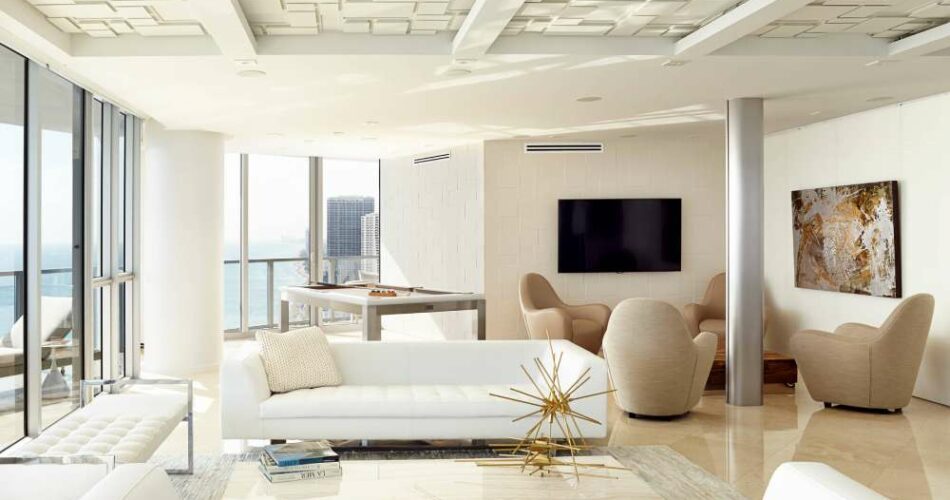
Imagine a space where every curve and contour serves a purpose, a realm where the excess is stripped away, leaving only the essential, the soothing, and the pure.
Welcome to the serene world of minimalist home decor—a design philosophy that champions the ‘less is more’ approach, echoing through unfettered walls and uncluttered surfaces. Seekers of peace, aficionados of aesthetics, you’ve found your haven.
Here, in these paragraphs, expect revelations that transform your quarters into a minimalist masterpiece. This isn’t just about subtraction; it’s about optimizing your habitat for harmony and tranquility.
Discover how to let natural light bathe your spaces, making shadows and silhouettes dance. Learn to select furnishings that don’t just occupy space but elevate it, and to curate color palettes that speak in soft whispers.
Engage, and you shall unravel the secrets to crafting a minimalist sanctuary. Dive into discussions on sustainable living, smart storage solutions, and the touch of nature with biophilic design.
Tread a path to ascetic allure, to a life unburdened, to a home that mirrors clarity of mind and spaciousness of heart.
Minimalist Home Decor
Minimalism Rocks
Hey there, I’ve been a minimalist for a while now and I love it! So, let’s dive into some cool ideas for your home, shall we?
Less is More
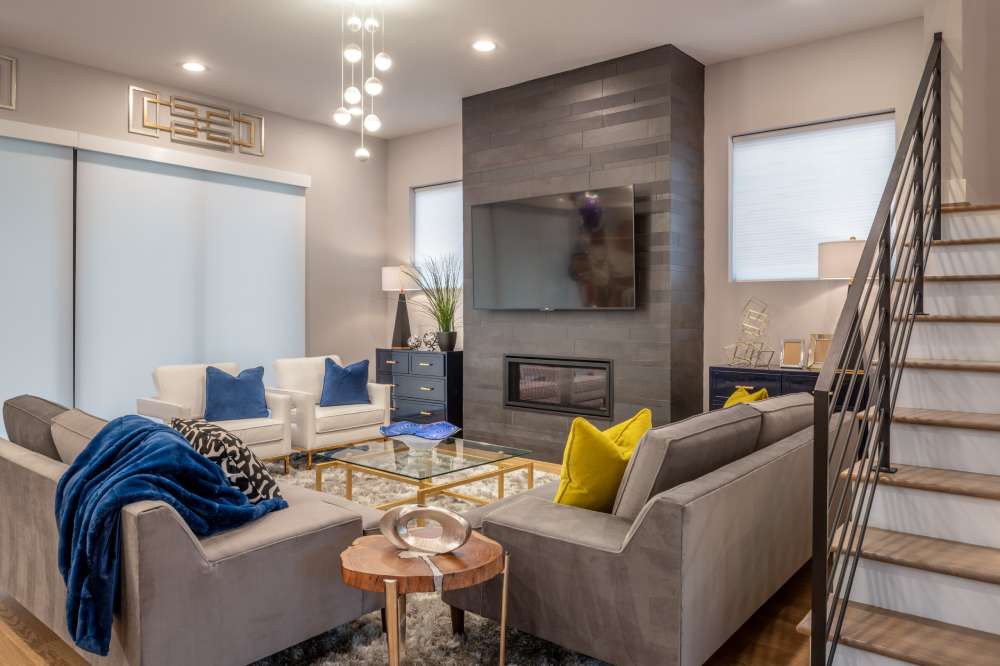 Image source: The Design Firm
When decorating your home, keep it simple. Less is more, as they say. Choose a few key pieces of furniture that you absolutely love, and make them the focal point of the room.
Embrace the Walls
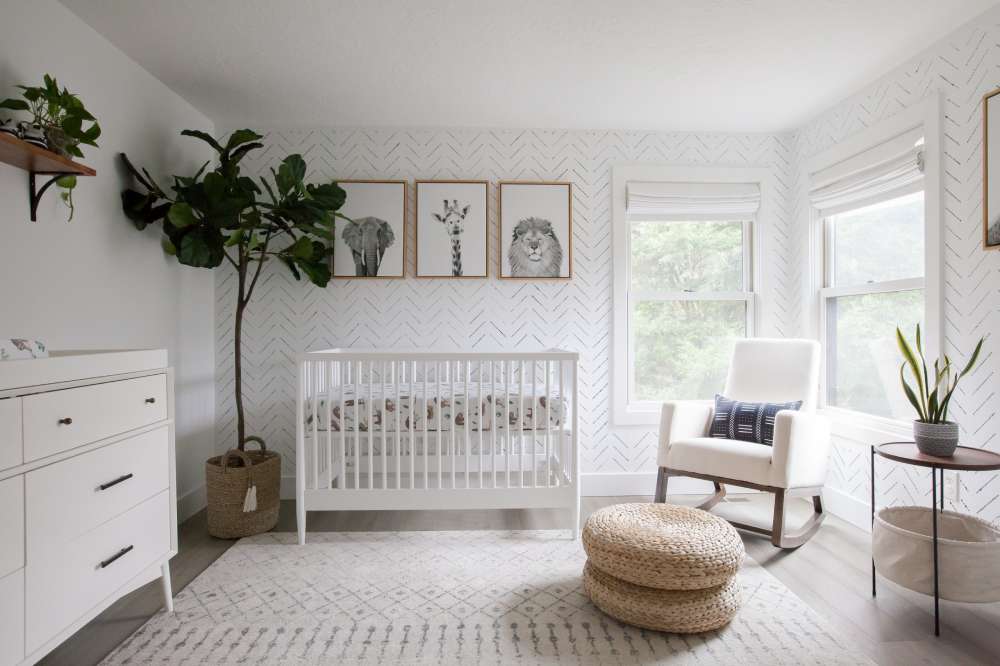 Image source: Parlour & Palm
Wall space is your friend. You know what? Don’t overdo it with the artwork. Instead, opt for one or two striking pieces that will create a statement and allow the wall color to shine through.
Nature’s Beauty
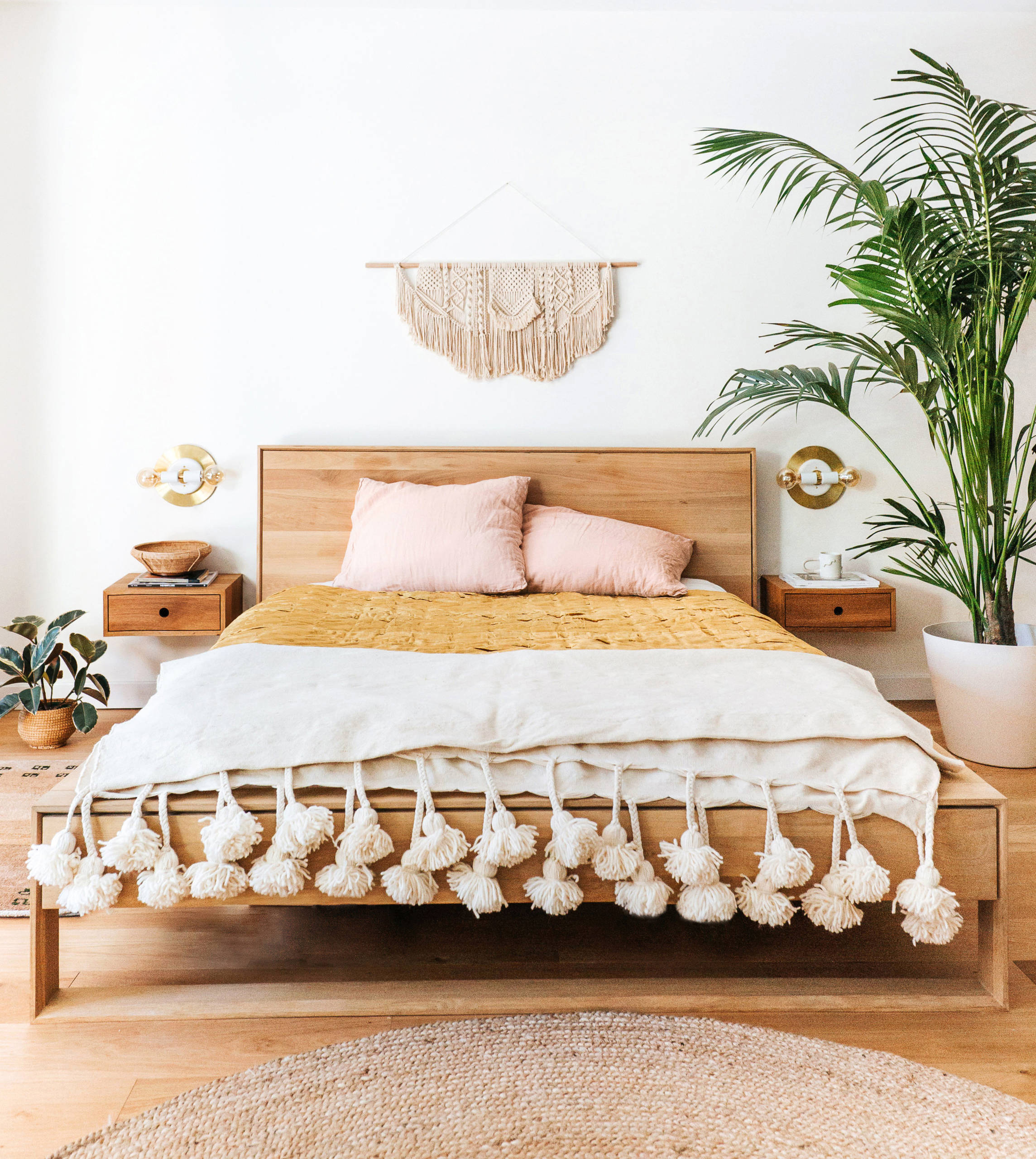 Image source: Erin Roberts Design
Incorporate natural elements like wood, stone, and plants into your home. They’ll not only bring life to the space, but they’ll also add that touch of serenity and calmness that we all need.
Light it Up
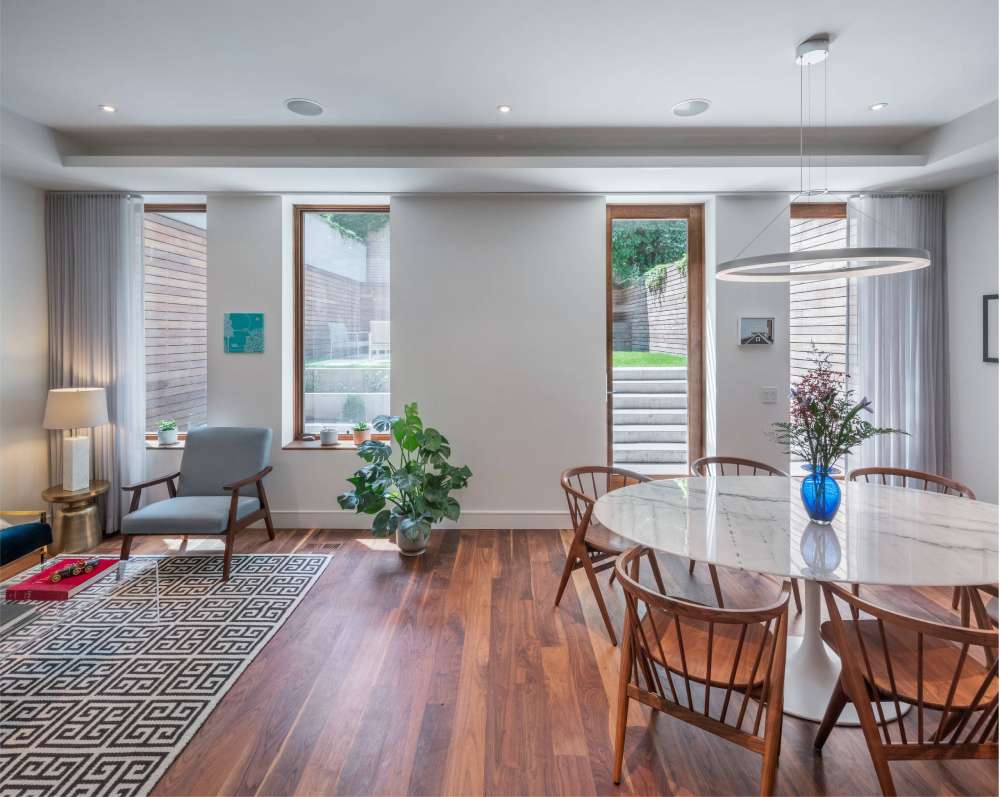 Image source: Mabbott Seidel Architecture
Brighten your space with lighting that suits your style. Go for floor lamps or pendant lights to create a cozy atmosphere, and remember to choose energy-efficient bulbs.
Muted Colors Rule
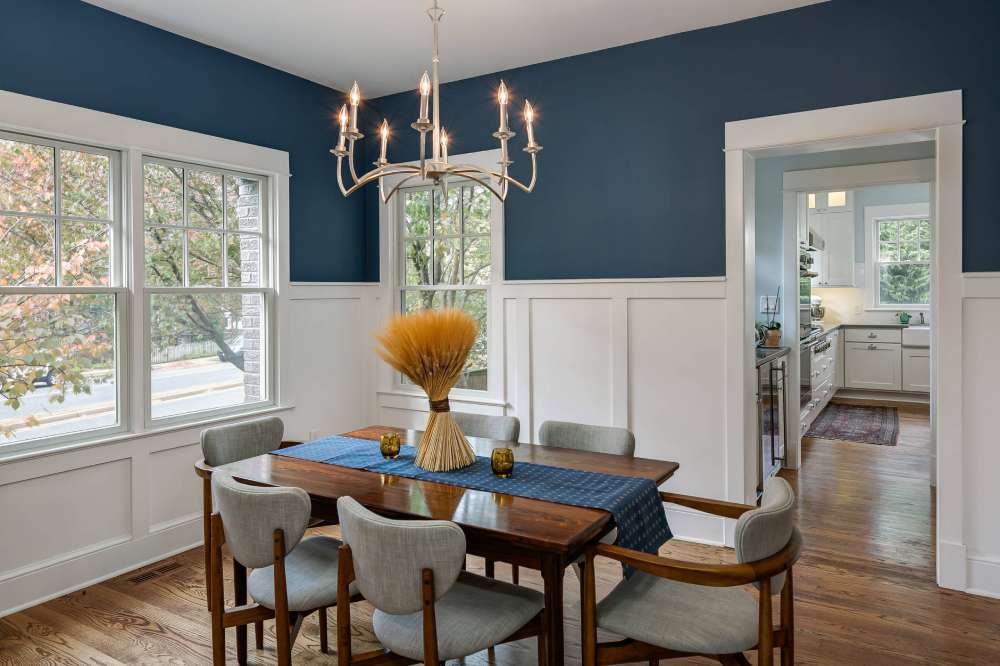 Image source: Moser Architects PLLC
When it comes to color, stick to muted, neutral shades. This will make your space feel airy and spacious while allowing your furniture and decor items to stand out.
Minimalist Artwork
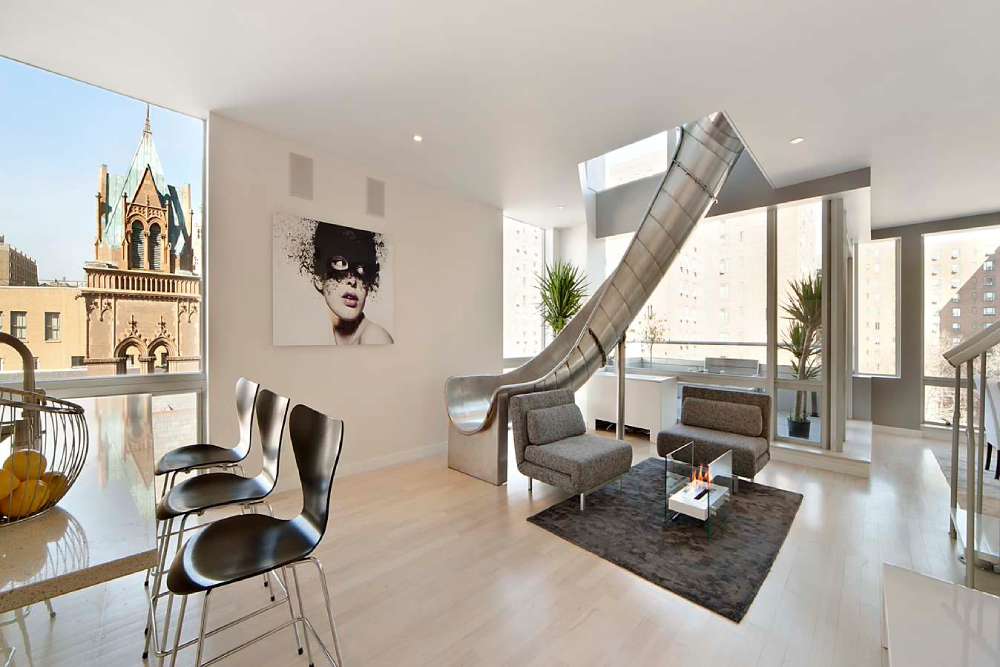 Image source: Joyce Elizabeth
Choose art pieces that resonate with you and reflect your minimalist approach. It’s not about filling every wall, but rather selecting meaningful pieces that evoke emotion.
Multi-Functional Magic
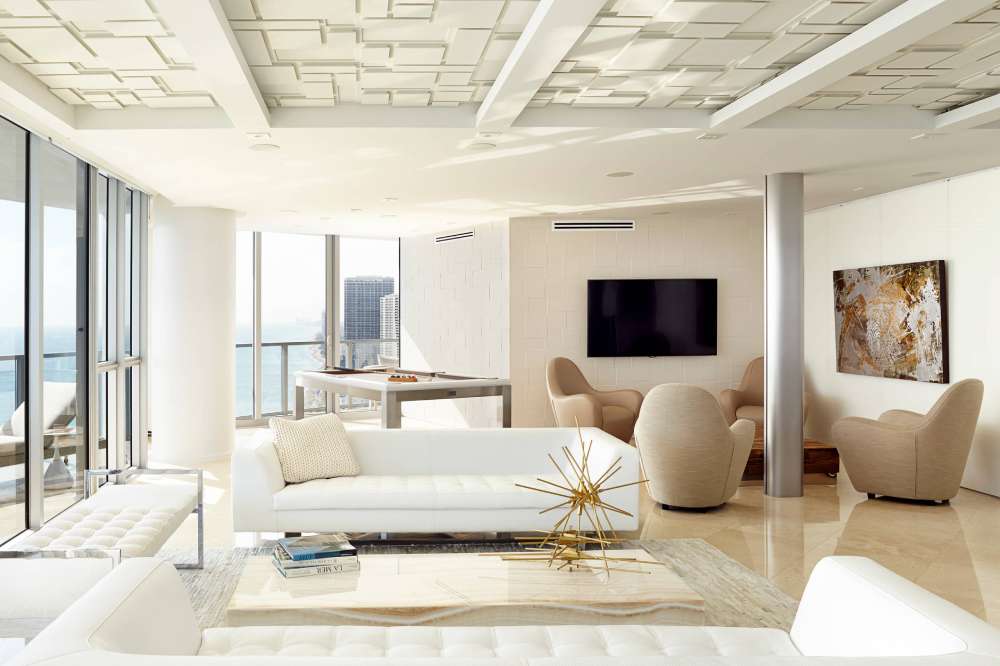 Image source: BBH Design Studio
Make the most of your space with multi-functional furniture. Think storage ottomans, sofa beds, or foldaway tables – these pieces can serve multiple purposes while keeping your home clutter-free.
Open Shelves
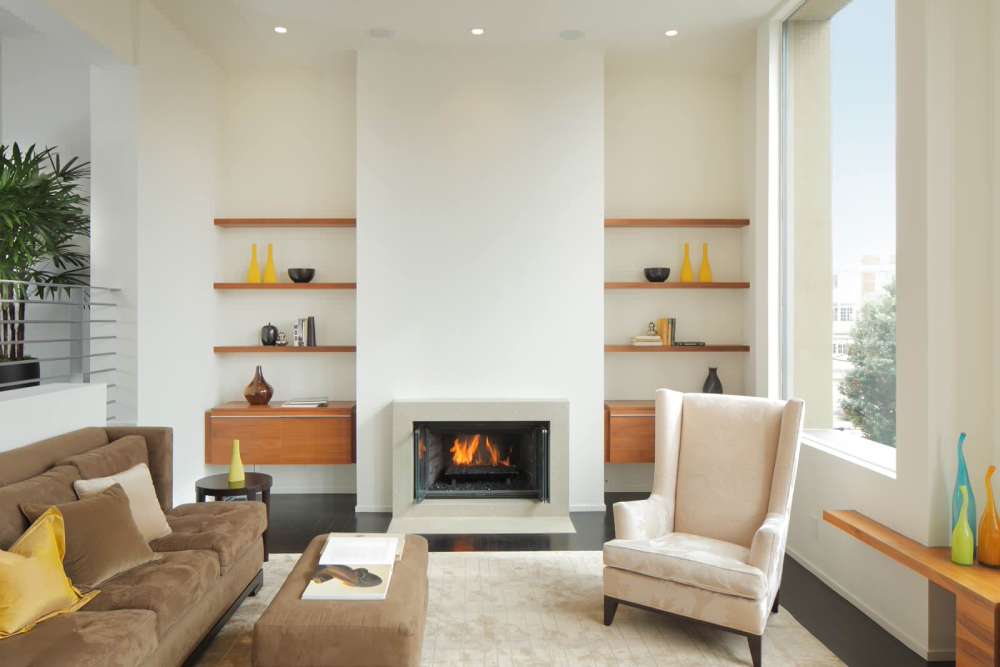 Image source: EAG Studio
Replace bulky cabinets with open shelving. This will not only make your space feel more open, but it’ll also give you an opportunity to display your favorite items and add personality.
Go Green
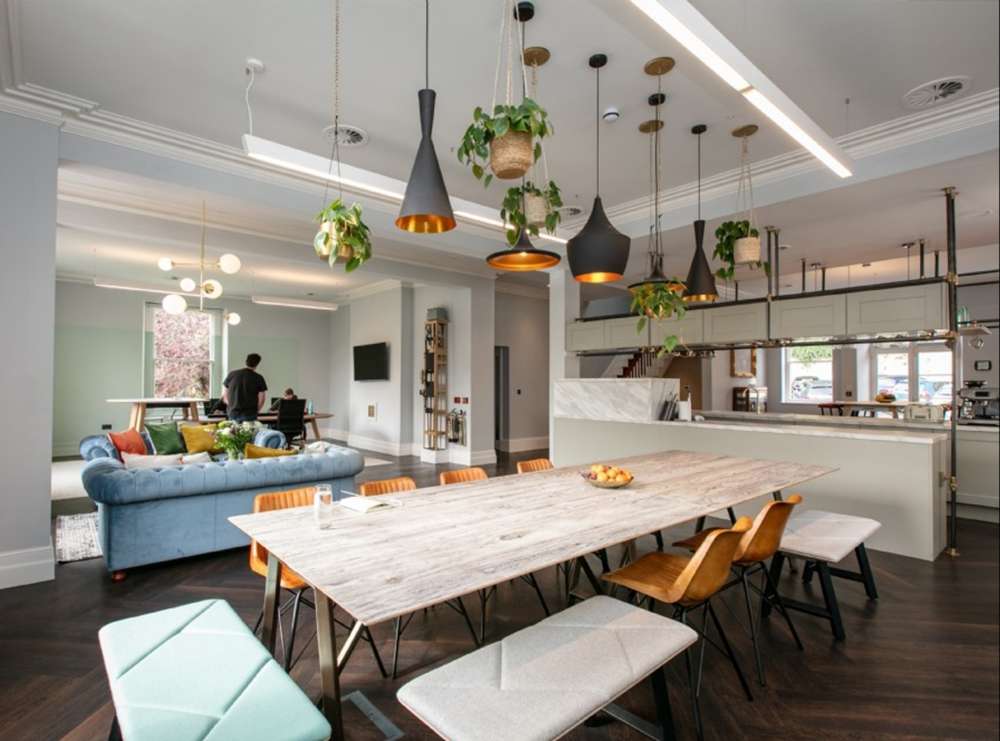 Image source: HiiGuru
Adding plants to your home can bring life to any room. They purify the air and add a touch of nature to your minimalist space. Plus, they’re just so darn pretty!
Clean Lines
Look for furniture with clean lines and simple forms. This will enhance the minimalist vibe and create a sense of harmony and balance within your space.
Declutter Regularly
Make decluttering a habit. Regularly assess your belongings and let go of anything that doesn’t serve a purpose or bring joy to your life.
Minimalist Storage
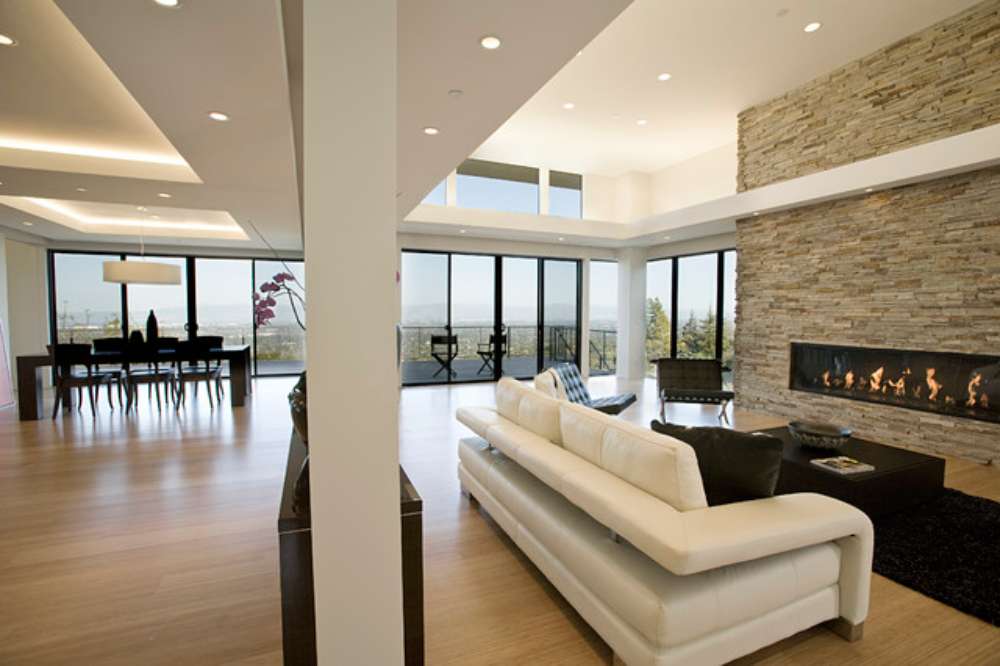 Image source: Jeanne Taylor
Opt for minimalist storage solutions like floating shelves or hidden compartments to keep your space organized without sacrificing style.
Keep it Cozy
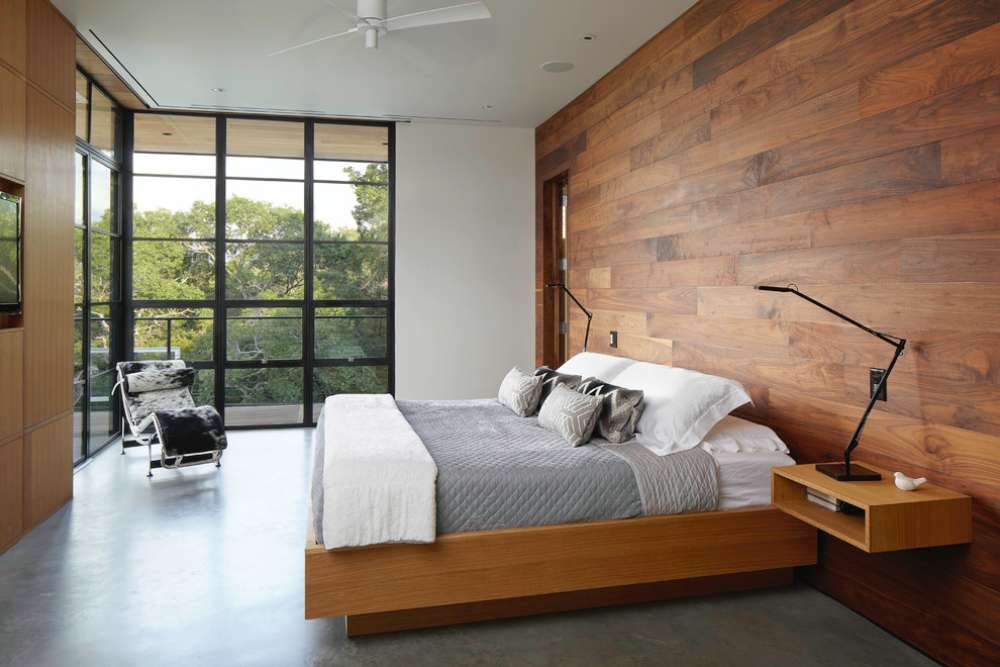 Image source: Cornerstone Architects
Don’t forget to add cozy elements like soft blankets, cushions, and rugs. They’ll create a warm and inviting atmosphere without compromising your minimalist aesthetic.
Texture Matters
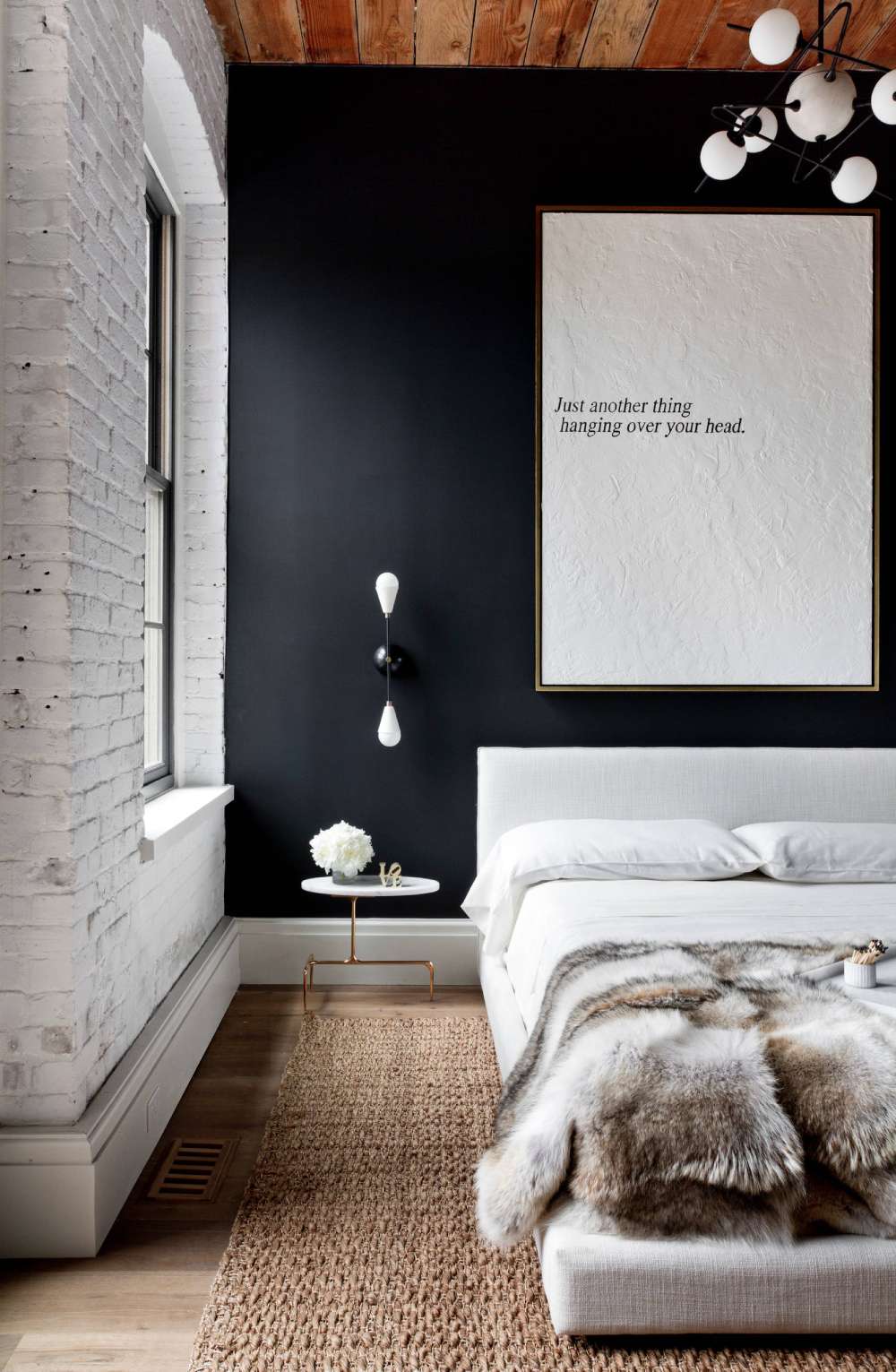 Image source: Tamara Magel Studio
Play with textures by incorporating different materials like linen, velvet, or cotton. This adds depth and interest to your space without being too visually overwhelming.
One Statement Piece
Let your space shine with a statement piece – it could be a stunning piece of art or an eye-catching piece of furniture. Just remember to keep everything else simple and subdued.
Curate Your Collections
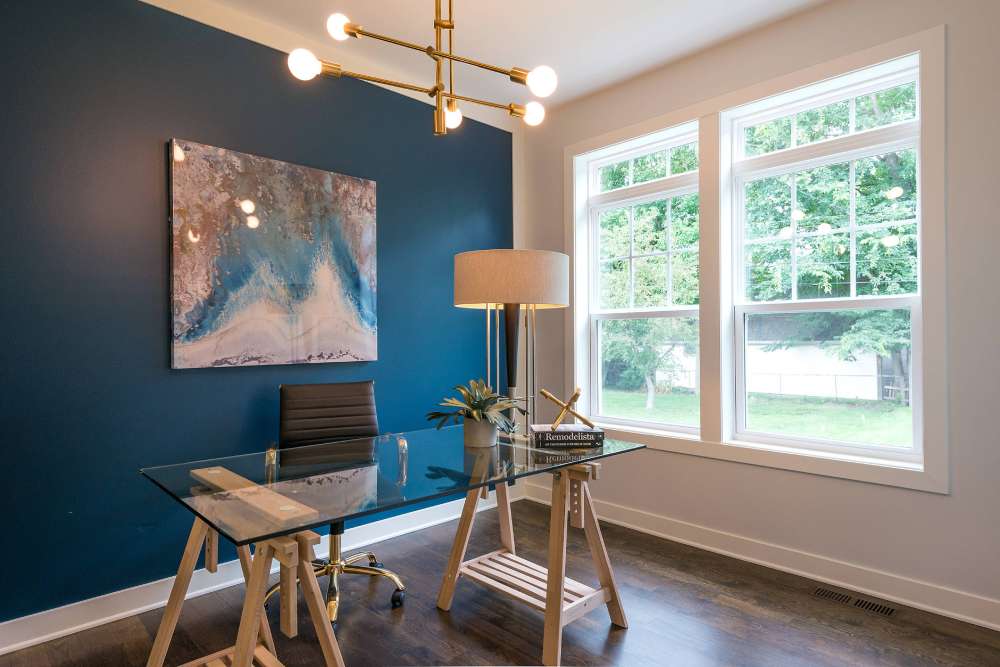 Image source: Niosi Design
Display your favorite collections in a thoughtful and organized manner. This not only shows off your passions but also adds a personal touch to your minimalist space.
Keep It Simple
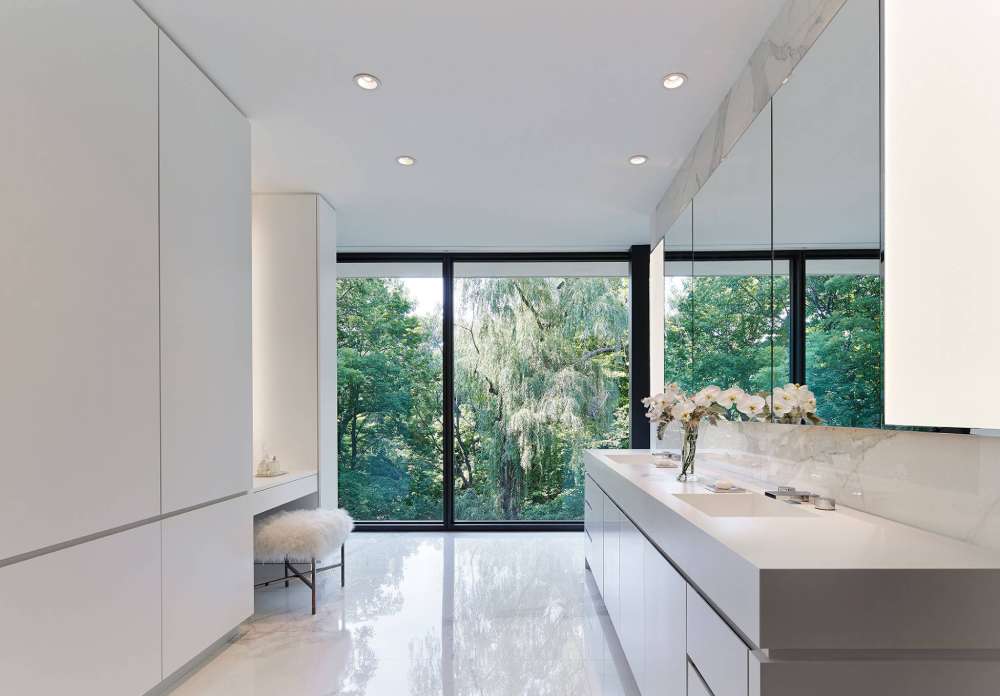 Image source: Robbins Architecture
When it comes to decorating, stick to simple, functional items. Avoid overcrowding your space with unnecessary knick-knacks and focus on pieces that serve a purpose.
White Space is Key
Don’t be afraid of white space. It’s essential in minimalist design and helps to create a sense of balance and tranquility in your home. Embrace the emptiness, and let your mind feel at ease.
Window Treatments
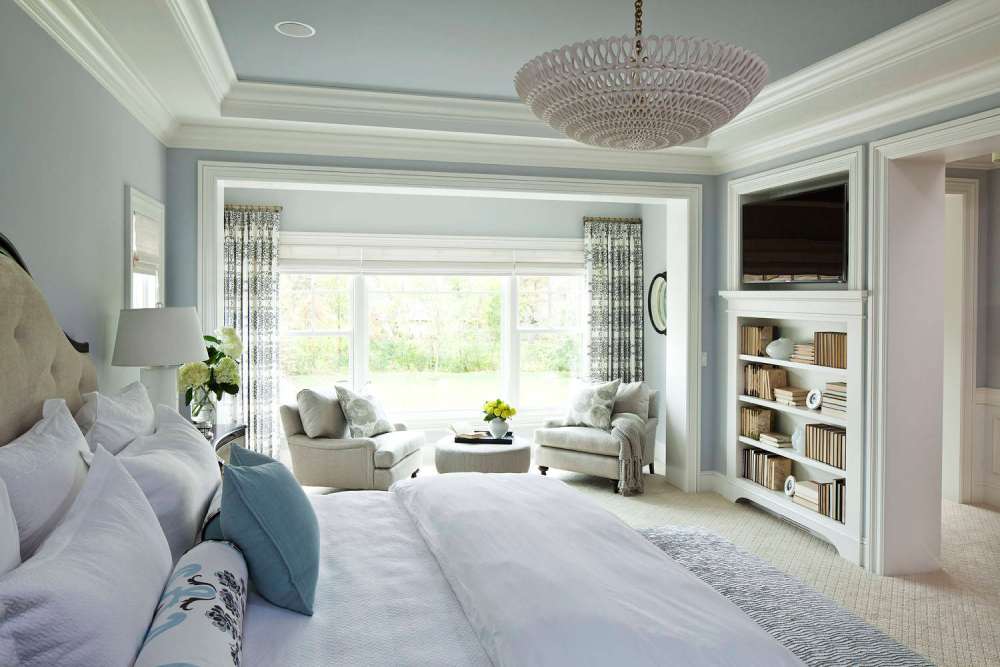 Image source: Martha O’Hara Interiors
Choose window treatments that let in natural light and don’t overwhelm the room. Simple curtains, blinds, or even sheer panels can make all the difference in creating a light, airy space.
Mirror Magic
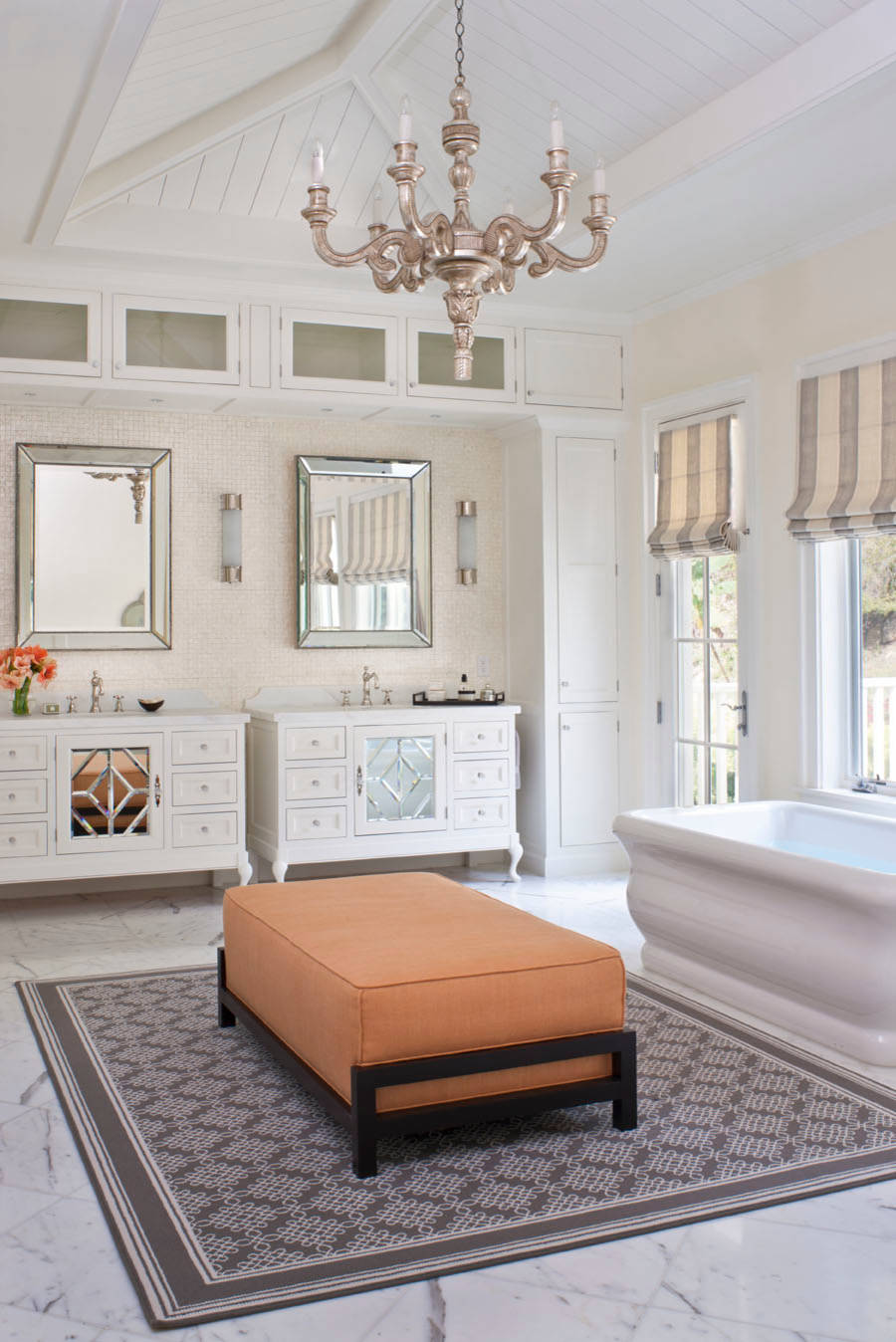 Image source: Walker Architects
Incorporate mirrors into your home to create the illusion of more space. A strategically placed mirror can make a room feel larger and more open, all while reflecting light and adding a touch of elegance.
FAQ On Minimalist Home Decor
How do I start with minimalist home decor?
Start with the purge. Clear the clutter, chuck what doesn’t serve a purpose or spark joy, á la Marie Kondo style. Focus on quality, not quantity, investing in a few sleek, functional pieces. Think neutral colors, clean lines, and everything that whispers simplicity.
Can minimalist decor be cozy?
Absolutely. Minimalist can mean warm; it’s all in the textures. Soft throws, plush rugs, minimalist design doesn’t have to be stark. Embrace organic materials like wool or bamboo for that touch of homeliness. Let in the daylight, add some potted greenery. Cozy, see?
What colors work best for minimalist interiors?
Neutrals rule – white, beige, gray. They’re the blank canvas of minimalist living. Keep it monochromatic or throw in some bold blacks or navy for visual harmony. It’s not just color, but how you play with it. Subtle. Understated. Elegant.
How do I select furniture for a minimalist home?
Opt for pieces that blend form and function. Streamlined shapes, space-saving designs. Choose a platform bed, a mid-century modern side table, or an Eames chair. Remember, each piece should have a purpose. If it doesn’t serve you, let it go.
What kind of decorations fit a minimalist style?
Minimalist isn’t synonymous with bare. Pick a few abstract artworks, maybe some simple pottery. Focus on quality, not quantity. Each decor element should be intentional, almost sculptural. Like pieces of a well-thought-out puzzle—the simpler, the better.
Are plants a good addition to minimalist decor?
Definitely. They add life and a slice of the outdoors. Stick to one or two types of plants for a more harmonious aesthetic. Succulents, peace lilies, or bamboo can inject a green, Zen vibe without overpowering the space. Biophilia is your friend.
How does lighting impact minimalist home decor?
Lighting is huge. It’s like the sun and moon for your interior universe. Natural lighting first—sheer curtains or even bare windows. Then, strategic LED fixtures for that soft glow. Think floor lamps with clean profiles or recessed spotlights for that art-gallery feel.
What are the key principles of minimalist design?
Strip back to essentials. Clean, uncluttered spaces. Every object must earn its keep. Harmony in proportions and composition. Celebrate negative space, like the pauses in a symphony. It’s as much about the spaces you fill as those you don’t.
How do smart home technologies factor into minimalist decor?
Tech can synchronize with minimalist aesthetics nicely. Imagine smart storage solutions that tuck away neatly or home assistants that blend into the decor seamlessly.
Choose gadgets that serve multiple functions, preferably with a sleek design that complements rather than clutters.
How can I achieve a minimalist look on a budget?
Minimalism aligns with frugality. Hunt for cost-effective decorating options—DIY pieces, Ikea hacks, or second-hand finds. Basic materials and a little creativity go a long way.
Remember, having fewer but better things is the heart of minimalist decor. Keep it simple, keep it soulful.
Conclusion
We’ve journeyed through the essence of minimalist home decor, where less clutter translates to more space—for thoughts, for breaths, for life. It’s about embracing the boldness of simplicity, the elegance of functionality, and the quiet power of space that breathes.
- In your newfound sanctuary, each item stands tall in its right—deliberately chosen, purposeful, and in perfect sync with every other element.
- The colors, oh, the neutrality of it all—their soft whispers across walls and fabrics joining in a visual melody.
- This is design that’s alive, design that tells not just the time but the timeless. And lighting, let’s not forget how it plays its part, dancing through windows, articulating every corner, revealing the day’s mood.
Talk about smart storage solutions or touches of greenery; it’s clear that the minimalist approach isn’t mere aesthetics—it’s the crafting of an environment that encapsulates the very essence of home. Here’s to spaces that don’t just look good but feel right, to homes that rise to greet you after a long day, to the art of living minimally but meaningfully.
If you liked this article about minimalist home decor, you should check out this article about vintage home decor.
There are also similar articles discussing Art Deco home decor, nautical home decor, bohemian home decor, and rustic home decor.
And let’s not forget about articles on African home decor, shabby chic home decor, urban home decor, and southwestern home decor.