Most study rooms fail because they’re an afterthought. A spare chair, a wobbly desk, maybe a lamp that’s too dim. Then people wonder why they can’t focus for more than twenty minutes.
A well-designed study room changes that. The right desk placement, wall color, lighting setup, and storage system turn an ignored corner into a space where creative study room ideas actually translate into real productivity.
This guide covers room layout, color schemes, ergonomic furniture, shelving, soundproofing, and tech setup. Every recommendation is specific, with actual dimensions, product references, and tested approaches that work in rooms of all sizes.
What Is a Creative Study Room
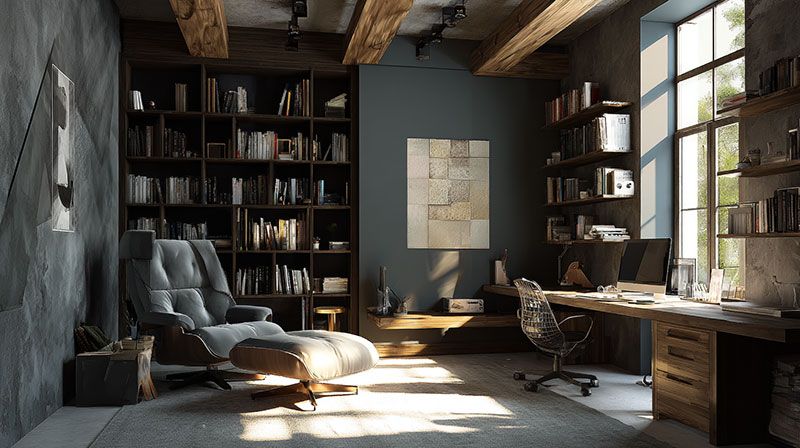
A creative study room is a dedicated space designed for reading, working, and focused thinking, where the layout, furniture, and decor all support concentration and personal comfort.
It goes beyond just placing a desk and a chair in a spare bedroom corner. The room itself becomes a tool for productivity.
Every surface, every shelf, every light source plays a role. The desk placement affects how long you can sit without getting restless. The wall color changes how alert or calm you feel. Even the rug under your feet shifts the acoustics of the room.
A well-planned study room accounts for ergonomics, storage, sound control, and visual calm. It blends function with personal taste so the space feels like yours, not like a catalog page.
Some people lean toward a minimalist interior design approach, keeping only what they need on the desk. Others fill the shelves with books, framed photos, and collected objects that make the room feel lived-in.
Both work. What matters is that the room matches how you actually study, not how you think you should.
How Does Room Layout Affect Study Performance
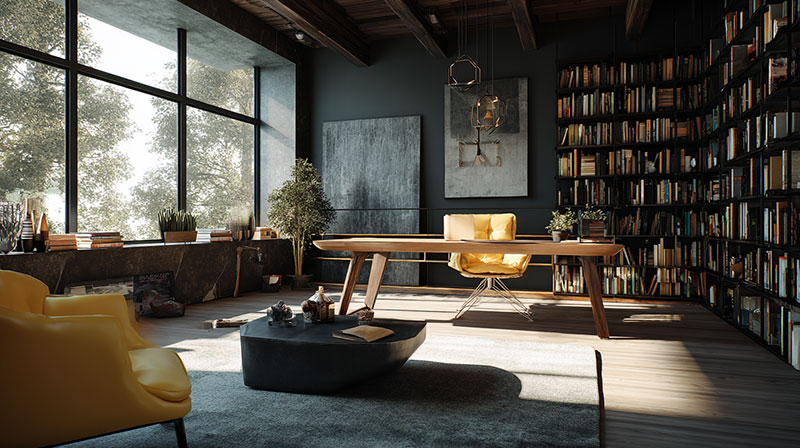
The layout of a study room directly affects how well you concentrate, how quickly you fatigue, and how often you get up to look for things you need.
A 2019 study published in the journal Building and Environment found that room arrangement and furniture positioning had measurable effects on cognitive task performance. Students in well-organized, spatially balanced rooms scored higher on sustained attention tests than those in cluttered or poorly arranged spaces.
This makes sense if you think about it practically. A desk shoved into a dark corner with your back to the door creates a completely different working experience than a desk placed near a window with a clear sightline to the entrance.
Good space planning in interior design starts with traffic flow. You want to move from the door to the desk to the bookshelf without bumping into anything or squeezing past furniture edges.
The relationship between your desk, your storage, and your light source forms a triangle. Keep that triangle tight and you cut unnecessary movement during study sessions.
What Is the Best Desk Placement for Focus
Place the desk perpendicular to the window so natural light hits from the side, not behind the monitor. Facing a wall reduces visual distraction; keeping the door in your peripheral vision prevents the subconscious unease of an exposed back.
Avoid placing the desk directly under a ceiling light, as it creates glare on screens and papers.
How Much Floor Space Does a Study Room Need
A functional study room works in as little as 70 square feet if the furniture fits the scale and proportion of the room. Leave at least 36 inches of clearance behind the chair for pushing back and standing up.
Rooms under 80 square feet benefit from wall-mounted shelves and fold-down desks to keep floor space open.
Which Color Schemes Work Best for Study Rooms

Color affects mood, focus, and perceived room temperature. The wrong shade makes a study room feel either sterile or distracting.
Research from the University of Texas found that white and beige rooms increased error rates during cognitive tasks. Meanwhile, low-saturation blues and greens improved sustained attention in test subjects across multiple studies conducted between 2009 and 2020.
That doesn’t mean you paint the whole room navy. A muted blue-gray on the walls with warm wood tones on the desk and shelving creates a space that feels calm without being cold. Benjamin Moore’s “Quiet Moments” (1563) and Farrow & Ball’s “Light Blue” (No. 22) are solid starting points for a study room wall.
Understanding color in interior design helps here. Cooler tones recede visually, making small rooms feel larger. Warmer tones pull walls closer, which works well in rooms that feel cavernous or impersonal.
How Do Warm Tones Compare to Cool Tones in a Study Room
Cool tones (blues, greens, soft grays) support focus and reduce eye fatigue during long sessions. Warm tones (cream, soft terracotta, warm beige) add comfort but can feel drowsy in a room without strong natural light.
The best approach for most study rooms: cool-toned walls with warm-toned furniture and accessories. This way you get alertness from the walls and coziness from the objects you touch.
What Accent Colors Add Creativity Without Distraction
Mustard yellow, olive green, and burnt sienna work as accent colors on a single shelf backing, a desk lamp, or one accent wall. These colors stimulate without overwhelming.
Keep accents to roughly 10% of the room’s visible surfaces. More than that and the “accent” becomes the dominant scheme, which defeats the purpose.
A deeper look at color theory in interior design shows that complementary accent pairings (like a dusty blue wall with a single burnt orange throw pillow) create visual interest without competing for your attention.
What Lighting Setup Improves Study Room Productivity
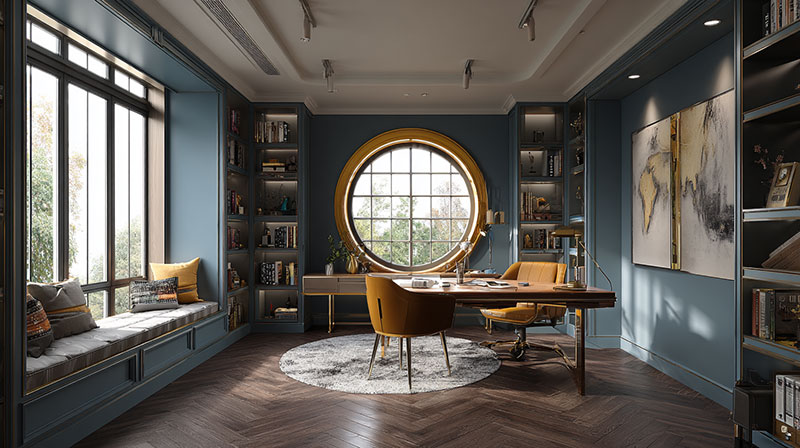
Lighting is the single most underrated element in a study room. Poor lighting causes eye strain, headaches, and that foggy feeling after an hour of reading.
A productive study room uses three layers of light: ambient lighting for general illumination, task lighting at the desk surface, and accent lighting to reduce contrast between the bright desk and the dark room around it.
The recommended illuminance for reading and detailed desk work is 300 to 500 lux. Most bedroom ceiling lights produce around 150 lux at desk height. That’s not enough.
Understanding how light works in interior design means thinking about color temperature too. A LED desk lamp rated between 4000K and 5000K mimics daylight and keeps you alert. Below 3000K feels warm and relaxed, better for evening reading than active studying.
How Does Natural Light Change a Study Room
North-facing rooms get consistent, soft light all day with no direct glare. South-facing rooms flood with sunlight but need window treatments like sheer curtains or adjustable blinds to control intensity.
Position the desk so natural light enters from the left side if you’re right-handed, and from the right if you’re left-handed. This prevents your hand from casting a shadow over your work.
What Type of Desk Lamp Reduces Eye Strain
Choose an adjustable-arm LED lamp with a Color Rendering Index (CRI) above 90. BenQ and Dyson both make lamps specifically designed for long desk sessions, with wide light bars that spread illumination evenly across the work surface.
Avoid lamps with exposed bulbs. The direct glare point creates a harsh contrast between the bright spot and the surrounding area, which tires the eyes faster.
Which Desk Styles Fit a Creative Study Room
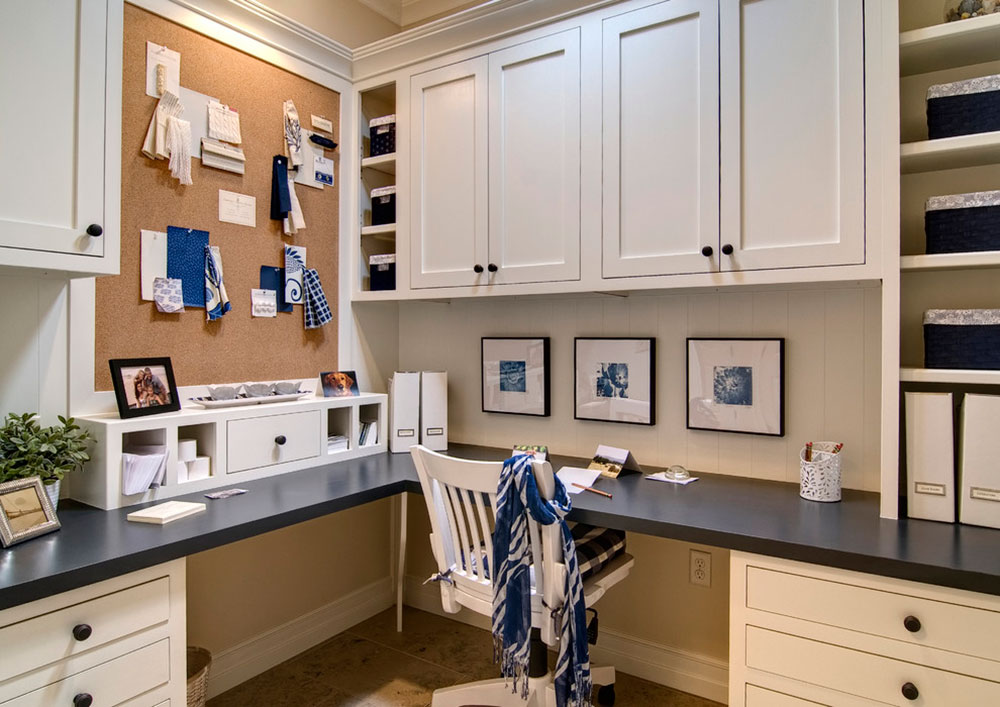
Image source: Farinelli Construction Inc
The desk is the center of any study room. Everything else, the chair, the shelving, the lighting, orbits around it.
Choosing the right desk depends on three things: room size, study habits, and how much surface area you actually use. A person who works mostly on a laptop needs far less desktop real estate than someone who spreads out textbooks, notebooks, and reference materials.
An L-shaped desk fits corner placements and gives you two separate work zones. A floating wall-mounted desk saves floor space in rooms under 80 square feet. A vintage writing desk in solid oak or walnut adds character but usually offers less storage.
Standing desks from brands like Autonomous have gained popularity for study rooms, especially the sit-stand models that let you switch positions during long sessions. At least in my experience, alternating between sitting and standing every 45 minutes keeps energy levels more stable than sitting for three hours straight.
The form of the desk also affects the room’s visual weight. A slim-legged mid-century desk feels lighter in a small room than a heavy pedestal desk with solid side panels.
What Is the Ideal Desk Height for Long Study Sessions
Standard desk height is 28 to 30 inches, designed for people between 5’8″ and 5’10”. If you’re shorter or taller, an adjustable-height desk or a keyboard tray corrects the mismatch. Your elbows should rest at roughly 90 degrees when typing.
How Do Built-in Desks Compare to Freestanding Desks
Built-in desks maximize every inch and look clean, but they’re permanent and you can’t rearrange the room later. Freestanding desks offer flexibility and easier replacement.
For renters or anyone who moves frequently, a freestanding desk is the practical choice. For homeowners committing to a dedicated study room long-term, built-ins create a polished, custom look that adds resale value.
How to Organize Shelving and Storage in a Study Room
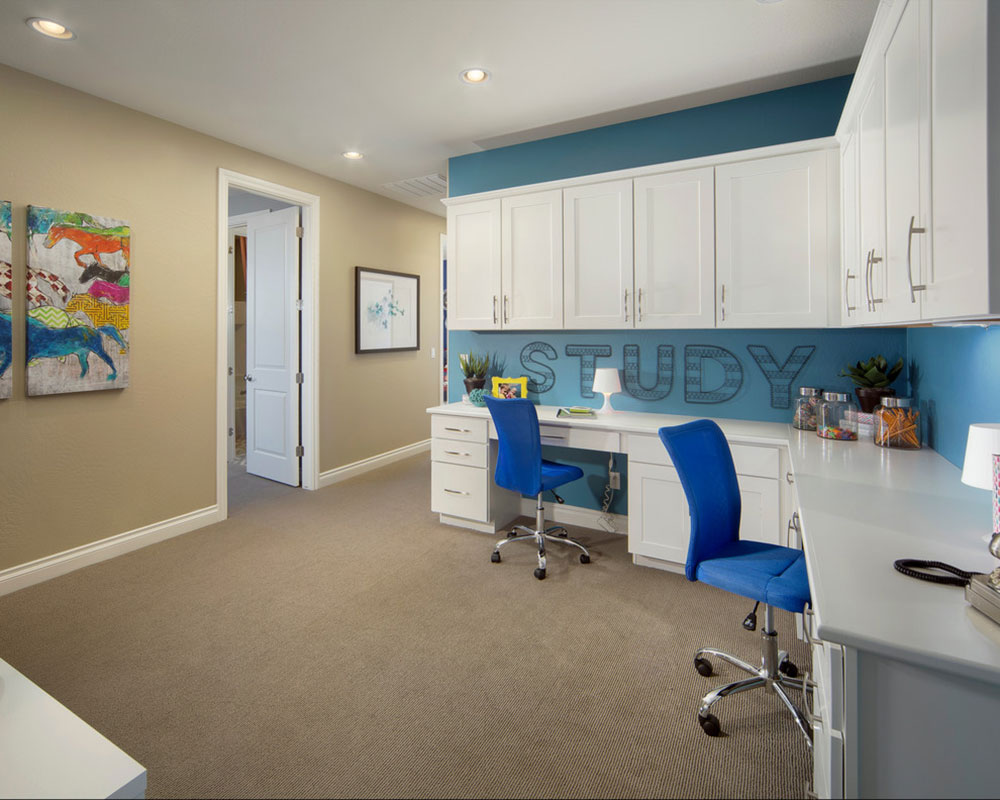 Image source: Meritage Homes
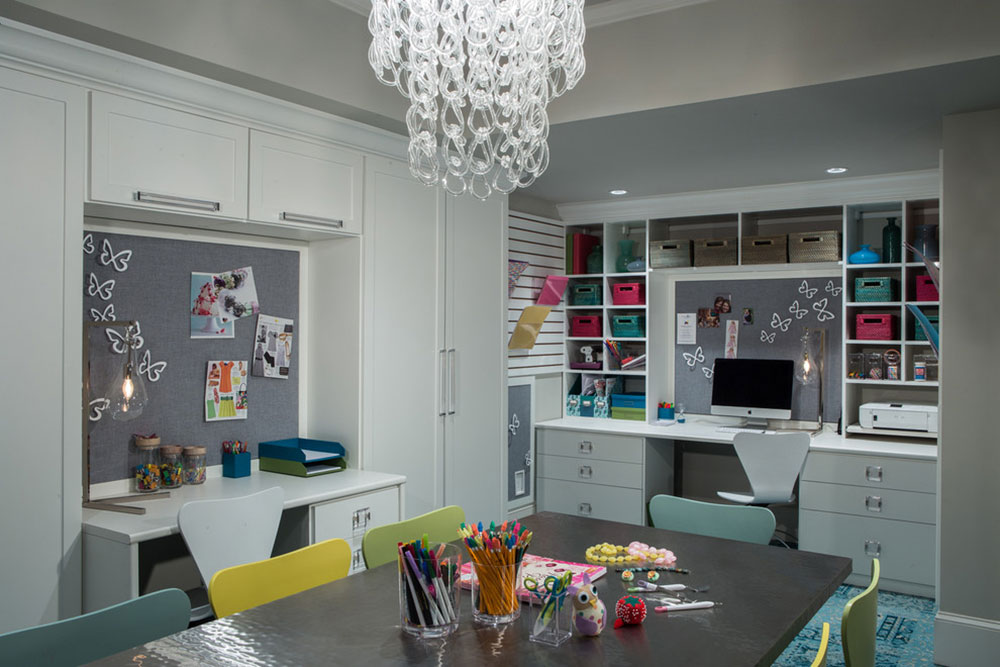
A study room without good storage turns into a pile of books and loose papers within a week. The shelving system you pick determines whether the room stays functional or slowly drowns in clutter.
Open shelving keeps frequently used items within arm’s reach. Closed cabinets hide the mess. Most productive study rooms use both.
Pegboards mounted above or beside the desk hold scissors, tape, headphones, and small supplies without taking up any desk surface. IKEA’s Kallax units work as room dividers and storage in one piece, which is useful if your study area shares space with a bedroom or living room.
The details in interior design matter here. Matching storage boxes, consistent shelf bracket finishes, and a clear system for what goes where all reduce visual noise.
What Shelf Arrangement Keeps Books and Supplies Accessible
Place daily-use items (pens, notebooks, chargers) at seated eye level. Books and reference materials go on the shelf directly above. Rarely touched items like archived folders or seasonal decor sit on the highest and lowest shelves.
How Do Floating Shelves Change the Look of a Small Study Room
Floating shelves remove visual bulk because there are no brackets or vertical supports visible. Install them 12 to 16 inches apart vertically, and check that your wall anchors support at least 20 pounds per shelf if you’re loading books on them.
What Seating Options Work for a Study Room
You’re going to sit in this chair for hours. Picking the wrong one costs you focus and, eventually, your lower back.
A good ergonomic task chair with adjustable lumbar support, seat depth, and armrest height is the baseline for any serious study room. Herman Miller’s Aeron and Steelcase’s Leap are industry standards, but there are solid budget options from brands like HON and Hbada that cover the basics.
Not every study session happens at the desk though. A window seat reading nook gives you a second spot for lighter reading, reviewing notes, or just taking a mental break without leaving the room.
Floor cushions work for casual reading if you’re under 30 and your knees still cooperate. After that, your mileage may vary.
How Does an Ergonomic Chair Differ from a Standard Office Chair
An ergonomic chair adjusts to your body; a standard chair makes your body adjust to it. Key differences: adjustable lumbar depth, seat pan tilt, 3D armrests, and breathable mesh backs that prevent heat buildup during long sessions.
Can a Reading Nook Replace a Desk Chair in a Study Room
Only for passive reading and light review. Active work (writing, typing, problem-solving) needs a proper desk and chair setup for posture support. A nook is a complement, not a replacement.
How to Add Personal Style to a Study Room
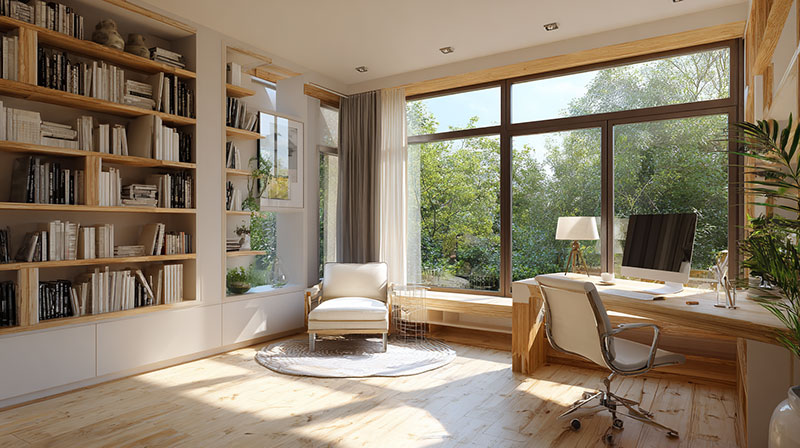
A study room that looks like a stock photo won’t hold your attention for long. Personal touches keep you connected to the space.
Gallery walls work well behind the desk or on the wall you face while sitting. Mix framed prints, postcards, and small objects on a narrow ledge shelf. Keep frames within the same color family (all black, all natural wood, all white) so the collection reads as intentional, not random.
The goal is creating a focal point that feels personal without pulling your eyes away from work every few seconds. One curated wall does this better than scattering decor across every surface.
Applying harmony in interior design means your personal items still connect to the room’s overall color scheme and mood. A vintage map in warm tones fits a study room with wood furniture and earthy walls. A neon poster in the same room creates a jarring disconnect.
What Wall Decor Works in a Study Room Without Causing Distraction
Muted typography prints, botanical illustrations, maps, and monochrome photography. Avoid anything with high-contrast colors or busy patterns directly in your line of sight while working. A cork board or blackboard on a single wall doubles as decor and a functional planning surface.
How Do Plants Affect a Study Room Environment
A 2022 study in the Journal of Environmental Psychology confirmed that indoor plants in workspaces reduced stress markers and improved self-reported focus. Pothos, snake plants, and ZZ plants survive low light and irregular watering, making them the best picks for rooms without direct sunlight.
Place them on the corner of the desk, on a high shelf, or on the windowsill. A biophilic design approach brings nature closer to the work surface, which has measurable effects on attention span.
Which Flooring and Rugs Suit a Study Room
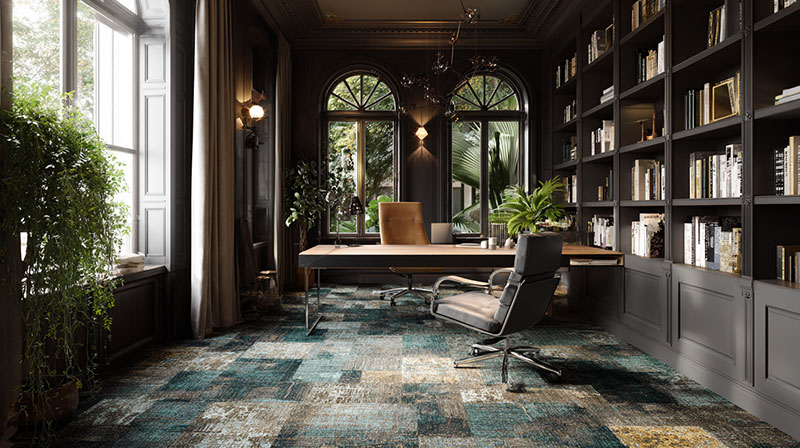
Flooring affects noise, chair mobility, and the overall warmth of the room. Hardwood looks clean and rolls well under desk chairs, but it reflects sound and feels cold underfoot in winter.
Carpet absorbs noise, which helps in soundproofing a home office, but rolling chairs catch and drag on carpet fibers. If you have carpet, use a hard chair mat under the desk.
The best middle ground is hardwood or laminate flooring with a flat-weave rug placed under the desk area. Wool and cotton flat-weaves hold up under chair wheels better than high-pile options. Choose a rug large enough that the desk legs and chair all sit on it, typically a 5×8 or 6×9 depending on the room.
If you’re working with wood floors, a rug with muted tones pulls the room together without competing with the grain pattern underneath.
How to Design a Study Room in a Small Space
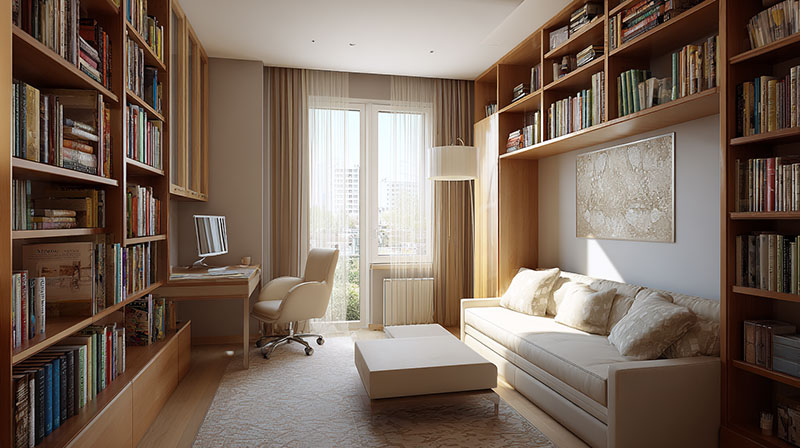
Small rooms force better decisions. You can’t hide bad planning behind extra square footage.
Every piece of furniture in a room under 100 square feet needs to earn its place. If it doesn’t serve at least two functions, it probably doesn’t belong there. A bench with built-in storage. A wall-mounted desk that folds flat. A vertical storage unit that uses height instead of floor area.
Mirrors on the wall opposite the window bounce light deeper into the room and create the illusion of more depth. Light wall colors (soft white, pale gray, warm cream) keep the room from feeling compressed. Knowing how to make small rooms look bigger comes down to controlling light, color, and visual clutter.
What Furniture Works Best in a Study Room Under 80 Square Feet
- Wall-mounted fold-down desk (saves 6 to 8 square feet when closed)
- Narrow console desk (40 to 48 inches wide, 18 to 20 inches deep)
- Ladder shelving unit (leans against the wall, no anchoring needed for light loads)
- Slim task chair without armrests (tucks fully under the desk)
How to Turn a Closet Into a Study Nook
Remove the doors, install a shelf-depth desk at 29 inches from the floor, add a power strip and a wall-mounted LED task lamp. Paint the back wall a slightly different shade for a built-in contrast effect. Check ventilation; closets without airflow get stuffy fast, so keep the opening clear or add a small USB fan.
How Does Soundproofing Improve a Study Room
Noise kills concentration faster than almost anything else. A study from the British Journal of Psychology found that background speech reduced reading comprehension by up to 33% compared to silence.
You don’t need a recording-studio-level setup. Simple fixes make a significant difference.
Bookshelves placed against shared walls act as mass barriers that absorb and block sound transmission. Heavy curtains on windows reduce both outside noise and internal echo. Acoustic foam panels (even the affordable ones on Amazon) cut mid-to-high frequency reflections when placed at ear level behind the desk or on the wall facing you.
Adding texture through soft materials like thick rugs, upholstered chairs, and woven wall hangings absorbs sound naturally. Hard, flat surfaces bounce sound around; soft, uneven surfaces trap it.
What Are the Cheapest Ways to Reduce Noise in a Study Room
- Weatherstripping tape on the door frame (under $10, blocks the biggest gap)
- A heavy rug on the floor (reduces impact noise and echo)
- A full bookshelf against the shared wall (mass-loaded sound barrier for free if you already own the books)
- Door sweep at the base of the door (seals the undercut gap)
What Tech Setup Does a Modern Study Room Need

The tech in a study room should disappear into the background. If you’re constantly tripping over cables or hunting for a free outlet, the room is working against you.
Start with a USB outlet installed at desk height so phone and tablet chargers don’t run to the floor. A surge-protected power strip with at least 6 outlets covers the desk lamp, monitor, laptop charger, and whatever else you plug in.
Monitor arms mounted to the desk edge free up surface space and let you adjust screen height to eye level, which reduces neck strain. Philips Hue or similar smart lighting systems let you shift color temperature throughout the day: cooler and brighter in the morning, warmer and dimmer in the evening.
Clean lines in the room’s design depend heavily on how well you manage visible wiring. One messy cable cluster under the desk can undo an otherwise well-planned space.
How to Hide Cables in a Study Room
- Cable raceways (adhesive channels that stick to the wall or desk leg, painted to match)
- Desk grommets (circular pass-throughs drilled into the desktop for routing cables underneath)
- Under-desk cable tray (a mesh or metal basket screwed to the desk’s underside, holds power strips and excess cable)
- Velcro ties every 12 inches to bundle runs together into a single clean line
M Command strips and cable clips handle wall routing without drilling, which is ideal for renters. Run cables along baseboards where they’re naturally hidden by furniture.
FAQ on Creative Study Room Ideas
What is the best color for a study room?
Low-saturation blues and greens support focus during long study sessions. Muted shades like soft blue-gray or sage reduce eye fatigue without making the room feel cold. Pair cool walls with warm wood furniture for balanced comfort.
How do I set up a study room in a small space?
Use a wall-mounted fold-down desk, floating shelves for vertical storage, and a slim task chair without armrests. Light wall colors and a mirror opposite the window make the room feel larger. Every piece of furniture should serve two functions.
What type of desk is best for studying?
An adjustable-height desk between 28 and 30 inches works for most people. L-shaped desks fit corners and give you two work zones. For rooms under 80 square feet, a floating wall desk saves critical floor space.
How important is lighting in a study room?
Lighting directly affects focus, eye strain, and energy levels. A study room needs 300 to 500 lux at the desk surface. Layer ambient overhead light with a dedicated LED desk lamp rated between 4000K and 5000K for best results.
What plants work well in a study room?
Pothos, snake plants, and ZZ plants tolerate low light and irregular watering. Research shows indoor plants reduce stress and improve self-reported concentration. Place them on a windowsill, desk corner, or high shelf where they get indirect light.
How can I reduce noise in my study room?
Place a full bookshelf against shared walls, add a heavy rug on the floor, and install weatherstripping on the door frame. Thick curtains on windows cut outside noise. Acoustic panels at ear level behind the desk handle mid-frequency reflections.
What chair should I use for long study sessions?
An ergonomic task chair with adjustable lumbar support, seat depth, and armrest height. Herman Miller and Steelcase make top-tier options. Budget alternatives from HON and Hbada cover the basics at a fraction of the price.
How do I organize a study room effectively?
Keep daily-use items at seated eye level on open shelves. Use closed storage for archived materials. A pegboard above the desk holds small supplies off the surface. Consistent boxes and matching shelf brackets reduce visual clutter.
Can I turn a closet into a study nook?
Remove the doors, install a desk surface at 29 inches from the floor, and add a power strip with an LED task lamp. Paint the back wall a contrasting shade. Check airflow first, as closets without ventilation get uncomfortably warm.
What tech setup does a study room need?
A USB outlet at desk height, a surge-protected power strip, and a monitor arm to free up surface space. Cable raceways and an under-desk cable tray keep wiring hidden. Smart lighting lets you adjust color temperature throughout the day.
Conclusion
Putting together creative study room ideas comes down to making deliberate choices about layout, materials, and light. Not guessing. Not copying a Pinterest board and hoping it works.
Start with desk placement and ergonomic seating. Get the lighting layers right with a quality LED lamp and proper ambient coverage. Pick a color scheme that supports focus, like muted blues or soft greens from Benjamin Moore or Farrow & Ball.
Add storage that matches how you actually work. Floating shelves, pegboards, a Kallax unit. Whatever keeps the desk surface clear.
Then handle the things most people skip: acoustic panels for noise control, cable management under the desk, and a few indoor plants like pothos or snake plants to soften the room.
Small adjustments compound. A well-planned study room doesn’t just look good. It makes every hour of work more productive.

- Paint Colors That Go with Oak Floors - August 22, 2026
- Paint Colors That Go with Gray Floors - August 20, 2026
- What Color Bedding Goes with Dark Wood Furniture - August 18, 2026