
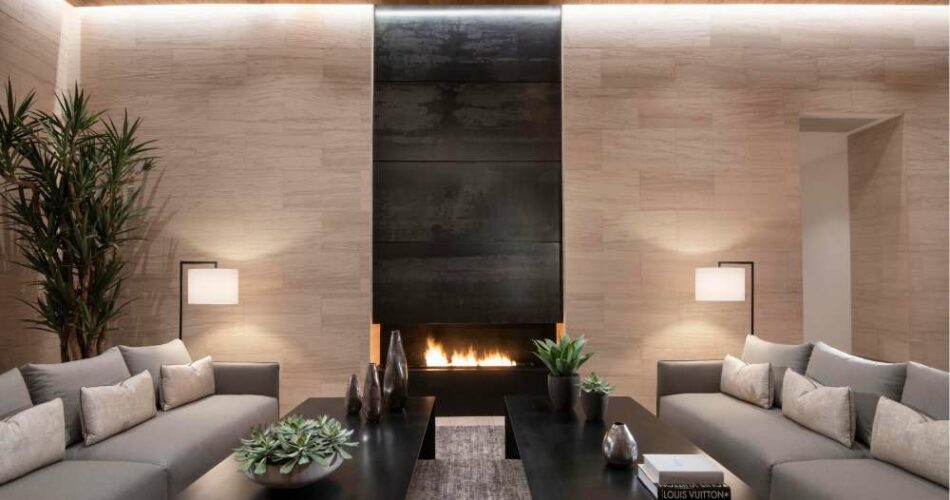
Imagine unwinding in a sanctuary where each element conspires to coax a deep exhale from the day’s hustle. Zen home decor isn’t just about aesthetics; it’s about crafting tranquility in our daily lives.
In a world that’s inundated with the constant buzz of notifications, it’s vital to carve out a personal nook of calm.
I’m here to guide you into transforming your abode into a serene retreat. We’ll infuse spaces with minimalist design, touch on balancing ambiance with Feng shui decorations, and explore natural elements that whisper peace.
Learn to incorporate calming color schemes and meditation room accessories that not only soothe your mind but cater to a deeper sense of well-being.
By the end, look forward to mastering the quintessence of zen-inspired living. From Japanese-inspired decor that speaks in hushed tones to the soft rustle of bamboo accents, each paragraph is a step closer to your personal nirvana. Let’s embark on this quiet journey together.
Zen Home Decor
A Serene Spot for Tea
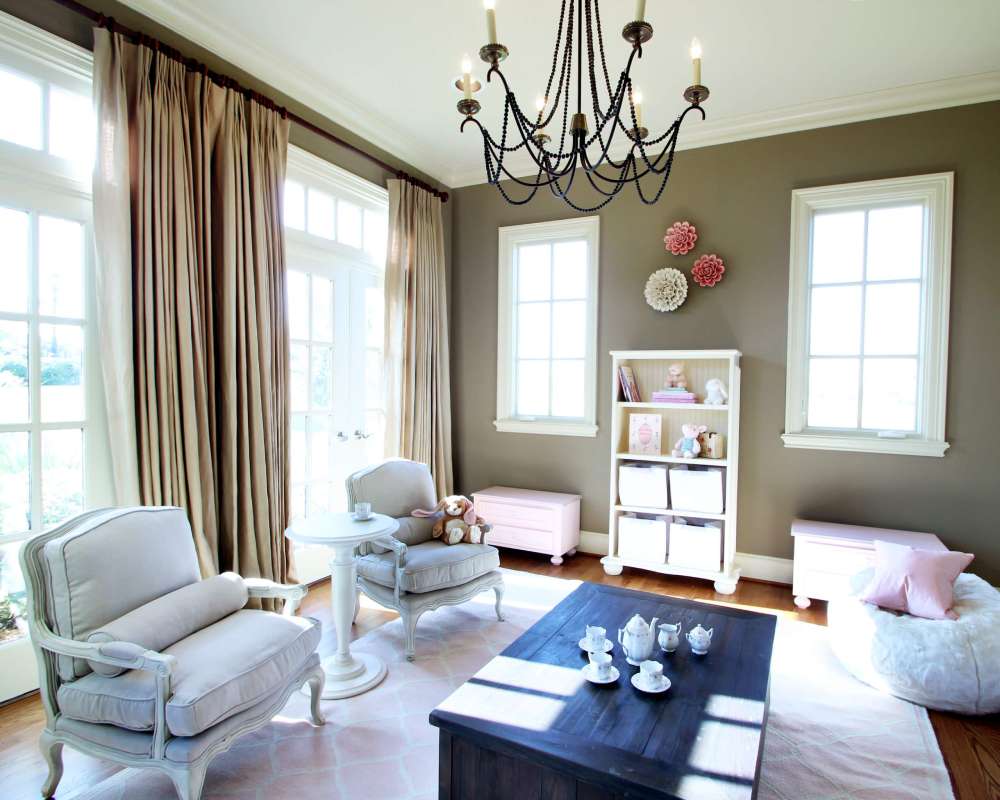 Image source: Marie Flanigan Interiors
Ever thought of dedicating a cozy little nook for sipping tea and unwinding? Transform a quiet corner of your house into a Zen tea sanctuary. Add a low table, a couple of floor cushions or a tatami mat, and you’ve got the perfect spot for relaxation. Surround it with natural elements like bamboo, stones, and a small indoor water feature. Voilà! You’ll be chilling like a Zen master in no time.
Bring in that Bamboo
Bamboo is the symbol of flexibility and resilience. Introduce this versatile plant to your home in various forms – from a bamboo wall divider to bamboo wind chimes. Bamboo furniture, like chairs, tables, and even lampshades, can create a soothing atmosphere that connects you with nature. The best part? It’s eco-friendly, strong, and oh-so-chic.
Minimalism for Maximum Calm
You know what they say: Less is more. For a Zen-inspired space, let’s say goodbye to clutter! Stick to a minimalist aesthetic and choose furniture with clean lines and neutral colors. The simpler, the better. Prioritize functionality, and make sure there’s plenty of empty space for your mind to wander. Your home will become your personal sanctuary before you know it.
Rockin’ Rock Gardens
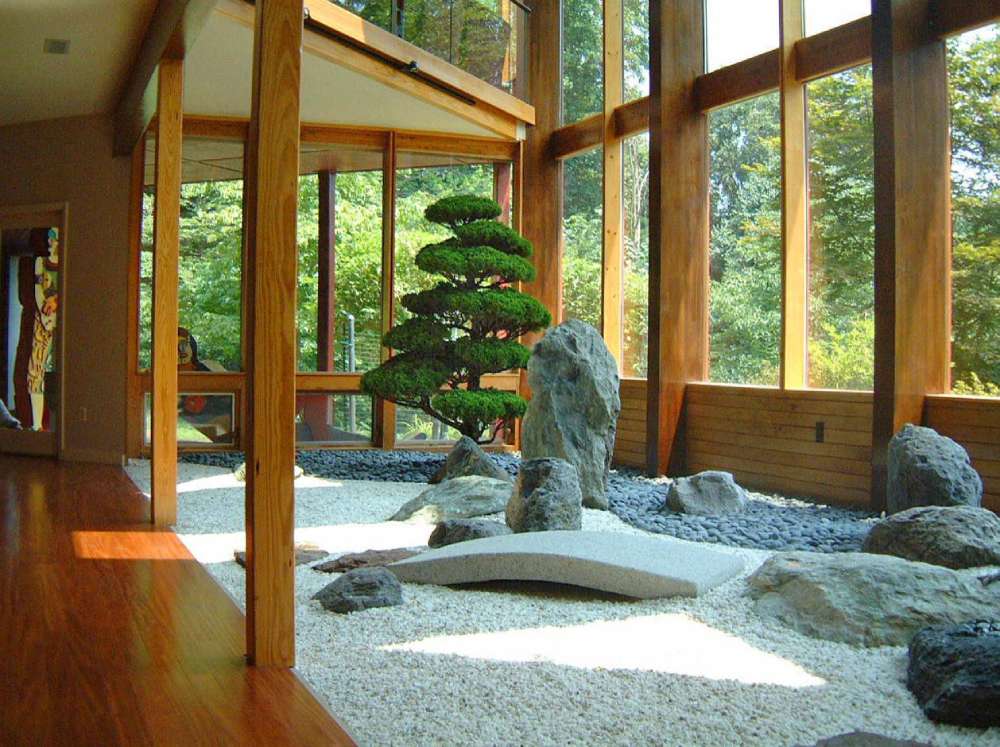 Image source: Lee’s Oriental Landscape Art
Bring the tranquil beauty of a Japanese rock garden indoors. Arrange different sizes of rocks, sand, and pebbles in a shallow container, like a bonsai tray or a wooden box. Using a small rake, create patterns that mimic the flow of water. Put this masterpiece on display and let it whisk you away to a world of Zen calm.
Zensational Walls
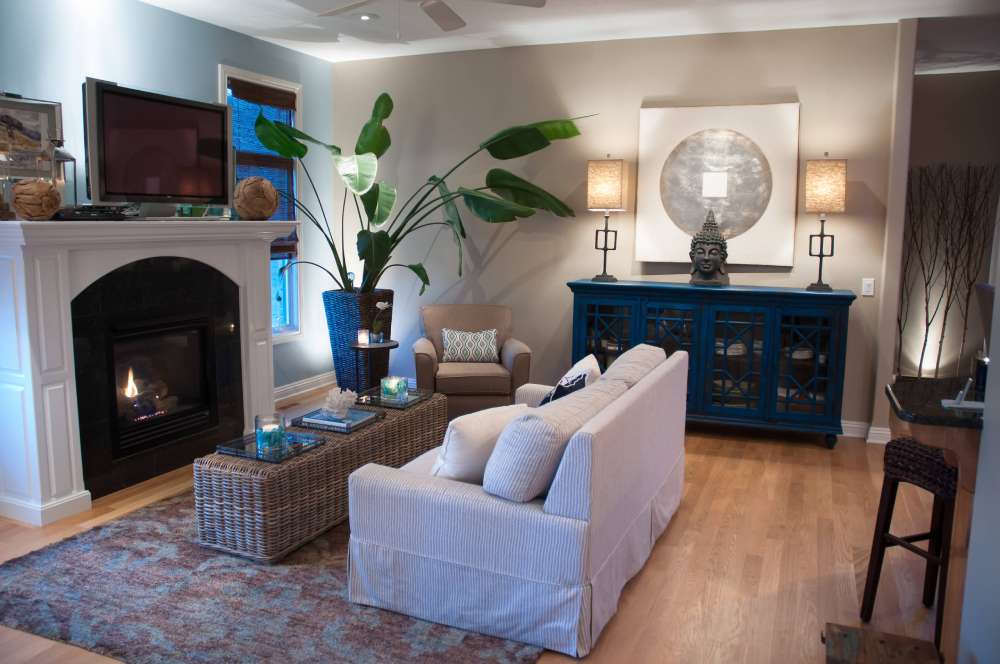 Image source: GMI Design Group
Bored of your plain walls? Switch things up with some nature-inspired wall art. Hang up Japanese calligraphy, a Zen quote, or a serene landscape painting. You can also create a gallery wall of calming images, such as cherry blossoms, sunsets, or waterfalls. With this artful approach, you’ll create a visually soothing environment.
The Sound of Silence
Want to instantly up the Zen factor? Add some soothing background sounds to your living space. You can use a white noise machine or download a meditation app. Opt for gentle, calming sounds like rainfall, ocean waves, or even Tibetan singing bowls. Before you know it, your home will be a stress-free zone.
Go Green or Go Home
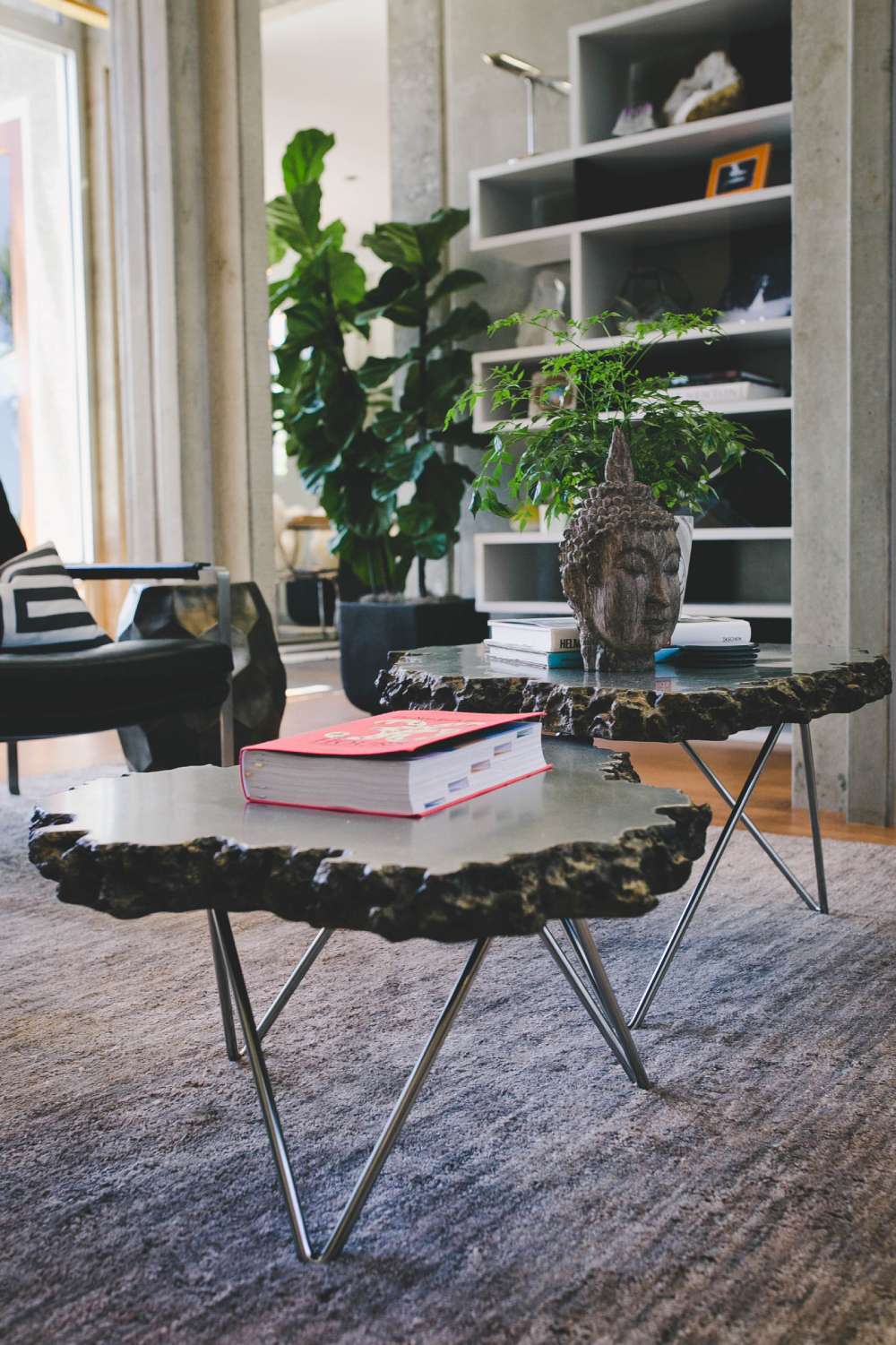 Image source: M. Swabb
Bring the outside in with a variety of lush indoor plants. They’ll not only purify the air but also create a sense of harmony and well-being. Consider adding a bonsai tree, snake plant, or peace lily to your home. And hey, why not experiment with a little vertical gardening? That’s right – a green wall can be an eye-catching and practical addition to your Zen abode.
Light it Up
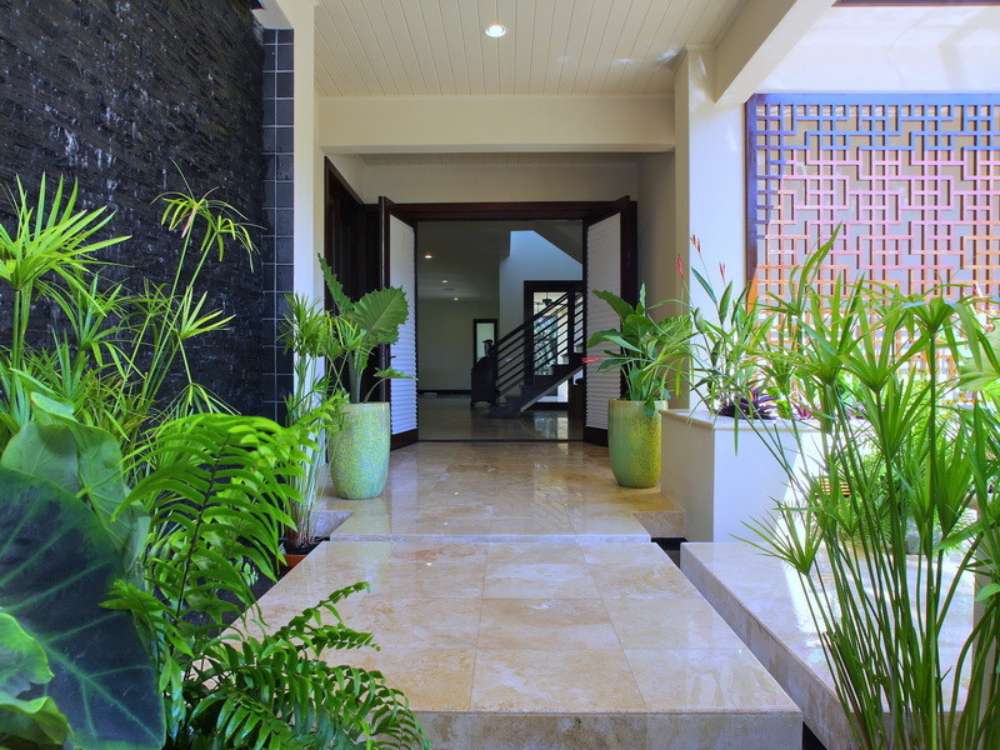 Image source: Ellis Consulting Group Inc.
Soft, warm lighting is key for a peaceful atmosphere. Ditch those harsh overhead lights and opt for floor lamps, table lamps, or even candles. You can also hang fairy lights around your space for a magical touch. Pro tip: Use dimmers to control the brightness and set the perfect mood.
The Soothing Scent-sation
Aromatherapy can work wonders for your well-being. Use essential oil diffusers, candles, or incense to fill your home with calming scents like lavender, chamomile, or sandalwood. Not only will they create a relaxing ambiance, but they’ll also help you drift off to dreamland at night.
Comfy Zen Beds
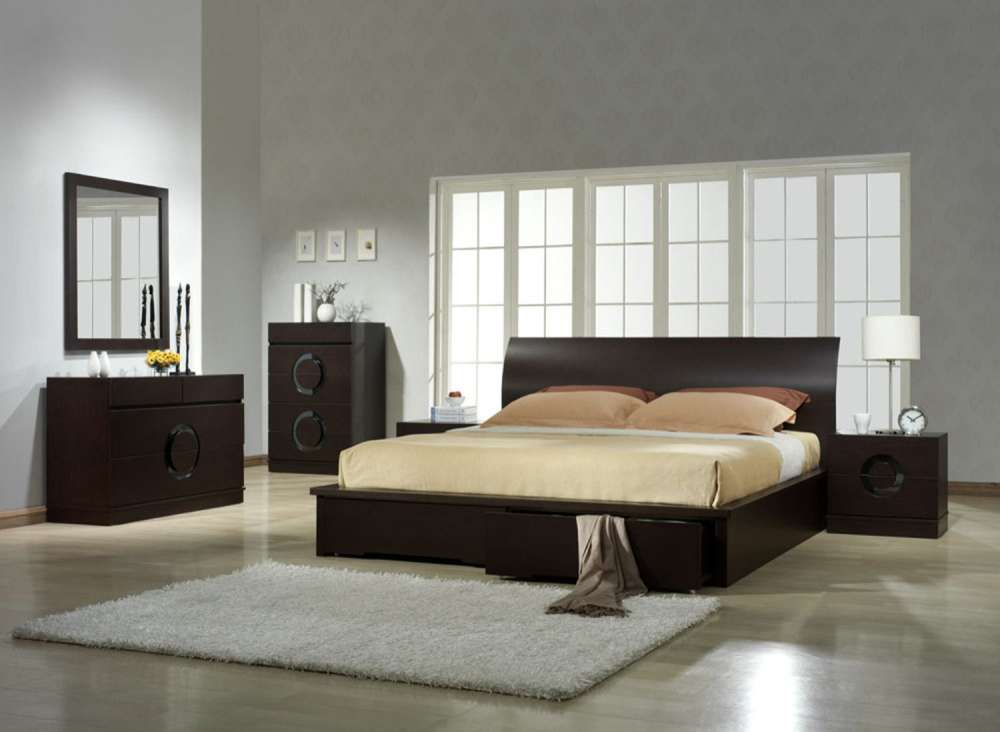 Image source: Designer Group USA Inc
To create a Zen sleeping space, opt for a low platform bed or even a traditional Japanese futon. Stick to neutral-colored, organic bedding and cozy blankets. Add a few soft pillows for extra comfort, but remember to keep it clutter-free. The goal is to create a simple, inviting space that promotes relaxation and rejuvenation.
The Art of Kokedama
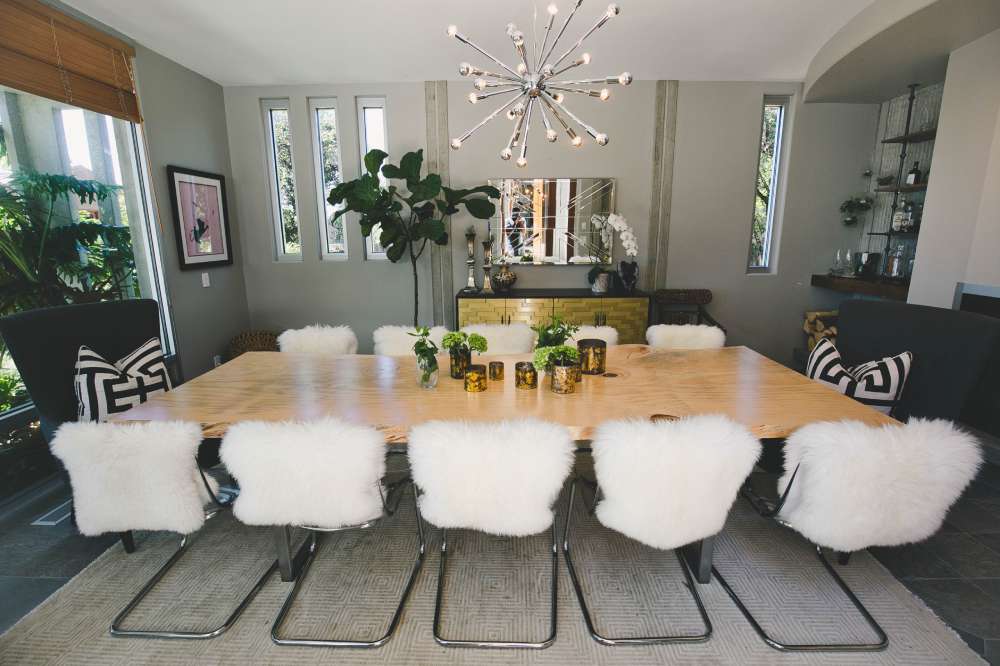 Image source: M. Swabb
Try your hand at the Japanese art of kokedama – a technique where plants are grown in moss-covered balls of soil. They make unique, charming, and eco-friendly decorations. Hang a few kokedama plants from the ceiling or place them on a tray. You’ll have a living piece of art that’s bound to be a conversation starter.
Zen-fully Tidy
Ever heard of the KonMari method? Marie Kondo’s approach to decluttering can help you create a more Zen home. Sort through your belongings and keep only what truly sparks joy. By having an organized, clutter-free space, you’ll feel lighter and more at peace. Say hello to your new happy place.
Meditative Coloring
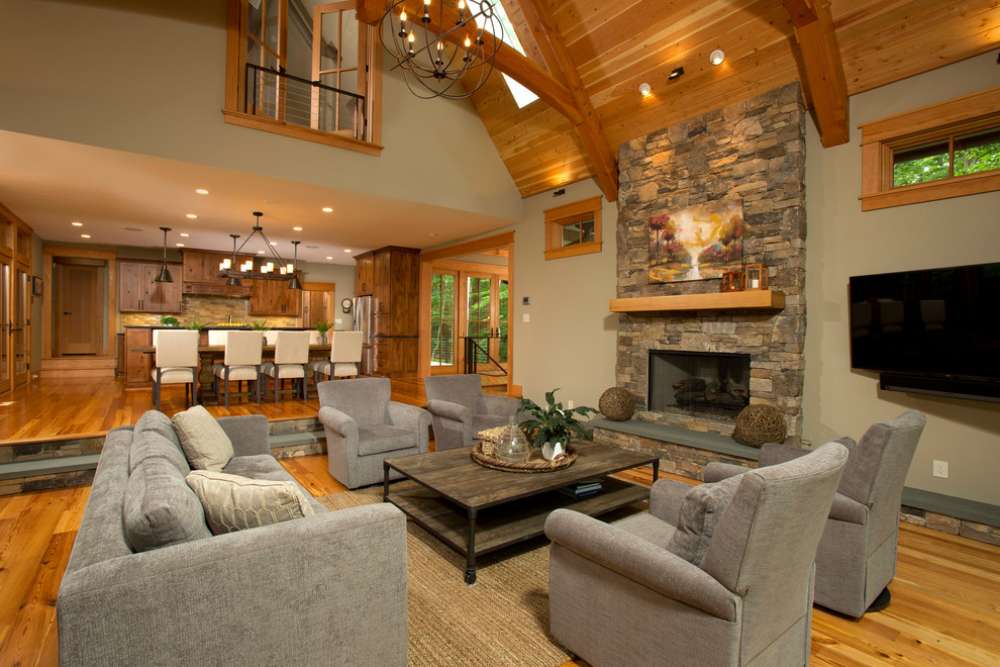 Image source: KohlMark Architects and Builders
Coloring isn’t just for kids! Grab some coloring pages with intricate, Zen-inspired designs or even a whole adult coloring book. Display your finished creations around your home to add some color and personality. Plus, it’s a great way to relax and destress.
Nature’s Touch
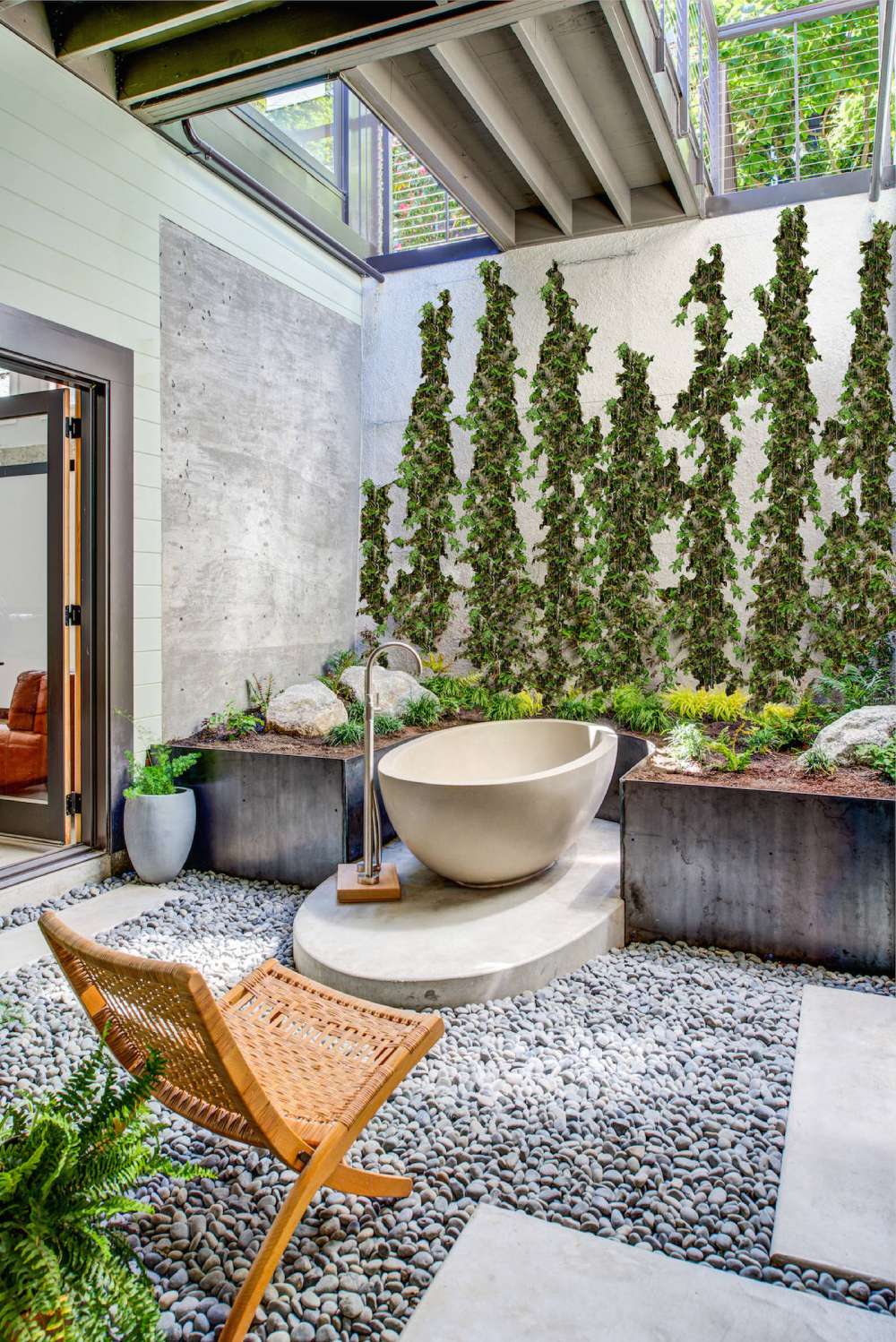 Image source: Studio Bergtraun AIA
Incorporate natural materials throughout your home for a truly Zen vibe. Opt for furniture and décor made of wood, stone, or bamboo. You can also choose natural fabrics like linen and cotton for your upholstery, curtains, and cushions. This connection to nature will help cultivate a calming atmosphere.
Enchanting Zen Garden
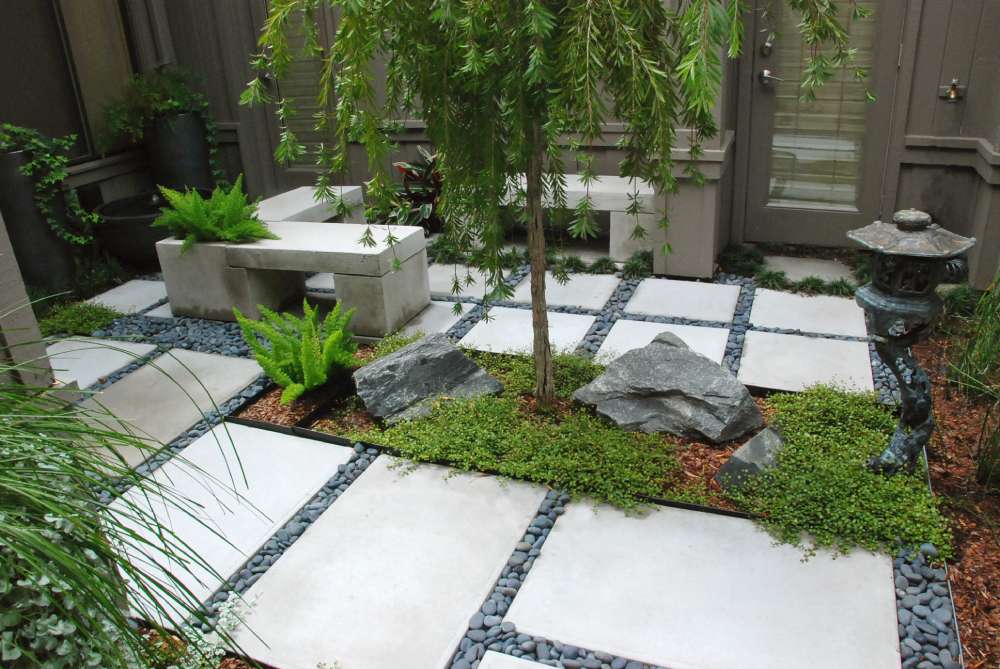 Image source: Hortus Oasis
Create a little piece of paradise in your backyard with a Zen garden. Combine elements like rocks, water features, and plants to create a harmonious outdoor space. Add a small bench or a meditation cushion, and you’ll have the perfect spot to escape the hustle and bustle of daily life.
Flow with Water Features
Introduce the soothing sound of flowing water to your home with an indoor water feature. A tabletop fountain, a wall-mounted waterfall, or even a small aquarium can help create a tranquil ambiance. Plus, flowing water is believed to bring positive energy and abundance into your life.
Cozy Zen Corners
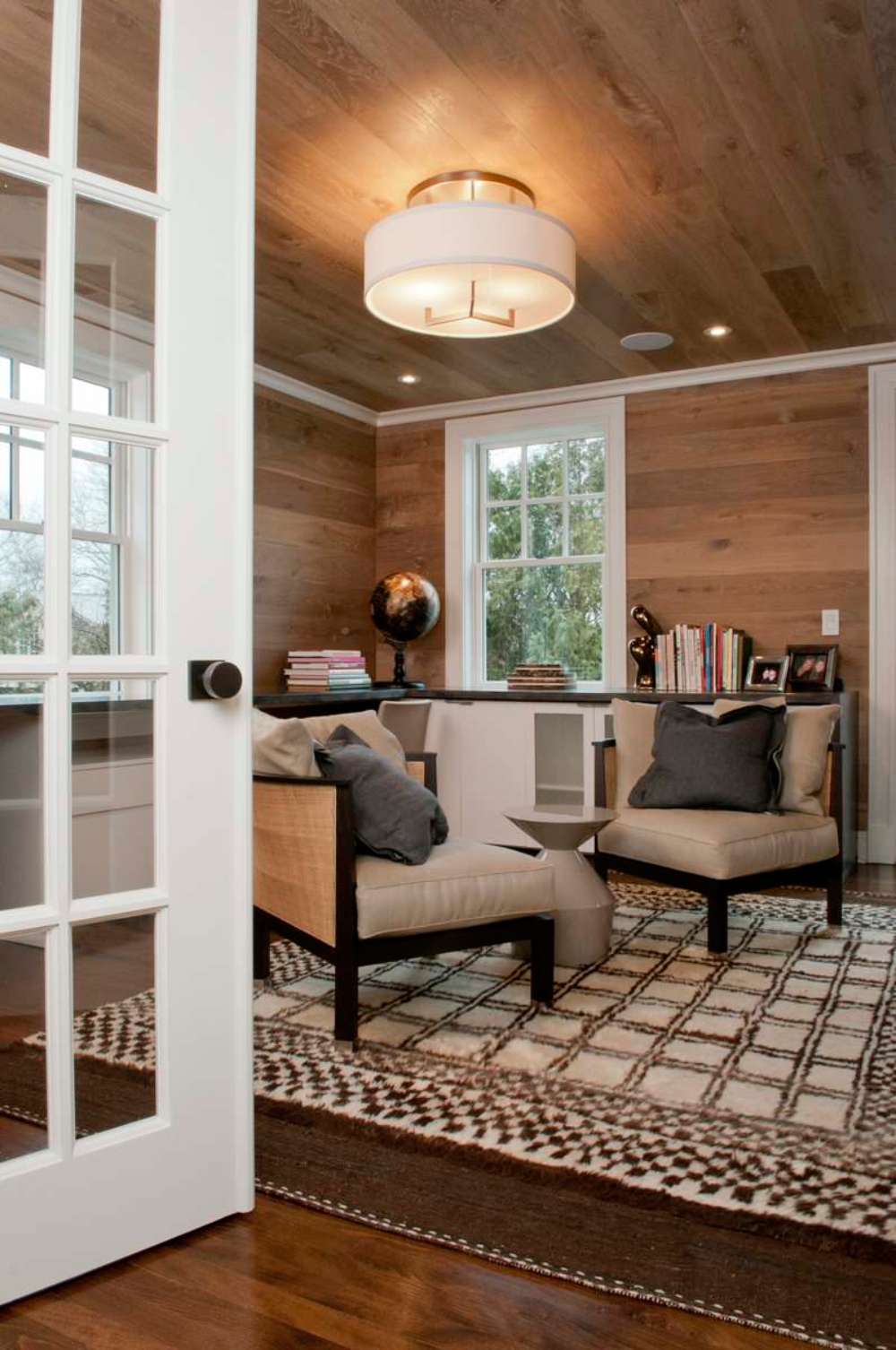 Image source: Dietz & Associates Inc.
Transform an unused corner of your home into a peaceful retreat. Add a comfy chair, a soft blanket, and a small table for your favorite books or a cup of tea. This cozy corner will be your go-to spot for relaxation and quiet contemplation.
Wabi-Sabi Style
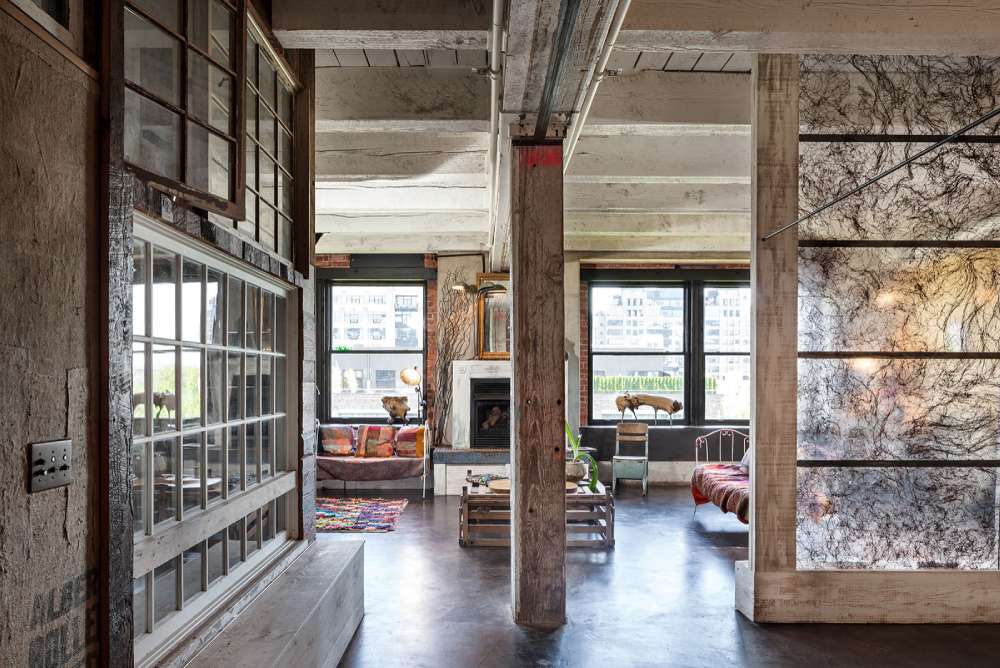 Image source: KuDa Photography
Embrace the beauty of imperfection with the Japanese concept of wabi-sabi. Choose décor and furnishings with a natural, handmade, or rustic feel. Surround yourself with items that have a story to tell and that celebrate their imperfections. Your home will feel authentic, warm, and genuinely Zen.
Peaceful Color Palette
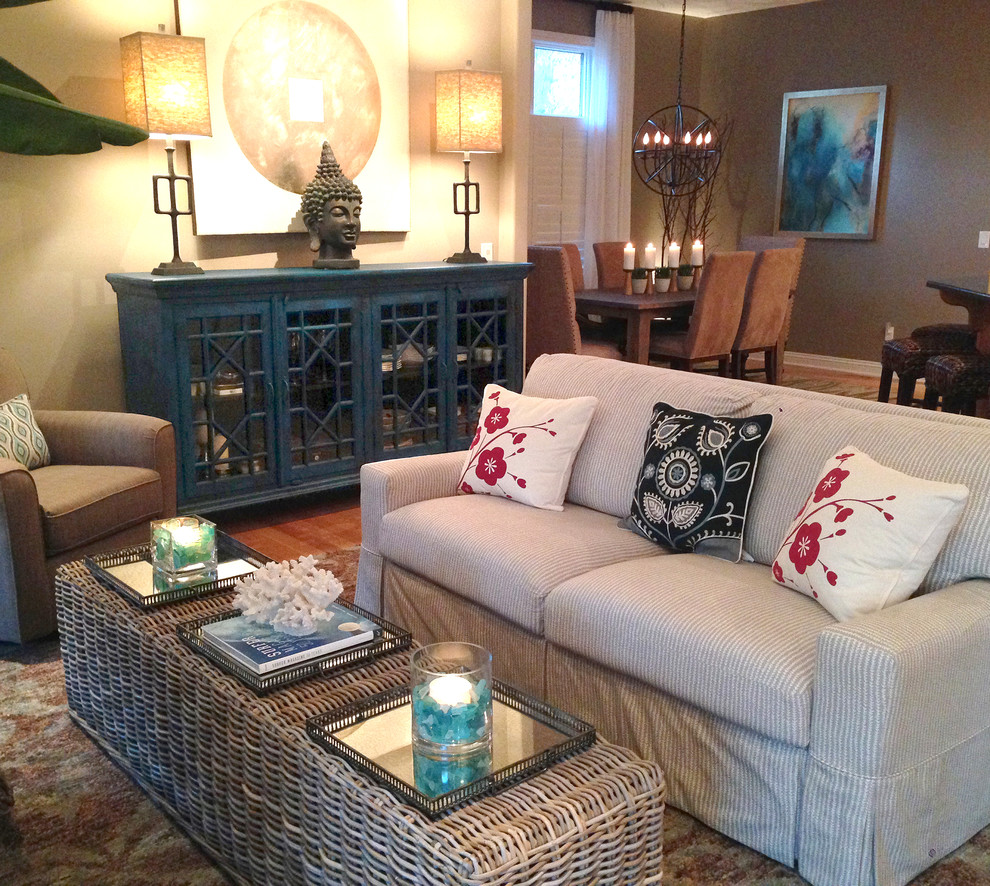 Image source: GMI Design Group
Choose a calming color palette for your Zen-inspired home. Stick to soft, neutral tones like beige, cream, and gray. You can also incorporate muted shades of green, blue, or lavender. These colors will create a sense of serenity and tranquility throughout your space.
Mindful Tablescapes
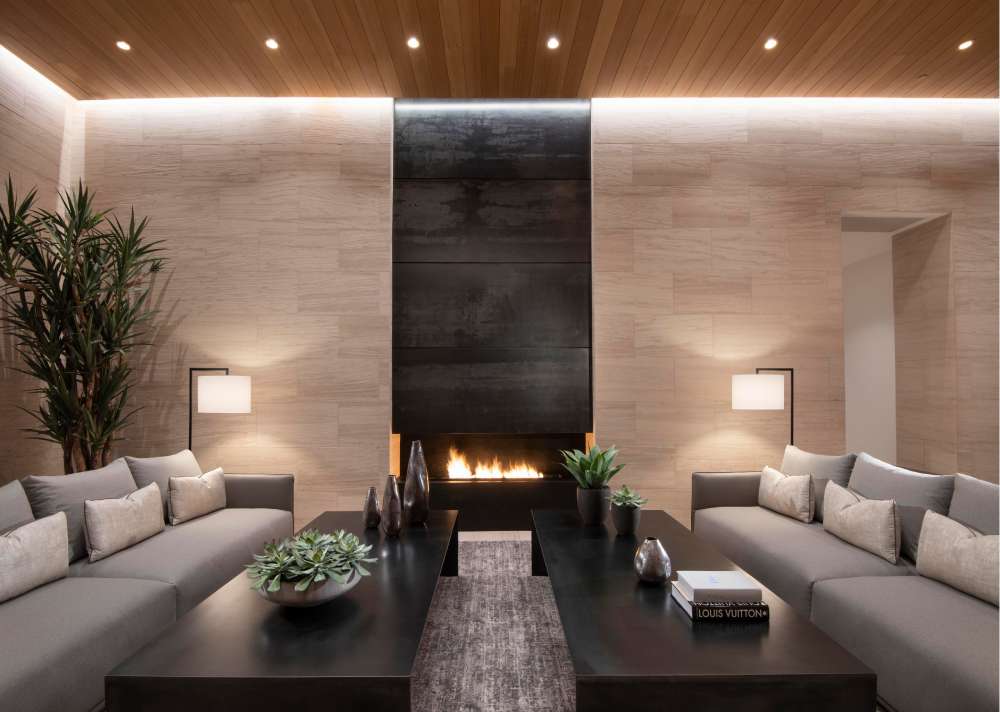 Image source: Drewett Works
Elevate your dining experience by creating mindful tablescapes. Use natural materials like wood, stone, and linen for your tableware and linens. Add a touch of Zen with a simple, elegant centerpiece – perhaps a small potted plant or a few candles. Your mealtime will become a nourishing and soulful ritual.
FAQ On Zen Home Decor
What exactly is zen home decor?
Zen decor is all about minimalism and serenity, aiming to create a peaceful space that promotes relaxation. It’s a blend of Japanese aesthetics focusing on clean lines, natural materials, and a clutter-free environment that fosters mindfulness and stress reduction.
How do you achieve a zen look in your home?
Start with a calming color palette of earth tones. Incorporate elements like bamboo or stone, use Tatami mats for flooring, and keep furniture low and simple. Introduce natural light, add indoor plants, and ensure there’s plenty of open space to allow energy to flow freely.
What colors are associated with zen home decor?
Think neutrals, soft whites, greys, and earthy hues. These shades work to create a restful environment. You’ll often find splashes of greens and blues, mirroring nature and setting a tranquil mood for your space.
What are some essential items for zen home decor?
Key items include a water feature, like a small tabletop fountain, to introduce soothing sounds. Zen sand gardens, minimalistic furniture, meditation cushions, and subtle lighting fixtures are also central to creating a zen vibe.
Can zen home decor include art and accessories?
Absolutely, but it’s all about simplicity. Choose artwork that inspires serenity, like nature scenes or abstract pieces in soft colors. Accessorize sparingly with meaningful items that don’t create clutter, like a simple vase or a single book on a coffee table.
How does nature play a role in zen home decor?
Nature is pivotal. Incorporate potted plants, natural wood, and stones. Large windows for natural light or even nature-inspired wall decals can help create a connection to the outdoors, further enhancing the zen vibe.
How can I create a zen bedroom?
Opt for a minimalist approach with a platform bed, use soft lighting, and introduce organic bedding. Keep decorations to a minimum and focus on tranquility – add a diffuser with calming scents like lavender to promote relaxation and sleep.
What tips do you have to maintain a zen space?
Keep surfaces clean and clutter-free. Adopt regular decluttering practices, and choose storage solutions that hide away distractions. Embrace the philosophy of ” less is more” by only keeping items that serve a purpose or bring joy.
How can I incorporate feng shui in my zen home decor?
Apply feng shui principles by ensuring a good flow of energy (Chi). Place the bed or main seating areas in commanding positions, clear entryways, balance the five elements throughout your space, and use mirrors wisely to direct energy.
Can zen decor work in a busy family home?
Yes, it’s about creating a balanced environment where tranquility can coexist with daily life.
Use durable, natural materials that can withstand activity, ensure there’s a special space for relaxation, and involve family members in maintaining the serene environment you’ve cultivated.
Conclusion
So, we’ve journeyed through the tranquil philosophy of zen home decor, uncovering ways to transform homes into havens of peacefulness.
- We’ve embraced minimalism,
- let natural materials take center stage,
- and cleared the decks both visually and spiritually with Feng shui subtleties.
Now, picture this: your space, once overloaded with distractions, resonates with nothing but calm. You find yourself enveloped in serene shades and textures, with every element from the sand garden on your desk to the Bamboo plant in the corner, serving as your personal mindfulness cues.
This isn’t just a trend; it’s a lifestyle shift. A testament that within the simplicity lies the profound—a home that doesn’t just look good, but feels good, echoing the serenity you seek. Take a deep breath. You’re not just stepping back into your living space; you’re entering a realm where each detail whispers ‘zen’. Welcome to your new sanctuary.
If you liked this article about zen home decor, you should check out this article about Mediterranean home decor.
There are also similar articles discussing gothic home decor, Indian home decor, Victorian home decor, and tropical home decor.
And let’s not forget about articles on Moroccan home decor, mid-century modern home decor, zen bedroom decor, zen living room decor, industrial chic home decor, and Hollywood regency home decor.